

History
Portuguese history, day by day
From Afonso Henriques fighting his own mother for a county in 1128 to a Portuguese secretary-general at the United Nations, these are the dates that made Portugal. Start with the key moments, or open everything in our archive and search it.
- moments
- 735
- eras
- 14
- centuries
- 10
- long reads
- 31
Long reads
The stories behind the dates, researched and sourced. Coming up next, then every day we have covered so far.
 Anniversary tomorrow
· 14 min read
1899: the secret declaration that revived the Anglo-Portuguese alliance
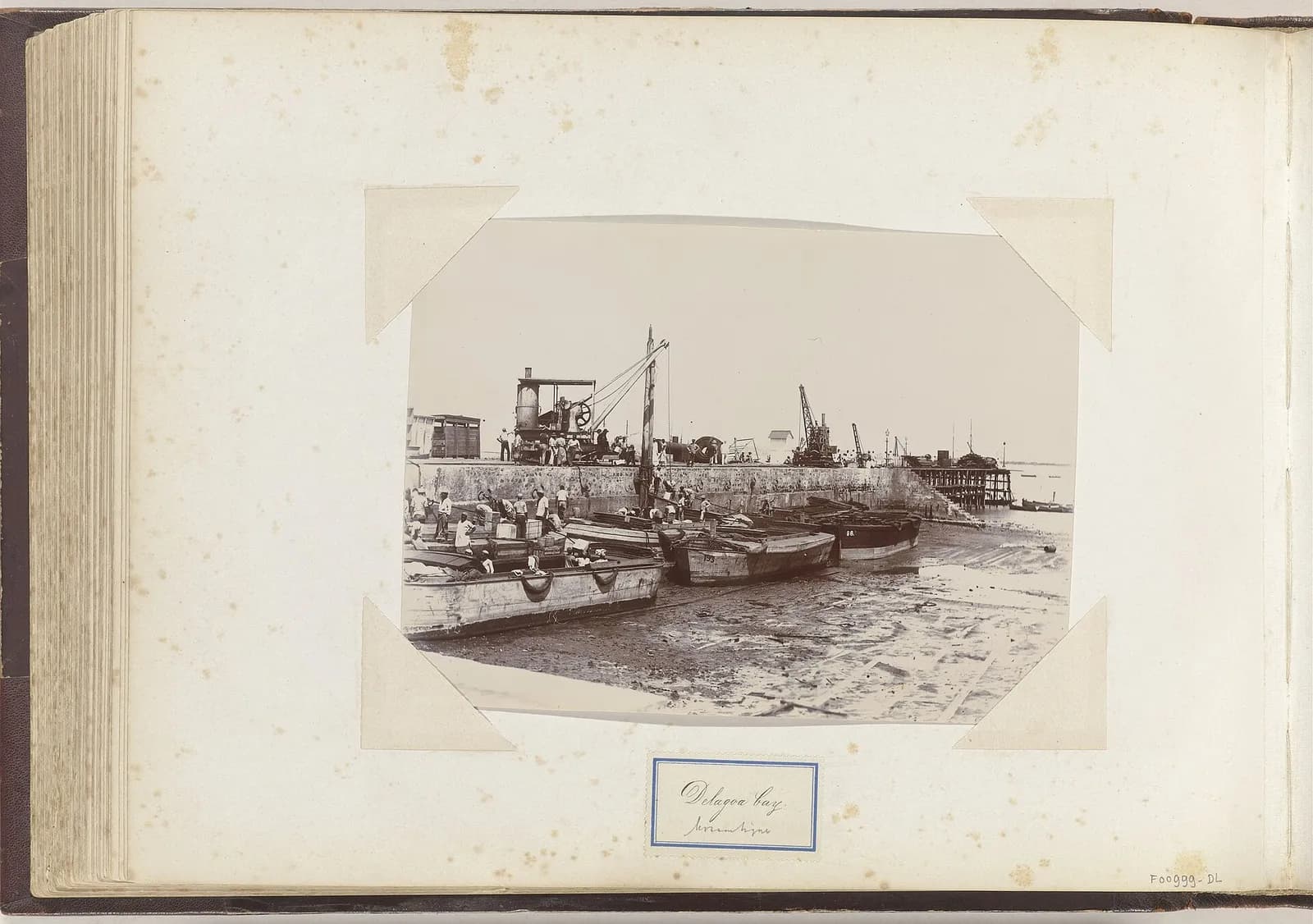
Three days into the Boer War, Lord Salisbury and Portugal's man in London signed a short secret declaration confirming treaties from 1642 and 1661. A year earlier, Britain had quietly agreed with Germany how a loan to Portugal, and perhaps one day its colonies, would be shared out.
Read the story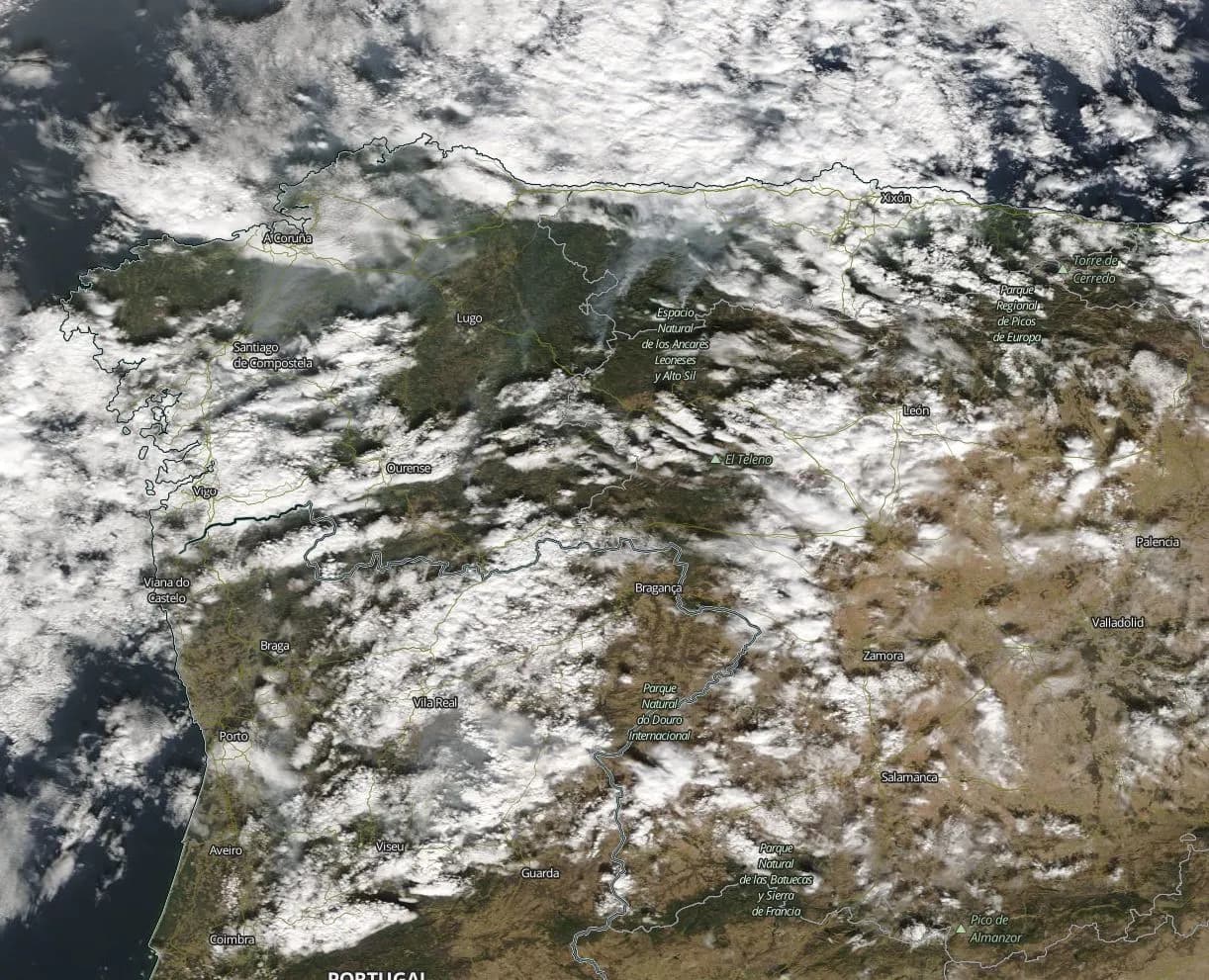 Anniversary in 2 days
· 16 min read
15 October 2017: the day Ophelia's winds set central Portugal alight
Four months after Pedrógão Grande, a Sunday of drought, heat and hurricane-driven wind produced the largest fires Portugal had recorded. Between 48 and 51 people died, and the country changed how it manages fire.
Read the storyAll long reads by date
October
31 of 31 days
 11777The Treaty of San Ildefonso, 1777
 21969The Gulbenkian Museum opens
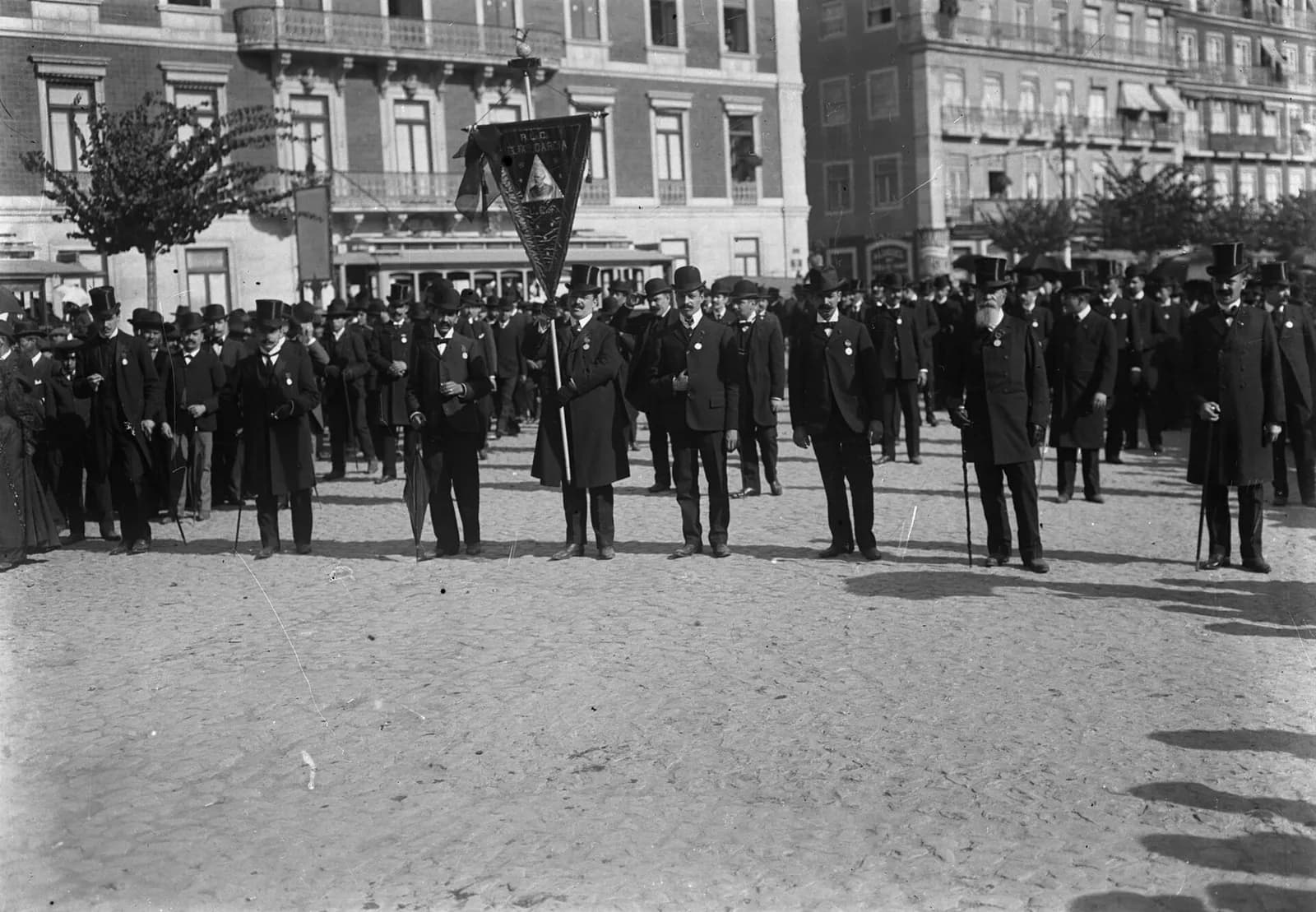 31910Miguel Bombarda's murder, 1910
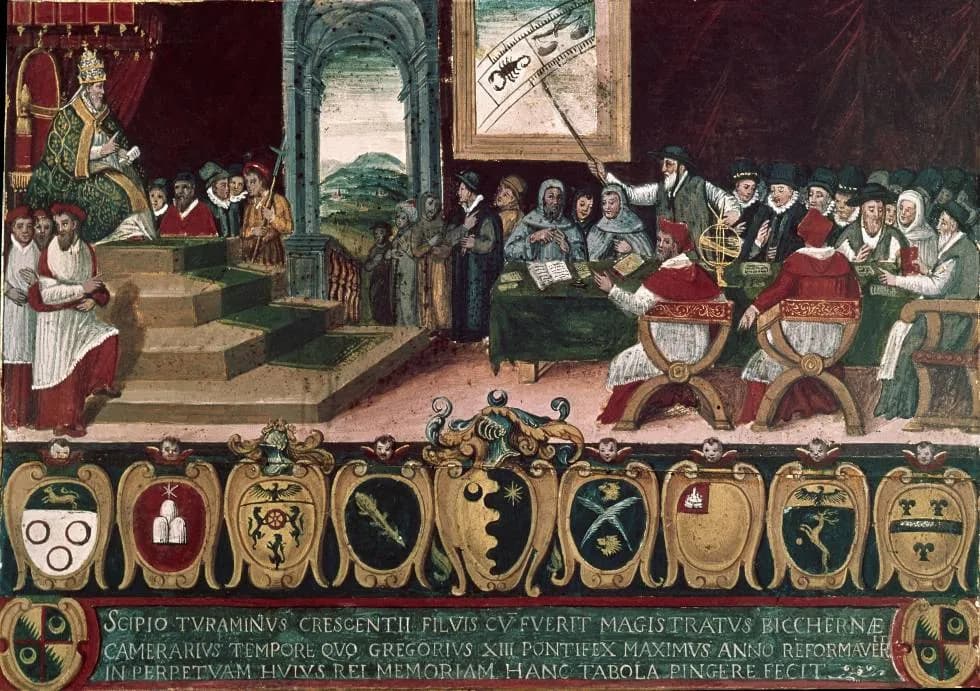 41582Portugal's Gregorian calendar
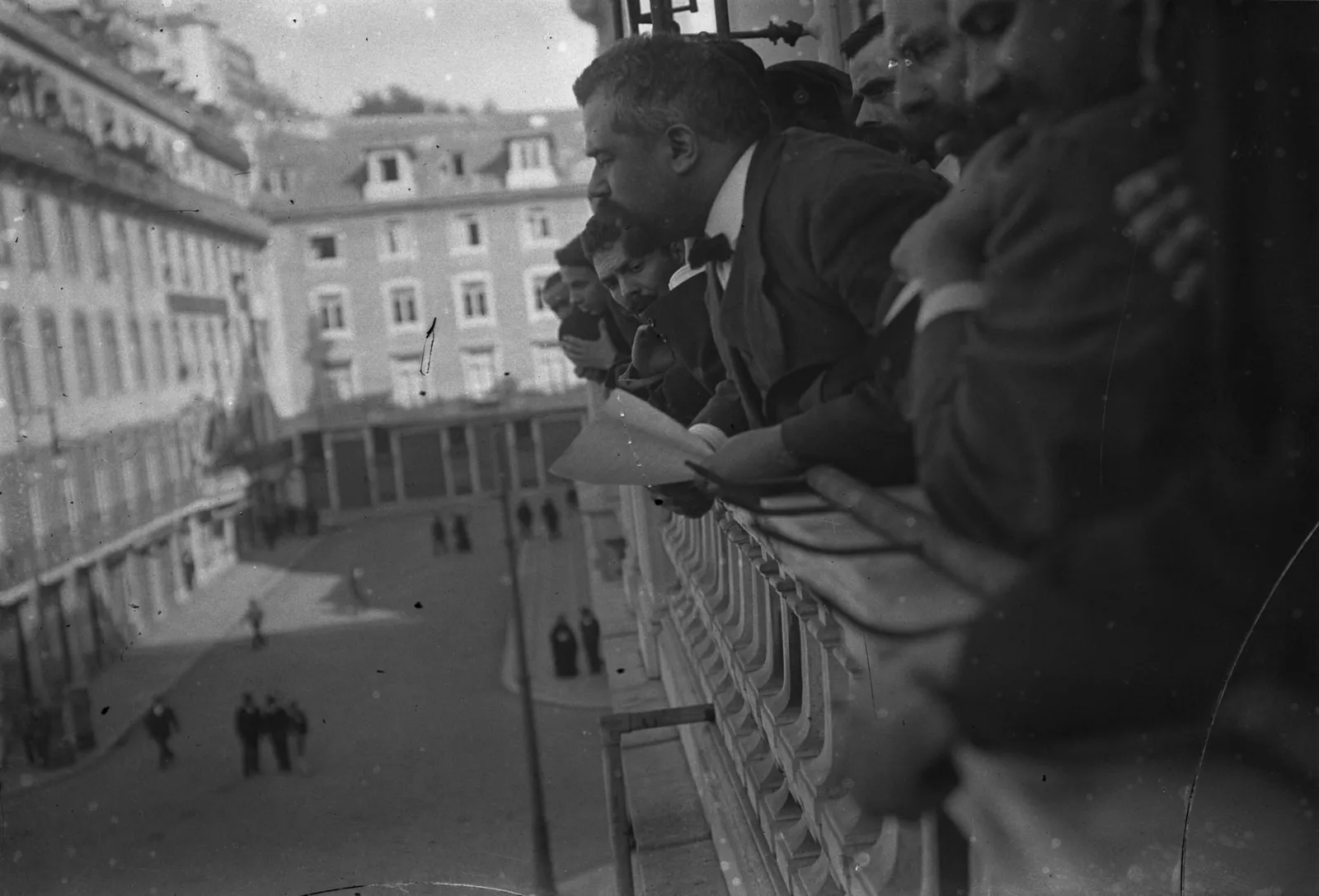 51910The Republic proclaimed, 1910
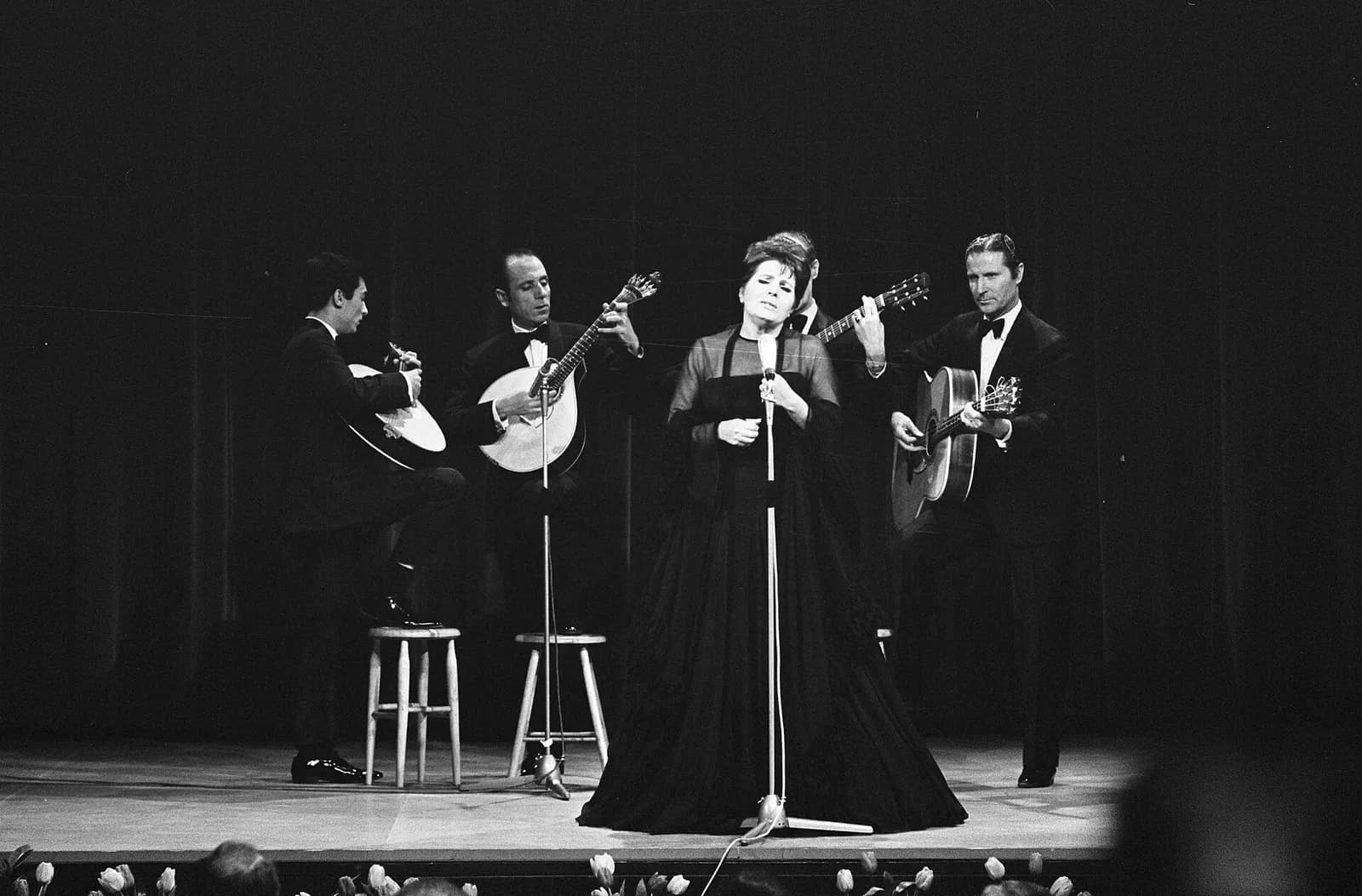 61999The death of Amália Rodrigues
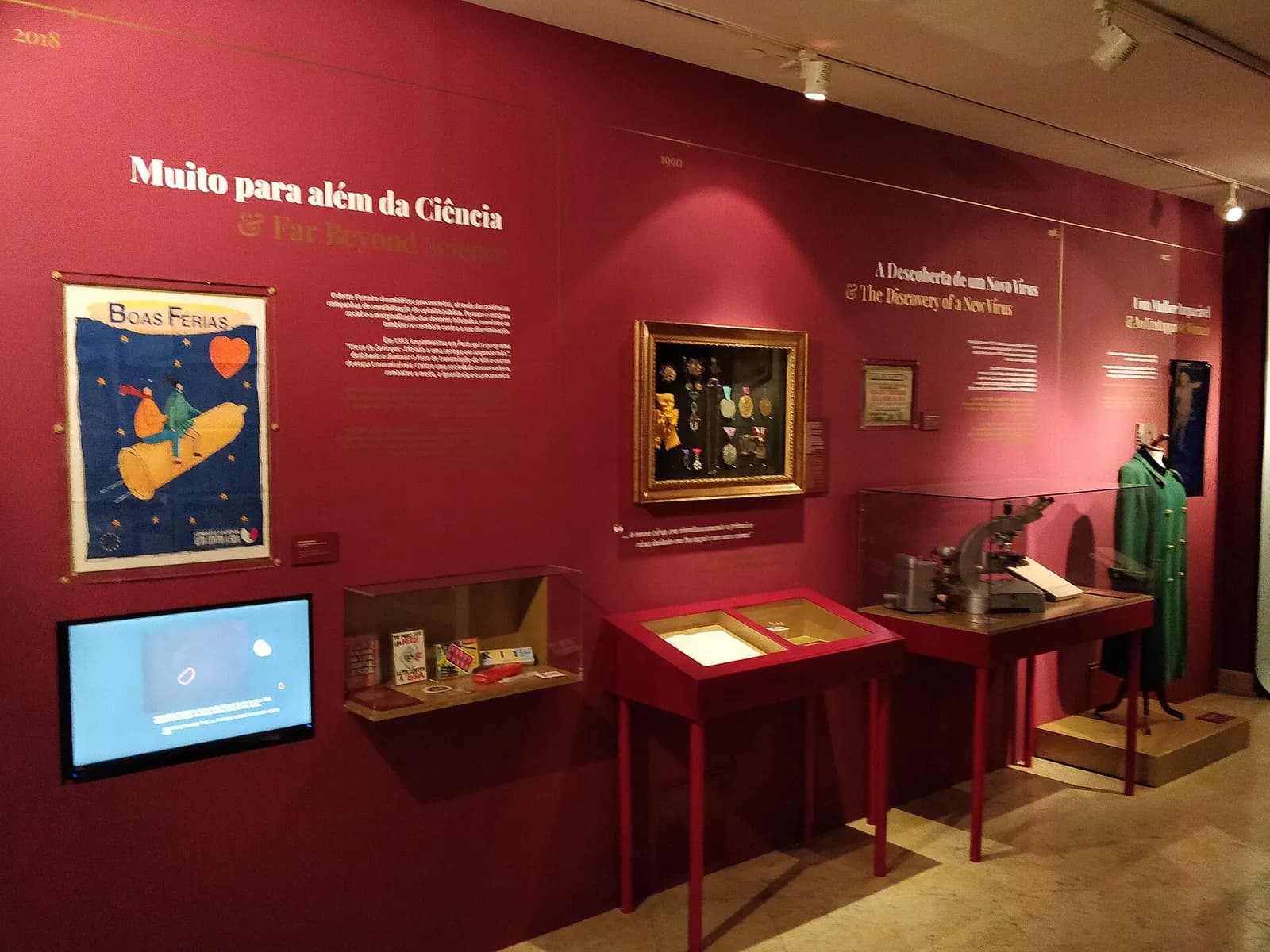 72018Odette Ferreira and HIV-2
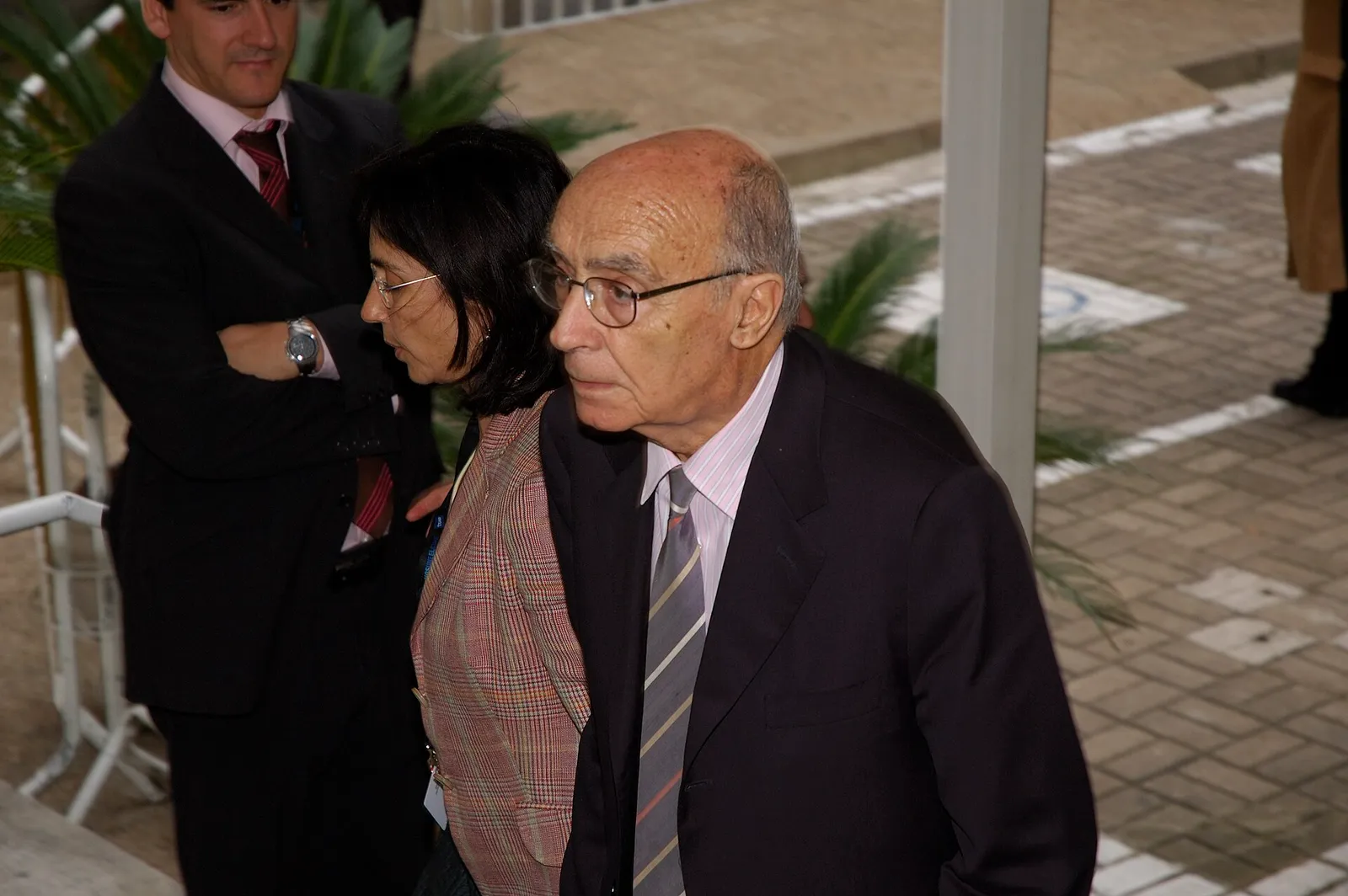 81998Saramago's Nobel Prize
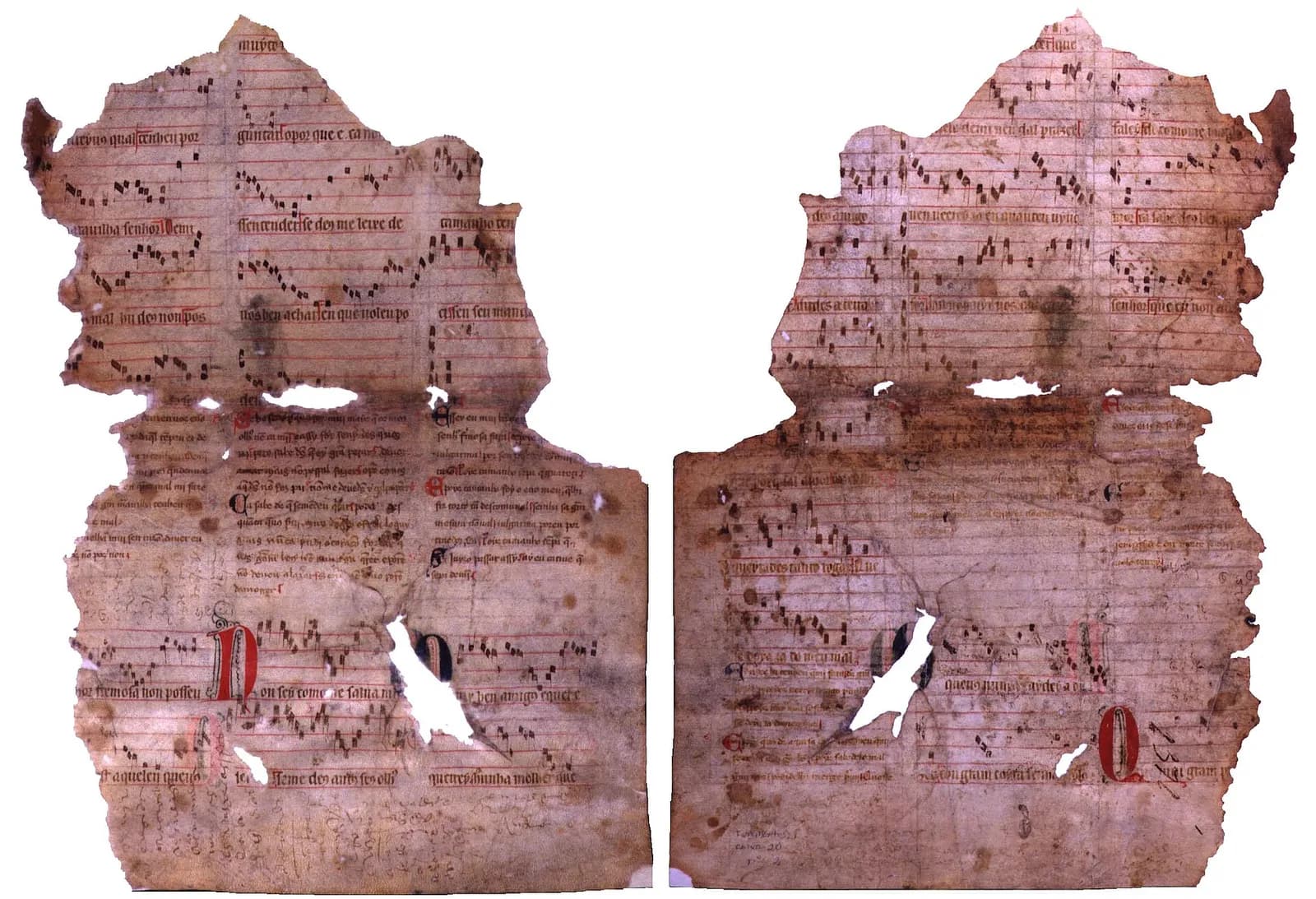 91261The birth of King Dinis
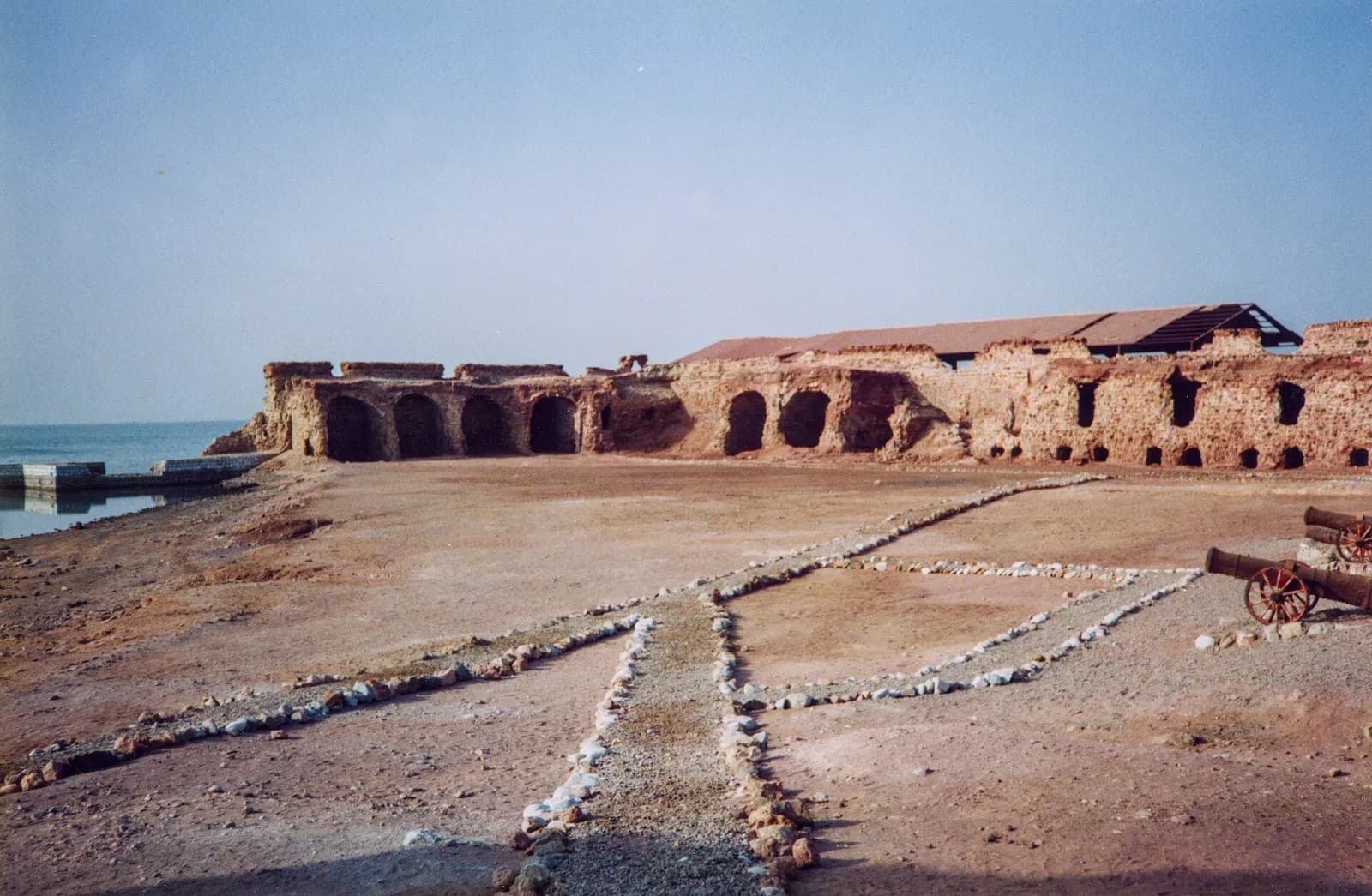 101507Albuquerque at Hormuz, 1507
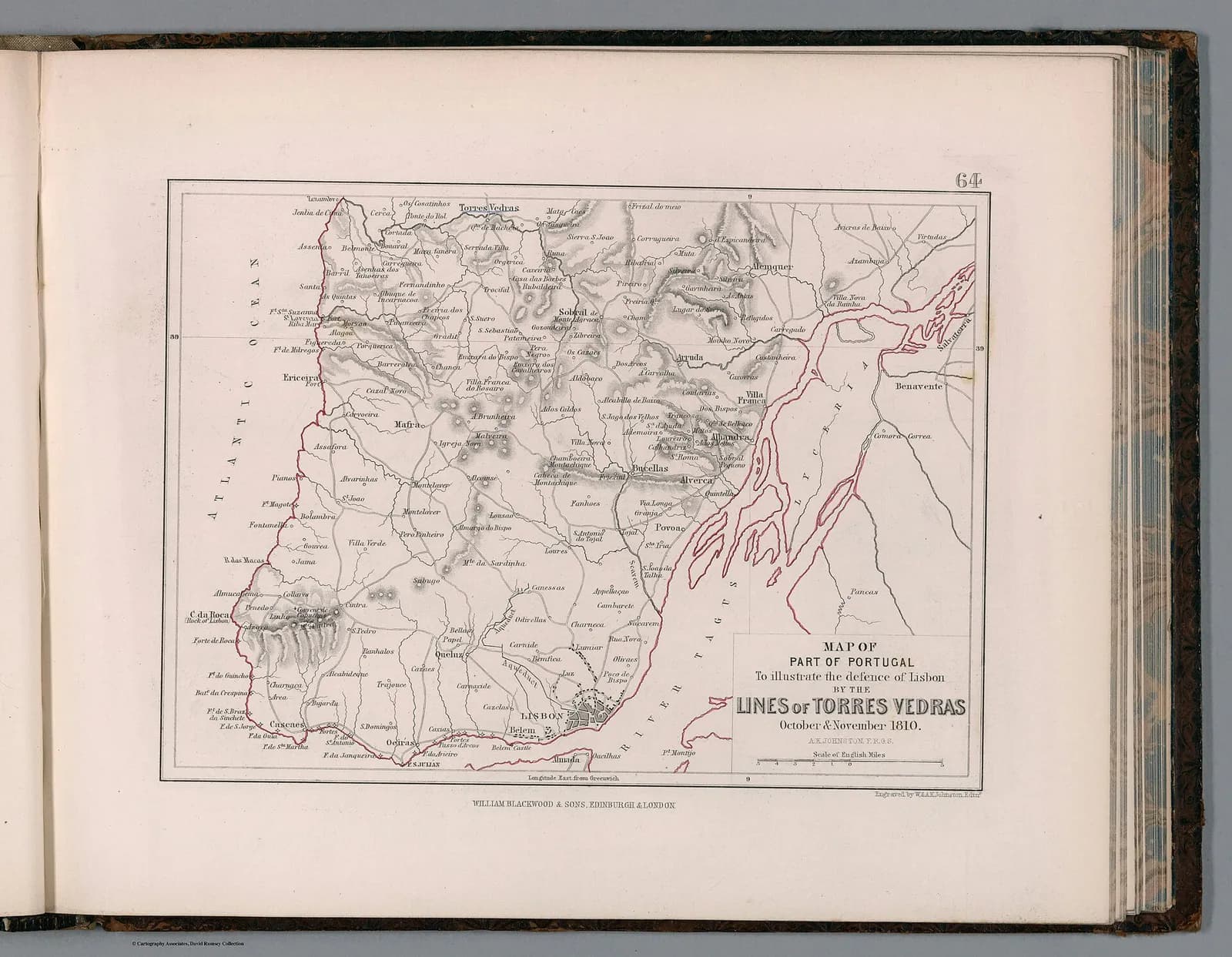 111810The Lines of Torres Vedras
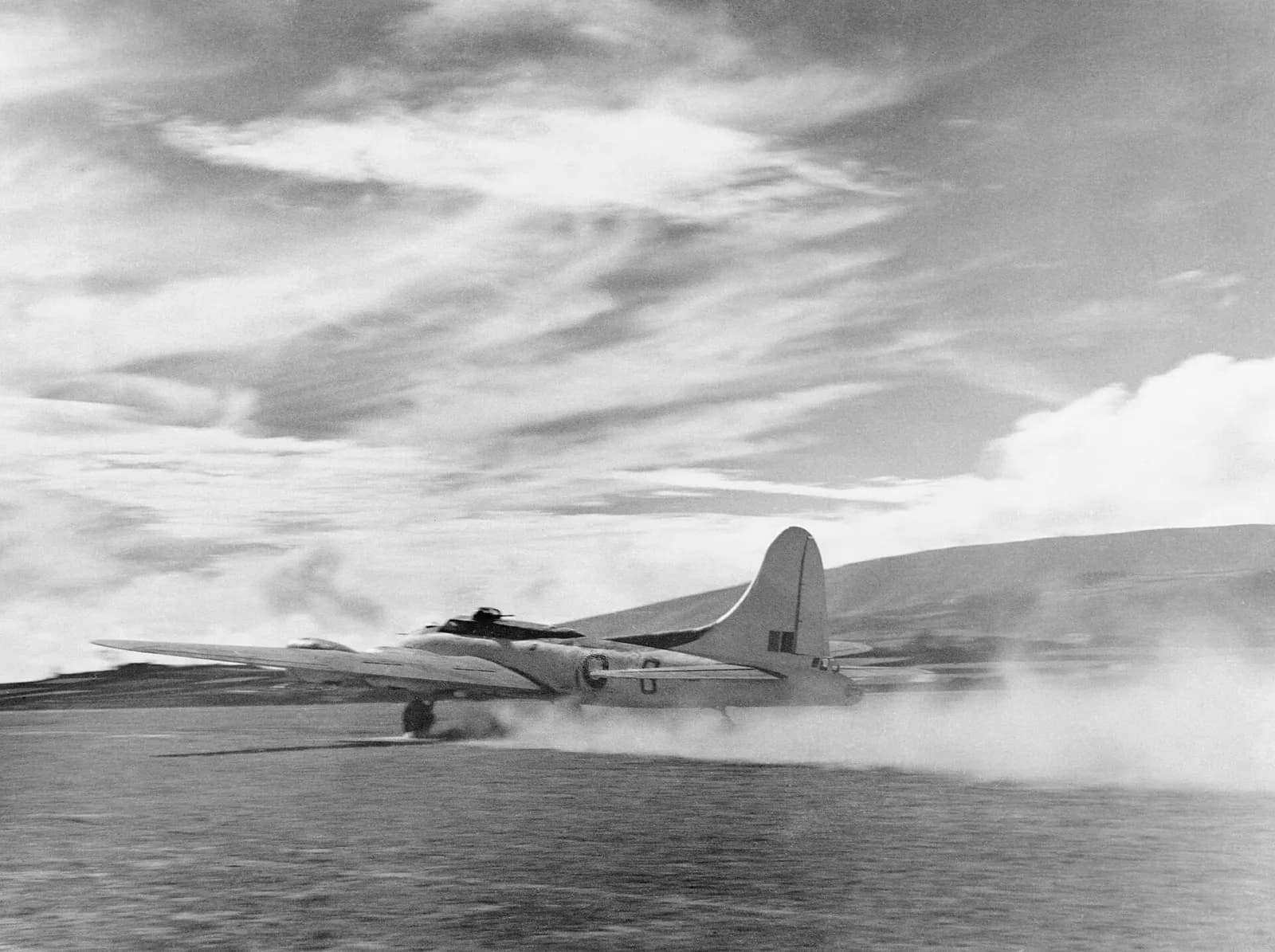 121943The Azores agreement of 1943
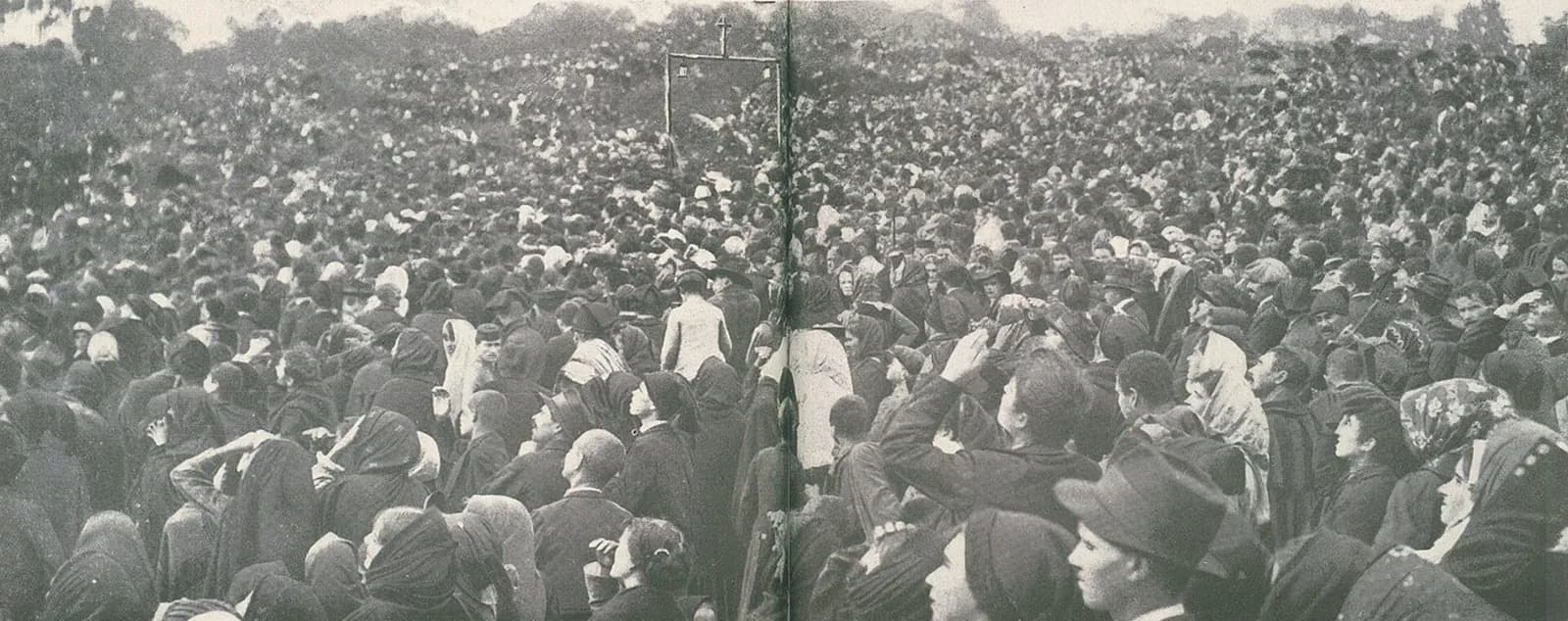 13Today1917The Miracle of the Sun at Fátima
- 141899The secret declaration of 1899
- 152017The October 2017 wildfires
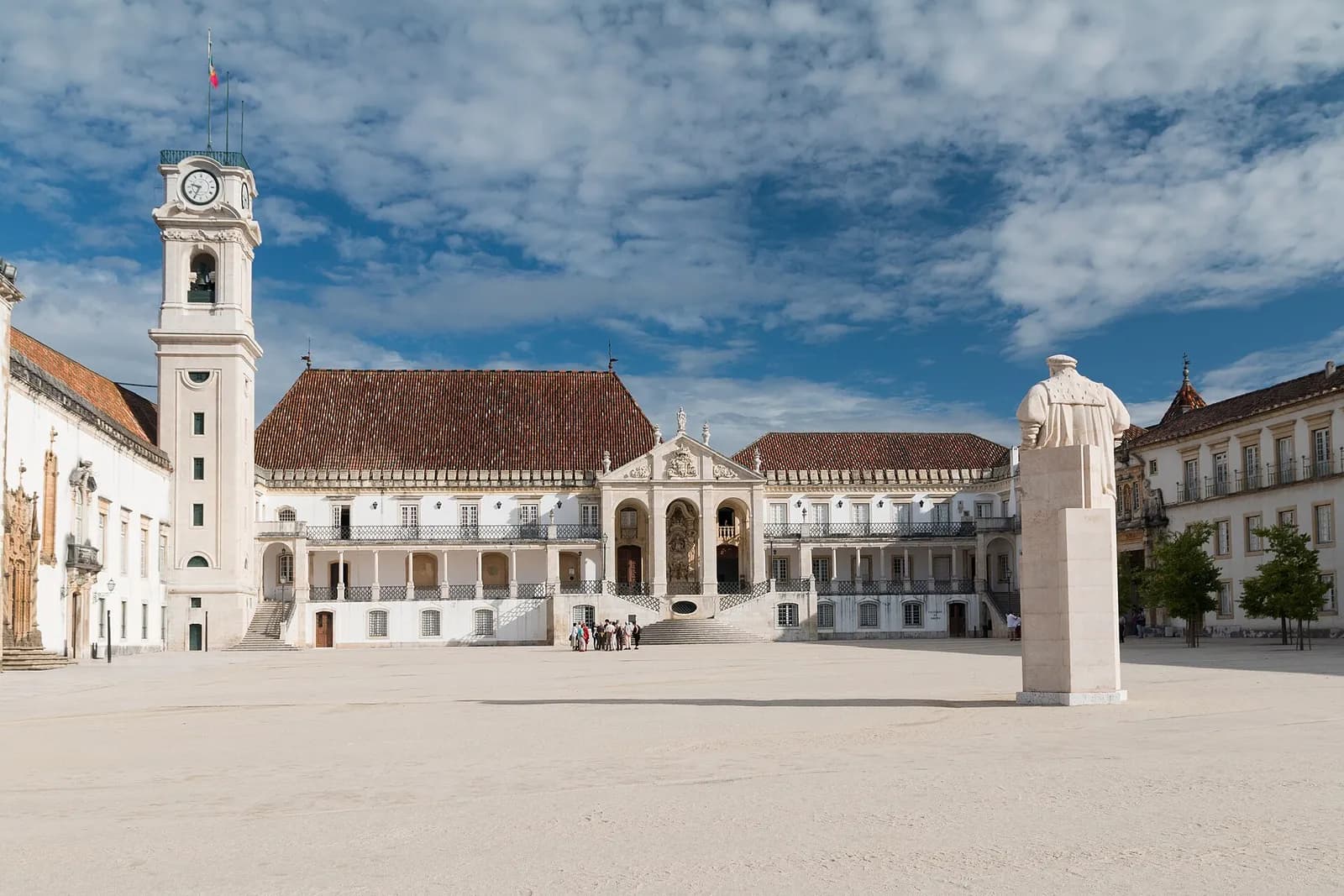 161544Pedro Nunes at Coimbra
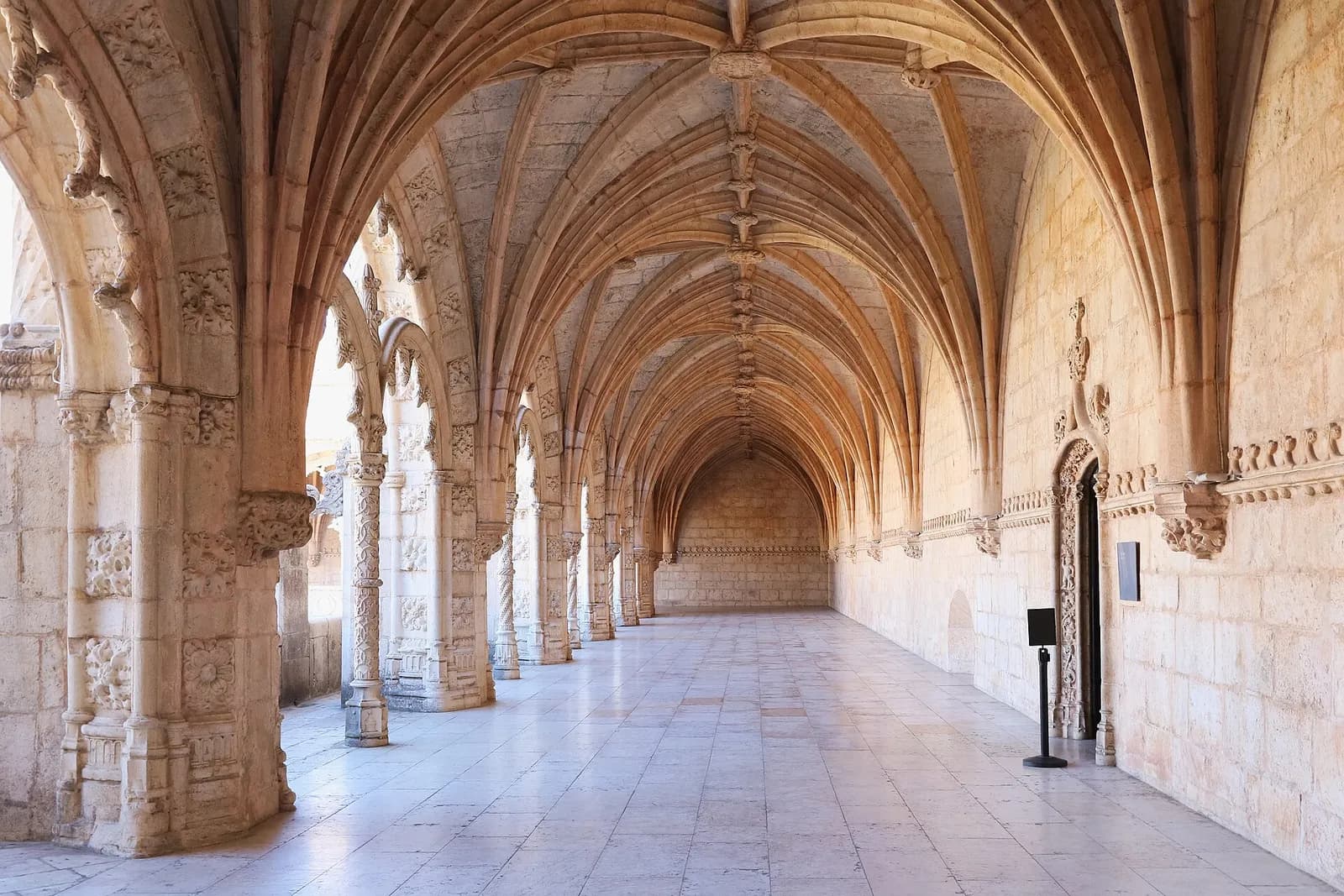 171978Portugal's EEC accession talks
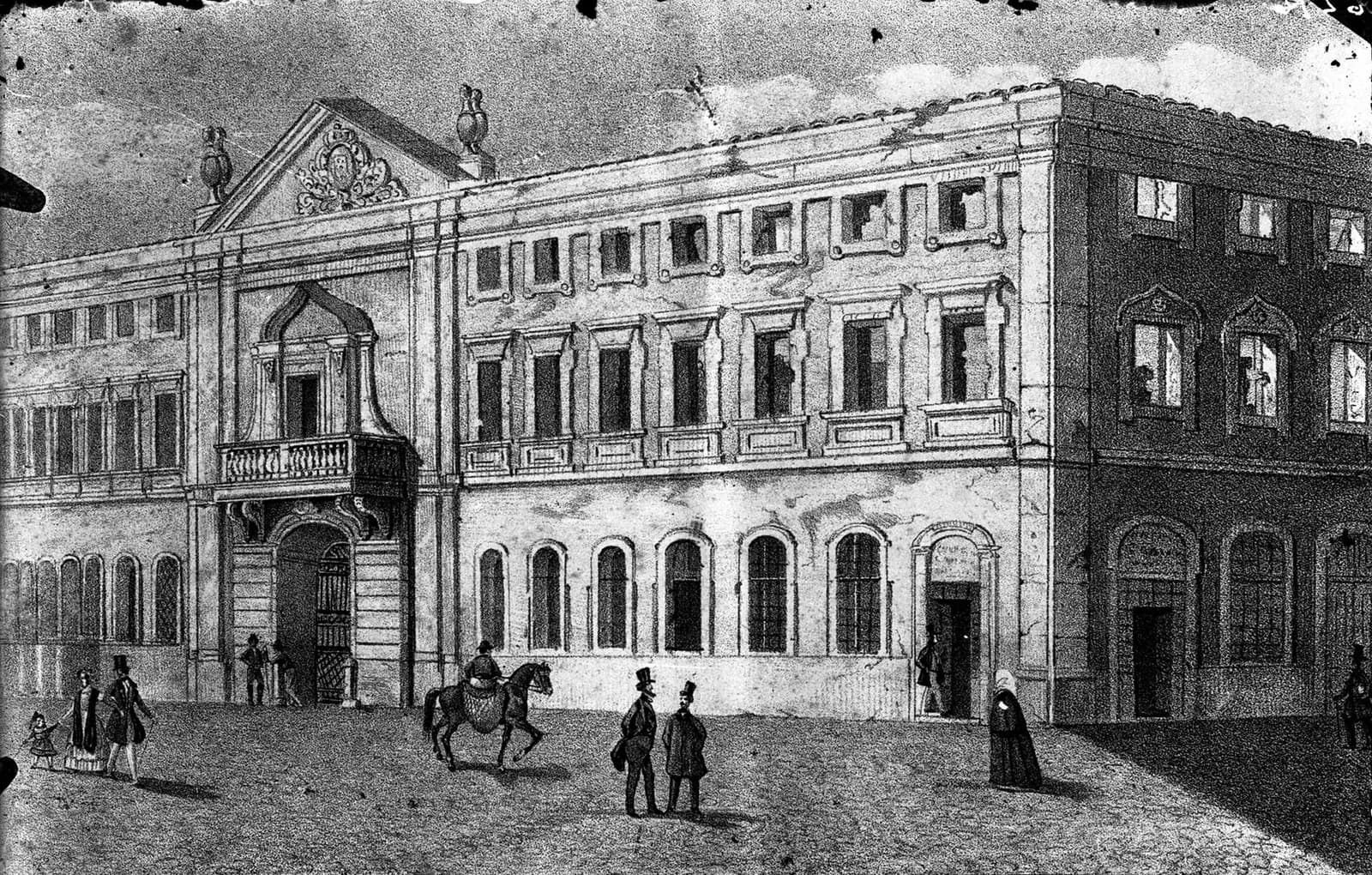 181739António José da Silva, 'o Judeu'
 191921The Noite Sangrenta, 1921
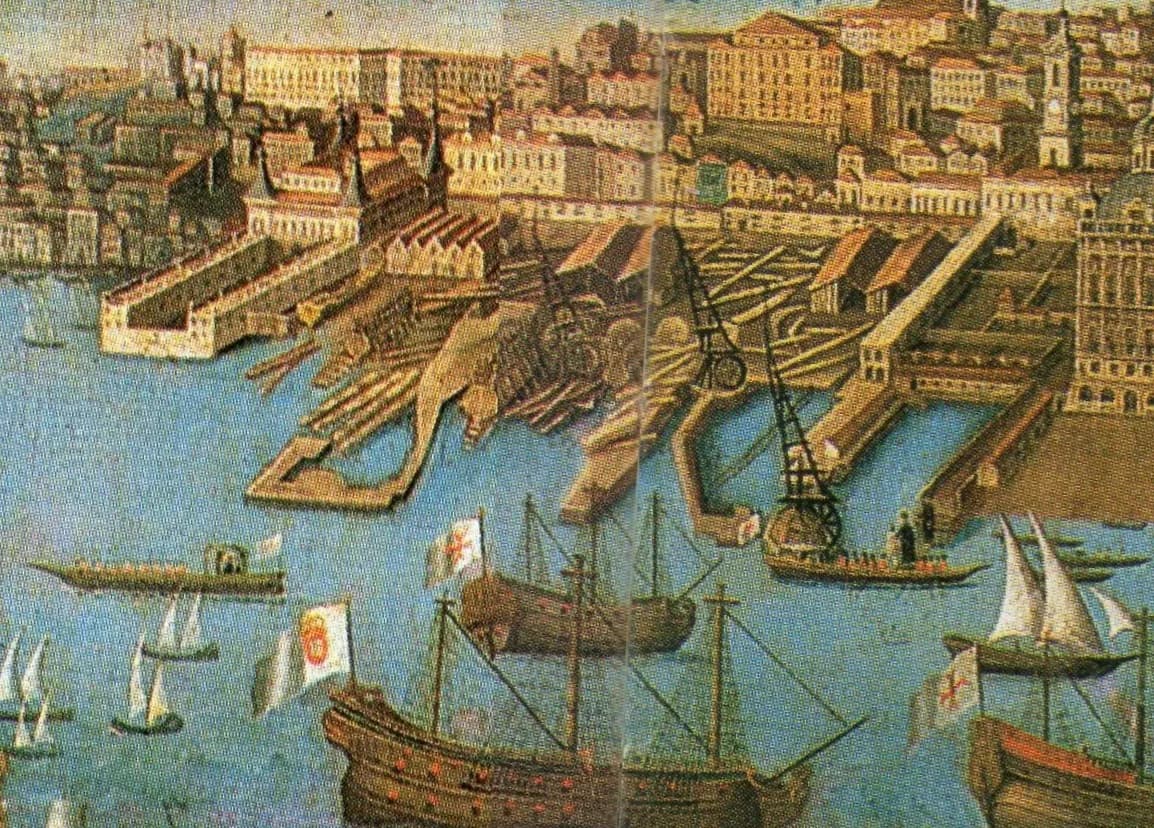 201570João de Barros and the Décadas
 211520Magalhães and his strait
 221383Fernando I and the 1383 crisis
 232022The death of Adriano Moreira
 241885The Elevador da Glória opens
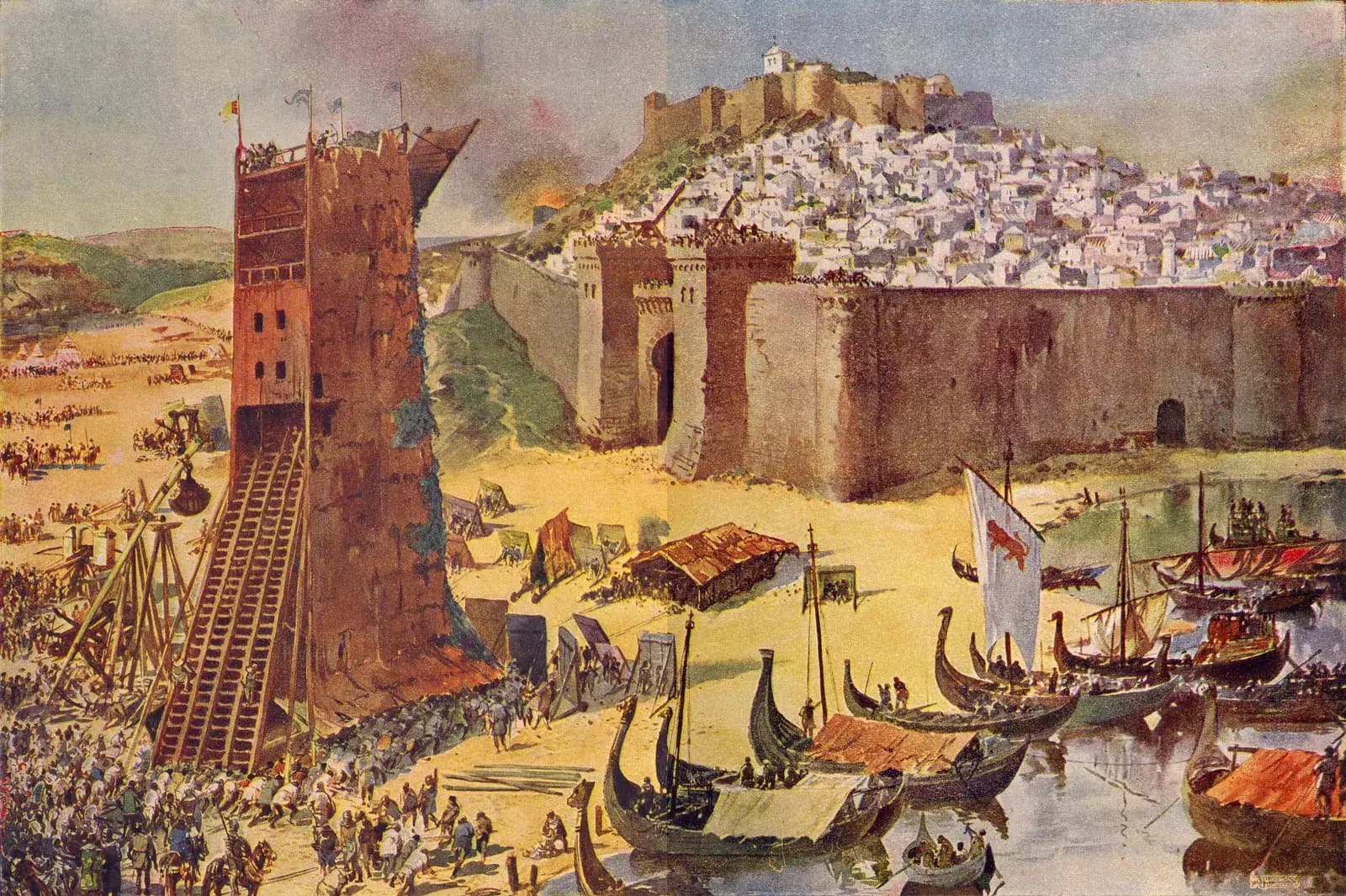 251147The siege of Lisbon, 1147
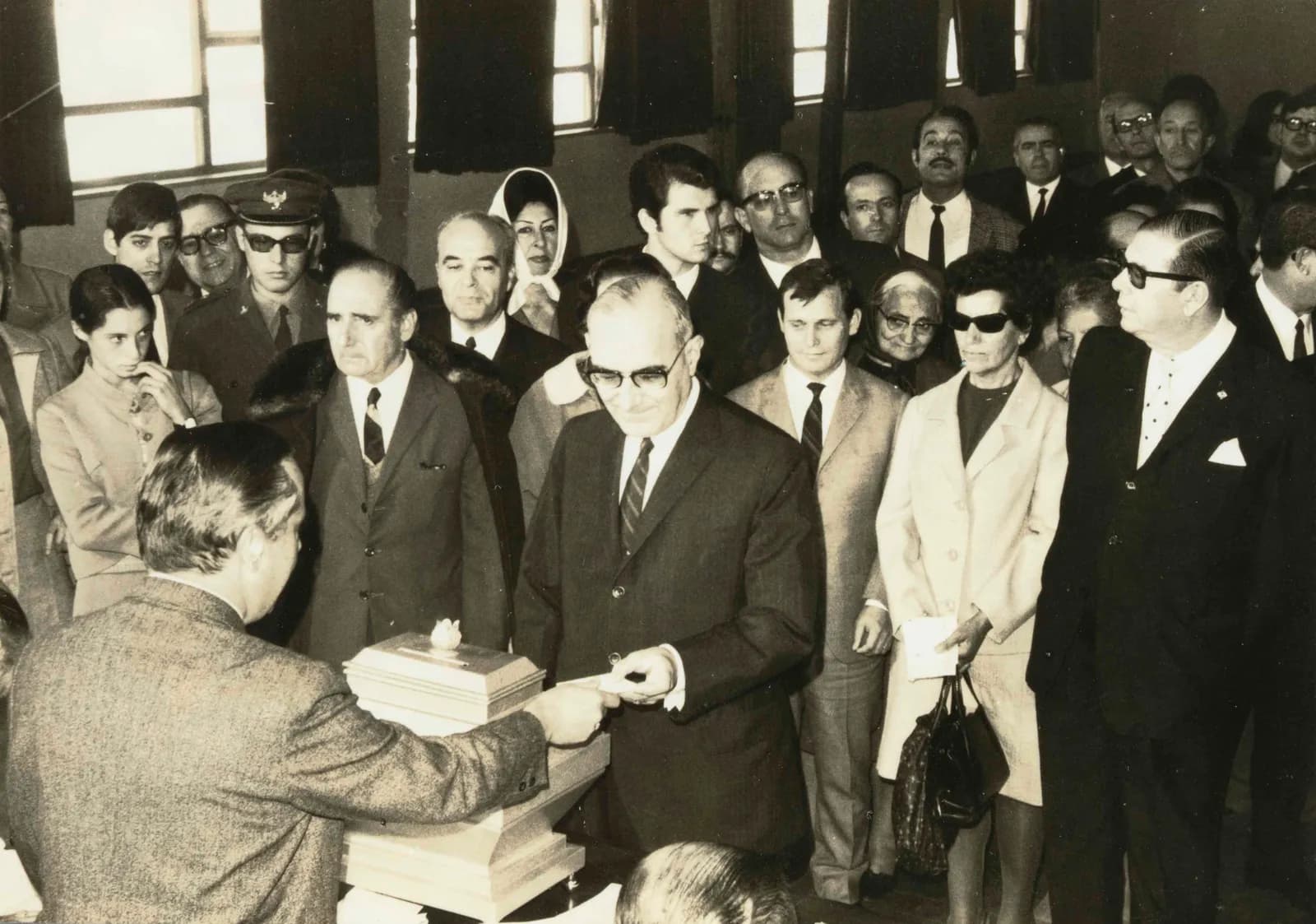 261969The 1969 election under Caetano
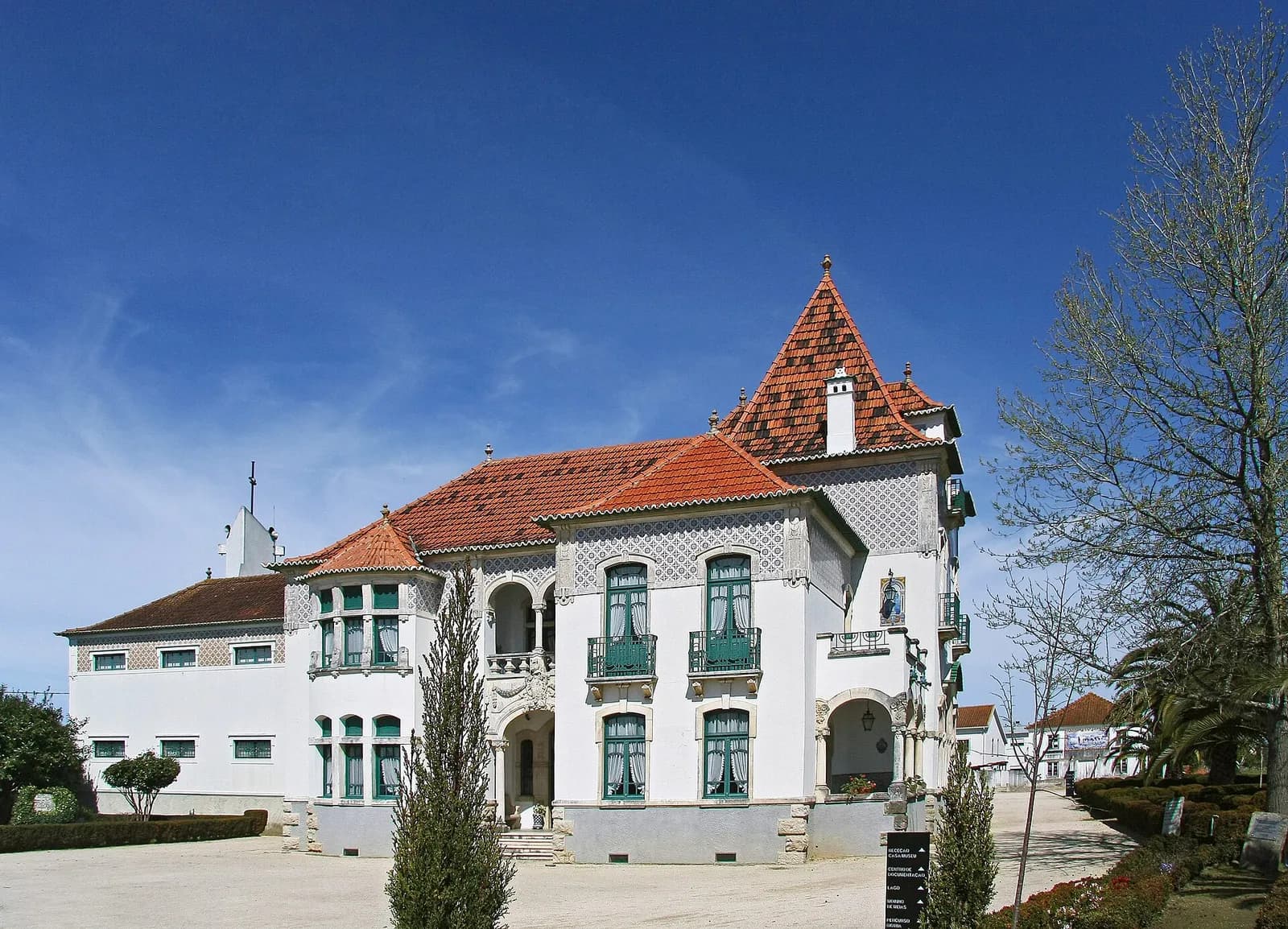 271949Egas Moniz's Nobel Prize
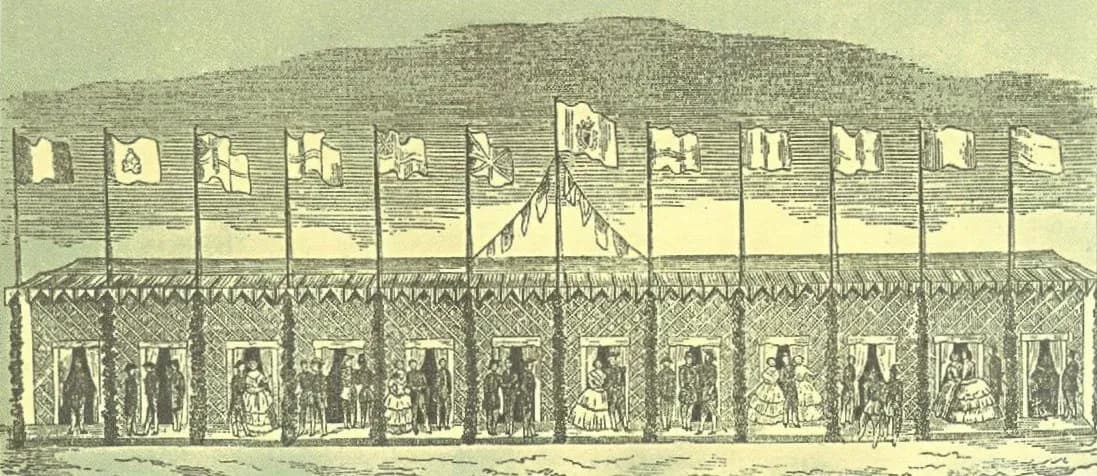 281856Portugal's first railway
 291936The Tarrafal prison camp
 301340The Battle of Salado
 311886Porto's Ponte Luís I opens
Timeline
Searching all 735 moments.
to 1096
Before Portugal
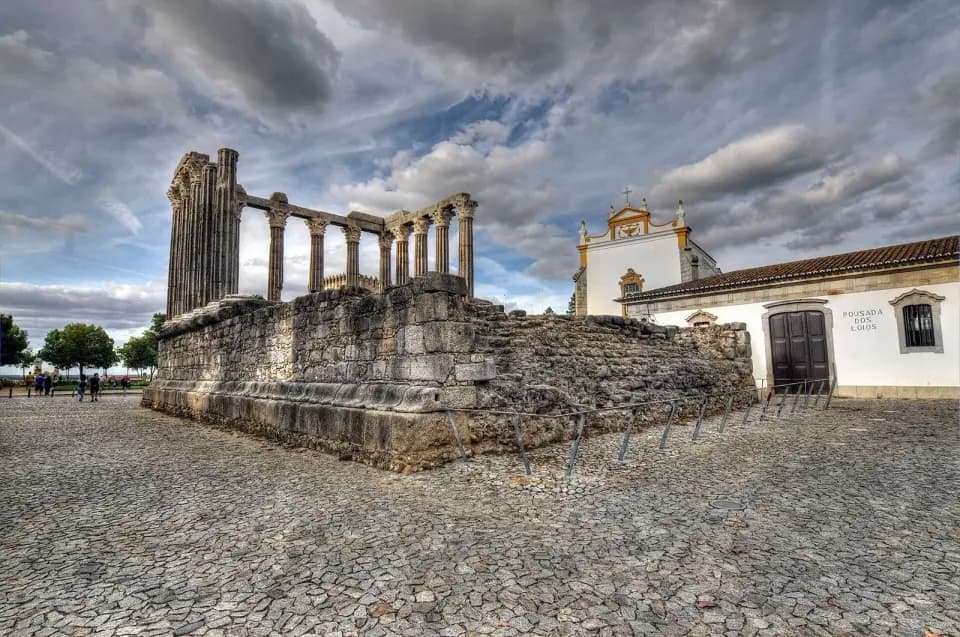
Stone Age people carved horses, aurochs, deer and ibex into the rocks of the Côa valley between about 25,000 and 10,000 BC. Under Rome, Évora was one of the leading cities of the province of Lusitania. The Visigoths later ruled the peninsula until Muslim armies conquered most of it early in the eighth century, and for centuries the south was part of al-Andalus.
No dated moments in the archive yet.
1096–1249
From county to kingdom
At the end of the eleventh century the County of Portugal, centred on Guimarães, was governed by Henry of Burgundy and his wife Teresa, a daughter of Alfonso VI of León. Their son Afonso Henriques took control after the battle of São Mamede in 1128. León recognised him as king in 1143 and the Pope in 1179, and in 1147 he took Lisbon with the help of crusaders.
4 key moments · 15 in all
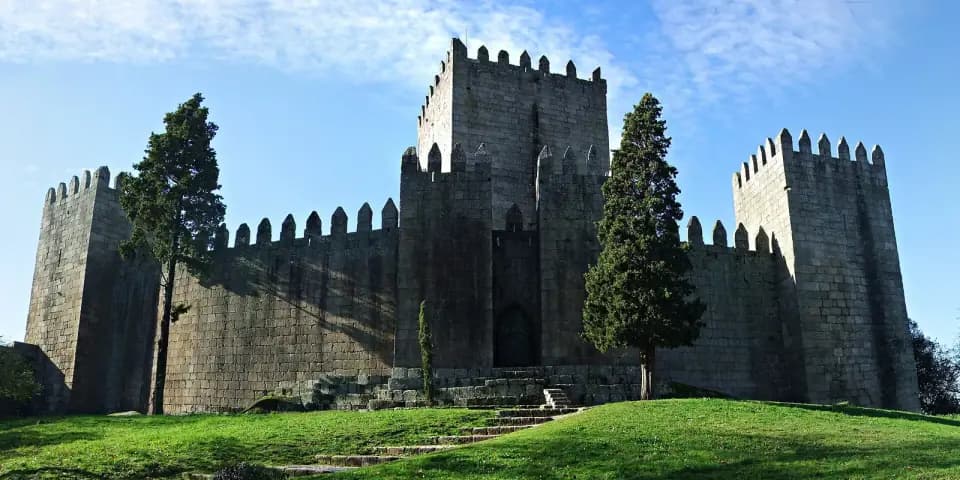
Battle of São Mamede, near Guimarães. Afonso Henriques defeats the army of his mother Teresa and her Galician ally Fernão Peres de Trava, asserting himself as sole ruler of the County of Portugal. The engagement is traditionally considered the founding act of the future Kingdom of Portugal.
Battle of Ourique. In the Baixo Alentejo, on the feast day of Saint James, Afonso Henriques's army defeats a much larger Almoravid force under the governor of Córdoba, Muhammad az-Zubayr. According to tradition Afonso is acclaimed 'King' on his shield by his knights immediately after the victory and begins styling himself 'Rex Portugallensis', founding the Kingdom of Portugal.
By the Treaty of Zamora, Alfonso VII of León and Castile recognises his cousin Afonso Henriques as king, with the papal legate Cardinal Guido de Vico as mediator. The date is traditionally taken as the birth of the independent Kingdom of Portugal.
After a siege of about four months, Afonso Henriques and his crusader allies enter Lisbon, whose starving Muslim defenders had agreed to surrender. The capture was the main success of the Second Crusade, and Sintra and Palmela soon surrendered too.
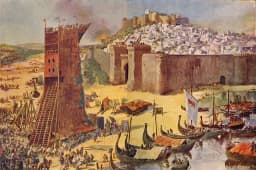 Long readThe siege of Lisbon, 1147: how crusaders and a new king took the city
1249–1383
The Burgundian kings
By March 1249 Afonso III held Faro, the last stage of the conquest of the Algarve. His son Dinis, king from 1279 to 1325, founded Portugal's first university, in Lisbon, around 1290, and greatly enlarged the Leiria pine forest, which already existed before his reign. The Treaty of Alcañices, which he signed with Castile in 1297, gave Portugal Olivença, Campo Maior and other towns.
5 key moments · 14 in all
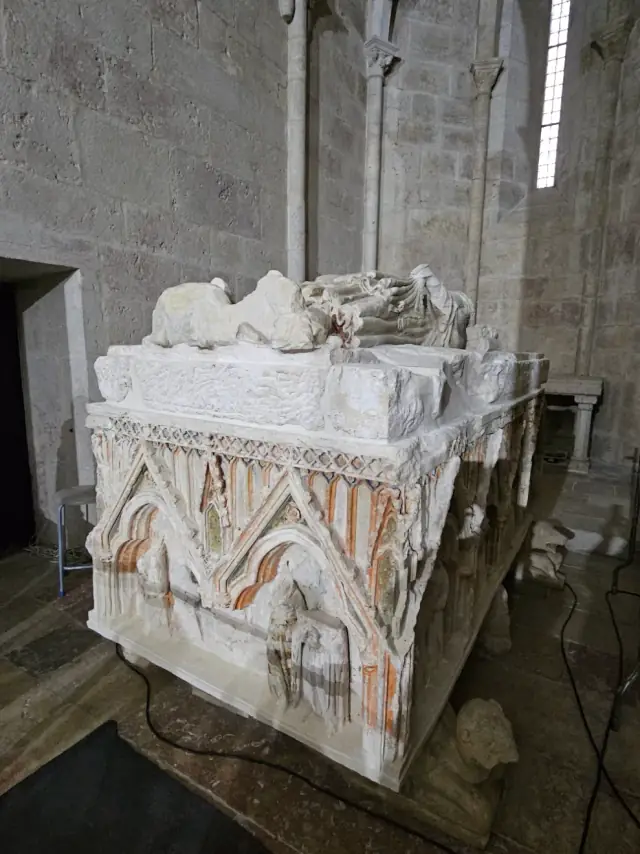
King Dinis is born in Lisbon, son of Afonso III and Beatriz of Castile. Nicknamed 'o Lavrador' and 'o Rei-Poeta', he fixed the frontier with Castile by the Treaty of Alcañices, made Portuguese the usual language of royal documents, founded the first Portuguese university and enlarged the royal pine forest of Leiria.
 Long readKing Dinis, born in Lisbon on 9 October 1261: the poet who ruled 46 years
King Dinis signs 'Scientiae thesaurus mirabilis', founding the Estudo Geral that becomes the University of Coimbra — one of the oldest universities in continuous operation. It actually began life in Lisbon and shuttled between the two cities before settling for good in Coimbra in 1537.
By the Treaty of Alcañices, King Dinis of Portugal and Fernando IV of Castile settle the frontier between their kingdoms and seal an alliance of friendship — a border that survives almost unchanged as one of the oldest in Europe.
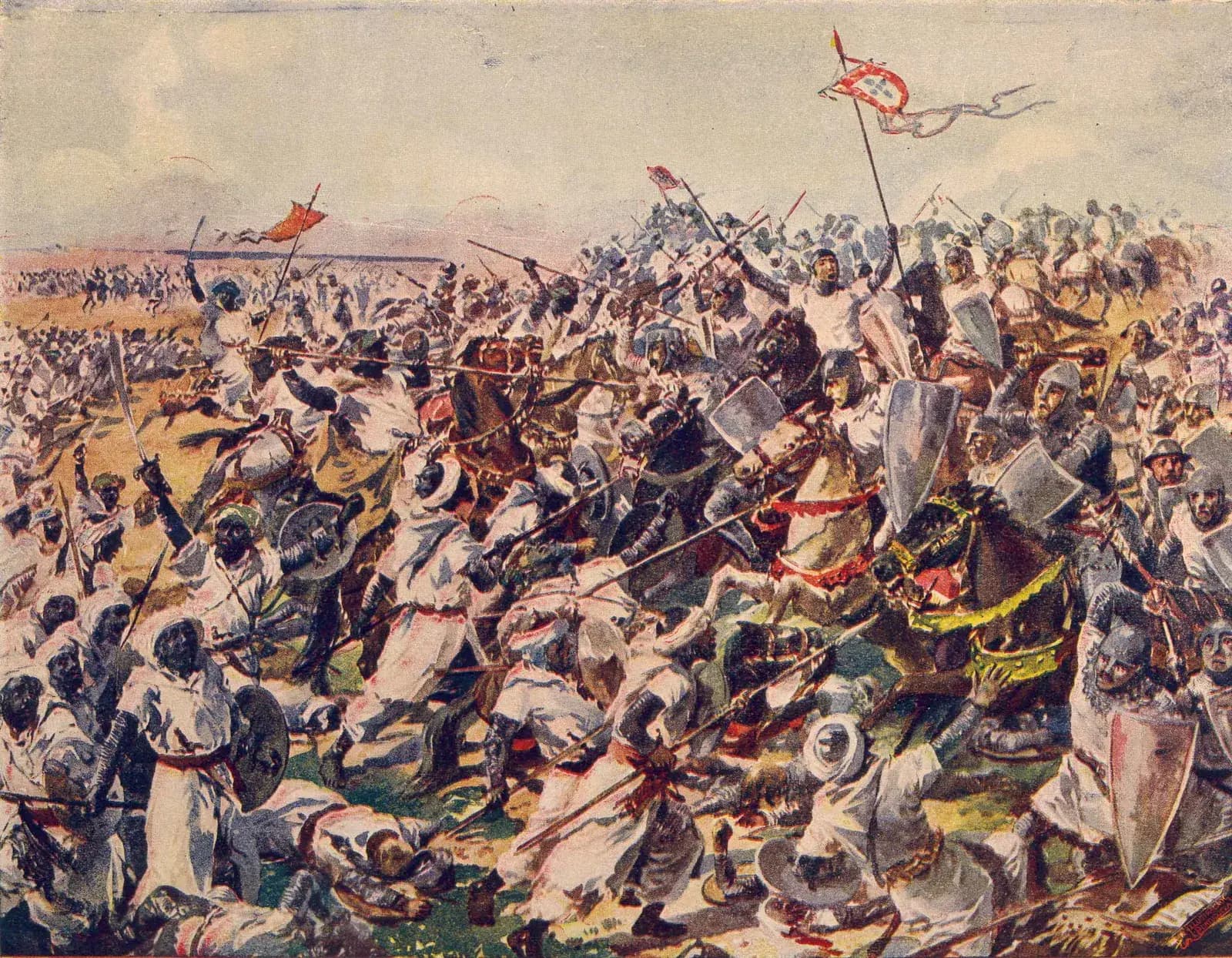
Afonso IV of Portugal and his son-in-law Alfonso XI of Castile rout the Marinid army of Abu al-Hasan and the forces of Granada at the Battle of Salado near Tarifa, ending the last major Moroccan invasion of the Iberian Peninsula.
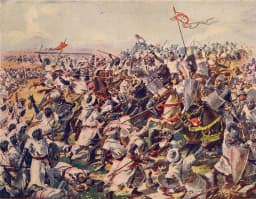 Long readThe Battle of Salado, 1340: how Portugal helped stop the last Moroccan invasion
Inês de Castro, the Galician noblewoman loved by Crown Prince Pedro, is killed in Coimbra by courtiers acting with the consent of King Afonso IV, who feared Castilian influence over the succession. Once king, Pedro declared they had secretly married, and legend says he had her corpse crowned queen.
1383–1415
Crisis and the House of Avis
Fernando I died in October 1383, and his son-in-law, Juan I of Castile, moved to take Portugal. Resistance gathered around Fernando's half-brother João, Master of the Order of Avis, who was crowned in April 1385 and beat the Castilians at Aljubarrota on 14 August that year. He built the Batalha monastery in thanks, and the Treaty of Windsor of May 1386 sealed an alliance with England that still stands.
3 key moments · 10 in all
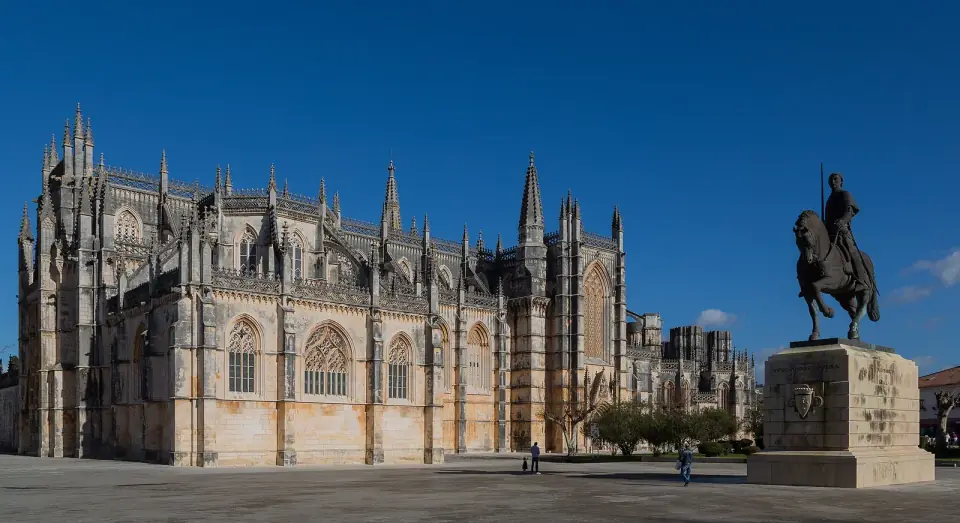
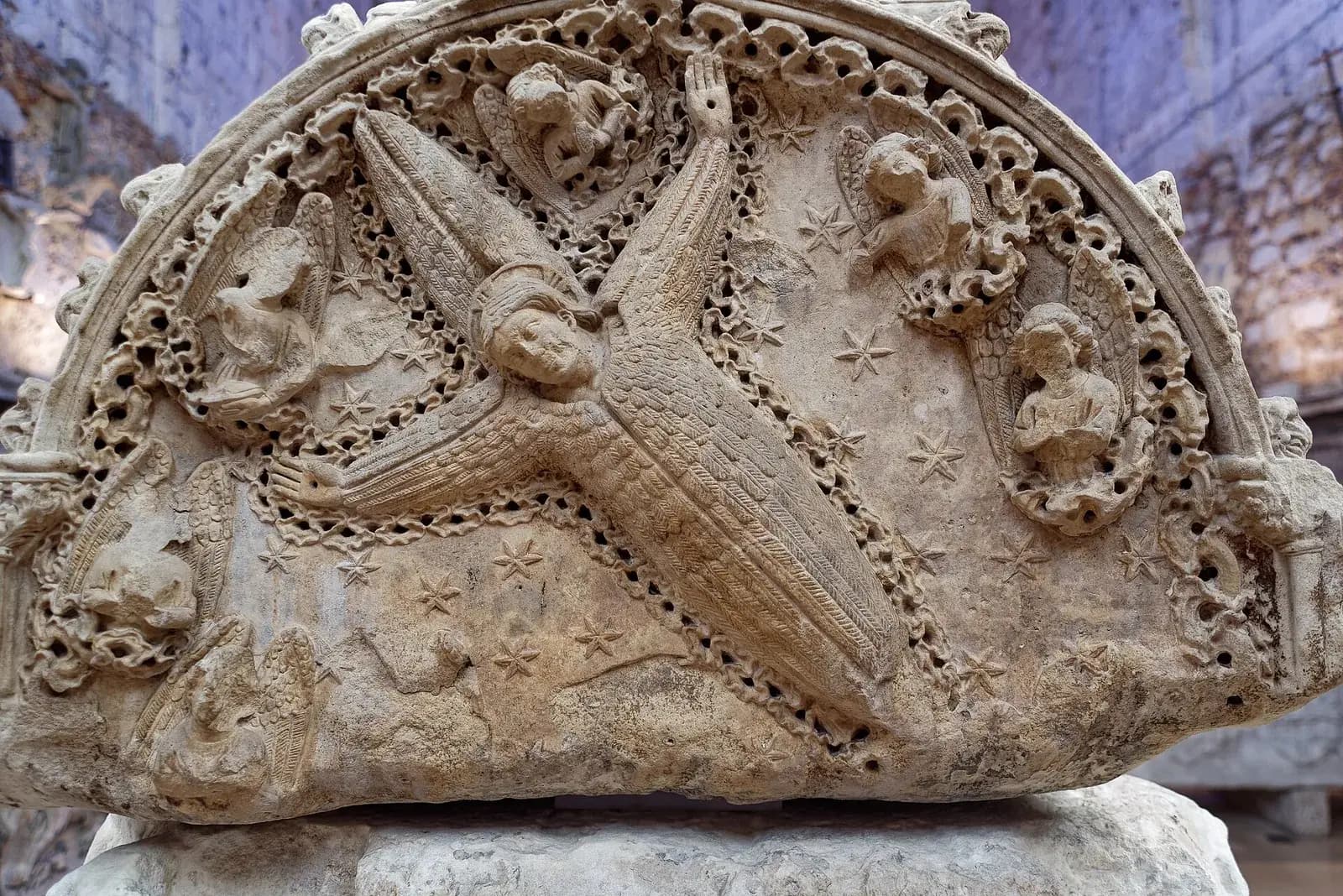
King Fernando I, 'o Formoso', dies in Lisbon aged 37, the last king of the House of Burgundy. His death, leaving the crown to his daughter Beatriz and her husband Juan I of Castile, triggers the crisis of 1383–85 that ended with João I on the throne.
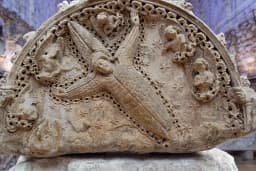 Long readFernando I dies in Lisbon, and the crisis of 1383–85 begins
King João I and his constable Nuno Álvares Pereira rout the invading Castilian army at the Battle of Aljubarrota, ending the crisis of 1383–85, securing Portuguese independence and establishing the House of Avis on the throne.
The Treaty of Windsor is signed, sealing the Anglo-Portuguese Alliance first agreed in 1373 — the oldest diplomatic alliance in the world still in force. The following year João I married John of Gaunt's daughter, Philippa of Lancaster.
1415–1580
The age of discoveries
Portugal captured Ceuta in North Africa on 21 August 1415, then began settling Madeira in 1420 and the Azores in 1439. Its ships worked down the African coast until Vasco da Gama reached India by sea in 1498 and Pedro Álvares Cabral landed in Brazil in 1500, and forts followed from Goa to Malacca. At home the Inquisition began in 1536, and King Sebastião died at Alcácer Quibir in 1578.
12 key moments · 78 in all
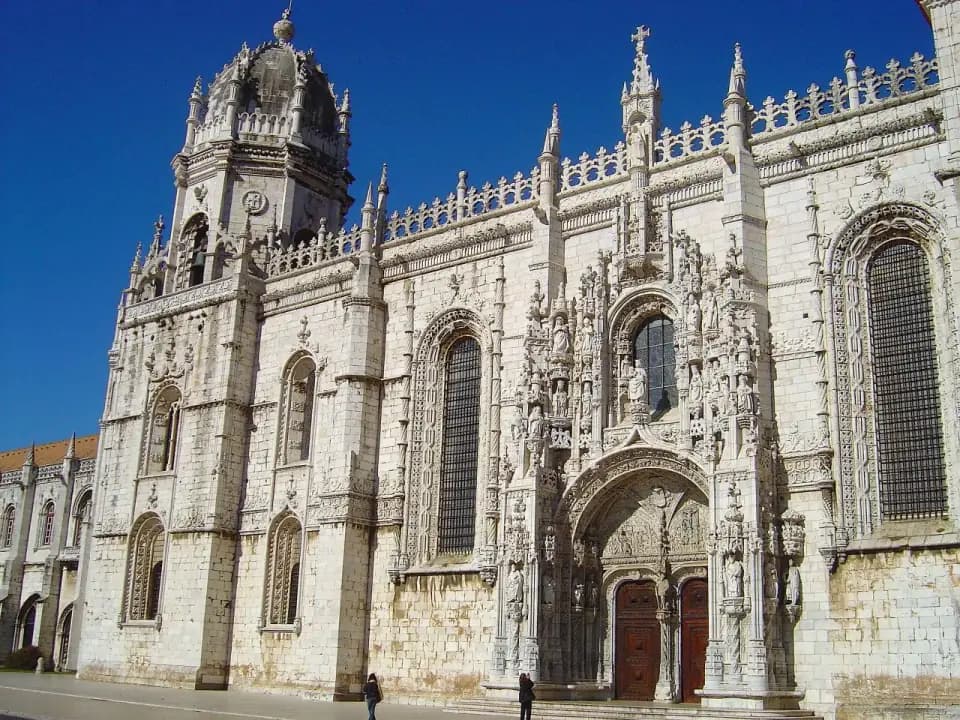
Portuguese forces under King João I, accompanied by his sons including the young Prince Henry the Navigator, storm and capture the Moroccan city of Ceuta in a single day — the conquest that begins the Portuguese overseas empire.
Portuguese explorer Bartolomeu Dias lands at Mossel Bay, South Africa, after rounding the Cape of Good Hope, becoming the first known European to sail beyond the southern tip of Africa.
The Treaty of Tordesillas is signed between Portugal and Spain, dividing newly discovered lands outside Europe along a meridian 370 leagues west of the Cape Verde islands. Portuguese diplomacy secures the shift of the line westwards from the 100 leagues set by the papal bull of 1493, a decision that would give Portugal its claim to Brazil after Cabral's 1500 landfall.
Vasco da Gama's fleet anchors off Calicut, India, completing the first direct sea voyage from Europe to Asia. When the Zamorin (ruler) later receives the Portuguese, da Gama's modest gifts of cloth, honey, and coral provoke laughter at court — a humiliation that would be repaid with gunboats.
Pedro Álvares Cabral's fleet of 13 ships, bound for India but sweeping far west across the Atlantic, sights a mountain the crews name Monte Pascoal — the first Portuguese landfall in Brazil. The scribe Pero Vaz de Caminha's account of the following days is known as 'Brazil's birth certificate'.
The Lisbon Massacre begins: a mob attacks New Christians (forcibly converted Jews) near the Church of São Domingos. The pogrom lasts three days and kills between 500 and 4,000 people — one of the darkest episodes in the history of Portugal's Jewish community, three decades before the Inquisition was established.
Days after his handful of ships destroyed the fleet of Hormuz, Afonso de Albuquerque has its young king, Seyf ad-Din, accept terms of submission: a yearly tribute of 15,000 xerafins, duty-free entry for goods from Portugal and a site for a fort. Mutiny among his own captains wrecked the plan within months, and Portugal only took the Gulf trading hub in 1515.
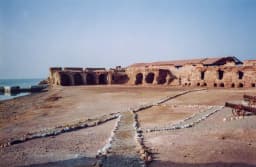 Long readAlbuquerque at Hormuz: the treaty of 10 October 1507
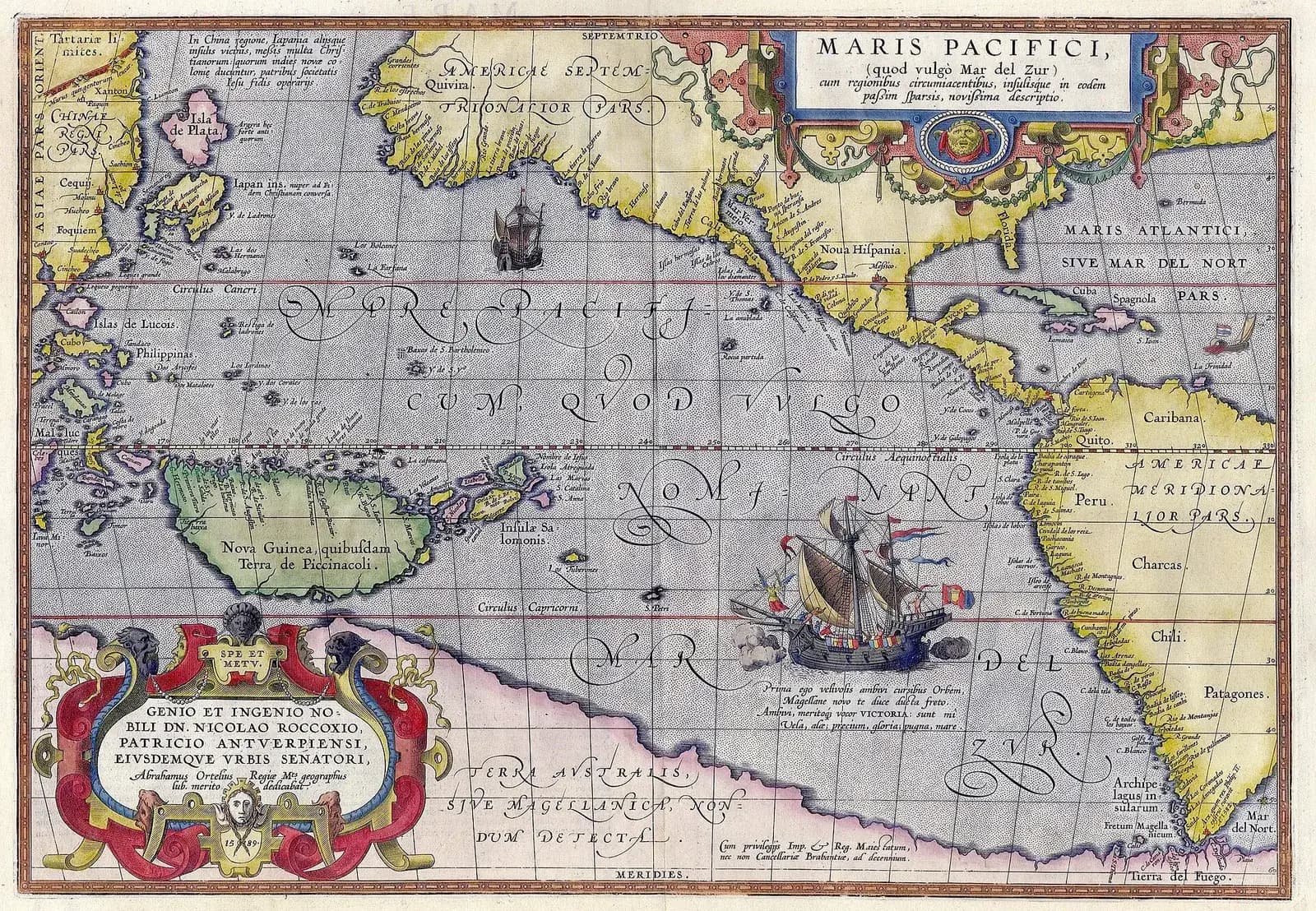
Fernão de Magalhães, the Portuguese navigator sailing for Spain, reaches the cape at the eastern entrance of the strait that now bears his name, calling it the Cape of the Eleven Thousand Virgins for that day's feast. Three of his four ships reached the Pacific on 28 November; the San Antonio deserted.
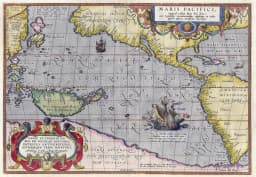 Long readMagalhães reaches the Cape of the Virgins: 21 October 1520
Pope Paul III issues the bull 'Cum ad nihil magis', establishing the Inquisition in Portugal at the insistence of King João III; the tribunal would shape Portuguese religious and cultural life for nearly three centuries.
The mathematician and cosmographer Pedro Nunes is appointed to the chair of Mathematics at the University of Coimbra, the most prestigious post then open to a Portuguese mathematician. Inventor of the nonius, a scale for precise angle readings, and a pioneer of the mathematics of navigation, he held the chair until he retired in 1562.
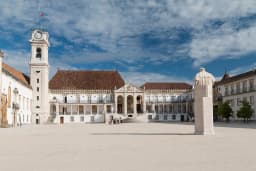 Long readPedro Nunes takes Coimbra's chair of mathematics, 16 October 1544
João de Barros, the humanist historian whose 'Décadas da Ásia' chronicled the Portuguese conquests in the East and earned him the title of the 'Portuguese Livy', dies at Ribeira de Litém near Pombal, aged about 74.
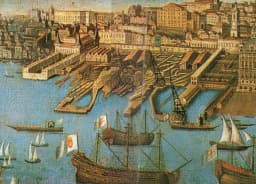 Long readJoão de Barros, the historian of Portuguese Asia who never went there
King Sebastião I and much of the Portuguese nobility are killed at the Battle of Alcácer Quibir in Morocco, the 'Battle of the Three Kings'. The disaster triggered a succession crisis that led to Spanish rule over Portugal from 1580 and gave rise to the enduring myth of Sebastianism.
1580–1640
The Iberian Union
Sebastião died without a direct heir, and the crown passed to his elderly great-uncle, Cardinal Henrique. Philip II of Spain, the most powerful monarch in Europe, then claimed the throne. On 25 August 1580 his army defeated the hastily raised forces of António, Prior of Crato, at Alcântara, outside Lisbon, and Spanish kings ruled Portugal for the next 60 years.
2 key moments · 18 in all
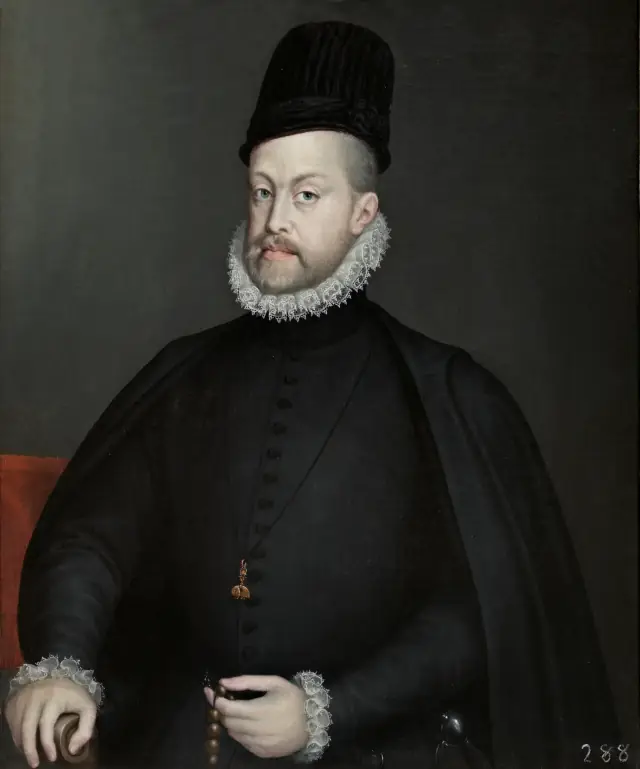
Spanish forces under the Duke of Alba defeat Dom António, Prior of Crato, at the Battle of Alcântara on the outskirts of Lisbon, crushing Portuguese resistance to Philip II; Alba's troops occupied the capital in the days that followed, opening the way to sixty years of Iberian Union.
Portugal adopts the Gregorian calendar by a law signed by Philip I: Thursday 4 October is followed directly by Friday 15 October, and the ten days in between never take place in the country's calendar.
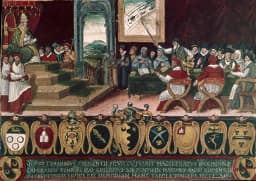 Long readThe ten days Portugal never had: the calendar change of October 1582
1640–1750
Restoration and the gold of Brazil
On 1 December 1640 Portugal threw off Spanish rule, and João IV took the throne. War with Spain dragged on until the peace treaty of 1668, in which Spain recognised Portugal's independence, and João's daughter Catarina married Charles II of England in 1662. In the next century gold from Brazil paid for João V's vast palace, basilica and convent at Mafra.
4 key moments · 36 in all
The 'Forty Conspirators' storm the Ribeira Palace in Lisbon, arrest the Vicereine Margaret of Savoy and kill her hated secretary of state Miguel de Vasconcelos, whose body is thrown from a window to the crowd. The Duke of Braganza is proclaimed King João IV, ending 60 years of Spanish Habsburg rule. Now a national holiday, it was scrapped in the 2013–2015 bailout years and restored in 2016.
Portugal wins the decisive Battle of Montes Claros, near Borba in the Alentejo, under the command of António Luís de Meneses, Marquis of Marialva. An invading Spanish army under the Marquis of Caracena is destroyed, ending Madrid's hopes of reconquering Portugal and effectively closing the Restoration War.
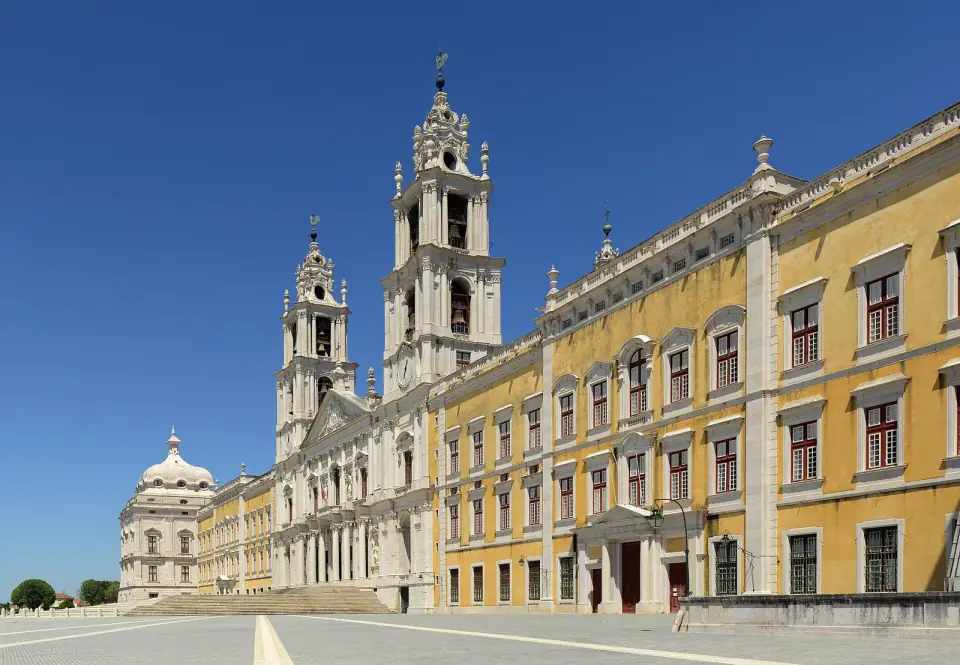
King João V lays the foundation stone of the Palace-Convent of Mafra, fulfilling a vow made for the birth of an heir. Paid for with Brazilian gold and raised by tens of thousands of workers, the vast Baroque complex was consecrated in 1730 and later inspired Saramago's 'Memorial do Convento'.
The playwright António José da Silva, known as 'o Judeu', is sentenced as a relapsed Judaiser at an auto-da-fé in Lisbon's São Domingos church, then garrotted and his body burned. Born in Rio de Janeiro, he wrote comic operas for puppets that were staged with great success at the Bairro Alto theatre.
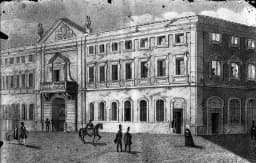 Long readThe Inquisition condemns 'o Judeu', Lisbon's comic playwright, in 1739
1750–1807
Earthquake and Enlightenment
José I was acclaimed king in September 1750 and gave the government to Sebastião José de Carvalho e Melo, later Marquis of Pombal. At 9.30 on the morning of 1 November 1755 an earthquake, a tsunami and fires left Lisbon in ruins, and the city was rebuilt. In 1759 the Jesuits were expelled, and Pombal's reforms brought new trading companies and factories.
3 key moments · 32 in all
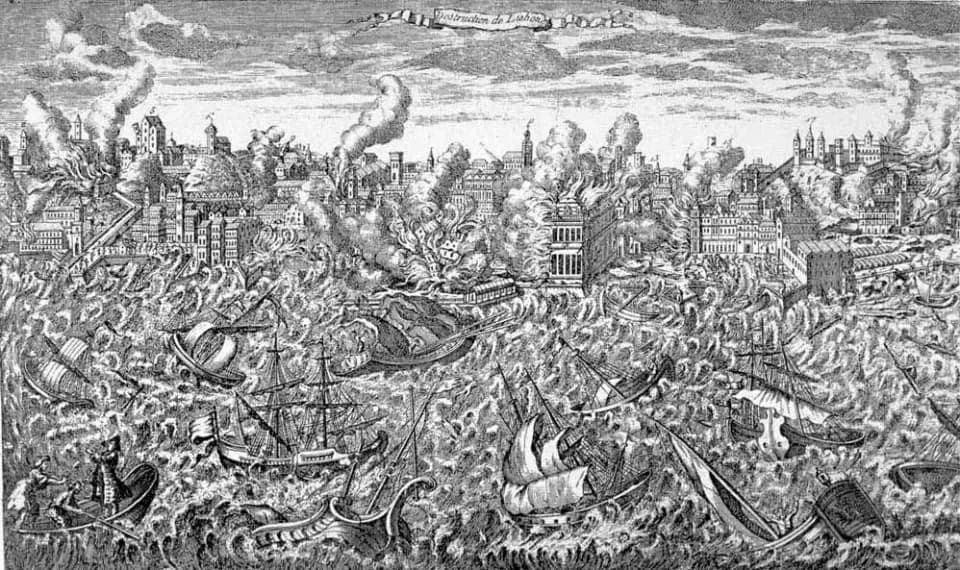
At about 9.40 on the morning of All Saints' Day, with much of the population at Mass, a massive earthquake devastates Lisbon. Some 40 minutes later a tsunami surges up the Tagus into the lower town while fires sweep the city; tens of thousands die in one of the deadliest disasters in European history.
Leading members of the Távora family, accused of plotting the September 1758 attempt on King José I's life, are publicly tortured and executed on a scaffold at Belém. Many historians suspect the case was engineered by the future Marquis of Pombal to break the power of the old aristocracy.
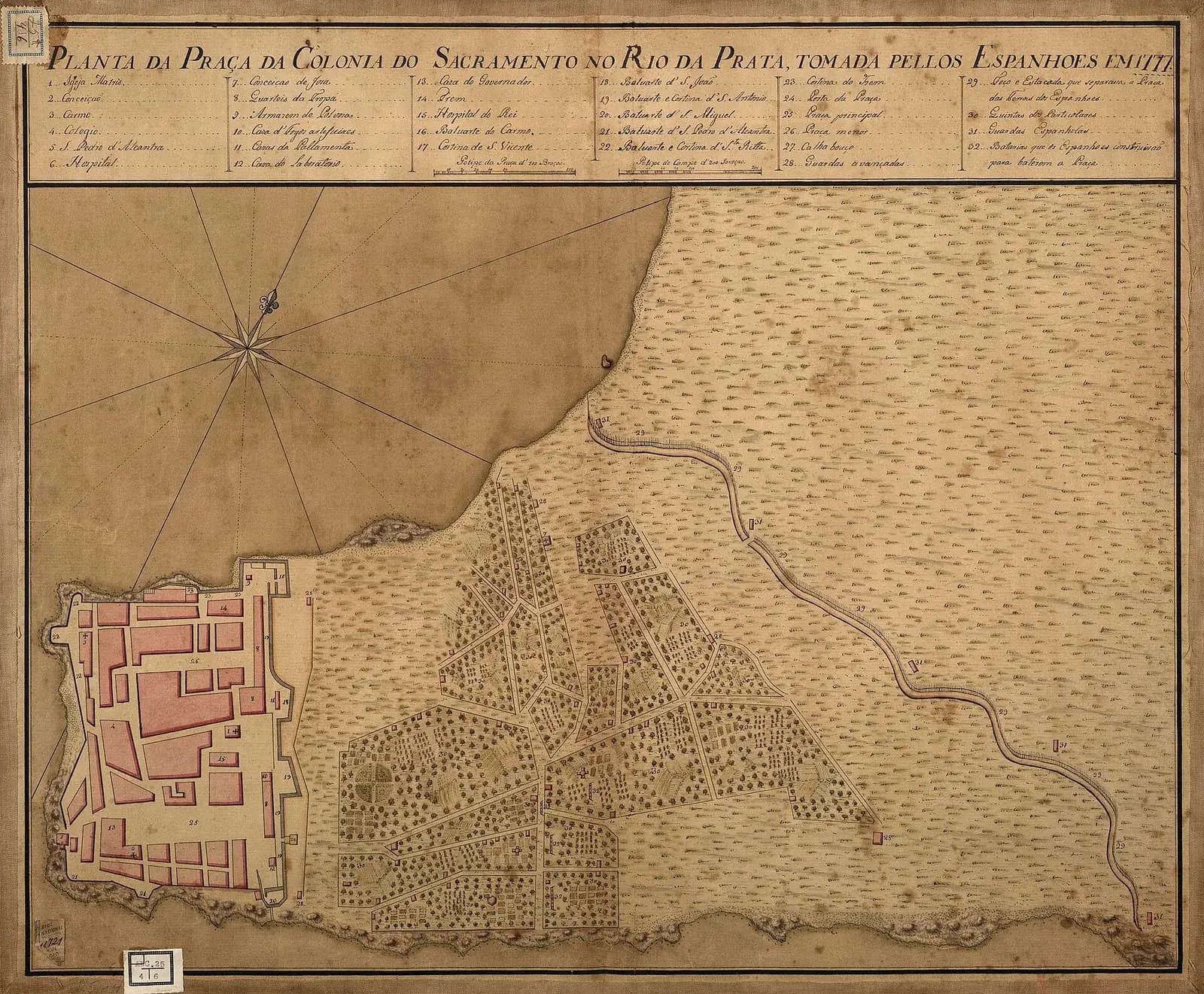
Portugal and Spain sign the preliminary Treaty of San Ildefonso on South American borders: Portugal cedes Colónia do Sacramento and drops its claim to the Sete Povos mission lands, while Spain returns the island of Santa Catarina and recognises Portuguese rule in Rio Grande de São Pedro, today's southern Brazil.
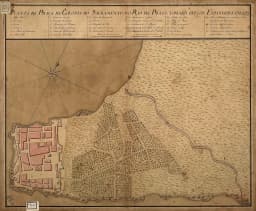 Long readThe Treaty of San Ildefonso: Portugal and Spain redraw South America, 1777
1807–1851
Invasions, Brazil and the Liberal Wars
As French troops invaded in November 1807, the royal family sailed for Brazil. Two more French invasions followed; the last was driven out in 1811, though the Peninsular War went on until 1814. A liberal revolution in Porto on 24 August 1820 led to the Constitution of 1822, and Brazil soon declared independence. Liberals then fought absolutists loyal to Dom Miguel in a civil war that ended at Évora-Monte in May 1834.
6 key moments · 67 in all
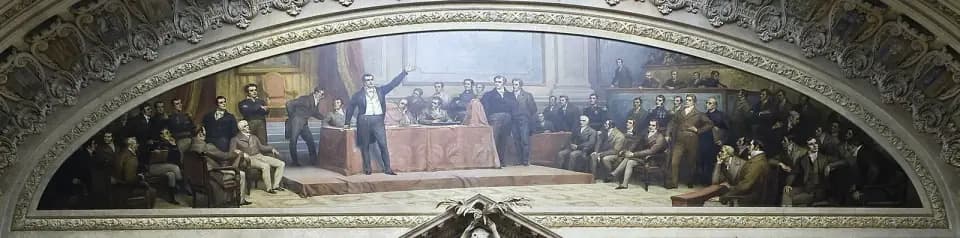
The fleet carrying the Portuguese royal family and court sails out of the Tagus for Brazil under British naval escort, a day before French troops reach Lisbon. Rio de Janeiro became the seat of the monarchy for thirteen years, the only time a European court ruled from one of its colonies.
At the Battle of Vimeiro, Wellesley's Anglo-Portuguese army defeats General Junot's French forces, a victory that leads directly to the French evacuation of Portugal under the Convention of Sintra.
Masséna's invading French army comes up against the Lines of Torres Vedras near Sobral de Monte Agraço: a secret chain of forts and redoubts built on Wellington's orders to shield Lisbon. Unable to break through in a land stripped bare by scorched-earth tactics, the starving French held on for a month before falling back to Santarém.
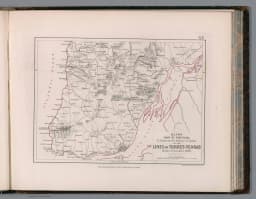 Long readThe Lines of Torres Vedras: where Masséna's march on Lisbon stopped, 1810
The Liberal Revolution begins in Porto, where army officers and citizens demand a constitution and the return of King João VI from Brazil — the uprising that leads to Portugal's first constitutional monarchy.
On the banks of the Ipiranga stream near São Paulo, Prince Regent Dom Pedro proclaims Brazil's independence from Portugal with the celebrated 'Grito do Ipiranga', ending three centuries of Portuguese rule in Brazil.
The Convention of Evoramonte is signed, ending the Portuguese Civil War (Liberal Wars). Miguel I agrees to abdicate and go into exile, securing the throne for the young Queen Maria II and establishing constitutional monarchy in Portugal.
1851–1910
Regeneration and the last kings
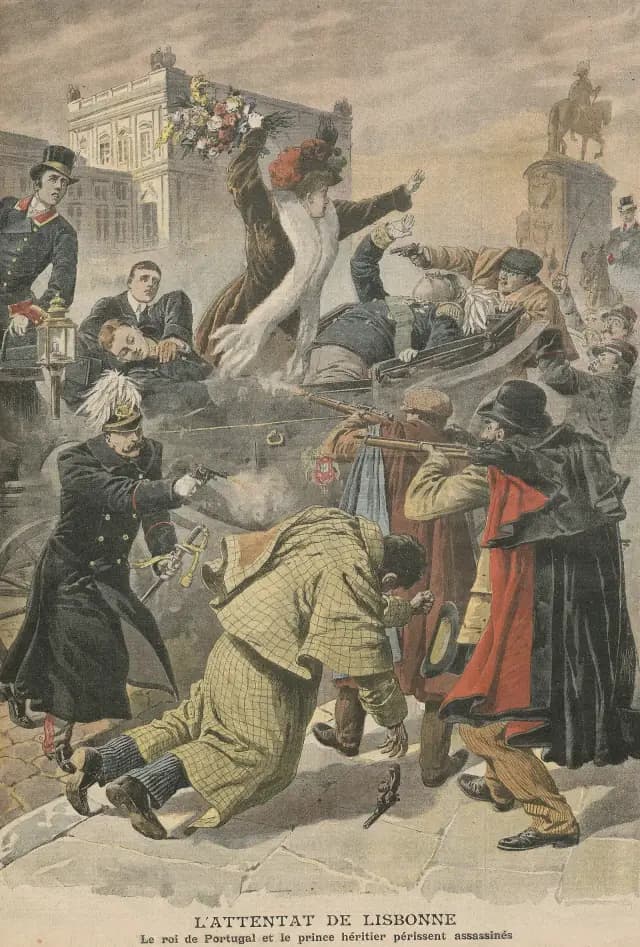
The Regeneração movement ousted Costa Cabral's government, and for decades two parties took turns in power. Portugal's first railway, from Lisbon to Carregado, opened in 1856. Britain's Ultimatum of 1890, which forced Portugal to give up part of its claims in Africa, split the parties and helped the republicans, and on 1 February 1908 King Carlos and his heir were shot dead in Lisbon.
8 key moments · 88 in all
King Pedro V rides the inaugural train of Portugal's first railway, a 36-kilometre line from Lisbon to Carregado. It was the first stretch of what became the Linha do Norte, which would eventually link the capital with Porto.
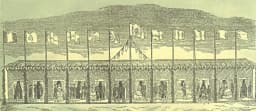 Long readPortugal's first train: Lisbon to Carregado, 28 October 1856
A landmark royal decree abolishes the death penalty for civil crimes in Portugal — one of the earliest abolitions in the world — and promulgates the new Civil Code drafted by Visconde de Seabra, a foundational text of modern Portuguese law.
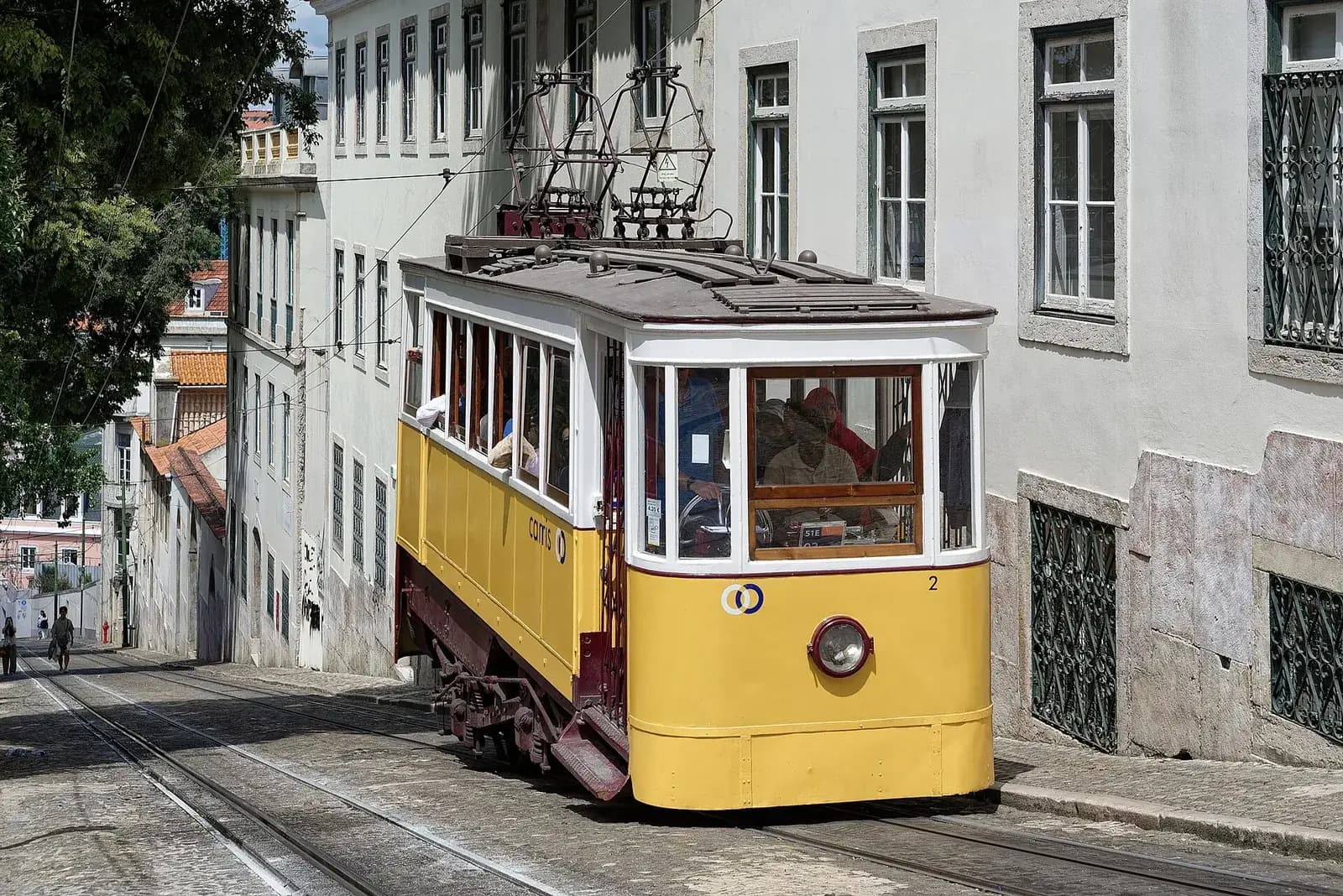
The Elevador da Glória opens in Lisbon, linking the Restauradores to the Bairro Alto. Designed by the engineer Raoul Mesnier du Ponsard and electrified in 1915, the funicular became one of the city's best-loved symbols; its derailment on 3 September 2025 killed 16 people.
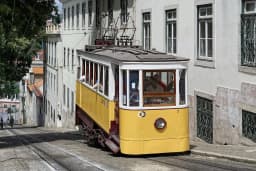 Long readThe Elevador da Glória: Lisbon's hill funicular, 1885 to 2025
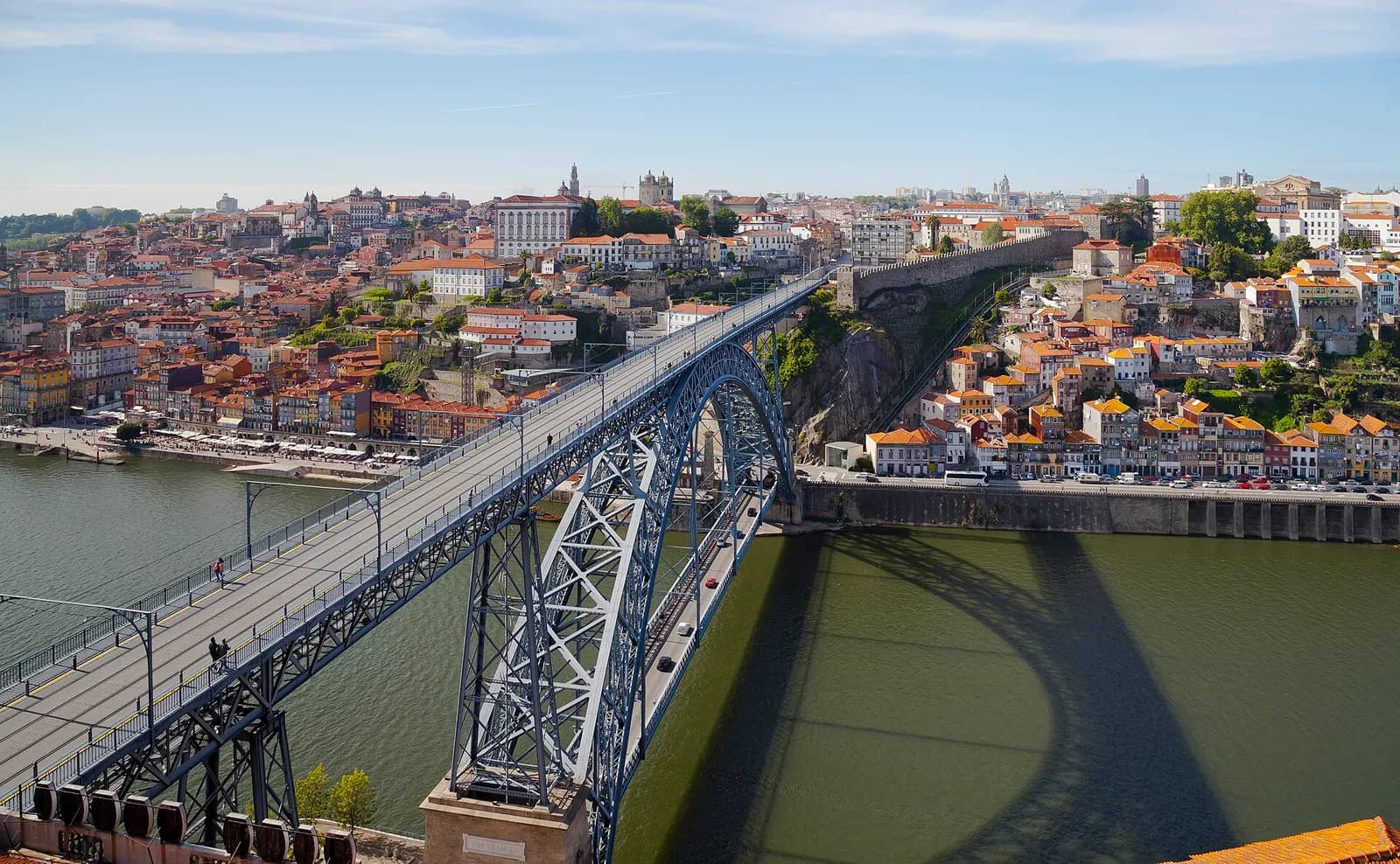
The upper deck of the Ponte Luís I over the Douro, designed by Théophile Seyrig and built by the Belgian Société de Willebroeck, is inaugurated in Porto on the king's birthday. The lower deck followed in 1888, and the two-tier iron arch became the enduring emblem of the city.
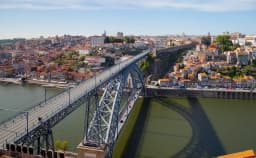 Long readPonte Luís I: the double-decker iron arch that joined Porto and Gaia
Lord Salisbury's government delivers the British Ultimatum, demanding that Portugal withdraw its forces from the lands between Angola and Mozambique claimed in the 'Pink Map'. Lisbon's swift capitulation is felt as a national humiliation and fuels the republican movement that would topple the monarchy twenty years later.
In a secret declaration signed in London by Lord Salisbury and Portugal's minister Luís de Soveral, Britain and Portugal reaffirm their ancient alliance, including the treaties of 1642 and 1661. Portugal undertakes to stop arms reaching the Boers through its territory and not to declare neutrality, while Britain's old pledge to defend Portugal's colonies is restated.
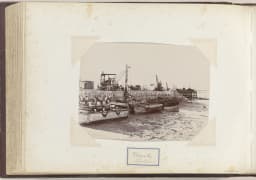 Long read1899: the secret declaration that revived the Anglo-Portuguese alliance
King Carlos I and Crown Prince Luís Filipe are assassinated by republican revolutionaries at Terreiro do Paço in Lisbon, in what became known as the Lisbon Regicide.
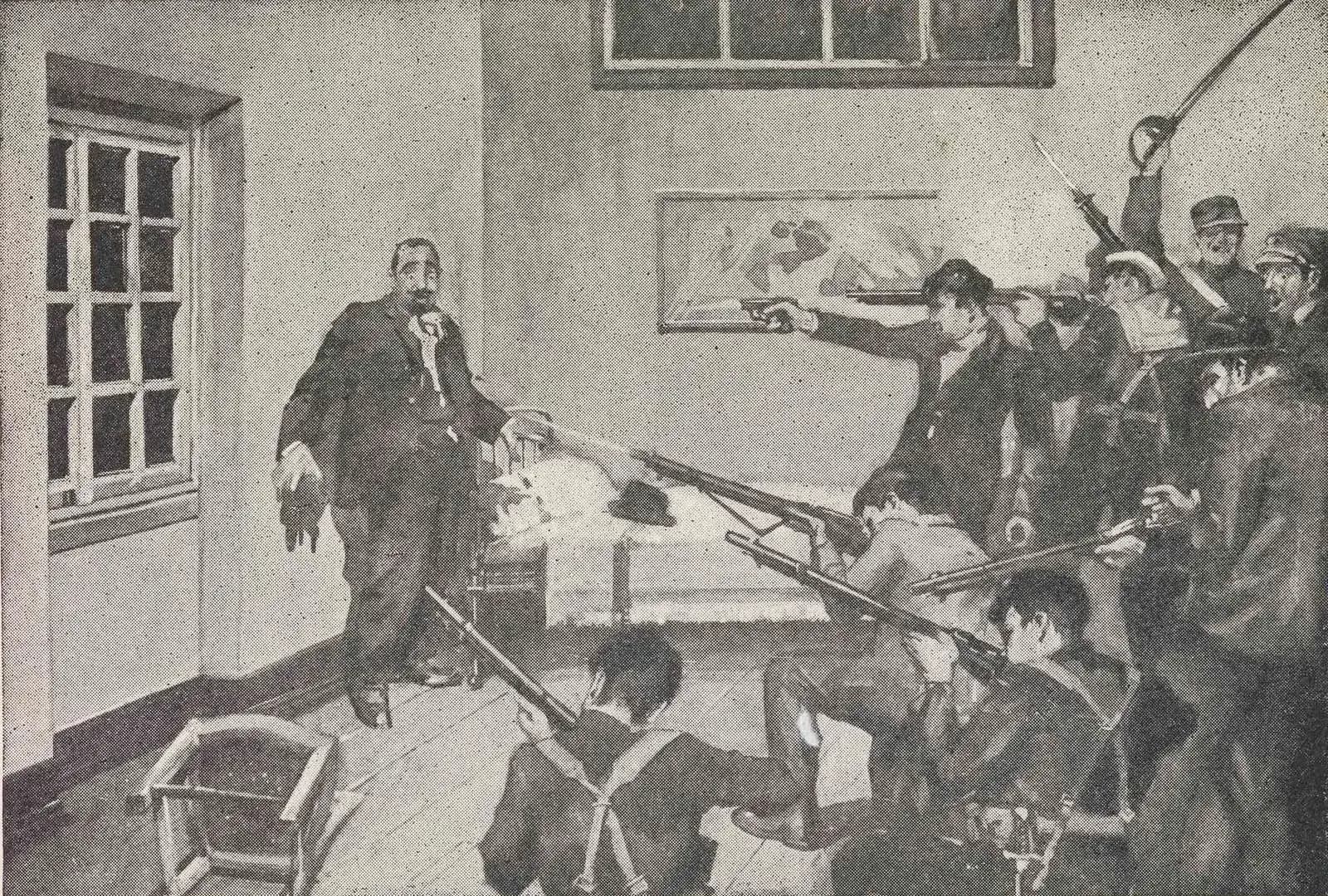
Miguel Bombarda, the psychiatrist who directed the Rilhafoles asylum and was one of the leaders of the republican conspiracy, is shot in his office by a former patient and dies that evening, hours before the uprising that proclaimed the Republic on 5 October.
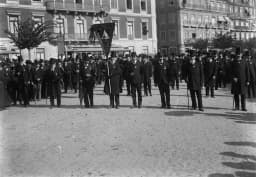 Long readMiguel Bombarda: the shooting at Rilhafoles on the eve of the Republic
1910–1926
The First Republic
Republicans overthrew the monarchy on 5 October 1910, and the Constitution of 1911 gave power to a parliament that elected the president. The new regime lived through deep political, social and economic instability. Portugal entered the First World War in March 1916 and sent troops to France, and a military coup on 28 May 1926 dissolved parliament and ended the Republic.
4 key moments · 64 in all
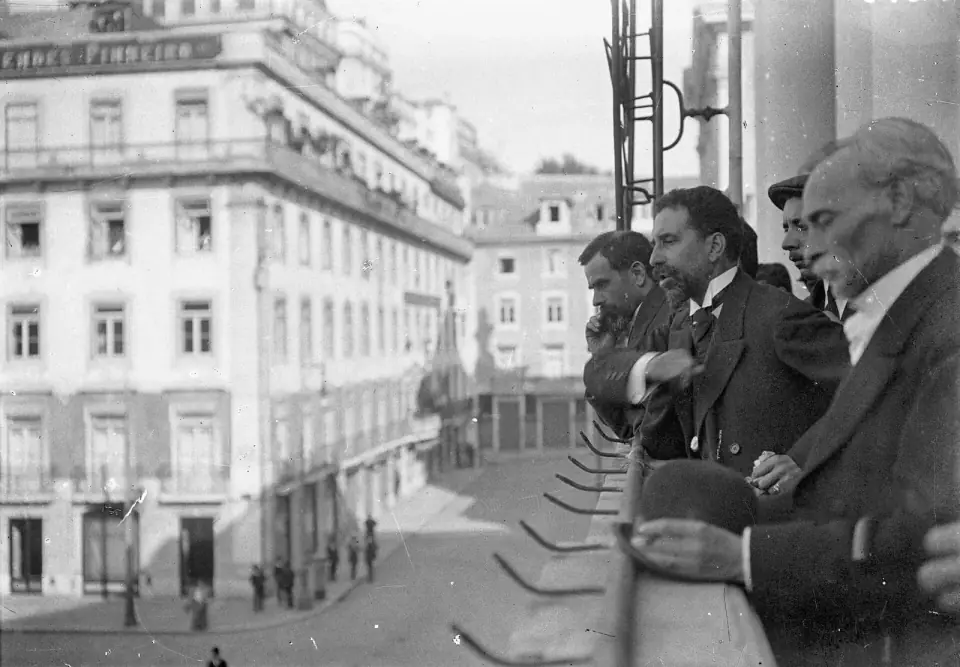
After a day and a half of fighting in Lisbon, the Republic is proclaimed from the balcony of the Câmara Municipal by José Relvas on the morning of 5 October, ending nearly eight centuries of monarchy. A provisional government under Teófilo Braga takes office, and 5 October becomes a national holiday.
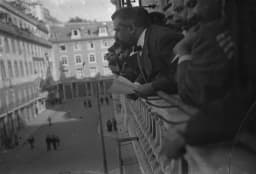 Long readThe morning Portugal became a republic: 5 October 1910
At the Cova da Iria near Fátima, a crowd estimated at 30,000 to 70,000 people witnesses the 'Miracle of the Sun' during the sixth and final apparition reported by the shepherd children Lúcia, Francisco and Jacinta, an event that made Fátima one of the great Catholic shrines of the world.
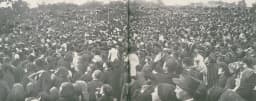 Long readWhen the sun “danced” at Fátima: 13 October 1917
President Sidónio Pais is assassinated at Lisbon's Rossio station as he arrives to catch a night train to Porto. José Júlio da Costa, a left-wing activist hiding a pistol under his Alentejo cloak, breaks through the police cordon and fires twice. The charismatic 'President-King', who had seized power a year earlier, dies within hours; in the panic, guards kill four bystanders.
In the 'Noite Sangrenta', a revolt by GNR and navy units under Colonel Manuel Maria Coelho turns into a massacre: a 'phantom lorry' crewed by sailors and guards under the navy corporal Abel Olímpio, 'o Dente de Ouro', rounds up republican figures, and outgoing Prime Minister António Granjo, Machado Santos and Carlos da Maia, two of the heroes of 5 October 1910, are murdered.
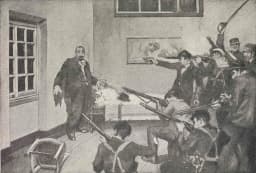 Long readNoite Sangrenta: the night a Portuguese prime minister was hunted down
1926–1974
Dictatorship and the Estado Novo
The coup of 28 May 1926 began a military dictatorship. In 1933 a constitution drafted by the head of government, António de Oliveira Salazar, and approved by plebiscite founded the Estado Novo, or New State, which left freedom of speech, assembly and association to special laws. From 1961 Portugal fought armed liberation movements in its African colonies, a war that helped bring the regime down.
10 key moments · 149 in all
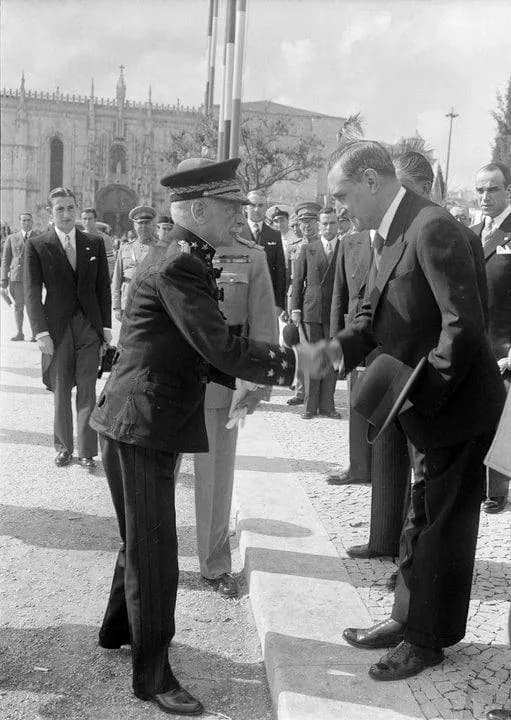
General Manuel Gomes da Costa launches a military uprising in Braga that spreads quickly through the army. Within days the government falls and the First Republic collapses, ending 16 years of chaotic parliamentary rule and opening the way to the military dictatorship that would evolve into Salazar's Estado Novo.
The Constitution of the Estado Novo is approved by national plebiscite, formally establishing António de Oliveira Salazar's authoritarian corporatist regime that would govern Portugal for over four decades, until the Carnation Revolution of 1974.
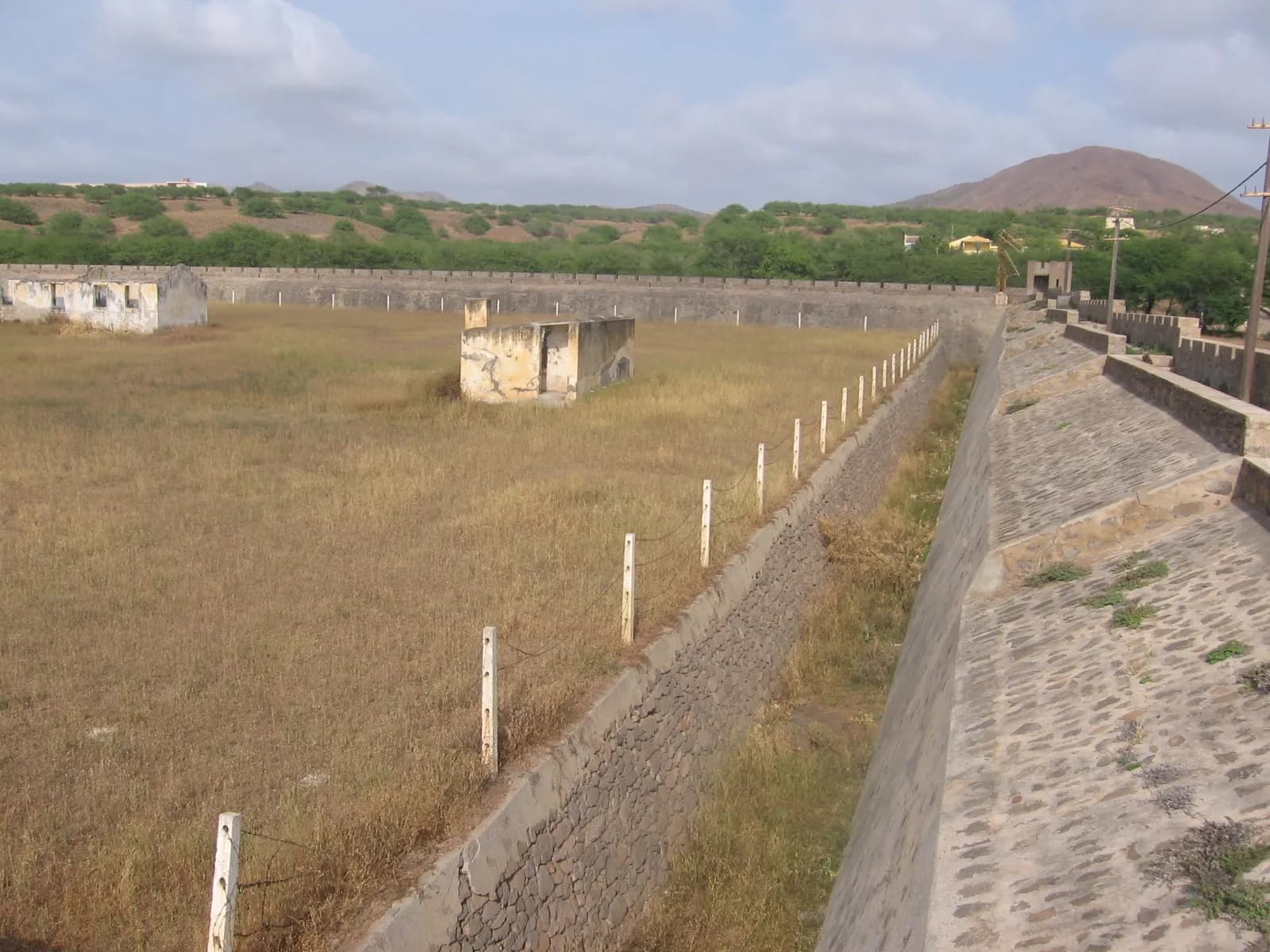
The steamer Luanda lands the first 152 political prisoners at the Tarrafal concentration camp on Santiago island in Cape Verde, among them Marinha Grande strikers and sailors from the September mutiny. The 'camp of slow death' operated until 1954 and again from 1961 to 1974.
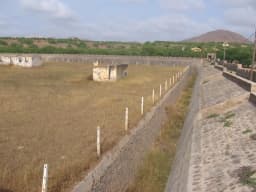 Long readTarrafal, 29 October 1936: Salazar's prison camp in Cape Verde opens
Winston Churchill tells the House of Commons that Britain, invoking the alliance treaty of 1373, has asked neutral Portugal for facilities in the Azores and that Portugal has agreed. British forces had landed on 8 October, and within weeks RAF aircraft were hunting U-boats from Lajes on Terceira, extending air cover over the mid-Atlantic convoy routes.
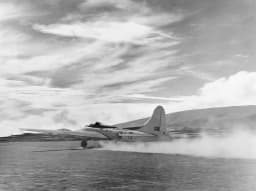 Long readChurchill, Salazar and the Azores bases: 12 October 1943
António Egas Moniz is awarded the Nobel Prize in Physiology or Medicine, shared with Walter Hess, for the prefrontal leucotomy. He remains Portugal's only Nobel laureate in the sciences, though the operation is now discredited.
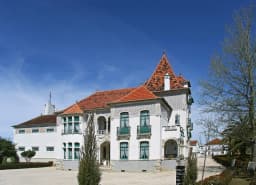 Long readEgas Moniz, the lobotomy and Portugal's first Nobel Prize
At a press conference in Lisbon's Café Chave d'Ouro, opposition presidential candidate General Humberto Delgado is asked what he would do with Salazar if elected. His reply — 'Obviamente, demito-o!' ('Obviously, I'll sack him!') — electrifies the country and becomes one of the most famous phrases in Portuguese politics.
Nationalist militants armed mostly with machetes storm the São Paulo prison and police posts in Luanda, trying to free political prisoners. Claimed by the MPLA, the attack is regarded as the start of the Angolan War of Independence and of the 13-year Portuguese Colonial War.
Governor-General Manuel Vassalo e Silva surrenders Goa, Daman and Diu to the Indian army after a 36-hour invasion, ending 451 years of Portuguese rule in India. Salazar had ordered his 3,500 men to fight to the death against some 45,000 Indian troops; Vassalo e Silva chose to save lives and was later cashiered for cowardice.
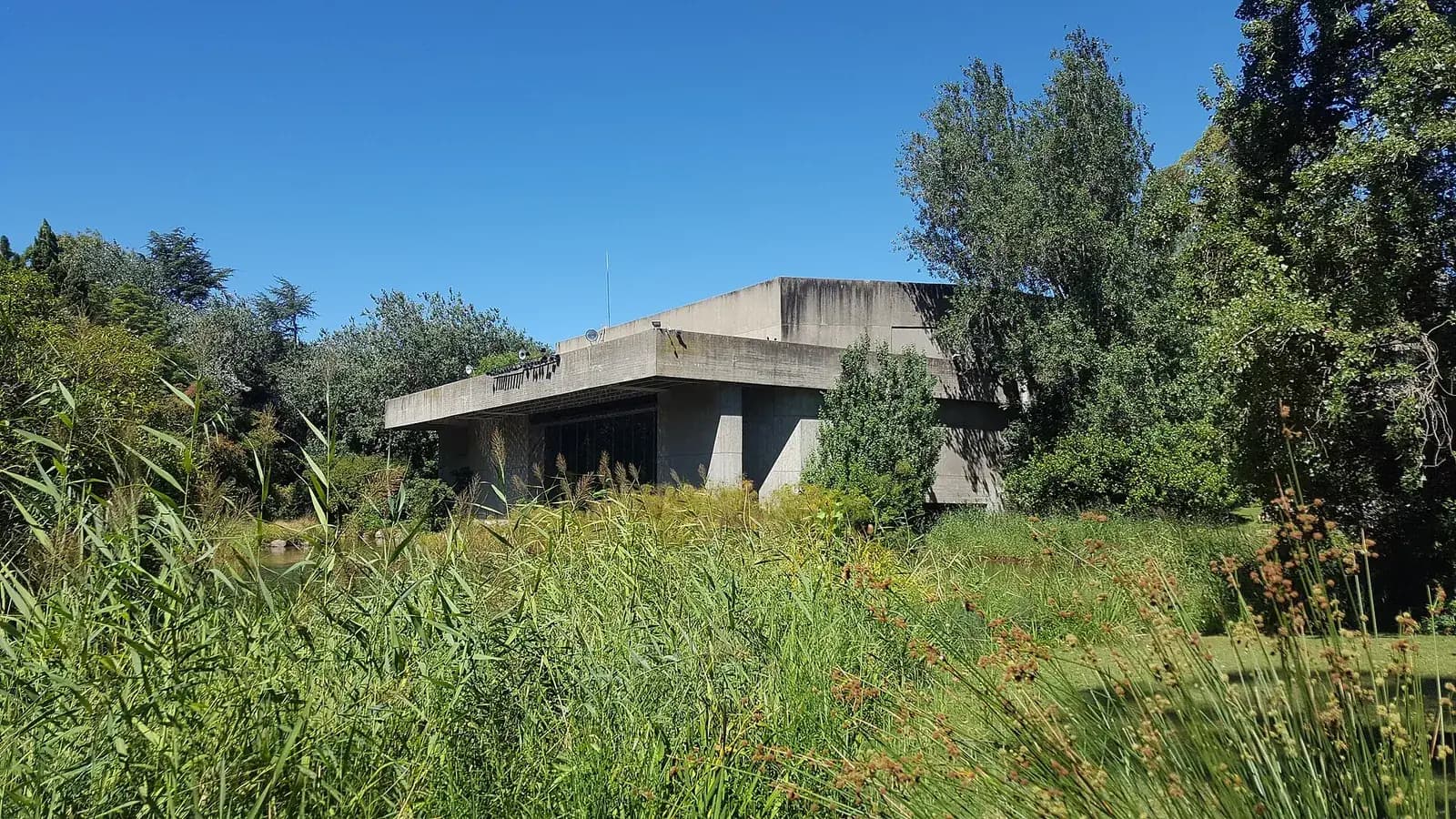
The headquarters and museum of the Calouste Gulbenkian Foundation are inaugurated in Lisbon in the centenary year of the collector's birth, opening to the public a collection of some 6,000 works gathered from Paris, London and Washington. The modernist complex by Ruy d'Athouguia, Pedro Cid and Alberto Pessoa became one of the city's landmarks.
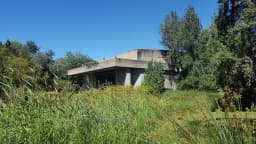 Long readMr Five Per Cent's museum: the Gulbenkian opens in Lisbon, 1969
Portugal holds its first legislative election under Marcelo Caetano. Although no opposition candidate is elected, the vote brings into the National Assembly the 'liberal wing' of Sá Carneiro, Pinto Balsemão and Miller Guerra, who would press for reform from within.
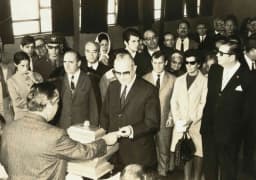 Long readPortugal's 1969 election: Caetano's first vote and the opposition it shaped
1974–1986
Revolution and democracy
On 25 April 1974 a coup by the Armed Forces Movement (MFA) ended the Estado Novo, opened the way to ending the colonial war and brought crowds onto Lisbon's streets to celebrate. A year later, on 25 April 1975, 91% of registered voters took part in the first truly universal elections in Portugal's history. The assembly they elected approved a new Constitution on 2 April 1976.
7 key moments · 58 in all
The Carnation Revolution (Revolução dos Cravos): The Armed Forces Movement overthrows the Estado Novo dictatorship in an almost bloodless coup. 'Grândola, Vila Morena' by José Afonso plays on radio as the signal; tanks roll into Lisbon; Prime Minister Marcelo Caetano surrenders at the Carmo Barracks. It ends 48 years of authoritarian rule and is celebrated annually as Freedom Day.
Portugal holds its first free elections in nearly 50 years: the Constituent Assembly election. Turnout reaches 91.7%. The Socialist Party under Mário Soares wins the most seats, marking a cornerstone of Portugal's transition to democracy.
At midnight in Luanda, Agostinho Neto of the MPLA proclaims the independence of the People's Republic of Angola as crowds cheer and soldiers fire into the air, ending nearly five centuries of Portuguese rule. Neto becomes the country's first president.
Units loyal to the moderate wing of the Armed Forces Movement, with Lieutenant-Colonel Ramalho Eanes directing operations, put down an uprising by left-wing paratroopers who had seized air bases. A state of siege is declared in the Lisbon region, and the defeat of the radical left ends the revolutionary period and sets Portugal on course for parliamentary democracy.
The Constituent Assembly ratifies the Constitution of the Portuguese Republic, enshrining the democratic regime that followed the Carnation Revolution. It enters into force on April 25.
Mário Soares's government formally applies for Portugal to join the European Economic Community, less than three years after the Carnation Revolution. Seen as the anchor of the young democracy, membership would follow on 1 January 1986.
Formal negotiations for Portugal's accession to the European Economic Community open, some eighteen months after the application lodged by Mário Soares's government in March 1977. They concluded with the signing of the accession treaty in June 1985.
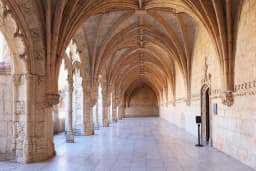 Long readLuxembourg, 1978: Portugal opens its talks to join the EEC
1986–today
Portugal in Europe
Portugal joined what is now the European Union on 1 January 1986 and the euro area on 1 January 1999. Expo 98, on the theme of the oceans, drew about 11 million visitors in 132 days and regenerated 340 hectares of eastern Lisbon. In 2011 Portugal needed a €78 billion rescue from the EU, euro area countries and the IMF, under a programme that ran until mid-2014.
11 key moments · 106 in all
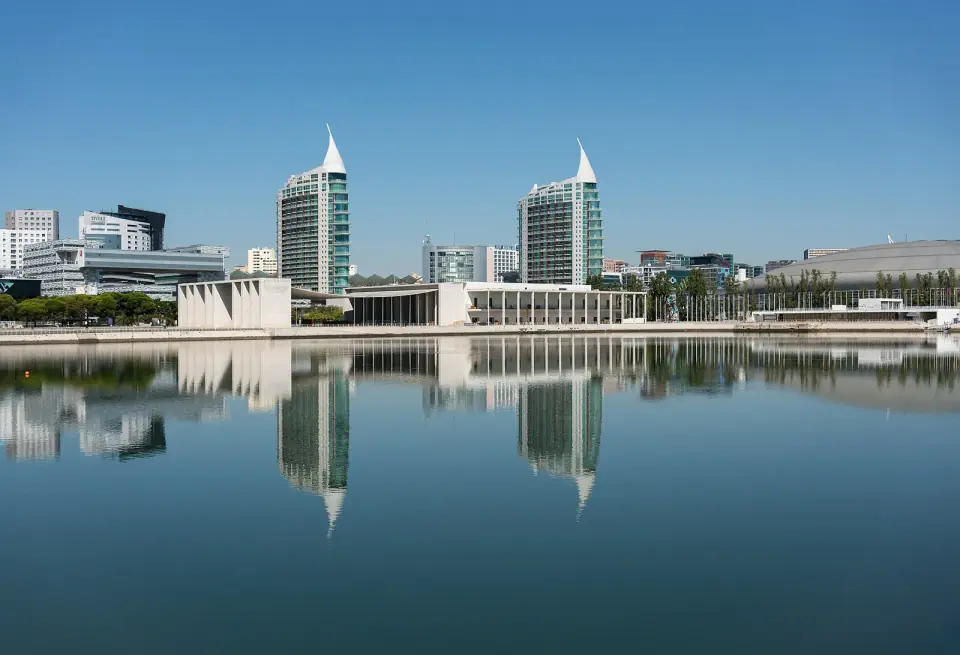
Portugal and Spain join the European Economic Community (today's European Union) — a historic turning point for a country that had shed its dictatorship and its African empire barely a decade earlier.
Expo '98 opens in Lisbon on the theme 'The Oceans, a Heritage for the Future,' celebrating the 500th anniversary of Vasco da Gama's voyage. The exposition transforms the eastern waterfront into the modern Parque das Nações neighbourhood.
The Swedish Academy announces that José Saramago has won the Nobel Prize in Literature, the first Portuguese-language writer to receive it, for work that 'with parables sustained by imagination, compassion and irony continually enables us once again to apprehend an elusory reality'.
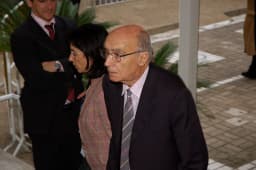 Long readJosé Saramago wins the Nobel Prize in Literature: 8 October 1998
Amália Rodrigues, the queen of fado, dies at her home in Lisbon's Rua de São Bento aged 79. The government declares three days of national mourning, the parties suspend campaigning for the general election four days later, and in 2001 she becomes the first woman laid in the National Pantheon.
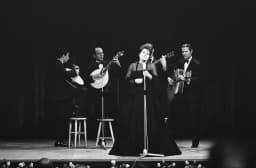 Long readAmália Rodrigues, the voice of fado, dies in Lisbon: 6 October 1999
Portugal's banks and shops open for the first full business day of the euro. Notes and coins had gone into circulation at midnight on New Year's Day, and the escudo, the currency of the Republic since 1911, was withdrawn from use at the end of February.
President Aníbal Cavaco Silva signs the law opening civil marriage to same-sex couples, making Portugal the sixth country in Europe and the eighth in the world to do so. On 7 June, Teresa Pires and Helena Paixão, whose 2006 court challenge began the fight, become the first same-sex couple to marry in Portugal, at a Lisbon registry office.
Prime Minister José Sócrates resigns after the Portuguese parliament rejects his government's fourth austerity package, triggering early elections and leading directly to Portugal's request for an international bailout from the EU and IMF.
The United Nations General Assembly appoints António Guterres, former Portuguese Prime Minister and UN High Commissioner for Refugees, as Secretary-General by acclamation, following the Security Council's recommendation a week earlier. He took office on 1 January 2017.
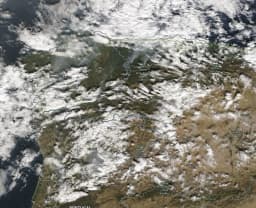
On the worst day of fires in Portugal's recorded history, hundreds of blazes fanned by winds drawn north by Hurricane Ophelia sweep the centre and north of the country. Between 48 and 51 people are killed, some 1,500 homes are destroyed or damaged, and the fires that began at Lousã and Arganil become the largest Portugal had then recorded.
 Long read15 October 2017: the day Ophelia's winds set central Portugal alight
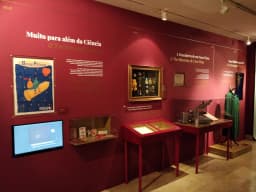
Death in Lisbon of Odette Ferreira, aged 93, the microbiologist who helped identify HIV-2. In 1985 she flew to the Pasteur Institute in Paris with patients' blood samples hidden in her coat to keep them warm, and as head of the national AIDS programme she launched the pharmacy needle exchange 'Diz Não a Uma Seringa em Segunda Mão' ('Say no to a second-hand syringe').
 Long readOdette Ferreira, HIV-2 and the blood sample carried in a coat
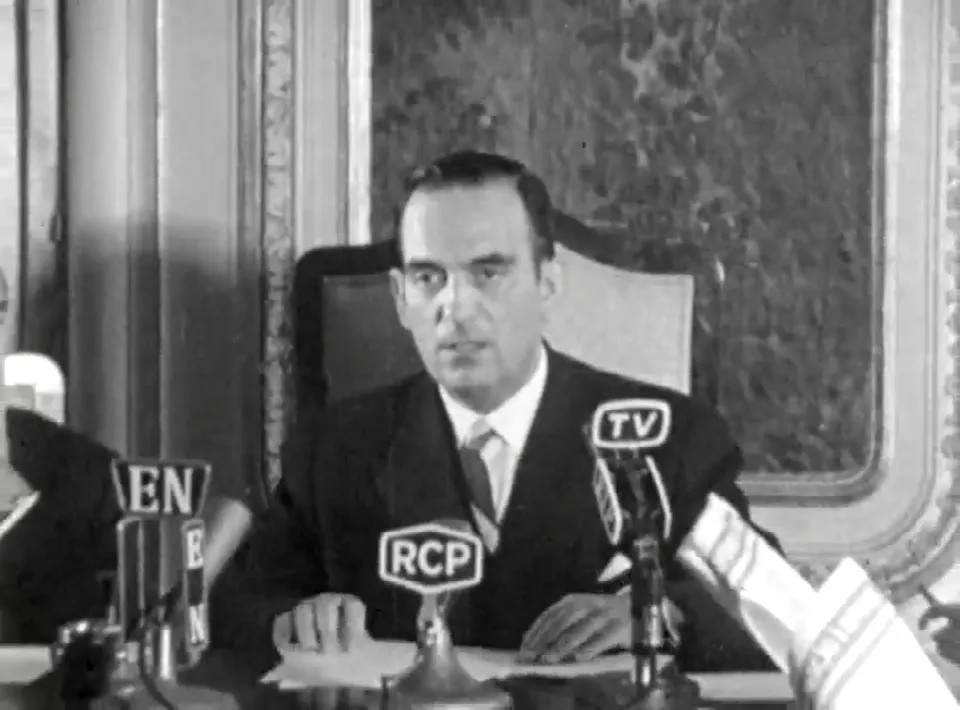
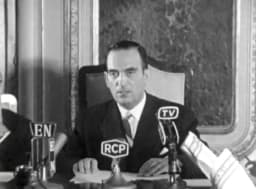
Adriano Moreira dies aged 100, the longest-lived politician of Portuguese democracy. Briefly jailed in 1947 as a lawyer in the case of a general who died in prison, he later served Salazar as Overseas Minister in 1961–62, abolishing the 'indigenato' statute that had denied most Africans in the colonies citizenship, and after the revolution led the CDS.
 Long readAdriano Moreira (1922–2022): Salazar’s reformer in democracy’s parliament
Every moment here also appears in the On this day box on our homepage.