Laws, policy, governance, elections, politics, and state budget.
U.S. President Donald Trump announced tariffs on eight European countries tied to a dispute over Greenland, prompting President of the European Council, António Costa, and EU ambassadors to meet urgently on Sunday and leaders to promise a coordinated response. Brussels and several national leaders warned the measures threaten transatlantic relations; the European Parliament has signalled it will not advance a pending EU–US trade deal while tensions escalate. The political uncertainty could stall trade policy and affect exporters and markets; business owners and exporters should monitor developments closely.
Update: RTP reports French President Emmanuel Macron will ask EU leaders to activate the bloc's anti‑coercion instrument if the United States follows through with tariff surcharges, signalling moves toward a coordinated legal and political EU response as ambassadors meet.

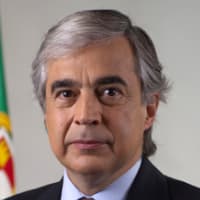
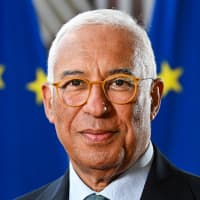
António Luís Santos da Costa (born July 17, 1961, in Lisbon) is a Portuguese lawyer and Socialist politician who served as Prime Minister of Portugal from 2015-2024 and currently serves as President of the European Council since December 1, 2024. After leading the Lisbon Municipal Assembly and practicing law, he was elected MEP (2004-2005) and entered parliament in 2002. He led the Socialist Party from 2014-2024, building unprecedented parliamentary coalitions with the Communist Party and Left Bloc (2015-2019) before winning an absolute majority in 2022. He resigned as PM in November 2023 following a corruption investigation, though subsequently cleared. The 27 EU member states elected him Council President in June 2024, making him the fourth full-time President and the first southern European socialist in that role.
Political Philosophy:
Costa represents moderate European social democracy, combining orthodox fiscal responsibility with progressive social investment. He prioritizes European integration, consensus-building, and pragmatic compromise over ideological confrontation. As Council President, he champions mediation between member states, improved EU inter-institutional relations, shorter decision-making processes, and regular visits to every EU capital to reconnect citizens with European institutions. His approach emphasizes "creative bridges" reconciling divergent interests while maintaining firmness on European values, particularly regarding Ukraine.
The term refers broadly to negotiations or arrangements between the European Union and the United States to manage tariffs, market access and trade disputes; there is no single comprehensive EU–US free-trade agreement, so relations are handled through sectoral deals, WTO rules and ad‑hoc talks. Tariffs or threats of tariffs (the recent row that prompted Brussels to warn about damage to transatlantic ties) can raise prices, disrupt supply chains and prompt coordinated EU responses or reciprocal measures, which is why EU capitals are sensitive to any escalation.
The EU anti‑coercion instrument is a tool the European Union agreed in 2021 that lets the bloc adopt targeted countermeasures (such as tariffs, trade restrictions or other trade-related measures) in response to economic pressure from third countries. Activating it in response to threats of U.S. tariff surcharges would allow the EU to coordinate a collective reaction that could affect trade flows, prices and businesses across member states.
Emmanuel Macron is the President of France, first elected in 2017 and re‑elected in 2022, and is associated with the centrist Renaissance movement. He is engaging European counterparts about using EU tools like the anti‑coercion instrument to respond to international trade threats.

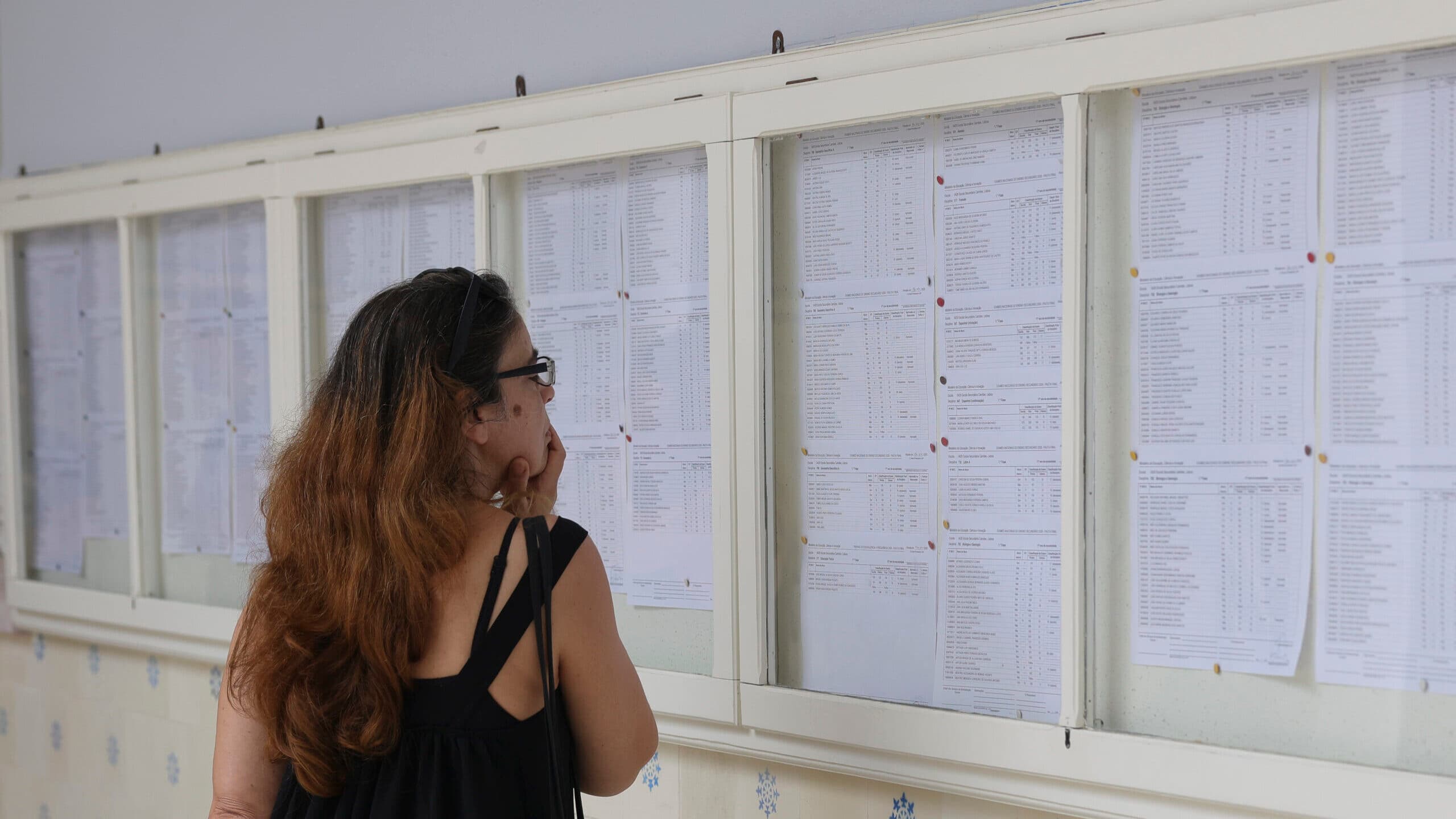
Público summarises practical voting information for the presidential ballot: polling stations are open from 08:00 to 19:00 across Portugal and voters must bring a photo ID such as the national ID card (cartão de cidadão), citizen card/identity document (BI), passport or driving licence. Voters can confirm their polling location via the electoral register (recenseamento.pt), by sending SMS to 3838 or contacting the official helpline. Residents who are unsure where to vote should check recenseamento.pt before heading to the polls.
Update: Multiple outlets report that polls opened today with more than 11 million registered voters expected to take part and a record 11 candidates on the ballot; coverage notes stations opened at 08:00 in mainland Portugal and Madeira, while voting in the Azores starts one hour later.
The Cartão de Cidadão (Citizen Card) is Portugal’s national identity card, introduced in 2007, used for in‑person ID and many online public services; it contains your civil identity data and supports digital authentication and signatures. It is issued to Portuguese citizens—foreign residents use a residence permit for ID—so non‑citizen expats should keep their passport and residence card for official matters.
recenseamento.pt is the official Portuguese website for checking and updating voter registration and finding your assigned polling station ahead of elections; it lets voters confirm their registration status and address on the electoral roll. Voters planning to vote in Portugal (or Portuguese citizens abroad who register via consulates) should check the site before election deadlines to avoid problems like being turned away or casting a null vote.
The electoral register (Portuguese: recenseamento eleitoral) is the official list of people eligible to vote in Portugal; the final update showed 11,039,672 registered voters for the 18 January election, 174,662 more than in the 2021 presidential election. That number matters because it determines turnout percentages, seat calculations and whether campaigns target domestic versus overseas voters — expats need to check their registration status if they plan to vote from abroad.

Expresso and Observador report that, under constitutional rules, the successor to Marcelo Rebelo de Sousa will be sworn into office on 9 March — the same inauguration date used by his recent predecessors since 1986. The fixed date means the transfer of presidential duties is scheduled regardless of interim arrangements after the election. Those following the campaign or official ceremonies should note the 9 March timetable.

Electoral Mandate and Democratic Consensus:
Marcelo Rebelo de Sousa was elected President of Portugal on January 24, 2016, winning 52.0% of the vote in the first round—a decisive victory in a fragmented field. He campaigned as an independent, positioning himself as a unifying figure after years of austerity from Portugal's 2011–14 bailout, promising to repair political divisions and restore national confidence. His campaign emphasized moderation and cross-party consensus, a departure from his decades-long association with the center-right Social Democratic Party (PSD). Upon taking office on March 9, 2016, he suspended his party membership for the duration of his presidency.
His 2021 re-election proved extraordinary: Rebelo de Sousa secured 60.7% of the vote—the third-highest margin in Portuguese presidential electoral history since the 1974 Carnation Revolution. Historically, he became the first candidate ever to win in all 308 municipalities and the vast majority of parishes, ranging from 51.3% in Beja District to 72.16% in Madeira. This unprecedented sweep reflected his broad appeal across social, geographic, and ideological divides.
Constitutional Role and Crisis Leadership:
Portugal operates as a semi-presidential system where the president, while largely ceremonial, exercises meaningful influence over national security, foreign policy, and military affairs as Supreme Commander of the Armed Forces. Rebelo de Sousa leveraged this authority during Portugal's response to the COVID-19 pandemic. In March 2020, he requested parliamentary authorization for a state of emergency—the first nationwide declaration in 46 years of democratic history—to contain the crisis. He voluntarily quarantined after potential COVID-19 exposure in March 2020, and later tested positive in January 2021 while remaining asymptomatic. His measured handling of the pandemic, balancing public health with institutional continuity, contributed to his landslide 2021 re-election.
Diplomatic Engagement and International Presence:
Rebelo de Sousa has conducted extensive state visits representing Portugal's interests across diverse regions: the Vatican, Spain, Mozambique, Morocco, Brazil, Switzerland, Cuba, the United Kingdom, Greece, the United States, and Angola. A notable diplomatic highlight occurred in 2019 when he joined President Emmanuel Macron at the Bastille Day military parade in Paris, representing European military cooperation and the European Intervention Initiative. These engagements positioned Portugal as an active participant in global affairs, particularly regarding colonial history and Atlantic security partnerships.
Colonial Legacy and Historical Accountability:
During his presidency, Rebelo de Sousa has publicly supported making restitution and acknowledging abuses committed during Portugal's colonial history and the country's role in the Atlantic slave trade. This position marked a significant policy shift, as Portugal historically avoided confronting its imperial past compared to other European powers. His stance reflected evolving attitudes within Portuguese society toward historical accountability.
Controversies and Public Criticism:
Rebelo de Sousa's presidency has not been without controversy. In 2023, allegations emerged that he had intervened to expedite treatment for Brazilian twins with Zolgensma, an expensive rare disease medication, raising questions about presidential influence and potential corruption. These claims implicated his son and generated criticism across Portuguese political and media sectors. Additionally, in April 2024, Rebelo de Sousa made controversial remarks comparing the speed of Prime Ministers António Costa and Luís Montenegro using orientalist language that drew public rebuke. In August 2025, he called U.S. President Donald Trump a "Russian asset" at a PSD event, demonstrating his willingness to make provocative foreign policy statements.
Constitutional Constraints and Legacy:
Under Portugal's constitution, Rebelo de Sousa is barred from running for a third consecutive term, meaning his presidency concludes with elections scheduled for January 18, 2026. His decade-long tenure has established him as one of Portugal's most popular recent heads of state, characterized by broad consensus-building and institutional stability. Whether future presidents can replicate his cross-party appeal remains an open question for Portuguese democracy as it enters a new era.
Público and CNN Portugal report analysts expect abstention to fall in this presidential election, citing two features of the race that typically increase participation — including stronger mobilisation among younger voters. The forecast suggests turnout could alter campaign calculations and the likelihood of a second round. Political observers and campaign teams should watch turnout patterns, particularly among young and first-time voters.
Abstention is when eligible voters choose not to vote; it is usually reported as the percentage of registered voters who do not cast a ballot. A falling abstention rate can change electoral outcomes and boost the perceived legitimacy of the result, so a predicted drop — including among younger voters — matters for how parties and candidates plan campaigning and turnout efforts.
Carlos Jalali is the coordinator of the Study Centre at the Francisco Manuel dos Santos Foundation (Fundação Francisco Manuel dos Santos), a Portuguese research organisation. He studies electoral behaviour and has commented on expectations for lower abstention in the current presidential vote.

Correio da Manhã/CMTV coverage finds unusually high motivation among emigrant voters this election, with TV crews following voting at Portuguese consulates and polling stations abroad. Higher turnout overseas could be consequential in a close race and may strain consular services on busy days. Those voting from abroad should check consulate arrangements and confirm their polling location and required ID well ahead of time.
Emigrant voting lets Portuguese citizens living abroad cast ballots in national elections, usually by mail or at consulates. With several hundred thousand registered overseas voters, their turnout and geographic distribution can be decisive in close presidential contests, so candidates often campaign to win votes in key emigrant communities.

ECO reports the Bar Association proposed that complex, high‑profile trials will now have substitute court‑appointed lawyers — effectively assigning two appointed defenders as backups. The measure was presented after issues in recent high-profile cases and is intended to ensure continuous legal representation during lengthy proceedings. Defendants and legal observers should note possible changes in courtroom procedure and representation; the Bar Association (Ordem dos Advogados) is leading the proposal.
The Ordem dos Advogados (Bar Association) is Portugal’s professional body for lawyers, responsible for regulating legal ethics, licensing and discipline and for representing the profession in public debates. Its proposal to change how substitute counsel are appointed in complex trials matters because the Bar’s views influence courtroom procedures, standards of defence and legal reform discussions.
A court‑appointed lawyer is an attorney the court assigns to represent someone who cannot afford private counsel, typically under Portugal’s legal aid system (assistência judiciária). These lawyers provide defence in criminal and other eligible cases, and if the defendant meets the income and eligibility rules the state pays the lawyer’s fees.

Campaigners made their final appeals across the country as the presidential campaign wound down, with most candidates concentrating events in Lisbon ahead of voting on 18 January. Outlets report eleven candidates criss‑crossing the country and close polling in some matchups, increasing the chance of a second round (segunda volta) if no candidate wins an absolute majority. Voters and teams should check polling logistics and opening hours for Sunday, and watch for any late endorsements or tactical appeals that could influence tight races.
Update: Major outlets provided minute‑by‑minute live coverage and in‑depth wrap pieces on the campaign's last day — including Público predictions, ECO's 50‑image campaign gallery, Observador behind‑the‑scenes reporting and Correio da Manhã's review of five defining cases — while some outlets note 11 active campaigners on the road though 13 names appear on some ballot papers.

Background:
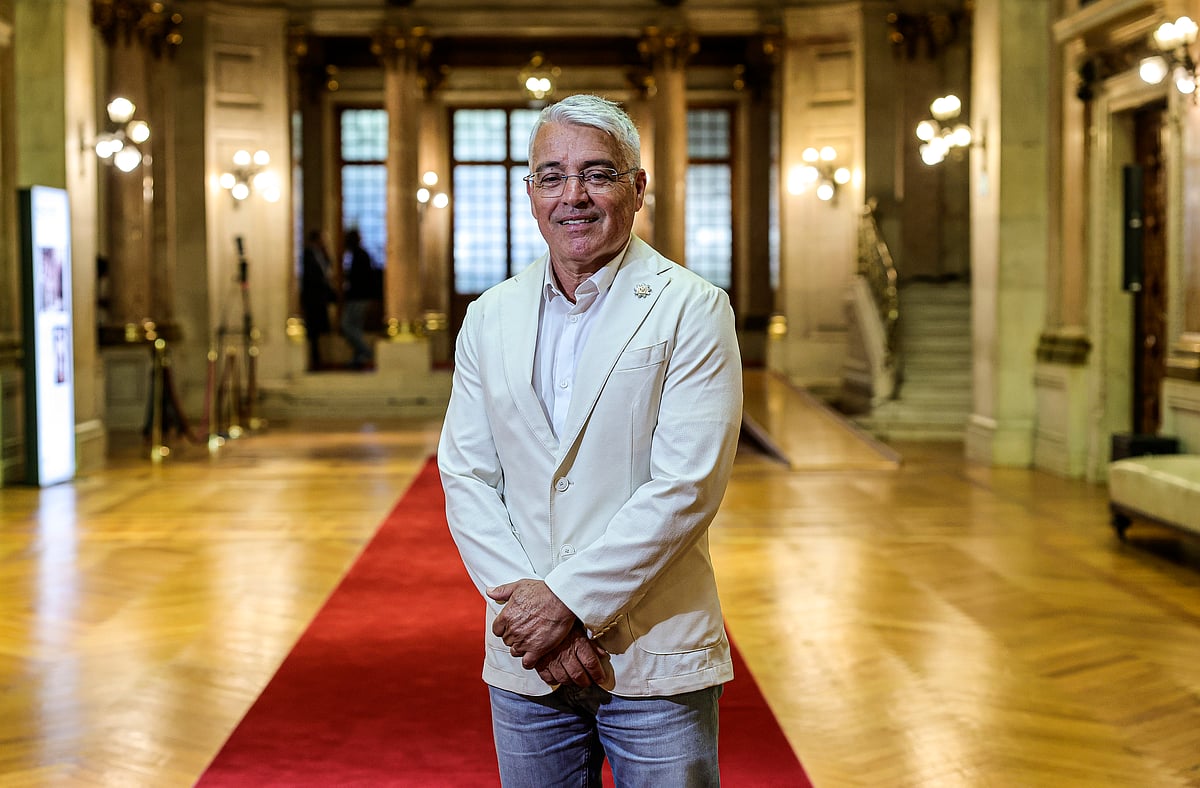
António José Martins Seguro (born March 11, 1962, in Penamacor) is a lawyer, political scientist, and Socialist Party politician running for president in Portugal's January 18, 2026 election. He led Socialist Youth (1990-1994), served as MEP (1999-2001), was Minister Adjunct to PM António Guterres (2001-2002), and led the PS parliamentary group (2004-2005). Elected PS Secretary-General in 2011 with 68%, he led the opposition during Portugal's bailout era. In 2014, António Costa defeated him in party primaries by a landslide, prompting Seguro's resignation and decade-long retreat from politics. He returned in 2025, launching the movement UPortugal and announcing his presidential candidacy in June. He received official PS backing in October 2025. Political Philosophy:
Seguro positions himself as representing a "modern and moderate" left, offering a progressive alternative to conservative candidates. He advocates for "financial responsibility but critical of austerity," attempting to reposition the PS at center-left. His campaign emphasizes institutional trust, efficient governance, and hope for a better future.

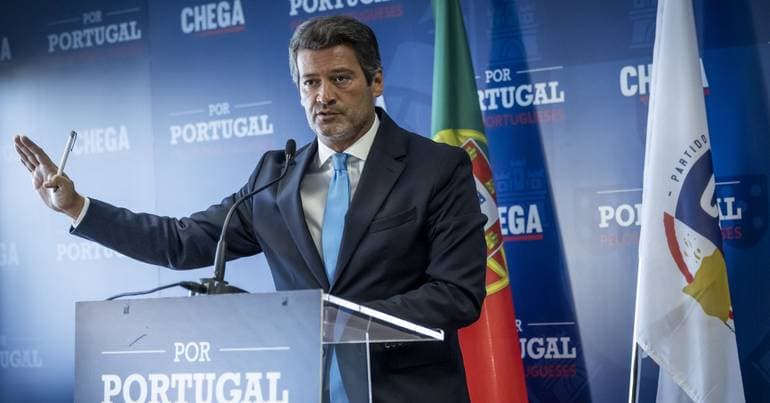
André Ventura, born January 15, 1983, is a lawyer, academic, and Portugal's most prominent far-right leader. He founded Chega ("Enough") in 2019 after his PSD mayoral campaign attacked the Romani community. Chega surged from 1.3% in 2019 to 22.8% in May 2025, becoming parliament's second-largest party and making Ventura Leader of the Opposition.
His platform emphasizes immigration restrictions, law-and-order policies, constitutional reform, and contains inflammatory anti-Romani rhetoric that has triggered multiple discrimination convictions and investigations. Politically classified as far-right by international media, Ventura cultivates alliances with European far-right figures including Marine Le Pen and Santiago Abascal.
He announced his 2026 presidential candidacy, polling at 18% alongside independent Admiral Gouveia e Melo. His rise ended Portugal's 50-year resistance to far-right parties.
The second round (segunda volta) is a runoff held if no candidate obtains more than 50% of votes in the first round; the top two candidates then compete head‑to‑head. For expats following elections, the second round is usually decisive because broader coalitions form and turnout and endorsements can change the outcome.
A concise, analytical guide to voting in Sunday’s presidential election: who is eligible to vote, when polling stations are open, what you need to bring, whether you can use your own pen, what to do if you make a mistake on your ballot, and rules about bringing children or carers into the polling station. Also covers guidance for expat voters and common FAQs to help you vote confidently and correctly on election day.
Correio da Manhã reports a 53% increase in people receiving treatment for gambling addiction, signalling growing social and healthcare demand for support services. The rise may put additional pressure on treatment providers and social services; those affected or concerned about someone at risk should seek specialised help through local health channels. Residents relying on public health services should monitor availability of addiction support in their area.

The Environment Minister announced a Special Programme for the Alqueva and Pedrógão reservoirs (PEAAP) to align water uses and environmental protection with current economic realities. Officials say the PEAAP will balance irrigation, tourism and conservation needs while updating management rules for the reservoirs. Landowners, farmers and local businesses in the Alentejo should watch for consultation stages and regulatory changes that could affect water allocations.
PEAAP is the Special Programme for the Alqueva and Pedrógão Reservoirs, a government planning process to align environmental protection, water management and the different economic uses around those two reservoirs. Its decisions can change local rules on water allocations, irrigation and environmental restrictions, so farmers, water users and residents in the affected areas should follow the process.
Alqueva is a large dam and reservoir on the Guadiana river in the Alentejo region that created one of the biggest artificial lakes in Portugal, supporting irrigation, hydropower and tourism across southern Portugal. Changes to Alqueva’s water management or planning (like through PEAAP) can directly affect agriculture, local water supply and seasonal tourism in the surrounding municipalities.
The government has committed €110 million to support lithium extraction projects despite strong public opposition. Environmental groups describe the funding as a 'blank cheque' paid for by taxpayers, arguing it risks local ecosystems and undermines sustainability claims. The injection of public funds raises wider questions about fiscal priorities, state backing for critical minerals, regulatory oversight and democratic legitimacy amid popular resistance.

A police officer previously implicated in torture had access to unauthorised ammunition from batches not assigned to the PSP; these rounds were untraceable to the force and could facilitate serious firearms offences. The case exposes weaknesses in ammunition control, record-keeping and oversight within the PSP, increasing public safety risks and underscoring the need for stricter inventory procedures, forensic tracing and accountability measures.


Portugal Resident •

Portugal Resident •


TLDR News EU •

Portugal Resident •

The Draghi Report's ambitions force Europe to confront uncomfortable realities: it is falling significantly behind global competitors. The analysis argues that the ‘race’ has been underway for years and that closing the gap requires urgent, active policy choices — including structural reforms, targeted investment and a renewed focus on competitiveness across the single market.

Locating a high-speed rail station in Barreiro should be viewed not as a political concession but as a strategic, evidence-led decision in national spatial planning. A station there would strengthen public transport links across the Tagus, rebalance regional development, integrate the south bank into the Alta Velocidade network and deliver long‑term economic and mobility benefits that align with coherent infrastructure and urban‑planning objectives.

Seixal has moved to secure legal assistance for residents and businesses affected by recent power cuts that have damaged households, disrupted economic activity and impaired essential services. The municipality’s intervention aims to help affected parties understand consumer and utility law, gather evidence of losses and pursue claims or compensation, while scrutinising the responsibilities of suppliers and the adequacy of emergency responses.

Pensioners will see slightly higher net payments from this month after routine inflation adjustments and new IRS withholding tables were applied; simulations show, for example, a gross €1,000 pension could yield roughly €27 more net. The change reflects updated income‑tax (Imposto sobre o Rendimento das Pessoas Singulares or IRS) withholding rates rather than a direct benefit increase. Pension recipients should check payslips to confirm new net amounts.
The IRS withholding tables are government-published schedules used by employers, pension payers and other payers to calculate how much personal income tax (personal income tax (Imposto sobre o Rendimento das Pessoas Singulares) — IRS) must be deducted from each pay period. They take into account gross pay, pay frequency, marital status and dependents; updates (usually published annually or when the budget changes) affect your monthly take-home pay and are reconciled with your annual tax return (Modelo 3).

The Finance Minister will be at next week's annual meeting of the World Economic Forum in Davos, and will use the presence of policymakers and investors to 'sell' the progress the national economy has made in recent years. In remarks to ECO, Joaquim Miranda Sarmento highlights this year's event theme, ...

Portugal faces a mixed outcome from the EU–Mercosur trade agreement. Export-oriented sectors such as wine, olive oil and cheese see expanded market access to Argentina, Brazil, Paraguay and Uruguay as growth opportunities, while domestic meat and rice producers fear increased competition, downward price pressure and quota-driven market disruption. The deal thus creates winners and losers within Portugal’s agricultural and food industries, highlighting the need for safeguards, support measures and sectoral adaptation strategies.
Update: The trade agreement between the European Union and Mercosur is due to be signed this Saturday. The impending signature has intensified debate in Portugal: wine, olive oil and cheese sectors are positioning to capture growth in the four South American markets, while meat and rice producers renew warnings about heightened competition, downward price pressure and quota effects. Stakeholders are pressing for concrete safeguards, transitional support and clear implementation timetables to mitigate adjustment costs and protect sensitive domestic producers.

A press roundup reporting an increase in foreign doctors in Portugal — though not being brought into the SNS (Portuguese National Health Service) — and coverage that Spain is acting as a stumbling block to Mário Centeno’s prospects at the European Central Bank (ECB).