Latest news and stories about election campaign in Portugal for expats and residents.
Chega MP Pedro Pinto will respond to the Intercampus poll carried out for Correio da Manhã.

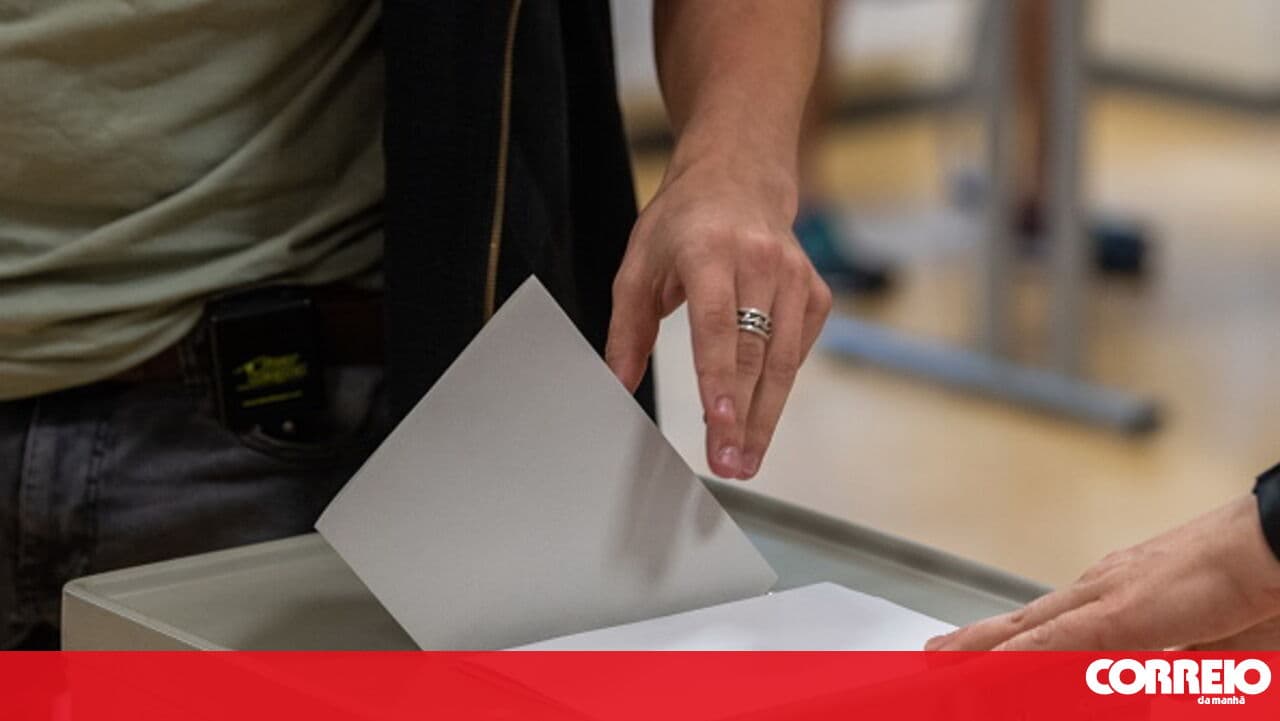
More than 11 million voters were called to vote in the Presidential Election. We are following here, minute by minute, all developments throughout the night from the close of the polls.
Everything you need to know about the Presidential election is here.


Turnout is over 10 percentage points higher than in 2021.

Público and CNN Portugal report analysts expect abstention to fall in this presidential election, citing two features of the race that typically increase participation — including stronger mobilisation among younger voters. The forecast suggests turnout could alter campaign calculations and the likelihood of a second round. Political observers and campaign teams should watch turnout patterns, particularly among young and first-time voters.
Abstention is when eligible voters choose not to vote; it is usually reported as the percentage of registered voters who do not cast a ballot. A falling abstention rate can change electoral outcomes and boost the perceived legitimacy of the result, so a predicted drop — including among younger voters — matters for how parties and candidates plan campaigning and turnout efforts.
Carlos Jalali is the coordinator of the Study Centre at the Francisco Manuel dos Santos Foundation (Fundação Francisco Manuel dos Santos), a Portuguese research organisation. He studies electoral behaviour and has commented on expectations for lower abstention in the current presidential vote.

Correio da Manhã/CMTV coverage finds unusually high motivation among emigrant voters this election, with TV crews following voting at Portuguese consulates and polling stations abroad. Higher turnout overseas could be consequential in a close race and may strain consular services on busy days. Those voting from abroad should check consulate arrangements and confirm their polling location and required ID well ahead of time.
Emigrant voting lets Portuguese citizens living abroad cast ballots in national elections, usually by mail or at consulates. With several hundred thousand registered overseas voters, their turnout and geographic distribution can be decisive in close presidential contests, so candidates often campaign to win votes in key emigrant communities.

Público summarises practical voting information for the presidential ballot: polling stations are open from 08:00 to 19:00 across Portugal and voters must bring a photo ID such as the national ID card (cartão de cidadão), citizen card/identity document (BI), passport or driving licence. Voters can confirm their polling location via the electoral register (recenseamento.pt), by sending SMS to 3838 or contacting the official helpline. Residents who are unsure where to vote should check recenseamento.pt before heading to the polls.
Update: Multiple outlets report that polls opened today with more than 11 million registered voters expected to take part and a record 11 candidates on the ballot; coverage notes stations opened at 08:00 in mainland Portugal and Madeira, while voting in the Azores starts one hour later.
The Cartão de Cidadão (Citizen Card) is Portugal’s national identity card, introduced in 2007, used for in‑person ID and many online public services; it contains your civil identity data and supports digital authentication and signatures. It is issued to Portuguese citizens—foreign residents use a residence permit for ID—so non‑citizen expats should keep their passport and residence card for official matters.
recenseamento.pt is the official Portuguese website for checking and updating voter registration and finding your assigned polling station ahead of elections; it lets voters confirm their registration status and address on the electoral roll. Voters planning to vote in Portugal (or Portuguese citizens abroad who register via consulates) should check the site before election deadlines to avoid problems like being turned away or casting a null vote.
The electoral register (Portuguese: recenseamento eleitoral) is the official list of people eligible to vote in Portugal; the final update showed 11,039,672 registered voters for the 18 January election, 174,662 more than in the 2021 presidential election. That number matters because it determines turnout percentages, seat calculations and whether campaigns target domestic versus overseas voters — expats need to check their registration status if they plan to vote from abroad.

Marques Mendes again urged supporters to believe in advancing to the second round. The candidate finishes his campaign with a rally and a youth event in Lisbon.

Campaigners made their final appeals across the country as the presidential campaign wound down, with most candidates concentrating events in Lisbon ahead of voting on 18 January. Outlets report eleven candidates criss‑crossing the country and close polling in some matchups, increasing the chance of a second round (segunda volta) if no candidate wins an absolute majority. Voters and teams should check polling logistics and opening hours for Sunday, and watch for any late endorsements or tactical appeals that could influence tight races.
Update: Major outlets provided minute‑by‑minute live coverage and in‑depth wrap pieces on the campaign's last day — including Público predictions, ECO's 50‑image campaign gallery, Observador behind‑the‑scenes reporting and Correio da Manhã's review of five defining cases — while some outlets note 11 active campaigners on the road though 13 names appear on some ballot papers.

Background:
António José Martins Seguro (born March 11, 1962, in Penamacor) is a lawyer, political scientist, and Socialist Party politician running for president in Portugal's January 18, 2026 election. He led Socialist Youth (1990-1994), served as MEP (1999-2001), was Minister Adjunct to PM António Guterres (2001-2002), and led the PS parliamentary group (2004-2005). Elected PS Secretary-General in 2011 with 68%, he led the opposition during Portugal's bailout era. In 2014, António Costa defeated him in party primaries by a landslide, prompting Seguro's resignation and decade-long retreat from politics. He returned in 2025, launching the movement UPortugal and announcing his presidential candidacy in June. He received official PS backing in October 2025. Political Philosophy:
Seguro positions himself as representing a "modern and moderate" left, offering a progressive alternative to conservative candidates. He advocates for "financial responsibility but critical of austerity," attempting to reposition the PS at center-left. His campaign emphasizes institutional trust, efficient governance, and hope for a better future.

André Ventura, born January 15, 1983, is a lawyer, academic, and Portugal's most prominent far-right leader. He founded Chega ("Enough") in 2019 after his PSD mayoral campaign attacked the Romani community. Chega surged from 1.3% in 2019 to 22.8% in May 2025, becoming parliament's second-largest party and making Ventura Leader of the Opposition.
His platform emphasizes immigration restrictions, law-and-order policies, constitutional reform, and contains inflammatory anti-Romani rhetoric that has triggered multiple discrimination convictions and investigations. Politically classified as far-right by international media, Ventura cultivates alliances with European far-right figures including Marine Le Pen and Santiago Abascal.
He announced his 2026 presidential candidacy, polling at 18% alongside independent Admiral Gouveia e Melo. His rise ended Portugal's 50-year resistance to far-right parties.
The second round (segunda volta) is a runoff held if no candidate obtains more than 50% of votes in the first round; the top two candidates then compete head‑to‑head. For expats following elections, the second round is usually decisive because broader coalitions form and turnout and endorsements can change the outcome.
Experts told Lusa and national outlets that emigrant voting could have a larger impact than in previous presidential contests, as turnout patterns and narrow margins make overseas ballots more decisive. Historically lower in influence, emigrant turnout this time could tip close races or affect which candidates progress to a second round. Portuguese citizens abroad should confirm registration and polling or postal-vote arrangements with their consulate or local authorities well before Sunday.

Background:
António José Martins Seguro (born March 11, 1962, in Penamacor) is a lawyer, political scientist, and Socialist Party politician running for president in Portugal's January 18, 2026 election. He led Socialist Youth (1990-1994), served as MEP (1999-2001), was Minister Adjunct to PM António Guterres (2001-2002), and led the PS parliamentary group (2004-2005). Elected PS Secretary-General in 2011 with 68%, he led the opposition during Portugal's bailout era. In 2014, António Costa defeated him in party primaries by a landslide, prompting Seguro's resignation and decade-long retreat from politics. He returned in 2025, launching the movement UPortugal and announcing his presidential candidacy in June. He received official PS backing in October 2025. Political Philosophy:
Seguro positions himself as representing a "modern and moderate" left, offering a progressive alternative to conservative candidates. He advocates for "financial responsibility but critical of austerity," attempting to reposition the PS at center-left. His campaign emphasizes institutional trust, efficient governance, and hope for a better future.
Emigrant voting lets Portuguese citizens living abroad cast ballots in national elections, usually by mail or at consulates. With several hundred thousand registered overseas voters, their turnout and geographic distribution can be decisive in close presidential contests, so candidates often campaign to win votes in key emigrant communities.
The second round (segunda volta) is a runoff held if no candidate obtains more than 50% of votes in the first round; the top two candidates then compete head‑to‑head. For expats following elections, the second round is usually decisive because broader coalitions form and turnout and endorsements can change the outcome.

Analysts presented multiple plausible second‑round (segunda volta) scenarios that would shape alliances and the tone of the presidency after 18 January, with different matchups signalling varied policy directions and voter priorities. Coverage notes that each scenario would prompt distinct endorsement dynamics and tactical voting decisions in the days after the first round. Those tracking the election outcome should watch candidate statements and party endorsements closely for signals about post‑vote alignments.
The second round (segunda volta) is a runoff held if no candidate obtains more than 50% of votes in the first round; the top two candidates then compete head‑to‑head. For expats following elections, the second round is usually decisive because broader coalitions form and turnout and endorsements can change the outcome.
Tactical voting means choosing a less-preferred candidate to achieve a strategic outcome—for example concentrating support to ensure a preferred candidate reaches the second round (segunda volta) or to block a rival. Party leaders urge it when they want to avoid splitting votes among similar candidates and increase the chance of a favourable runoff result.

On the penultimate day of a Porto‑focused campaign, Mendes — the candidate backed by the PSD and CDS — intensified calls for voters to concentrate their ballots next Sunday, warning that the result must not be left to chance. He framed the vote as decisive for who will occupy Belém and criticised the broader presidential campaign as lacking substantive policy ideas, arguing it is time to end an empty contest and consolidate support behind a clear alternative. The intervention underlines a tactical push for vote consolidation and a critique of opponents’ absence of coherent presidential proposals.
A DN/Aximage poll published across outlets shows António José Seguro with roughly a 20‑point lead over André Ventura in a hypothetical second round, and commentators say that lead could shape tactical voting and campaign messaging ahead of the vote. Seguro — the candidate backed by the Socialist Party (Partido Socialista or PS) — has framed himself as the moderate alternative and has argued there is no need to revise the Constitution. Voters and campaign observers should watch turnout patterns and late endorsements, which could still influence close first‑round dynamics.

Background:
António José Martins Seguro (born March 11, 1962, in Penamacor) is a lawyer, political scientist, and Socialist Party politician running for president in Portugal's January 18, 2026 election. He led Socialist Youth (1990-1994), served as MEP (1999-2001), was Minister Adjunct to PM António Guterres (2001-2002), and led the PS parliamentary group (2004-2005). Elected PS Secretary-General in 2011 with 68%, he led the opposition during Portugal's bailout era. In 2014, António Costa defeated him in party primaries by a landslide, prompting Seguro's resignation and decade-long retreat from politics. He returned in 2025, launching the movement UPortugal and announcing his presidential candidacy in June. He received official PS backing in October 2025. Political Philosophy:
Seguro positions himself as representing a "modern and moderate" left, offering a progressive alternative to conservative candidates. He advocates for "financial responsibility but critical of austerity," attempting to reposition the PS at center-left. His campaign emphasizes institutional trust, efficient governance, and hope for a better future.
The Socialist Party (Partido Socialista or PS) is Portugal's main centre‑left, social‑democratic party that has been one of the country’s largest parties and has led national governments since 2015 under António Costa. Its decisions shape taxation, housing, health and immigration policies that directly affect residents and expats living in Portugal.
Tactical voting means choosing a less-preferred candidate to achieve a strategic outcome—for example concentrating support to ensure a preferred candidate reaches the second round (segunda volta) or to block a rival. Party leaders urge it when they want to avoid splitting votes among similar candidates and increase the chance of a favourable runoff result.
The second round (segunda volta) is a runoff held if no candidate obtains more than 50% of votes in the first round; the top two candidates then compete head‑to‑head. For expats following elections, the second round is usually decisive because broader coalitions form and turnout and endorsements can change the outcome.

Socialist Party (PS)
Portugal's other traditional major party suffered a historic collapse in the 2025 election, dropping from 78 to 58 seats and falling to third place for the first time in democratic history. The party was led by Pedro Nuno Santos from January 2024 until his resignation following the May 2025 defeat. José Luís Carneiro, a 53-year-old former Minister of Internal Administration known for his moderate positioning within the party, was elected unopposed as the new Secretary-General with 95% of votes in June 2025. The Socialist Party governed Portugal from 2015 to 2024, including an absolute majority from 2022 to 2024 under António Costa, who resigned in November 2023 amid a corruption investigation. The PS previously led the innovative "Geringonça" (contraption) coalition government from 2015-2019, a minority government supported by the Left Bloc and Portuguese Communist Party that reversed austerity measures and presided over economic recovery.
The presidential campaign skirted constitutional debate, focusing on policy and partisan positioning more suited to a head-of-government race than a head-of-state contest. António José Seguro — the Socialist-backed candidate — presents himself as the moderate alternative and argues the Constitution need not be revised, only respected; meanwhile Luís Montenegro will run as his party’s candidate. The piece argues the Republic needs a president who acts as a moderator, respects institutional limits and upholds the separation of powers.

Reports differ over Jorge Pinto’s final campaign messages: RTP and Observador say he urged voters to back António José Seguro before reversing course and criticising journalists, while other outlets quote Pinto denying he explicitly urged a vote. António José Seguro welcomed what he described as a vote‑concentration move, but the sequence of statements and retractions has created uncertainty in the final stretch of campaigning. Undecided voters and local campaign teams should watch for clarifications that could affect last‑minute tactical voting.
The Socialist Party (Partido Socialista or PS) is Portugal's main centre‑left, social‑democratic party that has been one of the country’s largest parties and has led national governments since 2015 under António Costa. Its decisions shape taxation, housing, health and immigration policies that directly affect residents and expats living in Portugal.
Tactical voting means choosing a less-preferred candidate to achieve a strategic outcome—for example concentrating support to ensure a preferred candidate reaches the second round (segunda volta) or to block a rival. Party leaders urge it when they want to avoid splitting votes among similar candidates and increase the chance of a favourable runoff result.

RTP (Rádio e Televisão de Portugal) is Portugal's state-owned public service broadcaster, operating since 1935 (radio) and 1957 (television). It runs 8 television channels (including RTP1, RTP2, RTP3) and 7 radio stations (Antena 1, 2, 3), plus international services reaching Portuguese diaspora worldwide. Funded by a broadcasting tax on electricity bills and advertising revenue, RTP serves as Portugal's cultural reference, providing quality news, education, and entertainment. Its archive represents "irreplaceable heritage in Portuguese collective memory", and it pioneered online streaming with RTP Play in 2011. RTP connects "Portugal and the Portuguese to themselves, to each other, and to the world"
An IPAM analysis of about 2,104 social‑media posts finds Luís Marques Mendes has the least digital traction while candidates differ between volume (André Ventura) and engagement (Jorge Pinto); Cotrim combines reach and involvement in a more balanced way. The study highlights how digital strategies vary across platforms and could shape mobilisation in the final campaign phase. Political observers and voters should note online traction does not directly equal votes but can influence turnout and narrative dynamics.

In under 24 hours Cotrim de Figueiredo’s campaign was rocked by two controversies — a dispute linked to Ventura’s place in the second round and an allegation of harassment — prompting intense media and commentator reaction. A Catholic University poll that places Cotrim third, despite his insistence he can contest the second round, provided immediate relief and helped dissipate some of the political damage. Commentators including Miguel Santos Carrapatoso, Carlos Rodrigues and Bruno Batista framed the episode as a pivotal, potentially career-defining moment: Rodrigues argued Cotrim never sought the presidency, while Batista called the previous day a disastrous political mistake. The net effect is a campaign bruised but not decisively derailed, with the poll softening public fallout even as scrutiny and debate continue.

Seguro says he is aiming to finish first in the first round to prevent the so-called 'extremist' candidate, notably André Ventura, from reaching the run-off. He has raised his target from simply qualifying for the second round to topping it, reframing the race as a showdown between 'democrats' and 'extremism' and attempting to reshape voter choice. The move comes as a PS‑backed candidate also appears well placed to contest the presidency, increasing the strategic importance of securing first place in round one.

Day nine of the Tracking Poll, reported by Pedro Benevides, shows a growing three-way dynamic in the Portuguese presidential race: António José Seguro, André Ventura and João Cotrim de Figueiredo are pulling ahead of Henrique Gouveia e Melo and Luís Marques Mendes. The pattern suggests the contest may crystallise into a three-way fight in the final campaign days, and — with the exception of Chega's leader — most main contenders have yet to secure full backing from their own bases.

David Pontes argues that the so-called elections for the presidencies of the CCDRs are a façade: party leaders pick office-holders behind closed doors, depriving voters and local stakeholders of genuine choice. The editorial contends this practice undermines democratic legitimacy, concentrates power within party machines and weakens accountability in regional policy, and calls for transparent, competitive selection procedures and broader electoral reform.

Cotrim de Figueiredo faced a punishing day after he declined to rule out endorsing André Ventura in a potential second round of the presidential election and was further hit by an allegation of harassment that he denies. The refusal to categorically exclude an endorsement has sparked controversy because it complicates his positioning in a fragmented centre-left electorate and risks alienating voters who oppose Ventura’s platform. The harassment claim, regardless of its veracity, intensifies media scrutiny and could distract the campaign at a critical moment. Strategically, Cotrim may be seeking to keep options open for post‑first‑round negotiations, but the short‑term effect is likely to be reputational damage and increased pressure from opponents and allies to clarify his stance.

João Cotrim de Figueiredo’s campaign, which had been gaining momentum, suffered a serious setback after a strategic misstep on second-round strategy and the resurfacing of a harassment allegation on social media. By not ruling out support for Ventura, Cotrim exposed himself to attacks and fractured the narrative of steady progress; the harassment allegation — reportedly known within Iniciativa Liberal for two years — compounded the damage and prompted him to decry ‘low‑level’ and ‘dirty’ politics. The episode shifted the campaign’s focus onto Cotrim personally, energised opponents and risked undoing recent gains as rivals consolidated backing ahead of a possible second round.
On the ninth day of the official presidential campaign most candidates focused their activities in Portugal’s interior, campaigning across almost the entire mainland. The concentration in rural and regional areas indicates a deliberate strategy to court voters outside major urban centres, raise visibility in less-served communities and address local issues that could prove decisive in a fragmented race. Political observers interpret the interior push as an effort to broaden appeal beyond traditional strongholds and capture swing support.
With the campaign entering its final week, António José Seguro has shifted from leftward appeals to target centrist and moderate voters, presenting himself as a 'calm force' who would be a 'courageous' but not 'irresponsible' president. The move is framed as a strategic pivot to neutralise perceptions that he is insecure and to broaden his appeal while he remains well placed in the polls. The approach balances promises of principled leadership with a deliberate emphasis on stability, but risks alienating his left‑wing base even as it seeks centre ground.

André Ventura says he is confident he will advance to the second round of the presidential election and has publicly pressed Prime Minister Montenegro to declare which candidate he would back in a potential runoff against António José Seguro. The move is a calculated challenge designed to force political alignment, provoke a public response from the government and frame the contest as a binary choice that could consolidate Ventura’s support. It signals an early effort to shape campaign narratives, test opponents’ coalitions and put pressure on centrist figures to take clear positions ahead of the first-round vote.

António José Seguro urged supporters to temper their euphoria, stressing that “nothing is won” until all votes are counted and the race is decided. His caution came amid a heated campaign atmosphere, with rival candidate Gouveia e Melo publicly lambasting Seguro as “shameless” after receiving explicit backing from Rui Rio — a development that underlines sharp interpersonal tensions and the high stakes of a closely contested presidential vote. The intervention is aimed at preserving discipline among backers and managing expectations as results approach.

At a campaign dinner in Lousã (Coimbra), presidential candidate Luís Marques Mendes presented a deliberate profile of a ‘firm but calm’ Presidency in Belém, arguing that steadiness and measured leadership are what the office requires. Positioning himself as a reassuring, experienced alternative, Mendes signalled an appeal to centrist and undecided voters and claimed he is in ‘pole position’ to reach the second round — an implicit campaign strategy to consolidate support ahead of a likely two‑stage contest. The remarks underscore a campaign focused on stability, competence and broadening appeal rather than polarising rhetoric.
The RTP debate — the only one to include all 11 candidates — centred on personalised attacks and contrasting styles. Ventura and José Seguro were frequent targets while Rui Rio’s former ally Mendes emerged as the most aggressive, clashing chiefly with Admiral Gouveia e Melo; the two men’s exchange became the debate’s defining confrontation. Other notable dynamics included mutual restraint between Almirante and the Chega leader, André Pestana’s bold interventions, Manuel João Vieira’s ironic tone, and even criticism directed at Marcelo, suggesting a campaign increasingly shaped by personality and tactical barbs rather than detailed policy battles.

Eleven candidates kick off formal campaigning for the 2026 presidential election this Sunday, campaigning until the 16th as they compete for the presidency in Belém. Declared communications budgets exceed €3.8 million and are concentrated on visible tactics — campaign design, agency work, posters, advertising, rallies and giveaways — according to filings with the electoral oversight entity. The spending pattern suggests a contest focused on reach and visibility rather than low-cost digital-first strategies.

António José Seguro presented his honorary committee and national campaign team and will hold a rally in Leiria as he renewed an appeal for tactical voting. He warned that without strategic consolidation the left risks being excluded from the second round, portraying the moment as a 'point of no return', while PS figures such as José Luís Carneiro positioned Seguro as a potential swing vote. The report also explains the concept of tactical voting in the first round and notes Seguro's pledge to occupy the presidency with dignity and without political theatre.

The formal presidential campaign period begins today at 06:00, initiating a regulated phase of intensified candidate activity and public messaging ahead of the vote. This milestone shifts competition from informal positioning to structured campaigning — emphasising policy platforms, targeted voter outreach, media strategy and fundraising — and will influence tactical decisions, debate preparation and regulatory compliance over the coming weeks.


Portugal Resident •