

Tourism, hotspots, deals, and travel strikes.
RTP reports IPMA has issued an orange warning for the north coast of Madeira and Porto Santo, forecasting waves of 5 to 5.5 metres and rough sea conditions. The Portuguese Institute for Sea and Atmosphere (Instituto Português do Mar e da Atmosfera or IPMA) warns mariners, coastal visitors and port operators to avoid exposed areas until conditions ease. Those planning sea travel or coastal activities should monitor local updates and follow authorities' safety advice.

IPMA is the Portuguese Institute of the Sea and Atmosphere (Instituto Português do Mar e da Atmosfera), the national agency for weather, marine forecasts and climate monitoring. Residents should watch its forecasts and warnings during storms, heatwaves or cold snaps because IPMA issues official advisories used by services, transport operators and local authorities.
An orange warning from the Portuguese Institute for Sea and Atmosphere (Instituto Português do Mar e da Atmosfera) signals potentially dangerous weather or sea conditions that could cause significant damage or risk to life; it is one level below the highest red warning. For the coast, an orange alert (for example waves of 5–5.5 metres) means people should avoid sea activities, follow local authority advice and expect disruptions to maritime transport.

The Portuguese Institute for Sea and Atmosphere (IPMA) has issued an orange warning for rough seas across seven mainland districts—Porto, Viana do Castelo, Braga, Aveiro, Coimbra, Leiria and Lisbon—in force until 12:00 on Saturday. Swells are expected to be particularly severe in the north‑west, with waves potentially reaching up to 10 metres. The advisory signals a heightened marine hazard; residents, mariners and coastal visitors should heed official guidance and avoid exposed areas.
Update: CNN Portugal confirms IPMA's forecast of waves up to 10 metres and reiterates that the orange warning remains in force until 12:00 on Saturday; authorities advise avoiding exposed coastal and harbour areas until conditions ease.
Update 2: Público and other outlets list the affected districts explicitly and note that Coimbra and Braga have orange warnings in effect until 12:00 while other districts are under yellow warning levels — a staggered schedule responders say reflects local conditions.

IPMA is the Portuguese Institute of the Sea and Atmosphere (Instituto Português do Mar e da Atmosfera), the national agency for weather, marine forecasts and climate monitoring. Residents should watch its forecasts and warnings during storms, heatwaves or cold snaps because IPMA issues official advisories used by services, transport operators and local authorities.

Access routes to the Torre at Serra da Estrela remain closed after fresh snowfall, with local authorities reporting road blockages early Saturday. The regional Comando Sub-regional and Civil Protection (Proteção Civil) sources told Lusa that closures are in place while teams clear and assess routes. Those planning a weekend in the snow should postpone travel or check local updates before driving into mountain areas.
Update: Observador and RTP report that access routes to the Torre were reopened at about 10:30 after clearing operations, though some outlets earlier described continued closures — authorities say teams are still assessing local conditions.
Serra da Estrela (the Estrela mountain range) is Portugal’s highest mountain range in central Portugal, with its highest point, Torre, at 1,993 metres. It’s a protected natural area and popular for hiking and winter sports; winter storms and snow can close roads across the massif, so expats travelling there in winter should check conditions and expect possible closures or the need for winter equipment.
Civil protection (Proteção Civil) is the national system that coordinates prevention, response and recovery for disasters and emergencies in Portugal; the Autoridade Nacional de Emergência e Proteção Civil (ANEPC) oversees planning, warnings and coordination with fire brigades, police and municipal services. In weather events—such as snow or road closures around Serra da Estrela—Proteção Civil issues safety advisories, may close access routes and coordinates rescue and relief efforts, so people in affected areas should follow official guidance and call 112 for emergencies.
Emergency associations argue that a single command structure in the Civil Protection law would centralise decision‑making during major incidents, reducing confusion between municipal, regional and national responders and improving the speed and efficiency of operations. They say this clearer hierarchy would help volunteers and professional services coordinate on the front line, which is why they want that change included before the health framework law is finalised.

RTP (Rádio e Televisão de Portugal) is Portugal's state-owned public service broadcaster, operating since 1935 (radio) and 1957 (television). It runs 8 television channels (including RTP1, RTP2, RTP3) and 7 radio stations (Antena 1, 2, 3), plus international services reaching Portuguese diaspora worldwide. Funded by a broadcasting tax on electricity bills and advertising revenue, RTP serves as Portugal's cultural reference, providing quality news, education, and entertainment. Its archive represents "irreplaceable heritage in Portuguese collective memory", and it pioneered online streaming with RTP Play in 2011. RTP connects "Portugal and the Portuguese to themselves, to each other, and to the world"

Porto's Clérigos Tower (Torre dos Clérigos) was partially evacuated on Friday after a short circuit in a battery caused a small fire on an upper floor; emergency services say the alert was raised around 12:41 and the situation was resolved with no reported injuries. City sources told Lusa the incident was contained quickly and the monument has since reopened or been secured. Visitors and residents near the monument should follow local directions if emergency crews are present.
Clérigos Tower (Torre dos Clérigos) is an 18th‑century Baroque bell tower in Porto, designed by Nicolau Nasoni and completed in the 1760s; it stands at about 75 metres and is one of the city’s best‑known landmarks. Because it is a major tourist attraction, any safety incident—like the reported battery fire and partial evacuation—can temporarily close the site and affect visitors and nearby businesses, so tourists and Porto residents should check for local advisories before planning a visit.

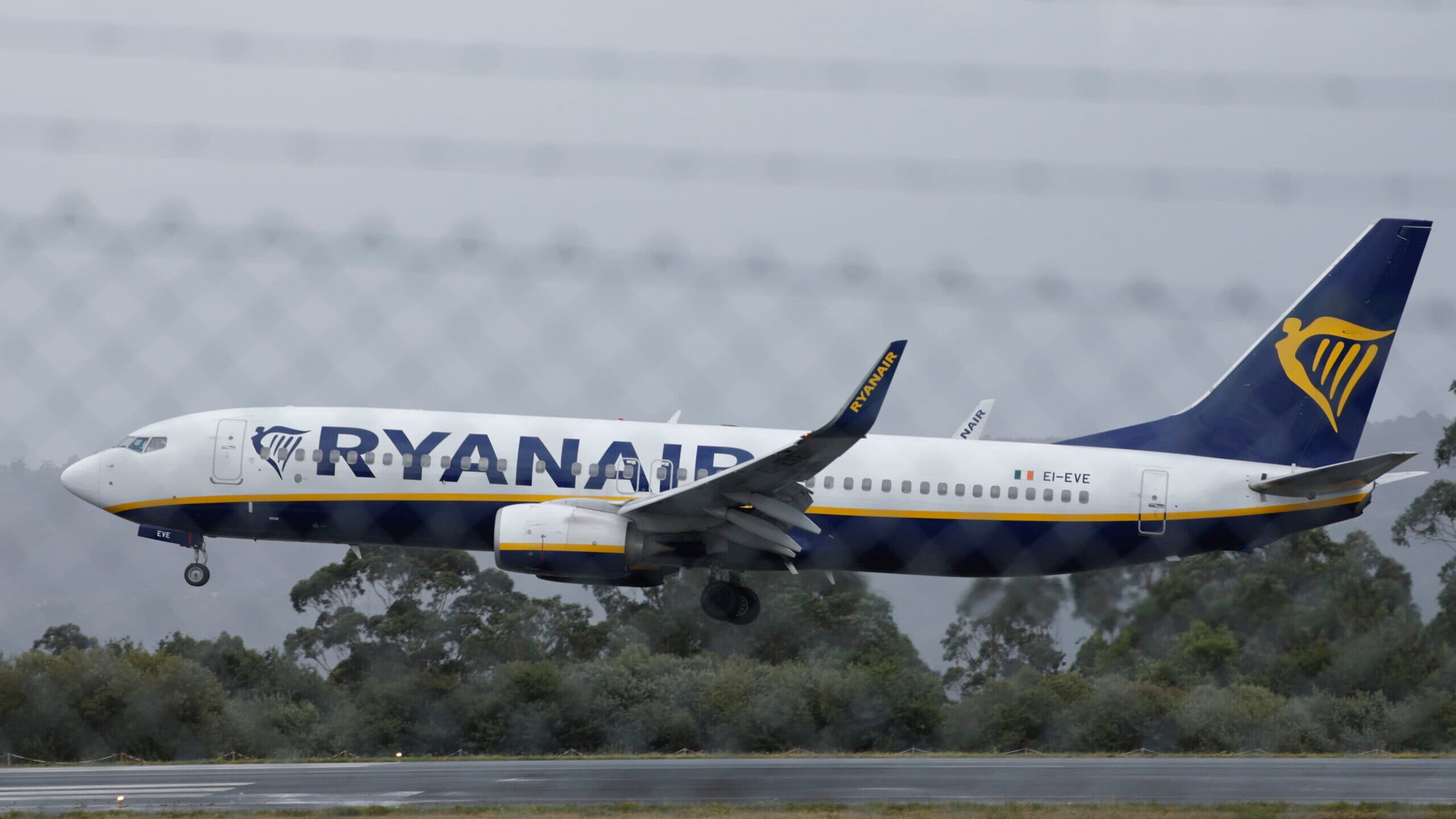
A consortium that includes an Iberia company has been selected to take over ground handling (aircraft and ramp services) at Lisbon, Porto and Faro airports, replacing Menzies. The selection panel confirmed the consortium's win, which will affect ground‑operations contracts, staffing and service providers at the three hubs. Travellers should monitor carrier communications for any handling-related changes; airport staff and unions may be affected by contract transitions.
Ground handling covers the on-the-ground services airlines need at airports — check‑in, baggage handling, aircraft turnaround services (refuelling, cleaning), passenger boarding assistance and cargo handling. Ground‑handling licences determine which companies provide these services at airports like Lisbon, Porto and Faro, so tender outcomes affect service quality, potential delays, staff jobs and airline costs.

Final jury reports upheld the victory of a Spanish consortium (reported variously as including Iberia's handling arm and Clece/South Spain teams) in the public tender to operate ground‑handling at Lisbon, Porto and Faro airports, while the incumbent SPdH/Menzies signals it will appeal. Coverage highlights the award decision and confirms the administrative record supports the jury's choice, but two outlets emphasise different lead partners in the winning bid. Travellers and airport workers should watch for possible legal challenges and operational changes if carriers switch providers.
Ground handling covers the on-the-ground services airlines need at airports — check‑in, baggage handling, aircraft turnaround services (refuelling, cleaning), passenger boarding assistance and cargo handling. Ground‑handling licences determine which companies provide these services at airports like Lisbon, Porto and Faro, so tender outcomes affect service quality, potential delays, staff jobs and airline costs.

The government says works on the Évora–border with Spain railway are complete and the largest substation for the overhead line is operational, but regular passenger services will only start at the end of this year or in early 2027. Officials described the milestone as historic while warning that operational and timetable readiness remain to be finalised. Cross‑border travellers and regional commuters should not expect trains to run until official timetables are released later in the year.

Waves are reaching up to five metres in height.

Heavy snow and light winds made the mountain scenery appealing to visitors.

Passengers reported a robbery. The suspect was searched, but no illegal items were found.

The warning is in force until 09:00 on Sunday, after which it will be downgraded to a yellow warning until 18:00.


Portugal Resident •

Railways Explained •

Portugal Resident •
A high-speed station in Barreiro would not be a concession to the south bank. It would be a rational decision for national spatial planning.

The group was hiking the 'Conchos' trail and became disoriented due to snowfall and bad weather.

More than a dozen businesspeople plan to invest in sectors such as energy and tourism. Also, Benfica faces Rio Ave in Vila do Conde — you can hear the match on Rádio Observador.

Verride offers a peaceful retreat in the city centre of Lisbon, combining tranquil surroundings with convenient access to the city's attractions.
Lufthansa is reportedly interested in operating or expanding services on routes currently served by Portugal's TAP Air Portugal across South America, exploring opportunities arising from network changes or market openings.

Eighteen emergency responders were at the scene, supported by seven vehicles.