Latest news and stories about economic activity in Portugal for expats and residents.
The European Union's anti-coercion instrument, which French President Emmanuel Macron will request today if Donald Trump's threatened additional customs duties are implemented, was adopted in June 2023 but has never been used.
The first tranche of Defence loans from the European Commission is expected to arrive in Portugal in March. The European Council still needs to give the green light, but overall the country could access €5.8 billion.
The bull and the bear dominate financial markets. Doves and hawks divide central banks. Black swans frighten the world. The octopus was the most recent to join the gallery, entering through the management door.

The agreement will eliminate billions of euros in customs duties, open up public procurement markets and give businesses the predictability to plan, expand and invest. Opinion piece by Ursula von der Leyen

The association says the protocol will reduce trade barriers and increase competitiveness. Also in this bulletin, the country will go to the polls this Sunday to choose the next President of the Republic.

She says she is “grateful and hopeful that diplomacy and alliances will prevail.” Meanwhile, the European Union has called an emergency meeting for this Sunday in response to US tariffs.

A new free trade agreement with South American partners is set to boost Portuguese exports of wine and olive oil by reducing tariffs and opening distribution channels. The deal also creates new market access for Portuguese cheese, presenting export opportunities for dairy producers. However, the agreement could put pressure on domestic beef, pork and poultry sectors, which may face increased competition and potential job and price impacts. Policymakers and industry groups will need targeted measures to support vulnerable meat producers while maximising gains for high-value agri-food exporters.

In much of the territory, in the current context, agriculture as an economic activity is doomed. It does not generate income, but it could, for example, fulfil a role connected to the territory.

The Draghi Report's ambitions force Europe to confront uncomfortable realities: it is falling significantly behind global competitors. The analysis argues that the ‘race’ has been underway for years and that closing the gap requires urgent, active policy choices — including structural reforms, targeted investment and a renewed focus on competitiveness across the single market.

The Committee of Permanent Representatives of the European Union's member states has been convened for an extraordinary meeting this Sunday.
AIP views the agreement signed today as a way of reducing trade barriers and reinforcing European competitiveness. Meanwhile, hundreds of protesters are heading to the World Economic Forum in Davos.

EU lawmakers say a proposed EU–US trade pact—intended to shield European exporters from heavy duties—is effectively on hold after the US announced tariffs on eight European countries in response to their opposition to Washington’s actions regarding Greenland. EU ambassadors have been summoned to an extraordinary meeting to discuss the diplomatic fallout and next steps, underscoring how escalating US threats risk derailing broader trade cooperation and raising the prospect of a wider economic and political rift.
The Portuguese Industrial Association says the agreement signed this Saturday strengthens the European Union's external standing and could open a new cycle of growth and competitiveness for the national industry.

With this agreement, the world’s largest free-trade area is created after more than 25 years of negotiations. Also in sport, Benfica play tonight against Rio Ave in Vila do Conde.
The agreement was finalised in Asunción, Paraguay, after 25 years of negotiations, in the presence of Ursula von der Leyen and António Costa.
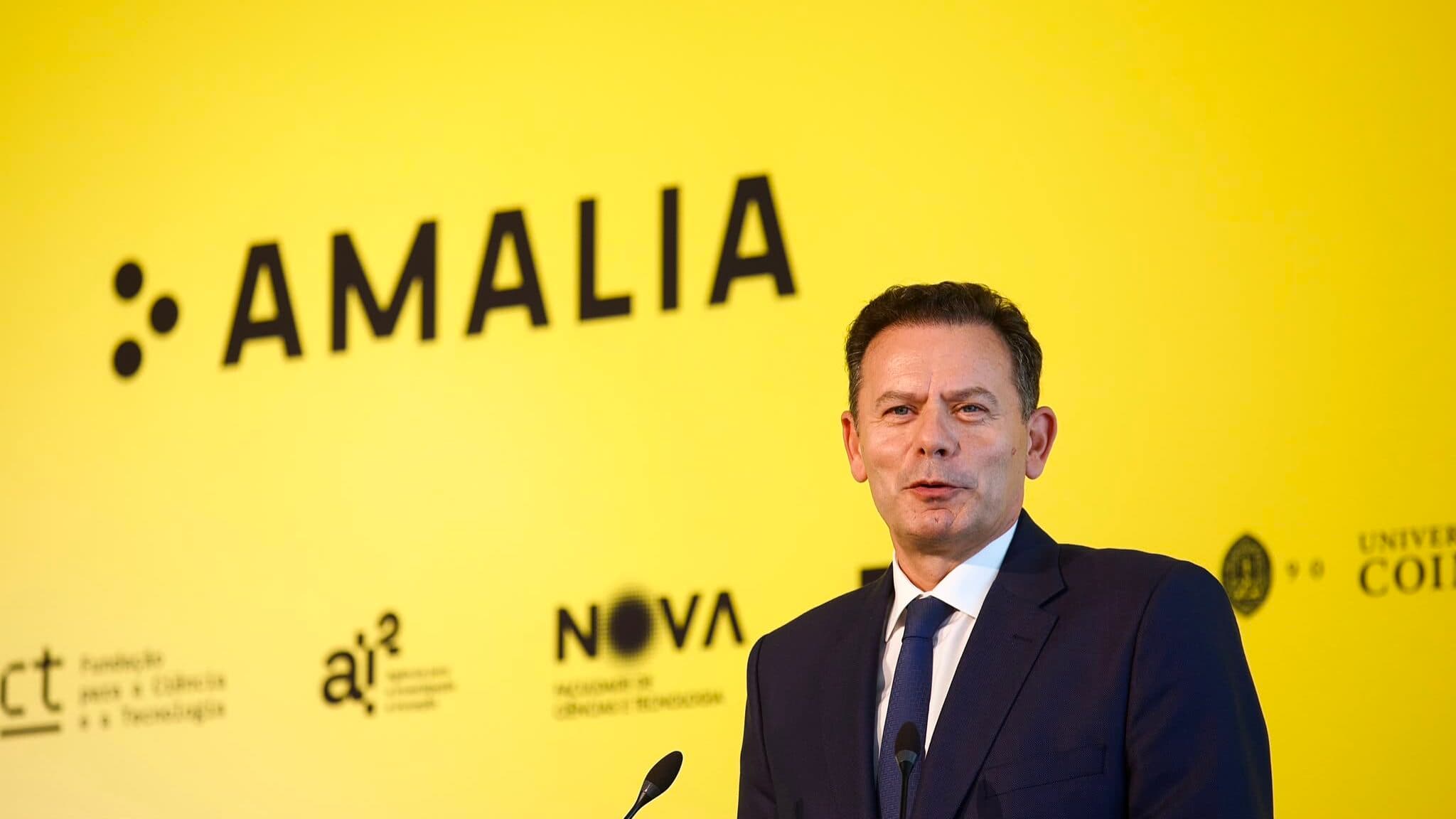
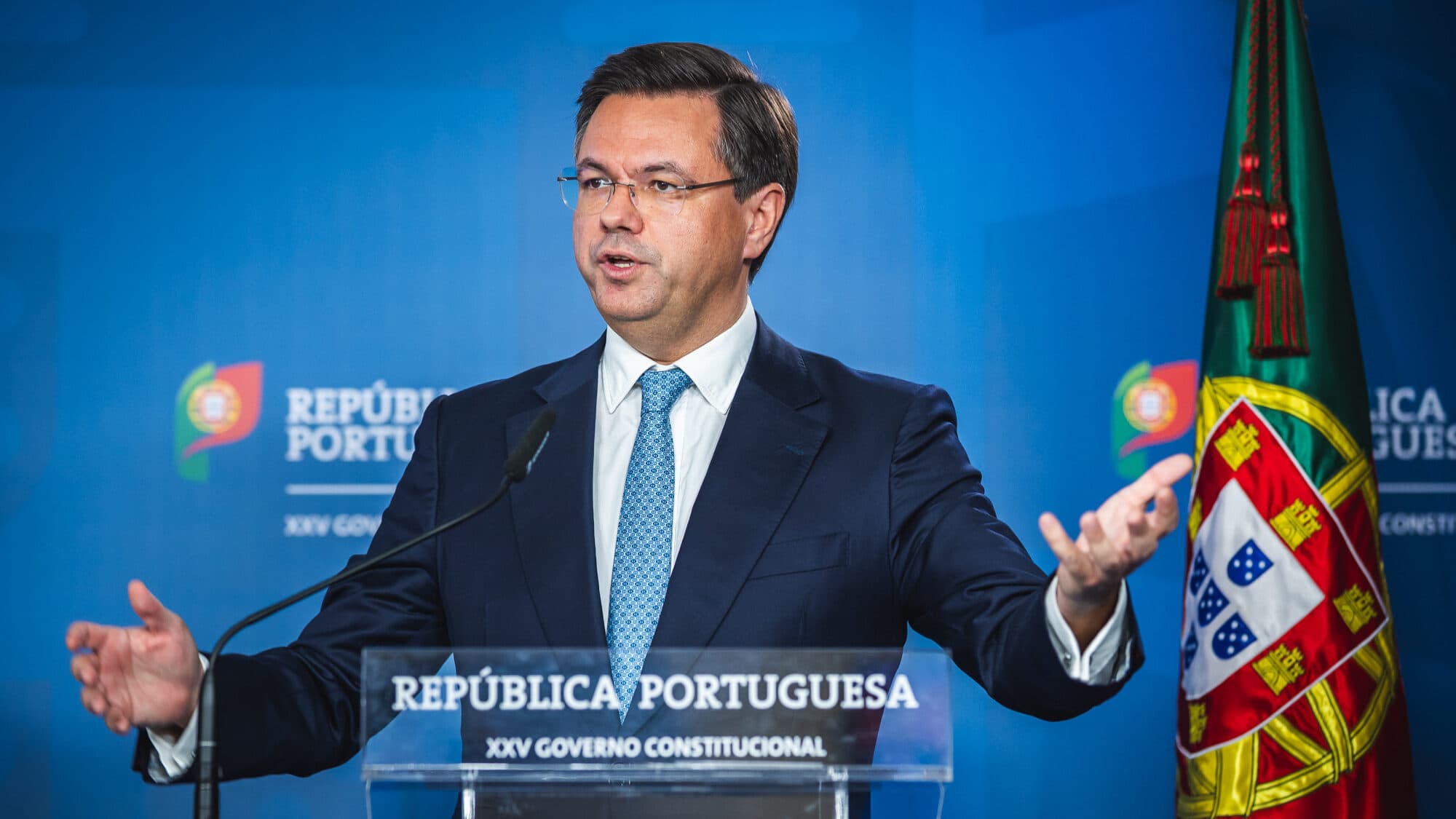
The Finance Minister will be at next week's annual meeting of the World Economic Forum in Davos, and will use the presence of policymakers and investors to 'sell' the progress the national economy has made in recent years. In remarks to ECO, Joaquim Miranda Sarmento highlights this year's event theme, ...

Portugal faces a mixed outcome from the EU–Mercosur trade agreement. Export-oriented sectors such as wine, olive oil and cheese see expanded market access to Argentina, Brazil, Paraguay and Uruguay as growth opportunities, while domestic meat and rice producers fear increased competition, downward price pressure and quota-driven market disruption. The deal thus creates winners and losers within Portugal’s agricultural and food industries, highlighting the need for safeguards, support measures and sectoral adaptation strategies.
Update: The trade agreement between the European Union and Mercosur is due to be signed this Saturday. The impending signature has intensified debate in Portugal: wine, olive oil and cheese sectors are positioning to capture growth in the four South American markets, while meat and rice producers renew warnings about heightened competition, downward price pressure and quota effects. Stakeholders are pressing for concrete safeguards, transitional support and clear implementation timetables to mitigate adjustment costs and protect sensitive domestic producers.

After 25 years of negotiations, the European Union and Mercosur have signed a comprehensive trade agreement in Paraguay that aims to create the world’s largest free-trade area, covering more than 700 million consumers. The deal opens markets for European exports — including vehicles, machinery, wines, spirits, olive oil and cheese — and is welcomed by business groups such as Portugal’s CIP and the Portuguese government as a major opportunity for economic growth on both sides of the Atlantic. Implementation and regulatory alignment will be crucial for the agreement to deliver its projected benefits and reshape transatlantic trade flows.
Update: The signing ceremony took place in Asunción, Paraguay; EU leaders including European Commission President Ursula von der Leyen and European Council President António Costa attended, while Brazil’s president Luiz Inácio Lula da Silva did not attend and was represented by his foreign minister, Mauro Vieira. Portuguese media note the pact covers more than 700 million consumers and highlights Portuguese exporters (wines, olive oil, cheese) as well placed to gain access — but national ratification and regulatory alignment are still required before trade changes take effect.
Update 2: Multiple outlets report the formal signatories included Mercosur members such as Argentina, Brazil, Paraguay and Uruguay, and the EU delegation included the European Commissioner for Trade Maroš Šefčovič. Ursula von der Leyen framed the pact as a choice for “fair trade rather than tariffs.” The agreement still requires national ratification and technical regulatory alignment before market changes apply.

Mercosur is the South American trade bloc (Southern Common Market) whose main founding members are Argentina, Brazil, Paraguay and Uruguay. An EU–Mercosur trade agreement — which the story says may be approved and signed soon — would reduce tariffs and open markets on both sides, affecting agricultural and industrial trade flows and therefore prices and business opportunities relevant to residents and companies in Portugal.

António Luís Santos da Costa (born July 17, 1961, in Lisbon) is a Portuguese lawyer and Socialist politician who served as Prime Minister of Portugal from 2015-2024 and currently serves as President of the European Council since December 1, 2024. After leading the Lisbon Municipal Assembly and practicing law, he was elected MEP (2004-2005) and entered parliament in 2002. He led the Socialist Party from 2014-2024, building unprecedented parliamentary coalitions with the Communist Party and Left Bloc (2015-2019) before winning an absolute majority in 2022. He resigned as PM in November 2023 following a corruption investigation, though subsequently cleared. The 27 EU member states elected him Council President in June 2024, making him the fourth full-time President and the first southern European socialist in that role.
Political Philosophy:
Costa represents moderate European social democracy, combining orthodox fiscal responsibility with progressive social investment. He prioritizes European integration, consensus-building, and pragmatic compromise over ideological confrontation. As Council President, he champions mediation between member states, improved EU inter-institutional relations, shorter decision-making processes, and regular visits to every EU capital to reconnect citizens with European institutions. His approach emphasizes "creative bridges" reconciling divergent interests while maintaining firmness on European values, particularly regarding Ukraine.

Ursula Gertrud von der Leyen (born October 8, 1958, in Brussels, Belgium) is a German physician and politician serving as President of the European Commission since December 1, 2019, becoming the first woman to hold this office. She previously served as Germany's Minister of Defense (2013-2019) and held cabinet positions in family, labour, and social affairs under Chancellor Angela Merkel. Re-elected in July 2024 with 401 votes for a second term until 2029, Forbes named her the world's most powerful woman in 2022, 2023, 2024, and 2025. Relationship with Portugal:
Von der Leyen approved Portugal's Recovery and Resilience Plan in June 2021—the first among 27 EU member states—worth €16.6 billion to "profoundly transform the economy". In a 2025 tribute to Portugal's 40 years in the EU, she declared "Your Fado, your destiny, is right here at the heart of Europe," praising Portugal's renewable energy leadership, infrastructure transformation, and ocean protection. She highlighted Portugal's potential in lithium processing and AI startups while advocating for removing obstacles to economic growth. She also promoted energy interconnections like the Bay of Biscay project linking France-Spain, addressing Iberian energy isolation.

The European Council (Conselho Europeu) brings together EU heads of state or government to set the bloc’s overall political direction and priorities; it does not adopt ordinary legislation. Its president, Charles Michel, has chaired meetings since December 2019, and the Council’s political endorsement is important for major trade and investment deals, so those following EU policy should note its stance on agreements like the EU–Mercosur deal.
Portuguese exports to the four Mercosur countries amount to just 1.3% of the country’s total, with Brazil alone representing 95% of that small share. With a market of nearly 300 million people, Portuguese business leaders view the bloc as largely unexplored terrain offering significant scope for export diversification, new investments and deeper trade ties — particularly beyond Brazil — but realising this opportunity will require targeted commercial strategies and stronger economic engagement across Mercosur members.

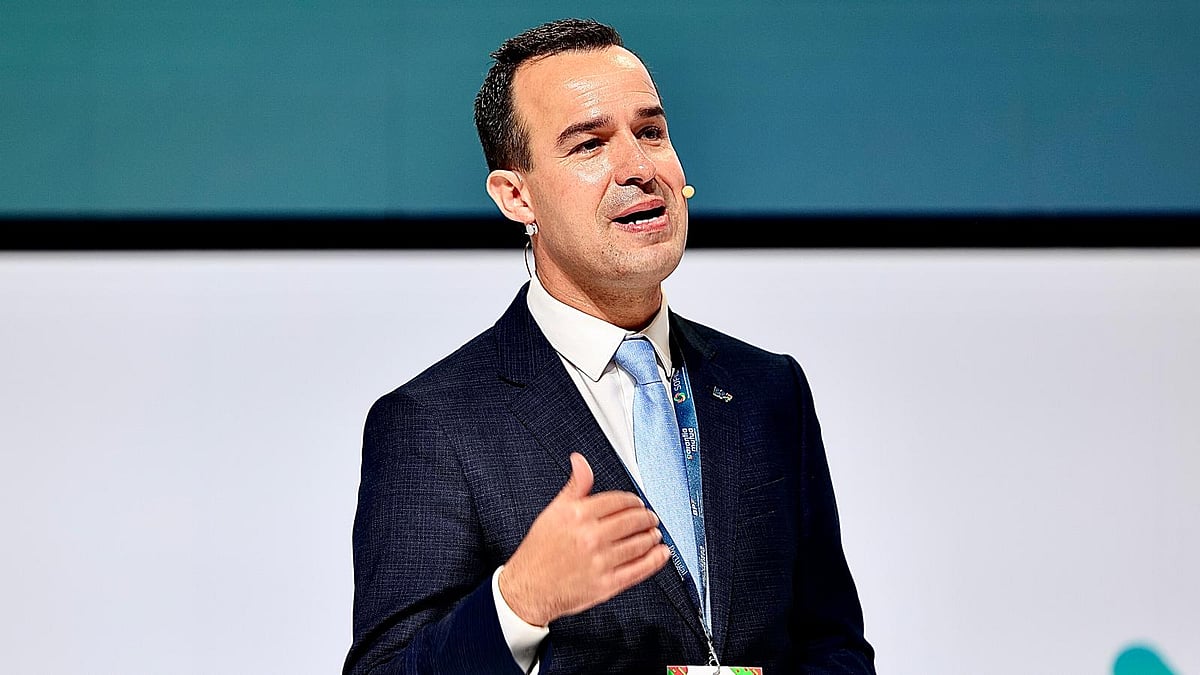
The president of the Development Bank said Portugal will bolster its bid for an EU competition to site an Artificial Intelligence 'gigafactory' in Sines, including by increasing planned investment to improve chances of winning the project. Officials argue the move would create jobs and high‑tech capacity if selected, though competition across EU member states remains strong. Local authorities and potential investors should watch for further funding details and EU timelines.
An AI gigafactory is a very large industrial facility focused on producing hardware and infrastructure for artificial intelligence—such as specialised chips, accelerators or large‑scale data‑centre components—at industrial scale to meet rising demand. Portugal’s bid for an AI gigafactory in Sines aims to attract EU investment, create jobs and strengthen local supply chains; if successful it would bring major industrial investment to the region, so residents and investors in Sines should follow the competition run by the European Commission.

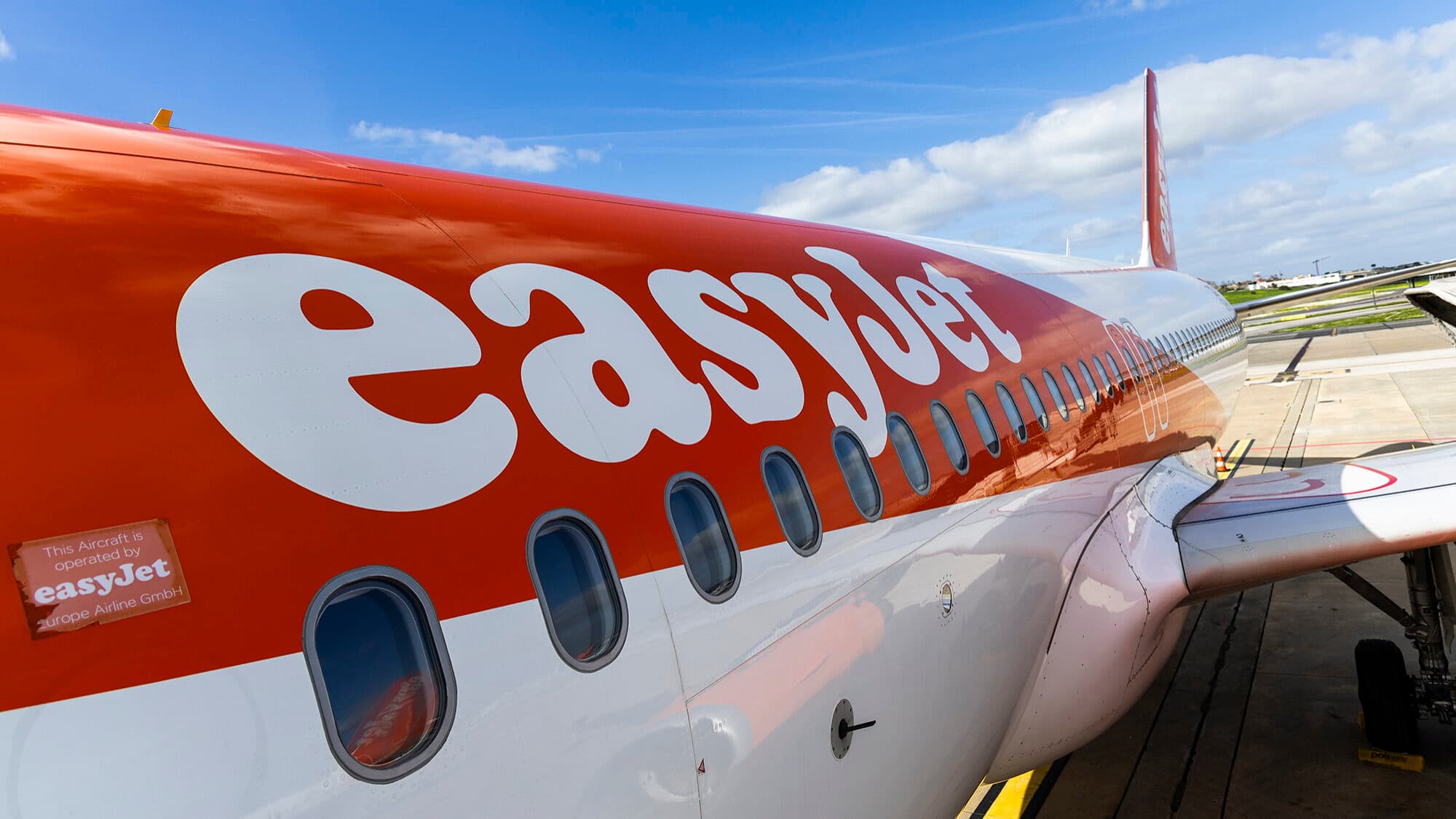
easyJet views the planned privatisation of TAP as a strategic opening to expand its presence in Lisbon and across Portugal. With the airline operating 96 routes to and from Portuguese airports in 2025, easyJet could deepen low-cost connectivity, increase frequencies on key city-pairs and compete more directly with a newly structured national carrier. The shift promises greater competition, potential downward pressure on fares and improved network connectivity, but also raises questions about airport slot availability, regulatory oversight and how market dynamics will affect legacy and low-cost carriers alike.

The Government said it is aware of contextual, geopolitical and structural risks to meeting the milestones and targets of the Recovery and Resilience Plan (Plano de Recuperação e Resiliência or PRR) but insisted it remains politically committed to mitigating those risks. Officials framed the challenges as linked to complexity rather than a lack of will, and said they will work to keep projects on track. Taxpayers and recipients of PRR-funded services should note the risk of delays or slower roll-out of projects tied to the plan.
The Recovery and Resilience Plan (Plano de Recuperação e Resiliência) is Portugal's national programme under the EU's NextGenerationEU to fund reforms and investments after COVID‑19; the plan includes roughly €16.6 billion in grants plus about €2.7 billion in loans approved in 2021. Payments are tied to specific milestones and targets — which the government said it is politically committed to meet — so missed milestones can delay projects and funding that affect public works, contractors and local services.

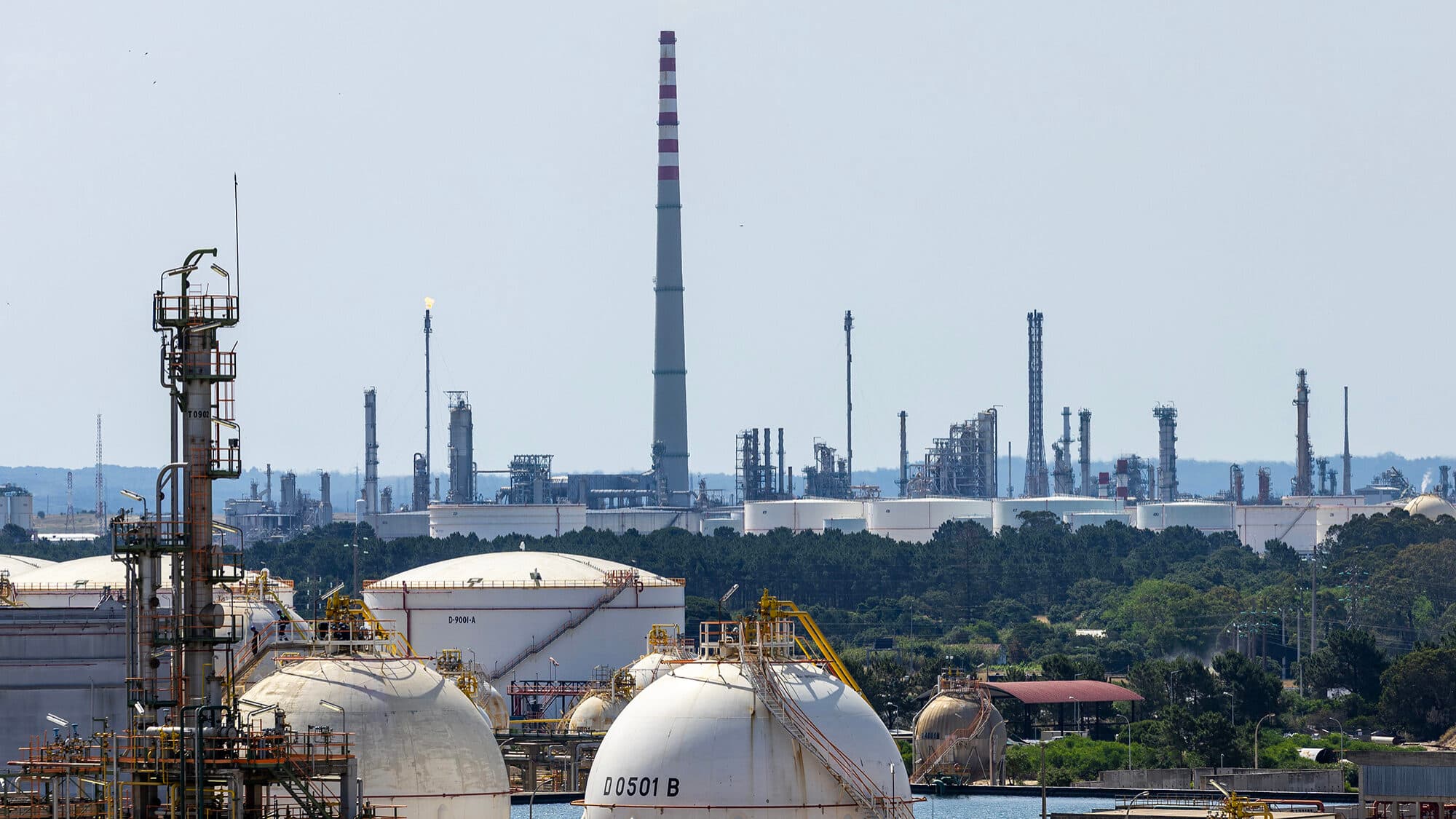
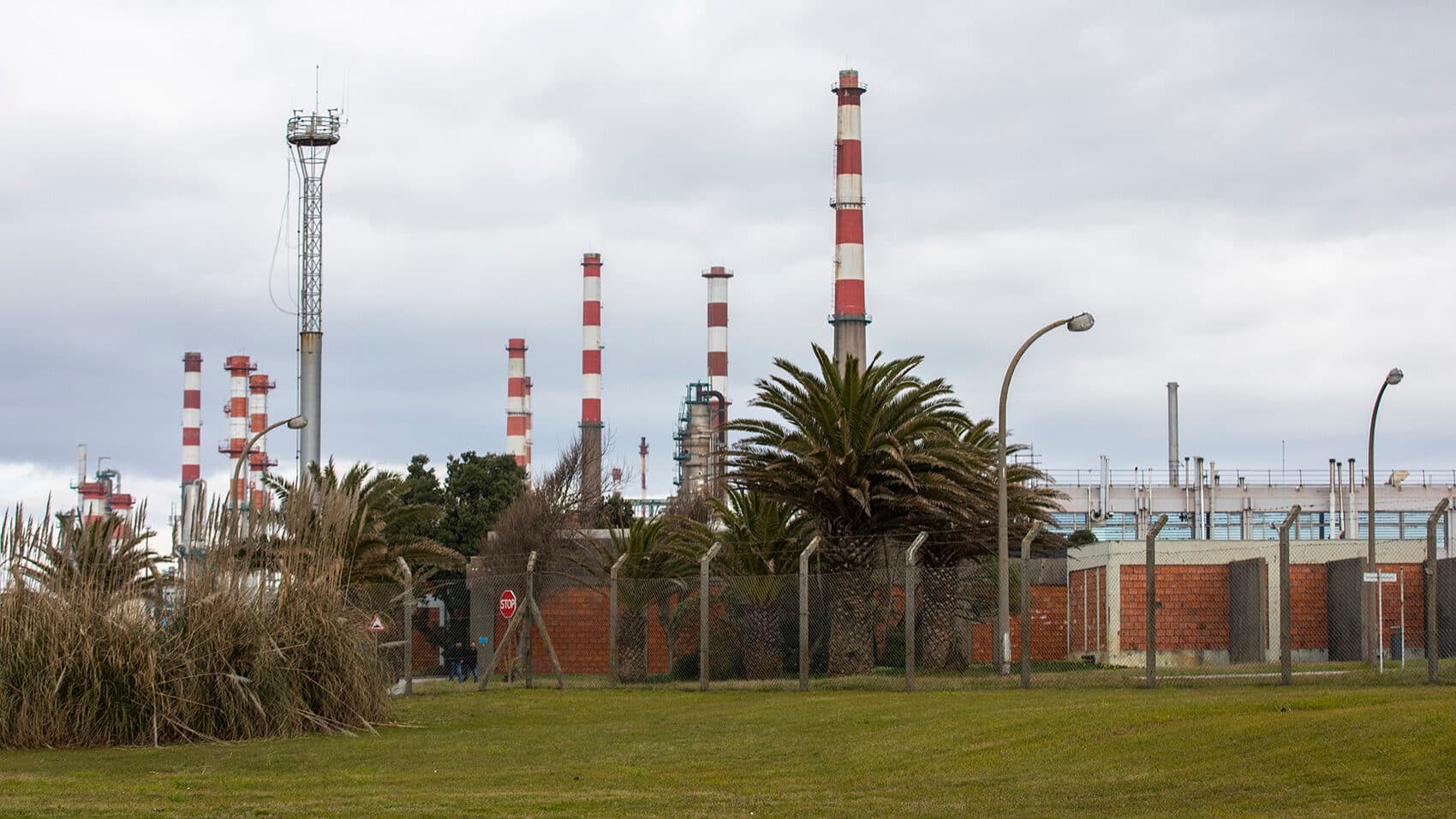
Reporting says the Government is monitoring negotiations between Galp and Spain’s Moeve on a deal that would combine parts of their assets and create two new platforms, with ministers stressing strategic energy assets and national energy sovereignty are at stake. Officials are watching to ensure any transaction protects critical infrastructure and interests. Entrepreneurs and energy-sector observers should be aware that a deal could affect local supply chains, jobs and investment decisions in the coming months.
Galp is Portugal’s integrated energy company operating in fuel, natural gas, electricity retail, refining and upstream activities, and it supplies households and businesses across the country. For expats, issues at Galp—such as recent billing disruptions—can mean unexpected large utility bills or service problems, so check your account, contact the supplier and keep billing records.
Moeve is a Spanish energy company that, as of January 2026, has been in talks with Portugal's Galp about combining parts of their assets and creating two new business platforms; the Portuguese government says it is monitoring the negotiations because the transaction could involve strategic assets tied to national energy sovereignty. People watching energy supply, regulation or prices should note that large cross‑border asset reorganisations can change ownership, investment decisions and regulatory oversight.

The European Commission president will sign the EU–Mercosur trade agreement on Saturday, 17 January, the EU confirmed. The deal is expected to lower trade barriers between the EU and South American Mercosur countries; coverage focuses on the formal signature rather than implementation details. For expats in Portugal, the immediate effect will be minimal day-to-day, but the agreement could influence prices, imports and export opportunities over time.

Mercosur is the South American trade bloc (Southern Common Market) whose main founding members are Argentina, Brazil, Paraguay and Uruguay. An EU–Mercosur trade agreement — which the story says may be approved and signed soon — would reduce tariffs and open markets on both sides, affecting agricultural and industrial trade flows and therefore prices and business opportunities relevant to residents and companies in Portugal.

European Commission President Ursula von der Leyen will travel to New Delhi at the end of January for the EU–India summit with the explicit aim of finalising a long‑sought EU–India trade agreement. Having concluded the Mercosur talks, von der Leyen says the Commission is working intensively to wrap up negotiations, a move with significant economic and geopolitical implications for EU trade policy and relations with India.

The article analyses a surge in national defence innovation driven by a €5.8 billion SAFE loan—the largest single investment in the Armed Forces—positioning defence as a strategic area for both European and national investors. Key growth areas include drones, satellites and aircraft, with emphasis on R&D, dual‑use technologies and strengthened aerospace supply chains that can create jobs and boost exports. The piece examines how procurement reform, public‑private partnerships and targeted skills development are needed to translate investment into sustained industrial capacity and economic impact. It concludes that coherent policy and sustained funding will be essential to maximise technological and economic returns.

Julien Jarjoura, an investor based in Switzerland, has acquired Claire’s European business, preserving roughly 200 jobs in Portugal and maintaining the brand’s retail footprint across Europe. The purchase effectively separates the continental operation from insolvency proceedings affecting Claire’s in the United States, the United Kingdom and Ireland, stabilising local employment and stores while broader group restructuring and creditor processes continue.

After Portugal’s Tekever became a unicorn, 2026 looks set to remain a liquid year for investors despite geopolitical uncertainties that are reshaping financial markets. Venture capital will continue to favour AI startups, but a growing emphasis on dual‑use and defence‑adjacent technologies means investors will weigh strong commercial upside against ethical, regulatory and geopolitical risks. The year will therefore be defined by opportunities for tech and defence crossover, active deal‑making, and increased scrutiny from policymakers and funds alike.

In 2024 remittances from Venezuela to Portugal amounted to €9.8 million, a 15% decline on the previous year. The fall signals shifts in diaspora financial flows and can serve as an economic indicator of changing expatriate activity and cross‑border ties between the two countries.