Jerónimo Martins investment this year expected to reach 1.2 billion euros
The investment programme for Jerónimo Martins is expected to reach approximately 1.2 billion euros this year, announced the owner of Pingo Doce today.
RTP Notícias

Latest news and stories about economic activity in daily life in Portugal for expats and residents.
The investment programme for Jerónimo Martins is expected to reach approximately 1.2 billion euros this year, announced the owner of Pingo Doce today.
The net profit of Jerónimo Martins rose 7.9% last year compared to 2024, reaching 646 million euros, announced today the owner of the retail chains Pingo Doce, Biedronka, and Ara.
Prime Minister Luís Montenegro faces a heated parliamentary debate as opposition parties criticize the government's response to rising fuel prices triggered by the conflict in Iran.

The PCP and Bloco de Esquerda are calling for government intervention to regulate and cap prices on fuels and essential goods, citing corporate speculation and 'obscene profits' during the current inflationary crisis.
The ongoing conflict in Iran is triggering economic instability, leading to rising inflation and expectations of interest rate hikes by the ECB, which will directly increase mortgage costs for families in Portugal.

Former CDS leader Paulo Portas addressed a PSD conference, emphasizing the necessity of long-term policy consistency and national stability to navigate an increasingly dangerous global landscape, while highlighting productivity as the key to wage growth.

The price of crude oil is projected to surpass 100 dollars soon, with potential to reach 150 dollars if production is halted, leading to increased fuel costs.

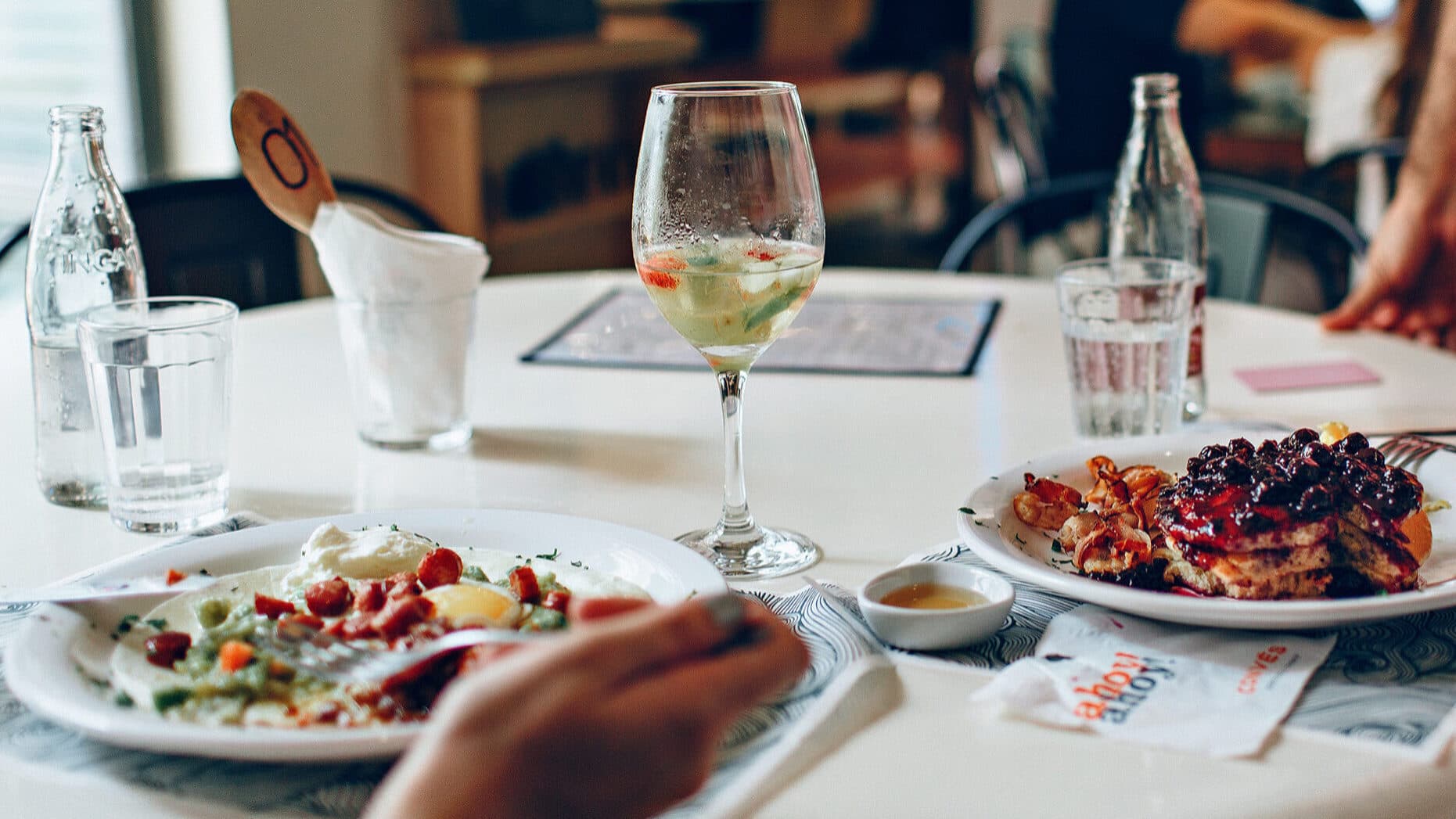
Tourists are now spending an impressive €6.5 million daily in restaurants, contributing to a record foreign spending total of €8.4 billion, which encompasses meals, accommodation, and shopping. This surge in spending highlights the significant economic impact of tourism on the local economy.

This year, the price of cod, a staple in Portuguese cuisine, has reached unprecedented levels, with fifty euros no longer sufficient to purchase three kilos. This significant increase reflects broader economic trends affecting food prices.

Fuel prices are set to rise sharply due to the ongoing war in the Persian Gulf, with diesel expected to increase by 19.5 cents and petrol by 8 cents per litre on Monday. The rise in Brent prices, driven by the coordinated attack by the United States and Israel on Iran, has quickly impacted petrol stations in Portugal. Diesel is seeing a larger increase compared to petrol, prompting oil companies to boost stocks at service stations in anticipation of a surge in demand before the price hikes take effect.
The PCP emphasizes the need for the government to advance with the simplified 100% 'lay-off' scheme, asserting that the current issues can be resolved easily. Paulo Raimundo highlights the urgency for the government to address ongoing problems, particularly in the aftermath of Storm Kristin.

Paulo Fernandes, the president of the mission structure 'Rebuild the Central Region', expresses concern that over half of the local companies may have suffered damage due to severe weather conditions. He emphasizes the necessity of providing support to families who have lost their homes as a critical response to the crisis.

The recent storms in Portugal are expected to have a financial impact on the population, exacerbating an already rising trend in food prices. The Secretary-General of the Confederation of Farmers of Portugal highlights that the cost of the food basket has surged by 26% over the past few years, indicating that while the storms will affect wallets, there will still be an adequate supply of products available.
Following severe weather conditions in Portugal, over 100,000 insurance claims have been submitted, with 75% already assessed. Insurers have processed only 12,000 claims so far, as many are hindered by access issues. The government has extended the state of calamity in affected areas and pledged significant financial support.

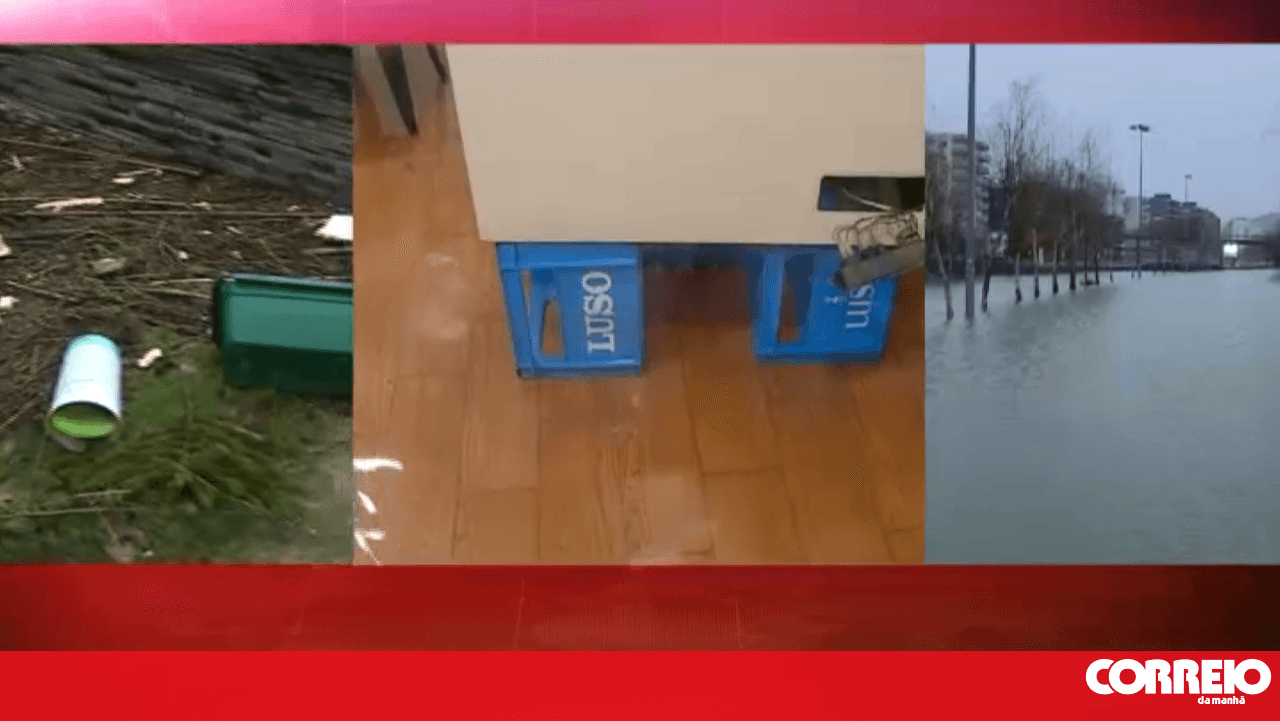
For two weeks, restaurants and shops in Coimbra have had no customers and many have closed after flooding. Owners attempted ad-hoc salvage measures, raising appliances onto chairs and other structures to protect equipment from water. The disruption has halted normal commercial activity and risks prolonged economic strain for small businesses, highlighting the immediate need for coordinated recovery support and assessments of flood resilience for local storefronts.
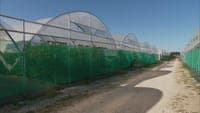
The recent severe weather in Portugal has devastated agricultural operations, particularly in the West region, but this damage has not yet impacted food supply or prices in supermarkets. However, as major distributors may need to source food from other regions, consumers could eventually feel the financial effects.
Update: Kristin has no impact on food supply, but it may affect consumers' wallets
Officials say the storm named Kristin has not yet altered supermarket availability or retail prices. However, significant damage to agri-food operations in the West — some destroyed or unable to resume production for months — means major distributors may need to source supplies from other regions, potentially pushing up costs for consumers.
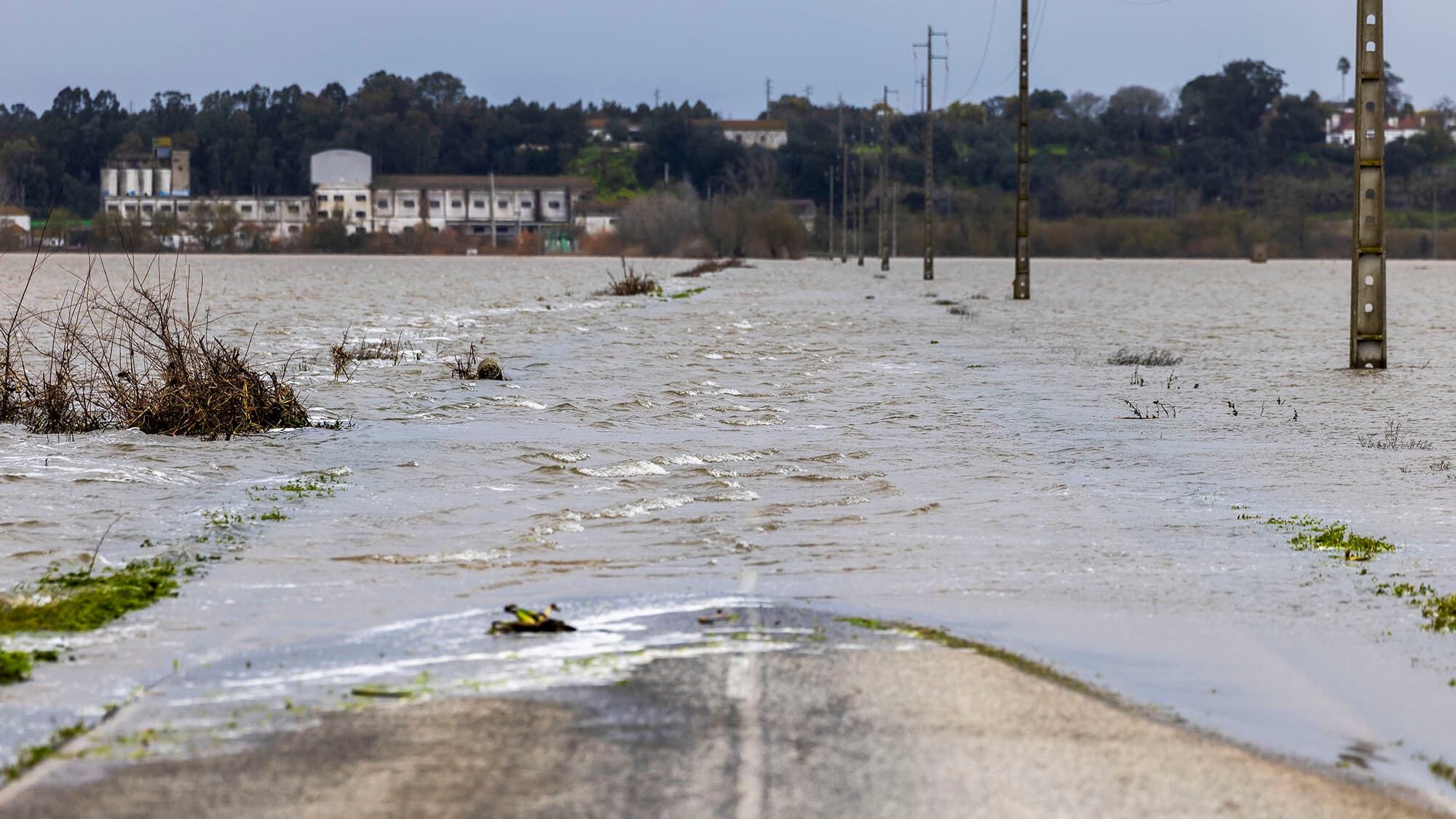
The CEO of BCP, Miguel Maya, emphasized the urgent need for action to protect businesses and jobs in the wake of severe weather that has caused significant destruction. With the bank holding €24.6 billion in exposure to the most affected areas, the financial implications are substantial, highlighting the critical situation faced by both the economy and the banking sector.

Moedas has secured an absolute majority with former Chega members, raising questions about the implications for Lisbon's political landscape and whether this shift marks the end of certain political red lines.

The article explores the mission and vision that the next President of the United States should embody, focusing on key issues such as economic policy, healthcare, and the rights of expatriates. It analyzes the expectations of the electorate and the challenges that lie ahead in shaping a presidency that addresses the pressing needs of the nation.

DGERT data show notified collective redundancies rose by about 11% in 2025 to 552 — the highest annual total since 2020 (698). The January–December 2025 figure and monthly patterns indicate a rising trend in collective layoffs, with numbers approaching levels seen during the Covid‑19 pandemic, signalling renewed pressure on the labour market and potential legal and social implications for affected sectors.

The hospitality sector is entering 2025 with ‘extremely depressed’ margins and a wave of largely unseen or ‘silent’ closures, the industry association warns. Rising input costs and liabilities from the Covid bill have eroded profitability despite a package of government support, and the sector expects more than a thousand closures next year. The closures are hard to spot individually but carry a structural impact on local economies, employment and supply chains. Industry representatives say short-term relief has helped but longer-term, targeted measures are needed to stabilise margins and prevent further structural damage.
A new free trade agreement with South American partners is set to boost Portuguese exports of wine and olive oil by reducing tariffs and opening distribution channels. The deal also creates new market access for Portuguese cheese, presenting export opportunities for dairy producers. However, the agreement could put pressure on domestic beef, pork and poultry sectors, which may face increased competition and potential job and price impacts. Policymakers and industry groups will need targeted measures to support vulnerable meat producers while maximising gains for high-value agri-food exporters.

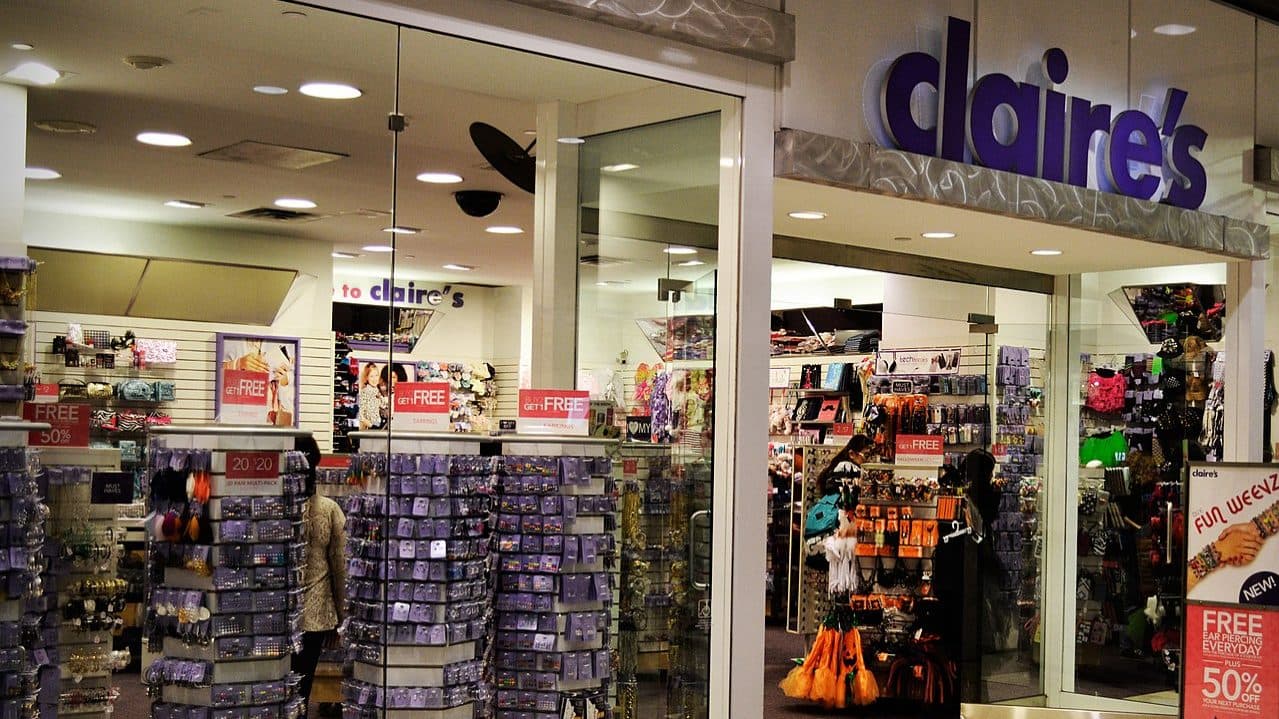
Julien Jarjoura, an investor based in Switzerland, has acquired Claire’s European business, preserving roughly 200 jobs in Portugal and maintaining the brand’s retail footprint across Europe. The purchase effectively separates the continental operation from insolvency proceedings affecting Claire’s in the United States, the United Kingdom and Ireland, stabilising local employment and stores while broader group restructuring and creditor processes continue.
In 2024 remittances from Venezuela to Portugal amounted to €9.8 million, a 15% decline on the previous year. The fall signals shifts in diaspora financial flows and can serve as an economic indicator of changing expatriate activity and cross‑border ties between the two countries.
