
Latest news and stories about public safety in daily life in Portugal for expats and residents.
A police officer previously implicated in torture had access to unauthorised ammunition from batches not assigned to the PSP; these rounds were untraceable to the force and could facilitate serious firearms offences. The case exposes weaknesses in ammunition control, record-keeping and oversight within the PSP, increasing public safety risks and underscoring the need for stricter inventory procedures, forensic tracing and accountability measures.

Observador reports two people were shot in the Casal da Boba area of Amadora; details on motive and injuries are limited in initial coverage. Police activity and investigations are expected as authorities piece together the incident; residents in the area should expect an increased security presence and follow local updates. Those living nearby should avoid the scene and monitor local media for official information.

In a nationwide operation dubbed Operation “Mariposa” (Operação Mariposa), the GNR (Guarda Nacional Republicana) reported seizures including 70 litres of alcoholic beverages, 7,800 cigarettes, 3.2 kg of nicotine pouches, 202 g of cannabis and five gaming machines. Authorities said the operation targeted illicit supply chains and illegal gaming points across multiple districts. Local businesses and consumers should expect continued inspections in the coming weeks as investigations proceed.

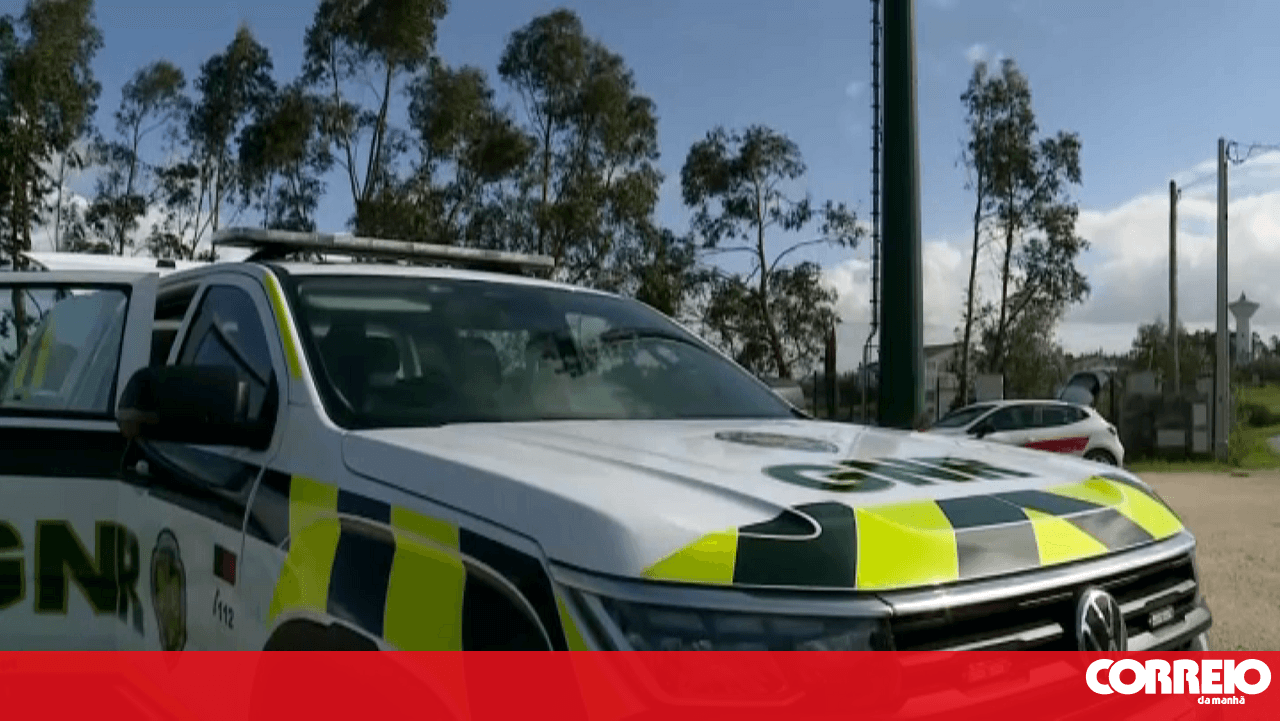
The GNR (Guarda Nacional Republicana) is Portugal's national gendarmerie—a military police force founded in 1911, with origins dating to 1801. With over 22,600 personnel, GNR patrols 94-96% of Portuguese territory, covering rural areas, medium towns, and highways. Members are military personnel subject to military law, responsible for public order, customs, coastal control, environmental protection (SEPNA), firefighting/rescue (GIPS), border control, and ceremonial guards. GNR vs. PSP: The PSP (Polícia de Segurança Pública) is Portugal's civilian police force, covering major cities (Lisbon, Porto, Faro) and large urban areas—only 4% of territory but roughly half the population. PSP handles airport security, diplomatic protection, and private security regulation. Both share core missions (public order, crime prevention), but differ in nature: GNR is military with military training; PSP is civilian with police-focused training.

The Portuguese Institute for Sea and Atmosphere (IPMA) has issued an orange warning for rough seas across seven mainland districts—Porto, Viana do Castelo, Braga, Aveiro, Coimbra, Leiria and Lisbon—in force until 12:00 on Saturday. Swells are expected to be particularly severe in the north‑west, with waves potentially reaching up to 10 metres. The advisory signals a heightened marine hazard; residents, mariners and coastal visitors should heed official guidance and avoid exposed areas.
Update: CNN Portugal confirms IPMA's forecast of waves up to 10 metres and reiterates that the orange warning remains in force until 12:00 on Saturday; authorities advise avoiding exposed coastal and harbour areas until conditions ease.
Update 2: Público and other outlets list the affected districts explicitly and note that Coimbra and Braga have orange warnings in effect until 12:00 while other districts are under yellow warning levels — a staggered schedule responders say reflects local conditions.

IPMA is the Portuguese Institute of the Sea and Atmosphere (Instituto Português do Mar e da Atmosfera), the national agency for weather, marine forecasts and climate monitoring. Residents should watch its forecasts and warnings during storms, heatwaves or cold snaps because IPMA issues official advisories used by services, transport operators and local authorities.

Porto's Clérigos Tower (Torre dos Clérigos) was partially evacuated on Friday after a short circuit in a battery caused a small fire on an upper floor; emergency services say the alert was raised around 12:41 and the situation was resolved with no reported injuries. City sources told Lusa the incident was contained quickly and the monument has since reopened or been secured. Visitors and residents near the monument should follow local directions if emergency crews are present.
Clérigos Tower (Torre dos Clérigos) is an 18th‑century Baroque bell tower in Porto, designed by Nicolau Nasoni and completed in the 1760s; it stands at about 75 metres and is one of the city’s best‑known landmarks. Because it is a major tourist attraction, any safety incident—like the reported battery fire and partial evacuation—can temporarily close the site and affect visitors and nearby businesses, so tourists and Porto residents should check for local advisories before planning a visit.

National weather services placed fifteen mainland districts under a yellow warning for inland snowfall and increased coastal swell, with outlets warning of travel disruption and hazardous maritime conditions. Forecasters expect snow inland and rough seas along the coast that may affect ferries, coastal roads and port operations. Travellers and mariners should monitor local forecasts and services; note the yellow warning (aviso amarelo) indicates potential danger but not the highest alert level.
Aviso amarelo (yellow warning) is the second level in Portugal's weather-alert system issued by the Instituto Português do Mar e da Atmosfera (IPMA) to signal potentially dangerous conditions like heavy snow or rough seas. When districts are under aviso amarelo, expect travel disruption and take precautions—drivers, boaters and coastal residents in the affected areas should be especially alert.

A yellow warning (aviso amarelo) from IPMA signals potentially dangerous weather conditions (the lowest of three levels: yellow, orange, red) that may cause local disruption. For expats it means be alert—expect slower travel and take common‑sense precautions—but it is not usually an immediate emergency level.

Fifteen mainland Portugal districts are under a yellow warning for snow and sea swell until 18:00. Authorities and emergency services are monitoring conditions and advising the public to take precautions against disruption to transport and coastal hazards.

The Public Prosecutor's Office alleges that more than ten officers assaulted detainees at two Lisbon police stations and that images of alleged torture were shared among over 70 police officers. Two people have been formally identified as suspects in the alleged torture inquiry, and the prosecution's file describes ten particularly violent assaults. The allegations raise serious criminal and human-rights concerns and the investigation is ongoing.

Bloco de Esquerda has asked for an urgent hearing with the Interior Ministry after reports of alleged police violence at the Rato police station; parties are seeking ministerial answers and potential oversight measures. Media coverage highlights political pressure on the Ministério da Administração Interna (MAI) to explain events and any disciplinary steps. Those concerned about policing and civil‑liberties oversight should follow parliamentary developments and local reporting.
The Left Bloc (Left Bloc (Bloco de Esquerda)) is a Portuguese left-wing party founded in 1999 that campaigns for progressive policies such as stronger social welfare, workers’ rights and more public services. Expats who follow Portuguese politics should note the Bloco often influences coalition talks and debates over healthcare, housing and labour regulations.

The Left Bloc achieved its worst result in history in 2025, dropping from 5 seats to just 1. Mariana Mortágua, who led the party from May 2023, resigned in October 2025 after failing to reverse the party's electoral decline. Founded in 1999 as a coalition of far-left parties, BE was once the third-largest force in Portuguese politics and a key partner in the 2015-2019 Geringonça government.

Multiple outlets warn of persistent rain and rough seas with waves up to 5.5 metres and orange-level alerts in several coastal districts; authorities advise following local safety guidance and expect disruption to coastal travel and maritime activities. The alerts emphasise flood and coastal-surge risk in exposed areas and recommend avoiding unnecessary travel near the shore. Residents should be aware of local civil-protection instructions and avoid coastal promenades and small-boat activity while warnings are in force.

IPMA is the Portuguese Institute of the Sea and Atmosphere (Instituto Português do Mar e da Atmosfera), the national agency for weather, marine forecasts and climate monitoring. Residents should watch its forecasts and warnings during storms, heatwaves or cold snaps because IPMA issues official advisories used by services, transport operators and local authorities.
Emergency associations argue that a single command structure in the Civil Protection law would centralise decision‑making during major incidents, reducing confusion between municipal, regional and national responders and improving the speed and efficiency of operations. They say this clearer hierarchy would help volunteers and professional services coordinate on the front line, which is why they want that change included before the health framework law is finalised.

Three representative firefighters' associations have requested an urgent audience with the Prime Minister and parliamentary groups to present proposals for the sector, rejecting responsibility for current pre-hospital emergency problems and urging structural changes. Associations call for a single command structure and say the Framework Law on Civil Protection (Lei-Quadro da Proteção Civil) should be approved before the Framework Law on Health. Those relying on emergency response should note the sector is pressing for legal and organisational changes that could affect response arrangements and local coordination.
The Framework Law on Civil Protection (Portuguese: Lei‑Quadro da Proteção Civil) is a proposed law that sets the national structure, roles and command arrangements for disaster prevention, response and recovery across state, municipal and volunteer bodies. Associations want it approved quickly because it defines coordination and command during crises, so passing it would clarify responsibilities for frontline responders and potentially speed emergency action for residents.

Reportage says the new Civil Protection law has been finalised and is expected to enter into force this year, marking a legislative update to how disasters and civil emergencies are managed. Outlets note the law's timing is politically sensitive given calls from firefighters for prioritisation and structural changes in emergency command. Residents in areas prone to wildfires or floods should watch for new local procedures and official guidance once the law is published.
Emergency associations argue that a single command structure in the Civil Protection law would centralise decision‑making during major incidents, reducing confusion between municipal, regional and national responders and improving the speed and efficiency of operations. They say this clearer hierarchy would help volunteers and professional services coordinate on the front line, which is why they want that change included before the health framework law is finalised.
The Portuguese Institute of the Sea and Atmosphere (Instituto Português do Mar e da Atmosfera or IPMA) placed eleven mainland districts under yellow weather warnings for occasionally heavy rain and strong winds, with some districts also flagged for snowfall at higher elevations. Travellers and anyone with outdoor plans should monitor local updates and expect possible short‑term disruption to roads and services in affected districts.

IPMA is the Portuguese Institute of the Sea and Atmosphere (Instituto Português do Mar e da Atmosfera), the national agency for weather, marine forecasts and climate monitoring. Residents should watch its forecasts and warnings during storms, heatwaves or cold snaps because IPMA issues official advisories used by services, transport operators and local authorities.

A yellow warning (aviso amarelo) from IPMA signals potentially dangerous weather conditions (the lowest of three levels: yellow, orange, red) that may cause local disruption. For expats it means be alert—expect slower travel and take common‑sense precautions—but it is not usually an immediate emergency level.

Civil Protection director José Manuel Moura has ruled out any illegality in the ad-hoc reinforcement of eight ambulances organised by the Portuguese Firefighters' League over the weekend. After meetings with INEM and the Firefighters' League, Moura attributed the dispute to a communication failure by the League and said the situation created a misunderstanding that must not recur. He insisted that ANEPC (Civil Protection) should be formally involved in future emergency operations to ensure coordination and public safety.

A fire at the Torre Sénior care home in Santo Tirso forced the evacuation of about 40 residents overnight; firefighters extinguished the blaze and authorities reported no injuries. Residents were triaged by teams from the Portuguese National Institute of Medical Emergency (Instituto Nacional de Emergência Médica or INEM) and temporarily housed in a municipal pavilion while the cause is investigated. Those with relatives in care homes should contact the facility for status updates and next steps; local councils handle temporary placements for evacuated residents.

The National Institute of Medical Emergency (Instituto Nacional de Emergência Médica), known as INEM, coordinates Portugal’s pre-hospital emergency care, ambulance dispatch and medical response to 112 calls. It matters to expats because INEM is responsible for ambulance response times and on-scene care — incidents like the reported three-hour wait in Seixal can trigger investigations, affect public confidence and influence how quickly you can expect help in an emergency.

Civil Protection says the premises are being evacuated.

Emergency departments and hospitals are experiencing significant difficulty admitting patients presenting with respiratory problems, creating bottlenecks in patient flow and raising concerns about care delays and safety. The situation appears driven by high demand for acute respiratory care combined with constrained inpatient capacity, staffing pressures and infection-control requirements that limit bed availability. This strain on emergency and hospital services risks longer waits, compromised care coordination and wider impacts on public health and system resilience unless capacity or operational responses are implemented.

Portugal’s Judicial Police (PJ) has launched a first-of-its-kind campaign to tackle online radicalisation among young people, aiming to alert schools and families to warning signs, raise awareness, prevent recruitment and disrupt extremist influence across digital platforms. The initiative is framed as a preventive, educational and investigative effort combining outreach to educators and parents with targeted policing online. Separately, The Guardian reports heightened international tensions as former US President Trump is reported to be considering military options against Iran following a violent crackdown, underscoring how domestic efforts to shield youth from radicalisation sit alongside broader geopolitical risks.

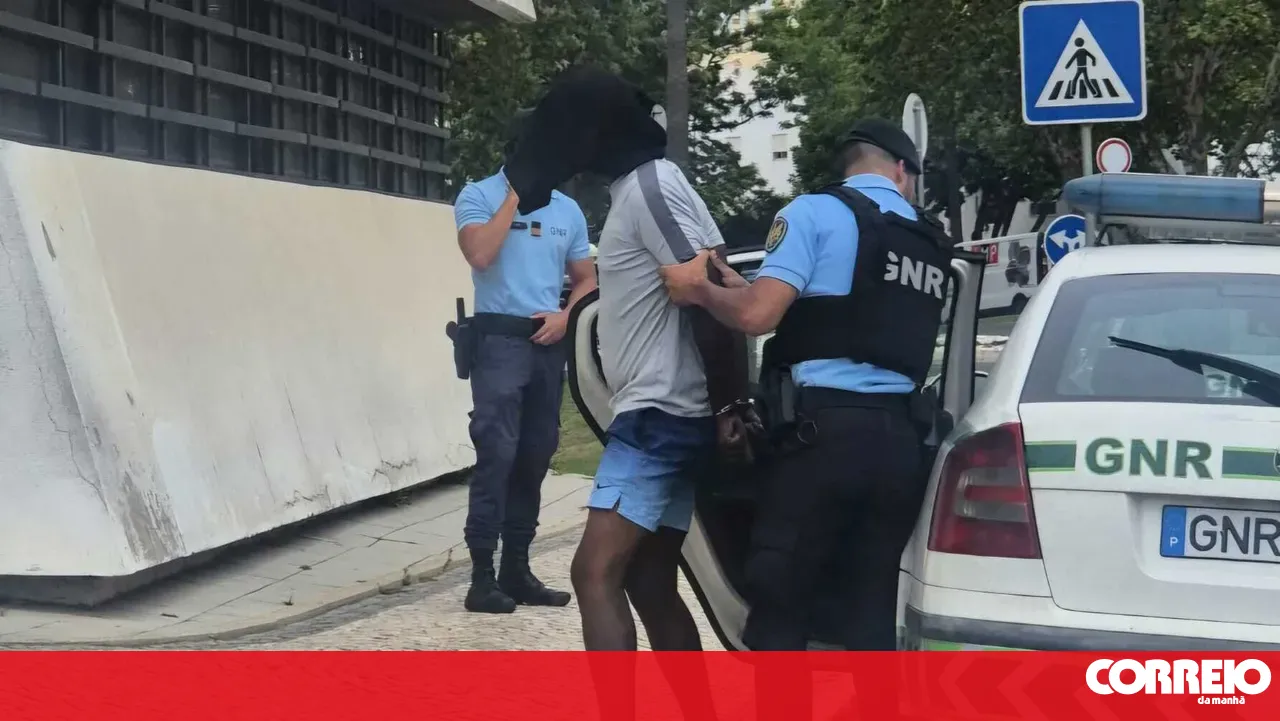
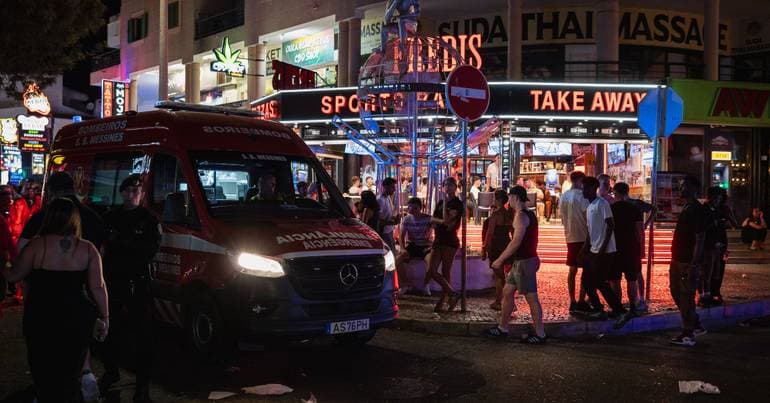
The GNR intervened to halt a recent spate of violent robberies affecting Albufeira and Monte Gordo. In Albufeira a youth gang targeted people in busy nightlife areas, while in Monte Gordo a young man carried out particularly aggressive attacks using an axe and a makeshift bludgeon. The incidents highlight growing concerns about public safety in tourist-oriented night-time districts and underline the need for targeted policing, prevention measures and community awareness to protect residents and visitors.

The Portuguese Firefighters' League (LBP) has established a weekend task force of four additional ambulances to bolster pre-hospital emergency response and ease pressure on hospitals. The emergency vehicles — drawn from the Ajuda, Cabo Ruivo, Camarate and Cascais brigades — will be based at the LBP headquarters, while a commander will be on permanent duty at CAASO (Centre for Operational Monitoring and Support) to coordinate operations. The deployment is a targeted, short-term capacity boost intended to improve response times during busy periods and provide centralised operational oversight.

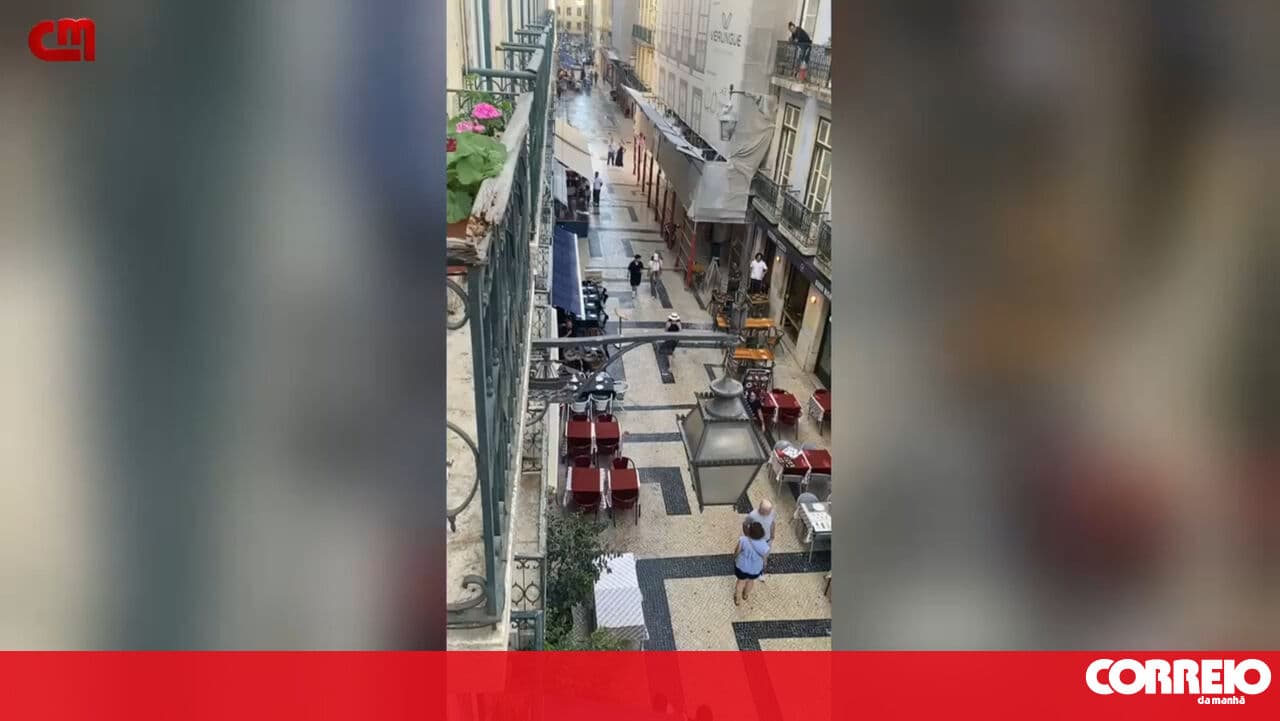
Lisbon's municipal authority has proposed banning alcohol consumption in public streets from 11pm, with proposed fines of up to €3,000 that could also be applied to establishments. Framed as a measure to reduce nuisance and improve public safety, the proposal raises questions about enforceability, proportionality and the potential economic impact on nightlife and hospitality. Separately, Le Monde reports Emmanuel Macron accusing Donald Trump of 'breaking with international rules', underscoring a parallel debate about norms and accountability on the international stage.

The prime minister announced what was described as “the largest investment in ambulances in over a decade” — 275 new vehicles — less than 36 hours after three citizens were reported to have died while waiting for care. Critics have called the timing “strange” and labelled the move demagoguery, arguing it risks masking systemic negligence in emergency services rather than addressing deeper policy and resourcing failures in healthcare and public safety. The episode has intensified calls for transparent planning, independent oversight and comprehensive reforms to emergency medical services rather than one-off equipment purchases.

Carlos Enes of CNN Portugal examines recurring, serious failings in Portugal’s emergency response system, arguing that political and union attacks on INEM distract from patient safety. He urges giving INEM operational authority, requiring ULS hospitals to free trolleys and beds, and restoring clinical judgement as the primary guide for urgent care, while calling for systemic changes to protect public health.

El Nacional reports that Donald Trump pressed Venezuela’s interim government for total control of the country’s oil resources — a demand with clear geopolitical and economic consequences that raises questions about sovereignty, access to revenues and the role of external actors in a fragile political transition. Separately, Jornal Público’s analysis shows that between 2019 and 2024 some 75 per cent of drivers who died with alcohol in their system had blood-alcohol levels meeting the threshold for a criminal offence, spotlighting enforcement gaps, road-safety policy failures and the need for improved prevention and data collection. Taken together, the items illustrate linked governance challenges: contested control over strategic resources on one hand, and systemic public‑safety and criminal‑justice issues on the other.

From 2026, new cars will be fitted with additional safety equipment mandated by regulators to reduce road accidents. The measures should lower collisions and casualties and could bring long‑term savings in insurance and healthcare, but they will increase manufacturers’ costs and are likely to push up new‑car prices. Policymakers will need to balance public‑safety benefits against affordability, using tools such as subsidies, tax incentives, phased implementation or targeted support to lessen the impact on lower‑income buyers.

Road fatalities and related casualties cost an estimated €1.5 billion in 2025, while overall road casualty levels have effectively returned to 2016 figures. The year saw more collisions and a rise in injuries, maintaining pressure on emergency services and the healthcare system and undermining public safety. Economically, the persistent casualty rate represents a significant indirect and direct cost that acts as a negative indicator for public finances and productivity. The pattern suggests a need for renewed, targeted prevention measures, enhanced enforcement and investment in safer infrastructure to reverse the trend and reduce both human and fiscal costs.

A man has been remanded in custody after a 9-year-old boy died and a 14-year-old was injured when a shotgun allegedly discharged accidentally in the Bela Vista neighbourhood. Authorities say the weapon belonged to a family member; investigators remain on the scene and the case is being examined for possible criminal negligence and safety lapses, prompting questions about firearm storage and emergency response protocols.
Portugal's meteorological institute (IPMA) has extended a yellow precipitation warning for the Algarve (Faro district) until midnight on Sunday, forecasting periods of heavy rain accompanied by thunderstorms. The Algarve is the only mainland area under the alert, which also applies to the Madeira archipelago; the public is advised to follow updates and take precautions against localized flooding and storm impacts.

The PSP (Public Security Police) have identified around 30 people after shots were fired with prohibited weapons in Lisbon. A targeted operation — involving Rapid Intervention Teams and Traffic Division units — ran from 22:00 Friday to 02:00 Saturday; no incidents were recorded and no arrests were made. Enquiries and investigations remain ongoing as police follow up on those linked to the discharges.

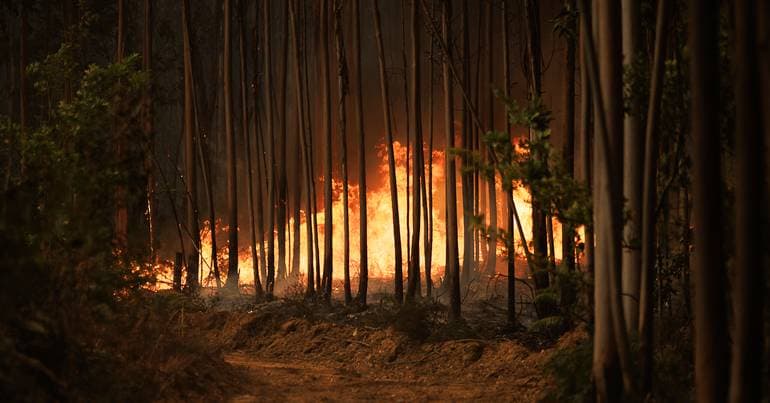
A chronicle of a forest turned upside down, caught between carbon and calamity. Opinion by Pedro Portugal

At 18:00, the Chega party lodged a formal complaint reporting incidents of shots fired using prohibited weapons in Lisbon.

On Saturday the obstetrics and gynaecology emergency departments at the hospitals in Abrantes, Setúbal and Portimão, and the obstetrics emergency department in Vila Franca de Xira, will be closed. The Setúbal emergency department reopens on Sunday.
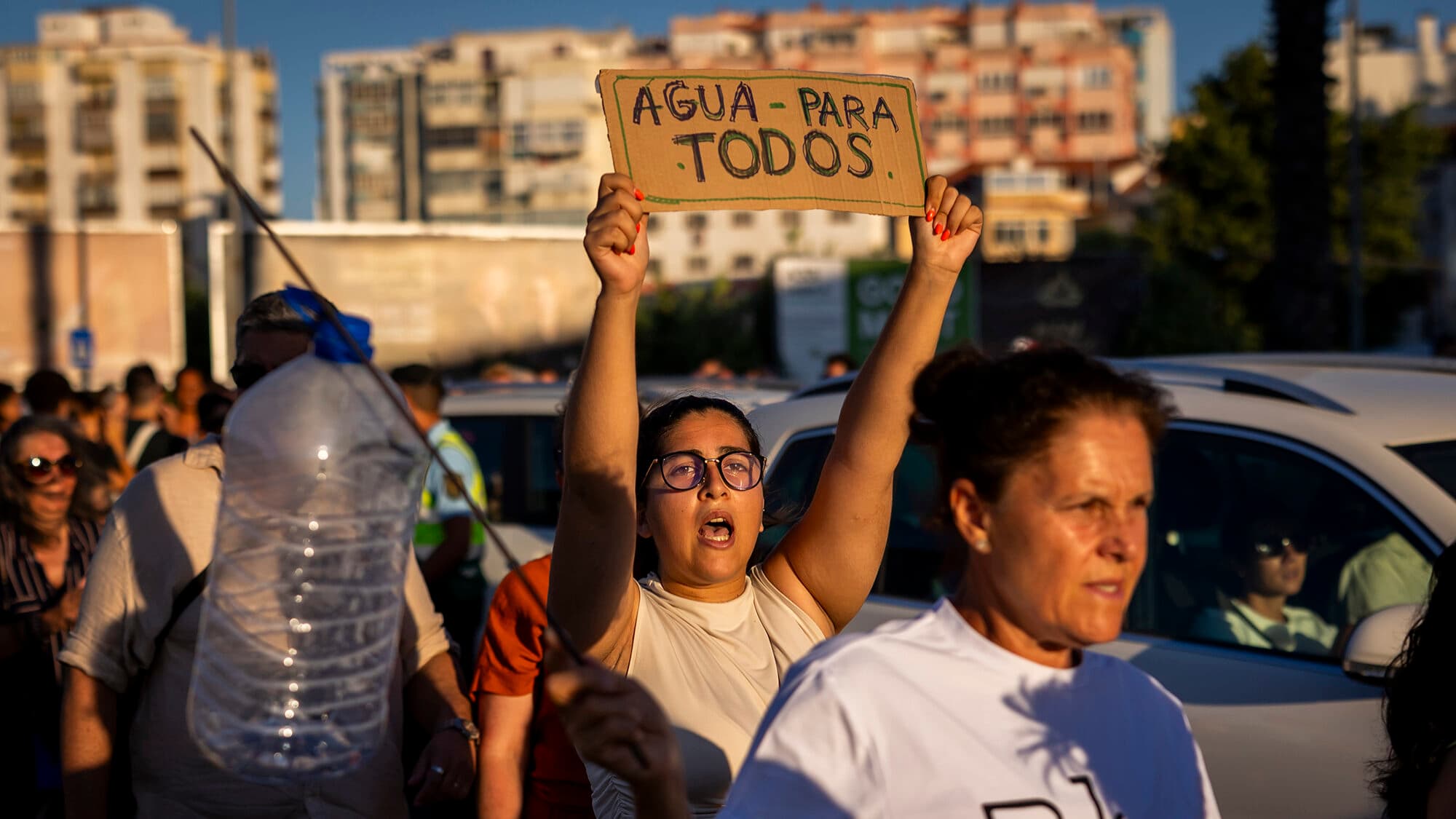
An IPMA yellow warning is in force this Friday for eight districts — Guarda, Castelo Branco, Coimbra, Leiria, Lisbon, Setúbal, Beja and Faro — calling for increased public caution due to adverse conditions that could affect travel, outdoor activities and local services. At the same time eight presidential candidates will convene in Lisbon for a radio debate, an event whose logistics and audience turnout may be influenced by the weather alert; organisers and the public are advised to monitor forecasts and prioritise safety while ensuring the debate proceeds with contingency plans for any disruptions. The overlap of a national weather warning and a key campaign event underscores the practical intersection of public safety and electoral logistics.

Jornal de Notícias reports that at least 108 people were intentionally murdered in 2025, marking the highest number of homicides since 2018. Separately, the President of the Republic returned three decree-laws to the Government that sought to implement reforms in the health sector, a move with legal and political implications for emergency services, public safety and ongoing healthcare policy changes. These developments highlight rising concerns about violent crime alongside contested attempts to reshape healthcare governance.