Top news
7 Days24 hours

Rural Life After 60 | Portugal •



Rural Life After 60 | Portugal •
Exchange Rates
At 10:00Stock market overview
At 10:00Top Portuguese stocks
At 10:00

Portugal, the home of 'saudade'.
Portugal - The Simple Life • 43:10 • 2 Nov


Monday 2 November
Healthcare Secures €1.5B Boost While Courts Protect Consumer Rights and Reshape Citizenship LawSunday 1 November
Riot Police Break Up Street Demonstrations as Immigration Agency Readies Family PortalSaturday 31 October
Government Toughens Citizenship Rules and Overhauls Healthcare as Dakar Rally Confirms ReturnFriday 30 October
Foreign Buyers Drive Record Lisbon Property Premiums While Mortgage Costs Squeeze ResidentsThursday 29 October
Budget Clears First Hurdle as Lawmakers Expand Family Tax Relief and Face Housing PressuresThirteen people detained during Sunday's police dispersal of housing protests in Lisbon and Porto appeared in court on Monday, as emergency services confirmed treating 25 injured people. Tents remained overnight in Porto's D. João I Square after Public Security Police (Polícia de Segurança Pública or PSP) withdrew without forcing an eviction, while Lisbon's Rossio Square stayed clear.
President Marcelo Rebelo de Sousa spoke with the mayors of Lisbon and Porto and offered to meet with encampment organizers to discuss housing demands. The diplomatic fallout also prompted the US Embassy in Lisbon to issue a security alert warning American citizens about ongoing demonstrations. The clashes followed weekend rallies against rising rents and proposed housing laws, which drew opposition criticism in parliament and accusations from Chega leader André Ventura against Prime Minister Luís Montenegro.

André Ventura, born January 15, 1983, is a lawyer, academic, and Portugal's most prominent far-right leader. He founded Chega ("Enough") in 2019 after his PSD mayoral campaign attacked the Romani community. Chega surged from 1.3% in 2019 to 22.8% in May 2025, becoming parliament's second-largest party and making Ventura Leader of the Opposition.
His platform emphasizes immigration restrictions, law-and-order policies, constitutional reform, and contains inflammatory anti-Romani rhetoric that has triggered multiple discrimination convictions and investigations. Politically classified as far-right by international media, Ventura cultivates alliances with European far-right figures including Marine Le Pen and Santiago Abascal.

Luís Filipe Montenegro Cardoso de Morais Esteves (born February 16, 1973, in Porto) is a Portuguese lawyer and center‑right politician who has served as Prime Minister of Portugal since April 2, 2024. A long‑time member of the Social Democratic Party (PSD), he is the leading figure of the post‑Troika generation of Portuguese conservatives. Montenegro was elected to the Assembly of the Republic in 2002 for the Aveiro district and remained an MP for 16 years, becoming PSD parliamentary leader from 2011 to 2017 during the bailout and austerity period under Prime Minister Pedro Passos Coelho. He was a prominent defender of strict austerity measures, arguing in 2014 that “the life of the people is no better, but the life of the country is a lot better,” a phrase that has followed his public image since. After an unsuccessful leadership bid against Rui Rio in 2020, Montenegro won the PSD leadership in 2022. He then forged the centre‑right Democratic Alliance (PSD–CDS‑PP and allies), which won a plurality of seats in the 2024 legislative election. Refusing to partner with the far‑right Chega, which he has called “often xenophobic, racist, populist and excessively demagogic,” he formed a minority government as head of the XXIV Constitutional Government on April 2, 2024. His first government fell in March 2025 after a no‑confidence vote linked to a conflict‑of‑interest affair, but fresh elections saw the Democratic Alliance increase its seat share, allowing Montenegro to return as prime minister leading the XXV Constitutional Government. His importance to Portugal lies in attempting to re‑center the traditional centre‑right after the crisis years, defending liberal‑conservative economics and EU alignment while drawing a sharp line against formal cooperation with the radical right, thus shaping how Portuguese democracy manages its new multi‑party era.

Electoral Mandate and Democratic Consensus:
Marcelo Rebelo de Sousa was elected President of Portugal on January 24, 2016, winning 52.0% of the vote in the first round—a decisive victory in a fragmented field. He campaigned as an independent, positioning himself as a unifying figure after years of austerity from Portugal's 2011–14 bailout, promising to repair political divisions and restore national confidence. His campaign emphasized moderation and cross-party consensus, a departure from his decades-long association with the center-right Social Democratic Party (PSD). Upon taking office on March 9, 2016, he suspended his party membership for the duration of his presidency.
His 2021 re-election proved extraordinary: Rebelo de Sousa secured 60.7% of the vote—the third-highest margin in Portuguese presidential electoral history since the 1974 Carnation Revolution. Historically, he became the first candidate ever to win in all 308 municipalities and the vast majority of parishes, ranging from 51.3% in Beja District to 72.16% in Madeira. This unprecedented sweep reflected his broad appeal across social, geographic, and ideological divides.
Constitutional Role and Crisis Leadership:
Portugal operates as a semi-presidential system where the president, while largely ceremonial, exercises meaningful influence over national security, foreign policy, and military affairs as Supreme Commander of the Armed Forces. Rebelo de Sousa leveraged this authority during Portugal's response to the COVID-19 pandemic. In March 2020, he requested parliamentary authorization for a state of emergency—the first nationwide declaration in 46 years of democratic history—to contain the crisis. He voluntarily quarantined after potential COVID-19 exposure in March 2020, and later tested positive in January 2021 while remaining asymptomatic. His measured handling of the pandemic, balancing public health with institutional continuity, contributed to his landslide 2021 re-election.
Diplomatic Engagement and International Presence:
Rebelo de Sousa has conducted extensive state visits representing Portugal's interests across diverse regions: the Vatican, Spain, Mozambique, Morocco, Brazil, Switzerland, Cuba, the United Kingdom, Greece, the United States, and Angola. A notable diplomatic highlight occurred in 2019 when he joined President Emmanuel Macron at the Bastille Day military parade in Paris, representing European military cooperation and the European Intervention Initiative. These engagements positioned Portugal as an active participant in global affairs, particularly regarding colonial history and Atlantic security partnerships.
Colonial Legacy and Historical Accountability:
During his presidency, Rebelo de Sousa has publicly supported making restitution and acknowledging abuses committed during Portugal's colonial history and the country's role in the Atlantic slave trade. This position marked a significant policy shift, as Portugal historically avoided confronting its imperial past compared to other European powers. His stance reflected evolving attitudes within Portuguese society toward historical accountability.
Controversies and Public Criticism:
Rebelo de Sousa's presidency has not been without controversy. In 2023, allegations emerged that he had intervened to expedite treatment for Brazilian twins with Zolgensma, an expensive rare disease medication, raising questions about presidential influence and potential corruption. These claims implicated his son and generated criticism across Portuguese political and media sectors. Additionally, in April 2024, Rebelo de Sousa made controversial remarks comparing the speed of Prime Ministers António Costa and Luís Montenegro using orientalist language that drew public rebuke. In August 2025, he called U.S. President Donald Trump a "Russian asset" at a PSD event, demonstrating his willingness to make provocative foreign policy statements.
Constitutional Constraints and Legacy:
Under Portugal's constitution, Rebelo de Sousa is barred from running for a third consecutive term, meaning his presidency concludes with elections scheduled for January 18, 2026. His decade-long tenure has established him as one of Portugal's most popular recent heads of state, characterized by broad consensus-building and institutional stability. Whether future presidents can replicate his cross-party appeal remains an open question for Portuguese democracy as it enters a new era.

The PSP (Polícia de Segurança Pública) is Portugal's national civilian police force, founded in 1867. Responsible for defending Republican democracy and safeguarding internal security and citizens' rights, the PSP polices major cities—Lisbon, Porto, Faro—and large urban areas, covering only 4% of Portugal's territory but roughly half the population. Led by a National Director under the Ministry of Internal Affairs, its approximately 21,500 officers handle preventive policing, crime investigation, public order, airport security, diplomatic protection, private security regulation, firearms licensing, and border control (since 2023).
PSP vs. GNR: The PSP is civilian with police-focused training and urban jurisdiction, while the GNR (Guarda Nacional Republicana) is military (gendarmerie) with military training, covering 96% of Portugal's rural and suburban territory. Both share core public safety missions but differ fundamentally in nature, training, and geographic responsibility.
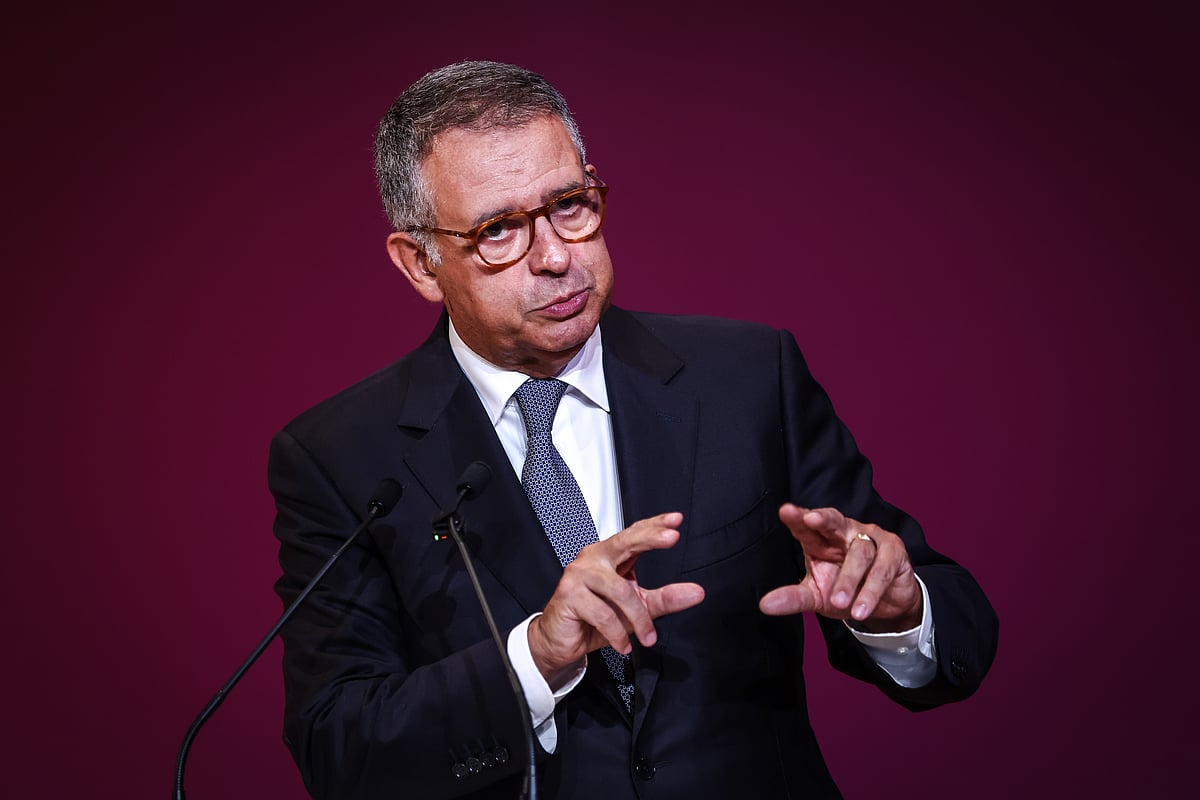
The Council of State (Conselho de Estado), the political advisory body to the President of the Republic, met on Monday to discuss social cohesion across Portugal. President Marcelo Rebelo de Sousa called the meeting following consultations with political party leaders, amid nationwide debate over housing costs and recent police interventions at demonstrations. The body brings together former heads of state, parliamentary leaders, and appointed figures.
The Council of State (Conselho de Estado) is the President's primary advisory body, composed of senior political figures including the Prime Minister and former presidents. It provides non-binding opinions on major issues such as dissolving parliament or declaring a state of emergency. Residents should note that the council acts as a stabilizing force during periods of political deadlock or institutional tension.
Banks in Portugal must now immediately reimburse customers who fall victim to phishing and unauthorized payment transactions. Financial institutions cannot withhold stolen funds by alleging gross customer negligence, and must return the money before seeking any restitution. Lenders may only recover reimbursed amounts later if they formally prove the client acted with severe negligence.

The Portuguese Bar Association (Ordem dos Advogados) launched an awareness campaign on Monday to combat the illegal practice of law (procuradoria ilícita). Professional bodies report hundreds of ongoing judicial cases targeting unqualified individuals and unauthorized agencies that charge fees for legal services reserved for certified lawyers and solicitors. The campaign warns residents and consumers against using unregulated representatives for administrative and legal processes.
The government approved an additional €1.538 billion for the National Health Service (Serviço Nacional de Saúde or SNS) to fund medicines and diagnostic examinations. The injection, authorized in September, brings total supplementary funding for the public health programme above €2.7 billion this year. The measure addresses widening gaps between initial state budget forecasts and the actual operational expenses of public hospitals.


By Édouard Manet (French) · 1867
Calouste Gulbenkian Museum in Lisbon
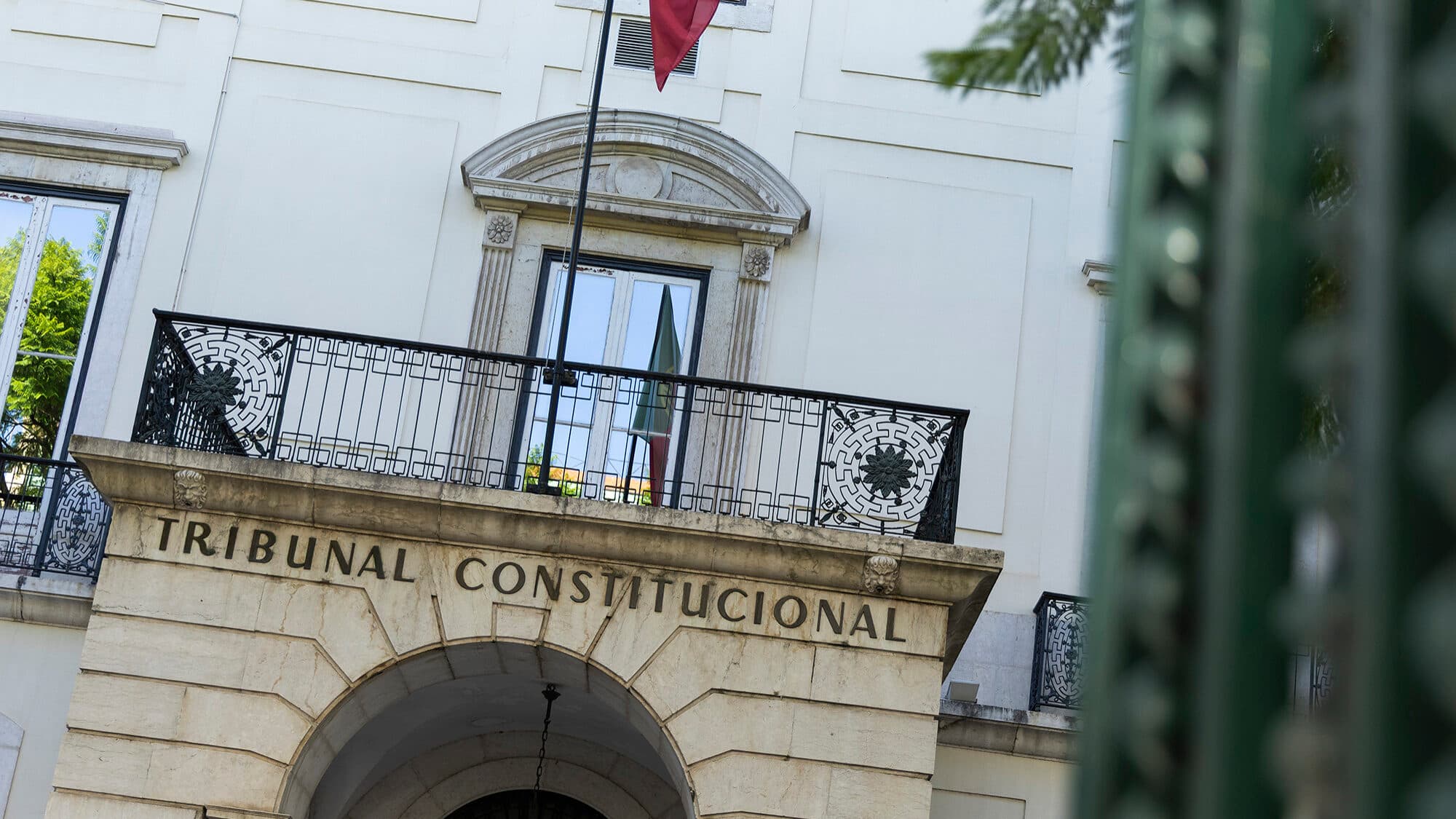
The Constitutional Court (Tribunal Constitucional) ruled that automatically denying Portuguese citizenship to applicants with criminal convictions punishable by prison is unconstitutional. The decision involved a woman sentenced to a 120-day fine for perjury who challenged the automatic refusal under earlier nationality rules. Judges determined that authorities must evaluate the specific circumstances of each case rather than applying a blanket restriction.
The Constitutional Court (Tribunal Constitucional) is Portugal's highest court for constitutional review. Its primary role is to assess whether laws, decrees, and government actions comply with the Portuguese Constitution, and it has the power to strike down or suspend unconstitutional measures.
The court consists of 13 judges — 10 appointed by the Assembly of the Republic and 3 co-opted by the other judges. It also oversees the legality of political parties and their finances, verifies election results, and rules on the constitutionality of referendums.
The Constitutional Court is frequently in the news when opposition parties, the President, or the Ombudsman refer controversial legislation for review — such as labor reforms, housing laws, or immigration policy changes. Its rulings are final and binding.
A Ryanair flight from Belgium made an emergency landing at Lisbon Airport on Sunday morning after a fire broke out inside the passenger cabin. Airport emergency crews extinguished the flames, which originated from a portable power bank in a passenger's carry-on luggage. Lisbon firefighters confirmed that emergency vehicles responded as a precaution and no injuries were reported.

Real estate firm Grupo Mais announced that it has more than 700 residential units under construction in Portugal for the rental market. The portfolio follows a build-to-rent model designed to provide dedicated housing for university students and working professionals. The company said the developments aim to expand long-term rental supply in Portuguese urban centers.
Homeowners in Portugal with variable-rate mortgages tied to the six-month Euribor will see their monthly payments rise starting in November. For borrowers facing contract revisions this month, the adjustment will add approximately €44 to typical monthly installments. The increase comes as ongoing interest rate adjustments affect variable housing credit contracts across the country.
Euribor (Euro Interbank Offered Rate) is the benchmark interest rate at which major European banks lend to each other. It directly affects most variable-rate mortgages in Portugal, where the vast majority of home loans are indexed to 3-month, 6-month, or 12-month Euribor rates.
When Euribor rises, monthly mortgage payments increase at the next review date; when it falls, payments decrease. The European Central Bank's (ECB) monetary policy decisions are the primary driver of Euribor movements — rate hikes push Euribor up, while cuts bring it down.
Euribor peaked above 4% in late 2023 after aggressive ECB tightening, then gradually declined through 2024–2025 as the ECB began cutting rates. Portuguese homeowners with variable-rate mortgages should track Euribor trends and their mortgage review dates to anticipate payment changes.

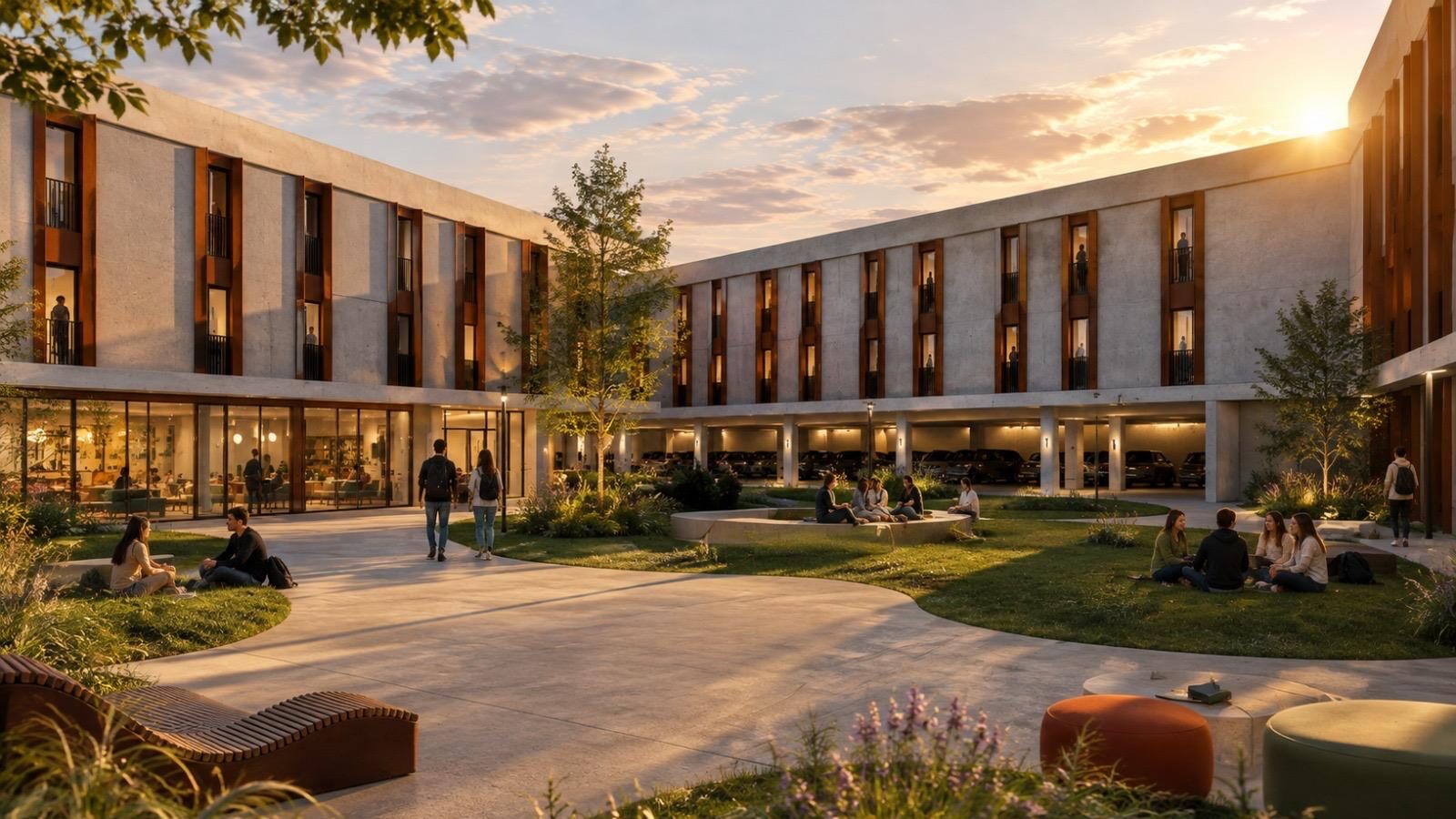
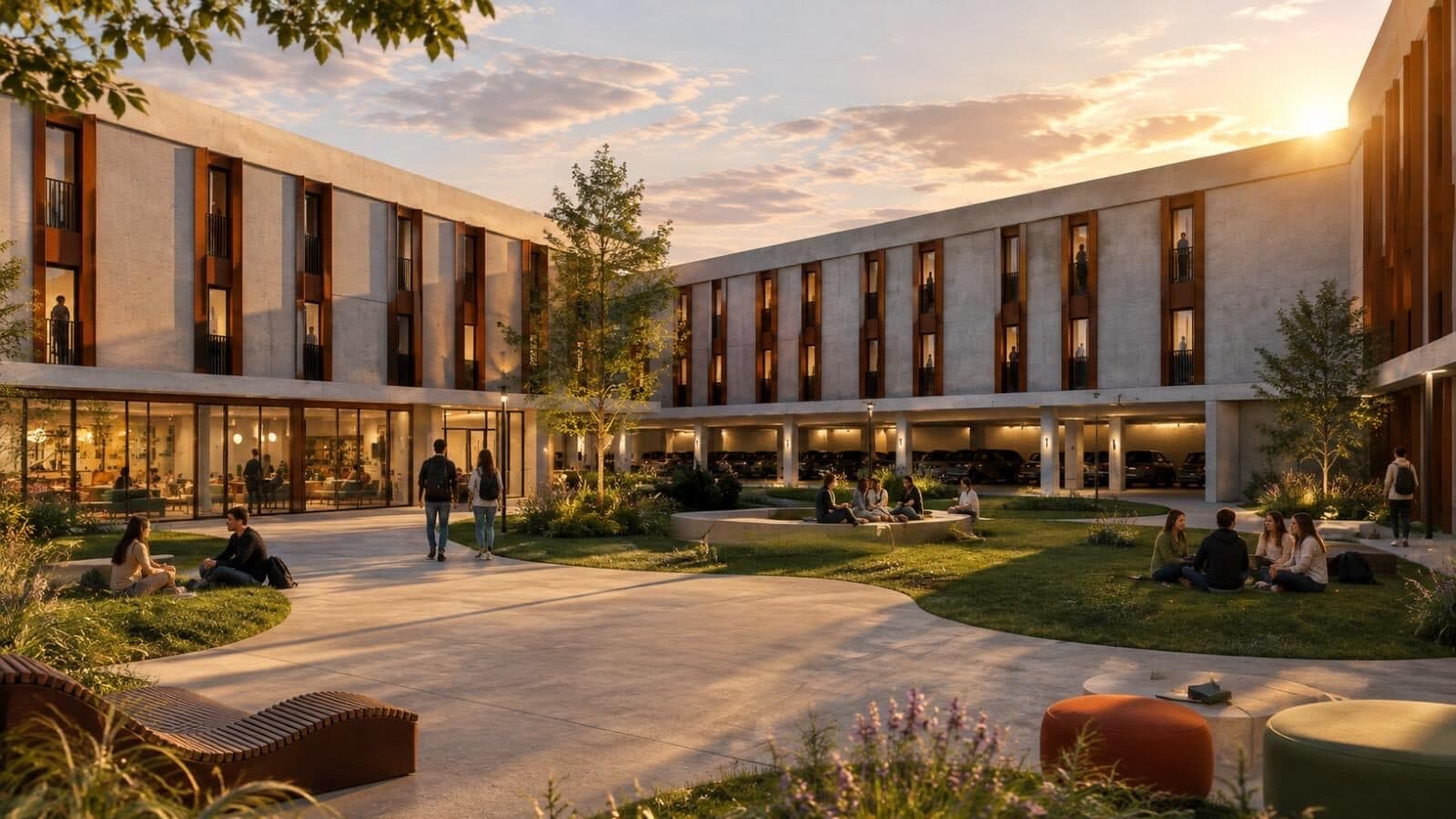
The University of Évora (Universidade de Évora) plans to open two new student residences with 260 beds next year to address accommodation shortages. Rector António Candeias announced that the projects include a new facility in the Malagueira district and a rehabilitation project, alongside renovations funded by the Recovery and Resilience Plan (Plano de Recuperação e Resiliência or PRR). The university also intends to explore private partnerships to expand student housing options.
The PRR (Plano de Recuperação e Resiliência) is Portugal's national program under the EU's NextGenerationEU recovery fund, worth approximately €22.2 billion — roughly €16.6 billion in grants plus €5.6 billion in loans. Approved in 2021, it funds reforms and investments across housing, digital transition, climate action, healthcare, and public administration.
Payments from the European Commission are tied to specific milestones and targets. Missed deadlines or incomplete reforms can delay disbursements, affecting public works, infrastructure projects, and social programs that depend on PRR funding.
The PRR is one of the largest investment programs in Portugal's recent history and touches areas from affordable housing construction to hospital modernization, school renovation, and green energy transition. Progress is monitored by the European Commission through regular reviews.


Piódão, Centro