

Jorge de Sena: the Lisbon engineer who became Portugal’s poet in exile
He was a state roads engineer who wrote against the Estado Novo. After a failed coup in 1959 he left for Brazil, then America, and came home only in 2009, thirty-one years after his death.
At a glance
- Jorge de Sena was born in Lisbon on 2 November 1919 and died in Santa Barbara, California, on 4 June 1978, aged 58.
- Thrown out of the Navy as a cadet, he trained as a civil engineer in Porto and worked for the national roads authority from 1948 to 1959 while writing poetry, criticism, plays and translations.
- After a failed plot against the dictatorship in March 1959, he went to a conference in Brazil in August and stayed, teaching there until 1965 and then in the United States, at Wisconsin and Santa Barbara.
- His published works run to more than a hundred titles, including the novel Sinais de Fogo, published after his death in 1979, and studies that changed how scholars read the poet Camões.
- His papers went to Portugal’s national library in 2009, and on 11 September that year his remains were reburied in Lisbon’s Prazeres cemetery.
A coffin at the Estrela
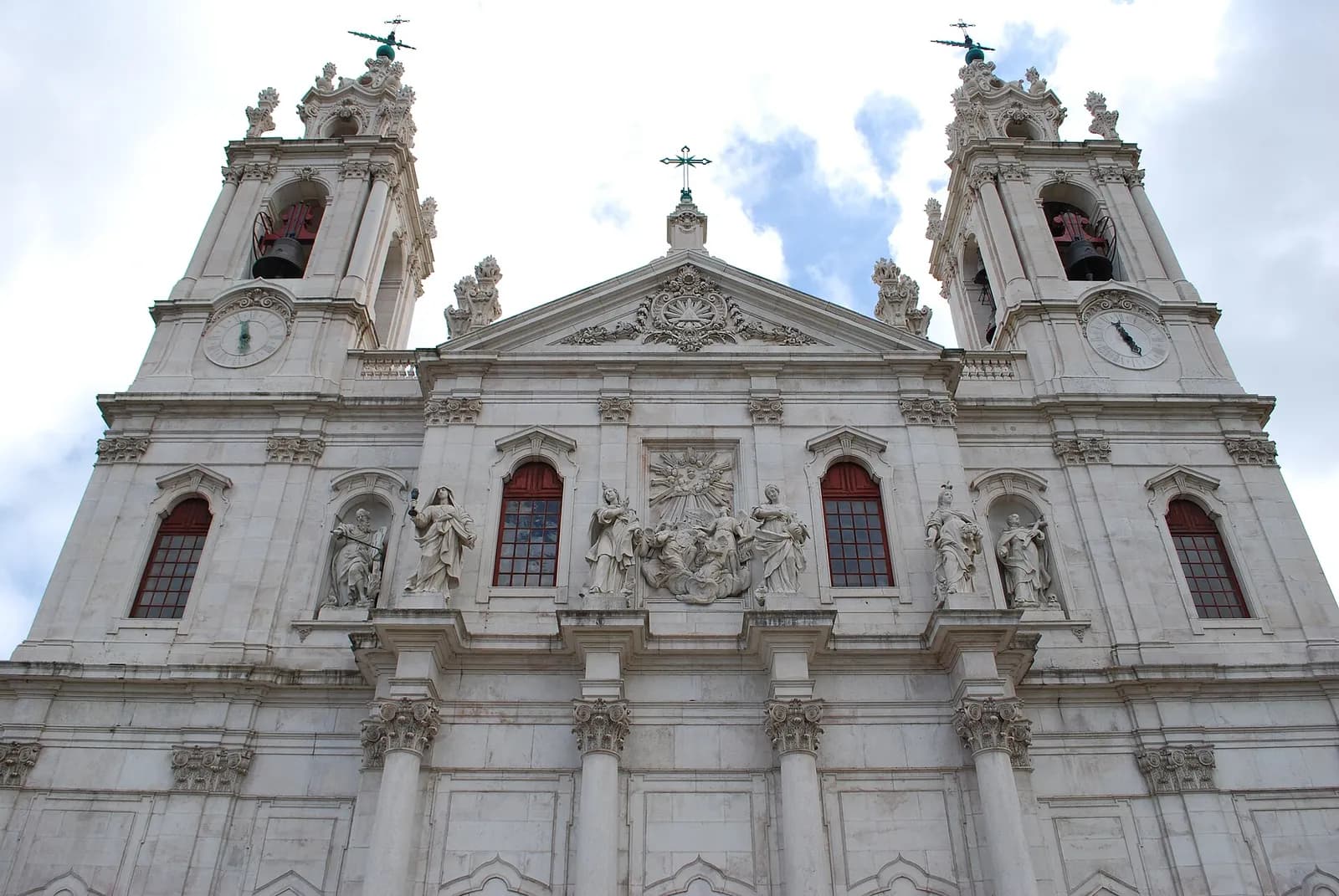
At ten o’clock on the morning of 11 September 2009, a ceremony was due to begin around a coffin in the Basílica da Estrela in Lisbon. The programme, as the Diário de Notícias announced it that morning, had the actress Eunice Muñoz reading two poems, music from the soprano Raquel Alão and the organist Nuno Lopes, and speeches by the essayist Eduardo Lourenço, the culture minister José António Pinto Ribeiro and the former president Ramalho Eanes. The prime minister, José Sócrates, was to attend.
A funeral procession would then take the coffin to the Prazeres cemetery. The man being buried had been dead for three decades. Jorge de Sena, poet, novelist, playwright, critic and translator, had died in Santa Barbara, California, in 1978, after almost nineteen years of exile. That June, at the ceremony at which his papers were donated to the Biblioteca Nacional, the minister had announced that his body would come home.
He had been born ninety years earlier in the same city, on 2 November 1919, the Dia de Finados or All Souls’ Day. A military coup when he was six put Portugal under a dictatorship that lasted most of his life. He spent the last part of it outside the country, and much of his writing was an argument with it.
Growing up under the Estado Novo
Writers worked under a censor, and the political police, the PIDE, watched the regime’s opponents. Sena never joined a party, but from his youth he backed opposition movements and spoke against the regime in public. That made him a target of censorship and of the pressure that would end in exile, as the historian Paulo Rodrigues Ferreira puts it in the national library’s dictionary of Portuguese historians.
An only child and a lost sea
Jorge Cândido de Sena was the only child of Augusto Raposo de Sena, a merchant navy captain, and Maria da Luz Teles Grilo. His biographer Jorge Fazenda Lourenço describes a lonely childhood, with a protective mother, a father who was mostly away and cousins he rarely played with. His mother had him taught music. He played the piano and improvised for the family, to the disapproval of his father’s relatives, while a green parrot roamed loose about the house. A green parrot is also at the centre of one of his stories, “Homenagem ao papagaio verde” (Homage to the green parrot), which draws on that unhappy household.
After the Colégio Vasco da Gama and the Liceu Camões, a Lisbon secondary school, he entered the Escola Naval at 17, to follow the naval career his father had planned for him at birth. He came top of his course, and in early October 1937 he sailed as a cadet on the training ship Sagres, his first sight of Africa, Brazil and the Canary Islands.
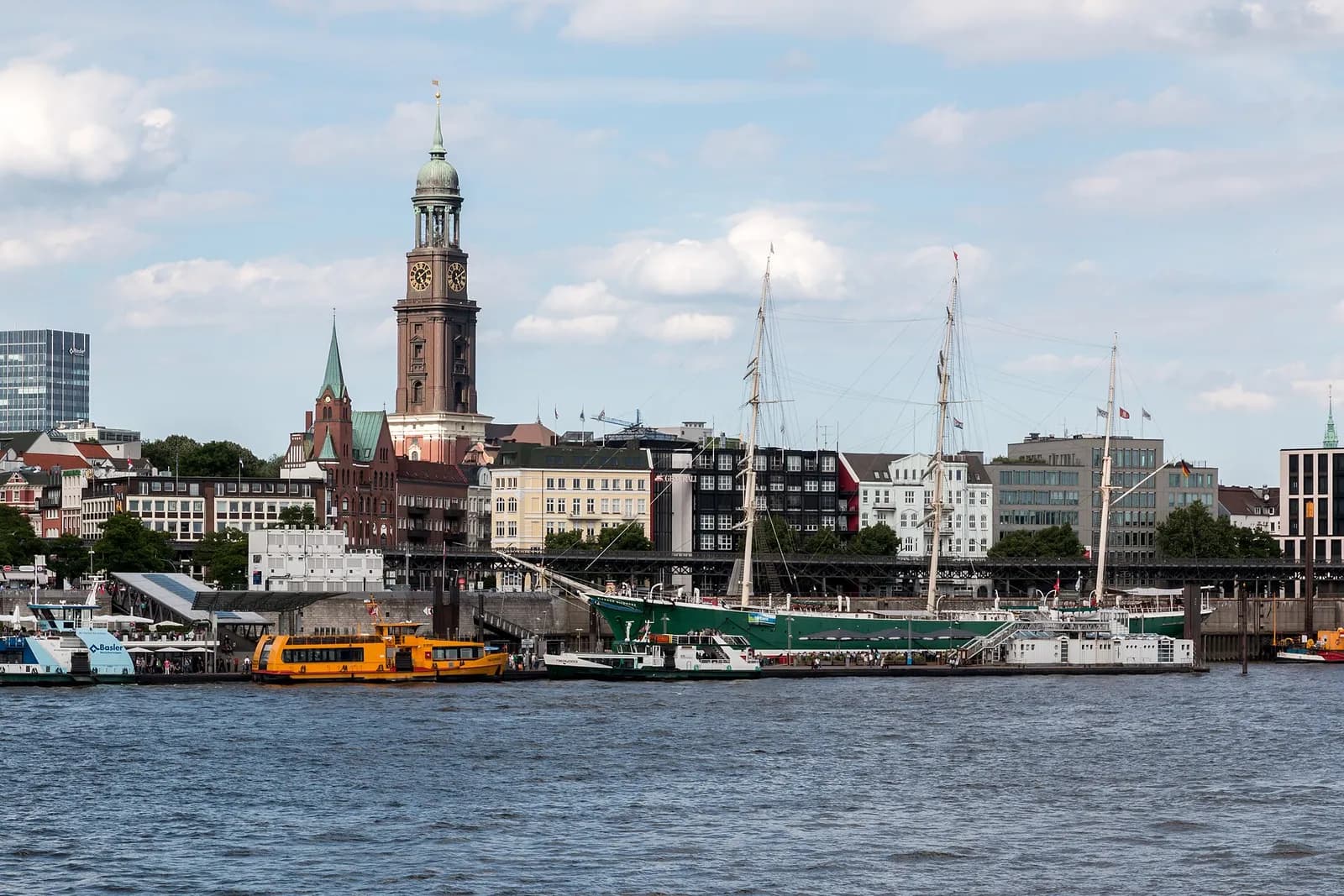
The Navy then expelled him, in a process never fully explained. Fazenda Lourenço links it to his unease with military discipline at a time when the regime was hardening and Spain was at civil war. In September 1936, sailors on three warships had risen against the dictatorship, and some of them were among the first prisoners sent to the new camp at Tarrafal, in Cape Verde.
“For me the Sea was what it must have been for very few: a reality dreamed as certain through many years of childhood, and then lived and lost in half a dozen months. And lost because, on grounds that I myself could neither know nor control, they made me lose it.”
He had been writing since 1936, but he dated the start of his poetry to 1938, when he heard Debussy’s piano prelude La Cathédrale engloutie. “It was from music that I leapt into poetry,” he said.
Engineer, critic and opponent
His family would not let him try the merchant navy, mathematics or humanities, so from October 1938 he took the preparatory courses at the Faculty of Sciences in Lisbon and then moved to the engineering faculty in Porto. He graduated in civil engineering in 1944, the year his father died, with friends helping to pay his way.
His first book of poems, Perseguição (Persecution), came out in 1942 from the Cadernos de Poesia, a poetry review. He wrote for the leading literary journals of the time, from Seara Nova to Vértice, and lectured on Rimbaud, Florbela Espanca, Fernando Pessoa and Luís de Camões.
Politics came early too. In October 1945 he was among the democrats who met at the Centro Escolar Republicano Almirante Reis in Lisbon to ask the government to postpone elections, abolish the PIDE and end censorship, the meeting that gave birth to the Movement of Democratic Unity (MUD). As a reserve officer he signed public lists demanding free elections. Fazenda Lourenço writes that he escaped deportation to Tarrafal thanks to a Brazilian diplomat, Rui Couto.
After a short contract with the national monuments service in 1947, he worked from 1948 to 1959 as an engineer for the Junta Autónoma de Estradas, the roads authority. The job took him all over the country, which he came to know, he said later, “as few others will, because few will have used such an opportunity with the aim of seeing it culturally”.
The steady wage let him marry. On 12 March 1949 he wed Maria Mécia de Freitas Lopes, a history and philosophy graduate who had trained at the Porto music conservatoire and was the sister of the critic Óscar Lopes. They had nine children.
He also wrote theatre criticism, translated Hemingway’s Fiesta and Erskine Caldwell in 1954 and Malraux’s La Condition humaine in 1958, and edited Fernando Pessoa, starting with the first collection of his writings on aesthetics, Páginas de Doutrina Estética (1946). In 1956 he was among the founders of the Sociedade Portuguesa de Escritores, the writers’ society.
The cathedral plot and the road to Bahia
The presidential election of 1958 set off a wave of protest across Portugal. In its wake came the Revolta da Sé, the Cathedral Revolt, an armed rising planned for the night of 11 to 12 March 1959. Catholics, monarchists, socialists and other opponents took part, civilians alongside officers such as Pastor Fernandes and João Varela Gomes. The PIDE broke it up, and plotters were held in the Aljube and Caxias prisons before a military court tried them.
Sena was one of the civilians. According to Fazenda Lourenço, he was to have been minister of public works in the provisional government. Once the plot failed, the consequences for conspirators still at liberty were easy to foresee.
An invitation came at the right moment. The Brazilian government asked him to present a report at the IV International Colloquium of Luso-Brazilian Studies, organised by the University of Bahia in Salvador in August 1959. He travelled with only what he could carry and stayed. His wife and children followed later, after some trouble getting out of Portugal. He was a few months short of forty.
Professor in Brazil, 1959 to 1965
Brazil gave Sena what Portugal had not: a career as a university teacher. He taught literary theory at the newly founded Faculty of Philosophy, Sciences and Letters in Assis, in São Paulo state, and then Portuguese literature at Araraquara. His colleagues included the Portuguese poet Adolfo Casais Monteiro, who had also left Portugal, and Brazilian scholars such as Antonio Candido.
He kept up the fight from abroad. Through the Committee of Portuguese Intellectuals he joined the newsroom of Portugal Democrático, an exile paper in São Paulo, for about three years, and his articles caught the PIDE’s eye. A statement of support for the MUD that exiled opponents signed in October 1961 led to the arrest warrant.
Academic life had its own obstacles, and one of them required him to take Brazilian citizenship, which he did in 1963. His first thesis, Uma Canção de Camões (A Song by Camões), finished in 1962, could not be presented at Belo Horizonte. The second, Os Sonetos de Camões e o Soneto Quinhentista Peninsular (Camões’s sonnets and the sixteenth-century Iberian sonnet), won him his doctorate at Araraquara in October 1964.
By then Brazil had changed. The military coup of 1964 was followed by a wave of persecution, and Sena accepted an invitation from the University of Wisconsin. He moved his family to Madison in October 1965.
Madison and Santa Barbara, 1965 to 1978
At Madison he became a full professor in the Department of Spanish and Portuguese in 1967. In 1970 he moved to the University of California, Santa Barbara, as professor of Portuguese and Brazilian literature and of comparative literature. He chaired both the Spanish and Portuguese department, from 1974, and comparative literature.
The move from Brazil produced what Fazenda Lourenço calls one of the most radical exile poems in Portuguese, “Em Creta, com o Minotauro” (In Crete, with the Minotaur). The poet sits down to coffee with the monster; neither of them, he writes, has a country, and he declares that he himself is his homeland.
Between September 1968 and February 1969 he came back to Europe and, for the first time in nine years, to Portugal. The Lisbon review O Tempo e o Modo had given him a special issue that April, a rare honour for a living poet. In Paris, shortly before he set foot in Portugal again, he told the Diário de Lisboa how he saw himself.
“I am a man viscerally of exile, … who has come to the conclusion that he feels ill at ease in the world, though he thinks there is no other. And so I concluded that we must always belong to all the places that take us in.”
The visit left him low. Writing to the poet Eugénio de Andrade, he said his house had seemed shrunken and the country had saddened him deeply “with its air of shabby decadence”. What he missed were his friends.
The revolution of 25 April 1974 ended the dictatorship, but Sena did not move back. The Yale scholar Kenneth David Jackson, who knew him, writes that the turmoil that followed made a permanent return unwise and that illness soon set in. In March 1976 he had a severe heart attack and began organising his work for posterity.
He did come to speak. On 10 June 1977, during the celebrations of the Day of Camões and the Portuguese Communities, he gave an address at the liceu, the state secondary school, in Guarda, a text he had written in Paris a week before. José Saramago later said that Sena had not been afraid to pour “ice-cold water on the patriotic fervour” that people expected that day.
That year he went to Sicily to receive the Etna-Taormina International Poetry Prize for his life’s work. He died in Santa Barbara on 4 June 1978 of a cancer diagnosed too late. He was 58.
Where Jorge de Sena lived, 1919 to 1978
years
Our calculation from the dates in the Imprensa Nacional biography: born 2 November 1919, left for Brazil in August 1959, moved to the United States in October 1965, died 4 June 1978. Short visits, such as the European trip of 1968 to 1969, are not subtracted.
Show the data
| Years of residence | |
|---|---|
| Portugal (1919–1959) | 39.8 |
| Brazil (1959–1965) | 6.2 |
| United States (1965–1978) | 12.7 |
2 November 1919
Born in Lisbon
October 1937
Sails as a naval cadet on the training ship Sagres
He is expelled from the Navy soon afterwards.
1942
First book of poems, Perseguição
1944
Graduates in civil engineering in Porto
1948 to 1959
Engineer with the roads authority, the Junta Autónoma de Estradas
12 March 1949
Marries Mécia de Freitas Lopes
11 to 12 March 1959
The Revolta da Sé fails; he is one of the civilian plotters
August 1959
Goes to a colloquium in Salvador, Brazil, and stays
October 1964
Doctorate at Araraquara with a thesis on Camões’s sonnets
October 1965
Moves to the University of Wisconsin, Madison
1970
Professor at the University of California, Santa Barbara
10 June 1977
Speech in Guarda on the Day of Camões
4 June 1978
Dies in Santa Barbara
1979
Sinais de Fogo published
11 September 2009
Reburied in the Prazeres cemetery, Lisbon
Camões, Pessoa and the critic
Sena studied Luís de Camões, the sixteenth-century author of the epic Os Lusíadas, and Fernando Pessoa for the rest of his life. His lectures on the two in the 1940s announced subjects he never gave up.
Under the dictatorship, the official reading of Camões was a political battleground. Sena read him historically, as if he were a contemporary, and gave him the weaknesses of an ordinary man. He placed him in Mannerism, the restless style that followed the Renaissance, against what Ferreira calls an academic habit of seeing Camões through a patriotic filter. The scholar Burghard Baltrusch credits Sena with rescuing Camões from the Estado Novo’s ideological discourse.
On Pessoa, his essays were gathered after his death as Fernando Pessoa & Cª Heterónima (1982), which Baltrusch, who wrote his doctorate on Pessoa, still calls one of the clearest guides to that poet. Sena also translated hundreds of poems, from Cavafy to Emily Dickinson, and novels and plays by Molière, Poe, Brecht, Faulkner, Hemingway, Graham Greene, Malraux and Eugene O’Neill, among others.
| Year | Title | Kind | Note |
|---|---|---|---|
| 1942 | Perseguição | Poetry | His first book |
| 1950 | Pedra Filosofal | Poetry | Third collection |
| 1951 | O Indesejado (António, Rei) | Verse tragedy | On António, Prior of Crato, claimant to the throne after King Sebastião |
| 1963 | Metamorfoses | Poetry | Poems on works of art and monuments, published in exile |
| 1966 | Novas Andanças do Demónio | Short stories | Includes a story inspired by the Eichmann trial |
| 1968 | Arte de Música | Poetry | Poems on pieces of music, from Dowland to Piaf |
| 1969 | Peregrinatio ad Loca Infecta | Poetry | In parts for Portugal, Brazil, the United States and a return to Europe |
| 1969 | Os Sonetos de Camões e o Soneto Quinhentista Peninsular | Scholarship | His doctoral thesis of 1964 |
| 1970 | A Estrutura de Os Lusíadas | Scholarship | Studies of Camões’s epic |
| 1977 | O Físico Prodigioso | Novella | Published a year before his death |
| 1979 | Sinais de Fogo | Novel | Published after his death |
Years are of first publication in book form, as given in the Poetry International bibliography.
“My poetry has nothing patriotic or nationalist about it, and I always wanted to be, and made myself, a citizen of the world, in time and in space.”
Signs of Fire
His one novel, Sinais de Fogo (Signs of Fire), was unfinished when he died and appeared in 1979. He had meant it as the first volume of a larger cycle. The narrator, also called Jorge, tells of his adolescence in Lisbon and then at the seaside town of Figueira da Foz in the summer of 1936, when civil war broke out in Spain and the Spaniards in town were more refugees than holidaymakers.
Poetry International describes it as both a fresco of Portuguese society during the Spanish Civil War and a detailed portrait of the education of a poet. Ferreira adds that it reproduces the stock Portuguese images of Spaniards as loud and festive, and that it records the fear of life under dictatorship.
The director Luís Filipe Rocha, who made a documentary about Sena, Sinais de Vida, in 1984, filmed the novel as Sinais de Fogo in 1995.
Mécia’s work and the long way home
Much of what readers know of Sena was published after his death by Mécia de Sena. Her brother, Rui Silvino de Freitas Lopes, wrote that she was left with “a monumental quantity of unrealised projects” and “tons” of manuscripts. Every title that appeared after 1978 began with her, including his letters with writers from Sophia de Mello Breyner Andresen to Vergílio Ferreira and Eduardo Lourenço. She died in Los Angeles on 28 March 2020, aged 100.
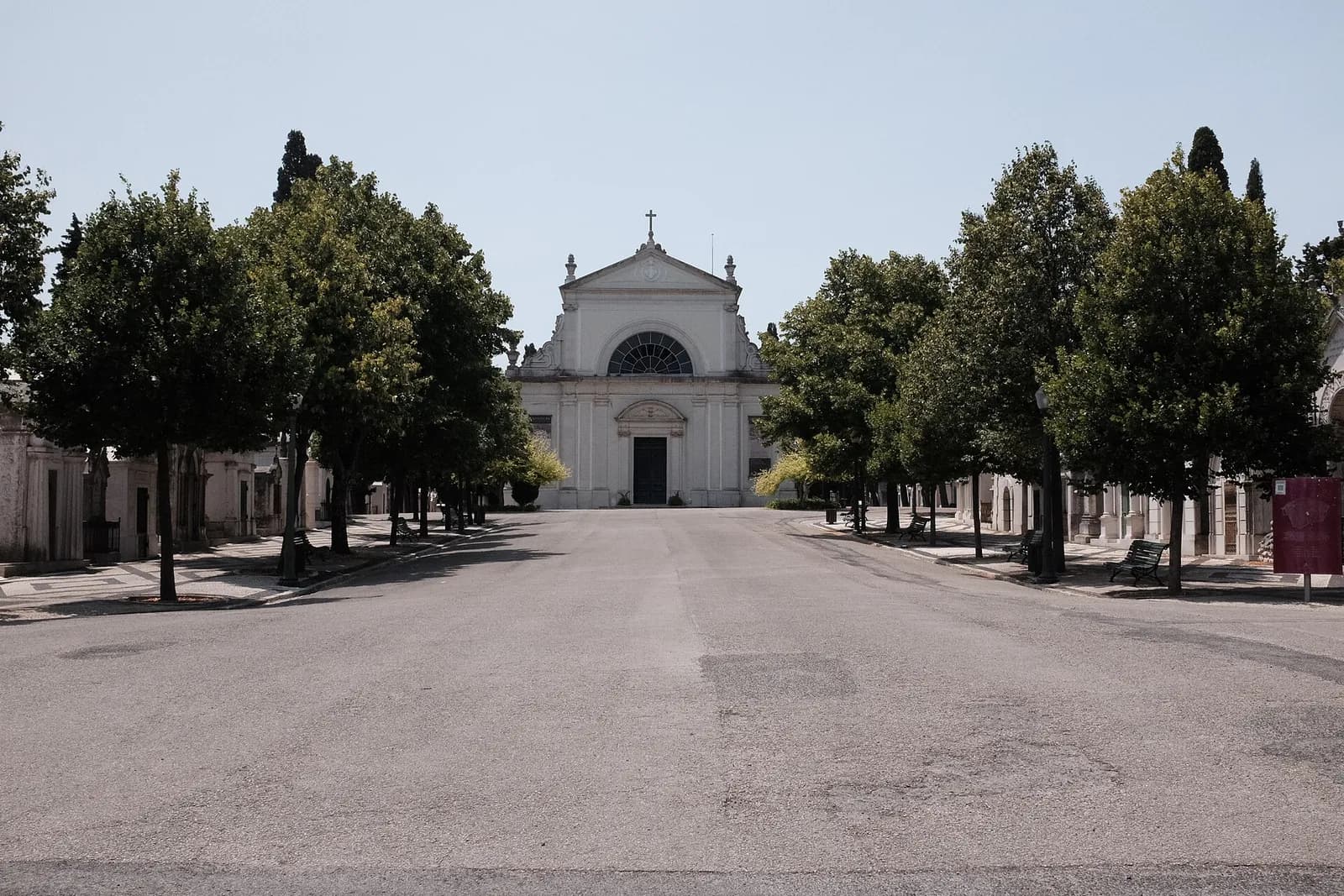
In Santa Barbara, where he had built up the Portuguese programme, the Calouste Gulbenkian Foundation gave the university an endowment after his death to start a Center for Portuguese Studies, now named after him. In 2009 his papers went to the Biblioteca Nacional in Lisbon and his body to the Prazeres cemetery.
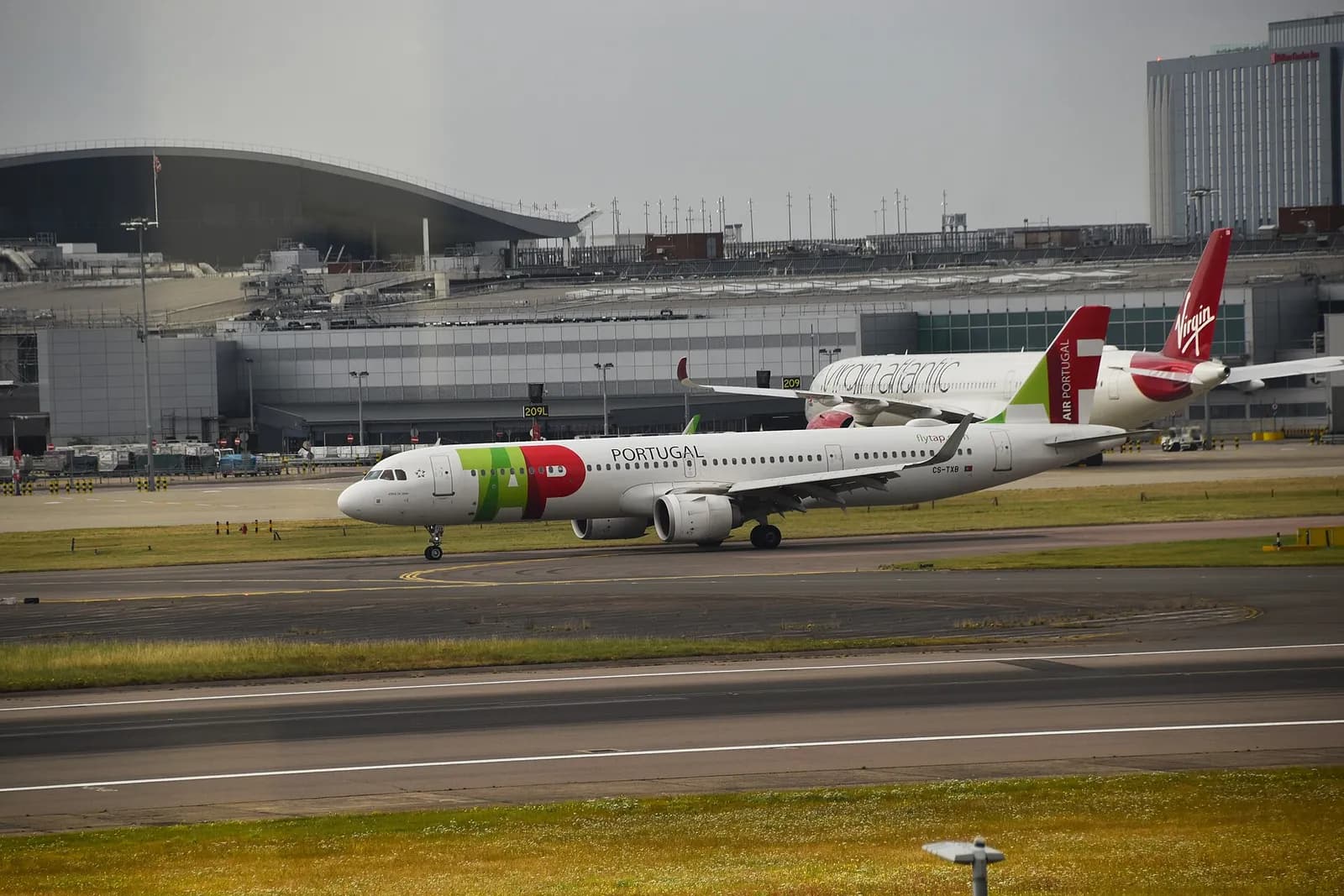
His centenary in 2019 was marked on both sides of the Atlantic. Scholars met at Santa Barbara for a colloquium on his itineraries through Portugal, Brazil and the United States, the Portuguese post office issued a stamp with his face, and the airline TAP named a new airliner after him.
Why he still matters
Sena believed Portugal undervalued him, and from America he attacked what he saw as the mediocrity and provincialism of its literary life. His letters complain that friends and publishers ignored his books. His collections of satirical essays, O Reino da Estupidez (The Kingdom of Stupidity), turn that grievance into a portrait of a closed culture.
The reputation has since caught up. Poetry International noted in 2007 that the prose-like registers which once made critics call his technique weak are what younger Portuguese poets now find attractive in him. Writing in Público in 2019, the journalist Luís Miguel Queirós called him the “indigestible giant” of Portuguese culture, with no intellectual equal since Pessoa.
His life also tracks the history of the opposition to the Estado Novo, from the MUD of 1945 to the exile press in Brazil. Ferreira argues that his life is relevant in itself to understanding contemporary Portuguese culture and the history of resistance to the regime.
FAQs
Who was Jorge de Sena?
A Portuguese poet, novelist, playwright, critic and translator, born in Lisbon on 2 November 1919. Trained as a civil engineer, he left Portugal in 1959, taught in Brazil and then in the United States, and died in Santa Barbara, California, on 4 June 1978.
Why did Jorge de Sena leave Portugal?
He opposed the Estado Novo dictatorship and was one of the civilians in the Revolta da Sé, a coup planned for March 1959 that the political police broke up. Facing likely arrest, he used an invitation to a conference in Salvador, Brazil, in August 1959 to leave. In 1962 the government ordered his arrest and barred him from Portugal until 1968.
What is Sinais de Fogo about?
Sena’s only novel, published after his death in 1979, follows a young man named Jorge in Lisbon and Figueira da Foz in 1936, as the Spanish Civil War breaks out. It is both a picture of Portuguese society under dictatorship and the story of a poet’s education. Luís Filipe Rocha filmed it in 1995.
Where is Jorge de Sena buried?
In the Prazeres cemetery in Lisbon. He was first buried in California, and his remains were brought to Lisbon and reburied on 11 September 2009 after a ceremony at the Basílica da Estrela.
Did Jorge de Sena return to Portugal after the 1974 revolution?
Only to visit. He kept his post at the University of California, Santa Barbara, came back to speak, for instance in Guarda on 10 June 1977, and died in California in 1978 before any permanent return.
On the timeline
Open the timelineNearby moments from the first republic (1910–1926).
Monarchist troops under Henrique de Paiva Couceiro proclaim the restoration of the monarchy in Porto, the so-called Monarchy of the North, and a Junta Governativa do Reino takes power across much of northern Portugal. Never sanctioned by the exiled D. Manuel II, the rising collapses on 13 February, when a republican counter-coup inside Porto restores the Republic.
Death of Francisco Marto at age 10 in Aljustrel, one of the three shepherd children who reported the apparitions of Our Lady of Fátima in 1917. He died of the Spanish Flu and was canonised by Pope Francis in 2017.
The US Navy flying boat NC-4 takes off from Trepassey, Newfoundland, on the longest leg of the first transatlantic flight, reaching Horta in the Azores some 15 hours later. After a week's wait at Ponta Delgada, it lands on the Tagus at Lisbon on 27 May, the first aircraft to fly across the Atlantic.
Jorge de Sena, poet in exile
Jorge de Sena is born in Lisbon. Poet, novelist, dramatist and essayist, he trained as a civil engineer, went into exile in Brazil in 1959 and from 1965 taught in the United States, at the universities of Wisconsin and California, leaving one of the most wide-ranging bodies of work in twentieth-century Portuguese letters.
Sophia de Mello Breyner Andresen is born in Porto. One of the most important Portuguese poets of the twentieth century, she published fourteen books of poetry between 1944 and 1997 and in 1999 became the first Portuguese woman to win the Camões Prize.
Jacinta Marto, the youngest of the three shepherd children who reported visions of the Virgin at Fátima in 1917, dies aged nine in Lisbon's Dona Estefânia hospital, weakened by the Spanish flu. Canonised in 2017, she is the youngest saint in Catholic history who did not die a martyr.
The date entered on the birth registration of Amália Rodrigues in Lisbon's Pena parish. The future queen of fado, who took the genre from Alfama taverns to the world's great stages, always celebrated her birthday on 1 July instead — 'in cherry season', she said — and some researchers believe she was in fact born earlier still.
Coming up in history
All long reads 4 November 1877The Maria Pia bridge: Eiffel's iron arch that took the railway into Porto
 5 November 1966The Hotel da Penina, Henry Cotton and the making of the Algarve, 1966
 6 November 1919Sophia de Mello Breyner Andresen, poet of the sea, born in Porto in 1919
 7 November 1933A Canção de Lisboa: the 1933 talkie that made Lisbon laugh
16 sources
Archives, scholarship and reporting this article was checked against.
- 1
Jorge de Sena (biography based on Jorge Fazenda Lourenço, O Essencial sobre Jorge de Sena)Imprensa Nacional (INCM)
- 2
Paulo Rodrigues Ferreira, “Sena, Jorge [Cândido Alves Rodrigues Telles Grilo Raposo de Abreu]”, Dicionário de Historiadores PortuguesesBiblioteca Nacional de Portugal
- 3
Miguel Queirós, “Jorge de Sena” (translated by Martin Earl), with bibliographyPoetry International
- 4
Kenneth David Jackson, “Jorge de Sena, Poet in Exile”, Santa Barbara Portuguese Studies, vol. 7 (centenary colloquium, 16 November 2019)University of California, Santa Barbara, Department of Spanish and Portuguese
- 5Restos mortais do escritor trasladados hoje para o Cemitério dos PrazeresDiário de Notícias, 11 September 2009
- 6
Jaime Conde (participant in the Revolta da Sé, 1959)Museu do Aljube: Resistência e Liberdade (EGEAC)
- 7Restos mortais do escritor em Setembro no cemitério dos PrazeresDiário de Notícias (Lusa), 12 August 2009
- 8
O Estado Novo (1933-1974)Assembleia da República
- 9
Training ships (Instrução)Museu de Marinha, Portuguese Navy
- 10
- 11Mécia de Sena, viúva do escritor Jorge de Sena, morreu aos 100 anos em Los AngelesObservador (Lusa), 28 March 2020
- 12
Lígia Bernardino, “Jorge de Sena” (translated by Rui Miguel Ribeiro), Europe Facing Europe: Poets Write Europe, 2017Instituto de Literatura Comparada Margarida Losa, University of Porto
- 13
University of California, Santa Barbara, Center for Portuguese Studies collection, 1968-1986 (UArch 134): biographical and historical noteUC Santa Barbara Library, Special Research Collections, via Online Archive of California
- 14
- 15
Cerromaior press kit: biography and filmography of Luís Filipe RochaCinemateca Portuguesa
- 16
Celebrating 100 Years of Jorge de SenaUC Santa Barbara, Division of Humanities and Fine Arts, 20 November 2019
Image credits
- The Basílica da Estrela in Lisbon, photographed in 2009. On 11 September that year the ceremony for Jorge de Sena’s return began here, before his remains were taken to the Prazeres cemetery. Concierge.2C, CC BY-SA 3.0, via Wikimedia Commons.
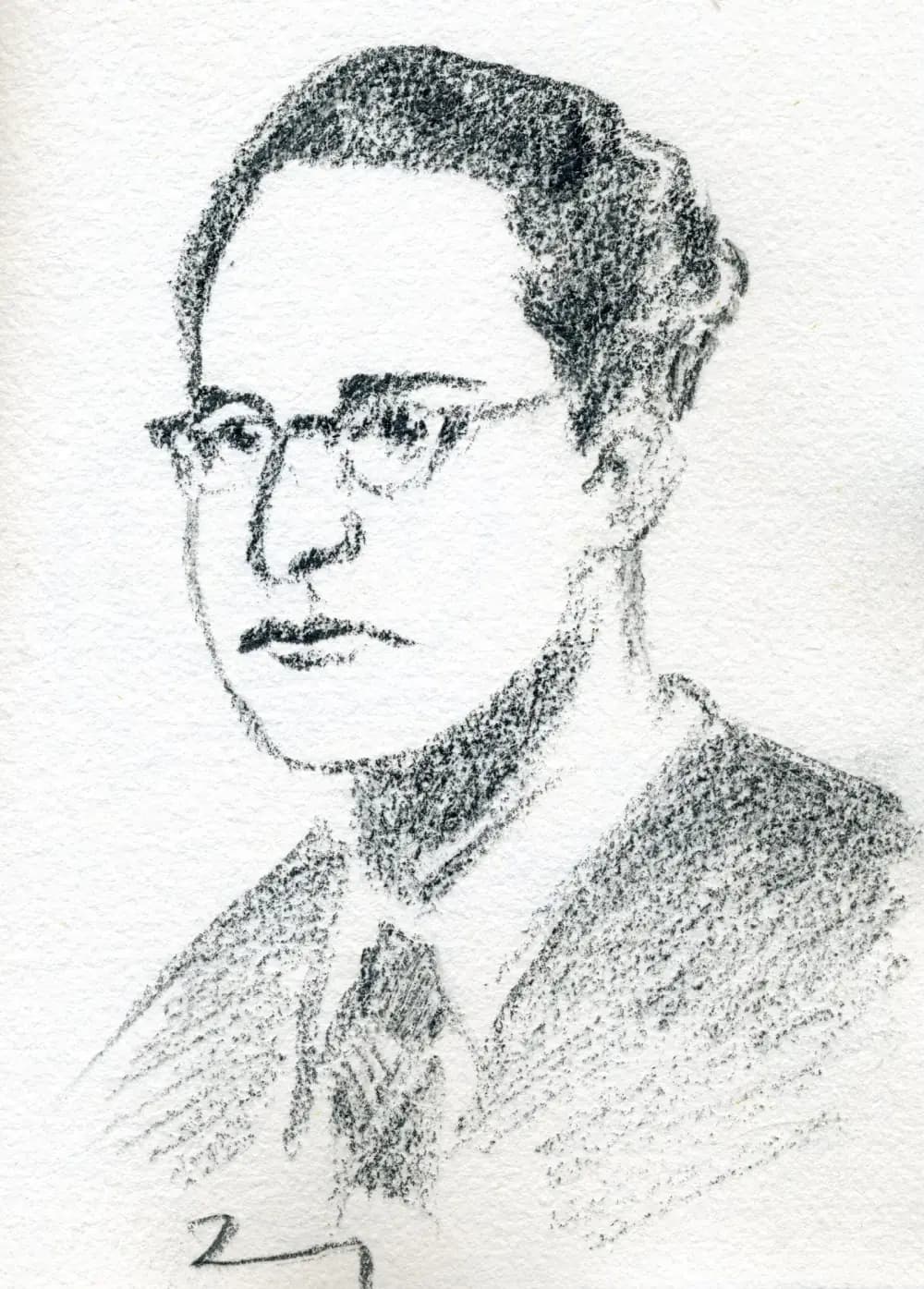
- Jorge de Sena as a young man, in a portrait drawn by Victor Couto in 2009, the year of his reburial in Lisbon. Victorcouto, Public domain, via Wikimedia Commons.
- The Rickmer Rickmers, moored as a museum ship in Hamburg in 2016. As the Portuguese training ship Sagres, it took Sena and his fellow cadets on the voyage that began in October 1937. Dietmar Rabich, CC BY-SA 4.0, via Wikimedia Commons.
- An avenue of the Prazeres cemetery in Lisbon, leading to its chapel, in July 2023. Sena’s remains were brought here from California in September 2009. tomislav medak, CC BY-SA 2.0, via Wikimedia Commons.
- TAP Air Portugal’s Airbus A321neo CS-TXB, named Jorge de Sena, at London Heathrow in September 2023 after a flight from Lisbon. Charles from Port Chester, New York, CC BY 2.0, via Wikimedia Commons.