

The Republic legalises divorce: Portugal's law of 3 November 1910
Less than a month after the monarchy fell, eight ministers signed a decree that let married couples in Portugal end their marriages. It lasted, in full, for thirty years.
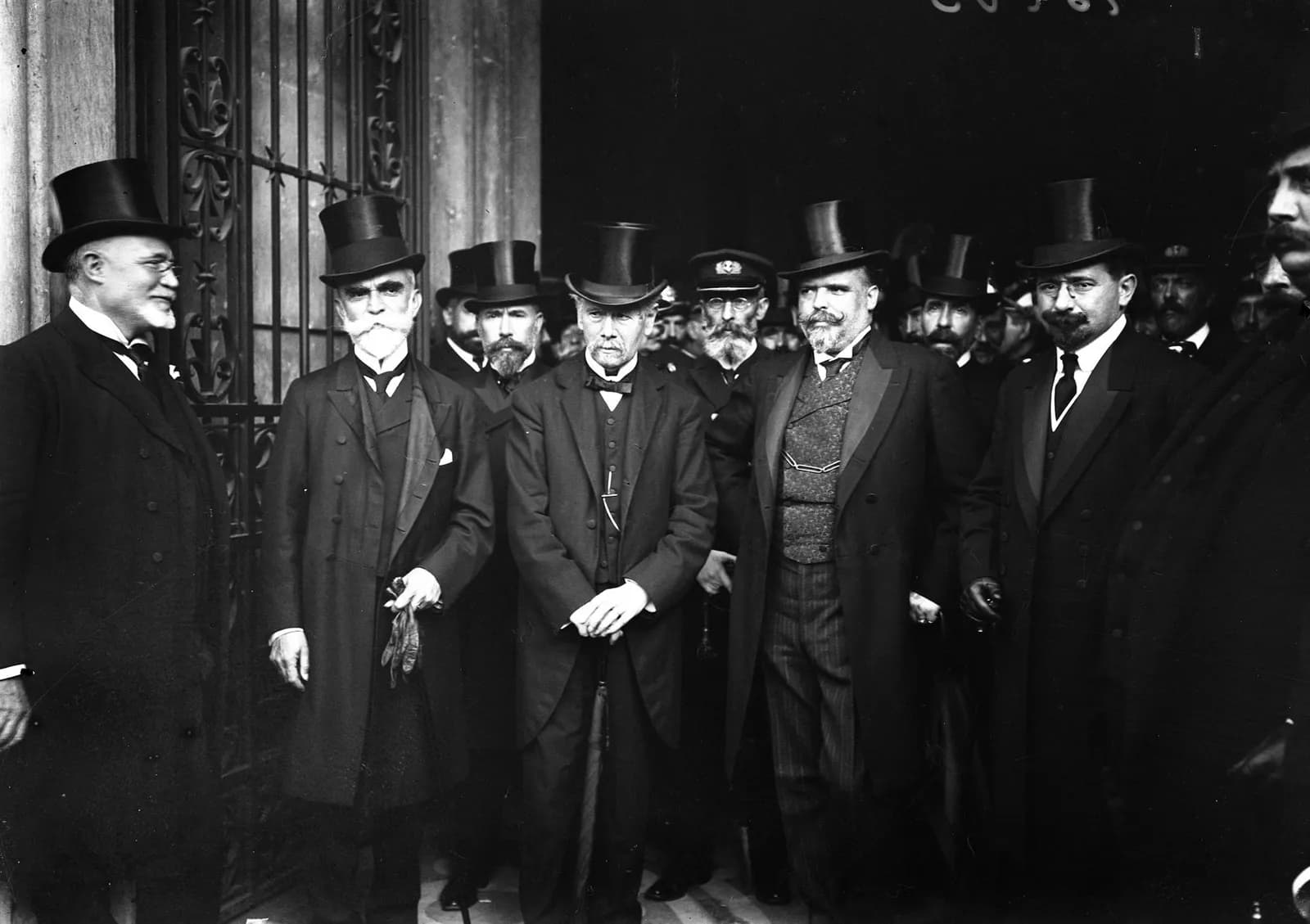
At a glance
- On 3 November 1910, four weeks after the Republic was proclaimed, the Provisional Government issued a 70-article decree that made divorce legal in Portugal for the first time.
- The law allowed divorce on ten listed grounds, from adultery and cruelty to ten years of agreed separation, and by mutual consent for couples married more than two years and both aged at least 25.
- It was drafted under Afonso Costa, Minister of Justice, without a public debate: parliament was closed and the decree was to be reviewed later by the Constituent Assembly.
- Use was modest. The census of 1 December 1911 counted 2,685 divorced people in Portugal, 1,231 men and 1,454 women, while 4,785 people were still judicially separated under the old rules.
- The Concordat of 1940 barred civil divorce for anyone married in the Catholic Church after 1 August 1940. An additional protocol signed on 15 February 1975 lifted the bar, and divorces rose from 777 in 1974 to 7,773 in 1977.
A law for fifty réis
On 4 November 1910, readers of the Diário de Notícias in Lisbon found an unusual text in their paper: the full wording of a new law, signed the day before by every member of the Provisional Government of the Republic. Before the year was out a small Lisbon press was selling it as a 32-page pamphlet, number two in a series called the Democratic Library of Legislation, for 50 réis.
Its first article was two lines long. Marriage, it said, is dissolved by the death of one of the spouses, or by divorce. In a country where marriage had been for life since the Middle Ages, the second half of that sentence was new.
“Divorce, authorised by a final judgment, has in law the same effects as dissolution by death, both as regards the persons and the property of the spouses and as regards their right to contract a new and lawful marriage.”
The Republic was 29 days old. It had no constitution, no elected parliament and no recognition from Britain or France. It did have a Minister of Justice, Afonso Costa, who was in a hurry.
Marriage before the Republic
Under the monarchy, Portuguese marriage law was the Civil Code of 1867, known after its author as the Seabra Code. It defined marriage as a “perpetual contract” between a man and a woman. Catholics married in church and others could marry before a civil official, but neither marriage could be undone except by death.
The only way out was a judicial separation of persons and property, which let a couple live apart but forbade either to remarry. The code allowed it on four grounds: the wife's adultery; the husband's adultery, but only if it caused public scandal, left the wife destitute or involved a mistress kept in the marital home; a life sentence; and cruelty or grave insult. A pro-divorce deputy counted 2,482 judicially separated people in Portugal on 1 December 1900.
That deputy, Duarte de Roboredo Sampaio e Melo of the Progressive Party, put a five-article divorce bill to the Chamber of Deputies on 1 March 1900. A priest-deputy, António dos Santos Viegas, called it a calamity and echoed the Gospel: “No one can separate what God has joined” (in translation). The committee never reported on the bill, and Sampaio e Melo renewed it in vain in 1908 and 1909.
Divorce was not even in the Republican Party's programme. It had been argued for in a few books and in law faculties that followed French debates; France itself had abolished divorce in 1816 and brought it back only in 1884. In 1910 Luís de Mesquita published a complete draft divorce law, and it was this text, rather than Sampaio e Melo's bill, that the Republic's lawmakers took up.
A month of decrees
The Republic was proclaimed in Lisbon on 5 October 1910 and the Provisional Government, led by Teófilo Braga, ruled by decree until a Constituent Assembly was elected in May 1911. In its first month it abolished titles of nobility, the House of Peers and the Council of State, and banished the Bragança family.
A second stream of decrees aimed at the Catholic Church. On 8 October the government declared still in force the laws of 1759, 1767 and 1834 that had expelled the Jesuits and closed the convents. On 12 October the religious holidays were replaced by civic ones, on 18 October religious oaths were removed from civil acts, and on 22 October Christian doctrine was dropped from primary schools.
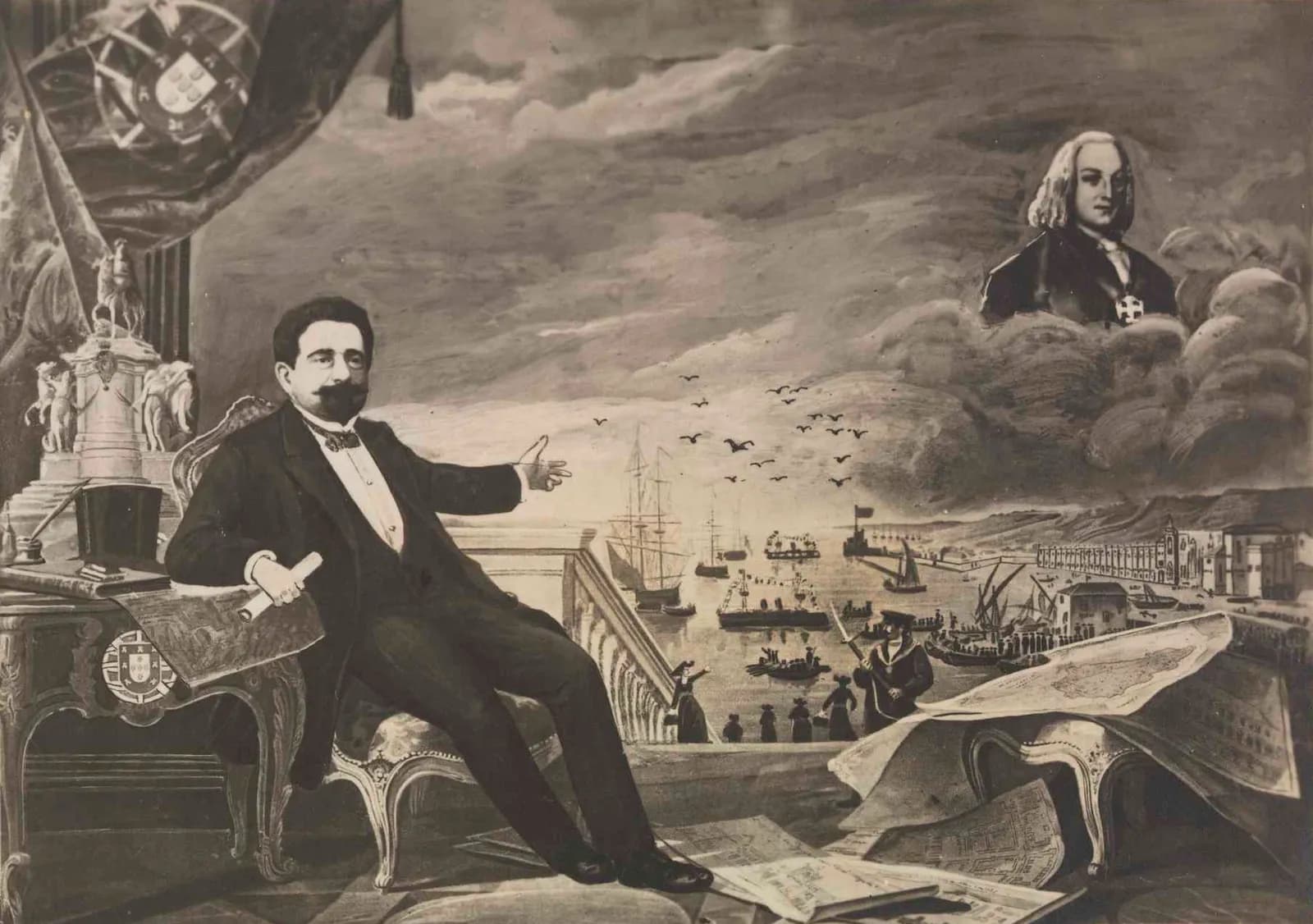
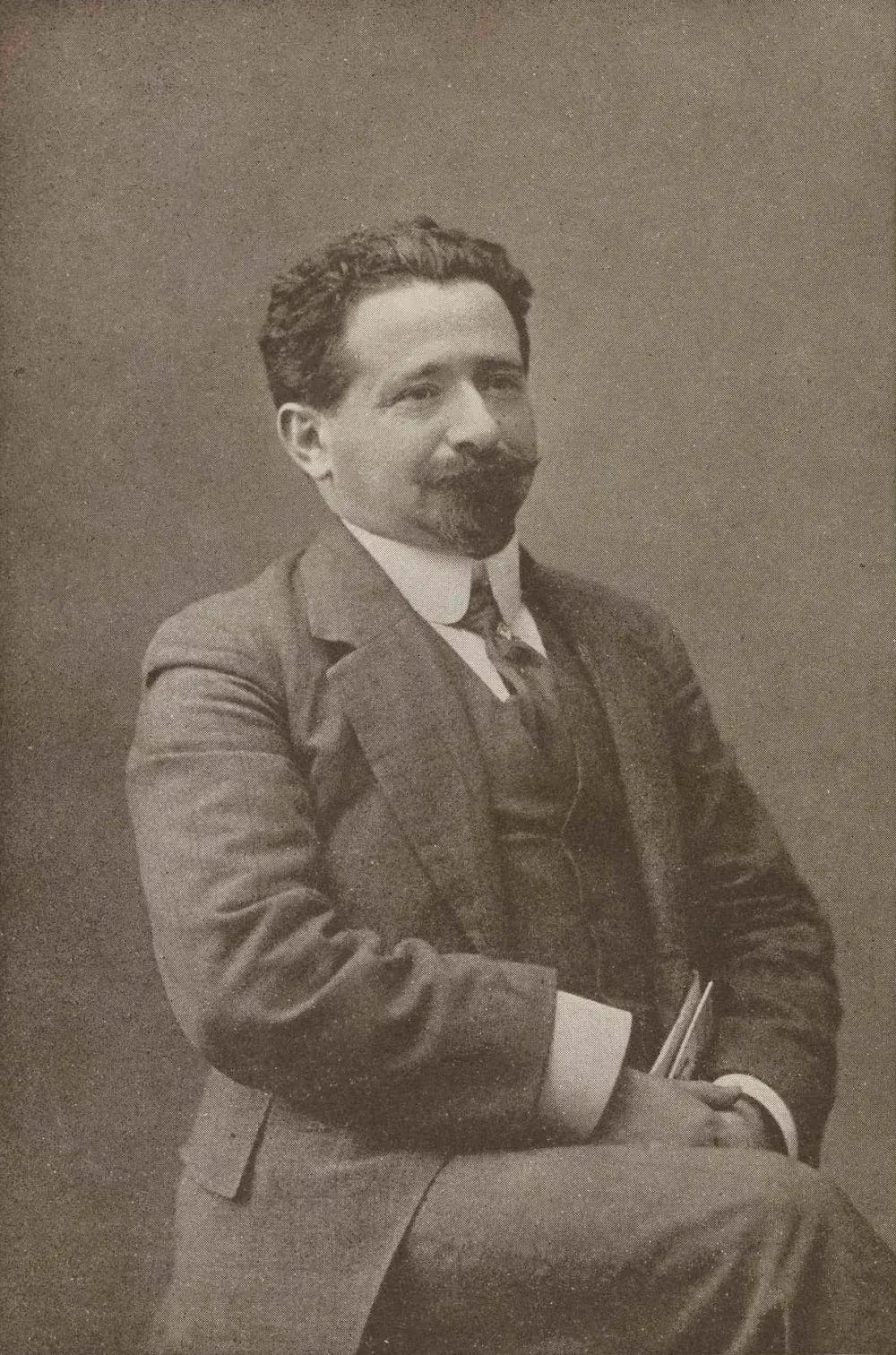
Afonso Costa, Minister of Justice and Worship, drove the measures aimed at the Church. He was a professor of law, first at Coimbra and later in Lisbon, and the leader of the republicans' radical wing. With Mesquita's draft in hand, his ministry could produce a carefully written 70-article law in under a month.
There was no public debate. Parliament was closed, and the decree itself said it would be submitted to the next Constituent Assembly and folded into a reform of the civil codes. A free-thought congress in Lisbon on 14 and 15 October had heard a proposal to telegraph the minister urging the law, and the daily O Século claimed that 600 separated couples in the capital were being held in marriage only by the law.
What the law allowed
- Date
- Decree with force of law of 3 November 1910, printed in the press on 4 November
- Issued by
- The Provisional Government of the Portuguese Republic
- Signed by
- Teófilo Braga, António José de Almeida, Afonso Costa, José Relvas, António Xavier Correia Barreto, Amaro de Azevedo Gomes, Bernardino Machado, António Luís Gomes
- Length
- 70 articles in six chapters
- Kinds of divorce
- Contested (asked for by one spouse) and by mutual consent (asked for by both)
- In force
- Until the Civil Code of 1966, restricted by the Concordat from 1940
A contested divorce, asked for by one spouse against the other, needed one of ten grounds listed in article 4. The first four were the old grounds for separation, made wider. The other six were new.
| Civil Code of 1867 (separation only) | Decree of 3 November 1910 (divorce) |
|---|---|
| Adultery of the wife | Adultery of the wife |
| Adultery of the husband, only with public scandal, desertion of the wife or a mistress kept at home | Adultery of the husband, on the same terms as the wife's |
| Life sentence | Final sentence to one of the heavy fixed penalties of the Penal Code |
| Cruelty and grave insult | Cruelty or grave insult |
| No equivalent | Complete abandonment of the marital home for at least three years |
| No equivalent | Absence without news for at least four years |
| No equivalent | Incurable insanity, three years after a court declared it |
| No equivalent | De facto separation, freely agreed, for ten consecutive years |
| No equivalent | Inveterate addiction to gambling |
| No equivalent | A contagious disease recognised as incurable, or an incurable disease involving sexual aberration |
Wording condensed and translated from article 1204 of the 1867 code and article 4 of the 1910 decree.
Divorce by mutual consent was open to couples married for more than two years, if both were at least 25. They petitioned their local judge with a list of their property and an agreement on the children, appeared in person before two witnesses, and received a provisional divorce for one year. If neither changed their mind, the judge then pronounced the divorce final.
That was bold for its time. The Assembleia da República's history page, citing Anália Cardoso Torres's study of divorce in Portugal, calls Portugal the second country in Europe, after Norway, to allow divorce by mutual consent. The ranking needs a caveat. Napoleon's Civil Code of 1804 had already allowed it, under strict conditions.
France abolished divorce altogether in 1816, and its law of 1884, which took eight years to pass, brought back contested divorce only. Belgium kept the 1804 code, and divorce by mutual consent is still part of Belgian law.
The law also changed the criminal code. A husband's adultery was to be “equal, in character and gravity, to the wife's”, where before a wife could be jailed for two to eight years and a husband fined. Couples already legally separated could turn their separation into a divorce, and no marriage contract, will or gift could forbid a spouse to divorce or penalise one who did.
Equality had limits. During the provisional year of a mutual-consent divorce the husband kept control of the couple's property. In most cases a divorced woman had to wait a full year before remarrying, a man only six months, and women still could not vote.
Seven weeks later came the rest of the package, two family laws dated 25 December 1910. The first made marriage “purely civil”, valid only if celebrated before a registrar, and declared that the conjugal partnership rested on “liberty and equality”, dropping the old code's wording that the wife owed her husband obedience. The second protected children. The Law of Separation of Church and State followed on 20 April 1911.
Who divorced
There was no rush to the courts. The census of 1 December 1911 counted 2,685 divorced people in Portugal, 1,231 men and 1,454 women, while 4,785 were still judicially separated. The legal historian António Menezes Cordeiro, citing the historian Rui Ramos, gives 2,658, probably the same census figure with two digits swapped.
Ramos and Cordeiro describe the first divorcees as middle-class couples whose marriages had already ended in practice. Divorce cost money and, Cordeiro notes, it usually needed women with paid work or means of their own. Court files from Porto, below, suggest a broader mix.
The historian Sandra Costa studied the 135 divorce cases that survive from the Porto district court between 1911 and 1934: 126 contested and only nine by mutual consent. The files are a sample, about 5.6 per cent of the divorces registered in the district in 1915 to 1925 and 1929 to 1934.
| Period | Filed by the husband | Filed by the wife |
|---|---|---|
| 1911 to 1925 | 48 | 47 |
| 1926 to 1934 | 9 | 22 |
| Total | 57 | 69 |
Totals are the sum of the two periods. Surviving files of the Porto district court only, not all divorces in the district.
Wives mostly asked for divorce on the ground of cruelty or grave insult, used in 68.1 per cent of their petitions. The husband's adultery came up often, but usually alongside other grounds, and for good reason. Judges found a wife's adultery unproven in 14.3 per cent of cases and a husband's in 36.4 per cent, despite the law's promise of equal treatment.
Divorce in Porto was urban and young. About two-thirds of the spouses lived in the city itself, half the divorced women had married between the ages of 16 and 20, and the marriages lasted ten years on average before they ended in court. It was not only a middle-class affair: most of the women who filed were listed as housewives, and Costa judged about half of all the divorced women to be outside the middle and upper classes.
The Concordat of 1940
The divorce law survived the fall of the First Republic in 1926 and carried on into the Estado Novo, the authoritarian regime of António de Oliveira Salazar. What changed it was a treaty with the Vatican.
The Concordat between the Holy See and Portugal, signed on 7 May 1940, gave civil effect to Catholic church weddings once they were entered in the civil register. Article XXIV dealt with what happened next.
“In harmony with the essential properties of Catholic marriage, it is understood that, by the very fact of celebrating a canonical marriage, the spouses renounce the civil right to seek divorce, which therefore cannot be applied by the civil courts to Catholic marriages.”
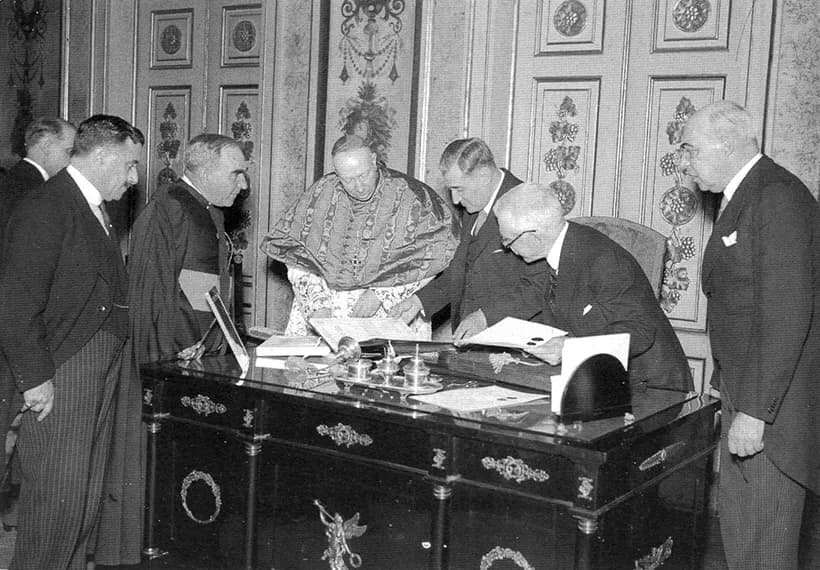
A decree of 25 July 1940 wrote the rule into Portuguese law. Couples married in church before the cut-off date could still divorce under the 1910 law, but anyone married canonically after 1 August 1940 could not. The 1910 rule against renouncing divorce in a marriage contract had been turned on its head: the act of marrying in church was now itself the renunciation.
The 1910 decree stayed in force for civil marriages until the Civil Code of 1966, which kept the same exclusion for Catholic marriages after 1 August 1940. Couples in a church marriage could seek only a legal separation. By 1960 Portugal recorded 749 divorces a year, and in 1970 just 509.
1974 and 1975: the door reopens
The Carnation Revolution of 25 April 1974 ended the Estado Novo. By the summer a Movimento Nacional Pró-Divórcio was campaigning, and on 6 July 1974 it rallied near the Belém Palace, the presidential residence, where a delegation handed in a petition headed “The signatories want divorce”, asking for the Concordat's divorce clause to go.
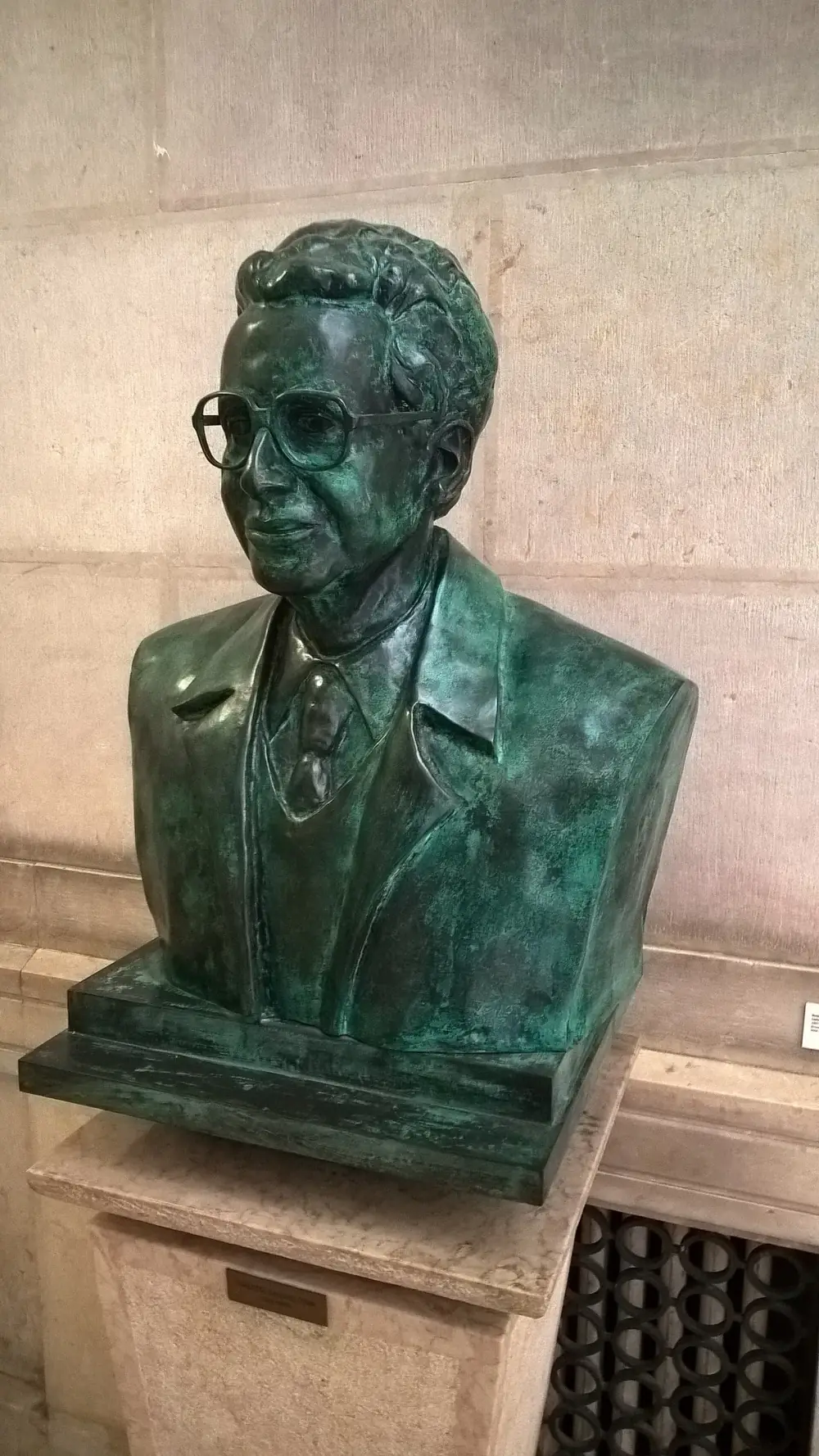
The provisional governments chose to negotiate with the Vatican rather than break the treaty. On 15 February 1975 the Minister of Justice, Francisco Salgado Zenha, and the Vatican Secretary of State, Cardinal Jean Villot, signed an Additional Protocol in the Vatican that rewrote Article XXIV. Catholic spouses now took on, before the Church, a duty to abide by canon law and respect the essential properties of marriage, and the Holy See reminded them of their grave duty not to seek a civil divorce. The State no longer enforced it.
Decree-Law 261/75 of 27 May 1975 then opened civil divorce to everyone married in church, added new grounds such as five years of de facto separation, and allowed direct divorce by mutual consent again. Its preamble noted that the old rule, which left the dissolution of a Catholic marriage to canon law alone, had been much criticised, and set out that the effects of every marriage, however it was celebrated, would now be governed by the law of the State.
Divorces in Portugal, 1968 to 1982
divorces per year
Annual divorces from PORDATA, compiled from INE and Ministry of Justice statistics. The Concordat was revised in February 1975 and Decree-Law 261/75 is dated 27 May, so the jump shows in 1976 and 1977.
Show the data
| Divorces registered | |
|---|---|
| 1968 | 743 |
| 1969 | 501 |
| 1970 | 509 |
| 1971 | 542 |
| 1972 | 616 |
| 1973 | 604 |
| 1974 | 777 |
| 1975 | 1,552 |
| 1976 | 4,875 |
| 1977 | 7,773 |
| 1978 | 7,043 |
| 1979 | 5,939 |
| 1980 | 5,843 |
| 1981 | 6,827 |
| 1982 | 6,770 |
The backlog cleared quickly. Divorces doubled in 1975 and reached 7,773 in 1977, ten times the 1974 figure, before settling at between about 5,800 and 6,800 a year from 1979 to 1982.
From 1910 to today
Later reforms went further than the Republic had. In 1977 the Civil Code was rewritten to match the new democratic constitution, replacing the list of grounds with a general test of serious breach of marital duties. A law of 1998 removed any minimum length of marriage for mutual-consent divorce, and from 2001 such divorces could be handled at a civil registry office instead of a court.
Law 61/2008 removed the idea of a guilty spouse. Today one partner can obtain a divorce without the other's consent after a year of de facto separation, or on any facts that show the marriage has irretrievably broken down.
1867
Seabra Civil Code
Marriage is a perpetual contract; only judicial separation is possible.
1 March 1900
Sampaio e Melo's divorce bill
Presented to the Chamber of Deputies; never voted on.
3 November 1910
Divorce law
Contested divorce on ten grounds, and divorce by mutual consent.
25 December 1910
Family laws
Marriage becomes a purely civil contract.
7 May 1940
Concordat with the Holy See
No civil divorce for Catholic marriages celebrated after 1 August 1940.
1966
New Civil Code
Replaces the 1910 decree and keeps the Concordat exclusion.
15 February 1975
Additional Protocol
Article XXIV rewritten; the State stops enforcing the ban.
27 May 1975
Decree-Law 261/75
Civil divorce opened to couples married in church.
1977
Civil Code reform
Grounds replaced by a general test of breach of marital duties.
31 October 2008
Law 61/2008
Divorce without a guilty party.
Religious practice changed too. Catholic weddings made up 68.8 per cent of all marriages in 1995 and 43.1 per cent in 2009. Divorces passed 27,000 a year in 2002 and again in 2010, and have fallen since, to a provisional 15,743 in 2024.
The 1910 law still divides opinion about the First Republic. To admirers it gave wives and husbands the same grounds for ending a marriage and made Portugal an early adopter of divorce by mutual consent. To critics it was imposed by an unelected government on a country that had not asked for it. Either way, once the Concordat had split married couples into two classes in 1940, it took thirty-five years and a second revolution before all of them again had the same right to divorce.
FAQs
When did divorce become legal in Portugal?
Divorce became legal by a decree of the Provisional Government of the Republic dated 3 November 1910, less than a month after the Republic was proclaimed. Before that, Portuguese law allowed only judicial separation, which did not let either spouse remarry.
Did the 1910 law allow divorce by mutual consent?
Yes. Couples married for more than two years, both aged at least 25, could divorce by mutual consent after a one-year provisional divorce. Other couples needed one of ten grounds, including adultery, cruelty, three years' abandonment or ten years' agreed separation.
Why could Catholics in Portugal not divorce between 1940 and 1975?
Article XXIV of the Concordat signed with the Holy See on 7 May 1940 said that spouses who married in the Catholic Church renounced the civil right to divorce. Civil courts could not divorce anyone married canonically after 1 August 1940. An additional protocol of 15 February 1975 and Decree-Law 261/75 ended the restriction.
How many people divorced after the 1910 law?
Not many at first. The census of 1 December 1911 counted 2,685 divorced people in Portugal; a figure of 2,658, cited by the historian Rui Ramos, appears to be the same count with two digits swapped. National annual series that are easy to consult start later: PORDATA records 749 divorces in 1960, 777 in 1974 and 7,773 in 1977, after the Concordat was revised.
Who was Afonso Costa?
Afonso Costa was a law professor and republican leader who served as Minister of Justice and Worship in the Provisional Government of 1910 and 1911. He drove its secularising laws, including the divorce decree, the civil marriage laws of December 1910 and the Law of Separation of Church and State of 20 April 1911.
On the timeline
Open the timelineNearby moments from the first republic (1910–1926).
After a day and a half of fighting in Lisbon, the Republic is proclaimed from the balcony of the Câmara Municipal by José Relvas on the morning of 5 October, ending nearly eight centuries of monarchy. A provisional government under Teófilo Braga takes office, and 5 October becomes a national holiday.
Three days after the proclamation of the Republic, the Justice Minister Afonso Costa revives Pombal's laws expelling the Jesuits and the 1834 law abolishing the religious orders. All Jesuits, whatever their nationality, are ordered out of the country, their property passes to the state, and the goods of other religious houses are inventoried and sealed.
The provisional government decrees a new press law, replacing João Franco's repressive press laws of 1907 and restoring freedom of the press, though restrictive legislation would return within a few years.
The divorce law of 1910
Less than a month after the proclamation of the Republic, a decree of the Provisional Government legalises divorce in Portugal, including by mutual consent — one of the first secularising reforms driven by the Minister of Justice, Afonso Costa.
Two months after the fall of the monarchy, the Republic presents its new green-and-red flag to the nation on the 270th anniversary of the Restoration, declared 'Flag Day'. In Lisbon, despite torrential rain, army cadets mount a guard of honour over it at City Hall and a long procession files down the Avenida da Liberdade and around the Restauradores monument, where the new flag has been raised, amid fierce debate from those who wanted to keep the old blue and white.
The young Republic founds the University of Porto, built on the city's Polytechnic Academy and Medical-Surgical School, with the mathematician Francisco Gomes Teixeira as first rector. It has grown into one of the country's largest universities.
The Provisional Government of the Portuguese Republic decrees the Law of Separation of Church and State, drafted by Afonso Costa — one of the most sweeping anticlerical measures in Europe, nationalising church property and ending the state religion.
Coming up in history
All long reads 5 November 1966The Hotel da Penina, Henry Cotton and the making of the Algarve, 1966
 6 November 1919Sophia de Mello Breyner Andresen, poet of the sea, born in Porto in 1919
 7 November 1933A Canção de Lisboa: the 1933 talkie that made Lisbon laugh
 8 November 1822Pirajá, 8 November 1822: the battle for Salvador da Bahia
15 sources
Archives, scholarship and reporting this article was checked against.
- 1
Lei do divórcio: approvada por dec. de 3 de Novembro de 1910 (Bibliotheca Democratica de Legislação, n.º 2)Biblioteca Nacional de Portugal, Biblioteca Nacional Digital
- 2
Divórcio e casamento na I República: questões fraturantes como arma de conquista e de manutenção do poder pessoal?, by António Menezes CordeiroOrdem dos Advogados
- 3
Representações da mulher nos divórcios da comarca do Porto (1911-1934), by Sandra CostaFaculdade de Letras da Universidade do Porto, in Não nos deixemos petrificar: reflexões no centenário do nascimento de Victor de Sá
- 4
Censo da população de Portugal no 1.º de dezembro de 1911 (5.º recenseamento geral da população), parte IDirecção Geral de Estatística, Imprensa Nacional, Lisbon, 1913 (digitised by the Internet Archive)
- 5
Concordata entre a Santa Sé e a República Portuguesa (7 May 1940)Holy See, Secretariat of State archive
- 6
Decreto n.º 187/75: approves for ratification the Additional Protocol to the Concordat of 7 May 1940, signed in the Vatican on 15 February 1975Diário da República
- 7
- 8
Divórcios (Portugal, 1960 onwards)PORDATA, from INE and DGPJ/Ministério da Justiça data
- 9
“Uma simples separação de corpos onde há uma separação de almas” (1910)Assembleia da República
- 10
O debate sobre o divórcio no Parlamento (1900)Assembleia da República, revista Comunicar
- 11
Para lá do anticlericalismo: a separação das igrejas do Estado como embate cultural (Sérgio Ribeiro Pinto)Centro de Estudos de História Religiosa, Universidade Católica Portuguesa
- 12
Proposition de loi modifiant l'article 276 du Code civil (DOC 51 0680/001)Chambre des représentants de Belgique
- 13
Documento do mês: junho, julho, agostoCentro de Documentação 25 de Abril, Universidade de Coimbra
- 14
- 15
Image credits
- Bernardino Machado, Teófilo Braga, António José de Almeida and Afonso Costa of the Provisional Government after a session in honour of the dead of the revolution, 16 October 1910. Eighteen days later all four signed the divorce decree. Alberto Carlos Lima, Public domain, via Wikimedia Commons.
- “The expulsion of the Jesuits on 10 October 1910”, a satirical postcard of 1910. Afonso Costa points to departing ships, posed like a well-known portrait of the Marquis of Pombal, who expelled the Jesuits in 1759. A figure resembling Pombal looks on from the clouds. Unknown author, Public domain, via Wikimedia Commons.
- Afonso Costa, Minister of Justice in the Provisional Government, in a portrait photograph from about the 1910s. Unknown author, Public domain, via Wikimedia Commons.
- Salazar and the Apostolic Nuncio, Archbishop Pietro Ciriaci, at the ratification of the Concordat in the Necessidades Palace, Lisbon, on 1 June 1940. Unknown author, Public domain, via Wikimedia Commons.
- Bust of Francisco Salgado Zenha by Carla Gonçalves (1997) in the main entrance hall of the Palácio de São Bento, Lisbon. As Minister of Justice he signed the 1975 protocol that reopened civil divorce to Catholic marriages. GualdimG, CC BY-SA 4.0, via Wikimedia Commons.