Transport, utilities, and digital services.
Access routes to the Torre at Serra da Estrela remain closed after fresh snowfall, with local authorities reporting road blockages early Saturday. The regional Comando Sub-regional and Civil Protection (Proteção Civil) sources told Lusa that closures are in place while teams clear and assess routes. Those planning a weekend in the snow should postpone travel or check local updates before driving into mountain areas.
Update: Observador and RTP report that access routes to the Torre were reopened at about 10:30 after clearing operations, though some outlets earlier described continued closures — authorities say teams are still assessing local conditions.
Serra da Estrela (the Estrela mountain range) is Portugal’s highest mountain range in central Portugal, with its highest point, Torre, at 1,993 metres. It’s a protected natural area and popular for hiking and winter sports; winter storms and snow can close roads across the massif, so expats travelling there in winter should check conditions and expect possible closures or the need for winter equipment.
Civil protection (Proteção Civil) is the national system that coordinates prevention, response and recovery for disasters and emergencies in Portugal; the Autoridade Nacional de Emergência e Proteção Civil (ANEPC) oversees planning, warnings and coordination with fire brigades, police and municipal services. In weather events—such as snow or road closures around Serra da Estrela—Proteção Civil issues safety advisories, may close access routes and coordinates rescue and relief efforts, so people in affected areas should follow official guidance and call 112 for emergencies.
Emergency associations argue that a single command structure in the Civil Protection law would centralise decision‑making during major incidents, reducing confusion between municipal, regional and national responders and improving the speed and efficiency of operations. They say this clearer hierarchy would help volunteers and professional services coordinate on the front line, which is why they want that change included before the health framework law is finalised.

RTP (Rádio e Televisão de Portugal) is Portugal's state-owned public service broadcaster, operating since 1935 (radio) and 1957 (television). It runs 8 television channels (including RTP1, RTP2, RTP3) and 7 radio stations (Antena 1, 2, 3), plus international services reaching Portuguese diaspora worldwide. Funded by a broadcasting tax on electricity bills and advertising revenue, RTP serves as Portugal's cultural reference, providing quality news, education, and entertainment. Its archive represents "irreplaceable heritage in Portuguese collective memory", and it pioneered online streaming with RTP Play in 2011. RTP connects "Portugal and the Portuguese to themselves, to each other, and to the world"

The Associação Portuguesa de Transportadores em Automóveis Descaracterizados (APTAD) has expressed solidarity with TVDE drivers planning a protest next week, criticising declining driver incomes. The association says TVDE drivers' earnings are insufficient and have steadily worsened; drivers have discussed a planned “desliga” (platform logout) action. Riders and passengers should expect possible service disruption if drivers proceed with the protest.
TVDE refers to app‑based private‑hire ride services; the acronym stands for Transporte em Veículos Descaracterizados a partir de Plataforma Eletrónica and covers drivers working for platforms like Uber and Bolt. Drivers are using temporary app shutdowns as a protest over what they say is inadequate regulation and working conditions, so commuters who rely on ride‑hailing during peak hours should expect possible service disruptions next week.
The Associação Portuguesa de Transportadores em Automóveis Descaracterizados (Portuguese Association of Transporters in Unmarked Vehicles) is an association that represents drivers who work in TVDE services (ride‑hailing platforms such as Uber and Bolt). It commonly organises negotiations and protests on behalf of drivers, so travellers and platform workers should watch its announcements because they can affect service availability and regulatory discussions.

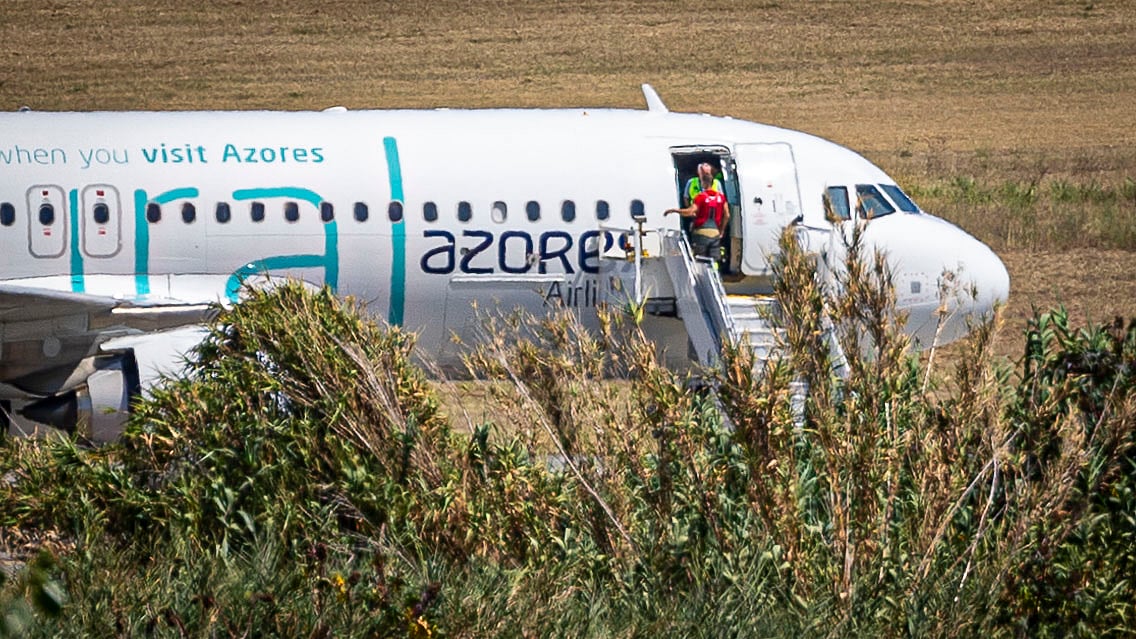
A consortium that includes an Iberia company has been selected to take over ground handling (aircraft and ramp services) at Lisbon, Porto and Faro airports, replacing Menzies. The selection panel confirmed the consortium's win, which will affect ground‑operations contracts, staffing and service providers at the three hubs. Travellers should monitor carrier communications for any handling-related changes; airport staff and unions may be affected by contract transitions.
Ground handling covers the on-the-ground services airlines need at airports — check‑in, baggage handling, aircraft turnaround services (refuelling, cleaning), passenger boarding assistance and cargo handling. Ground‑handling licences determine which companies provide these services at airports like Lisbon, Porto and Faro, so tender outcomes affect service quality, potential delays, staff jobs and airline costs.

ANA | VINCI Airports has delivered the first environmental report for the planned Luís de Camões Airport to the Portuguese government, meeting the timetable set in the concession contract and moving the long permitting process forward. Multiple outlets say the submission is a formal milestone rather than final approval: further technical reviews and licences remain before construction can start. Those tracking transport projects or property near the proposed site should note the project is advancing but not yet authorised.
ANA is the company that operates and manages most of Portugal’s major airports; its formal name is ANA — Aeroportos de Portugal (Airports of Portugal), and it is run under a long-term concession by VINCI Airports. ANA handles planning, infrastructure and regulatory steps — for example, it delivered the first environmental report in the licensing process for the proposed Luís de Camões Airport, a key procedural milestone for that project.
Luís de Camões Airport is a proposed new airport project in Portugal, named after the national poet, currently going through environmental and licensing assessments. The operator (ANA) submitted the first environmental report as part of the concession timetable in early 2026, so the project is still in the planning and approval stage rather than in construction.

Final jury reports upheld the victory of a Spanish consortium (reported variously as including Iberia's handling arm and Clece/South Spain teams) in the public tender to operate ground‑handling at Lisbon, Porto and Faro airports, while the incumbent SPdH/Menzies signals it will appeal. Coverage highlights the award decision and confirms the administrative record supports the jury's choice, but two outlets emphasise different lead partners in the winning bid. Travellers and airport workers should watch for possible legal challenges and operational changes if carriers switch providers.
Ground handling covers the on-the-ground services airlines need at airports — check‑in, baggage handling, aircraft turnaround services (refuelling, cleaning), passenger boarding assistance and cargo handling. Ground‑handling licences determine which companies provide these services at airports like Lisbon, Porto and Faro, so tender outcomes affect service quality, potential delays, staff jobs and airline costs.

The government says works on the Évora–border with Spain railway are complete and the largest substation for the overhead line is operational, but regular passenger services will only start at the end of this year or in early 2027. Officials described the milestone as historic while warning that operational and timetable readiness remain to be finalised. Cross‑border travellers and regional commuters should not expect trains to run until official timetables are released later in the year.

The official gov.pt app now allows users to request replacement documents and manage dependants' cards, widening online access to common citizen services. RTP reports the update aims to simplify routine bureaucracy by moving some 2.ª via (replacement documents) procedures to mobile. Residents who need a replacement ID or must update dependants' paperwork should check the app and their local services for eligibility and required documents.
gov.pt is the Portuguese government’s official web portal and central access point for public services, official announcements and online forms. Residents and expats use it to find information on taxes, social security, visas, permits and to access e‑government services or links to ministry sites and public consultations.

RTP (Rádio e Televisão de Portugal) is Portugal's state-owned public service broadcaster, operating since 1935 (radio) and 1957 (television). It runs 8 television channels (including RTP1, RTP2, RTP3) and 7 radio stations (Antena 1, 2, 3), plus international services reaching Portuguese diaspora worldwide. Funded by a broadcasting tax on electricity bills and advertising revenue, RTP serves as Portugal's cultural reference, providing quality news, education, and entertainment. Its archive represents "irreplaceable heritage in Portuguese collective memory", and it pioneered online streaming with RTP Play in 2011. RTP connects "Portugal and the Portuguese to themselves, to each other, and to the world"

The president of the Development Bank said Portugal will bolster its bid for an EU competition to site an Artificial Intelligence 'gigafactory' in Sines, including by increasing planned investment to improve chances of winning the project. Officials argue the move would create jobs and high‑tech capacity if selected, though competition across EU member states remains strong. Local authorities and potential investors should watch for further funding details and EU timelines.
An AI gigafactory is a very large industrial facility focused on producing hardware and infrastructure for artificial intelligence—such as specialised chips, accelerators or large‑scale data‑centre components—at industrial scale to meet rising demand. Portugal’s bid for an AI gigafactory in Sines aims to attract EU investment, create jobs and strengthen local supply chains; if successful it would bring major industrial investment to the region, so residents and investors in Sines should follow the competition run by the European Commission.

On Wednesday 14 January the European Commission approved the plan for Portugal to access €5.8 billion in favourable loans to invest in defence capabilities, making it one of eight countries to receive preliminary approval — alongside Romania, Belgium, Bulgaria, Cyprus, Denmark, Spain and Croatia — as part of ...

Patrícia Barão, the new head of the largest association of estate agents, praises the Government's measures but says they were “poorly communicated”. She calls for changes to the law to give landlords more “confidence”.

The warning is in force until 09:00 on Sunday, after which it will be downgraded to a yellow warning until 18:00.


Railways Explained •

On the day of the presidential election, with a second round all but certain, Portuguese voters are already thinking about who to vote for on 8 February. But with wet weather forecast, which tyres should they fit to avoid problems?

Locating a high-speed rail station in Barreiro should be viewed not as a political concession but as a strategic, evidence-led decision in national spatial planning. A station there would strengthen public transport links across the Tagus, rebalance regional development, integrate the south bank into the Alta Velocidade network and deliver long‑term economic and mobility benefits that align with coherent infrastructure and urban‑planning objectives.

Seixal has moved to secure legal assistance for residents and businesses affected by recent power cuts that have damaged households, disrupted economic activity and impaired essential services. The municipality’s intervention aims to help affected parties understand consumer and utility law, gather evidence of losses and pursue claims or compensation, while scrutinising the responsibilities of suppliers and the adequacy of emergency responses.

Lufthansa is reportedly interested in operating or expanding services on routes currently served by Portugal's TAP Air Portugal across South America, exploring opportunities arising from network changes or market openings.

Eighteen emergency responders were at the scene, supported by seven vehicles.

The Minister of the Environment stressed on Saturday that the Special Programme for the Alqueva and Pedrógão Reservoirs (PEAAP), which will be drawn up, will make it possible to adapt environmental and water protection to current realities alongside the different economic uses. This programme “aims to ensure precisely that the Alqueva project continues, increasingly, to be a ...”

The Environment Minister emphasised on Saturday that the Special Programme for the Alqueva and Pedrógão Reservoirs (PEAAP), to be drawn up, will make it possible to adapt environmental and water protection to current conditions while accommodating different economic uses.