Latest news and stories about healthcare in infrastructure in Portugal for expats and residents.
The heliport has become the 'strategic point' for emergency air transport in the Lisbon region and is the most used among the country's hospital units.

Initially, disruptions were expected across eight night-time shifts.

Response to cardiorespiratory arrest situations has been strengthened.

Portugal has already received the green light from the European Commission and will launch by April the first tender for so-called “critical infrastructure resilience” covering hospitals, airports and telecommunications-related buildings. The aim is to prepare essential services to continue operating even in emergency situations, such as major failures in the power supply.
The bacterium was detected at the end of December in a women’s changing room. The National Directorate says operational capacity will be maintained.

Dozens of emergency units were mobilised to the scene. No injuries have been reported.

Healthcare systems, emergency services and infrastructure operators must prepare for capabilities that will emerge from current defence investments.

A care home in Santo Tirso, in the Porto district, is being evacuated after a fire affected the laundry, sources from the fire brigade and Civil Protection told Lusa.

After meeting with INEM and the Portuguese Firefighters' League, Civil Protection denies any illegality in the task force of eight ambulances from several fire brigades that over the weekend decided to bolster the emergency response system.

The Socialist Party (PS) has requested information about how ambulances are being procured and is seeking details on the acquisition process.

Paulo Paço, president of the Medical Emergency Association, analysed the controversy between Civil Protection and the Firefighters' League.

The hospital on Terceira Island has reopened its cardiac intermediate-care unit, restoring a specialised ward for patients requiring close monitoring short of intensive care. The move strengthens local cardiology services and reduces the need to transfer patients elsewhere.

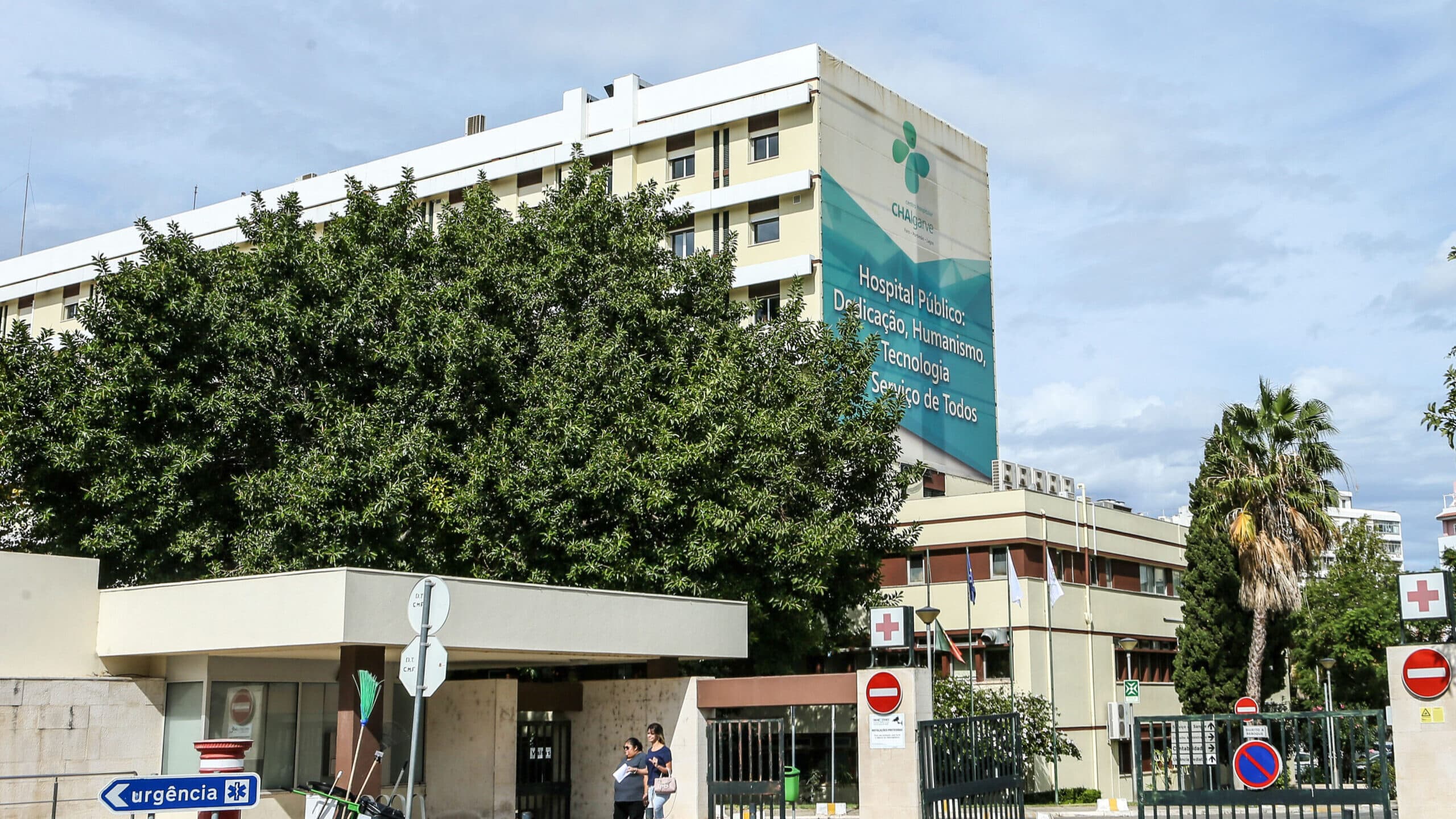
The announcement that the Algarve Central Hospital project is finally moving forward with the formal approval of its construction last week has been celebrated by several high-profile representatives across the The post Algarve celebrates as central hospital finally moves forward appeared first on Portugal Resident.

Reinforcement ambulances parked at the Firefighters' League responded to 16 incidents during the weekend.

The National Institute of Medical Emergency (INEM) called out the reinforcement ambulances gathered at the headquarters of the Portuguese Firefighters' League (LBP) in Lisbon 16 times over the past weekend, the association's president told Lusa today.
Protests have been ongoing for nearly two weeks and the US is threatening to intervene. Also, the new SNS headquarters in Porto was inaugurated today.

Accidents also left 13 people seriously injured and 152 slightly injured.

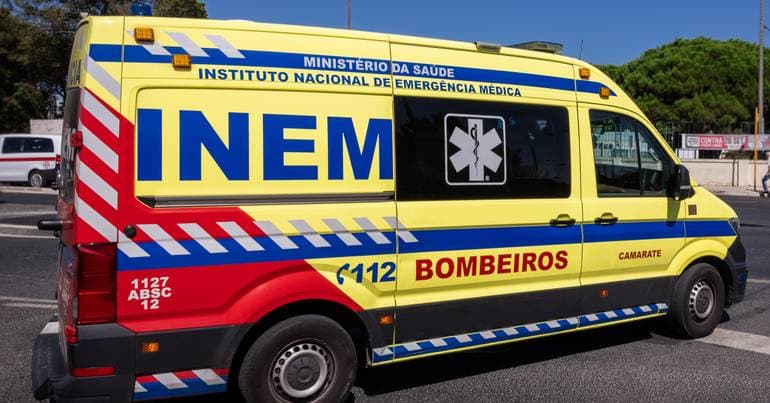
Six INEM ambulances in the Algarve were out of service between 8 a.m. on Saturday and 4 p.m. this Sunday. The cause was a shortage of operational personnel. At present, two have returned to service.

The Portuguese government approved construction of the new Central Hospital of the Algarve with a maximum budget of €426.6 million spread over 27 years and an annual cap of €50 million. Operations are expected to begin in 2031. The financing structure signals a long-term public investment approach with potential fiscal and timeline risks to monitor, while promising a significant upgrade to regional healthcare infrastructure.

PSD MP Miguel Guimarães welcomed the announcement to purchase 245 ambulances, saying it will allow INEM to increase its response capacity across multiple locations, notably Greater Lisbon and Setúbal. Analytically, the investment should improve coverage and potentially reduce response times in high-demand areas, but its effectiveness will depend on deployment strategy, crew availability and integration with existing emergency services. Close monitoring of allocation and operational metrics will be required to ensure the intended gains in emergency healthcare delivery are realised.

The prime minister announced what was described as “the largest investment in ambulances in over a decade” — 275 new vehicles — less than 36 hours after three citizens were reported to have died while waiting for care. Critics have called the timing “strange” and labelled the move demagoguery, arguing it risks masking systemic negligence in emergency services rather than addressing deeper policy and resourcing failures in healthcare and public safety. The episode has intensified calls for transparent planning, independent oversight and comprehensive reforms to emergency medical services rather than one-off equipment purchases.

Road fatalities and related casualties cost an estimated €1.5 billion in 2025, while overall road casualty levels have effectively returned to 2016 figures. The year saw more collisions and a rise in injuries, maintaining pressure on emergency services and the healthcare system and undermining public safety. Economically, the persistent casualty rate represents a significant indirect and direct cost that acts as a negative indicator for public finances and productivity. The pattern suggests a need for renewed, targeted prevention measures, enhanced enforcement and investment in safer infrastructure to reverse the trend and reduce both human and fiscal costs.

The Clinical Directorate of the Algarve Local Health Unit told CM that there had been a peak in attendances.

On Saturday the obstetrics and gynaecology emergency departments at the hospitals in Abrantes, Setúbal and Portimão, and the obstetrics emergency department in Vila Franca de Xira, will be closed. The Setúbal emergency department reopens on Sunday.