Latest news and stories about public safety in infrastructure in Portugal for expats and residents.
Eighteen emergency responders were at the scene, supported by seven vehicles.

IPMA has issued a yellow warning for rough seas in 10 districts. Eight districts remain under a yellow warning due to snowfall.

Access to the Torre at Serra da Estrela, which had been closed since Thursday afternoon due to snowfall, reopened at 10:30 today, a Civil Protection source told the Lusa news agency.
The districts of Guarda and Castelo Branco were under a yellow warning until 18:00 on Friday due to snowfall.

More than eight years after the Pedrógão fire, the laying of the first stone for a fire shelter — funded by businessman Jorge Mendes — will take place this Saturday in the village of Ferraria de São João.

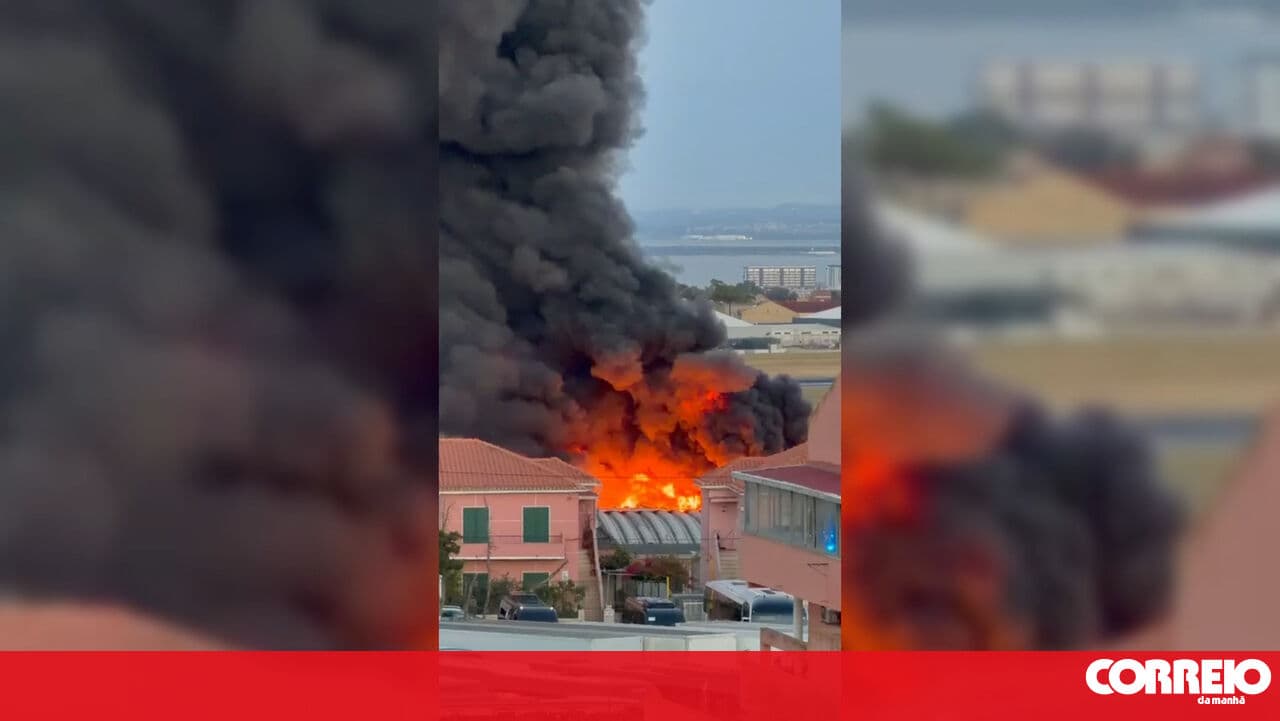
The flames were extinguished by the site's security team.

The €63 million plan to tackle flooding in Algés was handed in person today to the Minister for the Environment by the Mayor of Oeiras at a ceremony marking the agreement with the government to support the interventions that will go ahead.
The damaged surface causes almost daily falls, some of them serious. At the terminal, a shelter has been destroyed since it was struck by a bus in August 2023. Passengers criticise the poor conditions.

The heliport has become the 'strategic point' for emergency air transport in the Lisbon region and is the most used among the country's hospital units.

Fifteen districts in mainland Portugal are under a yellow weather warning because of expected snowfall inland and increased wave swell along the coast, which may affect travel and maritime conditions.

Fifteen districts are currently under a yellow warning because snow and occasionally strong sea swell are forecast, the Portuguese Institute for the Sea and Atmosphere (IPMA) said today.
The study outlines a series of interventions aimed at “minimising and controlling flood risks”.

A yellow warning for sea conditions will remain in force until the early hours of Sunday.

A yellow warning is in effect until 18:00 for Bragança, Viseu, Guarda, Vila Real, Viana do Castelo, Castelo Branco and Braga, due to snowfall above 1,000 metres.

Fifteen mainland Portugal districts are under a yellow warning for snow and sea swell until 18:00. Authorities and emergency services are monitoring conditions and advising the public to take precautions against disruption to transport and coastal hazards.

At 3am the Portuguese Institute for the Sea and Atmosphere (IPMA) placed 15 districts under a yellow warning due to expected snowfall and rough seas.

Home News Weather warning: Snow may fall in Portugal Weather warning: Snow may fall in Portugal Fifteen districts are currently under a yellow warning due to forecasts of snow and occasionally strong sea swells, the Portuguese Institute of the Sea and the Atmosphere ( IPMA) announced today.

The road was closed between the municipality of Covilhã and the municipality of Seia.

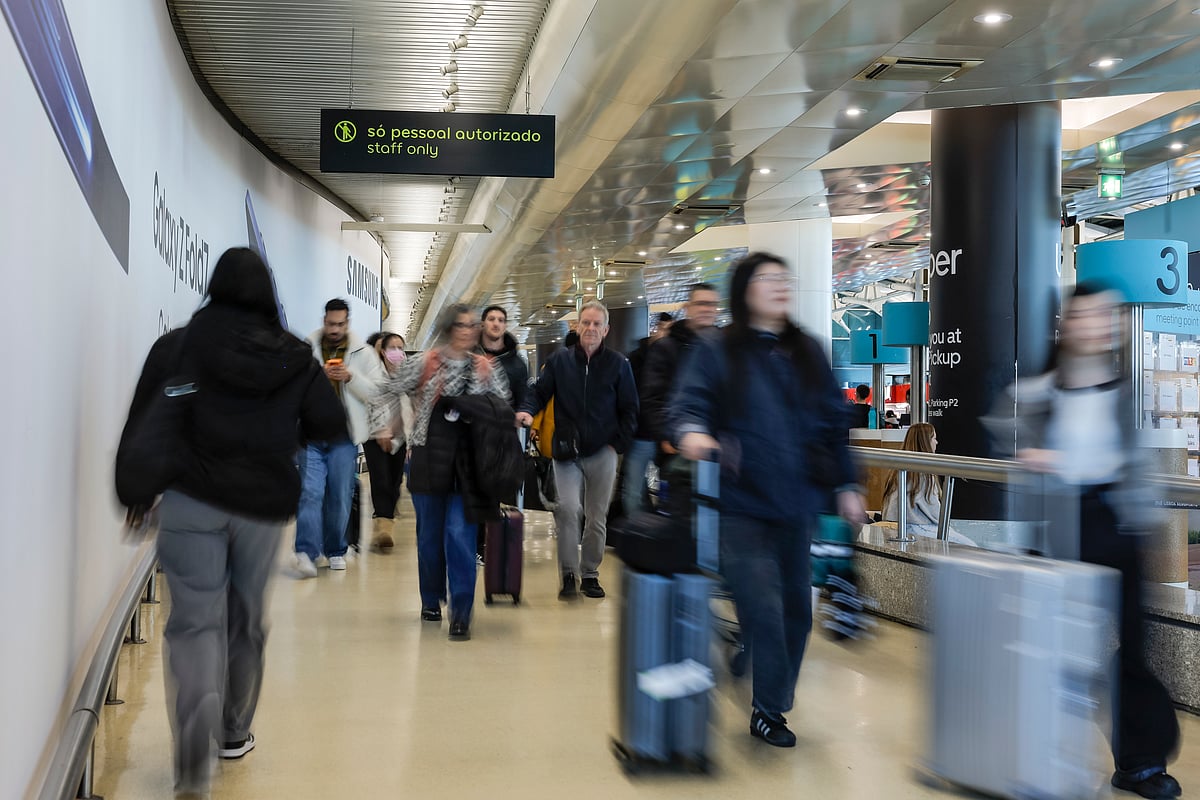
A police union (ASPP/PSP) has scheduled a protest rally at Lisbon Airport on 29 January, warning the day could be disruptive for travellers. The announcement flags the risk of delays or congestion on a date several outlets identify as likely to affect passenger journeys. Those travelling through the capital on or around 29 January should check airline and airport notices and consider alternate dates or extra time for transfers.

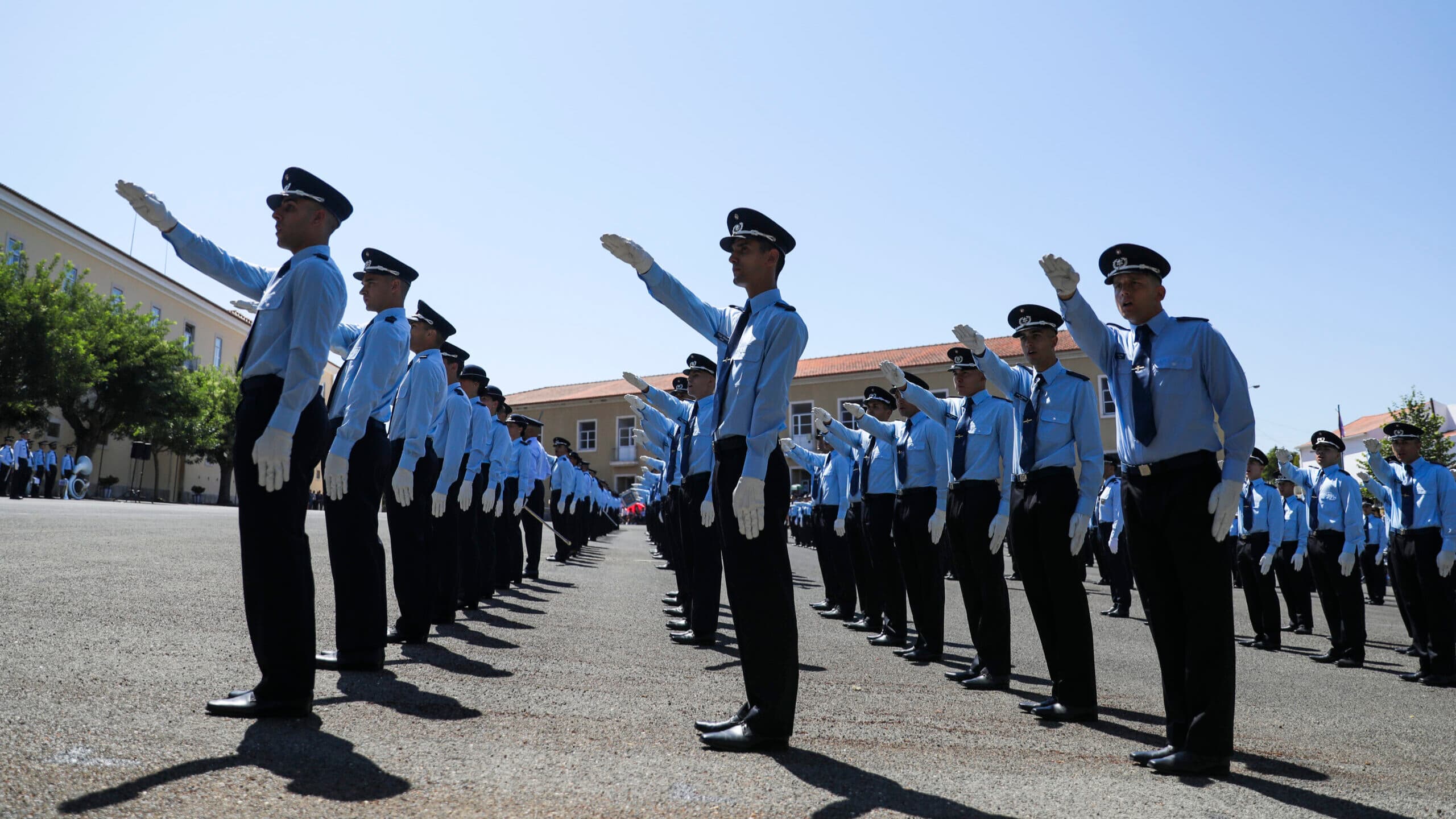
The PSP (Polícia de Segurança Pública) is Portugal's national civilian police force, founded in 1867. Responsible for defending Republican democracy and safeguarding internal security and citizens' rights, the PSP polices major cities—Lisbon, Porto, Faro—and large urban areas, covering only 4% of Portugal's territory but roughly half the population. Led by a National Director under the Ministry of Internal Affairs, its approximately 21,500 officers handle preventive policing, crime investigation, public order, airport security, diplomatic protection, private security regulation, firearms licensing, and border control (since 2023).
PSP vs. GNR: The PSP is civilian with police-focused training and urban jurisdiction, while the GNR (Guarda Nacional Republicana) is military (gendarmerie) with military training, covering 96% of Portugal's rural and suburban territory. Both share core public safety missions but differ fundamentally in nature, training, and geographic responsibility.

Multiple outlets warn of persistent rain and rough seas with waves up to 5.5 metres and orange-level alerts in several coastal districts; authorities advise following local safety guidance and expect disruption to coastal travel and maritime activities. The alerts emphasise flood and coastal-surge risk in exposed areas and recommend avoiding unnecessary travel near the shore. Residents should be aware of local civil-protection instructions and avoid coastal promenades and small-boat activity while warnings are in force.

IPMA is the Portuguese Institute of the Sea and Atmosphere (Instituto Português do Mar e da Atmosfera), the national agency for weather, marine forecasts and climate monitoring. Residents should watch its forecasts and warnings during storms, heatwaves or cold snaps because IPMA issues official advisories used by services, transport operators and local authorities.
Emergency associations argue that a single command structure in the Civil Protection law would centralise decision‑making during major incidents, reducing confusion between municipal, regional and national responders and improving the speed and efficiency of operations. They say this clearer hierarchy would help volunteers and professional services coordinate on the front line, which is why they want that change included before the health framework law is finalised.

The Energy Minister said the government has allocated €25 million to reinforce critical infrastructure and prepare for a potential future blackout, while Brussels has approved an 'anti-blackout' plan to strengthen resilience. Coverage says the funding aims at bolstering grids and critical sites and follows talks with major energy firms. Businesses and residents concerned about power reliability should track planned works and local notices that may cause temporary outages.

Maria da Graça Carvalho, the Energy Minister, is a Portuguese engineer and politician affiliated with the Social Democratic Party (PSD) who has served as a Member of the European Parliament and held government roles connected to science and higher education policy. Her work on research and EU policy can affect funding and regulation that matter to professionals and students living in Portugal.
The anti‑blackout plan (Portuguese: plano antiapagões) is a government contingency strategy to reduce the risk of widespread power outages by coordinating grid operators, protecting critical services, managing reserves and, if needed, implementing targeted measures. For households and businesses it means the government and utilities aim to avoid uncontrolled outages, but you should still follow supplier notices and emergency guidance during peak demand or extreme weather periods.

Snowfall forced the closure of a road that crosses the central massif of the Serra da Estrela, disrupting travel through Portugal’s highest mainland mountain area. Travellers planning routes through the region should expect detours and check road‑service updates before driving in or through the highlands.
Serra da Estrela (the Estrela mountain range) is Portugal’s highest mountain range in central Portugal, with its highest point, Torre, at 1,993 metres. It’s a protected natural area and popular for hiking and winter sports; winter storms and snow can close roads across the massif, so expats travelling there in winter should check conditions and expect possible closures or the need for winter equipment.

The Portuguese Institute of the Sea and Atmosphere (Instituto Português do Mar e da Atmosfera or IPMA) placed eleven mainland districts under yellow weather warnings for occasionally heavy rain and strong winds, with some districts also flagged for snowfall at higher elevations. Travellers and anyone with outdoor plans should monitor local updates and expect possible short‑term disruption to roads and services in affected districts.

IPMA is the Portuguese Institute of the Sea and Atmosphere (Instituto Português do Mar e da Atmosfera), the national agency for weather, marine forecasts and climate monitoring. Residents should watch its forecasts and warnings during storms, heatwaves or cold snaps because IPMA issues official advisories used by services, transport operators and local authorities.

A yellow warning (aviso amarelo) from IPMA signals potentially dangerous weather conditions (the lowest of three levels: yellow, orange, red) that may cause local disruption. For expats it means be alert—expect slower travel and take common‑sense precautions—but it is not usually an immediate emergency level.

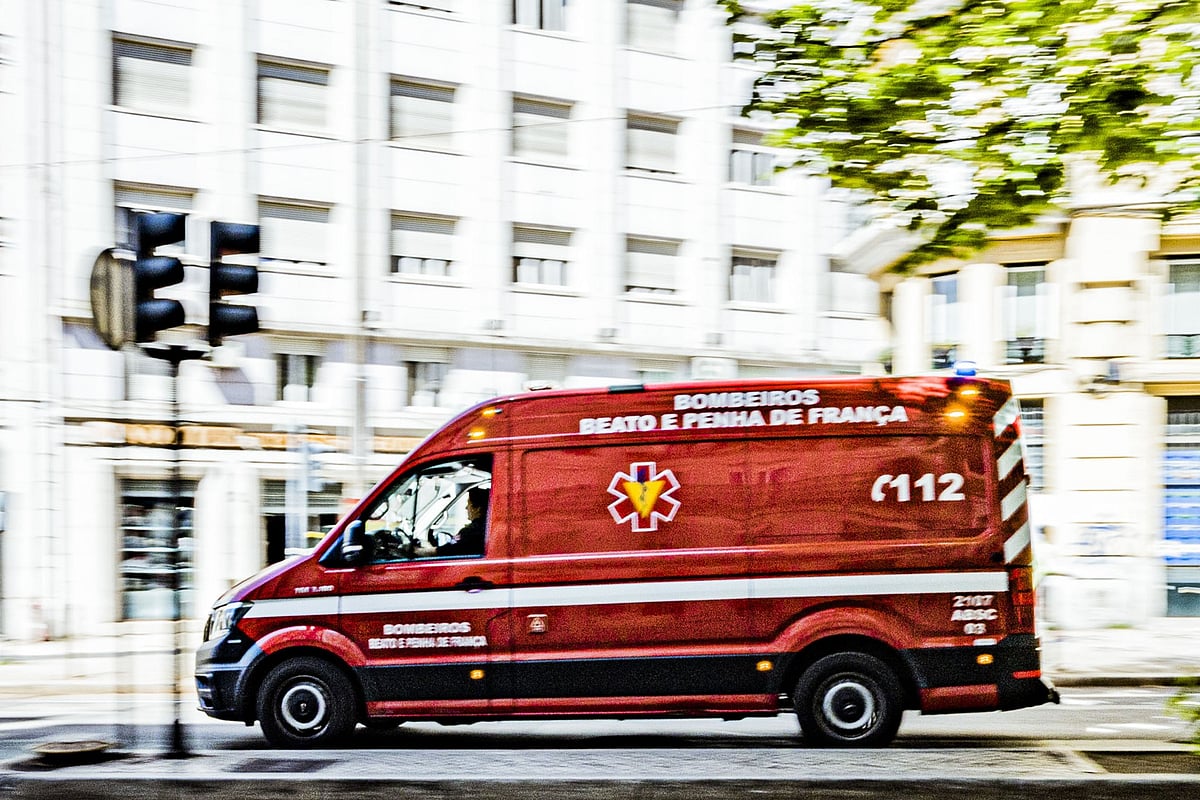
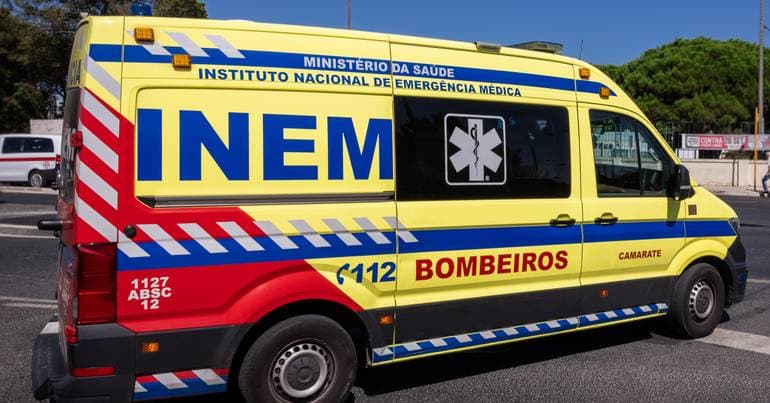
The prime minister announced what was described as “the largest investment in ambulances in over a decade” — 275 new vehicles — less than 36 hours after three citizens were reported to have died while waiting for care. Critics have called the timing “strange” and labelled the move demagoguery, arguing it risks masking systemic negligence in emergency services rather than addressing deeper policy and resourcing failures in healthcare and public safety. The episode has intensified calls for transparent planning, independent oversight and comprehensive reforms to emergency medical services rather than one-off equipment purchases.

From 2026, new cars will be fitted with additional safety equipment mandated by regulators to reduce road accidents. The measures should lower collisions and casualties and could bring long‑term savings in insurance and healthcare, but they will increase manufacturers’ costs and are likely to push up new‑car prices. Policymakers will need to balance public‑safety benefits against affordability, using tools such as subsidies, tax incentives, phased implementation or targeted support to lessen the impact on lower‑income buyers.

Road fatalities and related casualties cost an estimated €1.5 billion in 2025, while overall road casualty levels have effectively returned to 2016 figures. The year saw more collisions and a rise in injuries, maintaining pressure on emergency services and the healthcare system and undermining public safety. Economically, the persistent casualty rate represents a significant indirect and direct cost that acts as a negative indicator for public finances and productivity. The pattern suggests a need for renewed, targeted prevention measures, enhanced enforcement and investment in safer infrastructure to reverse the trend and reduce both human and fiscal costs.
The Clinical Directorate of the Algarve Local Health Unit told CM that there had been a peak in attendances.

On Saturday the obstetrics and gynaecology emergency departments at the hospitals in Abrantes, Setúbal and Portimão, and the obstetrics emergency department in Vila Franca de Xira, will be closed. The Setúbal emergency department reopens on Sunday.
The Portuguese Institute of the Sea and Atmosphere (IPMA) warns that the low-pressure system 'Francis' will begin affecting the Portuguese mainland from Thursday. Stronger winds are expected from Thursday afternoon, with light rain forecast for New Year’s Day mainly on the west coast spreading inland; no rain is expected on New Year’s Eve.