First regional emergency department opens today at Loures Hospital
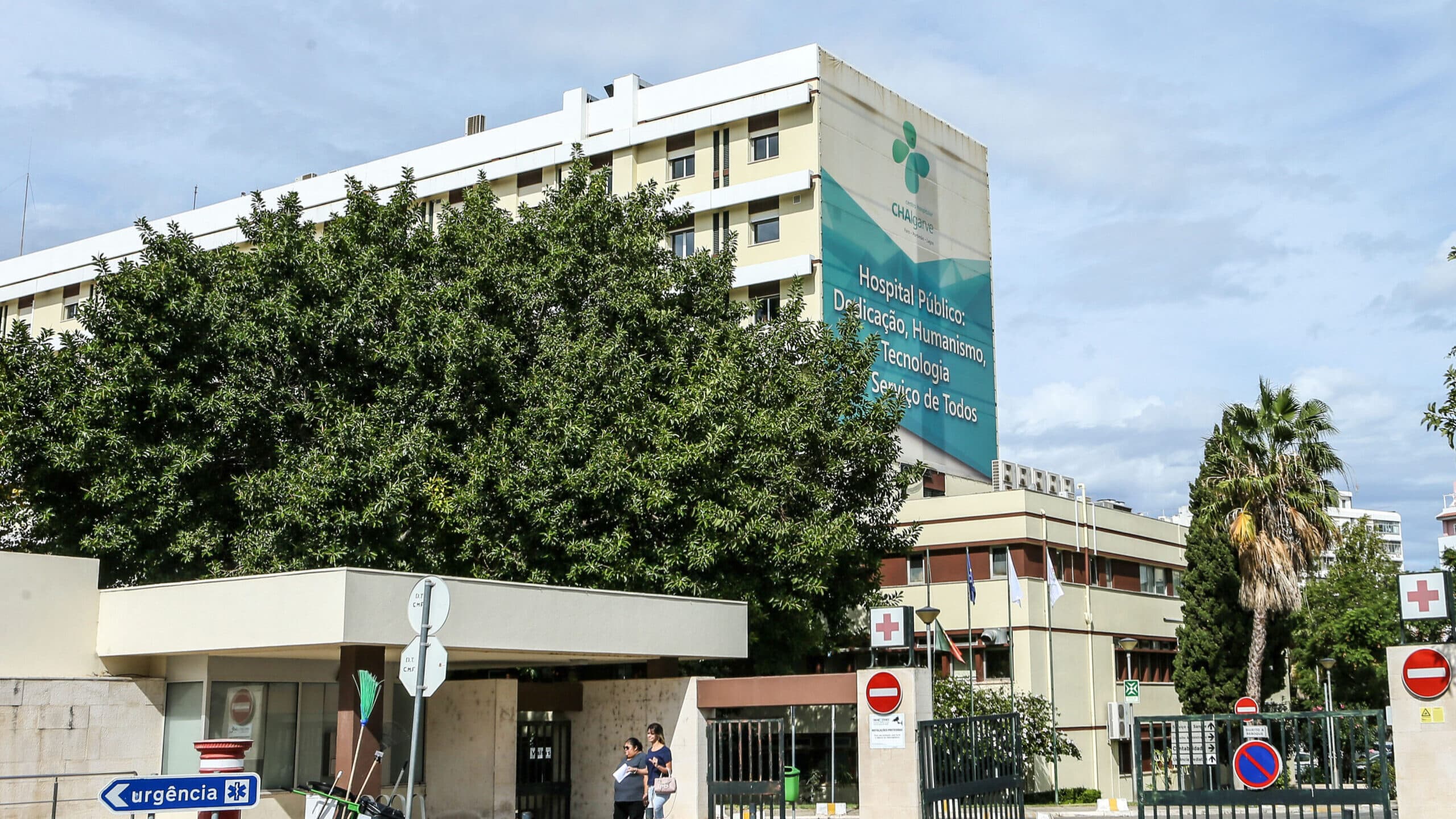
The Beatriz Ângelo Hospital in Loures launches the first regional gynaecology and obstetrics emergency department, operating 24/7 to address healthcare staffing shortages.

Latest news and stories about emergency services in infrastructure in Portugal for expats and residents.
The Beatriz Ângelo Hospital in Loures launches the first regional gynaecology and obstetrics emergency department, operating 24/7 to address healthcare staffing shortages.

The Almada City Council has extended the alert status due to ongoing landslide risks on the cliffs of Costa da Caparica and Porto Brandão, following several incidents that have occurred since the onset of recent storms.
Update: Ongoing Landslide Risks The municipality of Almada has recorded several landslides on the cliffs of Costa da Caparica and Porto Brandão, a situation that has not yet been resolved.

The number of E-Redes customers without electricity supply in mainland Portugal has decreased to 26,000, with 16,000 in the most critical areas affected by the Kristin depression. Efforts to restore power have successfully brought electricity back to around 5,000 customers throughout the day, as the company continues to prioritize restoration in severely impacted regions.

The controlled discharge from the Aguieira Dam has raised the Mondego’s level and increased the likelihood of a centennial-level flood in central Coimbra. Several railway links and roads are already affected, with transport disruptions and infrastructure at risk. Local authorities and emergency services are monitoring the river closely, issuing advisories and managing responses; residents and travellers are advised to follow minute-by-minute updates as flood forecasts and dam releases evolve. The situation poses short-term travel, safety and logistical challenges and will require coordinated emergency and transport management if levels continue to rise.
Civil Protection has issued warnings for flood-risk areas, particularly in the Mondego region, following the collapse of part of the A1 motorway pavement near the Mondego River. The incident occurred after a dyke failure, leading to the closure of the motorway in both directions. Authorities are monitoring the situation closely as additional subsidence has been reported due to landslides.
Gonçalo Lopes, the mayor of Leiria, discussed the extensive damage caused by Storm Kristin in a recent interview with CNN Portugal, highlighting the municipality's emergency response and recovery efforts over the past ten days.

The arrival of Depression Marta is expected to bring heavy rain to Lisbon and Setúbal, with the most concerning period being between morning and early afternoon. Areas already facing complications may experience the worst impacts as this is the third depression to hit the region in a short span of time.

The Municipal Civil Protection Service of Porto has raised a red alert due to imminent flooding risks along the Douro River, indicating severe weather conditions that could lead to significant emergency situations.
A series of storms has wreaked havoc across Portugal, leading to extensive damage to infrastructure and impacting local communities. The severe weather has prompted emergency services to respond to the crisis, highlighting concerns over public safety and the resilience of affected areas.

Months after the significant Iberian Blackout that left Portugal and Spain without electricity for up to 12 hours, a working group has expressed skepticism about the government's initial solutions to prevent future incidents. The discussions highlight the complexities of infrastructure and emergency services in ensuring public safety and sustainability.

A week after severe weather conditions, over 200,000 people remain without power, and the European Civil Protection Plan has not been activated. The government has extended the state of calamity until February 8 to address the adverse weather expected from depression Leonardo, which will bring heavy rain, snow, strong winds, and rough seas to mainland Portugal.

Continental Portugal experienced 833 incidents due to severe weather conditions on Tuesday, primarily involving fallen trees, flooding, and landslides, as reported by Civil Protection.

PS secretary-general Carneiro has challenged the Government to activate the European Civil Protection Mechanism immediately after Storm Kristin, sending Luís Montenegro a programme of measures to address the impacts. Civil Protection experts concede a late assessment of the disaster’s scale but say Portugal has not yet exhausted national response capacity; the question of requesting generators from abroad remains under study. Other centre-left parties, including the PCP of Santarém, describe government measures as too late and insufficient, warning that a disaster of this magnitude cannot be left to the goodwill of local communities alone.

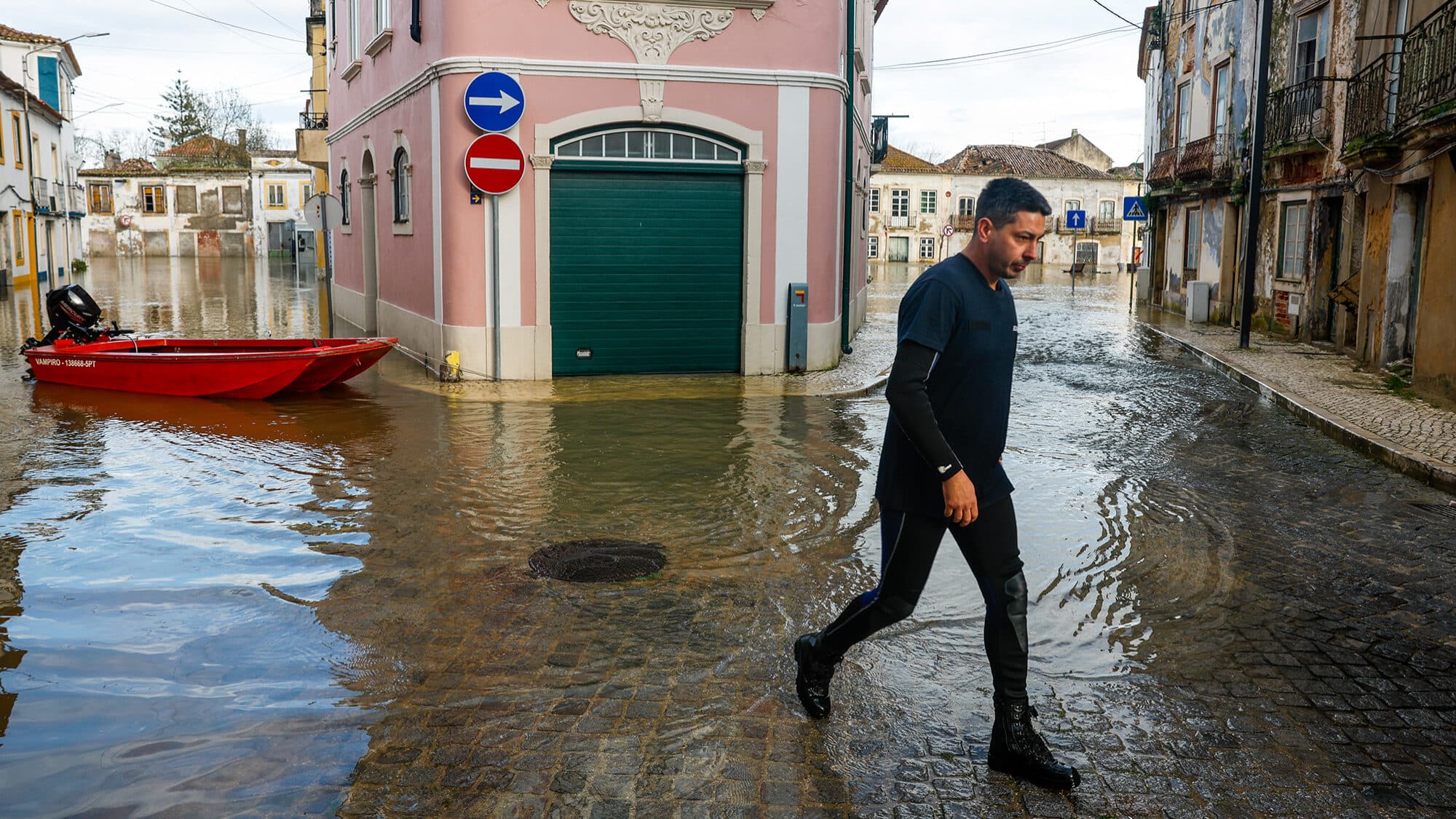
After destructive 208 km/h winds from Storm Kristin, the municipality of Soure faces a second crisis: imminent flooding. Authorities and residents are preparing for rapid inundation, with low-lying areas such as Miragaia in Porto — including the Ribeira — identified as first at risk; local voices say preventing severe damage will require extraordinary measures. The situation highlights compounded hazards for infrastructure and public safety, testing emergency services' capacity and the need for immediate, coordinated flood mitigation and evacuation planning.

Commander Jorge Mendes warns that recommendations made after past tragedies—especially on communications and local civil protection—have not been implemented, leaving preparedness plans as paper exercises. CNN Portugal’s commentator adds that the state of calamity was declared too late and highlights serious failures in on‑the‑ground coordination. The reporting points to systemic gaps between policy and practice, and calls for concrete operational reforms and accountability to improve public safety in extreme weather events.

Two people have died and more than 400 were injured during recovery operations following Storm Kristin, with many casualties caused by collapsing roofs weakened in the storm. Emergency services continue to respond as local authorities warn residents to prioritise personal safety over salvaging belongings, stressing the high risk of further roof collapses and structural damage. The incident highlights the ongoing strain on rescue and repair resources, the need for clear public-safety messaging, and the importance of coordinated inspections before re-entering damaged buildings. Authorities urge calm, adherence to safety instructions, and support for vulnerable households affected by the storm.

President Marcelo Rebelo de Sousa says the immediate priority in the affected areas is to restore electricity and communications after widespread outages that have left almost 200,000 customers without power and some communities—such as Colmeias and Memória in Leiria—isolated. Speaking after a journey to Ferreira do Zêzere during which he was “almost always without communications”, he warned of long‑standing structural weaknesses, urged caution and calm, and called for a collective, coordinated State response with preventive measures to manage the emergency.

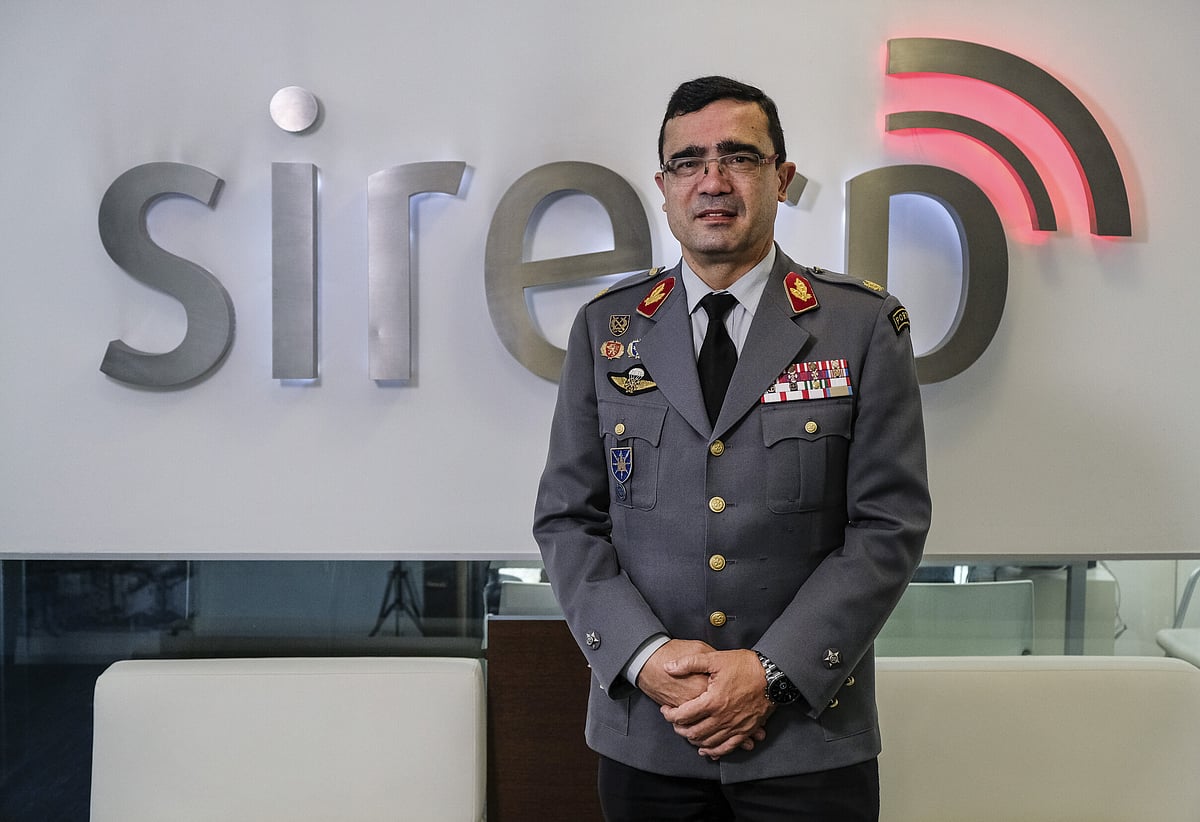
A failure of the SIRESP emergency communications network in Leiria left the PSP without normal communications for about a day and a half, forcing improvised procedures and contingency measures. Authorities advised that, where travel was necessary, walking was preferable to driving but staying home if possible was best; the bulletin also warns of fraudulent technicians exploiting the outage and urges verification of any service personnel and vigilance for scams.

President Marcelo urged immediate aid for communities still without electricity, water or communications and demanded urgent restoration of access to the emergency number 112. He warned the recovery will be “a much longer effort than expected”, arguing the damage revealed outdated infrastructure rather than a failure of prevention, while noting that Civil Protection’s operational response has been improving. The statement balances a call for short-term relief with a recognition of longer-term infrastructure and policy challenges for public safety and emergency services.

At 03:23 an explosion at a building under construction in Algés damaged nearby vehicles and neighbouring homes. The cause has not yet been established and authorities are investigating; emergency services responded to secure the site and assess injuries and structural risks. Analytically, investigators will likely examine sources such as gas leaks, construction materials or workmanship failures, while officials must prioritise resident safety, site stabilization and a transparent inquiry into regulatory compliance.

Depression Kristin has left roads impassable and thousands of homes without electricity and water. The Government has declared a state of calamity for 60 municipalities as Civil Protection warns of continued flood risk in the coming days. This minute-by-minute report tracks the evolving weather conditions in Portugal and the emergency response, including infrastructure impacts, mobilised resources and short-term forecasts guiding recovery decisions.
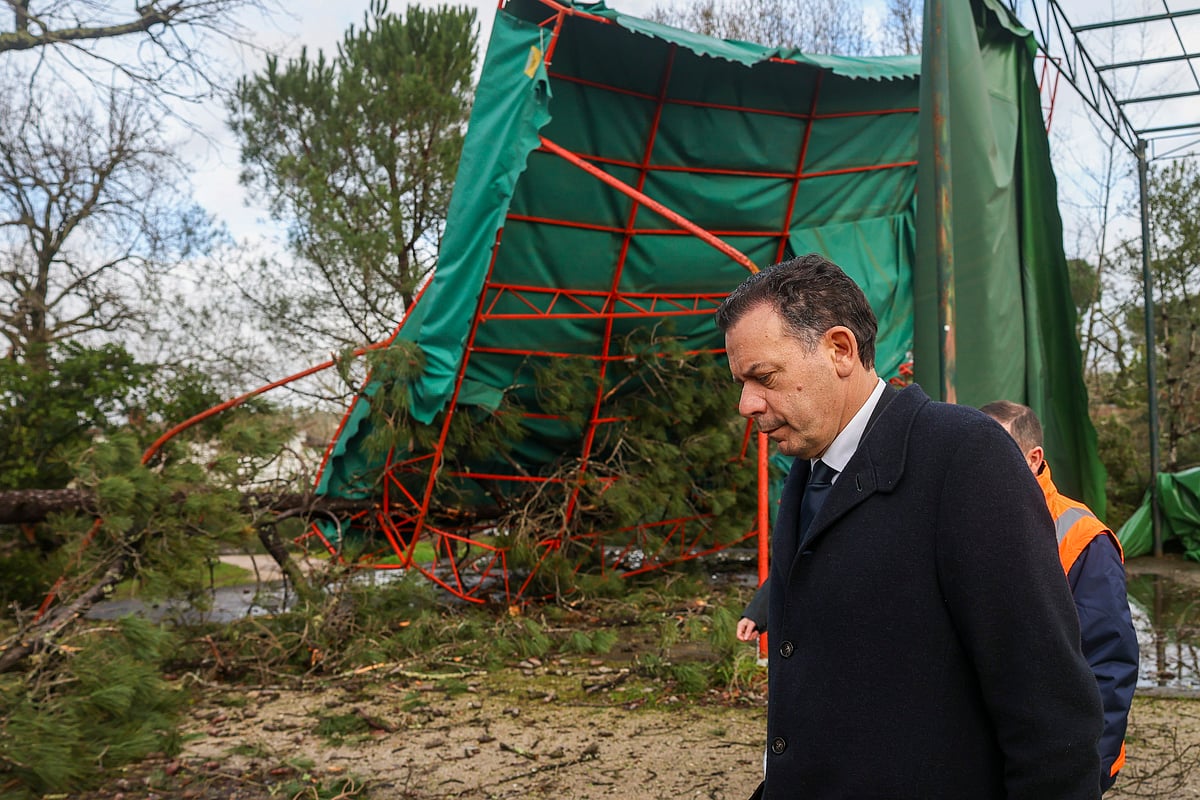
Storm Kristin swept across Portugal, entering near Leiria and causing widespread destruction particularly in the Centre and West. By 22:00 on Wednesday the National Authority for Emergency and Civil Protection had logged around 5,400 incidents; high winds uprooted trees, ripped roofs from buildings and disrupted services. Local authorities and Civil Protection have been responding minute-by-minute to damage and casualties, although casualty figures were reported inconsistently during the day. The situation remains dynamic as emergency teams continue operations and meteorological services monitor the depression’s evolution over the coming hours.
The meteorological institute has issued red warnings for extremely rough seas — with swells up to 15 metres — for Porto, Braga and Viana do Castelo overnight from Friday into Saturday, while the broader west coast remains on orange. The three districts will be downgraded to an orange warning between 03:00 and 18:00 on Saturday. Authorities warn of significant risk to maritime operations, coastal infrastructure and public safety; residents and mariners are advised to avoid the shore, follow local advisories and expect disruptions to ferry services and port activity.

Depression Kristin, following storm Joseph, is set to cross Portugal and has prompted Civil Protection to raise the special state of readiness to level 4 along the coastal strip from Viana do Castelo to Setúbal. Authorities expect the most critical period around 04:00; by 22:00 more than 1,500 incidents had been recorded and one person died in Vila Franca de Xira after a tree fell on a car. This minute-by-minute briefing tracks developments, emergency responses and public-safety impacts as the situation unfolds.