MPs seek 72-hour energy backup for critical infrastructure
A parliamentary working group has recommended that the government mandate a minimum of 72 hours of energy autonomy for critical infrastructure. The proposal, led by PSD deputy Paulo Moniz, aims to improve resilience in hospitals, care homes, and emergency services following last year's major blackout. The group also suggests reviewing fuel storage limits and expanding the definition of critical infrastructure to include pharmacies and food retailers.

- Leader: Luís Montenegro (Prime Minister)
- Ideology: Liberal conservatism, pro-Europeanism
- Coalition: Social Democratic Party (PSD) + CDS–People's Party (CDS-PP)
The Democratic Alliance (Aliança Democrática, AD) is a center-right coalition primarily composed of the Social Democratic Party (PSD) with 89 seats and the CDS–People's Party (CDS-PP) with 2 seats. Together, they form the current minority government under Prime Minister Luís Montenegro.
The PSD, despite its name, occupies the center-right of Portugal's political spectrum and has been one of Portugal's two dominant parties since 1974, having formed nine governments including four with absolute majorities. The CDS-PP is a smaller Christian democratic party that has historically been the PSD's coalition partner.
The AD coalition governs without a parliamentary majority, requiring case-by-case support from opposition parties to pass legislation. The coalition has imposed a cordon sanitaire against Chega, refusing formal cooperation with the far-right despite its parliamentary strength, which means it must negotiate with the PS or smaller parties to advance its legislative agenda.
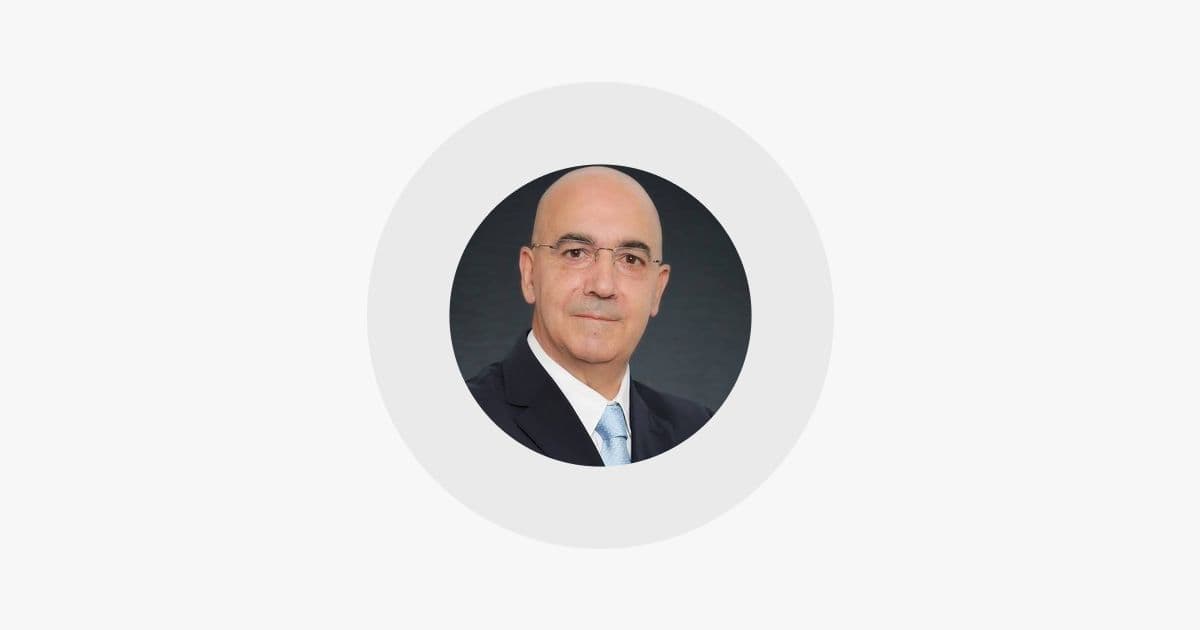
Paulo Moniz is a Portuguese politician and member of the Social Democratic Party (Partido Social Democrata or PSD). He currently serves as a member of the Assembly of the Republic, where he has been involved in parliamentary working groups concerning energy infrastructure and security.