Climate, energy, and environmental transport initiatives.
RTP reports IPMA has issued an orange warning for the north coast of Madeira and Porto Santo, forecasting waves of 5 to 5.5 metres and rough sea conditions. The Portuguese Institute for Sea and Atmosphere (Instituto Português do Mar e da Atmosfera or IPMA) warns mariners, coastal visitors and port operators to avoid exposed areas until conditions ease. Those planning sea travel or coastal activities should monitor local updates and follow authorities' safety advice.

IPMA is the Portuguese Institute of the Sea and Atmosphere (Instituto Português do Mar e da Atmosfera), the national agency for weather, marine forecasts and climate monitoring. Residents should watch its forecasts and warnings during storms, heatwaves or cold snaps because IPMA issues official advisories used by services, transport operators and local authorities.
An orange warning from the Portuguese Institute for Sea and Atmosphere (Instituto Português do Mar e da Atmosfera) signals potentially dangerous weather or sea conditions that could cause significant damage or risk to life; it is one level below the highest red warning. For the coast, an orange alert (for example waves of 5–5.5 metres) means people should avoid sea activities, follow local authority advice and expect disruptions to maritime transport.

The Environment Minister announced a Special Programme for the Alqueva and Pedrógão reservoirs (PEAAP) to align water uses and environmental protection with current economic realities. Officials say the PEAAP will balance irrigation, tourism and conservation needs while updating management rules for the reservoirs. Landowners, farmers and local businesses in the Alentejo should watch for consultation stages and regulatory changes that could affect water allocations.
PEAAP is the Special Programme for the Alqueva and Pedrógão Reservoirs, a government planning process to align environmental protection, water management and the different economic uses around those two reservoirs. Its decisions can change local rules on water allocations, irrigation and environmental restrictions, so farmers, water users and residents in the affected areas should follow the process.
Alqueva is a large dam and reservoir on the Guadiana river in the Alentejo region that created one of the biggest artificial lakes in Portugal, supporting irrigation, hydropower and tourism across southern Portugal. Changes to Alqueva’s water management or planning (like through PEAAP) can directly affect agriculture, local water supply and seasonal tourism in the surrounding municipalities.
Natural and climate disasters, such as floods and heatwaves, pose a risk to the financial resilience of the European Union (EU), with these phenomena increasingly affecting access to housing, according to environmental organisation WWF. 'What is not insurable is not financeable.' Property owners and businesses in areas ...

Waves are reaching up to five metres in height.

Serpentina was born in Porto to reclaim something that seems simple but has become rare: children playing in the street. The movement, created by Maria João Macedo and Patrícia Costa, has been transforming small urban spaces into new ways of socialising in a city dominated by cars. Listen to Mobi Boom here.

The government has committed €110 million to support lithium extraction projects despite strong public opposition. Environmental groups describe the funding as a 'blank cheque' paid for by taxpayers, arguing it risks local ecosystems and undermines sustainability claims. The injection of public funds raises wider questions about fiscal priorities, state backing for critical minerals, regulatory oversight and democratic legitimacy amid popular resistance.

In much of the territory, in the current context, agriculture as an economic activity is doomed. It does not generate income, but it could, for example, fulfil a role connected to the territory.

If you are reading this article in an app, open the quiz here. From 10 April 2026 the Deposit and Return System (SDR) comes into force; it aims to promote the circular economy by recovering single‑use beverage packaging in bottles and aluminium or steel cans...

The Treaty, negotiated under the auspices of the United Nations, covers more than half the planet and is a historic milestone for the global protection of the oceans and for multilateral cooperation.
According to the Observatory for Energy Poverty, 15.7% of Portuguese households do not have the financial means to keep their homes warm.
Fewer than ten individuals of this porpoise are left; the article asks whether conservation measures can save the species and outlines the main threats and possible responses.

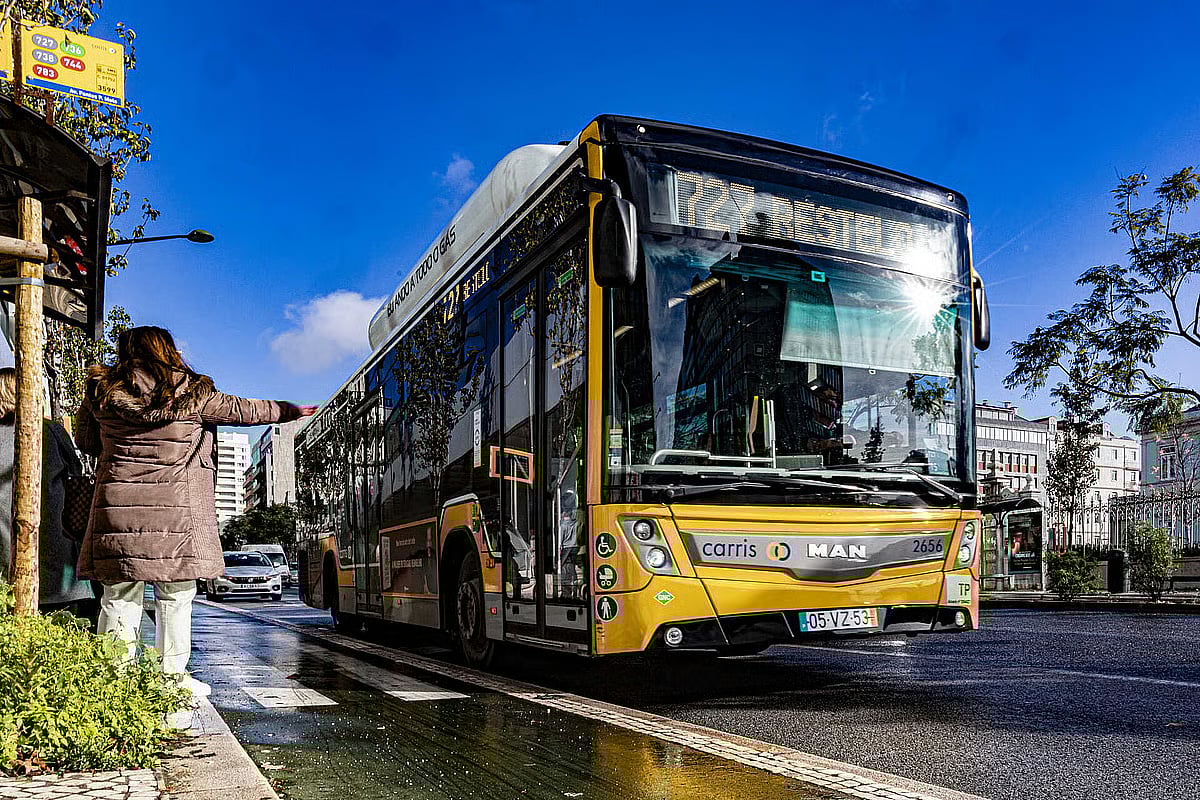
In this episode we spoke with Rafael Ferreira, co‑founder and CTO of Miio, about the present and future of electric car charging.