A study reveals that, over the last 20 years, people between the ages of 18 and 40 have faced about twice as many hours per year of “severe quality of life restrictions” associated with heat.
True sustainability is not an abstract concept, but rather the ability to ensure that Portugal remains a good place to live today, tomorrow, and when our children become adults.
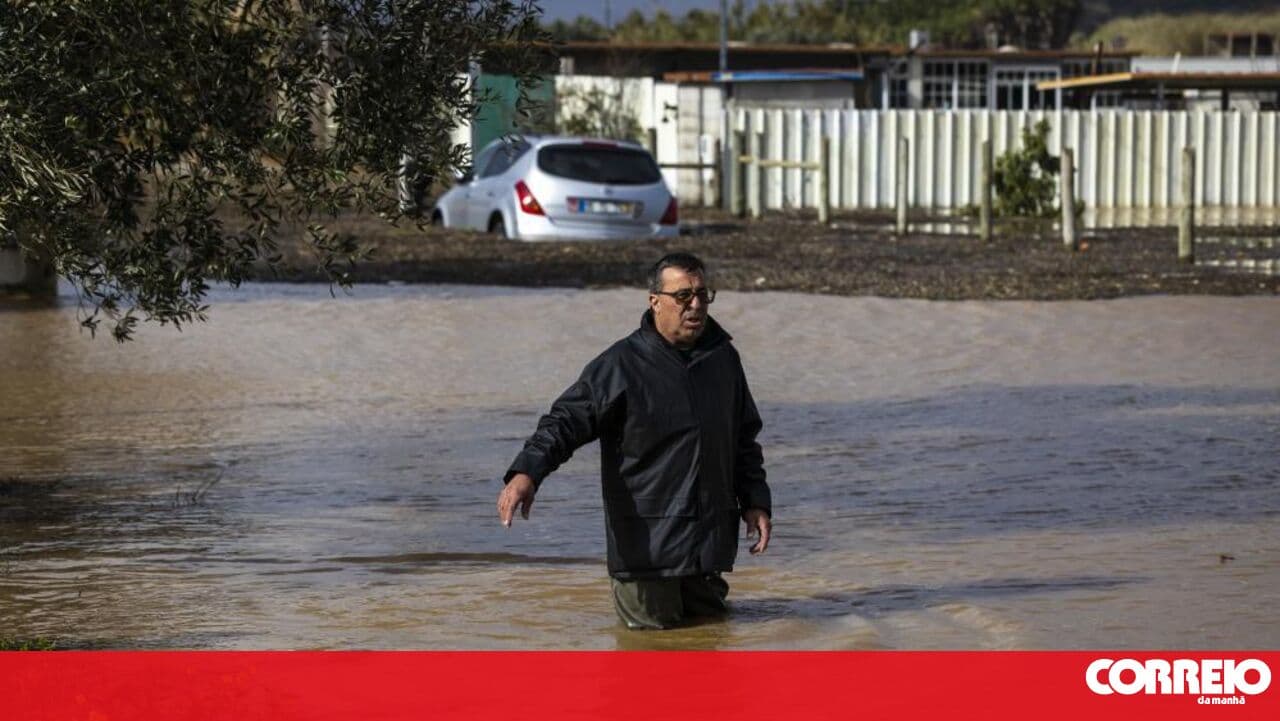
Paulo Fernandes, the president of the mission structure 'Rebuild the Central Region', expresses concern that over half of the local companies may have suffered damage due to severe weather conditions. He emphasizes the necessity of providing support to families who have lost their homes as a critical response to the crisis.
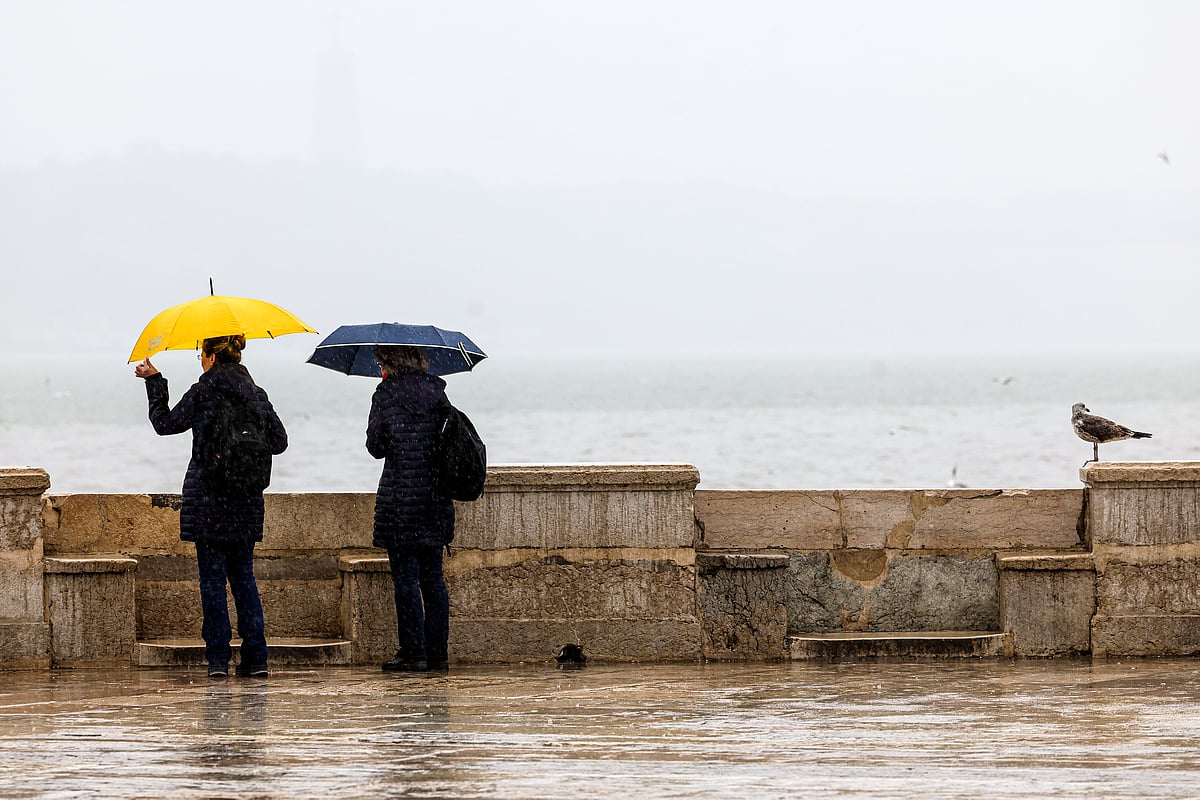
After consecutive weeks of storms, rain is expected to ease this Saturday, with the Portuguese Institute of Sea and Atmosphere (IPMA) forecasting generally partly cloudy skies and temporary increases in cloud cover. This increase may bring light showers in the North and Central coastal regions, with snow expected above 800/1000 meters until early morning. Winds will be weak to moderate (up to 30 km/h) from the north/northwest, becoming moderate to strong (30 to 45 km/h) along the western coast and in highlands, with gusts reaching up to 75 km/h and 90 km/h, respectively, gradually decreasing in intensity from the morning. A slight drop in minimum temperatures is also expected, with Lisbon ranging from 9ºC to 14ºC and Porto from 8ºC to 14ºC. For Sunday, very cloudy skies are anticipated, particularly north of the Montejunto-Estrela mountain range, with light rain expected in the North and Central regions, especially in Minho and Douro Litoral from the afternoon. Similar weather is forecast for the start of next week, with rain periods in the North and Central regions on Monday and light showers on Tuesday. The aftermath of recent storms has resulted in 16 deaths, hundreds of injuries, and significant material damage, prompting the government to extend the state of calamity until Sunday for 68 municipalities and announce support measures of up to 2.5 billion euros.
The mayor states that a “very large peak” is expected around 3 PM this Friday, but the flood could be confirmed by morning. Classes have been cancelled in the municipality.
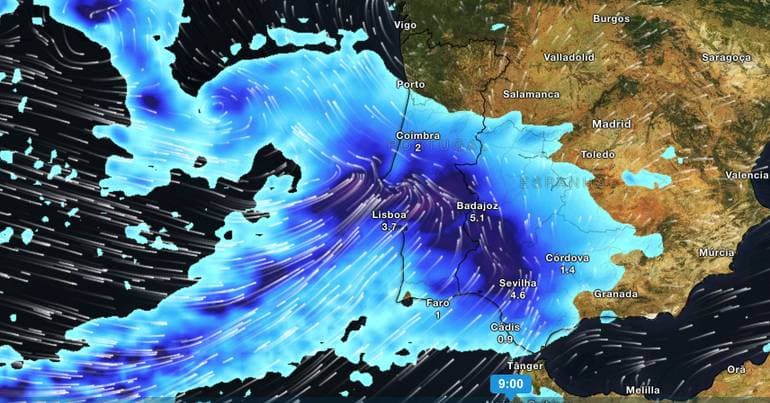
According to the commander of Civil Protection, there is a “significant risk of flooding in the Mondego, Tejo, Sorraia, Vouga, Águeda, and Sado rivers” and “the risk of flooding also exists in the Minho, Coura, Lima, Cávado, Ave, Douro, Tâmega, Sousa, Liz, Nabão, and Guadiana rivers.”
The Minister of the Presidency urged Portuguese citizens in flood-risk areas due to bad weather to comply with authorities' instructions, particularly the “evacuation requests” from those locations. We are providing live updates on the weather conditions in Portugal.
Health professionals have an ethical obligation to raise awareness about the impact of environmental changes on human health, factors that are already responsible for one in four deaths globally. Opinion by Luís Campos
An analytical minute-by-minute account of Portugal’s ongoing severe weather situation and its impacts. Authorities have declared 68 municipalities in a state of calamity until the 15th; this summary traces the evolution of the event, the response from emergency services, implications for public safety and wellbeing, and policy and service disruptions affecting residents and expats. It highlights key developments, likely near-term trends and practical safety guidance while noting where official updates and resources should be monitored.
Since 28 January, storms Kristin, Leonardo and Marta have caused 14 deaths and hundreds of injuries and displacements across Portugal. Civil Protection reports a calm night and a slight improvement in flooded areas after late-week river surges — notably in the Douro, Mondego, Tejo, Sado and Guadiana basins — but thousands of incidents were recorded and forecasts of further rain mean flood risk and pressure on emergency services remain elevated.
João Guarda, a resident of Leiria, is facing severe flooding for the second time this week. He has resorted to using a log in an attempt to manage the rising water levels around his home, highlighting the ongoing challenges posed by extreme weather conditions in the area.
The aftermath of the severe flooding caused by the storm Leonardo has left a trail of destruction across the Iberian Peninsula, particularly affecting Portugal and Spain. Thousands have been displaced, and the situation remains critical as emergency services work to address the ongoing concerns of public safety and well-being in the affected areas.
Ten districts in Portugal are currently under an orange warning due to severe maritime agitation caused by the passage of depression Leonardo, which is bringing persistent and heavy rainfall. Authorities are urging the public to remain vigilant and prioritize safety as the weather conditions pose significant risks.
This Saturday, storm Marta is expected to bring heavy rain, strong winds, significant snowfall, and very high waves, posing potential dangers to the public. Following Marta, another atmospheric river is anticipated on Sunday, indicating a continued period of severe weather.
A new study warns that, by 2050, extreme heat could expose almost half of the world’s population to dangerous conditions — and that global preparedness is inadequate. The analysis projects marked increases in heatwave frequency and intensity, with disproportionate impacts on urban populations, workers, older people and lower-income communities, creating risks for health, wellbeing, labour productivity, displacement and sustainability. Authors call for urgent mitigation (deep emissions cuts) alongside targeted adaptation: heat-resilient infrastructure, equitable access to cooling and water, early-warning systems and planning to reduce inequitable risks.