Latest news and stories about sustainability in environment in Portugal for expats and residents.
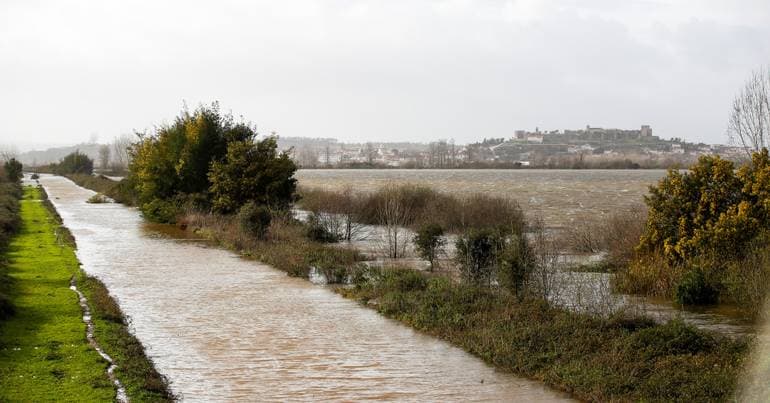
Natural and climate disasters, such as floods and heatwaves, pose a risk to the financial resilience of the European Union (EU), with these events having an increasing impact on access to housing, according to environmental organisation WWF. “What is not insurable is not financeable. Property owners and businesses in areas ...”

Serpentina was born in Porto to reclaim something that seems simple but has become rare: children playing in the street. The movement, created by Maria João Macedo and Patrícia Costa, has been transforming small urban spaces into new ways of socialising in a city dominated by cars. Listen to Mobi Boom here.

The government has committed €110 million to support lithium extraction projects despite strong public opposition. Environmental groups describe the funding as a 'blank cheque' paid for by taxpayers, arguing it risks local ecosystems and undermines sustainability claims. The injection of public funds raises wider questions about fiscal priorities, state backing for critical minerals, regulatory oversight and democratic legitimacy amid popular resistance.

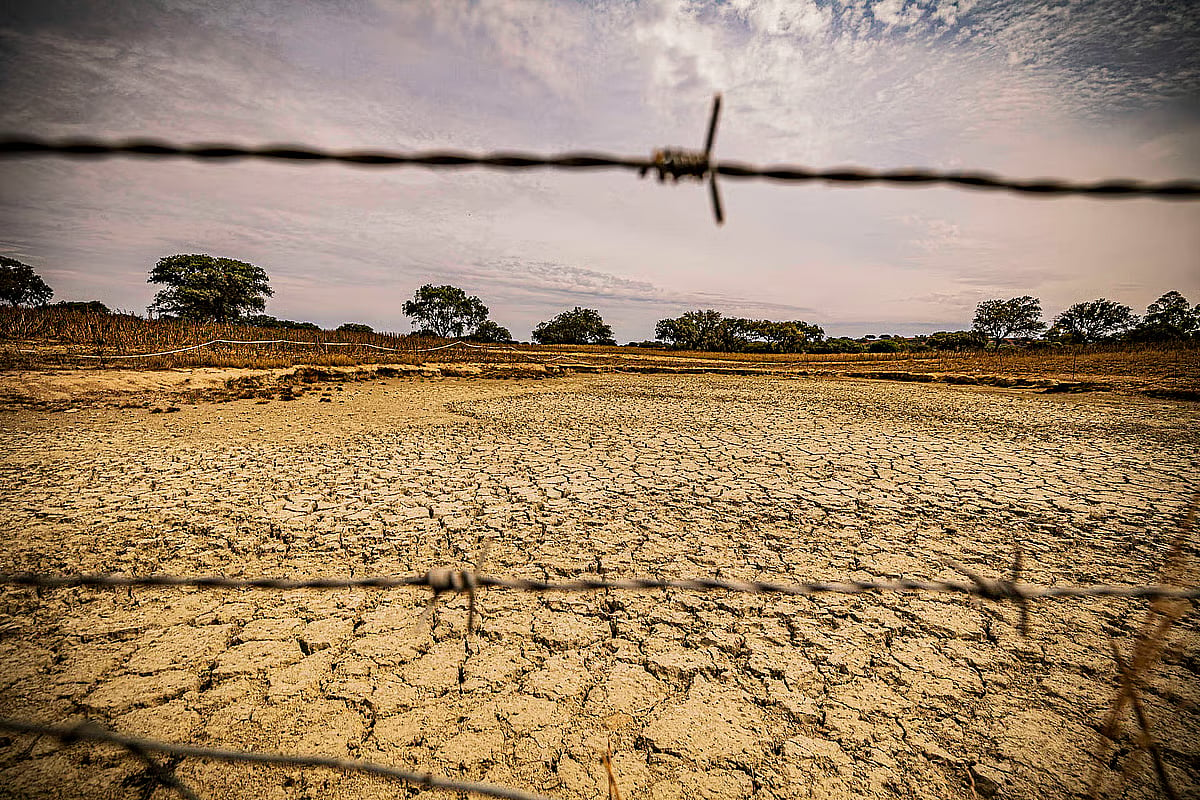
In much of the territory, in the current context, agriculture as an economic activity is doomed. It does not generate income, but it could, for example, fulfil a role connected to the territory.

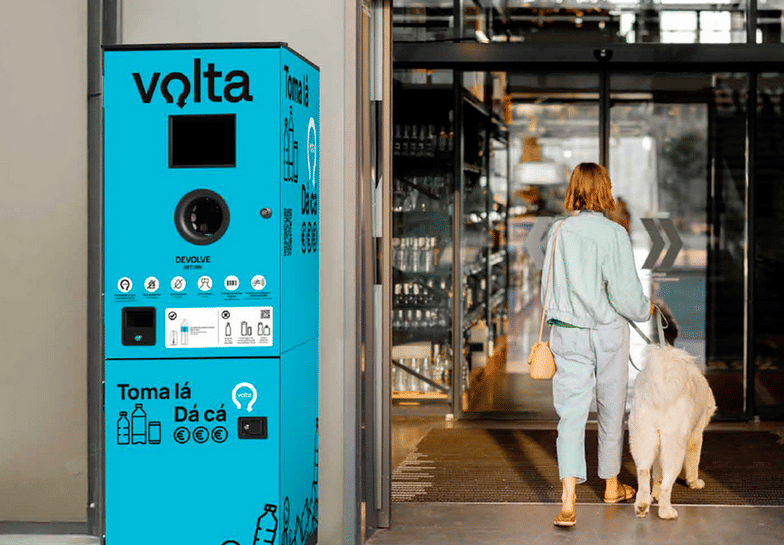
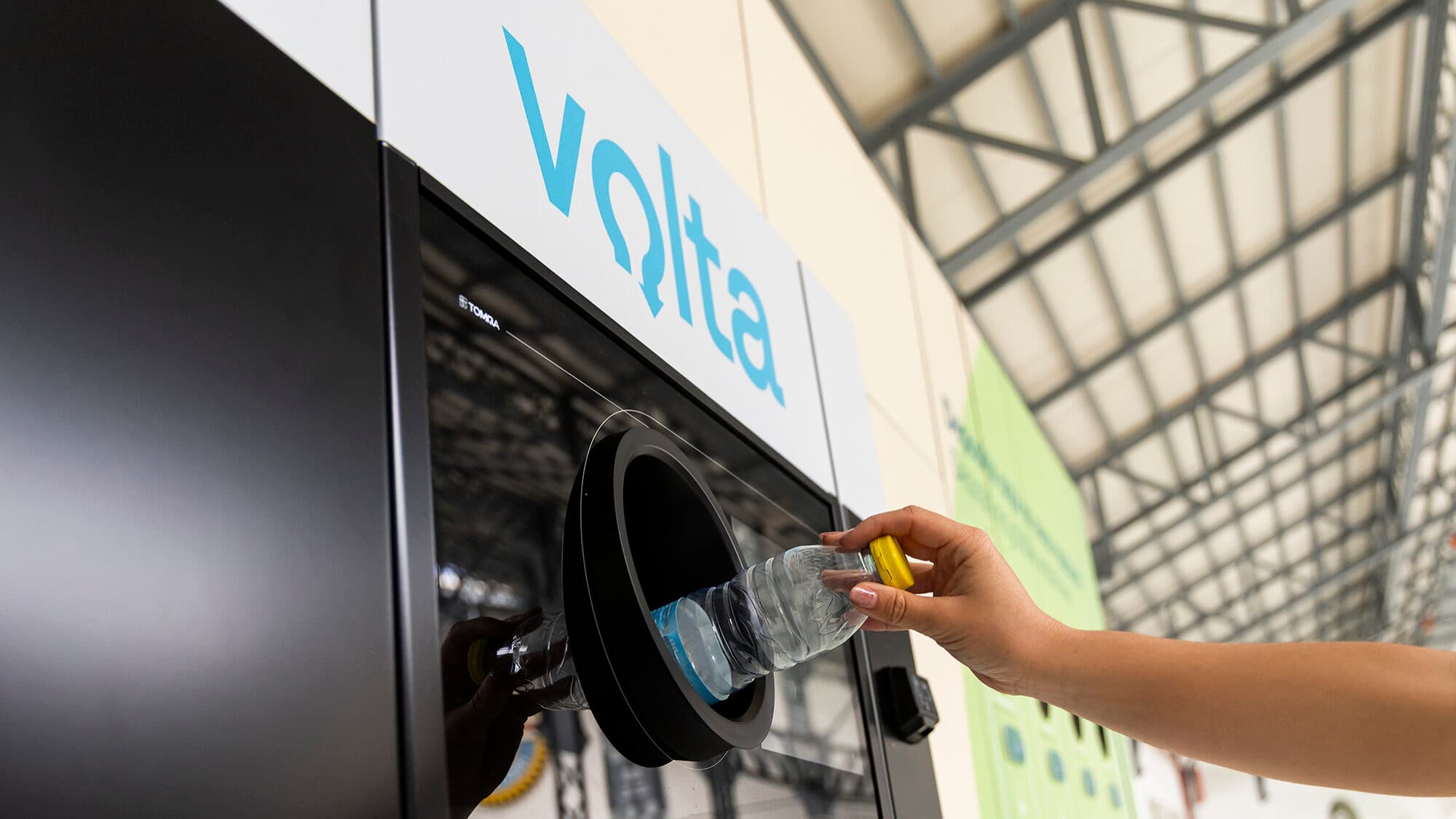
If you are reading this article in an app, open the quiz here. From 10 April 2026 the Deposit and Return System (SDR) comes into force; it aims to promote the circular economy by recovering single‑use beverage packaging in bottles and aluminium or steel cans...

The Treaty, negotiated under the auspices of the United Nations, covers more than half the planet and is a historic milestone for the global protection of the oceans and for multilateral cooperation.
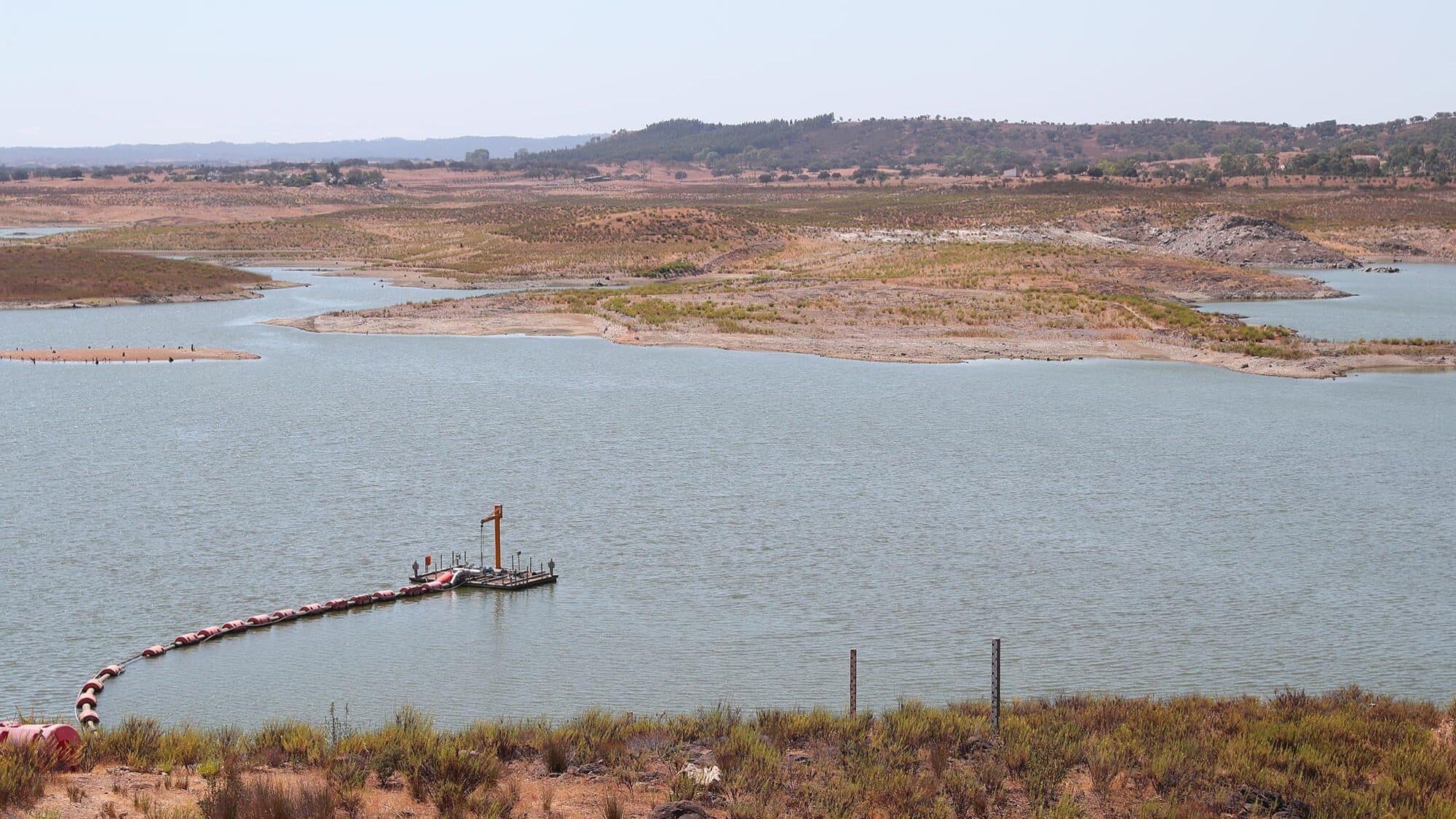
The Environment Minister announced a Special Programme for the Alqueva and Pedrógão reservoirs (PEAAP) to align water uses and environmental protection with current economic realities. Officials say the PEAAP will balance irrigation, tourism and conservation needs while updating management rules for the reservoirs. Landowners, farmers and local businesses in the Alentejo should watch for consultation stages and regulatory changes that could affect water allocations.
PEAAP is the Special Programme for the Alqueva and Pedrógão Reservoirs, a government planning process to align environmental protection, water management and the different economic uses around those two reservoirs. Its decisions can change local rules on water allocations, irrigation and environmental restrictions, so farmers, water users and residents in the affected areas should follow the process.
Alqueva is a large dam and reservoir on the Guadiana river in the Alentejo region that created one of the biggest artificial lakes in Portugal, supporting irrigation, hydropower and tourism across southern Portugal. Changes to Alqueva’s water management or planning (like through PEAAP) can directly affect agriculture, local water supply and seasonal tourism in the surrounding municipalities.
According to the Observatory for Energy Poverty, 15.7% of Portuguese households do not have the financial means to keep their homes warm.
In this episode we spoke with Rafael Ferreira, co‑founder and CTO of Miio, about the present and future of electric car charging.

Home News Eco Wave Power being carried out in Portugal Eco Wave Power being carried out in Portugal Eco Wave Power Global AB (NASDAQ: WAVE) has taken a significant step forward in delivering its 1 MW wave energy project in Porto, Portugal, after completing a comprehensive wave and structural load

Home News Portugal with high consumption of renewable energy Portugal with high consumption of renewable energy According to idealista, Portugal is the 7th-largest country in the European Union (EU) in terms of renewable energy consumption, with 36. 3% of its energy coming from these sources.

ANA/Vinci Airports today submitted the Environmental Impact Study (phase 1) for the new Luís de Camões airport to the Government, meeting the timetable as part of the concessionaire's bid.

The category 'extreme weather events' dropped from 2nd to 4th place on the list of most severe short-term threats, but half of the top ten long-term global risks are environmental.

In 2025 the Portuguese separated 2% more packaging for recycling than in 2024, totalling 486,990 tonnes, but Portugal once again failed to meet packaging recycling targets, announced Sociedade Ponto Verde, the organisation that manages this waste. Glass and ECAL (carton packaging for liquid food) were again the most ...

People in Portugal separated 2% more packaging for recycling in 2025 than in 2024.

Despite boosting investment in recycling infrastructure and programmes, Portugal did not meet the European recycling targets.

Consumption will rise from the current 620 hm³ to 730 hm³ per year, an increase of 110 hm³. The tariff for water supply should account for the rise in operating costs.

There are suspicions of deliberate poisoning of the species, which is protected and classified in Portugal as Critically Endangered with regard to breeding pairs.

About 20 red kites were found dead on Monday in Leomil, near Almeida in the Guarda district. Forensic investigations are now underway by the Institute for the Conservation of Nature and Forests (ICNF) and the National Republican Guard (GNR).

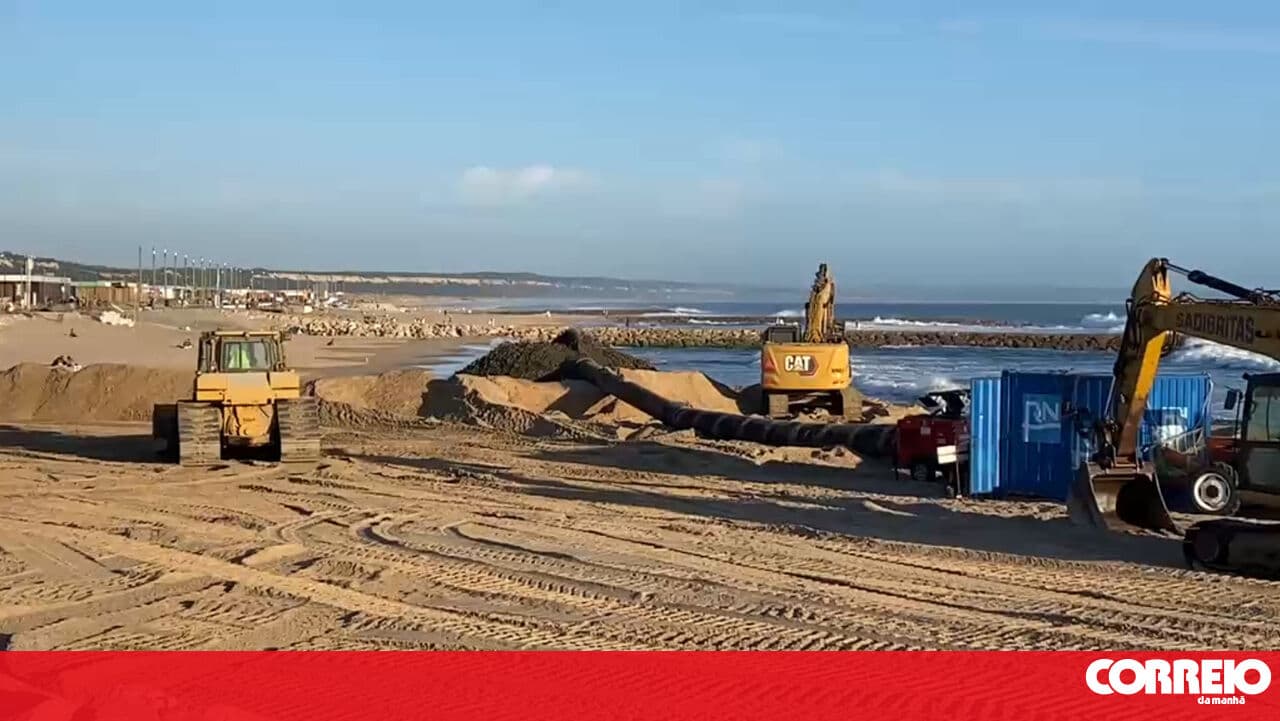
This scenario repeats every year. A seafront restaurant is at imminent risk of collapse.

The European Investment Bank (Banco Europeu de Investimento or BEI) has approved a €175 million financing package to Iberdrola for two hybrid wind farms in the Tâmega area in northern Portugal, to be integrated with the Tâmega pumped‑storage hydro complex. Reports say the combined installations will add capacity linked to the Gouvães, Daivões and Alto Tâmega systems and help supply tens or hundreds of thousands of consumers; coverage highlights the project's role in Portugal's renewables and storage strategy. Local economic and environmental impacts will follow during construction; residents and jobseekers in the north should watch for procurement and local consultation notices.

A 2025 climate assessment found the year was the third warmest on record, driven chiefly by the accumulation of greenhouse gases in the atmosphere and by exceptionally high sea‑surface temperatures across the oceans, highlighting ongoing anthropogenic warming and implications for climate resilience and sustainability.

The Socialist Party (PS) parliamentary group will table an amendment this Wednesday to allow the previous and new electric mobility regimes — the latter published in August — to operate in parallel. Socialist deputy Pedro (quoted) says the proposal lets 'whoever wants to remain with the previous model stay' and those who prefer the new framework move to it, effectively offering regulated choice rather than a forced transition. Analytically, the move aims to protect operators and consumers from disruptive change and preserve investment and service continuity, but it also risks prolonging regulatory complexity and creating uncertainty for long-term EV policy and market signalling.

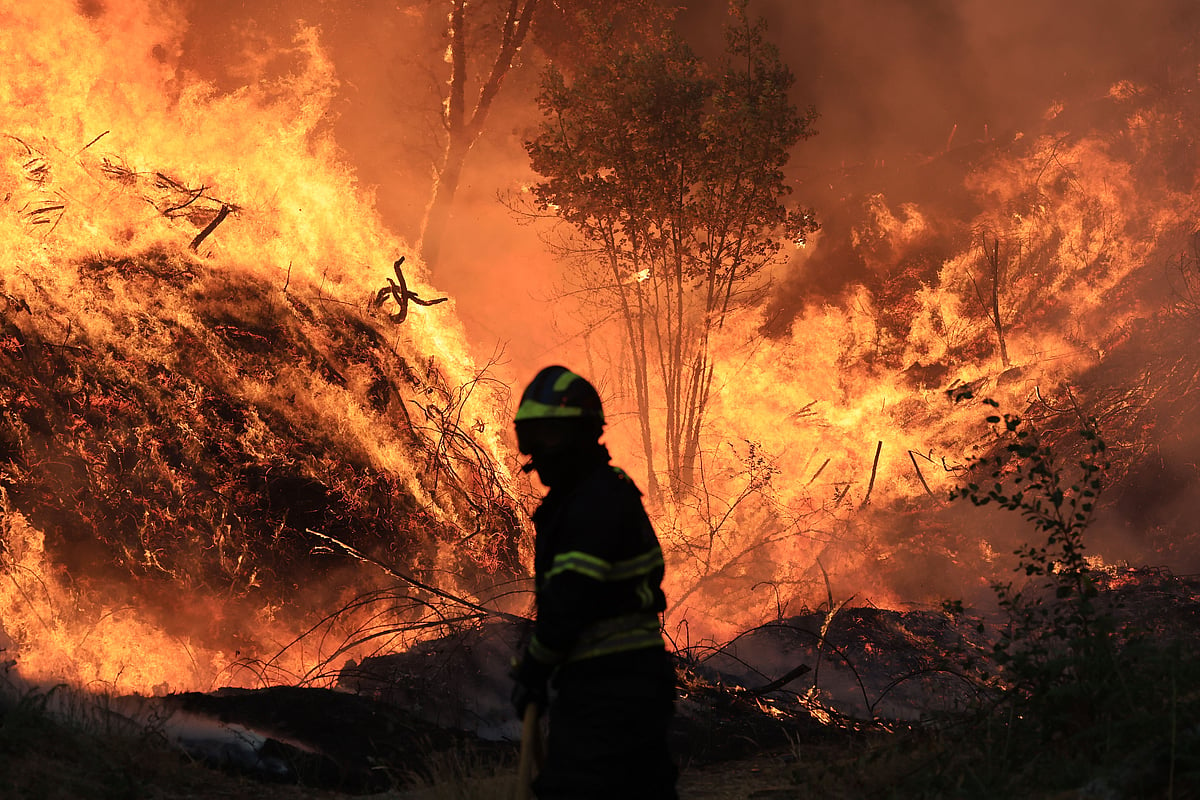
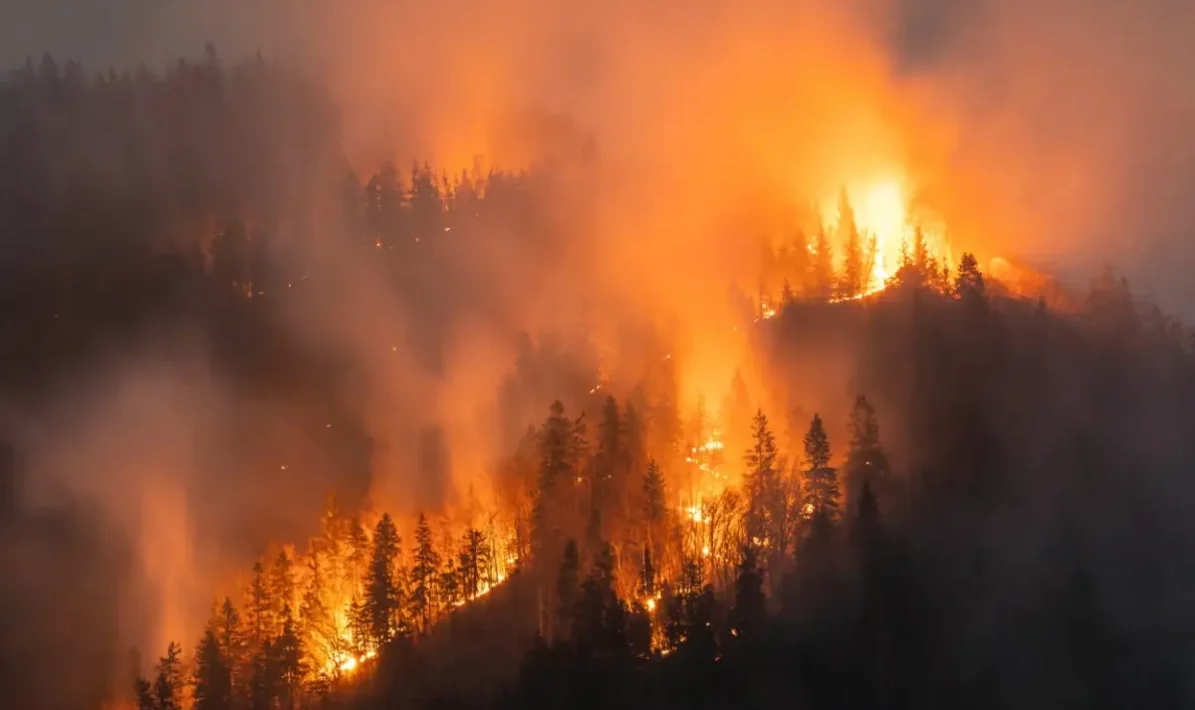
A chronicle of a forest turned upside down, caught between carbon and calamity. Opinion by Pedro Portugal

China has condemned the European Union’s new import-control mechanism targeting polluting products as discriminatory and unfair, and has pledged to take “necessary measures” in response. The move highlights a growing regulatory clash between trade and sustainability goals: while the EU says it seeks to curb pollution embedded in imports, affected exporters view the rules as protectionist. The dispute could prompt diplomatic friction, potential retaliatory actions or legal challenges and create uncertainty for supply chains and companies navigating diverging environmental standards.