Latest news and stories about agriculture in Portugal for expats and residents.
This page has only 1 story and is not indexed by search engines.
In much of the territory, in the current context, agriculture as an economic activity is doomed. It does not generate income, but it could, for example, fulfil a role connected to the territory.

Portugal faces a mixed outcome from the EU–Mercosur trade agreement. Export-oriented sectors such as wine, olive oil and cheese see expanded market access to Argentina, Brazil, Paraguay and Uruguay as growth opportunities, while domestic meat and rice producers fear increased competition, downward price pressure and quota-driven market disruption. The deal thus creates winners and losers within Portugal’s agricultural and food industries, highlighting the need for safeguards, support measures and sectoral adaptation strategies.
Update: The trade agreement between the European Union and Mercosur is due to be signed this Saturday. The impending signature has intensified debate in Portugal: wine, olive oil and cheese sectors are positioning to capture growth in the four South American markets, while meat and rice producers renew warnings about heightened competition, downward price pressure and quota effects. Stakeholders are pressing for concrete safeguards, transitional support and clear implementation timetables to mitigate adjustment costs and protect sensitive domestic producers.

The President of the European Council refers to criticism from some agricultural sectors in Europe. Also, Donald Trump says the United States are in talks with NATO about acquiring Greenland.

The EU–Mercosur agreement will create clear winners and losers in agriculture: EU wine and olive oil producers stand to gain improved access and competitive opportunities, while beef, rice, sugar and honey are likely to face the greatest pressure from increased imports and tariff concessions. Farmers warn of 'unfair competition' and say small family farms risk bankruptcy unless safeguard clauses are rigorously enforced, with transparent monitoring, clear trigger mechanisms and targeted support measures. The agreement therefore raises political and policy questions about enforcement, compensation and the protection of vulnerable rural sectors.

The European Commission has introduced a package of measures to protect the most sensitive agricultural sectors, ensuring the relationship between the two blocs yields reciprocal benefits.

The Minister of Agriculture and the Sea emphasises the importance of the agreement for Portugal and says it will bring benefits for products such as wine, olive oil and cheese.

Consumption will rise from the current 620 hm³ to 730 hm³ per year, an increase of 110 hm³. The tariff for water supply should account for the rise in operating costs.

Diário de Notícias and Correio da Manhã report the Portuguese government describes the long‑running EU–Mercosur agreement as an economic opportunity, while domestic producers and farming groups urge Brussels to proceed cautiously to protect local sectors. The coverage highlights continuing divisions over market access, environmental and regulatory safeguards after 25 years of negotiation. Exporters and agricultural businesses should monitor EU negotiations and any safeguards that may affect competitive conditions.

Mercosur is the South American trade bloc (Southern Common Market) whose main founding members are Argentina, Brazil, Paraguay and Uruguay. An EU–Mercosur trade agreement — which the story says may be approved and signed soon — would reduce tariffs and open markets on both sides, affecting agricultural and industrial trade flows and therefore prices and business opportunities relevant to residents and companies in Portugal.

Mercosur is the South American trade bloc (Southern Common Market) whose main founding members are Argentina, Brazil, Paraguay and Uruguay. An EU–Mercosur trade agreement — which the story says may be approved and signed soon — would reduce tariffs and open markets on both sides, affecting agricultural and industrial trade flows and therefore prices and business opportunities relevant to residents and companies in Portugal.

The candidate also said he 'did not want to finish this election campaign' without valuing agriculture.

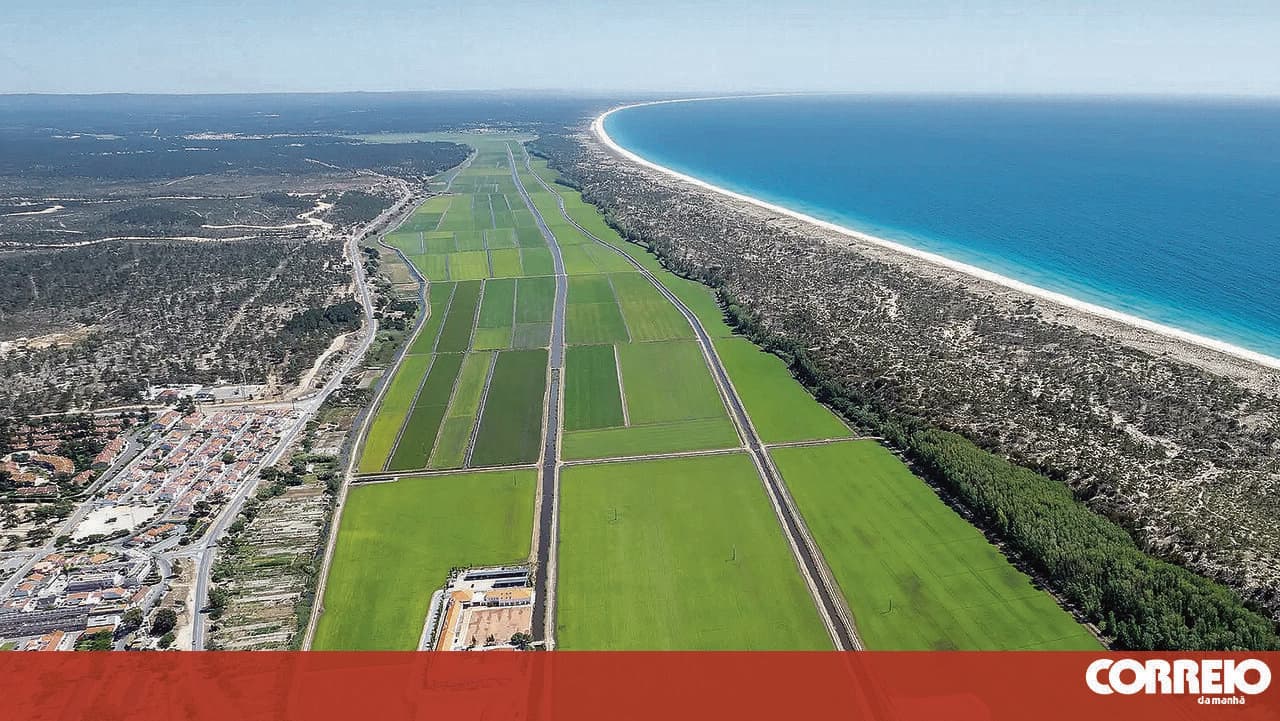
The Government approved a new strategic framework for the management of the Alqueva Multipurpose Project (EFMA), in the Alentejo, which increases the volume of water available for agriculture, public water supply and industry. In a statement released this Thursday, the Ministry of Agriculture and the Sea says that this new framework "increases the volume of water ...

The candidate also said he “did not want to end this election campaign” without recognising the importance of agriculture.

Algarve farmers are raising the alarm over the European Union-Mercosul trade deal, warning that it would hit Portuguese agriculture hard and have “severe” impacts on “vulnerable” regions like the Algarve. The post Algarve farmers oppose EU-Mercosul deal appeared first on Portugal Resident.

Fedragi justifies its stance by saying the agreement represents a 'serious risk to agricultural income, the survival of family farms and the sustainability of rural areas'.

André Pestana calls for the defence of Portuguese farmers. The presidential candidate criticises the European Union's agreement with Mercosur.
The agreement will be signed next Saturday, 17 January, in Paraguay.

Confagri — the confederation representing Portuguese agriculture interests — told media the government's upbeat stance on the EU‑Mercosur agreement is premature and urged more public and private investment in the agri‑food sector to protect producers. Observador and RTP report Confagri wants safeguards and support so domestic farmers can compete if the trade deal advances. For expats in agri‑business or rural areas: watch later announcements on subsidies, market access and support programmes which can affect regional economies and local services.

Mercosur is the South American trade bloc (Southern Common Market) whose main founding members are Argentina, Brazil, Paraguay and Uruguay. An EU–Mercosur trade agreement — which the story says may be approved and signed soon — would reduce tariffs and open markets on both sides, affecting agricultural and industrial trade flows and therefore prices and business opportunities relevant to residents and companies in Portugal.
Confagri is the national confederation that represents agricultural cooperatives in Portugal, acting as a trade association and lobby for producers in policy, investment and trade discussions. Its caution about the EU–Mercosur agreement matters because Confagri speaks for cooperatives that produce food and export goods—its calls for more investment or safeguards can influence government responses, funding priorities and market rules that affect prices and rural jobs.

RTP (Rádio e Televisão de Portugal) is Portugal's state-owned public service broadcaster, operating since 1935 (radio) and 1957 (television). It runs 8 television channels (including RTP1, RTP2, RTP3) and 7 radio stations (Antena 1, 2, 3), plus international services reaching Portuguese diaspora worldwide. Funded by a broadcasting tax on electricity bills and advertising revenue, RTP serves as Portugal's cultural reference, providing quality news, education, and entertainment. Its archive represents "irreplaceable heritage in Portuguese collective memory", and it pioneered online streaming with RTP Play in 2011. RTP connects "Portugal and the Portuguese to themselves, to each other, and to the world"

The candidate criticised Marcelo Rebelo de Sousa for not taking a stance with the Government.

Presidential candidate André Ventura said today that the treaty between the European Union and Mercosur will be 'the final nail in the coffin' for national agriculture, criticising Marcelo for not having taken a position alongside the Government.
Presidential candidate António Filipe said today he is very concerned about the treaty with Mercosur and drew attention to agriculture, research and the setbacks caused by the abolition or merger of public institutions.
The candidate criticised Marcelo Rebelo de Sousa for not taking a stance with the Government.

Critics of the agreement argue the treaty will harm European farming by allowing imports of cheaper products from Latin America.

Supporters of the agreement say it is essential to boost exports, but farmers in some countries fear its effects.

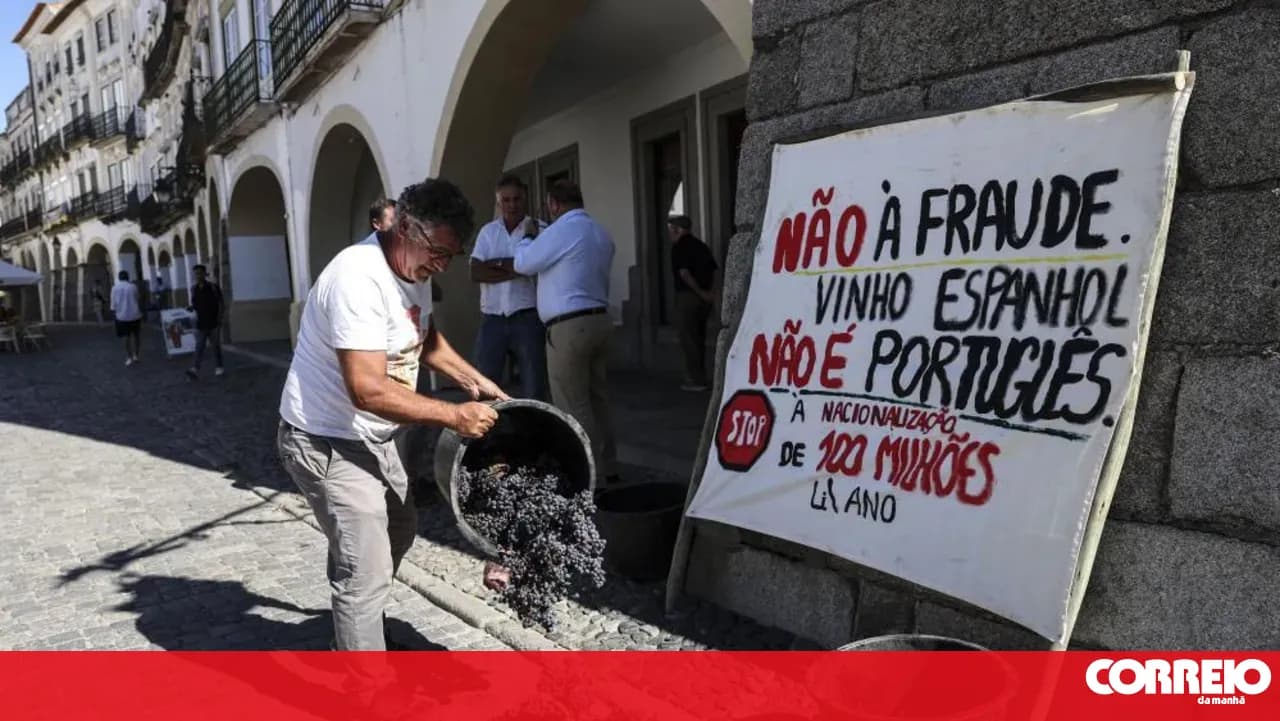
Farmers are protesting in countries such as Ireland, Spain and France against an agreement due to be ratified on 17 January. They say they will be disadvantaged in favour of the automotive industry and do not place their hope in Parliament.


TLDR News EU •