Without agricultural diesel, farmers are left without work
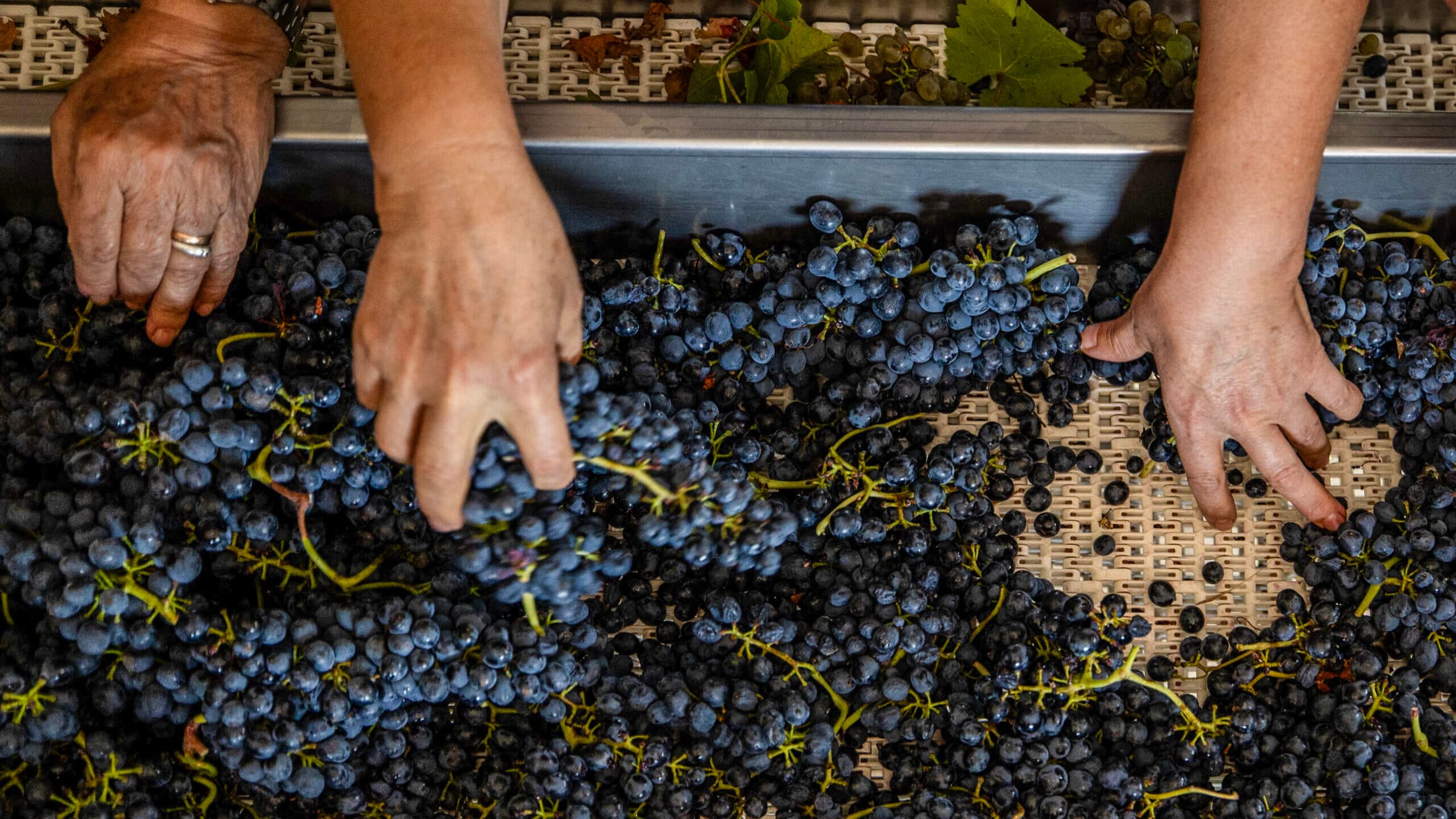
The “chaotic” rush to petrol stations has caused fuel to run out, leaving, in particular, the small farmers of Vale da Vilariça without a source of work or searching for other alternatives.

Latest news and stories about agriculture in finance in Portugal for expats and residents.
The “chaotic” rush to petrol stations has caused fuel to run out, leaving, in particular, the small farmers of Vale da Vilariça without a source of work or searching for other alternatives.

Several farmers in the Vale da Vilariça, in the municipality of Vila Flor, were left without agricultural diesel to work for a few days after it ran out at regional petrol stations, with supplies only being replenished today.

From the creation of the Iberian Cherry Observatory to the demonstration of innovative solutions in pilot orchards, and the economic valorisation of cherries from Resende, Fundão, and the Valle de Jerte in neighbouring Spain. These are some of the initiatives of the Portuguese-Spanish consortium, led by the Polytechnic Institute of Guarda (IPG), which could, in the future, be...

Ana Duarte of F. Rego suggests that establishing a catastrophe fund is essential to address the current challenges in the agricultural insurance market.

The Secretary-General of the CAP states that the Mondego area is the worst affected, but the damage is widespread. Greenhouses have suffered significant destruction.

The technology promises a revolution in the sector in Portugal.

Agricultural cooperatives are calling for a tax discount on diesel fuel used for farming operations.

According to the confederation, since the beginning of the conflict in the Middle East, the price of agricultural diesel has already increased by 20 cents per litre and is expected to continue rising next week.

Jorge Rita believes the current moment requires “exceptional” measures, noting that “the war was supposed to last two days, but no one knows when it will end.”

The confederation of agricultural cooperatives stated today that it is unacceptable for agricultural diesel not to receive the same discount applied to petrol and road diesel.
At issue is the question of the exclusive use of Douro brandy for the production of Port wine.

According to the confederation, since the start of the conflict in the Middle East, the price of agricultural diesel has already increased by 20 cents per litre and is expected to continue rising next week.

The European Scientific Advisory Board on Climate Change recommends a deep reform of agriculture to the EU to face growing climate risks and protect production and income. Healthier diets and taxes on agricultural emissions are some of the solutions pointed out.
Bad weather affected 2,661 farmers in the North, who reported losses in the region of 50.3 million euros, 62% of which are related to the collapse of walls, according to the Regional Coordination and Development Commission.
The Northern Regional Coordination and Development Commission stated that, according to records, 6,521 locations were affected and 62% of the incidents are related to collapsed walls.

Azul Empírico, a subsidiary of the Davidson Kempner fund, has proposed a significant investment of 203 million euros to acquire the agricultural company Herdade da Comporta, indicating a strong interest in the agricultural and real estate market in the region.

Every day, justice declares insolvency for 17 individuals, with commerce and workshops leading the charge in business bankruptcies. The crisis is also escalating in sectors such as hospitality, catering, and agriculture, indicating a broader economic downturn.

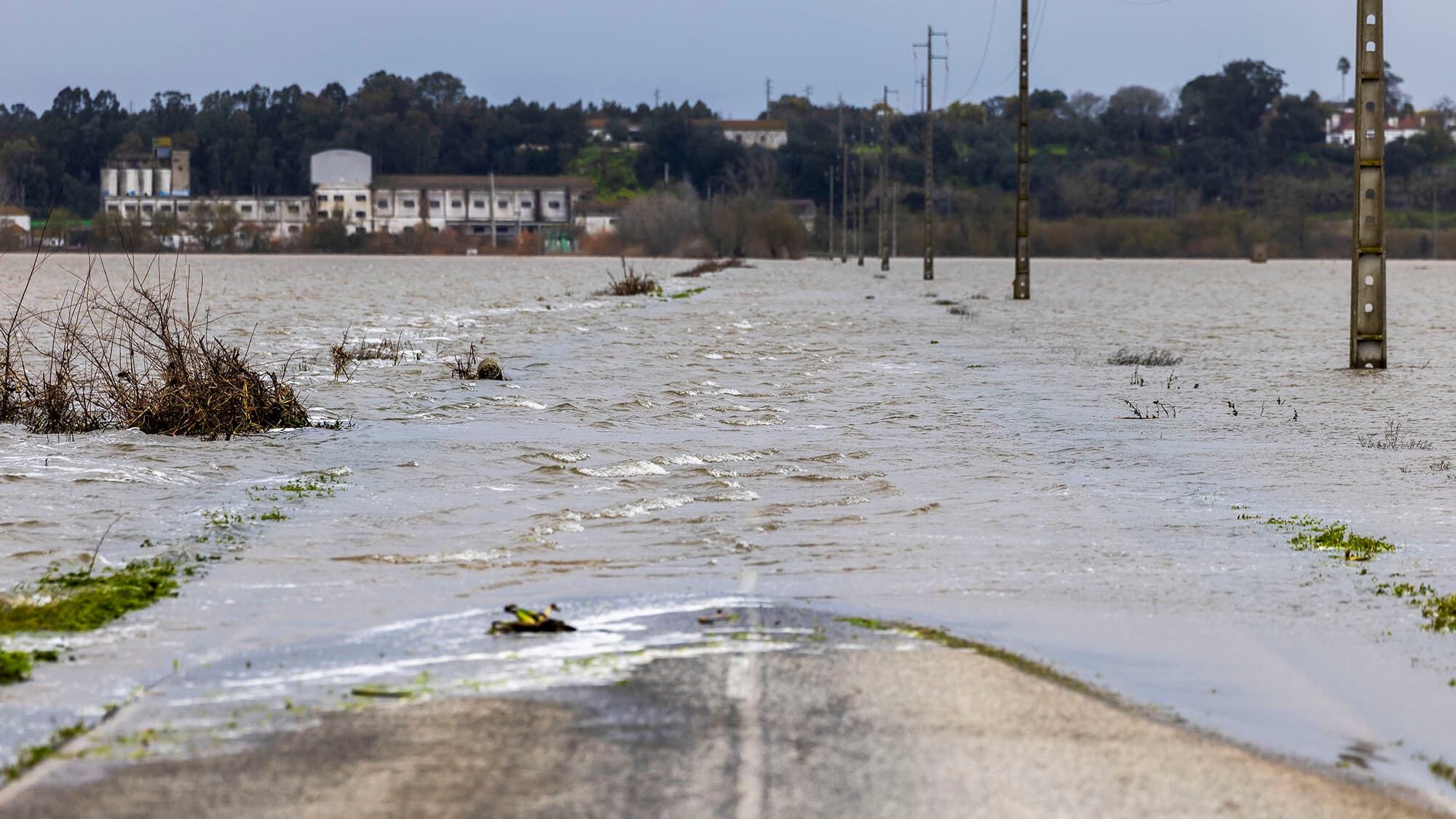
The recent severe weather in Portugal has devastated agricultural operations, particularly in the West region, but this damage has not yet impacted food supply or prices in supermarkets. However, as major distributors may need to source food from other regions, consumers could eventually feel the financial effects.
Update: Kristin has no impact on food supply, but it may affect consumers' wallets
Officials say the storm named Kristin has not yet altered supermarket availability or retail prices. However, significant damage to agri-food operations in the West — some destroyed or unable to resume production for months — means major distributors may need to source supplies from other regions, potentially pushing up costs for consumers.

The Rural Development Programme (PDR 2020) underwent 16 reprogrammings in nine years and the CAP Strategic Plan already has four, lamented the Confederation of Portuguese Farmers (CAP), which called on those in government to come to an agreement. “PDR 2020 had 16 reprogrammings in nine years. No business can survive if it has, in nine ...”

The president of the Azores Agricultural Federation (FAA), Jorge Rita, on Tuesday called the fall in the region's milk price “regrettable”, saying it contradicts an audit by the European Court of Auditors. Jorge Rita was speaking after Unicol's decision to reduce the producer milk price in the islands by three euro cents...

The president of Portugal Fresh says that “many companies in the sector suffered huge losses and need to restore their productive capacity.”

The CEO of Portuguese wine producer Casa Ermelinda Freitas warns the wine sector is experiencing one of the toughest moments in recent memory, expressing concern about the current challenges facing producers and the industry.
Luís Mira, secretary-general of CAP, gives an update on the impact of the storm on agriculture.

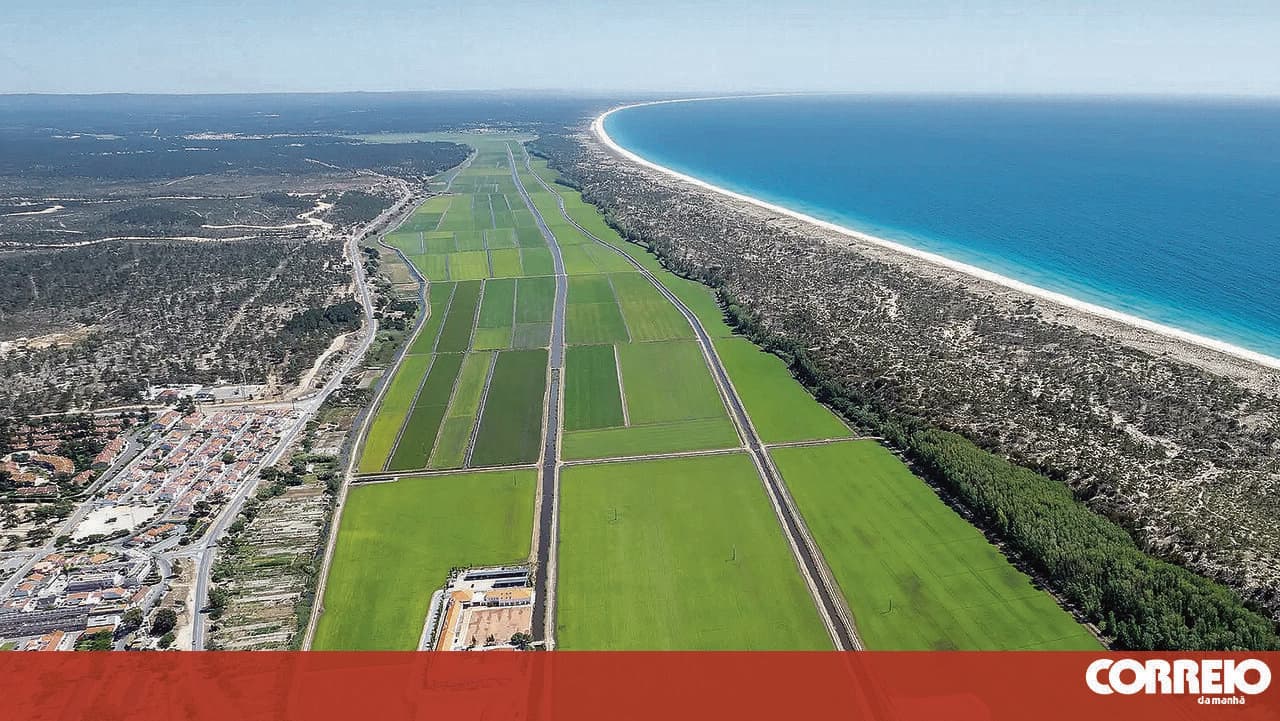
Portugal faces a mixed outcome from the EU–Mercosur trade agreement. Export-oriented sectors such as wine, olive oil and cheese see expanded market access to Argentina, Brazil, Paraguay and Uruguay as growth opportunities, while domestic meat and rice producers fear increased competition, downward price pressure and quota-driven market disruption. The deal thus creates winners and losers within Portugal’s agricultural and food industries, highlighting the need for safeguards, support measures and sectoral adaptation strategies.
Update: The trade agreement between the European Union and Mercosur is due to be signed this Saturday. The impending signature has intensified debate in Portugal: wine, olive oil and cheese sectors are positioning to capture growth in the four South American markets, while meat and rice producers renew warnings about heightened competition, downward price pressure and quota effects. Stakeholders are pressing for concrete safeguards, transitional support and clear implementation timetables to mitigate adjustment costs and protect sensitive domestic producers.