Agricultural insurance: supply and demand are low
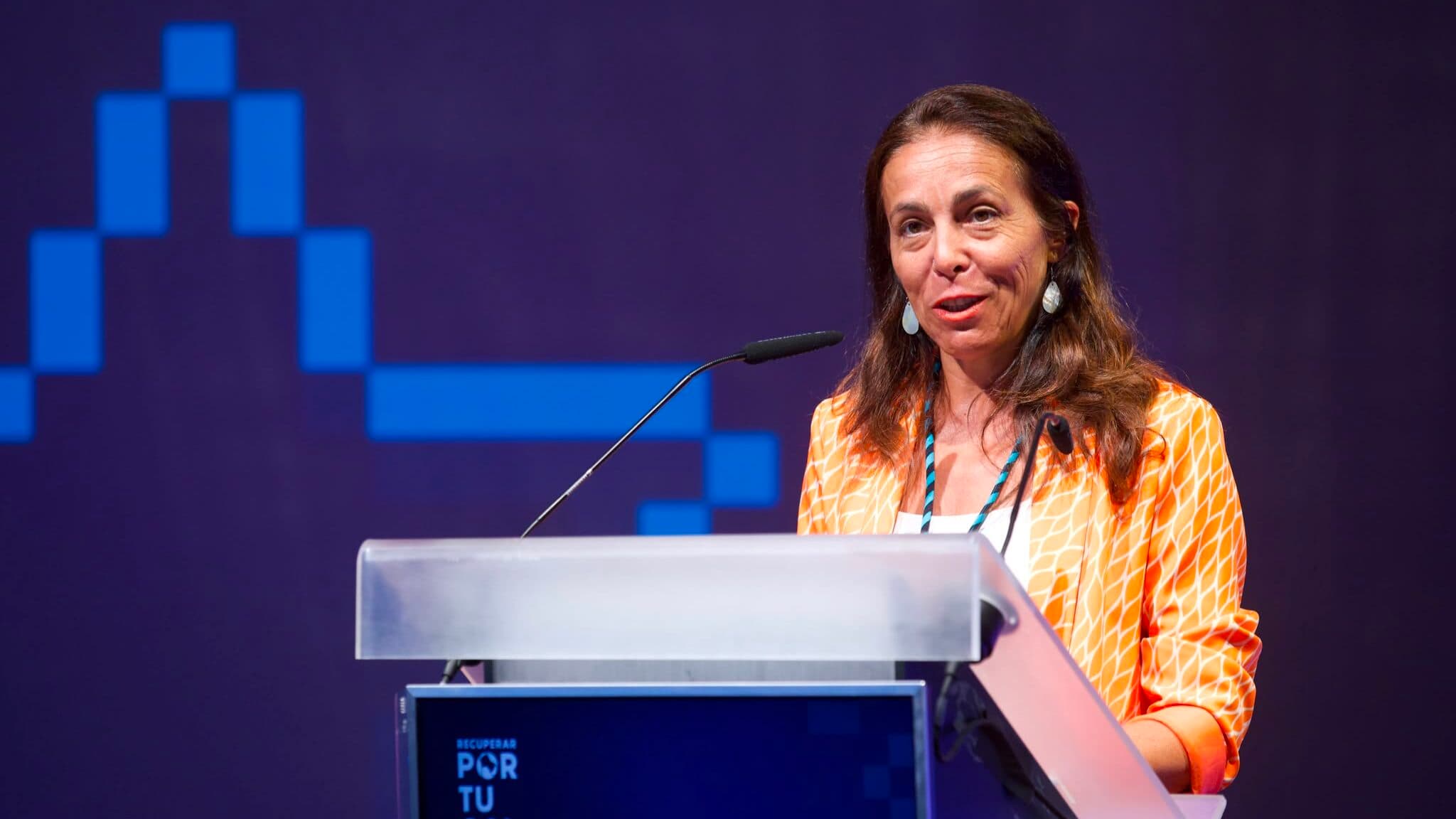
Ana Duarte of F. Rego suggests that establishing a catastrophe fund is essential to address the current challenges in the agricultural insurance market.

Latest news and stories about economic activity in finance in Portugal for expats and residents.
Ana Duarte of F. Rego suggests that establishing a catastrophe fund is essential to address the current challenges in the agricultural insurance market.

The Portuguese Communist Party (Partido Comunista Português or PCP) and the Left Bloc (Bloco de Esquerda or BE) are calling for government regulation and price fixing for fuel and food. Leaders Paulo Raimundo and José Manuel Pureza criticized the “obscene profits” of large companies during a protest in Lisbon, citing speculation linked to Middle East tensions. Consumers should note that these parties are also pushing for an extraordinary tax on large corporate profits.

The Portuguese Communist Party (PCP or Partido Comunista Português) is a Marxist‑Leninist party founded in 1921 out of the revolutionary trade‑union and anarcho‑syndicalist movement, becoming the Portuguese section of the Comintern in 1923. Banned after the 1926 coup, it went underground and became a central force of resistance to the Estado Novo dictatorship, organizing clandestine unions, anti‑fascist struggle and supporting the colonial liberation movements. After the 1974 Carnation Revolution, the PCP was pivotal in land reform, nationalisations and embedding social rights in the 1976 Constitution, especially in the Alentejo and Setúbal regions where it has long been very strong.
Today the PCP is a smaller but still influential party rooted in the CGTP trade‑union confederation and local government, holding a handful of Assembly seats and one MEP in the Left group. It advocates a “patriotic and left‑wing alternative”: defence of workers’ rights, public services and national sovereignty, strong criticism of EU and NATO constraints, and support for socialist countries and anti‑imperialist causes.
José Manuel Pureza is the national coordinator of the Left Bloc (Bloco de Esquerda), the party quoted in the story. In the article he is cited criticizing the president’s stance on the labour package, so his comments reflect the party’s public position on that policy.
PCP Secretary-General Paulo Raimundo has challenged Prime Minister Montenegro to tax the record profits of major banking and energy corporations to fund war-related costs, urging a direct confrontation with big capital.

Former Minister of Economy Manuel Caldeira Cabral examines how Middle East geopolitical instability and rising oil prices could impact the Portuguese economy and household costs.

The European Investment Bank (EIB) Group increased its lending to Portugal by 43% in 2025, reaching three billion euros. EIB President Nadia Calviño and Finance Minister (Ministro das Finanças) Joaquim Miranda Sarmento announced that 1.5 billion euros is specifically earmarked for social and affordable housing. Other major investments include nearly one billion euros for the high-speed rail project between Porto and Lisbon. Those seeking affordable housing should note that these funds aim to increase supply across the country quickly.
Joaquim Miranda Sarmento is Portugal’s Finance Minister who gave a hearing before the Budget, Finance and Public Administration Committee about fiscal measures affecting housing. His remarks matter to expats because finance ministry decisions — like exemptions and public guarantees for young homebuyers — influence the property market, taxes and programmes that can affect housing affordability.
The European Investment Bank (Banco Europeu de Investimento or BEI) is the lending arm of the European Union, owned by its member states. It provided €1.9 billion in financing to Portugal in 2023, focusing on sustainable transport and energy projects. Residents interested in Portugal's economic development should note its role in funding large-scale public and private infrastructure.
Nadia Calviño is the President of the European Investment Bank (EIB), a role she assumed in January 2024. Before leading the EIB, she was Spain's First Vice President and Minister for Economy and Digital Transformation. Those following European economic policy should note her influence on how the EU funds climate and infrastructure projects in the euro area.

The ongoing conflict in Iran is triggering economic instability, leading to rising inflation and expectations of interest rate hikes by the ECB, which will directly increase mortgage costs for families in Portugal.

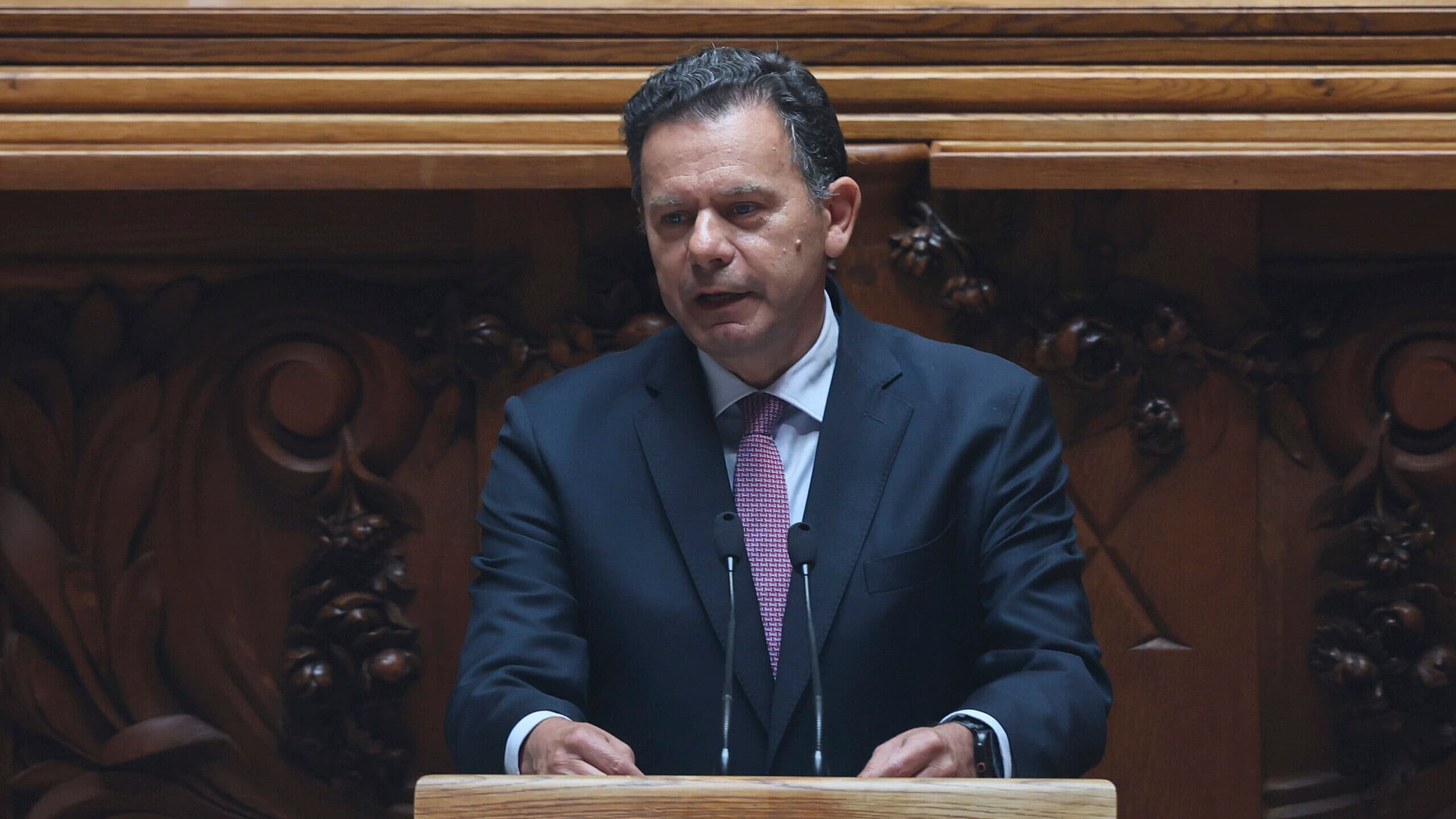
Prime Minister Luís Montenegro has promised to use regulatory power to prevent fuel price speculation as costs at some stations again exceed two euros per liter. Energy Minister Maria da Graça Carvalho stated that while the market is tense, Portugal has not yet reached an 'energy emergency' that would trigger more drastic measures. Drivers should note that the government plans to release 10% of strategic oil reserves to help stabilize the market, though taxi federations are already requesting extraordinary support.

Luís Filipe Montenegro Cardoso de Morais Esteves (born February 16, 1973, in Porto) is a Portuguese lawyer and center‑right politician who has served as Prime Minister of Portugal since April 2, 2024. A long‑time member of the Social Democratic Party (PSD), he is the leading figure of the post‑Troika generation of Portuguese conservatives. Montenegro was elected to the Assembly of the Republic in 2002 for the Aveiro district and remained an MP for 16 years, becoming PSD parliamentary leader from 2011 to 2017 during the bailout and austerity period under Prime Minister Pedro Passos Coelho. He was a prominent defender of strict austerity measures, arguing in 2014 that “the life of the people is no better, but the life of the country is a lot better,” a phrase that has followed his public image since. After an unsuccessful leadership bid against Rui Rio in 2020, Montenegro won the PSD leadership in 2022. He then forged the centre‑right Democratic Alliance (PSD–CDS‑PP and allies), which won a plurality of seats in the 2024 legislative election. Refusing to partner with the far‑right Chega, which he has called “often xenophobic, racist, populist and excessively demagogic,” he formed a minority government as head of the XXIV Constitutional Government on April 2, 2024. His first government fell in March 2025 after a no‑confidence vote linked to a conflict‑of‑interest affair, but fresh elections saw the Democratic Alliance increase its seat share, allowing Montenegro to return as prime minister leading the XXV Constitutional Government. His importance to Portugal lies in attempting to re‑center the traditional centre‑right after the crisis years, defending liberal‑conservative economics and EU alignment while drawing a sharp line against formal cooperation with the radical right, thus shaping how Portuguese democracy manages its new multi‑party era.

Maria da Graça Carvalho, the Energy Minister, is a Portuguese engineer and politician affiliated with the Social Democratic Party (PSD) who has served as a Member of the European Parliament and held government roles connected to science and higher education policy. Her work on research and EU policy can affect funding and regulation that matter to professionals and students living in Portugal.

Former Vice-Prime Minister Paulo Portas addressed the Social Democratic Party (Partido Social Democrata or PSD) conference, calling for policy consistency in a “volatile and dangerous” world. Portas argued that increasing productivity (produtividade) is the only sustainable way to improve average wages in Portugal. Those living in Portugal should note that Prime Minister Luís Montenegro attended the session to hear the veteran politician's views on demographic decline.
Paulo Portas is a Portuguese politician and the former leader of the CDS–PP (Centro Democrático e Social – Partido Popular). He often appears in media commentary—according to the story he used his weekly TVI slot to announce he will vote for António José Seguro in the presidential run-off.

Luís Filipe Montenegro Cardoso de Morais Esteves (born February 16, 1973, in Porto) is a Portuguese lawyer and center‑right politician who has served as Prime Minister of Portugal since April 2, 2024. A long‑time member of the Social Democratic Party (PSD), he is the leading figure of the post‑Troika generation of Portuguese conservatives. Montenegro was elected to the Assembly of the Republic in 2002 for the Aveiro district and remained an MP for 16 years, becoming PSD parliamentary leader from 2011 to 2017 during the bailout and austerity period under Prime Minister Pedro Passos Coelho. He was a prominent defender of strict austerity measures, arguing in 2014 that “the life of the people is no better, but the life of the country is a lot better,” a phrase that has followed his public image since. After an unsuccessful leadership bid against Rui Rio in 2020, Montenegro won the PSD leadership in 2022. He then forged the centre‑right Democratic Alliance (PSD–CDS‑PP and allies), which won a plurality of seats in the 2024 legislative election. Refusing to partner with the far‑right Chega, which he has called “often xenophobic, racist, populist and excessively demagogic,” he formed a minority government as head of the XXIV Constitutional Government on April 2, 2024. His first government fell in March 2025 after a no‑confidence vote linked to a conflict‑of‑interest affair, but fresh elections saw the Democratic Alliance increase its seat share, allowing Montenegro to return as prime minister leading the XXV Constitutional Government. His importance to Portugal lies in attempting to re‑center the traditional centre‑right after the crisis years, defending liberal‑conservative economics and EU alignment while drawing a sharp line against formal cooperation with the radical right, thus shaping how Portuguese democracy manages its new multi‑party era.

The President of the Eurogroup, Kyriakos Pierrakakis, warned that the eurozone must prepare for a prolonged period of economic instability due to the conflict in the Middle East. He noted that while the European economy is resilient, potential disruptions to maritime transport and energy supplies could threaten the 2% inflation target. Residents should be aware that these external shocks may lead to sustained pressure on energy prices and supply chains in the coming months.
The Eurogroup is a meeting of finance ministers from the 20 European Union countries that use the Euro currency. It coordinates economic policies and manages financial stability, including responses to energy price volatility caused by global conflicts. Residents should note that its decisions influence inflation and the broader economic environment across the Eurozone.

The price of crude oil is projected to surpass 100 dollars soon, with potential to reach 150 dollars if production is halted, leading to increased fuel costs.

A total of 11,000 companies have applied for exemption from the Single Social Tax (TSU), amounting to an estimated 200 million euros in total.
This year, the price of cod, a staple in Portuguese cuisine, has reached unprecedented levels, with fifty euros no longer sufficient to purchase three kilos. This significant increase reflects broader economic trends affecting food prices.

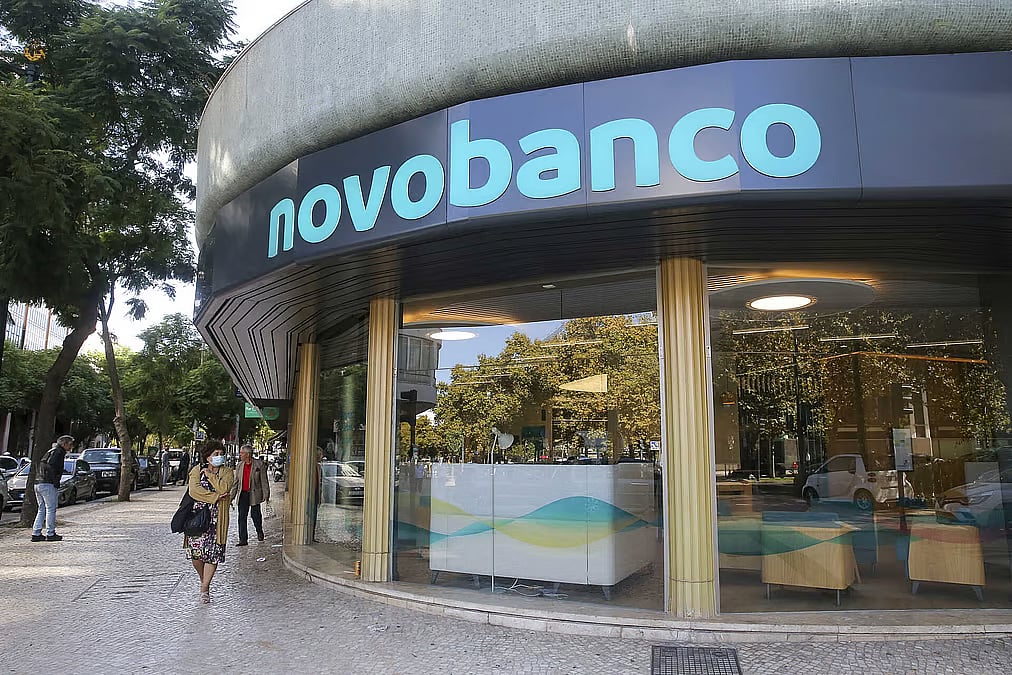
In 2025, the five largest banks in Portugal—Caixa Geral de Depósitos (CGD), BCP, Santander Totta, BPI, and Novo Banco—reported combined profits of 5.2 billion euros, marking a 5.9% increase from the previous year. This growth was driven by gains in financial margins and fee income, with total fees exceeding 2.5 billion euros. CGD and BCP achieved record profits, while BPI experienced a decline. Despite lower interest rates, the banks maintained strong financial performance through increased fee income and operational gains, highlighting the resilience of the Portuguese banking sector.

Fuel prices are set to rise sharply due to the ongoing war in the Persian Gulf, with diesel expected to increase by 19.5 cents and petrol by 8 cents per litre on Monday. The rise in Brent prices, driven by the coordinated attack by the United States and Israel on Iran, has quickly impacted petrol stations in Portugal. Diesel is seeing a larger increase compared to petrol, prompting oil companies to boost stocks at service stations in anticipation of a surge in demand before the price hikes take effect.
Portugal and Spain are forging an alliance to address climate change and enhance economic cooperation. At a recent summit, they focused on eliminating barriers for cross-border businesses while prioritizing sustainability initiatives.

Tourism is a vital part of the Portuguese economy, but it must adapt to new challenges such as increasing value, diversifying markets, and managing visitor flows effectively. Lídia Monteiro from Turismo de Portugal emphasizes the need for strategic growth in a competitive global landscape.

The European Budgetary Council has suggested that Portugal should diverge from the European Commission's recommended spending path, indicating a potential need for a revised budget. The anticipated safety margin in the approved budgets could be around 2 billion euros, which has previously allowed governments to avoid budget revisions. Additionally, the Ministry of Finance is tightening budgetary controls for the 2027 State Budget, requiring public entities to prepare for expenditure reservations that could reach 7.5% of tax-funded spending, marking a significant increase in fiscal oversight.

A recent study on Portugal's financial sector reveals significant trends in employment and salaries, highlighting a drastic reduction in bank branches and the high qualifications of workers. Despite higher average salaries compared to the national average, the study points out disparities with Spain and raises concerns about the future of employment if proposed reforms are enacted.

Stay informed with live updates on market activities and economic developments for 4 March.

The ongoing conflict in the Middle East is anticipated to drive up the prices of fuels, food, and housing services, with a notable increase of 10 cents in fuel prices expected as early as next week. This rise is part of a broader trend affecting living costs and economic stability.

Fuel prices are anticipated to increase next week due to ongoing global economic impacts stemming from current conflicts, which are already reflected in rising oil prices.
Update: Continued Economic Impact on Fuel Prices The rise in fuel prices is now expected to be more pronounced as analysts predict that the ongoing conflicts will further disrupt supply chains, leading to even higher costs for consumers in the coming weeks.

European stock markets and the euro are experiencing declines as oil prices surge due to escalating conflict in the Middle East, particularly in Iran. US oil prices rose by 8% to $72.40 per barrel, while Brent crude increased by 8.8% to $79.30 per barrel. Natural gas futures in Europe saw a significant rise of over 40% following a production halt by Qatar. Gold prices also increased by 1.2% as investors sought safer assets amid uncertainty. Wall Street opened lower, with the Dow Jones down 0.70%, the Nasdaq down 0.58%, and the S&P 500 down 1.09%. In Europe, while the Lisbon stock exchange remained relatively stable, major markets like Madrid, Frankfurt, Paris, and London faced notable declines. The euro fell to $1.1703, down from $1.1817, and also weakened against the pound and yen.

Azul Empírico, a subsidiary of the Davidson Kempner fund, has proposed a significant investment of 203 million euros to acquire the agricultural company Herdade da Comporta, indicating a strong interest in the agricultural and real estate market in the region.

The article discusses the detrimental impact of bureaucratic delays and obstacles on economic activity, highlighting findings from a recent INE survey. It identifies the judicial system, licensing, and taxation as the primary barriers to business development, exacerbated by ineffective public policies. The author calls for legislative reforms to address these issues, particularly in the judicial and licensing sectors, to facilitate investment and growth in the economy.

The Secretary of State for the Budget has acknowledged that the budget margin for 2026 is likely to be fully utilized to provide support for regions impacted by recent storms. Despite this necessity, he emphasized the importance of maintaining a balanced budget moving forward. The anticipated demands for financial assistance will overshadow any potential surplus that could arise from tax and contribution revenues by the end of 2025.
Update: Budget margin to be consumed by support demands
The Secretary of State for the Budget stated today that the budget margin for 2026 “will tend to be consumed by the demands associated with support for the victims of the storms.” He acknowledged that while there may be a potential surplus from tax revenues by the end of 2025, the primary focus will remain on addressing the urgent needs of storm-affected regions.

The article discusses the urgent need for Portugal to create conditions that allow its citizens, especially the youth, to live fulfilling lives. It highlights the challenges of job instability, low wages, and high housing costs that hinder family planning and personal growth. The piece argues that economic growth should not only be measured by GDP but also by the quality of life and the ability to retain talent. It calls for policies that promote better salaries, housing access, and support for families, emphasizing that the Portuguese dream is collective and rooted in the belief that each generation can live better than the last.

The government has received approval from Brussels to classify expenses incurred during storms and floods as 'one-off' costs, which will not affect the net primary expenditure. This decision, explained by Miranda Sarmento, allows for greater budget flexibility in managing unforeseen natural disasters.