Fuel prices may drop Monday despite Middle East uncertainty

Friday, 27 March 2026AI summary
Fuel prices may drop Monday despite Middle East uncertainty
Photo: Dinheiro Vivo

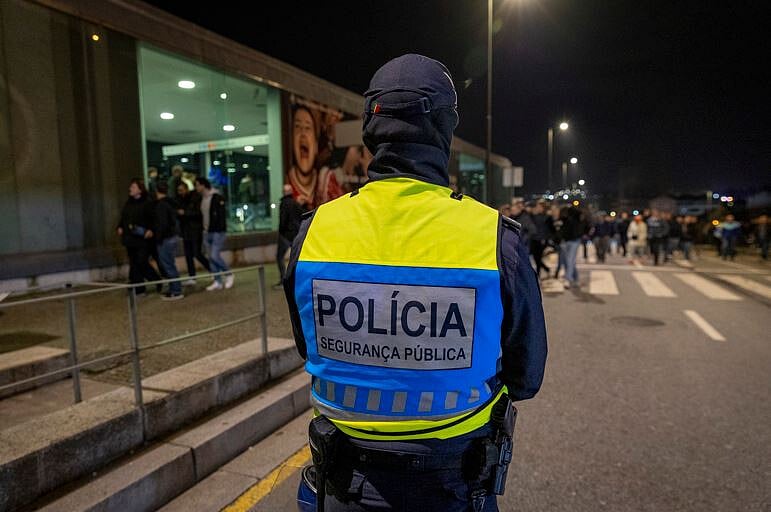
The National Association of Fuel Retailers (Associação Nacional de Revendedores de Combustíveis) expects a slight drop in diesel and petrol prices starting Monday. However, the ongoing conflict in the Middle East has caused Brent oil prices to fluctuate, making final costs at the pump difficult to predict. Some analysts are calling for a reduction in the 23% VAT (IVA) on fuel to provide relief to households facing high living costs. Drivers should check local station prices early next week for potential savings.

Update: Government approves €150 million monthly fuel support package

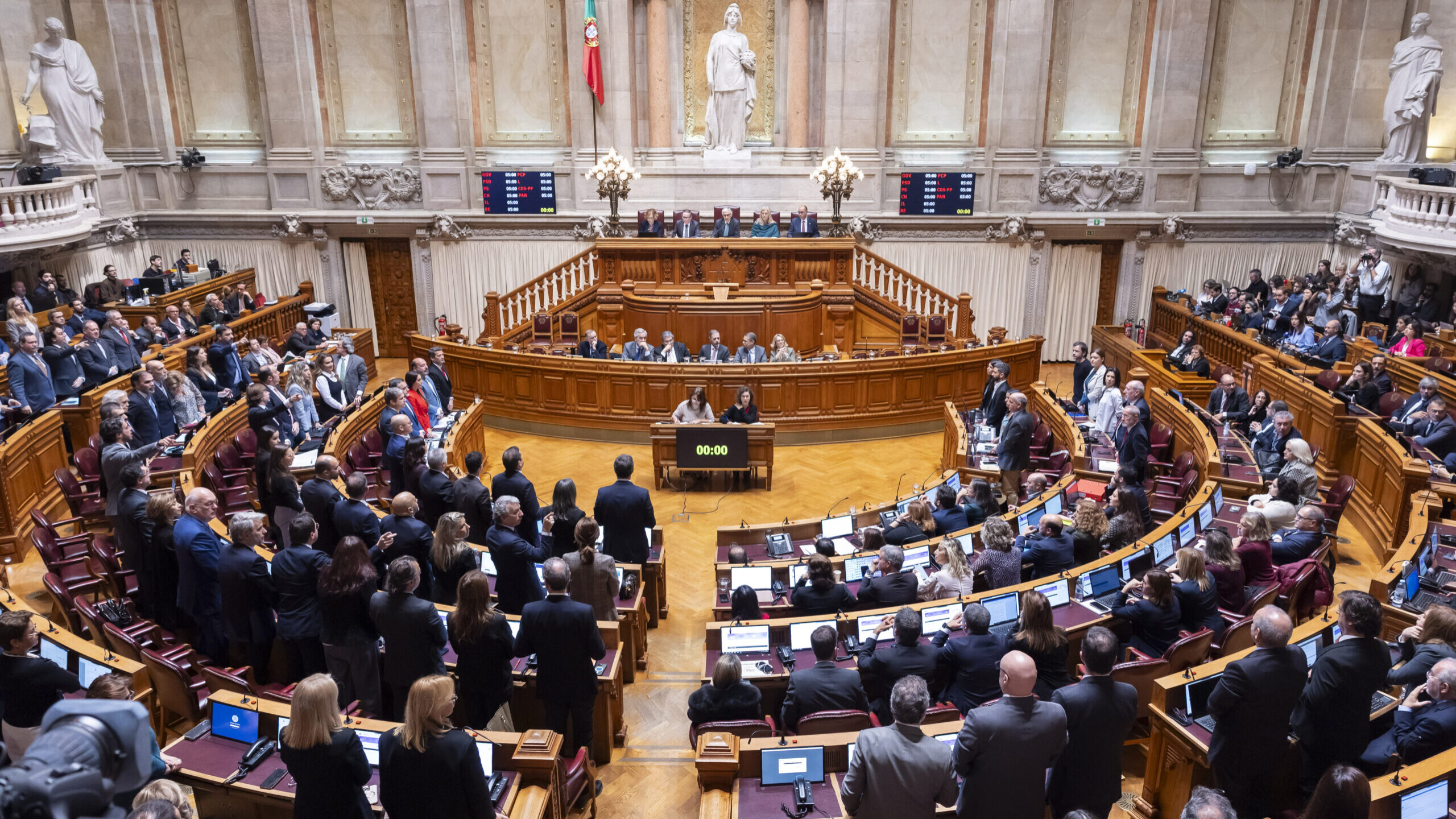
The government approved a 10-cent-per-liter subsidy for exposed sectors including taxis, agriculture, firefighters, and freight transport. Prime Minister Luís Montenegro rejected calls for a VAT reduction on fuel or food, stating the country must maintain its status of financial stability. Those in the transport and agricultural sectors should note the support is estimated to cost €150 million per month.

Context & Explainers

The National Association of Fuel Retailers (Associação Nacional de Revendedores de Combustíveis or ANAREC) represents gas station owners and fuel distribution businesses in Portugal. The group often explains why pump prices may stay high even when global oil prices drop, citing factors like operating costs and the tax on petroleum products (Imposto sobre Produtos Petrolíferos). For residents, ANAREC provides context on how international market changes and local taxes influence the final price at the pump.

Luís Montenegro
  • Prime Minister, Portugal: 2024 - Present
  • Party: Social Democratic Party (PSD)

Luís Filipe Montenegro Cardoso de Morais Esteves (born February 16, 1973, in Porto) is a Portuguese lawyer and center‑right politician who has served as Prime Minister of Portugal since April 2, 2024. A long‑time member of the Social Democratic Party (PSD), he is the leading figure of the post‑Troika generation of Portuguese conservatives. ​ Montenegro was elected to the Assembly of the Republic in 2002 for the Aveiro district and remained an MP for 16 years, becoming PSD parliamentary leader from 2011 to 2017 during the bailout and austerity period under Prime Minister Pedro Passos Coelho. He was a prominent defender of strict austerity measures, arguing in 2014 that “the life of the people is no better, but the life of the country is a lot better,” a phrase that has followed his public image since. ​ After an unsuccessful leadership bid against Rui Rio in 2020, Montenegro won the PSD leadership in 2022. He then forged the centre‑right Democratic Alliance (PSD–CDS‑PP and allies), which won a plurality of seats in the 2024 legislative election. Refusing to partner with the far‑right Chega, which he has called “often xenophobic, racist, populist and excessively demagogic,” he formed a minority government as head of the XXIV Constitutional Government on April 2, 2024. ​ His first government fell in March 2025 after a no‑confidence vote linked to a conflict‑of‑interest affair, but fresh elections saw the Democratic Alliance increase its seat share, allowing Montenegro to return as prime minister leading the XXV Constitutional Government. His importance to Portugal lies in attempting to re‑center the traditional centre‑right after the crisis years, defending liberal‑conservative economics and EU alignment while drawing a sharp line against formal cooperation with the radical right, thus shaping how Portuguese democracy manages its new multi‑party era.