Inflation in Portugal
Latest news and stories about inflation in Portugal for expats and residents.

War seems far away until the day you feel it at the fuel pump, in the supermarket, or in your mortgage payment. Ignoring the signs comes at a high price.

Economist Luís Aguiar-Conraria admits he is not certain that a major recession is coming and guarantees that everything depends on the measures that will be adopted, in an analysis of the economic impacts of the war in the Middle East.
![If there is an impediment to oil transport [in the strait], it is almost as if 20% of global reserves disappeared](/_next/image?url=https%3A%2F%2Fimg.iol.pt%2Fimage%2Fid%2F69b73b3ed34edcee7c61e93d%2F200.jpg&w=3840&q=75)
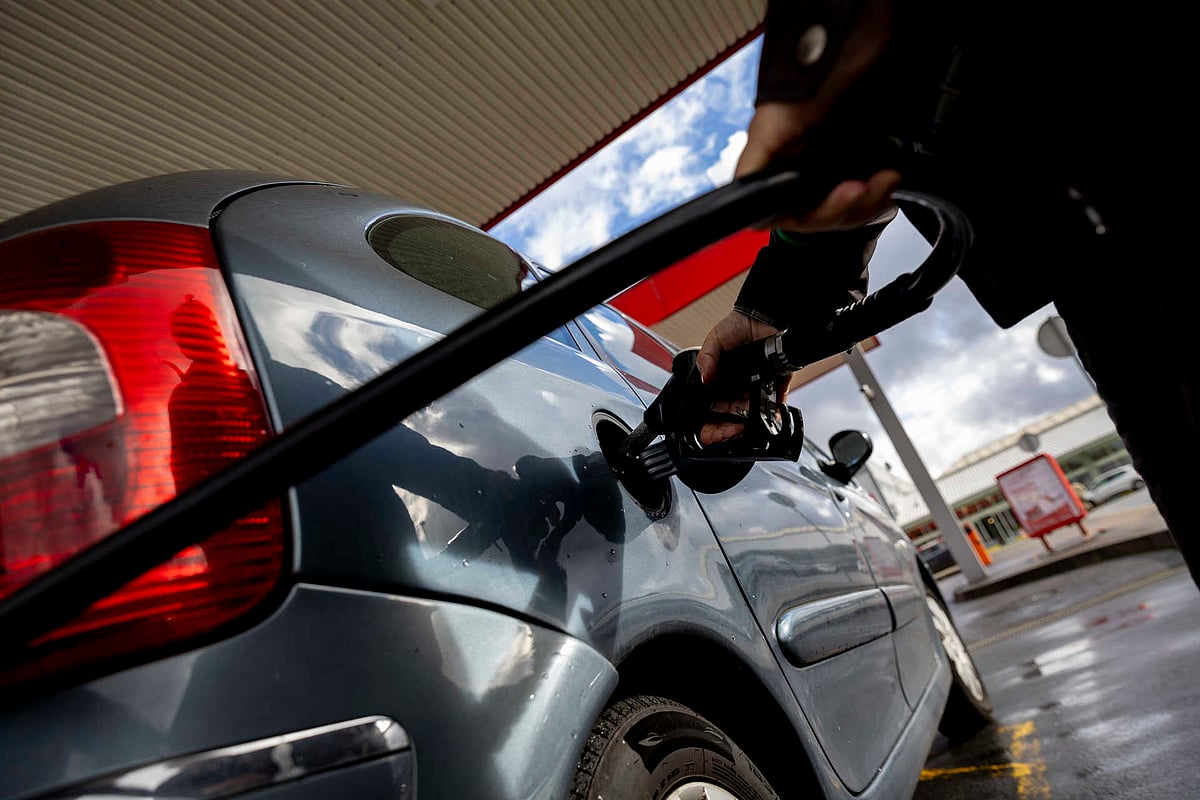
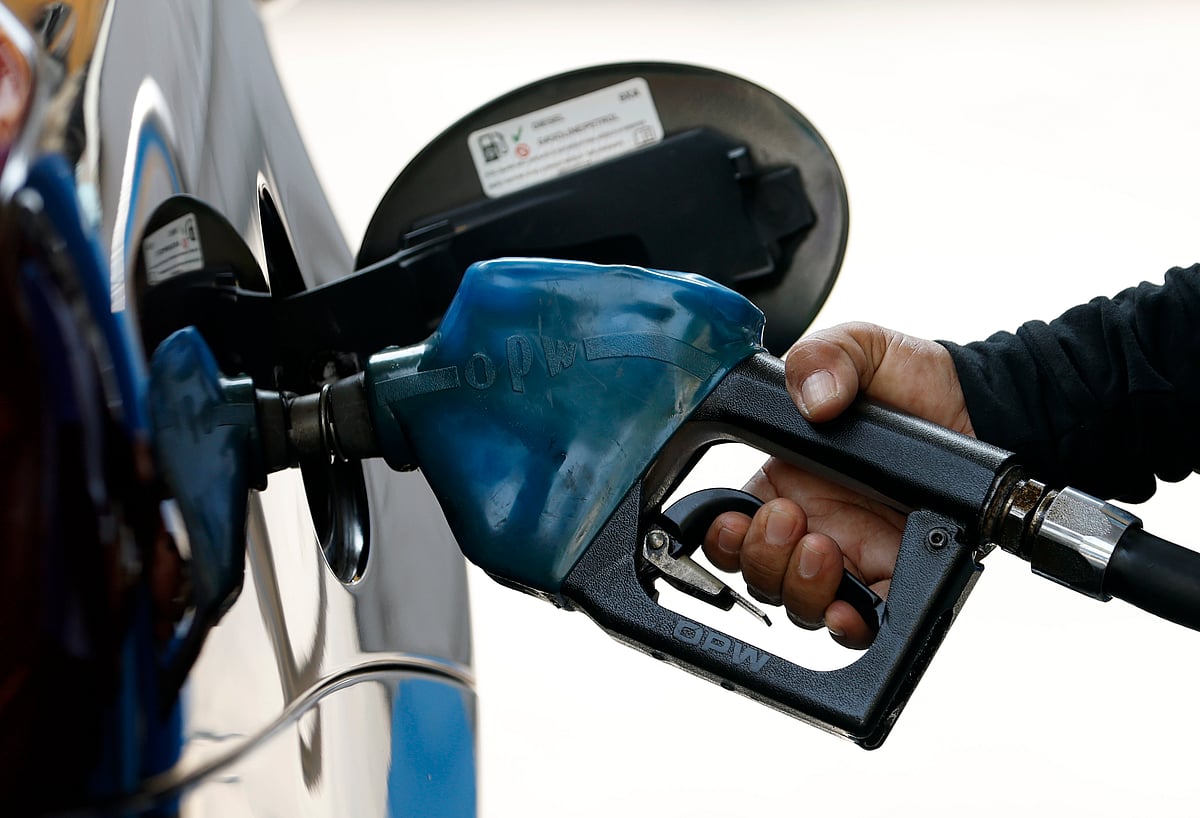
Portugal is facing another sharp rise in fuel prices this Monday, March 16, due to the national market practice of weekly price updates by major oil companies. Since February 27, the eve of the war with Iran, the average price of diesel in Portugal has risen by nearly 20% and petrol by 10%, despite state subsidies. While global oil prices have surged by 40% due to the closure of the Strait of Hormuz and ongoing regional conflicts, other European countries are managing the volatility differently. Malta, for instance, maintains government-administered, fixed prices that have remained unchanged, shielding consumers from the current crisis. Meanwhile, countries like Germany and France update prices daily, and others like Croatia and Slovenia use fortnightly caps to mitigate fluctuations.

This increase occurs in a context of strong geopolitical tension in the Middle East, with oil prices pressured by the closure of the Strait of Hormuz.

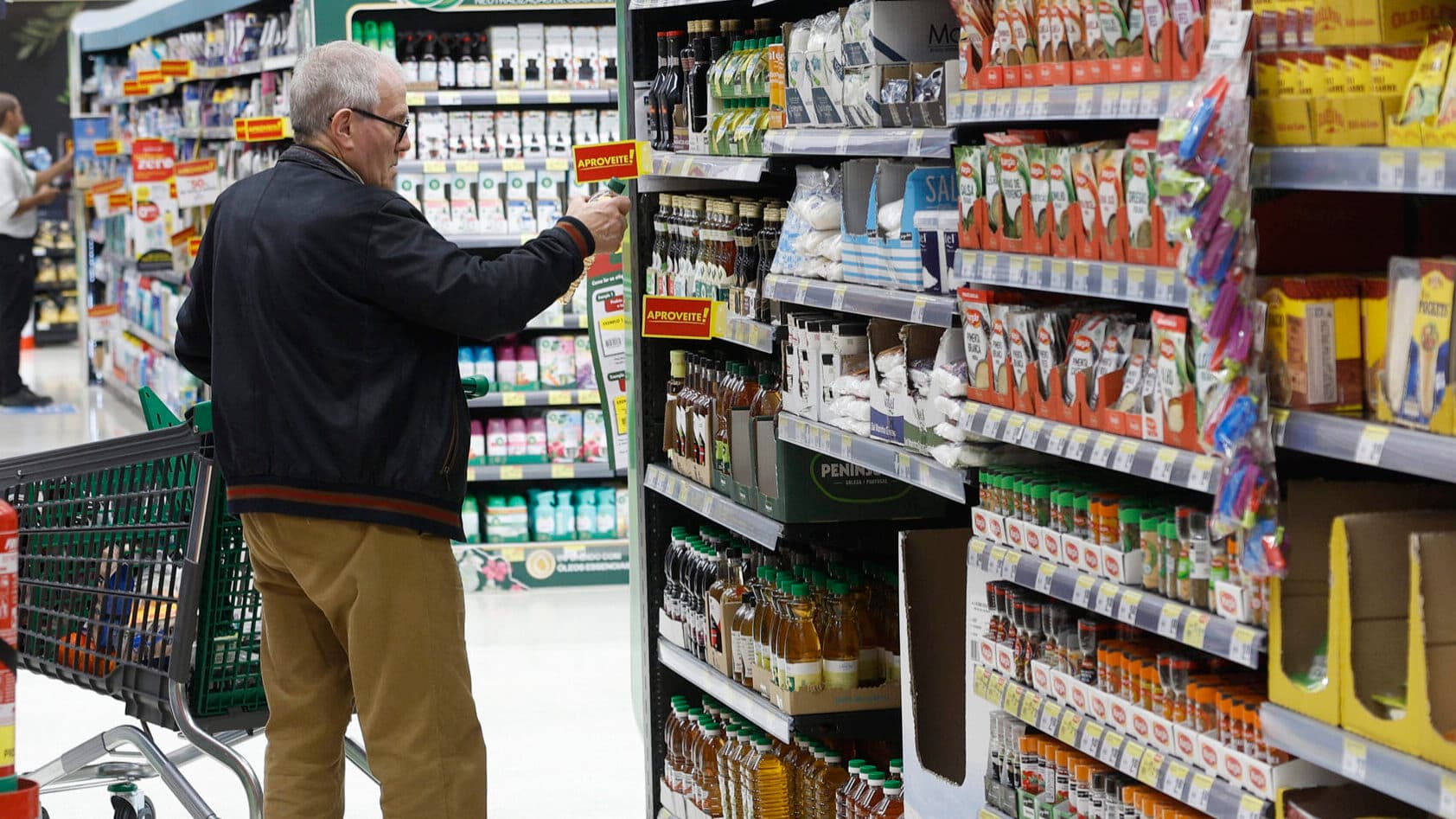
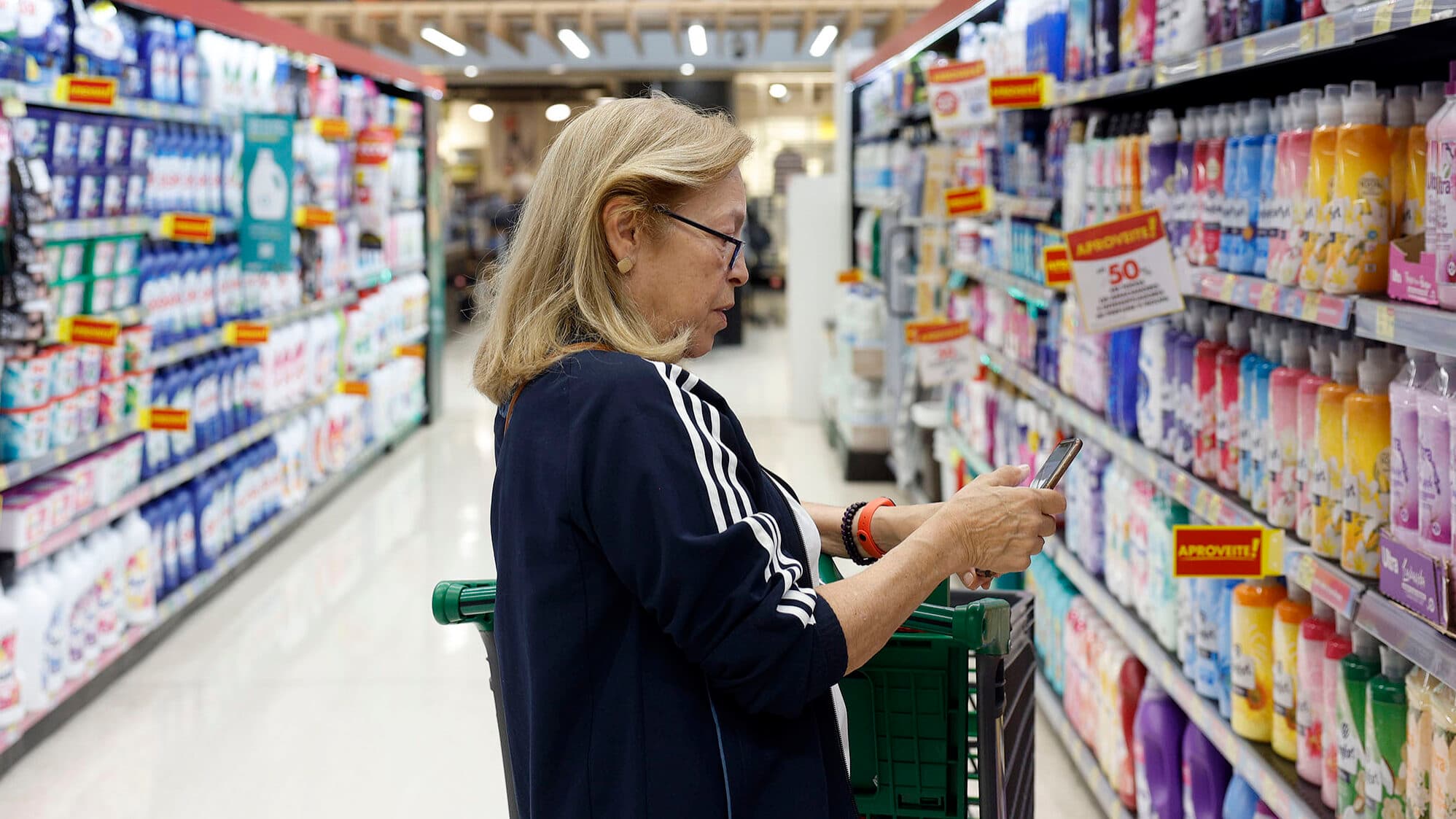
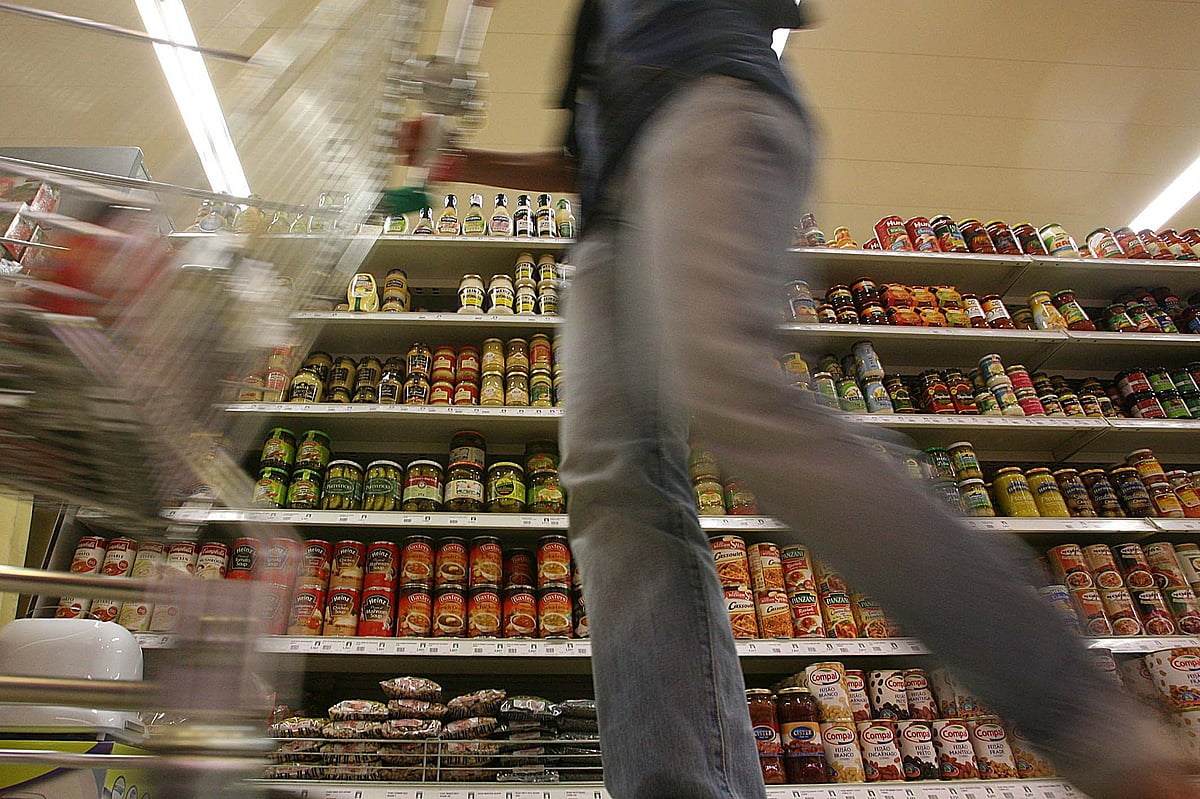
Portuguese people continue to visit local markets, but are already looking for cheaper products. The bad weather that affected the country also had an impact on food prices.

While participating in a demonstration against US attacks on Iran, the communist and Bloco leaders converged on what the reaction to the price hike crisis, resulting from the conflict in the Middle East, should be.

“It was necessary for the Government to openly control fuel prices and set price caps on essential goods,” stated the party coordinator, José Manuel Pureza.

The cost of fuel, food, and mortgage payments is increasing at different rates

On the Truth Social network, the US president called for more countries to send warships to escort cargo ships and oil tankers in the Strait of Hormuz. The US Embassy in Baghdad, Iraq, was attacked after Donald Trump announced the destruction of oil infrastructure on Kharg Island, the main export terminal for Iranian oil shipments. Iran is threatening to destroy the oil and energy infrastructure of companies that cooperate with the US. We are following the evolution of the conflict here, minute by minute.
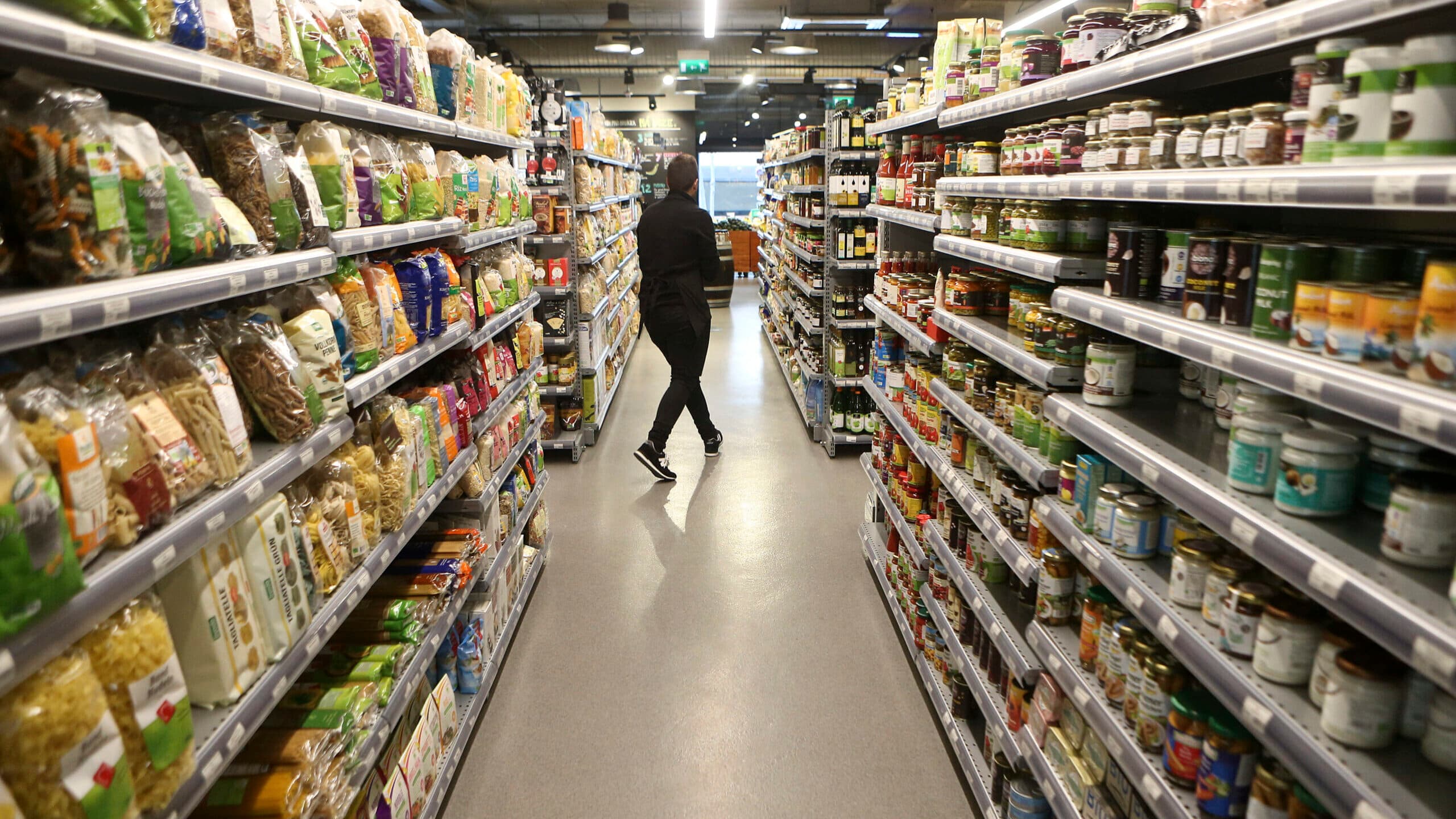
Over the last two weeks, life for the Portuguese has become more expensive due to the conflict in the Middle East. Fuel, distribution, and the food basket are facing a price hike. In the markets, consumers are doing the math and buying only the essentials.

The offensive by the US and Israel against Iran has led to the suspension of maritime traffic through the Strait of Hormuz.

The secret to the economic impact of the war in Iran lies in its duration. If the Strait of Hormuz remains closed for a long time, it could lead to recession and rising inflation, points out Sree Kochugovindan.

The Livre spokesperson criticises the Government's response to the impact of the war in Iran on prices, compares the failure to Costa's handling of post-Ukraine inflation, and proposes weekly monitoring with the INE and DECO.

Brent crude oil prices have surged over 42% since the onset of the Middle East conflict, with an 11% increase recorded in the past week alone, reaching $103.14.

Economist Filipe Grilo believes that the prolongation of the conflict in the Middle East and the consequent rise in oil prices could cause an inflationary spiral that leads to a serious crisis.

Fuel prices are expected to increase by approximately 10 cents per litre starting this Monday.

Fuel prices in Portugal are set to rise further next week, with standard diesel increasing by around 10 cents per litre and 95-octane petrol rising by 10.3 cents, according to The post Fuel prices to go up by roughly another 10 cents a litre next week appeared first on Portugal Resident.

If the war in the Middle East continues and this price escalation persists for 'more than four to five weeks', the Government admits it may introduce 'new measures' to curb the potential impacts on the Portuguese economy of what would be a 'structural problem'. The price of the food basket reached a high this week...

Conflict between Israel and Iran is impacting Portuguese households through rising energy and food costs. A 50-liter tank of fuel is now 11.75 euros more expensive than before the war, with further risks if the Strait of Hormuz (Estreito de Ormuz) closes. The International Energy Agency warns of a massive global supply drop this month. Residents should note that these pressures may also lead to interest rate hikes.

The ongoing conflict in Iran is triggering economic instability, leading to rising inflation and expectations of interest rate hikes by the ECB, which will directly increase mortgage costs for families in Portugal.

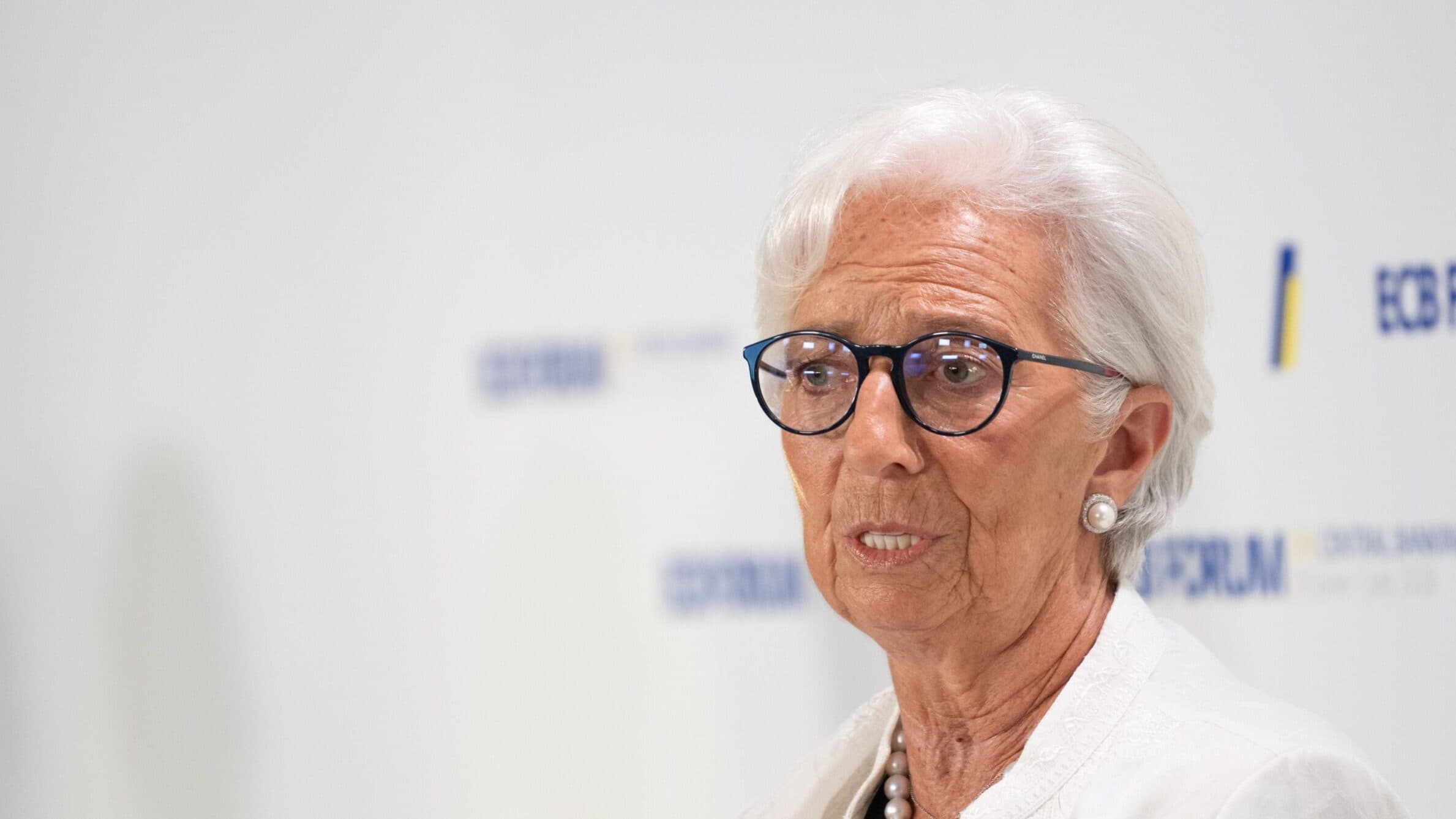
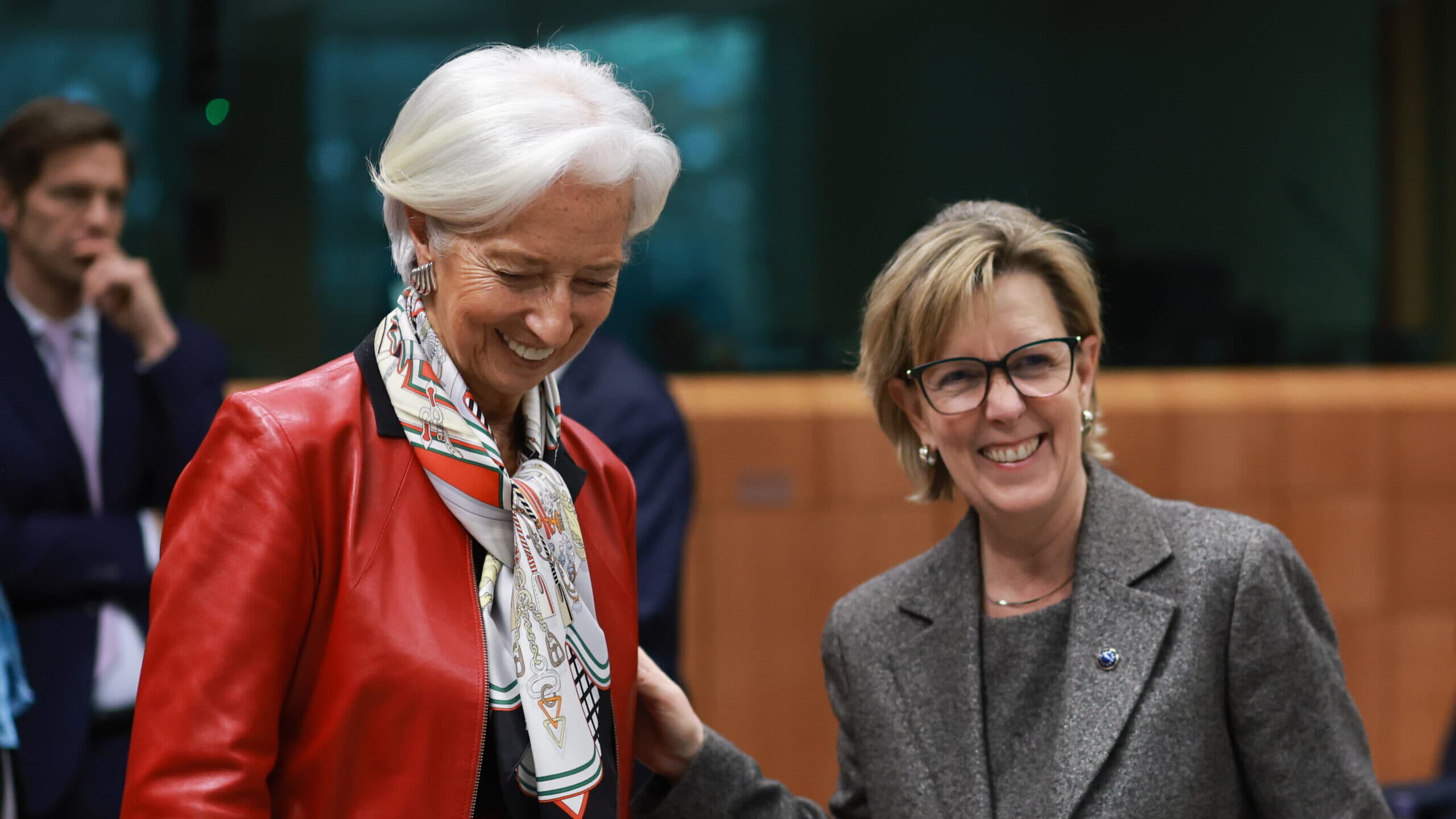
European Central Bank (Banco Central Europeu or BCE) President Christine Lagarde has promised to do “whatever is necessary” to keep inflation under control. Lagarde noted that while the current situation differs from the 2022 energy crisis, the conflict in the Middle East poses risks to price stability. Taxpayers should be aware that the bank remains vigilant against sudden spikes in energy costs that could impact the cost of living.
Christine Lagarde is President of the European Central Bank since November 2019 and was Managing Director of the IMF from 2011 to 2019. Her decisions and public statements influence ECB monetary policy, which affects euro interest rates, mortgages and inflation across the euro area.

The warning was issued by the president of the Eurogroup, Kyriakos Pierrakakis.

The association Zero has highlighted Portugal's excessive vulnerability to international oil market fluctuations, urging for enhanced electrification and strengthening of public transport to mitigate fossil fuel consumption and its economic impacts. They emphasize that this dependence contributes to inflation and economic competitiveness issues, particularly in light of rising fuel prices linked to geopolitical conflicts. Zero advocates for a structural reduction in oil reliance through improved public transport and vehicle electrification, rather than temporary tax relief measures. They also point out that the transport sector is a significant contributor to national greenhouse gas emissions, primarily relying on imported fossil fuels, and call for urgent action to address these challenges.

Inflation disproportionately affects low-income individuals, exacerbating poverty and social inequality.