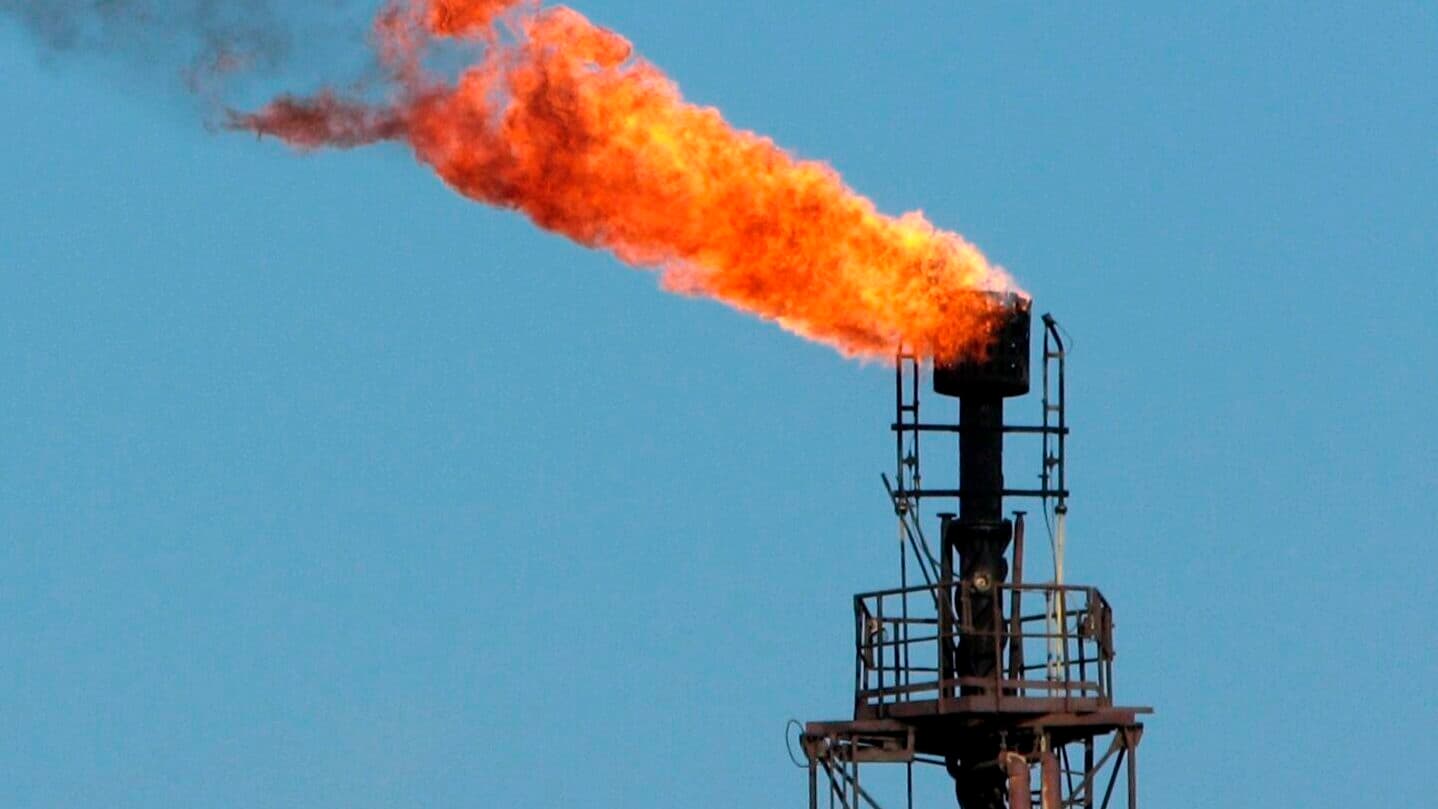
The president of REN warns that the rise in fuel prices, as a result of the conflict in the Middle East, is expected to affect energy bills paid by families and businesses. “Fuel prices are already undergoing changes, and these changes always have an impact on the final prices of natural gas and electricity,” he states.
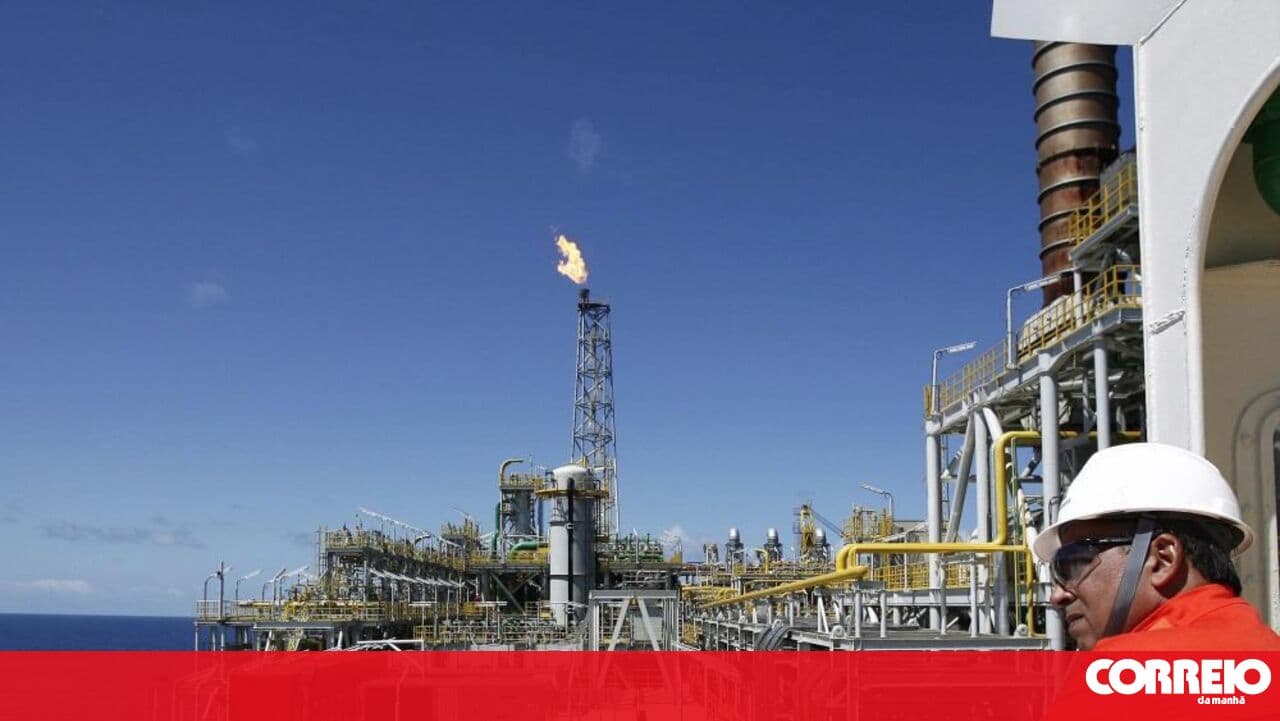
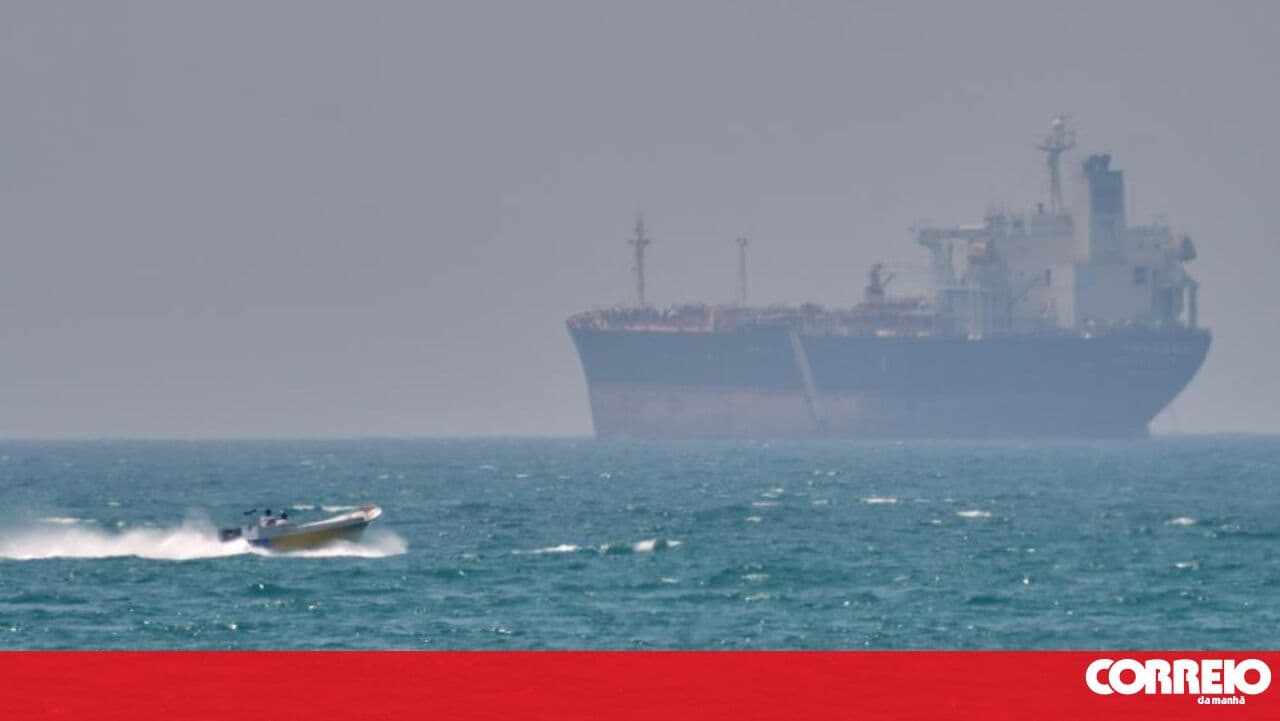
The price of Brent crude for May delivery, the European benchmark, opened this Friday, the 13th, with a slight drop of 0.33%, remaining around 100 dollars per barrel. At 7:00 AM today (6:00 AM in mainland Portugal), the price of Brent crude fell to 100.13 dollars after the US Treasury Department announced it would temporarily authorize countries to purchase Russian oil in transit to curb the rise in crude oil prices caused by the war in Iran. Meanwhile, West Texas Intermediate (WTI) crude also fell 0.66% to 95.10 dollars in pre-market trading before the official opening of the US market. On Thursday, the barrel of Brent crude for May delivery rose more than 9% and closed above 100 dollars on the London futures market, following statements from Iran regarding the closure of the Strait of Hormuz. North Sea oil, the European benchmark, closed the day on the Intercontinental Exchange (ICE) in London at 100.46 dollars, its highest price since 2022. The new Iranian supreme leader, Mojtaba Khamenei, said on Thursday that the closure of the Strait of Hormuz, through which about 20% of maritime hydrocarbon trade passes, should be extended. Iran closed the Strait of Hormuz and launched retaliatory attacks against targets in Israel, US bases, and other infrastructure in countries in the region such as Saudi Arabia, Bahrain, the United Arab Emirates, Qatar, Kuwait, Lebanon, Jordan, Oman, and Iraq. The 32 member countries of the International Energy Agency (IEA) decided “unanimously” to release 400 million barrels of oil from strategic reserves into the markets. With the release of the 400 million barrels of oil, more than double the agency's previous record intervention at the start of the war in Ukraine, when it released 182 million barrels of crude oil, the aim is to compensate for the supply lost due to the effective closure of the Strait of Hormuz. Iran: IEA predicts oil supply will fall by eight million barrels per day.
The article explains why diesel (gasóleo) prices are rising faster than gasoline in Portugal and discusses the potential economic impacts. It attributes the steeper increase in diesel prices to factors such as global supply and demand dynamics, geopolitical tensions affecting oil markets, and specific European market conditions. The rising diesel costs could lead to higher transportation and production expenses, potentially fueling inflation and affecting consumer prices across various sectors. The article emphasizes that these price trends pose challenges for the Portuguese economy, especially given its reliance on diesel for transportation and industry.
The webpage provides a collection of recent news headlines related to Portugal, covering various topics such as economic policies, labor negotiations, political developments, church compensations for abuse victims, and weather reports. Notably, the European Central Bank (BCE) emphasizes its commitment to controlling inflation, while Portugal's labor laws and political landscape are under discussion amid ongoing negotiations. Additionally, the Catholic Church advances with victim compensation initiatives, and Portugal experienced its wettest February in 47 years. Other highlights include updates on the Euromilhões lottery, Michelin-starred restaurants, and local events like the visit of José António Seguro.
Eurogroup President Kyriakos Pierrakakis has warned that the eurozone must brace for a prolonged period of economic instability driven by geopolitical conflicts, rising energy costs, and persistent inflationary pressures.
The article discusses the potential for prolonged instability in the eurozone due to geopolitical tensions in the Middle East, particularly following the recent conflict involving Israel, the U.S., and Iran. While the European economy showed resilience in 2025, the current situation raises concerns about disruptions in energy supplies, especially through the Strait of Ormuz, which could lead to higher energy prices and inflation. Portugal, along with other EU countries, is monitoring these developments and considering measures to mitigate energy price increases. The overall message emphasizes the need for the eurozone to prepare for extended economic instability caused by external geopolitical conflicts.
The association Zero has highlighted Portugal's excessive vulnerability to international oil market fluctuations, urging for enhanced electrification and strengthening of public transport to mitigate fossil fuel consumption and its economic impacts. They emphasize that this dependence contributes to inflation and economic competitiveness issues, particularly in light of rising fuel prices linked to geopolitical conflicts. Zero advocates for a structural reduction in oil reliance through improved public transport and vehicle electrification, rather than temporary tax relief measures. They also point out that the transport sector is a significant contributor to national greenhouse gas emissions, primarily relying on imported fossil fuels, and call for urgent action to address these challenges.
Besides the urgent need for construction materials, Fernando Santo, former president of the Order of Engineers, says “a lot of labour will be needed for months.” The construction sector says it is willing to co-operate.
Aside from the urgent need for building materials, Fernando Santo, former president of the Order of Engineers, warns that “a lot of labour will be needed for months.” The construction sector says it is willing to collaborate.