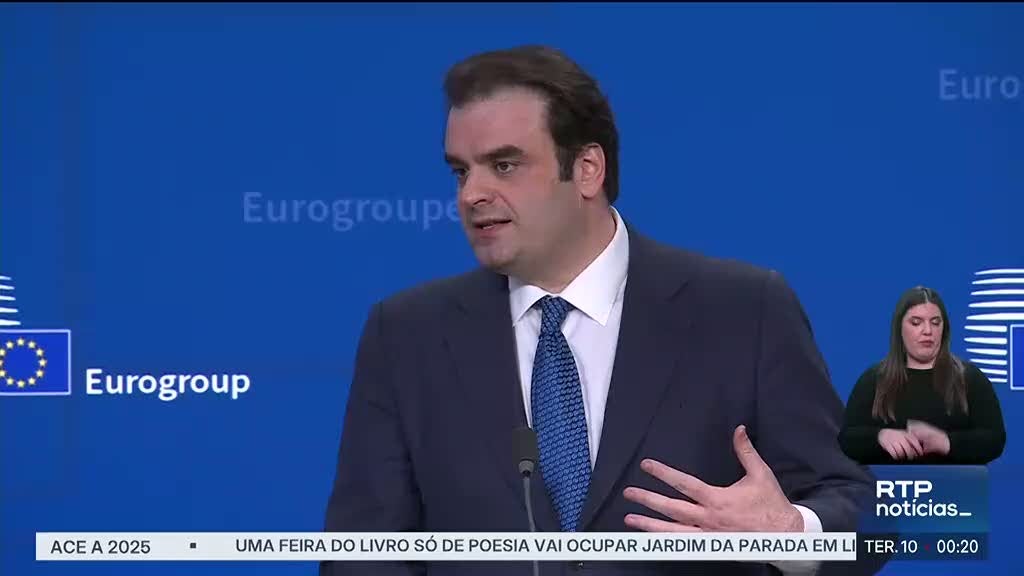
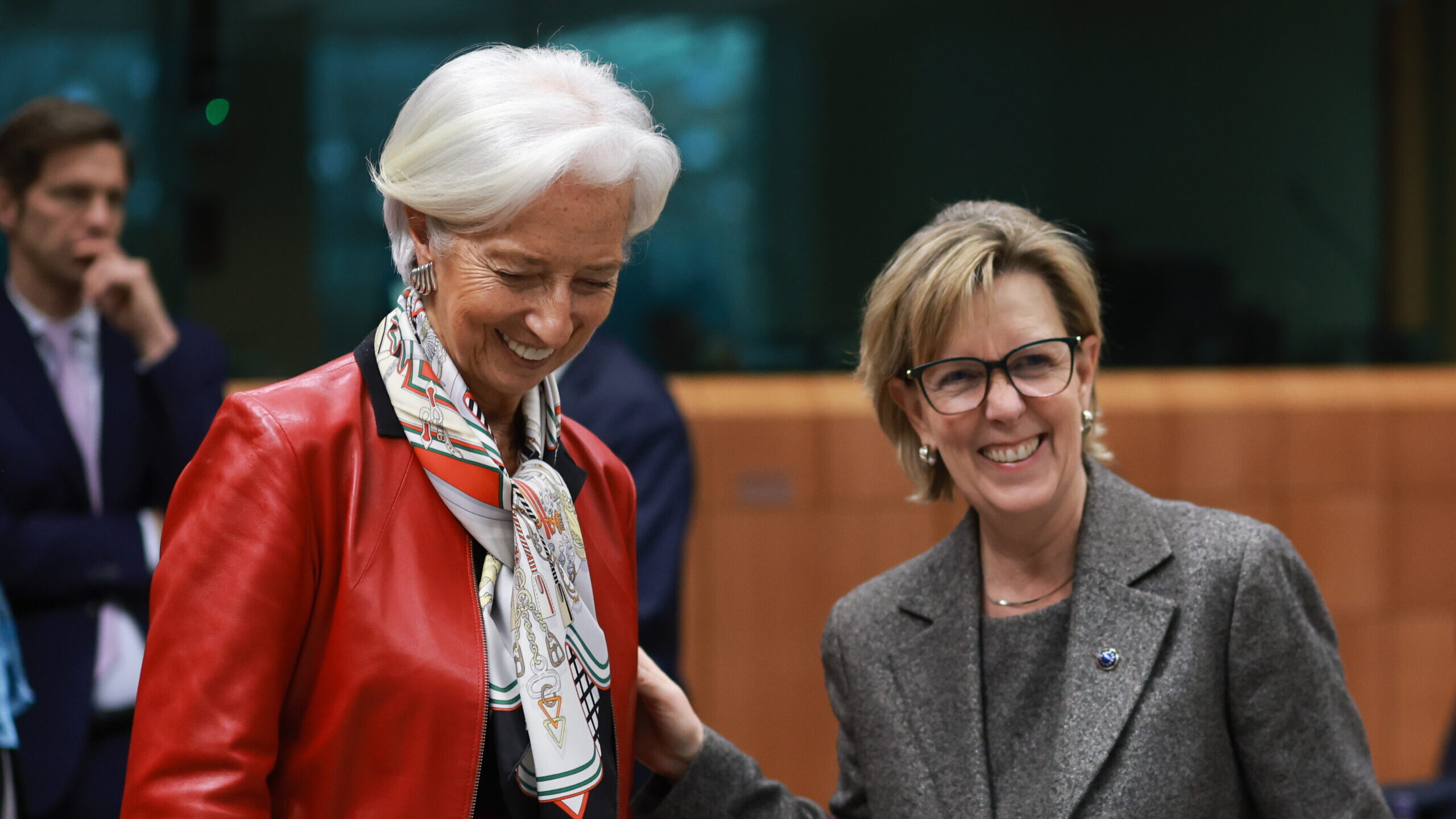
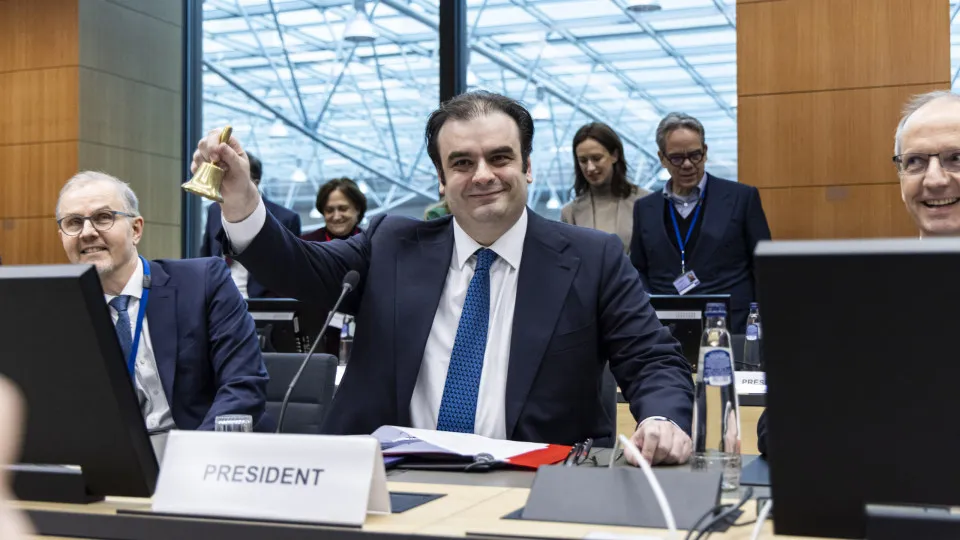
The article discusses the potential for prolonged instability in the eurozone due to geopolitical tensions in the Middle East, particularly following the recent conflict involving Israel, the U.S., and Iran. While the European economy showed resilience in 2025, the current situation raises concerns about disruptions in energy supplies, especially through the Strait of Ormuz, which could lead to higher energy prices and inflation. Portugal, along with other EU countries, is monitoring these developments and considering measures to mitigate energy price increases. The overall message emphasizes the need for the eurozone to prepare for extended economic instability caused by external geopolitical conflicts.
"Perturbações". Zona euro deve preparar-se "para longa instabilidade" - Notícias ao Minuto
Monday, 9 March 2026RSS
Context & Explainers
Inflation measures how much general prices rise over time, usually reported year‑on‑year to compare a month with the same month a year earlier. Portugal’s National Institute of Statistics (INE) estimated January inflation at 1.9% year‑on‑year, down 0.3 percentage points from December, which affects rents, wages and everyday purchasing power for residents.