Latest news and stories about government policy in environment in Portugal for expats and residents.
This page has only 2 stories and is not indexed by search engines.
The government has committed €110 million to support lithium extraction projects despite strong public opposition. Environmental groups describe the funding as a 'blank cheque' paid for by taxpayers, arguing it risks local ecosystems and undermines sustainability claims. The injection of public funds raises wider questions about fiscal priorities, state backing for critical minerals, regulatory oversight and democratic legitimacy amid popular resistance.

The Treaty, negotiated under the auspices of the United Nations, covers more than half the planet and is a historic milestone for the global protection of the oceans and for multilateral cooperation.
After threats of backtracking, the Azorean Parliament on Thursday approved an amendment to a proposal that preserves the integrity of the largest marine protected area in the North Atlantic. An agreement between the Regional Government and the Socialist Party made the outcome possible.
A warning that urgent action on waste management is required now, otherwise society will face severe costs and consequences.

Municipalities should strengthen their role in the 'economic organisation of local [agricultural] production', which in much of the territory is not organised, especially in areas where smallholdings predominate, as is the case in Galicia and northern Portugal. The aim is to ensure food supplies for the population, particularly in a ...

The new Deposit and Return System (SDR) will allow packaging to be returned at reverse vending machines, collection points and kiosks, offering multiple refund options and boosting the circular economy in Portugal. The deposit will start to be charged from April and can be reclaimed in cash, vouchers or donations.

A deposit-refund system comes into force on 10 April. Bottles and cans of drinks will cost 10 euro cents more, but the amount can be reclaimed.

The Inspectorate-General of the Environment identified a lack of oversight, failure to approve reports and unreliable data in the system that manages electronic waste. Mismanagement could threaten public health and the environment.

A circular economy cannot be built within a single political cycle nor with ad hoc measures. It requires time, predictability and intergenerational commitment.

Anyone who buys a light passenger car costing up to €38,500 can receive up to €5,000 in support. For bicycles, support ranges from €500 to €1,500.

The latest 2025 call, offering €17.6 million in vouchers for electric vehicles, was exhausted within hours. The government already has another round of applications in the pipeline.
The Directorate-General for Local Authorities (DGAL) has published on its official website the provisional results of the indirect elections for the presidents and vice-presidents of the five Commissions for Coordination and Regional Development (CCDRs) that took place on Monday. More than 10,700 local councillors from 278 municipalities, who make up the electoral colleges, went to the polls to choose among six ...

The National Republican Guard (GNR) issued a total of 1,634 administrative offence reports against entities between 2023 and 2025, 465 of which related to municipal councils. Most were for failure to clear land, the security force said. According to data sent to Lusa by the GNR under the statute that establishes the ...

The Government will launch a new support scheme for the purchase of electric vehicles by March, keeping the same rules as the previous scheme, including support for scrapping fossil‑fuel cars more than 10 years old.
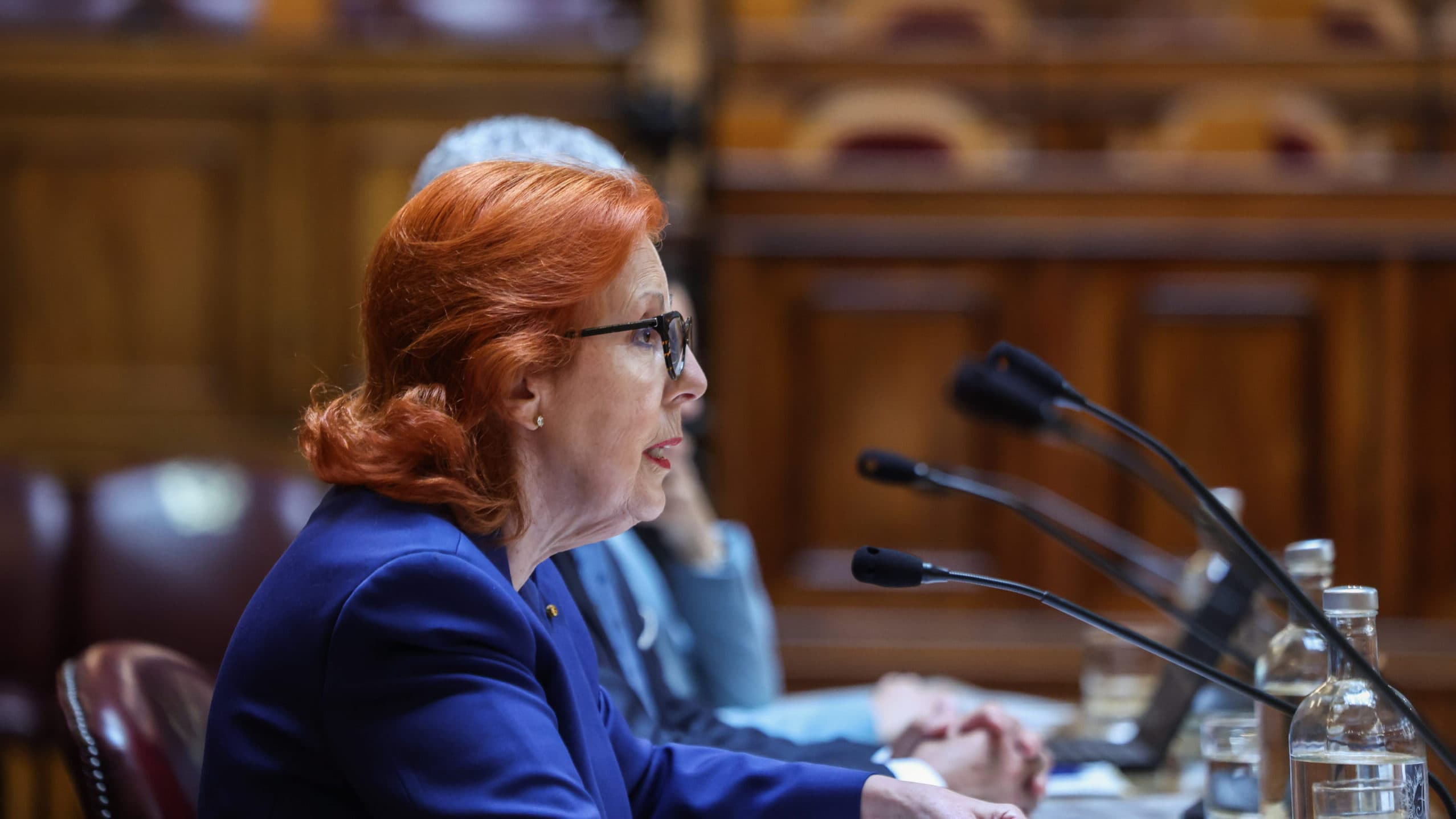
Also to mark the year, Maria da Graça Carvalho mentioned the Social Climate Fund, which will operate in a way similar to the appliance replacement programme.

The government granted financial support of up to €110 million to Savannah for the lithium project in Boticas.

Álvaro Santos greets his victory at CCDR‑Norte with 'humility' and a 'deep sense of responsibility'. CCDR‑Norte was the only region in the country to have more than one — in fact, two — candidates for its leadership.

The PS secured three presidencies of the Regional Coordination and Development Commissions (CCDRs). Álvaro Santos, representing the PSD, won in the North — the only contested race in these elections.

The Social Democrat left the vice-presidency of Gaia City Council months ago to run for the post. In the other CCDRs, unopposed candidates were elected.

The legislation provides for prior-notification and deemed-approval regimes, aimed at 'making operators accountable to speed up the start of operations'.

Operators must use appropriate IT platforms and ensure technical compatibility with the public electricity service network (RESP), guaranteed by duly qualified technicians.

The Government approved last Friday the 2030 Circular Economy Action Plan (PAEC) at a Council of Ministers meeting. Among the measures foreseen in this plan, consulted by ECO/Capital Verde, are various financial incentives for companies, ranging from vouchers to dedicated funding lines. Find out about them. With regard to financing, the plan aims to “define and ...”

The second direct elections for the presidencies of the CCDRs are taking place this Monday, with nearly 11,000 local councillors participating. Only the election in CCDR-Norte will be contested.

Presidential candidate André Pestana said Portugal should prioritise domestic social and environmental needs rather than increased defence spending, declaring he does not want “a single euro more for NATO”. He argues the fight should be against low wages and pensions, environmental degradation and the deterioration of public services, and proposes that funds currently transferred to private health providers be redirected into the National Health Service (SNS), claiming a large share of the state health budget is going to private companies.