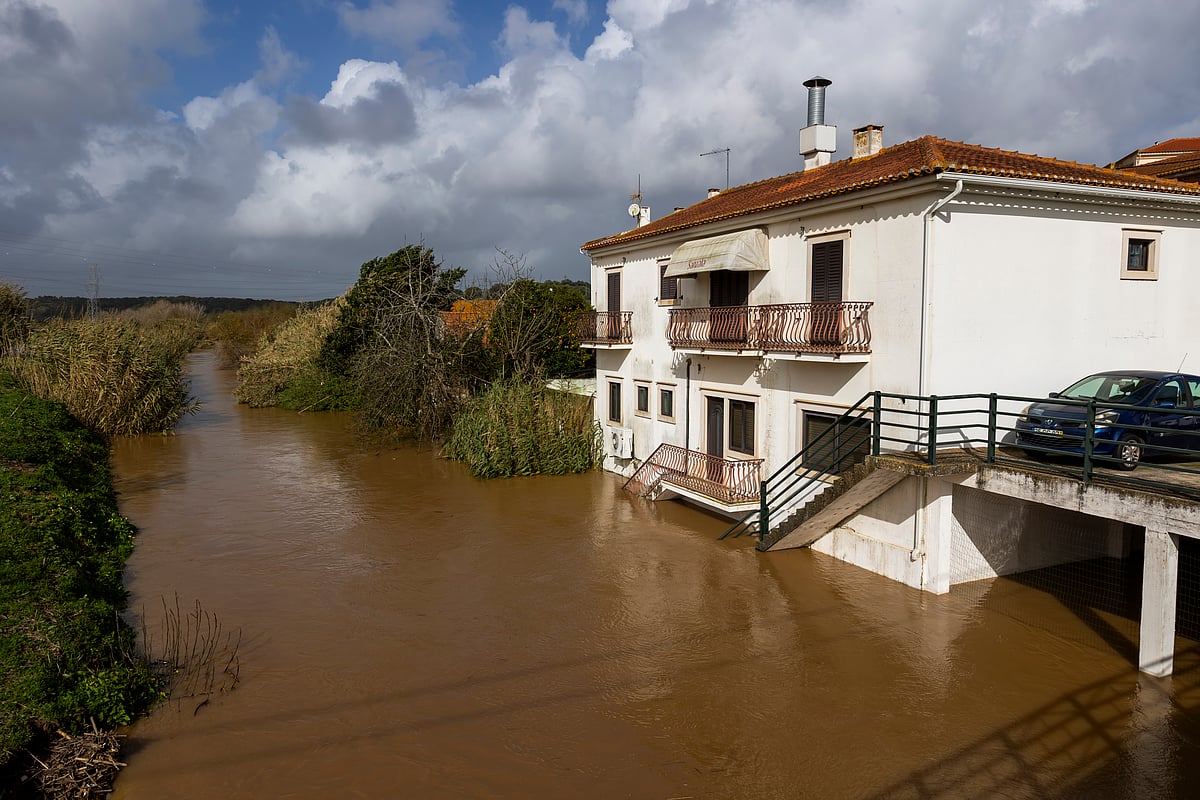
The Mission Structure for the Reconstruction of the Central Region reports that the Open Presidency's findings on recent storm management align significantly with the Recovery and Resilience Plan (RRP), despite identified coordination challenges.
President of the Republic António José Seguro continues his Open Presidency in the Santarém district, focusing on storm recovery efforts and addressing infrastructure concerns with local GNR officials.
Breaking with his predecessor's alignment with the project, the current mayor, also from the PS party, says the secrecy maintained reveals things he does not like. The illegal approval was carried out in a race against time.
The Prime Minister justifies the decision due to the high risk of wildfires in the country and guarantees that national capacity is not exhausted. Additionally, the doctor from Benavente suspected of facilitating pensions has been suspended from her duties.
A training session that will be open to the community, at least for those with a ticket. Additionally, the fire in the municipality of Aljustrel, in Beja, has now entered the mop-up phase.
In Santarém, the head of state was received by the president of the Portuguese Farmers' Confederation, who highlighted a 'particularly difficult' year that farmers are experiencing due to the storms.
António Leitão Amaro responded to criticisms in the report, cited by MP Rui Rocha (IL), that the “crisis management revealed coordination shortcomings.”
The technical report prepared by the Order of Engineers regarding the Mondego floods and future measures advocates for the creation of a public company to manage that river basin, an option rejected by the Minister of Environment. The document, titled 'Technical report on the 2026 floods in the Mondego river basin and review of models...'
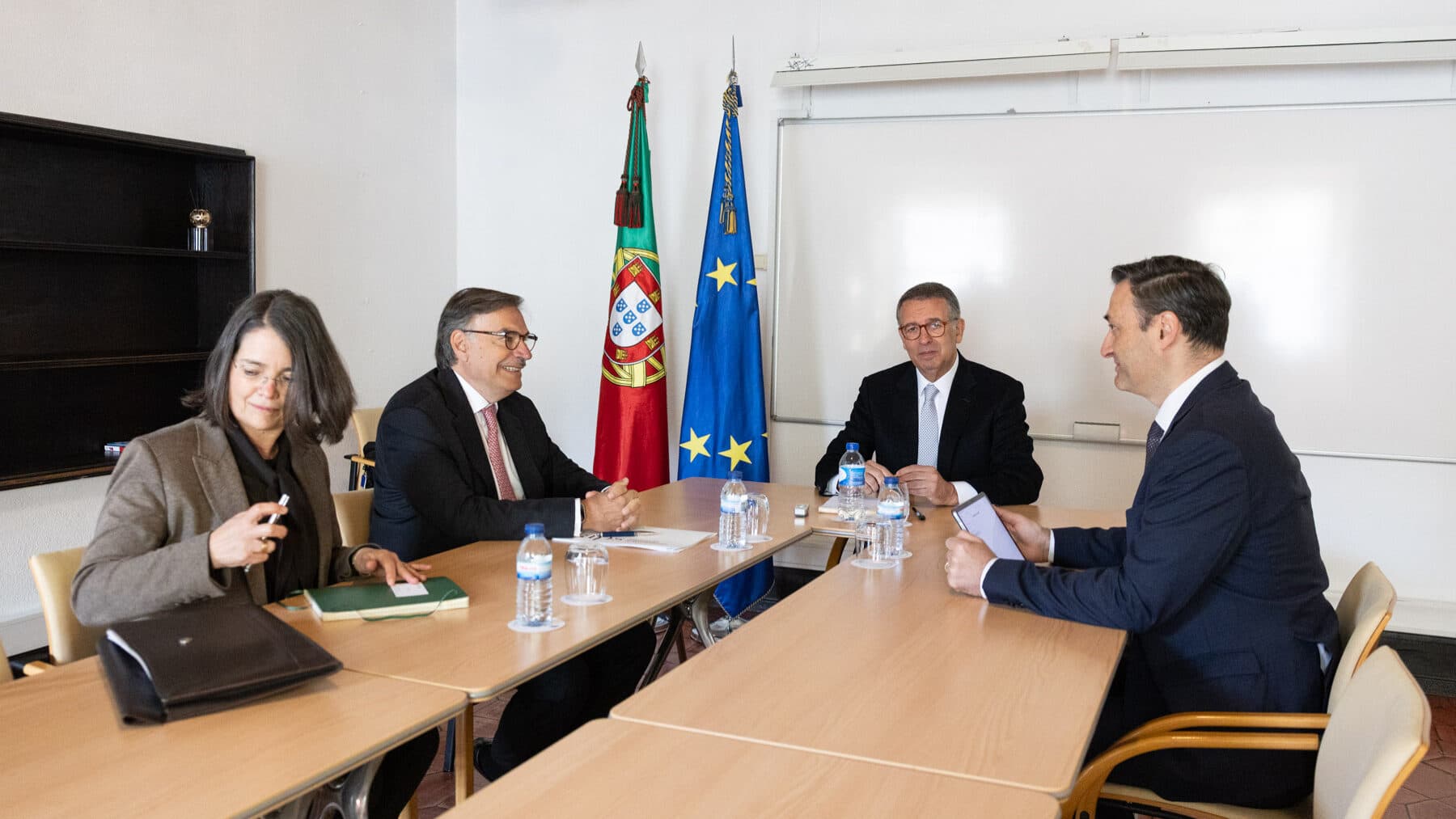
The President of the Republic, António José Seguro, is on an 'Open Presidency' visit to the Central region areas affected by recent severe weather. This Wednesday, at the Casa dos Tectos in Tomar, he held separate meetings with the Insurance and Pension Funds Supervisory Authority (ASF), the Portuguese Insurers Association (APS), and other entities.
The President met with the Prime Minister this afternoon for their usual weekly meeting. António José Seguro reminded that it is the Government that holds executive power and that the goal of this open presidency is to find solutions, not to create problems.
The President met with the Prime Minister this afternoon for their usual weekly meeting. António José Seguro reminded that it is the Government that holds executive power and that the goal of this open presidency is to “find solutions, not create problems.”
The President of the Republic called today for “fewer words and more action” to respond to the damage caused by the bad weather, insisting that “it is necessary to speed up support” and understand what happened in order to “draw lessons for the future.”
The President of the Republic will meet with the Prime Minister this afternoon for their usual weekly meeting. He has already stated that he intends to address some of the concerns of the population affected by the storms earlier this year. The second day of the Open Presidency has begun in Ourém.
The President of the Republic will meet with the Prime Minister this afternoon for their usual weekly meeting. He has already stated that he intends to raise some of the concerns of the population affected by the storms at the beginning of the year. Meanwhile, the second day of the Open Presidency begins in Ourém.
The head of state is dedicating the second day of his first open presidency to the Santarém district, concluding with the weekly meeting with the prime minister in Tomar, following a day of visits to homes affected by the severe weather.
The President of the Republic will meet with the Prime Minister this afternoon for their usual weekly meeting. He has already stated that he intends to raise some of the concerns of the population affected by the storms at the beginning of the year. Meanwhile, the second day of the Open Presidency begins in Ourém.
The President of the Republic will meet with the Prime Minister this afternoon for their usual weekly meeting. He has already stated that he intends to raise some of the concerns of the population affected by the storms at the beginning of the year. Meanwhile, the second day of the Open Presidency begins in Ourém.
The President will be on the road for a week with a focus on the reconstruction of the Central region. The weekly meeting with Montenegro will be in Tomar, and this “Open Presidency” will cover more than just the impact of the severe weather.
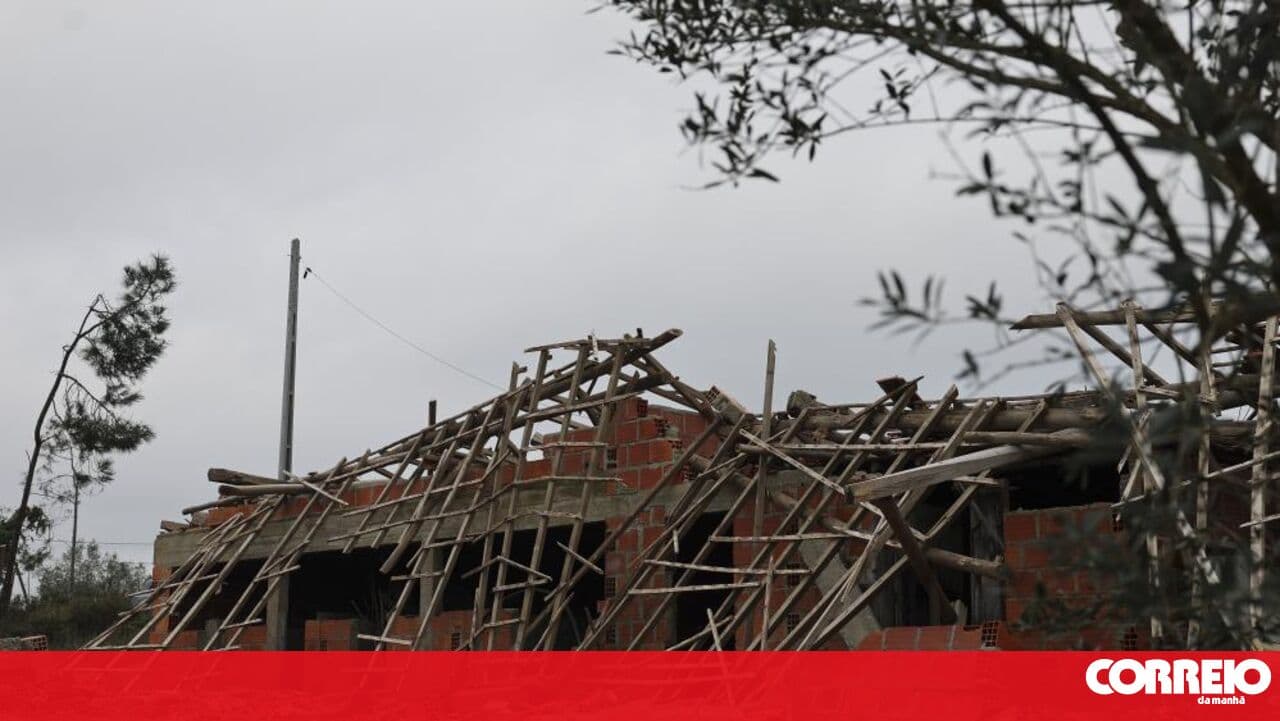
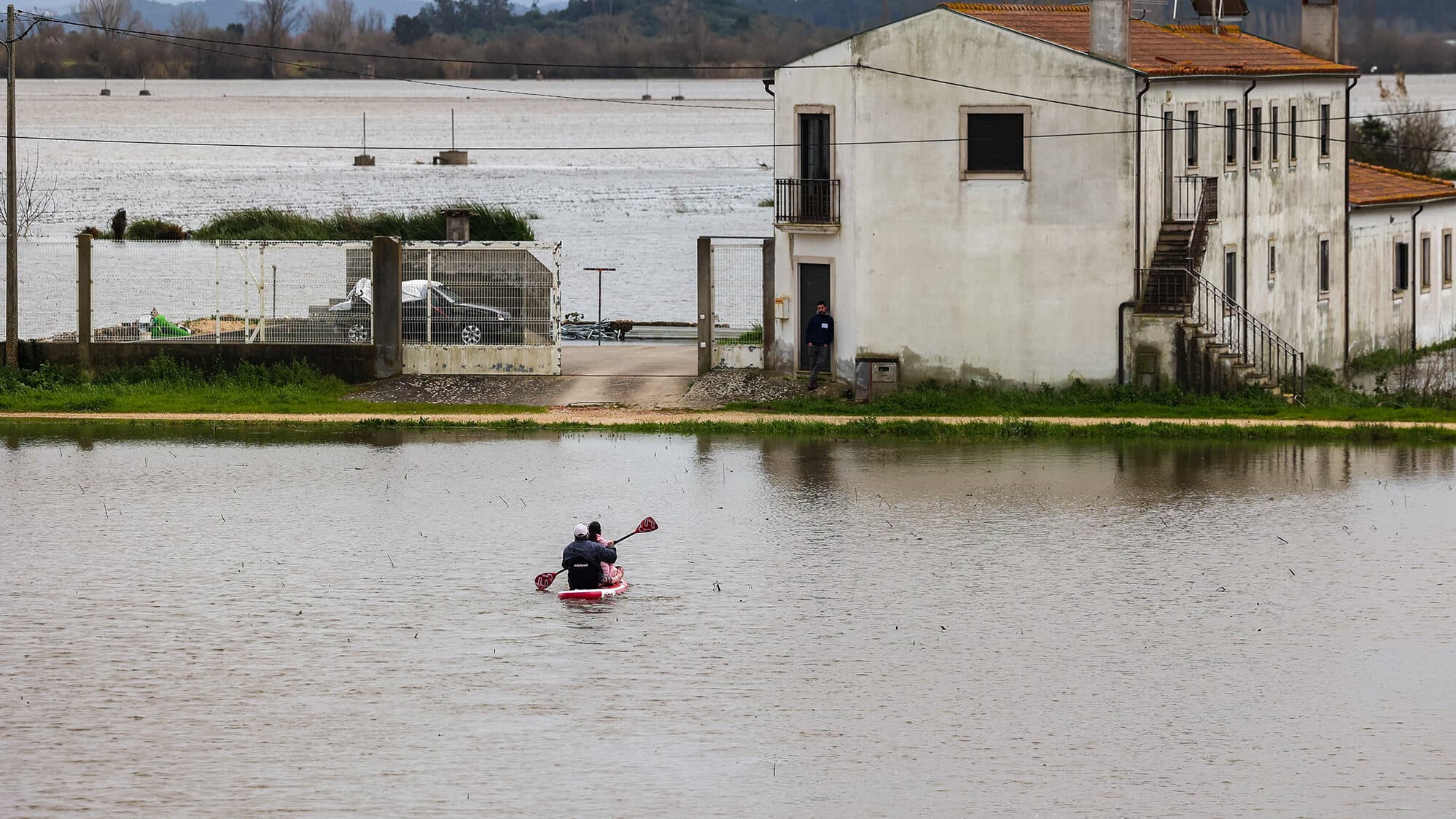
The Tagus River maintained its downward trend on Sunday (15), and authorities expect the level to return to normal across its entire length in the coming hours, allowing emergency teams, businesses, municipalities, and residents to enter affected areas and begin cleanup efforts, said David Lobato, the sub-regional commander of Civil Protection in Médio Tejo, Santarém district. “It has dropped significantly, and now a lot of destruction is becoming evident, which is normal under these circumstances,” Lobato stated, noting that restaurants, playgrounds, and other facilities are now without water and have suffered extensive damage. The Civil Protection commander specified that, “in the northern part, the river is already fully within its bed,” but the southern part of the district has not yet completely returned to its normal course. The trend for the coming days is one of “normalization” of the river's flow, “first, more to the north” and, “by the end of the month, in Lezíria.” “The river is dropping significantly, and tomorrow [Saturday] we will hold a morning meeting of the district commission [of Civil Protection of Santarém] and we will possibly lower the alert level to yellow,” which is currently at red, he anticipated. With the river's decline and the alert level dropping, authorities expect to “begin cleanup operations in Médio Tejo” on Monday, a task that is only expected to start being executed “later in the month, in Lezíria,” he added. Sixteen people have died in Portugal following the passage of storms Kristin, Leonardo, and Marta, which also caused hundreds of injuries and displacements. The total or partial destruction of homes, businesses, and facilities, the fall of trees and structures, the closure of roads, schools, and transport services, and the disruption of electricity, water, and communications, as well as flooding and inundations, are the main material consequences of the storm. The Central, Lisbon, and Tagus Valley and Alentejo regions are the most affected. The government declared a state of calamity until today for 68 municipalities and announced support measures of up to 2.5 billion euros. The situation may take three weeks to a month to normalize in Montemor-o-Velho.
“The response to a natural disaster of this magnitude cannot depend solely on the goodwill and effort of local communities,” warns the PCP of Santarém.
RTP is in Ourém, where it spoke with a family affected by the storm. Celeste said the €1,075 support per household announced by the government is insufficient. “That does nothing for me. That doesn’t help me at all. I have losses here of €50,000 or more,” lamented the resident of Casal do Ribeiro.
Seven municipalities in Médio Tejo, in the Santarém district, have asked the Government for extraordinary aid under the state of calamity, arguing that the scale of the damage caused by Storm Kristin exceeds the normal response capacity of the local authorities.