The VW ID.3, the brand's first electric model of the new wave, launched in 2020, will undergo a major restyling later this year, with significant modifications to the exterior, interior, and technology.
The Oeiras Eco Rally Portugal marked the start of the 2026 PRIO Portuguese New Energies Championship and counted towards the FIA Eco Rally Cup, testing the skill and efficiency of 45 teams.
In this episode, Luís Gaspar answers listeners' questions about real-life problems and situations related to charging electric vehicles in condominiums and other shared spaces.
Buying an electric car seems like a simple decision: less fuel, less maintenance, and a more sustainable alternative. But the reality has several details that many consumers only discover after the purchase. Listen to this interview with Henrique Sánchez from UVE.
Michael Lohscheller, CEO of Polestar, a high-performance electric car brand born from Sweden's Volvo, says that vehicles equipped with combustion engines have no future.
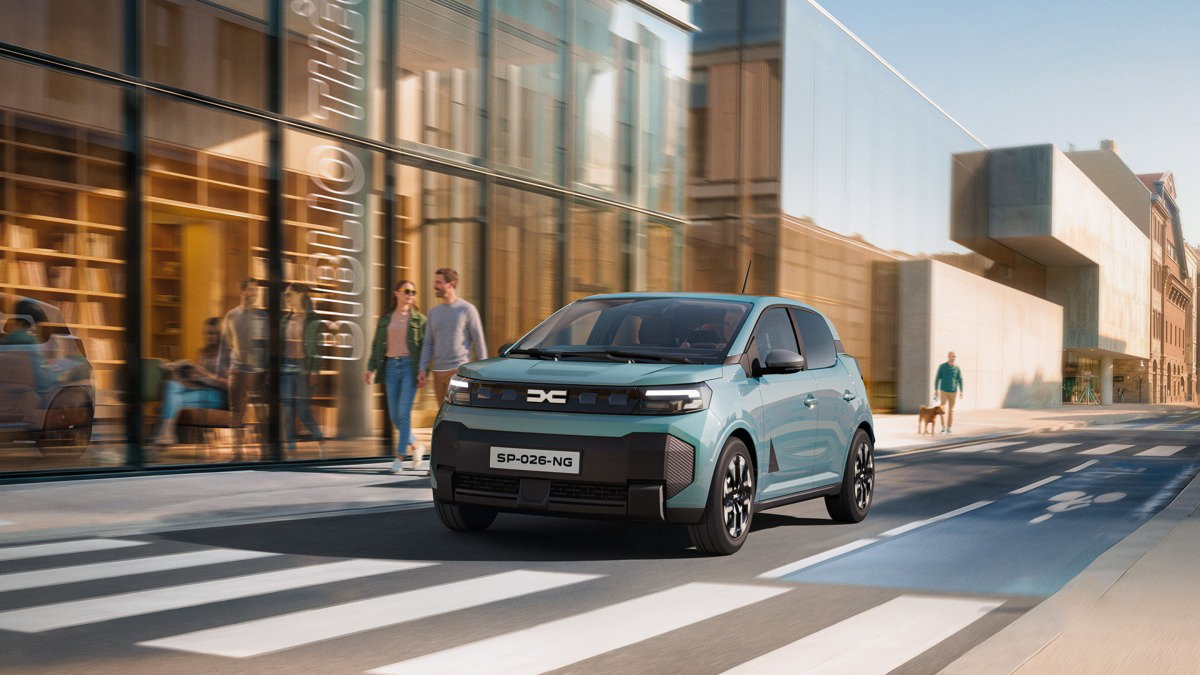
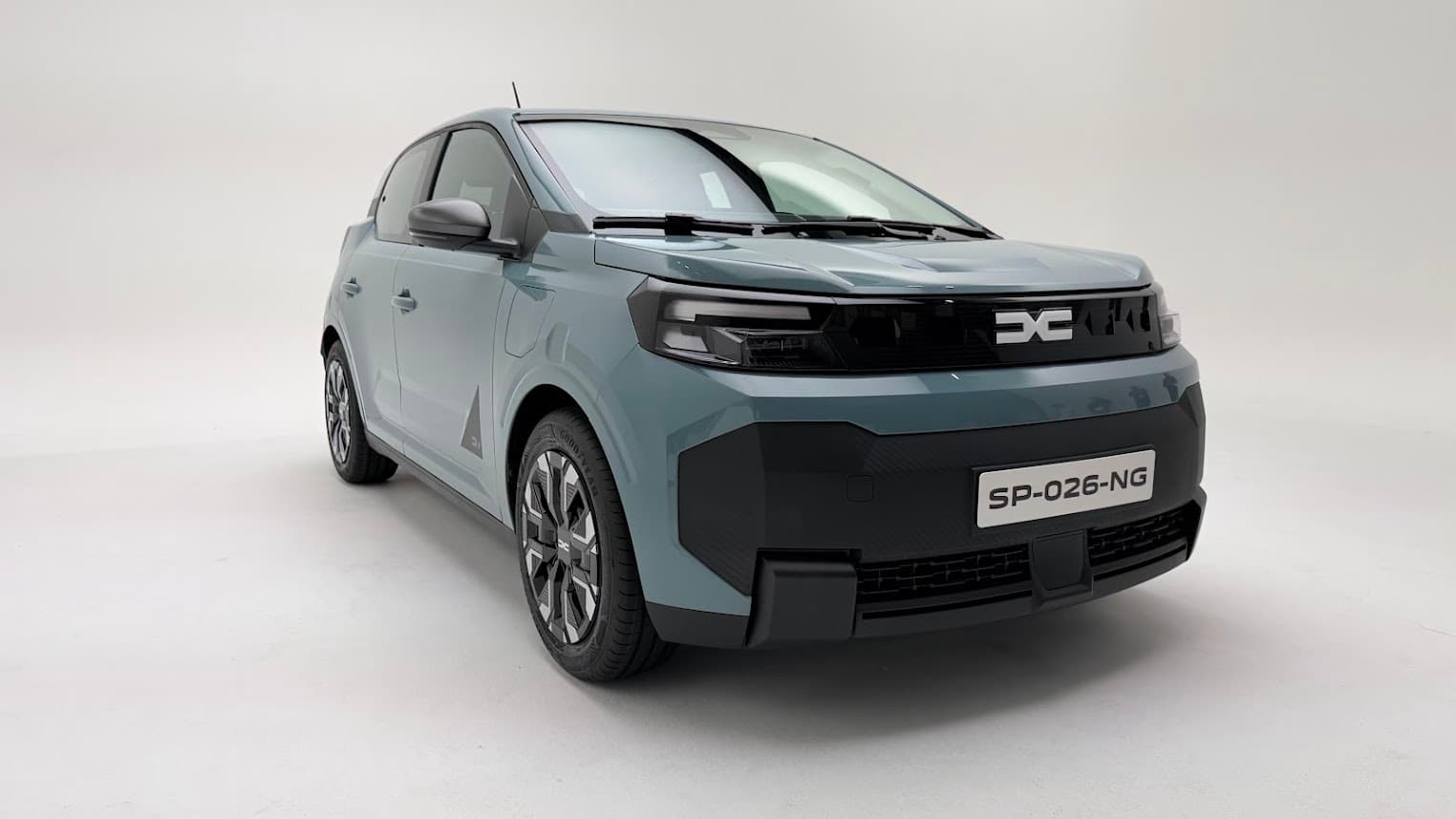
Renault has revealed the first images of the Bridger, a small, affordable SUV capable of housing any type of engine, including electric. And, as it turns out, it may come to Europe.
According to a study by the ACP Observatory, electric vehicles now account for 9% of drivers, and households with the most vehicles are those aged between 18 and 34.
The Portuguese car fleet aged less in 2026, as the proportion of vehicles under four years old rose by five percentage points compared to 2025, according to the ACP Observatory – Electric Mobility in Portugal 2026. Meanwhile, 38% of cars are over 15 years old, also a five percentage point reduction. Electrified vehicles now account for 9% of the total car fleet, an increase of 5.5 percentage points. Petrol gained share (+11 p.p.), while diesel cars fell by 18 p.p. French brands Peugeot and Renault remain in the lead, each with 10% of the fleet, followed by Volkswagen (7%), BMW (6%), and Opel (6%). Over 80% of respondents drive their own car—an increase of 10 p.p.—and 79% travel up to 1,000 km per month, a figure that rose by 20 p.p. Regarding financing, 57% purchased their vehicle outright and 22% used car credit. Cash buyers predominate among drivers over 65, from the Lisbon, West, and Tagus Valley regions, and social class A. Almost half of the Portuguese admit to changing cars every one to five years (a 25 p.p. increase). In terms of purchase preferences, 21% would choose an electric vehicle, 20% a plug-in hybrid, 19% a diesel, 19% a petrol, and 10% a standard hybrid. The average is 1.8 cars per household, a slight decrease compared to 2025. Among owners of electrified vehicles, 82% have owned the car for less than five years, with Tesla and BMW standing out. Regarding charging, 86% charge at home (up 3 p.p.) and 91% use public stations (up 3 p.p.). According to the report, the domestic cost per charge is up to seven euros, and monthly spending on public charging is around 50 euros. Galp Electric and EDP were identified as the main providers. According to the ACP, 1,608 people participated in the study (1,200 with a driving licence plus a boost of 408 electric vehicle drivers) between 28 January and 11 February 2026. A petition has been launched to restrict city centre traffic in Lisbon to electric cars only.
The war and the resulting fuel crisis are forcing the Minister of the Environment to accelerate the country's electrification and to soon open a new tender for the acquisition of electric vehicles.
ACP's annual survey suggests an increasing appetite for electric and hybrid vehicles, with BYD dethroning Tesla as the preferred brand for those considering buying a car now. The used car market is also on the radar.
Experts assure Expresso that there is a direct correlation between a scenario of expensive fuel and the appetite for choosing an electric car. The problem, however, remains the purchase cost of these vehicles.
The French car manufacturer has adjusted its strategy, expanding its previous goal, which aimed for 100% fully electric vehicles by 2030, to include hybrids.
The Renault Group, which is presenting its strategic plan for 2026-2030 today, intends to accelerate its transition to electric vehicles, ceasing sales of petrol and diesel cars in Europe by 2030.
Since 2013, when it launched its first battery-powered model, VW has already put around 4 million electric vehicles on the market. Now, a teaser for the future Golf, which will be exclusively an EV, has been revealed.
In this episode of Plug-in, we talk to lawyer Luís Gaspar about the rules for installing sockets or charging points for electric vehicles in shared spaces.
This article discusses Portugal's success in electric vehicle (EV) adoption, highlighting the role of the MOBI.E network. Portugal has exceeded EU averages in EV adoption, with a significant market share of BEVs and combined EV sales. The MOBI.E network, with over 7,000 charging stations and 13,000 charging points, emphasizes interoperability, user experience, and accessibility. The article emphasizes Portugal's comprehensive approach, combining technological innovation, regulatory foresight, and market liberalization. It also mentions MOBI.E's future vision to remain open, innovative, and user-centered, and its plans for expansion and new digital tools.
Possible power outages, difficulties accessing certain locations, and technical limitations caused by bad weather could lead to “operational impacts on the network.”
The President of the Electric Vehicle Users Association says the new regime “brings significant advances for electric mobility in Portugal” and highlighted the effort towards modernisation.
The Government approved, at a Council of Ministers meeting, legislation that makes it easier to convert vehicles with combustion engines into electric ones, as already happens in other countries. Is this a good thing? For whom?
Håkan Samuelsson, Volvo's chief executive, says China is increasingly choosing to manufacture cars locally for domestic consumption and that “the same is happening with the US.” He argues that “electric cars are better; the only drawback is the difficulty of charging them.”
The Portuguese company that operates electric vehicle charging points in commercial spaces invested €74 million in Portugal, Spain, France, Belgium, Luxembourg and Poland.