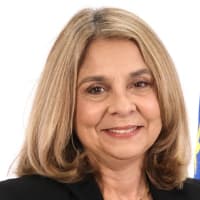
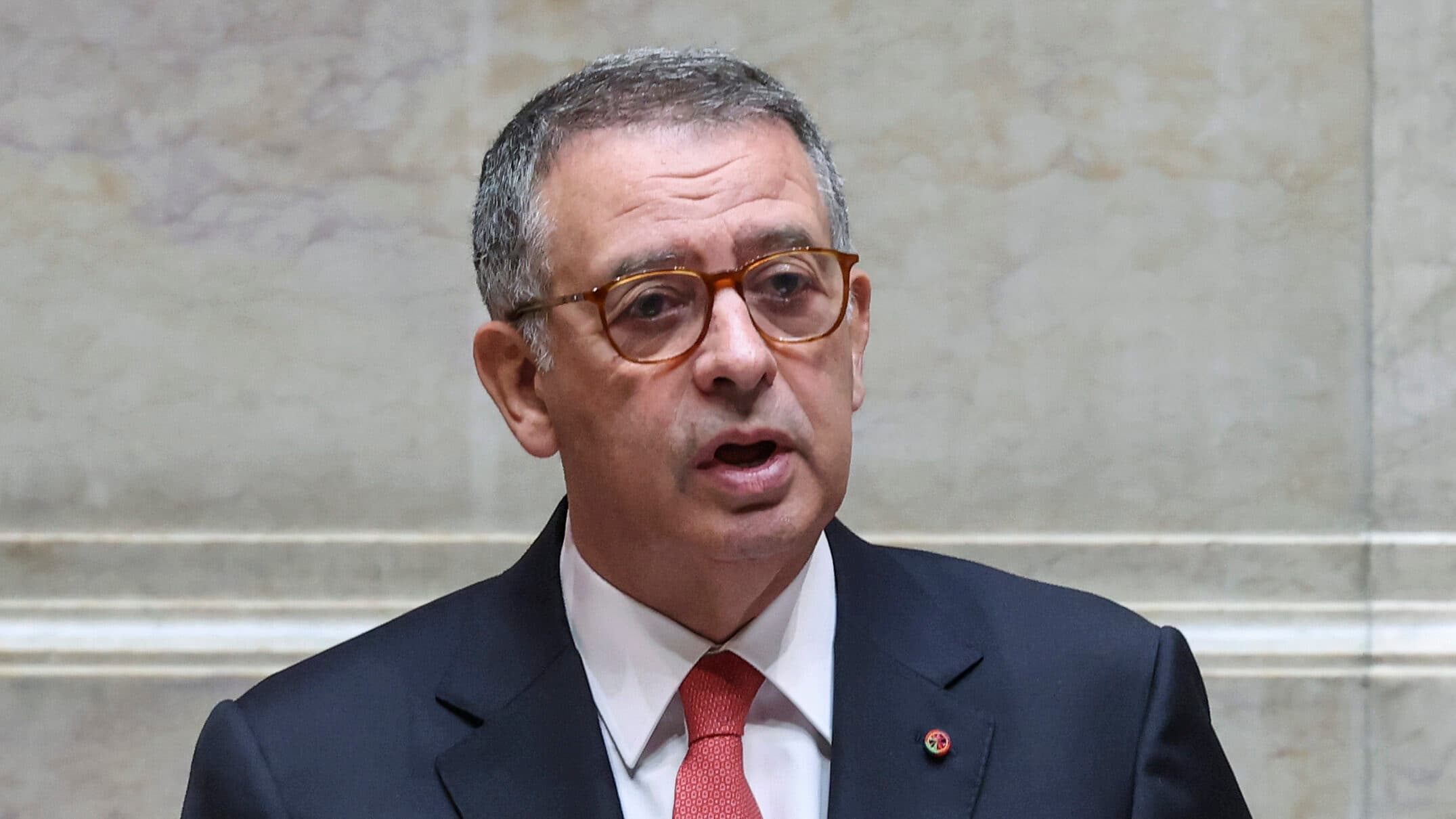
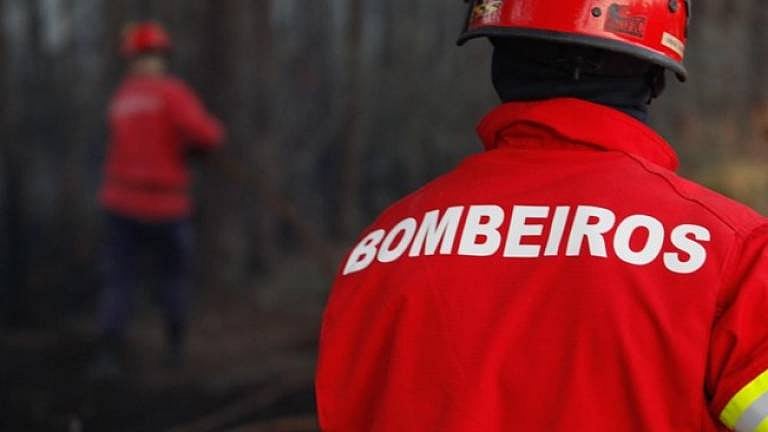
President of the Republic António José Seguro has launched his first five-day Open Presidency (Presidência Aberta) in the Central region. Accompanied by government officials, he is visiting districts including Castelo Branco, Santarém, Coimbra, and Leiria to assess recovery efforts following recent severe storms. The initiative aims to provide a direct link between the state and citizens, addressing complaints regarding delays in reconstruction support.
President of Portugal (since March 9, 2026)
Party: Independent. Former leader of the Socialist Party (PS), Partido Socialista
Center-left
António José Martins Seguro (born March 11, 1962, in Penamacor) is a lawyer, political scientist, and the current President of the Portuguese Republic, inaugurated on March 9, 2026 after winning the two-round presidential election in January–February 2026.
Career: He led Socialist Youth (1990–1994), served as MEP (1999–2001), was Minister Adjunct to PM António Guterres (2001–2002), and led the PS parliamentary group (2004–2005). Elected PS Secretary-General in 2011 with 68%, he led the opposition during Portugal's bailout era. In 2014, António Costa defeated him in party primaries by a landslide, prompting Seguro's resignation and a decade-long retreat from politics. He returned in 2025, launching the movement UPortugal and announcing his presidential candidacy in June. He received official PS backing in October 2025 and won the presidency in February 2026.
Political philosophy: Seguro positions himself as representing a "modern and moderate" left, advocating financial responsibility while opposing austerity. As President, he has emphasized institutional trust, efficient governance, and a collaborative relationship with the government while maintaining rigorous constitutional oversight.
Quando entrava na sua Caixa era como se estivesse a abrir a porta de casa. Não admira, afinal as histórias confundem-se. Nas fotografias da inauguração da Caixa Agrícola do Fundão, em 1932, lá estava o seu avô. Por isso, também por isso, cresceu na ideia de que um dia ofereceria o seu contributo. João Chendo é um puro serrano. Pragmático, mas idealista. Para ele não há competição, há cooperação. Tê-lo conseguido provar foi a sua missão de vida.Comecemos então. Em 1985, ano em que aceitou fazer parte da direção da Caixa do Fundão, atual Caixa de Crédito Agrícola Mútuo da Região do Fundão e Sabugal, o seu objetivo era mais modesto: tornar a instituição robusta. Fez um mandato e depois candidatou-se como primeira figura. Seguir-se-iam 26 anos como presidente. Pareceram 26 dias. Integrou o Conselho Geral da Caixa Central e acreditou que o cooperativismo seria reforçado com a união de todas as caixas. Uma união que não feriria a identidade de cada uma delas, sentia que devia isso ao avô. A sua Caixa ajudou muito os agricultores e empresários da região. A financiarem-se, mas também a abrirem horizontes. João organizava, todos os anos, visitas a explorações agrícolas no estrangeiro. O critério era simples, convidavam-se os clientes bons, sobretudo com envolvimento, mas também pessoas e empresas mais modestas, escolhidas por sorteio, numa lógica equilibrada e democrática. Fizeram-se visitas a França, Áustria e aos países nórdicos. Ficou a faltar-lhe a Argentina, viagem que ambicionou promover, mas que ficou na gaveta.Quando saiu da sua Caixa e da Caixa Central, em 2011, vinha desiludido. O declínio das bandeiras do mutualismo e cooperativismo parecia-lhe evidente. A autonomia perdera-se. E começou a custar-lhe muito “encostar à parede” um mutuário por falta ou atraso de pagamento quando, a um outro nível, se gastava à tripa-forra, o que jamais seria prática do passado. Saiu sem olhar para trás, tinha 63 anos e sentia que muita vida ainda lhe corria à frente, existiam mais sonhos para ser sonhados.Passaram 15 anos e Chendo é hoje um ilustre reformado que não falta à sua tertúlia no café de sempre – um lugar central onde tudo acontece, negócios e investimentos também. Por ali passaram muitas vidas, a dele e dos amigos, mas também a dos pais e avós. Faça chuva ou calor, a tertúlia reúne. Juntar é o caminho do progresso, um lema inegociável.O apelido Chendo nasceu em Pêro Viseu, a dois passos do Fundão. Gente de trabalho que se espalhou pelo Brasil, Estados Unidos, Alemanha, França e Suíça. Ou que se manteve ali, naquela paisagem íngreme de uma ruralidade impoluta. Um lugar de enorme beleza natural, com as suas tradições e festas, um recorte historiográfico do povo português. Imaginar a década de 1930, imaginar os fundadores da Caixa Agrícola a juntarem esforços por amor a uma terra onde apenas se chegava a cavalo, sem transportes ou telecomunicações. Imaginá-los, remediados agricultores, a seguirem o que lhes parecia ser o correto. Entre 1911 e 1929, surgiram de norte a sul do país 140 Caixas de Crédito Agrícola, criadas a partir de movimentos associativistas de cariz cooperativo e mutualista. O seu fundamento institucional era o Decreto-Lei de 1 de março de 1911, assinado por Brito Camacho, ministro do Fomento num governo provisório liderado por Teófilo Braga. As caixas eram entidades com atividade limitada ao âmbito concelhio, financiamento da atividade agrícola e distribuição de subsídios estatais à agricultura.A paixão pela terra e a solidariedade entre pares uniu cada um destes fundadores que, com enorme coragem, entregaram o seu património para responder a possíveis dívidas da instituição. Era preciso coragem para o fazer, diz-nos João Chendo para explicar o motivo para se ter contagiado pela ideia romântica de completar o trabalho do avô.Uma longa e bonita vida a dele. Filho de pai comerciante e mãe doméstica, irmão mais novo de dois. Mesmo pequeno, ainda antes de aprender a ler e contar, já destoava da mediania. Obedecia mais depressa à sua consciência do que a algumas regras que os pais lhe impunham. Foi bom aluno, completou o secundário numa escola privada, licenciou-se em Finanças, fez tropa em Cabo Verde e regressou a Portugal no dia em que a colónia deixou de o ser. No dia 5 de julho de 1975 nascia um novo país e um jovem voltava para começar uma nova vida. Trabalhou para a EDP, deu aulas de matemática na Universidade da Beira Interior e sempre adorou viajar. Nunca deixou de o fazer, ainda agora. Vai várias vezes por ano a Espanha, tem uma forte ligação a Salamanca onde a filha se licenciou em Medicina.Sim tem uma filha. E um filho engenheiro. E quatro netos. Todos próximos e orgulhosos do pai e avô que vive na casa onde nasceu, em 1948. Uma herdade em Pêro Viseu com vista para o vale da Cova da Beira, uma terra mágica. Já as vistas da imaginação alcançam a Serra da Gardunha, com os seus rebanhos graníticos e ninhos de casas rústicas cujas origens se perdem nas memórias dos tempos. Um tempo em que as terras férteis formavam um disperso tecido agrícola. Tempos idos, quando a debandada dos assalariados rurais deixou marcas de desertificação, de campos incultos, de isolamento. França, Alemanha e Luxemburgo foram os principais destinos da diáspora. Para quem foi, talvez tenha custado menos. Foi porventura mais difícil para os que ficaram agarrados à enxada. Ou para os que juntaram esforços e cooperaram pelo bem comum. Uma parceria com a Agrimútuo
The President of the Assembly of the Republic fulfilled the public recognition of Lua Afonso. She is the young woman from Covilhã praised in Parliament and considered an example.
The President of Parliament rejected the idea that his speech at the 25th of April solemn session – which led Pedro Delgado Alves to turn his back on him – could constitute a defence of less transparency.
The suspect, a Brazilian national, was sentenced to 12 years in prison in Brazil for the crime of child rape committed in 2022. He was transported by authorities to the Coimbra prison facility.
Young people under 35 will be exempt from IMI for five years in Covilhã. They only need to purchase their first permanent primary residence in the municipality.
Young people under 35 will be exempt from IMI property tax for five years in Covilhã. They only need to purchase their first permanent primary residence in the municipality.
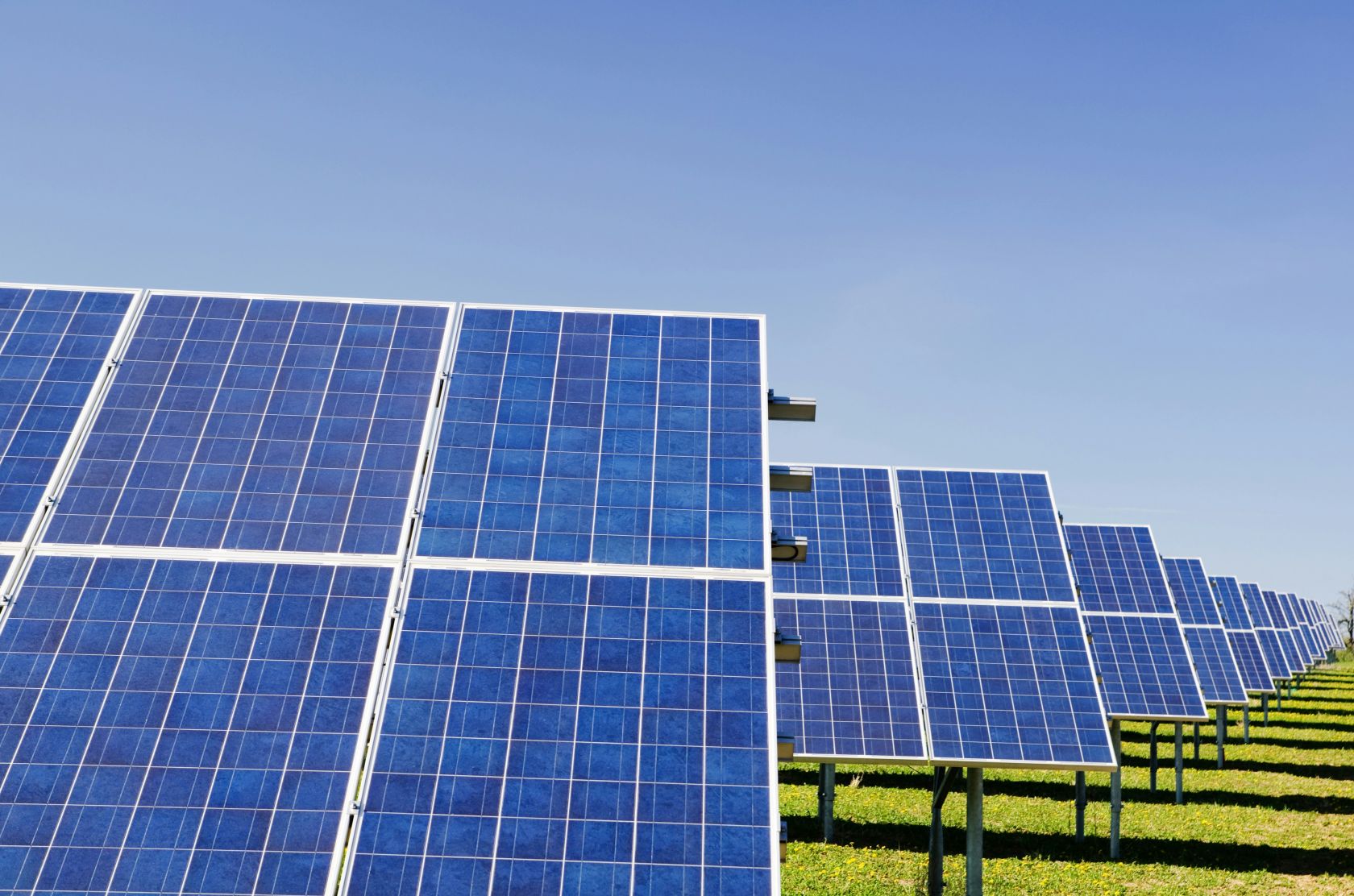
Associations and civic movements will demonstrate on May 6th at the APA in Castelo Branco, demanding the release of public consultation reports for the Beira and Sophia photovoltaic plants, which are considered incomplete despite the negative opinions announced by the Government.
Environmental NGOs and civic movements battling to ‘save’ the Beira Baixa from being plastered in photovoltaic panels have called a major protest for May 6, accusing the government and its The post Authorities accused of lack of transparency over massive solar projects appeared first on Portugal Resident.
In a region where businesses, families, and the public sector suffered an impact of over 5.3 billion euros from the 'train of storms', driven primarily by the low-pressure system Kristin, much of the support is slow to reach those affected, but over 1.9 billion euros have already been invested from various sources.
To highlight the importance of youth participation in politics, the President of the Assembly of the Republic honoured an exemplary student from a school in Covilhã.
The two men were arrested on Monday “following an incident of domestic violence”. 242 doses of cocaine, 45 doses of hashish, and 33 doses of MDMA were also seized.
The GNR arrested a man in Fundão who had a firearm inside a vehicle, as well as two magazines, 14 rounds of ammunition, and a holster, all of which were seized.
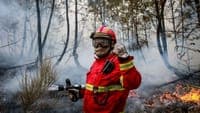
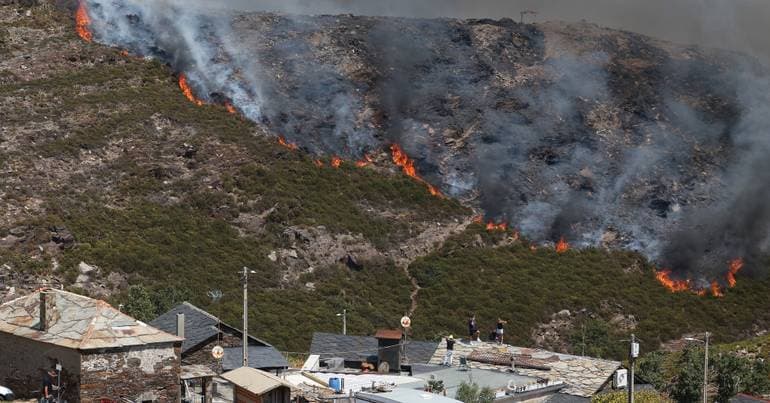
Joaquim Leitão, who resigned after the Pedrógão fires, advocates for an audit of prevention measures and warns that the 2025 fires demonstrate that the 2018 changes have not brought improvements.
In an emotional hearing, Carla Rocha criticised the lack of minimum services during the strike, the attitude of the technicians, the silence from INEM, and the way Ana Paula Martins handled the negotiations with the TEPH.
Hélio Fazendeiro wants to turn “the temporary into the resident” and announced the tax exemption for first-time home buyers. He also challenged the Government to locate the major industrial zone of the Interior in Covilhã.
Paulo Fernandes led the digital transformation in Fundão and is now responsible for the recovery of areas affected by the storm Kristin. He is the first guest in a series of interviews with digital leaders.