Portugal news explained

Portugal news explained

The Lisboeta

The Lisboeta

  1. Places
  2. Lisboa District
  3. Lisbon

Lisbon

Lisboa, Portugal

Latest news and stories from Lisbon.

Municipalities in Lisboa

Alenquer(41)Amadora(208)Arruda dos Vinhos(7)Azambuja(23)Cadaval(1)Cascais(320)Lisbon(5123)Loures(203)Lourinhã(13)Mafra(55)Odivelas(49)Oeiras(262)Sintra(233)Sobral de Monte Agraço(9)Torres Vedras(52)Vila Franca de Xira(86)


  • Alenquer(41)
  • Amadora(208)
  • Arruda dos Vinhos(7)
  • Azambuja(23)
  • Cadaval(1)
  • Cascais(320)
  • Lisbon(5123)
  • Loures(203)
  • Lourinhã(13)
  • Mafra(55)
  • Odivelas(49)
  • Oeiras(262)
  • Sintra(233)
  • Sobral de Monte Agraço(9)
  • Torres Vedras(52)
  • Vila Franca de Xira(86)
Recent articles
Related videos
Related podcasts

Portugal
  • 1910: Death of Alexandre Herculano de Carvalho, grandson of the great historian, sparks renewed public interest in his grandfather's monumental 'History of Portugal,' which defined Portuguese historiography.
  • 1975: The Portuguese Socialist Party organises massive demonstrations against growing communist influence in the revolutionary government, a turning point in the struggle between moderate and radical factions after the Carnation Revolution.
Elsewhere
  • 1919: The May Fourth Movement erupts in Beijing as Chinese students protest the Treaty of Versailles, sparking a cultural and political awakening that shapes modern China.

© 2026. All rights reserved.

TermsPrivacyCookies
GovernmentFinanceDaily LifeLegalHealthWorkCultureInfrastructureEnvironmentPropertyTechnologyImmigrationEuropeEducationTravelHistorySportsCrypto

All videos

The Clown Who Built Something Beautiful in Lisbon

People Of Lisbon • 31:25 • 2d ago

Is Romania a Good Alternative to Portugal?

ExpatsEverywhere • 53:27 • 5d ago

Is Lisbon safe for women alone? Let’s talk about fear, safety & intuition – Ep. 33

From Lisbon With Love • 30:12 • 6d ago

This Doctor Opened His Dream Clinic in Lisbon

People Of Lisbon • 33:22 • 1w ago

The Lisbon and Algarve Locals on Good Morning Portugal! #anyquestions #dailyquiz

Good Morning Portugal! • 1:13:21 • 2w ago

All podcasts

Paediatric emergency closed at Dona Estefânia

📍 Lisbon🩺 Health🚇 Infrastructure#medical-services+2 more

The external paediatric surgery emergency department at Hospital Dona Estefânia in Lisbon will remain closed until Sunday at 8:00 PM. The clinical director cited a critical shortage of anaesthesiology staff as the reason for the temporary suspension of emergency surgical services.

1 source →1 May
Paediatric emergency closed at Dona Estefânia

Carris driver accused of discrimination against passenger

📍 Lisbon⚖️ Legal🚇 Infrastructure#discrimination+2 more

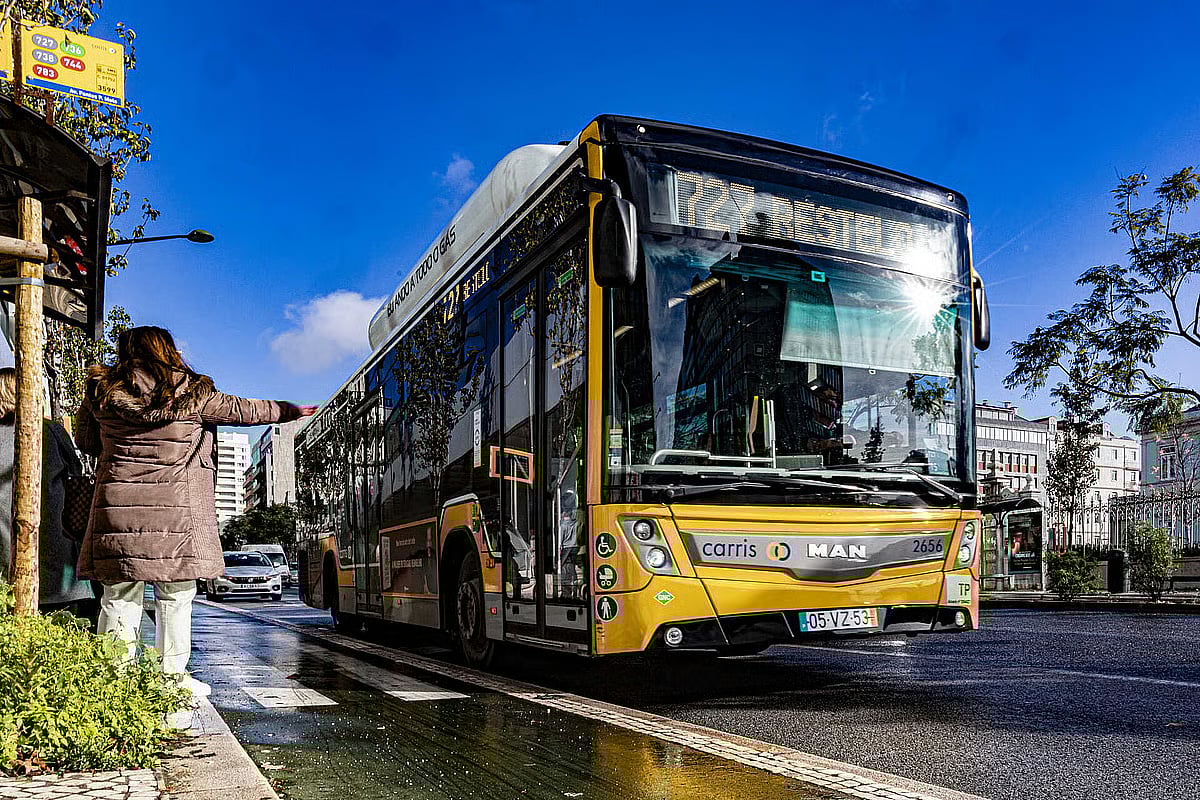
A Carris bus driver in Lisbon is under investigation following allegations that he prevented a woman from boarding a bus because she was wearing a surgical mask. The passenger, who also wore a hijab, has filed a formal complaint with the Public Security Police (PSP) and the public transport operator.

PSP (Polícia de Segurança Pública)

The PSP (Polícia de Segurança Pública) is Portugal's national civilian police force, founded in 1867. Responsible for defending Republican democracy and safeguarding internal security and citizens' rights, the PSP polices major cities—Lisbon, Porto, Faro—and large urban areas, covering only 4% of Portugal's territory but roughly half the population. Led by a National Director under the Ministry of Internal Affairs, its approximately 21,500 officers handle preventive policing, crime investigation, public order, airport security, diplomatic protection, private security regulation, firearms licensing, and border control (since 2023).​

PSP vs. GNR: The PSP is civilian with police-focused training and urban jurisdiction, while the GNR (Guarda Nacional Republicana) is military (gendarmerie) with military training, covering 96% of Portugal's rural and suburban territory. Both share core public safety missions but differ fundamentally in nature, training, and geographic responsibility.

3 sources →30 Apr
Carris driver accused of discrimination against passenger

River transport services face potential afternoon disruptions

📍 Lisbon🚇 Infrastructure💼 Work#public-transport+3 more

The river transport operator Transtejo Soflusa (TTSL) has warned of possible service disruptions on Thursday afternoon due to a general staff meeting. Trade unions are holding the meeting at Cais do Sodré to discuss collective bargaining and salary increase proposals.

2 sources →29 Apr
River transport services face potential afternoon disruptions

Lisbon Metro Green Line section closing in May

📍 Lisbon🚇 Infrastructure🏖️ Daily Life#public-transport+2 more

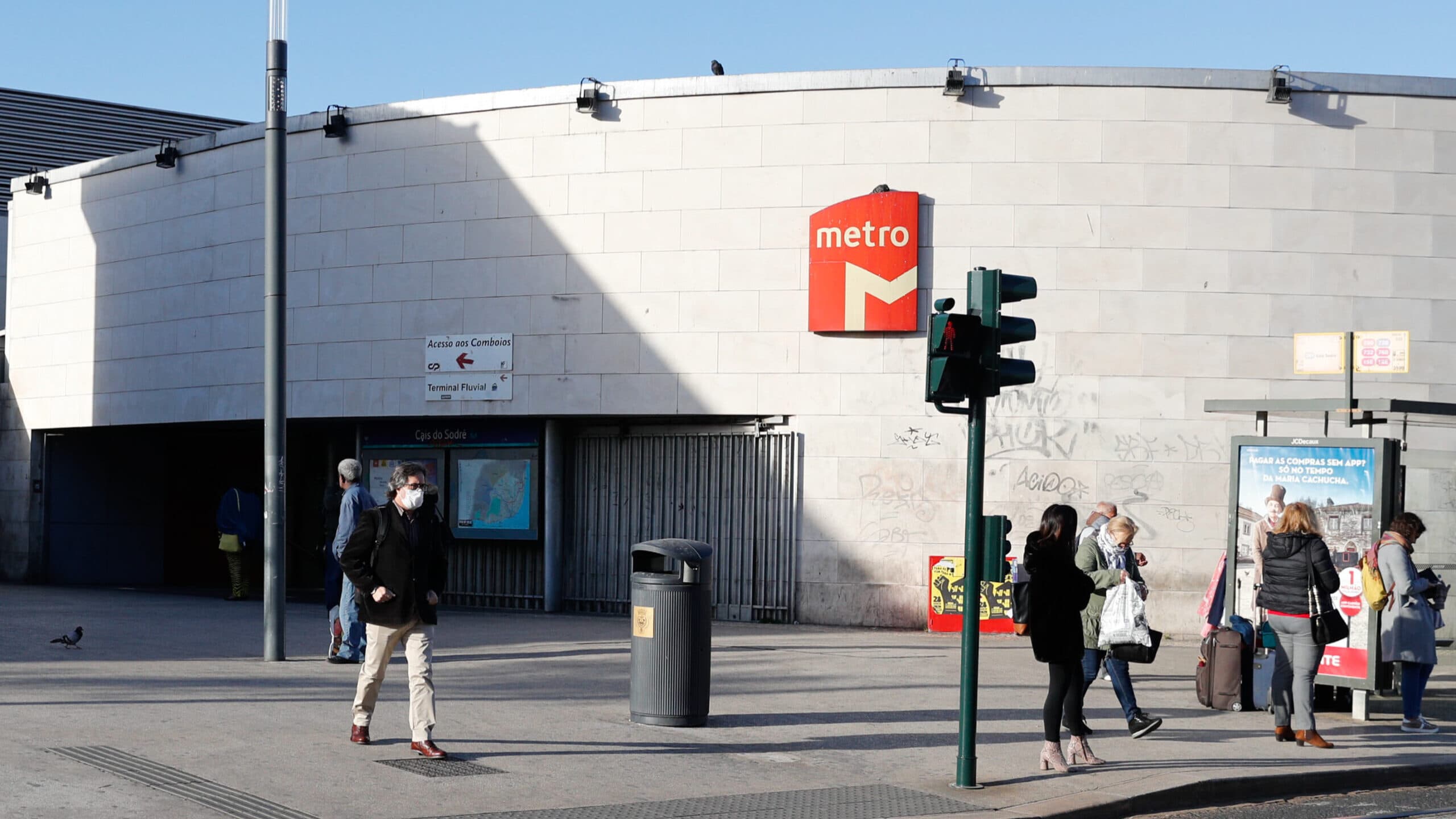
The Lisbon Metro (Metropolitano de Lisboa) will suspend service on the Green Line between Rossio and Cais do Sodré from May 2 to May 5. The closure is required for construction work related to the new circular line project, with normal operations expected to resume on May 6.

2 sources →27 Apr
Lisbon Metro Green Line section closing in May

Chega proposes new rules for political party donations

📍 Lisbon🏛️ Government⚖️ Legal#chega+2 more

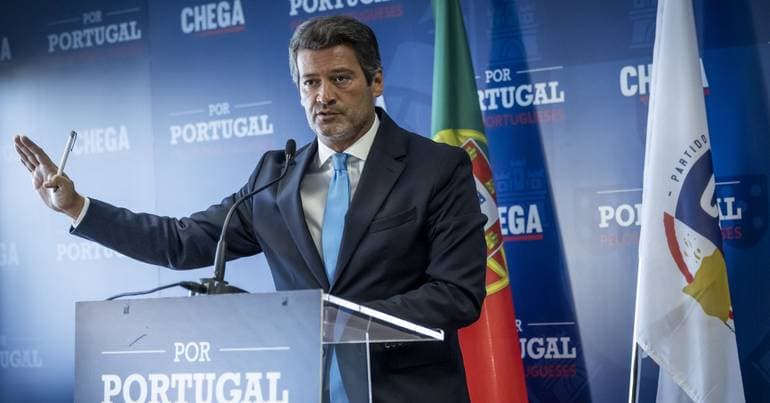
The political party Chega announced plans to submit a bill to the Assembly of the Republic (Assembleia da República) aimed at balancing transparency and privacy in party funding. Party leader André Ventura stated the proposal seeks to ensure high-value donors are disclosed by name while protecting sensitive personal data like tax identification numbers and home addresses.

André Ventura

André Ventura, born January 15, 1983, is a lawyer, academic, and Portugal's most prominent far-right leader. He founded Chega ("Enough") in 2019 after his PSD mayoral campaign attacked the Romani community. Chega surged from 1.3% in 2019 to 22.8% in May 2025, becoming parliament's second-largest party and making Ventura Leader of the Opposition.

His platform emphasizes immigration restrictions, law-and-order policies, constitutional reform, and contains inflammatory anti-Romani rhetoric that has triggered multiple discrimination convictions and investigations. Politically classified as far-right by international media, Ventura cultivates alliances with European far-right figures including Marine Le Pen and Santiago Abascal.

4 sources →27 Apr
Chega proposes new rules for political party donations

Lisbon metro line section to close for construction

📍 Lisbon🚇 Infrastructure🧭 Travel#public-transport+1 more

The Lisbon Metro (Metropolitano de Lisboa) will suspend service on the Green Line between Rossio and Cais do Sodré from May 2 to May 5. The closure is necessary for construction work on the new circular line, with normal operations expected to resume on May 6.

3 sources →27 Apr
Lisbon metro line section to close for construction

INEM denies hospital transport for blind patient

📍 Lisbon🩺 Health⚖️ Legal#medical-services+2 more

The National Institute of Medical Emergency (Instituto Nacional de Emergência Médica or INEM) is under scrutiny after its emergency dispatch centre, the CODU, reportedly refused to authorize hospital transport for a 55-year-old blind man. Although the CODU initially dispatched an ambulance from the Arruda dos Vinhos fire department to the Marvila area in Lisbon, it later denied the patient admission to the hospital. Firefighters proceeded to transport the man to the Hospital de São José regardless of the instruction.

INEM (Instituto Nacional de Emergência Médica)

INEM (Instituto Nacional de Emergência Médica) is Portugal's national emergency medical service, responsible for coordinating and providing pre-hospital emergency care. It operates the country's emergency medical dispatch system, activated through the European emergency number 112.

INEM deploys ambulances (including basic and advanced life support units), medical helicopters (VMER), and motorcycle response units across Portugal. It also manages the CODU (Centro de Orientação de Doentes Urgentes) — the emergency call centers that triage incoming 112 calls and dispatch the appropriate medical response.

INEM has faced persistent challenges including ambulance shortages, staffing gaps (particularly among emergency medical technicians), and long response times in rural areas. These issues have made INEM a frequent subject of political debate, with calls for better funding, improved working conditions, and expanded coverage. Residents should know that calling 112 connects to INEM's triage system, and knowing your exact location speeds up emergency response.

The CODU (Centro de Orientação de Doentes Urgentes) is the emergency medical dispatch center responsible for coordinating urgent pre-hospital care in Portugal. It operates under the National Institute of Medical Emergency (Instituto Nacional de Emergência Médica or INEM) to assess medical emergencies and dispatch the appropriate resources, such as ambulances or helicopters.

1 source →26 Apr
INEM denies hospital transport for blind patient

Nation marks 52nd anniversary of Carnation Revolution

📍 Lisbon🏛️ Government📜 History#25-de-abril+3 more

Thousands of people gathered in Lisbon, Porto, and Funchal to celebrate the 52nd anniversary of the 25th of April Revolution. Participants marched with red carnations to express concerns over housing, labour laws, and the cost of living while reaffirming their commitment to democratic values. The day featured solemn sessions in Parliament and public parades, highlighting the enduring legacy of the 1974 movement.

The 25th of April Revolution (Revolução dos Cravos or Carnation Revolution) was a military coup in 1974 that ended 48 years of authoritarian rule in Portugal. It restored democracy and civil liberties, and it is celebrated annually as Freedom Day (Dia da Liberdade).

8 sources →25 Apr
Nation marks 52nd anniversary of Carnation Revolution

Rui Tavares accuses André Ventura of using Nazi rhetoric

📍 Lisbon🏛️ Government⚖️ Legal#chega+2 more

Livre spokesperson Rui Tavares has accused Chega leader André Ventura of invoking Nazi-era rhetoric during his speech at the 25th of April solemn session. Tavares claims that Ventura's repeated use of the phrase “stabbed in the back” mirrors a specific myth used by Adolf Hitler to undermine democratic institutions. The accusation has sparked further debate regarding the tone of political discourse in Portugal.

André Ventura

André Ventura, born January 15, 1983, is a lawyer, academic, and Portugal's most prominent far-right leader. He founded Chega ("Enough") in 2019 after his PSD mayoral campaign attacked the Romani community. Chega surged from 1.3% in 2019 to 22.8% in May 2025, becoming parliament's second-largest party and making Ventura Leader of the Opposition.

His platform emphasizes immigration restrictions, law-and-order policies, constitutional reform, and contains inflammatory anti-Romani rhetoric that has triggered multiple discrimination convictions and investigations. Politically classified as far-right by international media, Ventura cultivates alliances with European far-right figures including Marine Le Pen and Santiago Abascal.

What is the LIVRE political party?
  • Leader: Rui Tavares
  • Ideology: Green left-wing politics, libertarian socialism

LIVRE (meaning "Free") is a green left-wing party founded in 2014 by historian and former MEP Rui Tavares. The party struggled for years before finally electing Tavares as its first MP in 2022, then grew to 4 seats in 2024 and 6 seats in 2025—making it the only progressive party to gain ground in recent elections. LIVRE focuses on environmental protection, human rights, and progressive social policies while maintaining a pro-European stance.

Chega

Chega ("Enough") is a Portuguese far-right populist party founded in 2019 by André Ventura. It positions itself as an anti-establishment movement against what it calls a "rotten and corrupt system" of PS-PSD dominance. The party surged from 1.3% in 2019 to 22.8% in May 2025, becoming parliament's second-largest force with 60 seats. ​ Chega's core platform emphasizes strict immigration control—ending automatic CPLP residency, deporting non-independent immigrants, implementing job-market quotas, and requiring five-year social security contributions before benefit access. It advocates radical constitutional reform, including reducing parliament to 100 members, abolishing the prime minister position for a presidential system, and dismantling public healthcare. Law-and-order policies include life imprisonment and chemical castration proposals.

The party is defined by inflammatory anti-Romani rhetoric, with Ventura convicted multiple times for discrimination. Chega maintains international alignments with European far-right figures including Marine Le Pen, Santiago Abascal, and Matteo Salvini. Mainstream Portuguese parties, including Prime Minister Luís Montenegro's government, have imposed a cordon sanitaire, refusing coalition with Chega despite its parliamentary strength.

Rui Tavares is a historian, writer, and politician who serves as a spokesperson for the political party Livre. He has been a member of the Assembly of the Republic (Assembleia da República) since 2022 and previously served as a member of the European Parliament from 2009 to 2014.

4 sources →25 Apr

President calls for fulfilling values of April revolution

📍 Lisbon🏛️ Government🎭 Culture#democracy+1 more

President of the Republic Marcelo Rebelo de Sousa stated that honoring the 25th of April revolution requires more than celebration, urging for daily commitment to social justice and the dignity of work. Speaking at an event hosted by the 25 de Abril Association, he emphasized that democratic values must be actively upheld to combat inequality.

Marcelo Rebelo de Sousa
  • Former President of Portugal (2016–2026)
  • Party: Independent (formerly Social Democratic Party, PSD)

Electoral Mandate and Democratic Consensus:

Marcelo Rebelo de Sousa was elected President of Portugal on January 24, 2016, winning 52.0% of the vote in the first round—a decisive victory in a fragmented field. He campaigned as an independent, positioning himself as a unifying figure after years of austerity from Portugal's 2011–14 bailout, promising to repair political divisions and restore national confidence. His campaign emphasized moderation and cross-party consensus, a departure from his decades-long association with the center-right Social Democratic Party (PSD). Upon taking office on March 9, 2016, he suspended his party membership for the duration of his presidency.​

His 2021 re-election proved extraordinary: Rebelo de Sousa secured 60.7% of the vote—the third-highest margin in Portuguese presidential electoral history since the 1974 Carnation Revolution. Historically, he became the first candidate ever to win in all 308 municipalities and the vast majority of parishes, ranging from 51.3% in Beja District to 72.16% in Madeira. This unprecedented sweep reflected his broad appeal across social, geographic, and ideological divides.​

Constitutional Role and Crisis Leadership:

Portugal operates as a semi-presidential system where the president, while largely ceremonial, exercises meaningful influence over national security, foreign policy, and military affairs as Supreme Commander of the Armed Forces. Rebelo de Sousa leveraged this authority during Portugal's response to the COVID-19 pandemic. In March 2020, he requested parliamentary authorization for a state of emergency—the first nationwide declaration in 46 years of democratic history—to contain the crisis. He voluntarily quarantined after potential COVID-19 exposure in March 2020, and later tested positive in January 2021 while remaining asymptomatic. His measured handling of the pandemic, balancing public health with institutional continuity, contributed to his landslide 2021 re-election.​

Diplomatic Engagement and International Presence:

Rebelo de Sousa has conducted extensive state visits representing Portugal's interests across diverse regions: the Vatican, Spain, Mozambique, Morocco, Brazil, Switzerland, Cuba, the United Kingdom, Greece, the United States, and Angola. A notable diplomatic highlight occurred in 2019 when he joined President Emmanuel Macron at the Bastille Day military parade in Paris, representing European military cooperation and the European Intervention Initiative. These engagements positioned Portugal as an active participant in global affairs, particularly regarding colonial history and Atlantic security partnerships.​

Colonial Legacy and Historical Accountability:

During his presidency, Rebelo de Sousa has publicly supported making restitution and acknowledging abuses committed during Portugal's colonial history and the country's role in the Atlantic slave trade. This position marked a significant policy shift, as Portugal historically avoided confronting its imperial past compared to other European powers. His stance reflected evolving attitudes within Portuguese society toward historical accountability.​

Controversies and Public Criticism:

Rebelo de Sousa's presidency has not been without controversy. In 2023, allegations emerged that he had intervened to expedite treatment for Brazilian twins with Zolgensma, an expensive rare disease medication, raising questions about presidential influence and potential corruption. These claims implicated his son and generated criticism across Portuguese political and media sectors. Additionally, in April 2024, Rebelo de Sousa made controversial remarks comparing the speed of Prime Ministers António Costa and Luís Montenegro using orientalist language that drew public rebuke. In August 2025, he called U.S. President Donald Trump a "Russian asset" at a PSD event, demonstrating his willingness to make provocative foreign policy statements.​

Constitutional Constraints and Legacy:

Under Portugal's constitution, Rebelo de Sousa is barred from running for a third consecutive term, meaning his presidency concludes with elections scheduled for January 18, 2026. His decade-long tenure has established him as one of Portugal's most popular recent heads of state, characterized by broad consensus-building and institutional stability. Whether future presidents can replicate his cross-party appeal remains an open question for Portuguese democracy as it enters a new era.​

SAPO4 sources →24 Apr
President calls for fulfilling values of April revolution

Seguro states that it is necessary to "fulfil April" regarding social justice, dignity of work,…

📍 Lisbon🏛️ Government📜 History#government-policy+1 more

The President of the Republic and the president of the 25th of April Association made appeals for an end to wars. The controversy over the 25th of April Museum was left for the table conversation, which was also attended by Marcelo Rebelo de Sousa.

1 source →24 Apr
Seguro states that it is necessary to "fulfil April" regarding social justice, dignity of work,…

Graça funicular set to resume service next Thursday

📍 Lisbon🚇 Infrastructure🏖️ Daily Life#public-transport+2 more

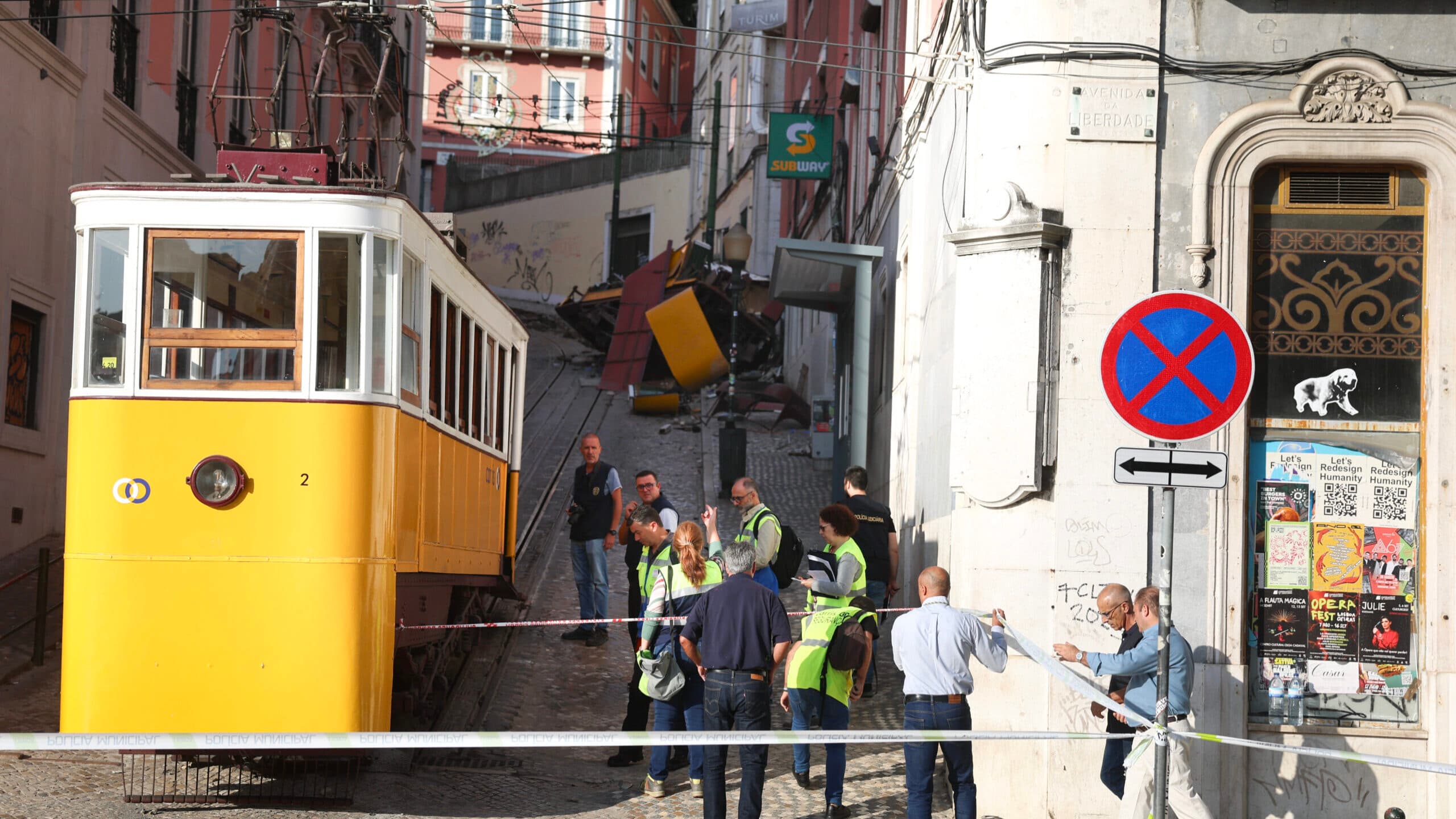
The Graça Funicular in Lisbon is expected to reopen next Thursday after a seven-month closure. The operator, Carris, suspended the service for inspections following a separate accident involving the Glória elevator last September.

2 sources →24 Apr
Graça funicular set to resume service next Thursday

Government confirms IT issues at Lisbon airport border control

📍 Lisbon🚇 Infrastructure🏛️ Government#border-control+3 more

The Ministry of Internal Administration has admitted to IT constraints affecting border control operations at Lisbon airport. While officials acknowledge that some passenger data is not being collected, they maintain that these technical issues do not pose a security risk to the country.

2 sources →23 Apr
Government confirms IT issues at Lisbon airport border control

Guinea-Bissau blames Portugal for detained students at airport

📍 Lisbon🛂 Immigration⚖️ Legal#border-control+3 more

The government of Guinea-Bissau has criticized Portuguese authorities for the detention of Guinean students at Lisbon airport, alleging failures in the visa issuance process. Justice Minister Carlos Pinto Pereira stated that students holding valid visas should be permitted entry, while Portuguese officials maintain that the detentions are due to missing documentation. At least 18 students have been affected since the beginning of April, with many returning to Bissau.

SAPO4 sources →23 Apr
Guinea-Bissau blames Portugal for detained students at airport

UGT union leaders prepare to reject government labour proposal

📍 Lisbon💼 Work🏛️ Government#labour-law+1 more

The National Secretariat of the General Workers' Union (União Geral de Trabalhadores or UGT) is meeting in Lisbon to finalize its position on the government's latest labour code proposal. Several key union officials have already announced their intention to vote against the draft, arguing that negotiations have failed to produce significant progress. Meanwhile, President of the Republic António José Seguro has faced criticism for his attempts to facilitate dialogue between the government and social partners.

António José Seguro
  • President of Portugal (since March 9, 2026)
  • Party: Independent. Former leader of the Socialist Party (PS), Partido Socialista
  • Center-left

António José Martins Seguro (born March 11, 1962, in Penamacor) is a lawyer, political scientist, and the current President of the Portuguese Republic, inaugurated on March 9, 2026 after winning the two-round presidential election in January–February 2026.

Career: He led Socialist Youth (1990–1994), served as MEP (1999–2001), was Minister Adjunct to PM António Guterres (2001–2002), and led the PS parliamentary group (2004–2005). Elected PS Secretary-General in 2011 with 68%, he led the opposition during Portugal's bailout era. In 2014, António Costa defeated him in party primaries by a landslide, prompting Seguro's resignation and a decade-long retreat from politics. He returned in 2025, launching the movement UPortugal and announcing his presidential candidacy in June. He received official PS backing in October 2025 and won the presidency in February 2026.

Political philosophy: Seguro positions himself as representing a "modern and moderate" left, advocating financial responsibility while opposing austerity. As President, he has emphasized institutional trust, efficient governance, and a collaborative relationship with the government while maintaining rigorous constitutional oversight.

UGT (União Geral de Trabalhadores)

The General Union of Workers (UGT – União Geral de Trabalhadores) is one of Portugal’s two main national trade union confederations. Founded in Lisbon on 28 October 1978, it was created as a social‑democratic alternative to the more communist‑aligned CGTP after the 1974 Revolution, grouping unions close to the Socialist Party and moderate centre‑right currents.

UGT represents around 400,000 workers and is affiliated to the European Trade Union Confederation and International Trade Union Confederation, giving Portuguese labour a voice at EU and global level. Its principles stress union independence from the state, employers, churches and parties, internal democracy and active worker participation.

Historically, UGT’s hallmark has been “propositive” social dialogue: it is usually more willing than CGTP to sign tripartite agreements on wages, labour law and social policy with governments and employers, shaping minimum wage increases, working‑time rules and social protection reforms. This makes UGT a key centrist actor in Portugal’s industrial relations, often mediating between left and right while defending collective bargaining and incremental improvements to labour rights.

5 sources →21 Apr
UGT union leaders prepare to reject government labour proposal

Brussels blocks Chinese supplier for Lisbon Metro expansion

📍 Lisbon🚇 Infrastructure🇪🇺 Europe#public-transport+3 more

The European Commission has intervened in the Lisbon Metro expansion project, forcing the consortium led by Mota-Engil to replace a Chinese subcontractor with a Polish supplier. The decision follows an investigation which determined that the Chinese firm, CRRC, benefited from unfair foreign subsidies. This ruling affects the construction of the new Violet Line, which is designed to connect Lisbon to the municipalities of Odivelas and Loures.

The European Commission is the EU’s executive body based in Brussels that proposes legislation, enforces EU rules and manages day‑to‑day EU policies; it is led by a President, currently Ursula von der Leyen. Commission proposals on harmonising business rules or introducing preferences can directly affect trade, regulation and competitiveness for companies and residents across all member states, including Portugal.

Global Banking & Finance Review®2 sources →21 Apr
Brussels blocks Chinese supplier for Lisbon Metro expansion

Lula visits Portugal amid immigration and trade discussions

📍 Lisbon🏛️ Government🛂 Immigration#expat-rights+2 more

Brazilian President Luiz Inacio Lula da Silva concluded his visit to Portugal this Tuesday, meeting with Prime Minister Luís Montenegro and President of the Republic António José Seguro. While the visit focused on strengthening bilateral ties and trade, Lula did not address specific changes to Portuguese immigration and nationality laws, disappointing some members of the Brazilian community. Montenegro highlighted that Portugal has regularized over 235,000 Brazilian immigrant applications in the last two years.

Luiz Inácio Lula da Silva is the current President of Brazil, serving his third term since January 2023. A prominent figure in Brazilian politics, he previously served as president from 2003 to 2010 and is a founding member of the Workers' Party (Partido dos Trabalhadores).

Luís Montenegro
  • Prime Minister, Portugal: 2024 - Present
  • Party: Social Democratic Party (PSD)

Luís Filipe Montenegro Cardoso de Morais Esteves (born February 16, 1973, in Porto) is a Portuguese lawyer and center‑right politician who has served as Prime Minister of Portugal since April 2, 2024. A long‑time member of the Social Democratic Party (PSD), he is the leading figure of the post‑Troika generation of Portuguese conservatives. ​ Montenegro was elected to the Assembly of the Republic in 2002 for the Aveiro district and remained an MP for 16 years, becoming PSD parliamentary leader from 2011 to 2017 during the bailout and austerity period under Prime Minister Pedro Passos Coelho. He was a prominent defender of strict austerity measures, arguing in 2014 that “the life of the people is no better, but the life of the country is a lot better,” a phrase that has followed his public image since. ​ After an unsuccessful leadership bid against Rui Rio in 2020, Montenegro won the PSD leadership in 2022. He then forged the centre‑right Democratic Alliance (PSD–CDS‑PP and allies), which won a plurality of seats in the 2024 legislative election. Refusing to partner with the far‑right Chega, which he has called “often xenophobic, racist, populist and excessively demagogic,” he formed a minority government as head of the XXIV Constitutional Government on April 2, 2024. ​ His first government fell in March 2025 after a no‑confidence vote linked to a conflict‑of‑interest affair, but fresh elections saw the Democratic Alliance increase its seat share, allowing Montenegro to return as prime minister leading the XXV Constitutional Government. His importance to Portugal lies in attempting to re‑center the traditional centre‑right after the crisis years, defending liberal‑conservative economics and EU alignment while drawing a sharp line against formal cooperation with the radical right, thus shaping how Portuguese democracy manages its new multi‑party era.

Diário de Notícias7 sources →21 Apr
Lula visits Portugal amid immigration and trade discussions

Lula in Lisbon with “disagreements” over nationality law on the agenda

📍 Lisbon🏛️ Government🛂 Immigration#nationality-law+1 more

The President of the Republic of Brazil is received in São Bento and Belém this Tuesday, and it is alongside Prime Minister Luís Montenegro, rather than the President, that he will make a joint statement. Brazil admits “disagreements” with Portugal regarding the nationality law.

1 source →21 Apr
Lula in Lisbon with “disagreements” over nationality law on the agenda

Air traffic control failures cause widespread airport delays

📍 Lisbon🧭 Travel🚇 Infrastructure#flight-delays+2 more

Portuguese airports faced significant operational instability on April 19, resulting in 233 flight delays and 6 cancellations. Humberto Delgado Airport in Lisbon was the most impacted, with 188 delays, while Porto also experienced substantial disruptions. Authorities attributed the logistical issues to a combination of air traffic control failures and weather conditions.

1 source →21 Apr
Air traffic control failures cause widespread airport delays

Nurses' union schedules national strike for May 12

📍 Lisbon🩺 Health💼 Work#labour-law+3 more

The Portuguese Nurses' Union (Sindicato dos Enfermeiros Portugueses or SEP) has announced a national strike for May 12. The industrial action will span the public, private, and social sectors as nurses demand government intervention to address long-standing professional grievances.

The Portuguese Nurses' Union (Sindicato dos Enfermeiros Portugueses) is the main trade union representing nurses in Portugal. It announced a strike for 20 March 2026, which can disrupt hospital routines and appointments in the public health service, so those relying on public care should check services and plan accordingly.

2 sources →20 Apr
Nurses' union schedules national strike for May 12

Government launches plan to expand national data centers

📍 Lisbon💡 Technology🏛️ Government#investment+3 more

The government has introduced the National Data Center Plan (Plano Nacional de Centros de Dados or PNDC) to position Portugal as a European hub for digital infrastructure. The strategy aims to simplify complex regulations and address fragmented oversight to attract more investment. While the sector welcomes the guidelines, industry experts warn that the success of the initiative depends on effective execution.

The National Data Centre Plan (Plano Nacional de Centros de Dados or PNDC) is a government strategy introduced in March 2024 to attract investment in digital infrastructure. It establishes guidelines for developing data centers to strengthen Portugal's position as a hub for technology and cloud services in Europe.

W.Media2 sources →20 Apr
Government launches plan to expand national data centers

Traffic restored on 25 de Abril Bridge after accident

📍 Lisbon🚇 Infrastructure🏖️ Daily Life#public-transport+2 more

Traffic on the 25 de Abril Bridge was restored in the south-north direction by 16:25 on Sunday following a three-vehicle collision. The accident, which involved an ambulance, resulted in five injuries and caused significant delays for commuters and the Sport Lisboa e Benfica football team. Civil Protection authorities confirmed that four people were transported to the hospital with minor injuries.

5 sources →19 Apr
Traffic restored on 25 de Abril Bridge after accident

Socialist Party leader rejects government labour law reforms

📍 Lisbon🏛️ Government💼 Work#labour-law+1 more

Socialist Party (Partido Socialista or PS) Secretary-General José Luís Carneiro has publicly rejected the government's proposed labour law reforms. During the party's 53rd anniversary meeting, Carneiro described the package as an offence to the dignity of workers and reaffirmed that the PS will vote against the measures in the Assembly of the Republic (Assembleia da República).

PS (Partido Socialista)

Socialist Party (PS)

  • Leader: José Luís Carneiro (since June 2025)
  • Ideology: Center-left, Social democracy, pro-Europeanism

Portugal's other traditional major party suffered a historic collapse in the 2025 election, dropping from 78 to 58 seats and falling to third place for the first time in democratic history. The party was led by Pedro Nuno Santos from January 2024 until his resignation following the May 2025 defeat. José Luís Carneiro, a 53-year-old former Minister of Internal Administration known for his moderate positioning within the party, was elected unopposed as the new Secretary-General with 95% of votes in June 2025. ​ The Socialist Party governed Portugal from 2015 to 2024, including an absolute majority from 2022 to 2024 under António Costa, who resigned in November 2023 amid a corruption investigation. The PS previously led the innovative "Geringonça" (contraption) coalition government from 2015-2019, a minority government supported by the Left Bloc and Portuguese Communist Party that reversed austerity measures and presided over economic recovery.

José Luís Carneiro is a Portuguese politician and member of the Socialist Party (Partido Socialista or PS). He served as the Minister of Internal Administration (Ministro da Administração Interna) from 2022 to 2024 and currently holds a seat in the Assembly of the Republic (Assembleia da República).

5 sources →19 Apr
Socialist Party leader rejects government labour law reforms

AIMA reopens family reunification portal for CPLP citizens

📍 Lisbon🛂 Immigration🏛️ Government#aima+3 more

The Agency for Integration, Migration and Asylum (Agência para a Integração, Migrações e Asilo or AIMA) has reopened its online portal for family reunification requests. The service is now available to citizens of the Community of Portuguese Language Countries (Comunidade dos Países de Língua Portuguesa or CPLP) seeking to bring minor children to Portugal. This development occurs ahead of the visit by Brazilian President Luiz Inácio Lula da Silva, who is expected to discuss immigration policy with Prime Minister Luís Montenegro.

Temporary residence is a limited residence permit that allows non‑EU nationals to live in Portugal for a set period (commonly one year, renewable) for study, work or other reasons. The Agência para a Integração, Migrações e Asilo (AIMA) launching an online form means eligible students who also work can apply or regularise their status more easily through AIMA’s process rather than only via consular services.

Luiz Inácio Lula da Silva is the current President of Brazil, serving his third term since January 2023. A prominent figure in Brazilian politics, he previously served as president from 2003 to 2010 and is a founding member of the Workers' Party (Partido dos Trabalhadores).

Luís Montenegro
  • Prime Minister, Portugal: 2024 - Present
  • Party: Social Democratic Party (PSD)

Luís Filipe Montenegro Cardoso de Morais Esteves (born February 16, 1973, in Porto) is a Portuguese lawyer and center‑right politician who has served as Prime Minister of Portugal since April 2, 2024. A long‑time member of the Social Democratic Party (PSD), he is the leading figure of the post‑Troika generation of Portuguese conservatives. ​ Montenegro was elected to the Assembly of the Republic in 2002 for the Aveiro district and remained an MP for 16 years, becoming PSD parliamentary leader from 2011 to 2017 during the bailout and austerity period under Prime Minister Pedro Passos Coelho. He was a prominent defender of strict austerity measures, arguing in 2014 that “the life of the people is no better, but the life of the country is a lot better,” a phrase that has followed his public image since. ​ After an unsuccessful leadership bid against Rui Rio in 2020, Montenegro won the PSD leadership in 2022. He then forged the centre‑right Democratic Alliance (PSD–CDS‑PP and allies), which won a plurality of seats in the 2024 legislative election. Refusing to partner with the far‑right Chega, which he has called “often xenophobic, racist, populist and excessively demagogic,” he formed a minority government as head of the XXIV Constitutional Government on April 2, 2024. ​ His first government fell in March 2025 after a no‑confidence vote linked to a conflict‑of‑interest affair, but fresh elections saw the Democratic Alliance increase its seat share, allowing Montenegro to return as prime minister leading the XXV Constitutional Government. His importance to Portugal lies in attempting to re‑center the traditional centre‑right after the crisis years, defending liberal‑conservative economics and EU alignment while drawing a sharp line against formal cooperation with the radical right, thus shaping how Portuguese democracy manages its new multi‑party era.

1 source →18 Apr
AIMA reopens family reunification portal for CPLP citizens

President to meet social partners on Wednesday

📍 Lisbon🏛️ Government💼 Work#labour-law+1 more

President of the Republic António José Seguro will hold individual meetings with social partners at the Belém Palace this Wednesday, April 22nd. The hearings follow the conclusion of negotiations regarding proposed changes to labour law. The President aims to facilitate dialogue between unions and employer confederations, including the General Confederation of the Portuguese Workers (Confederação Geral dos Trabalhadores Portugueses or CGTP) and the General Workers' Union (União Geral de Trabalhadores or UGT).

António José Seguro
  • President of Portugal (since March 9, 2026)
  • Party: Independent. Former leader of the Socialist Party (PS), Partido Socialista
  • Center-left

António José Martins Seguro (born March 11, 1962, in Penamacor) is a lawyer, political scientist, and the current President of the Portuguese Republic, inaugurated on March 9, 2026 after winning the two-round presidential election in January–February 2026.

Career: He led Socialist Youth (1990–1994), served as MEP (1999–2001), was Minister Adjunct to PM António Guterres (2001–2002), and led the PS parliamentary group (2004–2005). Elected PS Secretary-General in 2011 with 68%, he led the opposition during Portugal's bailout era. In 2014, António Costa defeated him in party primaries by a landslide, prompting Seguro's resignation and a decade-long retreat from politics. He returned in 2025, launching the movement UPortugal and announcing his presidential candidacy in June. He received official PS backing in October 2025 and won the presidency in February 2026.

Political philosophy: Seguro positions himself as representing a "modern and moderate" left, advocating financial responsibility while opposing austerity. As President, he has emphasized institutional trust, efficient governance, and a collaborative relationship with the government while maintaining rigorous constitutional oversight.

CGTP (Confederação Geral dos Trabalhadores Portugueses)

The General Confederation of the Portuguese Workers (CGTP – Confederação Geral dos Trabalhadores Portugueses) is Portugal’s largest trade-union confederation, grouping most unions in manufacturing, public services and many other sectors.

Founded clandestinely in 1970 as “Intersindical” under the dictatorship, it emerged publicly after the 1974 Carnation Revolution and was legalised in 1975. It has been central to virtually all major labour struggles since then, from defending collective bargaining and the 40‑hour week to leading general strikes against austerity and labour‑law rollbacks.

CGTP is historically close to the Portuguese Communist Party and has a class‑struggle, anti‑neoliberal profile, strongly critical of EU and government policies seen as undermining workers’ rights. It favours grassroots mobilisation and strikes over compromise, often refusing national social‑pact deals that the more centrist UGT is willing to sign.

In today’s Portugal, CGTP remains a key actor in wage bargaining, labour‑law debates and national protests; together with UGT it called the first joint general strike in years in December 2025, signalling its continuing capacity to organise mass action.

UGT (União Geral de Trabalhadores)

The General Union of Workers (UGT – União Geral de Trabalhadores) is one of Portugal’s two main national trade union confederations. Founded in Lisbon on 28 October 1978, it was created as a social‑democratic alternative to the more communist‑aligned CGTP after the 1974 Revolution, grouping unions close to the Socialist Party and moderate centre‑right currents.

UGT represents around 400,000 workers and is affiliated to the European Trade Union Confederation and International Trade Union Confederation, giving Portuguese labour a voice at EU and global level. Its principles stress union independence from the state, employers, churches and parties, internal democracy and active worker participation.

Historically, UGT’s hallmark has been “propositive” social dialogue: it is usually more willing than CGTP to sign tripartite agreements on wages, labour law and social policy with governments and employers, shaping minimum wage increases, working‑time rules and social protection reforms. This makes UGT a key centrist actor in Portugal’s industrial relations, often mediating between left and right while defending collective bargaining and incremental improvements to labour rights.

7 sources →18 Apr
President to meet social partners on Wednesday

Natália Correia statue vandalized with Nazi symbols

📍 Lisbon⚖️ Legal🎭 Culture#public-safety+2 more

A statue honoring the writer and former MP Natália Correia, located in the Graça area of Lisbon, was vandalized with Nazi symbols. The São Vicente parish council condemned the attack as an assault on democratic values and heritage. Authorities have been notified, and immediate cleaning efforts were undertaken to restore the monument.

Natália Correia (1923–1993) was a prominent Portuguese writer, poet, and politician known for her intellectual influence and advocacy for civil rights. She served as a member of the Assembly of the Republic (Assembleia da República), where she was a vocal figure in cultural and social debates.

5 sources →18 Apr
Natália Correia statue vandalized with Nazi symbols

Minister of Labour ensures that the final version of the proposal will be sent to the CGTP

📍 Lisbon💼 Work🏛️ Government#government-policy+1 more

Palma Ramalho stated that it is now up to the Government and the other partners to wait calmly for the UGT's final position.

1 source →17 Apr
Minister of Labour ensures that the final version of the proposal will be sent to the CGTP

Oil prices drop as Strait of Hormuz reopens

📍 Lisbon💶 Finance#economic-indicator+1 more

Global oil prices fell significantly on Friday following the announcement that the Strait of Hormuz has been reopened to commercial traffic. While European stock markets saw gains, the Lisbon stock index, the PSI, fell as energy companies like Galp experienced an abrupt correction in share prices. The reopening follows a ceasefire agreement between Israel and Lebanon, though the long-term stability of the route remains a focus for investors.

The PSI (commonly the PSI-20) is Portugal's main stock market index, tracking the largest companies listed on Euronext Lisbon and serving as a benchmark for the Portuguese market. Moves in the PSI, such as a 16-year high mentioned in the story, matter for investors, pension funds and anyone with exposure to Portuguese equities.

Investing.com5 sources →17 Apr
Oil prices drop as Strait of Hormuz reopens

Thousands protest in Lisbon against proposed labour package

📍 Lisbon💼 Work🏛️ Government#labour-law+1 more

Thousands of demonstrators marched in Lisbon on Friday to protest against the government's proposed labour package, with smaller actions also reported in Funchal. Organized by the General Confederation of Portuguese Workers (Confederação Geral dos Trabalhadores Portugueses or CGTP), the protest took place as the government seeks to conclude negotiations with social partners. Minister of Labour Maria do Rosário Palma Ramalho stated that only a few issues remain before a final agreement can be reached.

CGTP (Confederação Geral dos Trabalhadores Portugueses)

The General Confederation of the Portuguese Workers (CGTP – Confederação Geral dos Trabalhadores Portugueses) is Portugal’s largest trade-union confederation, grouping most unions in manufacturing, public services and many other sectors.

Founded clandestinely in 1970 as “Intersindical” under the dictatorship, it emerged publicly after the 1974 Carnation Revolution and was legalised in 1975. It has been central to virtually all major labour struggles since then, from defending collective bargaining and the 40‑hour week to leading general strikes against austerity and labour‑law rollbacks.

CGTP is historically close to the Portuguese Communist Party and has a class‑struggle, anti‑neoliberal profile, strongly critical of EU and government policies seen as undermining workers’ rights. It favours grassroots mobilisation and strikes over compromise, often refusing national social‑pact deals that the more centrist UGT is willing to sign.

In today’s Portugal, CGTP remains a key actor in wage bargaining, labour‑law debates and national protests; together with UGT it called the first joint general strike in years in December 2025, signalling its continuing capacity to organise mass action.

MVNU11 sources →17 Apr
Thousands protest in Lisbon against proposed labour package

Government allocates €48 million more for Lisbon Metro expansion

📍 Lisbon🚇 Infrastructure🏛️ Government#public-transport+1 more

The government has approved an additional €48 million to complete the Lisbon metro expansion connecting Rato to Cais do Sodré. This increase brings the total project cost to €380 million, which is 80% higher than the initial 2018 forecast. Minister of the Presidency António Leitão Amaro confirmed the funding during a press conference following the Council of Ministers meeting.

1 source →17 Apr
Government allocates €48 million more for Lisbon Metro expansion

Socialist Party member arrested for March for Life attack

📍 Lisbon⚖️ Legal🏛️ Government#crime-report+1 more

The Judicial Police (Polícia Judiciária or PJ) has arrested Nelson Vassalo, a 39-year-old designer and member of the Socialist Party (Partido Socialista or PS), for allegedly throwing a Molotov cocktail at a March for Life demonstration in Lisbon. The suspect, who reportedly returned to Portugal after living in the United States, is currently under investigation by the National Counter-Terrorism Unit (Unidade Nacional de Combate ao Terrorismo or UNCT) for potential terrorist offences. The PS has suspended the member and launched disciplinary proceedings, stating it does not condone violence.

PS (Partido Socialista)

Socialist Party (PS)

  • Leader: José Luís Carneiro (since June 2025)
  • Ideology: Center-left, Social democracy, pro-Europeanism

Portugal's other traditional major party suffered a historic collapse in the 2025 election, dropping from 78 to 58 seats and falling to third place for the first time in democratic history. The party was led by Pedro Nuno Santos from January 2024 until his resignation following the May 2025 defeat. José Luís Carneiro, a 53-year-old former Minister of Internal Administration known for his moderate positioning within the party, was elected unopposed as the new Secretary-General with 95% of votes in June 2025. ​ The Socialist Party governed Portugal from 2015 to 2024, including an absolute majority from 2022 to 2024 under António Costa, who resigned in November 2023 amid a corruption investigation. The PS previously led the innovative "Geringonça" (contraption) coalition government from 2015-2019, a minority government supported by the Left Bloc and Portuguese Communist Party that reversed austerity measures and presided over economic recovery.

Polícia Judiciária

The PJ (Polícia Judiciária) is Portugal's national criminal investigation police agency, founded in 1945. Operating under the Ministry of Justice and supervised by the Public Ministry (prosecutors), the PJ is a "higher criminal police body" specializing in serious and complex crimes. ​ Mission: The PJ assists judicial and prosecuting authorities by investigating terrorism, organized crime, homicide, kidnapping, drug trafficking, corruption, cybercrime, financial crime, and money laundering. It conducts forensic examinations, operates Portugal's Interpol and Europol liaison offices, and maintains specialized units including the National Counterterrorism Unit and National Anti-Corruption Unit. ​ Difference from PSP/GNR: While PSP (civilian urban police) and GNR (military rural police) focus on preventive policing, public order, and investigating minor crimes, the PJ exclusively handles serious crime investigation requiring specialized technical and scientific expertise. PSP and GNR report to the Ministry of Internal Affairs; PJ reports to the Ministry of Justice. PJ officers receive higher pay and prestige but face greater operational risk.

Nelson Vassalo is a Portuguese citizen and member of the Socialist Party (Partido Socialista or PS) who was arrested by the Judicial Police (Polícia Judiciária) in connection with an attack on a public demonstration. He is accused of attempted terrorist offenses for allegedly throwing an incendiary device, commonly known as a Molotov cocktail, at a March for Life event in Lisbon.

6 sources →15 Apr
Socialist Party member arrested for March for Life attack

Santa Maria Hospital dermatology teams must return funds

📍 Lisbon🩺 Health⚖️ Legal#healthcare+3 more

The General Inspectorate for Health Activities (Inspeção-Geral das Atividades em Saúde or IGAS) has ordered dermatology teams at the Santa Maria Hospital in Lisbon to return over 818,000 euros. The investigation concluded that these payments, made for additional surgeries between 2021 and 2025, were improper. The findings implicate several medical staff, including Miguel Alpalhão, and note that the authorizations were granted by board members serving during that period.

Miguel Alpalhão is a medical professional mentioned in the RTP report about dermatology at Hospital de Santa Maria; the article quotes him in connection with the hospital's request to return undue funds. Those relying on public healthcare should note his comments as part of a wider debate over hospital budgets and service organisation at Santa Maria that could affect dermatology appointments and waiting lists.

3 sources →15 Apr
Santa Maria Hospital dermatology teams must return funds

New Secretary of State for Health Management sworn in

📍 Lisbon🏛️ Government🩺 Health#government-policy+1 more

Francisco Pinheiro Catalão has been sworn in as the new Secretary of State for Health Management. He succeeds Francisco Rocha Gonçalves, who was dismissed from the role at his own request.

2 sources →14 Apr
New Secretary of State for Health Management sworn in

Socialists propose halting state property sales

📍 Lisbon🏠 Property🏛️ Government#property-market+2 more

The Socialist Party (Partido Socialista or PS) has introduced a bill in Parliament to stop the sale of state-owned real estate. The party argues that these properties, such as the building on Rua da Madalena in Lisbon, should instead be utilized to increase the supply of affordable housing.

What is the PS political party?

Socialist Party (PS)

  • Leader: José Luís Carneiro (since June 2025)
  • Ideology: Center-left, Social democracy, pro-Europeanism

Portugal's other traditional major party suffered a historic collapse in the 2025 election, dropping from 78 to 58 seats and falling to third place for the first time in democratic history. The party was led by Pedro Nuno Santos from January 2024 until his resignation following the May 2025 defeat. José Luís Carneiro, a 53-year-old former Minister of Internal Administration known for his moderate positioning within the party, was elected unopposed as the new Secretary-General with 95% of votes in June 2025. ​ The Socialist Party governed Portugal from 2015 to 2024, including an absolute majority from 2022 to 2024 under António Costa, who resigned in November 2023 amid a corruption investigation. The PS previously led the innovative "Geringonça" (contraption) coalition government from 2015-2019, a minority government supported by the Left Bloc and Portuguese Communist Party that reversed austerity measures and presided over economic recovery.

2 sources →13 Apr
Socialists propose halting state property sales

Lisbon Metro strike called off after agreement reached

📍 Lisbon🚇 Infrastructure💼 Work#public-transport+2 more

A 24-hour strike by Lisbon Metro workers scheduled for this Tuesday has been cancelled. Unions confirmed that an agreement was reached with the company board, securing commitments for staff reinforcement and new rules for shift swaps between workers.

3 sources →13 Apr
Lisbon Metro strike called off after agreement reached

Historian and National Library director Diogo Ramada Curto dies

📍 Lisbon🎭 Culture📜 History#obituary+3 more

Diogo Ramada Curto, a prominent historian and the Director-General of the National Library of Portugal (Biblioteca Nacional de Portugal), died this Saturday at age 66. A professor at the New University of Lisbon, he was widely recognized for his critical research on the Portuguese empire and his contributions to contemporary historiography.

4 sources →11 Apr
Historian and National Library director Diogo Ramada Curto dies

Protest held for obstetric emergency services

📍 Lisbon🩺 Health🏛️ Government#healthcare+3 more

Approximately 50 people demonstrated in front of the Ministry of Health in Lisbon this Saturday to demand the continuation of obstetric and gynecological emergency services. The protest, organized by the Movement of Users of Public Services, called for increased investment in the National Health Service (Serviço Nacional de Saúde or SNS).

The Alfredo da Costa Maternity Hospital (Maternidade Alfredo da Costa, commonly known as MAC) is Lisbon's principal public maternity facility and one of the busiest maternity units in Portugal's National Health Service (Serviço Nacional de Saúde).

Located in central Lisbon, the MAC is a referral center for high-risk pregnancies and complex neonatal care. It handles a large volume of births annually and serves as a teaching hospital affiliated with Lisbon's medical schools.

The MAC has been at the center of recurring debates about maternity ward closures and staffing shortages across Portugal's public health system. Expectant parents in the Lisbon area may be referred to the MAC for specialist care or diverted there when other maternity units temporarily close due to staff shortages.

2 sources →11 Apr
Protest held for obstetric emergency services

Biometric data collection resumes at airports after being suspended for departures

📍 Lisbon🧭 Travel🚇 Infrastructure#airport-delays+3 more

Biometric data collection for departures at Lisbon, Porto, and Faro airports was suspended on Saturday morning, April 11, to prevent passengers from missing flights due to long queues, according to the PSP. The process resumed in the early afternoon. PSP spokesperson Sérgio Soares confirmed that biometric collection is now operating at 100% for both departures and arrivals. The suspension was a contingency measure to manage high passenger volumes and avoid excessive wait times. The Entry/Exit System (EES), an automated EU system replacing passport stamps with digital biometric registration for non-EU citizens, has been fully operational since Friday, following a phased rollout that began in October 2025.

Update: Biometric collection suspended again at major airports

Biometric data collection for departures at Lisbon, Porto, and Faro airports was suspended again this Sunday, April 12, due to excessive waiting times. The PSP stated the measure aims to prevent passengers from missing flights while maintaining border security as high numbers of travelers exit the Schengen Area.

The PSP (Polícia de Segurança Pública)

The PSP (Polícia de Segurança Pública) is Portugal's national civilian police force, founded in 1867. Responsible for defending Republican democracy and safeguarding internal security and citizens' rights, the PSP polices major cities—Lisbon, Porto, Faro—and large urban areas, covering only 4% of Portugal's territory but roughly half the population. Led by a National Director under the Ministry of Internal Affairs, its approximately 21,500 officers handle preventive policing, crime investigation, public order, airport security, diplomatic protection, private security regulation, firearms licensing, and border control (since 2023).​

PSP vs. GNR: The PSP is civilian with police-focused training and urban jurisdiction, while the GNR (Guarda Nacional Republicana) is military (gendarmerie) with military training, covering 96% of Portugal's rural and suburban territory. Both share core public safety missions but differ fundamentally in nature, training, and geographic responsibility.

The Entry-Exit System (Sistema de Entrada e Saída) is an EU border-register that records biometric data (fingerprints and a facial image) and travel details for short-stay non‑EU travellers, replacing passport stamping and creating a searchable entry/exit record. According to recent reporting, the new rules now require over a third of non‑EU nationals entering Schengen to provide this extra data at the border; the aim is to improve security and migration tracking, but travellers should be prepared to submit biometrics at kiosks or border control and ensure their travel documents are valid. For expats and visitors this usually means slightly longer checks on arrival/departure and more robust digital records of your travel history.

8 sources →11 Apr
Biometric data collection resumes at airports after being suspended for departures

New EU border control system launches today

📍 Lisbon🛂 Immigration🚇 Infrastructure#border-control+3 more

A new European border control system for non-EU citizens has officially come into force across the European Union. The system, which utilizes biometric data, follows a phased implementation period that previously caused processing constraints at Lisbon airport.

4 sources →10 Apr
New EU border control system launches today

Lisbon City Council to pay 40 million in damages

📍 Lisbon🏛️ Government⚖️ Legal#urban-planning+2 more

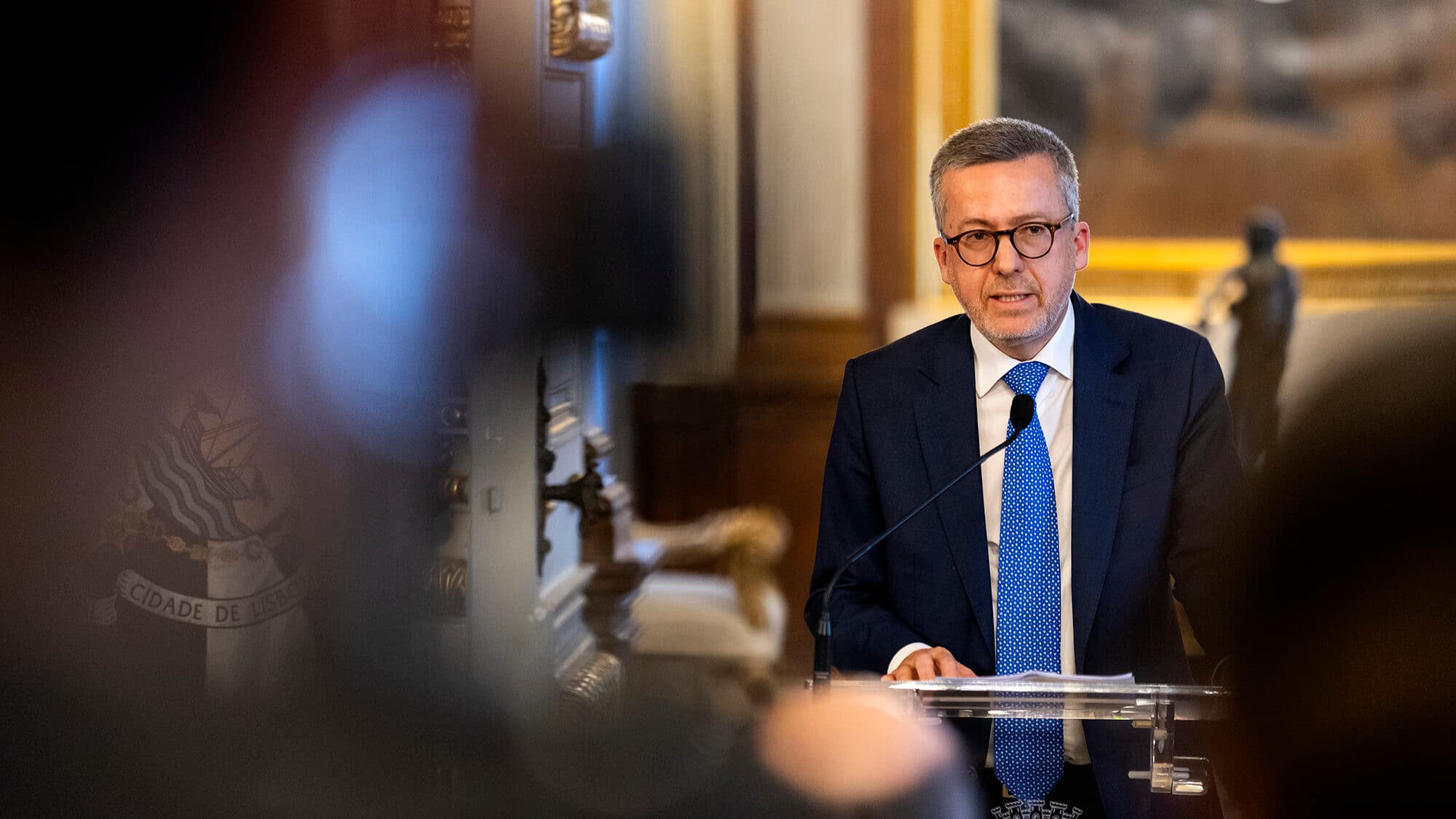
The Lisbon City Council has approved the payment of nearly 40 million euros in compensation following court rulings related to urban planning cases from the 1990s. The payments involve projects such as the Alvalade XXI Complex and the extension of Avenida dos Estados Unidos da América. Meanwhile, municipal deputies from the Livre party have requested an urgent debate regarding the ethics and management of the current administration under Mayor Carlos Moedas.

Carlos Moedas, Lisbon Mayor

Carlos Manuel Félix Moedas (born August 10, 1970, in Beja) is a civil engineer, economist, and center-right politician who has served as Mayor of Lisbon since October 2021. He earned degrees in civil engineering from Instituto Superior Técnico and an MBA from Harvard, working at Goldman Sachs and founding his own investment firm before entering politics. During Portugal's 2011-14 bailout, he served as Secretary of State coordinating Troika-mandated structural reforms. From 2014-19, he was European Commissioner for Research, Science and Innovation, managing €77 billion in research funding and designing the €100 billion Horizon Europe program. ​ Moedas narrowly won Lisbon's mayoralty in 2021 with 34.3%, defeating Socialist incumbent Fernando Medina. Governing initially with a minority coalition, he implemented free public transport for youth and elderly residents, launched the "Unicorn Factory Lisboa" innovation hub attracting 82 tech companies and 16,000 jobs, and won Lisbon the 2023 European Capital of Innovation award. He was re-elected in October 2025 with 41.7%, securing eight of nine council seats. ​ His significance lies in shifting Lisbon's political trajectory rightward after decades of Socialist governance, positioning the capital as a European tech hub while prioritizing housing development, carbon neutrality by 2030, and innovation-driven economic growth.

What is the LIVRE political party?
  • Leader: Rui Tavares
  • Ideology: Green left-wing politics, libertarian socialism

LIVRE (meaning "Free") is a green left-wing party founded in 2014 by historian and former MEP Rui Tavares. The party struggled for years before finally electing Tavares as its first MP in 2022, then grew to 4 seats in 2024 and 6 seats in 2025—making it the only progressive party to gain ground in recent elections. LIVRE focuses on environmental protection, human rights, and progressive social policies while maintaining a pro-European stance.

3 sources →8 Apr
Lisbon City Council to pay 40 million in damages

Lisbon Metro strikes scheduled for April 9 and 14

📍 Lisbon🚇 Infrastructure💼 Work#public-transport+2 more

Workers at the Lisbon Metro (Metropolitano de Lisboa) will hold 24-hour strikes this Thursday, April 9, and next Tuesday, April 14. The Arbitration Court ruled that no minimum services are required for these dates, as the strikes are not on consecutive days and do not coincide with other transport walkouts. While full service will be disrupted, safety and maintenance staff are expected to remain on duty.

2 sources →8 Apr
Lisbon Metro strikes scheduled for April 9 and 14

Fire in Lisbon restaurant forces building evacuation

📍 Lisbon⚖️ Legal🏖️ Daily Life#public-safety+2 more

A fire broke out Saturday afternoon in a restaurant located on Rua Morais Soares in the Arroios area of Lisbon, leading to the evacuation of the building and temporary traffic closures. Emergency services, including the Lisbon Sapador Fire Regiment (Regimento de Sapadores Bombeiros de Lisboa), extinguished the blaze by late afternoon with no injuries reported. Authorities are currently investigating the cause, which initial reports suggest may have originated from a barbecue grill.

Update: Lisbon restaurant fire extinguished with no injuries

The fire was reported at 17:04 and extinguished by 17:51, according to the Lisbon Sapador Fire Regiment. Traffic on Rua Morais Soares has since reopened, and residents evacuated from adjacent buildings were permitted to return once safety checks were completed.

The Lisbon Firefighters Regiment (Regimento de Sapadores Bombeiros de Lisboa) is the city’s professional municipal fire brigade responsible for urban firefighting, rescue and first response across the capital. Any operational problems or staff concerns at the regiment can directly affect emergency response times and public safety for people living or working in Lisbon.

9 sources →4 Apr
Fire in Lisbon restaurant forces building evacuation

Police unions schedule protest against pension cuts

📍 Lisbon🏛️ Government⚖️ Legal#social-security+3 more

The Permanent Coordinating Commission (CCP), representing major security force unions including the Public Security Police (Polícia de Segurança Pública or PSP) and the National Republican Guard (Guarda Nacional Republicana or GNR), has announced a national protest for April 16. The demonstration will take place in front of the Prime Minister's residence in Lisbon to oppose legislative changes since 2005 that have reduced pension values for security personnel.

The PSP (Polícia de Segurança Pública)

The PSP (Polícia de Segurança Pública) is Portugal's national civilian police force, founded in 1867. Responsible for defending Republican democracy and safeguarding internal security and citizens' rights, the PSP polices major cities—Lisbon, Porto, Faro—and large urban areas, covering only 4% of Portugal's territory but roughly half the population. Led by a National Director under the Ministry of Internal Affairs, its approximately 21,500 officers handle preventive policing, crime investigation, public order, airport security, diplomatic protection, private security regulation, firearms licensing, and border control (since 2023).​

PSP vs. GNR: The PSP is civilian with police-focused training and urban jurisdiction, while the GNR (Guarda Nacional Republicana) is military (gendarmerie) with military training, covering 96% of Portugal's rural and suburban territory. Both share core public safety missions but differ fundamentally in nature, training, and geographic responsibility.

The GNR (Guarda Nacional Republicana)

The GNR (Guarda Nacional Republicana) is Portugal's national gendarmerie—a military police force founded in 1911, with origins dating to 1801. With over 22,600 personnel, GNR patrols 94-96% of Portuguese territory, covering rural areas, medium towns, and highways. Members are military personnel subject to military law, responsible for public order, customs, coastal control, environmental protection (SEPNA), firefighting/rescue (GIPS), border control, and ceremonial guards. ​ GNR vs. PSP: The PSP (Polícia de Segurança Pública) is Portugal's civilian police force, covering major cities (Lisbon, Porto, Faro) and large urban areas—only 4% of territory but roughly half the population. PSP handles airport security, diplomatic protection, and private security regulation. Both share core missions (public order, crime prevention), but differ in nature: GNR is military with military training; PSP is civilian with police-focused training.

5 sources →3 Apr
Police unions schedule protest against pension cuts

European Parliament warns of severe housing crisis in Portugal

📍 Lisbon🏠 Property🏛️ Government#property-market+2 more

A delegation from the European Parliament's housing committee described Portugal’s housing situation as severe following a two-day visit to Lisbon. Committee president Irene Tinagli highlighted an alarming percentage of properties used for tourism and a growing gap between market prices and local wages. The group called for a better balance between the tourism industry and the need for affordable housing for residents.

Irene Tinagli is an Italian economist and Member of the European Parliament who chairs the Committee on Economic and Monetary Affairs. She represents the Democratic Party (Partito Democratico) and belongs to the Progressive Alliance of Socialists and Democrats group. In Portugal, she has led delegations to monitor how the Recovery and Resilience Plan (Plano de Recuperação e Resiliência) is being used to address the housing crisis.

3 sources →1 Apr
European Parliament warns of severe housing crisis in Portugal

Bankinter aims for top six spot in Portuguese banking rankings

📍 Lisbon💶 Finance💼 Work#banking+2 more

Bankinter has announced a five-year plan to become one of the six largest banks in Portugal by overtaking competitors like Banco Montepio. The bank's head in Portugal, Alberto Ramos, stated the strategy focuses on growing corporate lending and expanding digital services. The branch, which entered the market ten years ago, currently reports higher efficiency levels than its Spanish parent company.

Alberto Ramos is the Country Manager of Bankinter Portugal, leading the bank's operations since it entered the Portuguese market in 2016. He oversees the branch's strategy to grow its market share in corporate and retail banking, aiming to compete with major domestic banks like Crédito Agrícola and Banco Montepio.

3 sources →31 Mar
Bankinter aims for top six spot in Portuguese banking rankings

Lisbon stock market outperforms Europe with two percent gain

📍 Lisbon💶 Finance#investment+1 more

The Lisbon stock exchange (Bolsa de Lisboa) closed Monday with a 2.11% increase, reaching 9,069.55 points and outperforming major European markets. The growth was primarily driven by the energy group EDP and the retail giant Sonae, both of which saw share prices rise by more than 3%. Of the 16 companies listed on the PSI index (Índice PSI), 14 ended the day with gains.

The PSI (Portuguese Stock Index) is the main index of the Euronext Lisbon stock exchange and tracks the performance of the 16 largest companies in Portugal. It includes major firms like EDP and Sonae and is the primary benchmark for the country's equity market.

Sonae is a major Portuguese business group with a large presence in the retail sector through brands like Continente supermarkets and Worten electronics. Headquartered in Maia, the company also has operations in telecommunications, real estate, and financial services.

3 sources →30 Mar
Lisbon stock market outperforms Europe with two percent gain

Lisbon Airport border control wait times peak at two hours

📍 Lisbon🚇 Infrastructure🧭 Travel#border-control+3 more

Wait times at Lisbon's Aeroporto Humberto Delgado reached two hours on Sunday morning during a peak in arrivals. The Polícia de Segurança Pública (PSP) reported that all border control posts were staffed as part of an Easter contingency plan, which includes 30 extra agents in Lisbon. Airport manager ANA – Aeroportos de Portugal confirmed that while waits hit 120 minutes at 08:30, they have since dropped to under an hour.

The PSP (Polícia de Segurança Pública)

The PSP (Polícia de Segurança Pública) is Portugal's national civilian police force, founded in 1867. Responsible for defending Republican democracy and safeguarding internal security and citizens' rights, the PSP polices major cities—Lisbon, Porto, Faro—and large urban areas, covering only 4% of Portugal's territory but roughly half the population. Led by a National Director under the Ministry of Internal Affairs, its approximately 21,500 officers handle preventive policing, crime investigation, public order, airport security, diplomatic protection, private security regulation, firearms licensing, and border control (since 2023).​

PSP vs. GNR: The PSP is civilian with police-focused training and urban jurisdiction, while the GNR (Guarda Nacional Republicana) is military (gendarmerie) with military training, covering 96% of Portugal's rural and suburban territory. Both share core public safety missions but differ fundamentally in nature, training, and geographic responsibility.

ANA (ANA Aeroportos de Portugal) is the company that manages Portugal's main airports, including Lisbon Humberto Delgado, Porto Francisco Sá Carneiro, Faro, and airports in the Azores and Madeira. Since 2013, ANA has been owned by the French group Vinci Airports following privatization.

ANA is responsible for airport operations, terminal management, and infrastructure investment across its network. The company has been at the center of Portugal's long-running debate over a new Lisbon airport, with plans for a new facility to relieve capacity constraints at the current airport, which is located in the city center.

Passenger traffic at Portuguese airports has grown significantly, with Lisbon consistently ranking among Europe's fastest-growing airports. ANA's investment decisions and concession terms directly affect flight capacity, passenger experience, and connectivity for residents and tourists.

7 sources →29 Mar
Lisbon Airport border control wait times peak at two hours

AIMA cultural mediators announce strike over job security

📍 Lisbon🛂 Immigration💼 Work#aima+3 more

Cultural mediators working for the Agência para a Integração, Migrações e Asilo (AIMA) have announced a strike for Monday to protest their working conditions. The workers are demanding integration into the agency's permanent staff, salary parity, and formal recognition of their roles. They argue that without their mediation services, the agency cannot effectively process the needs of the immigrant community.

Update: Mediators protest at Government headquarters

Striking cultural mediators gathered at the Government headquarters today to press their demands for integration into AIMA's permanent staff. The protest coincides with the start of their industrial action, showing ongoing labor disputes within the agency responsible for immigrant integration.

2 sources →29 Mar
AIMA cultural mediators announce strike over job security

African students face severe visa delays and housing hurdles

📍 Lisbon🛂 Immigration🎓 Education#visa-delays+3 more

Students from Portuguese-speaking African countries (Países Africanos de Língua Oficial Portuguesa or PALOP) are reporting significant hardships due to visa delays and high living costs in Portugal. Many students arrive months after the academic year begins, which severely impacts their mental health and academic performance. The delays are described as a systemic barrier for international students entering through special quotas.

2 sources →29 Mar
African students face severe visa delays and housing hurdles

Immigrants report widespread document fraud to Judicial Police

📍 Lisbon🛂 Immigration⚖️ Legal#fraud+3 more

Hundreds of immigrants, primarily from Nepal, have filed complaints with the Judicial Police (Polícia Judiciária or PJ) regarding forged criminal record certificates (Certificado de Registo Criminal). The Nepalese embassy estimates at least 2,000 victims were scammed by companies promising legal documents for residency applications. Visa holders should note that AIMA has already identified nearly 3,000 applications with fraudulent stamps, which could lead to expulsion.

What is the Judicial Police?

The PJ (Polícia Judiciária) is Portugal's national criminal investigation police agency, founded in 1945. Operating under the Ministry of Justice and supervised by the Public Ministry (prosecutors), the PJ is a "higher criminal police body" specializing in serious and complex crimes. ​ Mission: The PJ assists judicial and prosecuting authorities by investigating terrorism, organized crime, homicide, kidnapping, drug trafficking, corruption, cybercrime, financial crime, and money laundering. It conducts forensic examinations, operates Portugal's Interpol and Europol liaison offices, and maintains specialized units including the National Counterterrorism Unit and National Anti-Corruption Unit. ​ Difference from PSP/GNR: While PSP (civilian urban police) and GNR (military rural police) focus on preventive policing, public order, and investigating minor crimes, the PJ exclusively handles serious crime investigation requiring specialized technical and scientific expertise. PSP and GNR report to the Ministry of Internal Affairs; PJ reports to the Ministry of Justice. PJ officers receive higher pay and prestige but face greater operational risk.

2 sources →27 Mar
Immigrants report widespread document fraud to Judicial Police

Health sector workers begin two-day strike today

rtp.pt1h ago

Iraqi man assaulted in Lisbon to receive legal support

rtp.pt9:18 PM, 2 May 2026

Dona Estefânia paediatric external emergency department closed until Sunday

rtp.pt9:07 PM, 1 May 2026

Queue chaos returns to Lisbon Airport

cmjornal.pt12:30 AM, 2 May 2026

BE questions Lisbon City Council over alleged discrimination at Carris

observador.pt8:48 PM, 30 Apr 2026

How many drones does it take to make a Portuguese unicorn, to read in E magazine

expresso.pt10:00 PM, 30 Apr 2026

River transport links between Lisbon and the south bank of the Tagus may face disruptions this Thursday afternoon

dn.pt8:08 PM, 29 Apr 2026

Rossio to Cais do Sodré metro line in Lisbon closed between May 2 and 5

cnnportugal.iol.pt3:00 AM, 28 Apr 2026

INEM refuses hospitalisation for blind patient

cmjornal.pt12:30 AM, 26 Apr 2026

Letters to the editor

publico.pt4:00 AM, 26 Apr 2026