Latest news and stories about border control in Portugal for expats and residents.
This page has only 1 story and is not indexed by search engines.
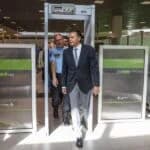
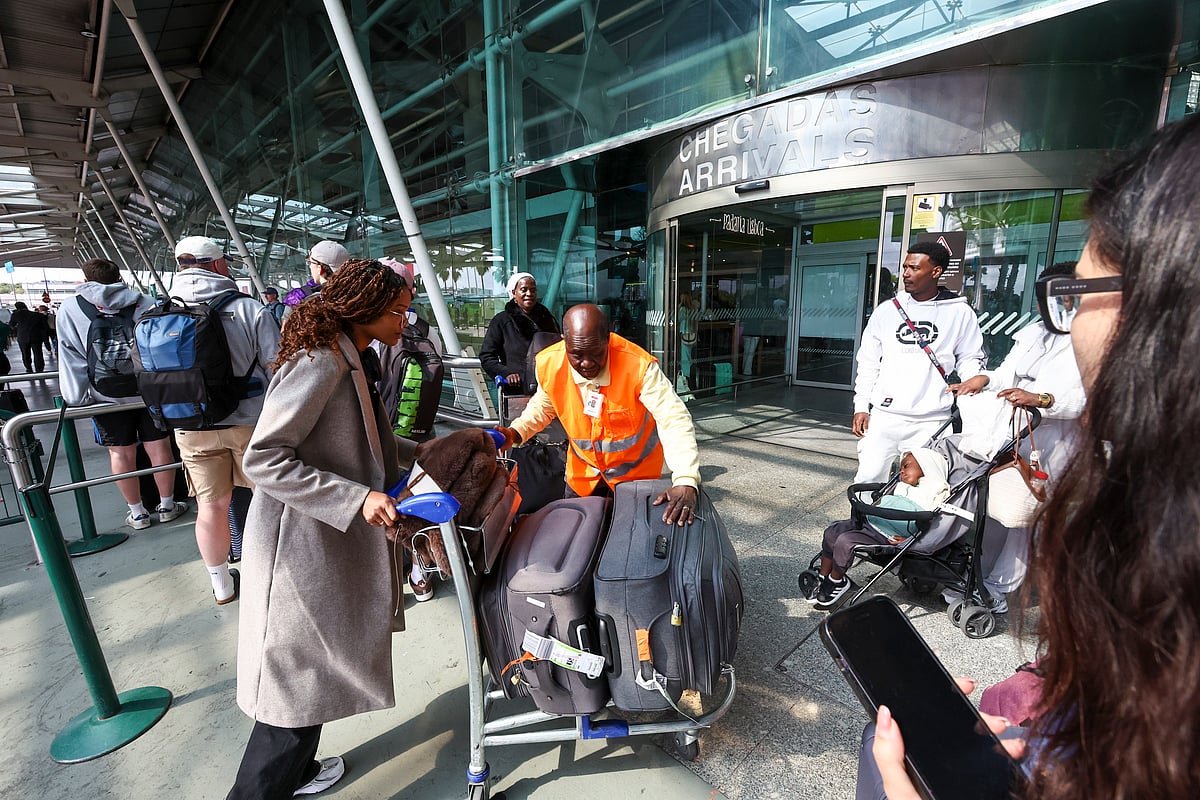
Abner Ivan and his wife, Natália Marinho, travelled to Portugal at the invitation of the Óbidos International Chocolate Festival but were barred from entry at Lisbon Airport.

The Central Mediterranean route accounted for the most detected irregular entries in 2025 (66,328, a year-on-year decrease of 1%), followed by the Eastern Mediterranean with 51,399 detections, down 27%.

Multiple outlets report that detections of irregular entries into the European Union fell in 2025 to their lowest level since 2021, marking a significant decline in recorded arrivals. Coverage is largely descriptive and does not yet draw a single cause; analysts may point to shifting routes, enforcement changes or seasonal factors. Migrant communities, NGOs and organisations offering legal aid should monitor follow-up reports and policy responses.
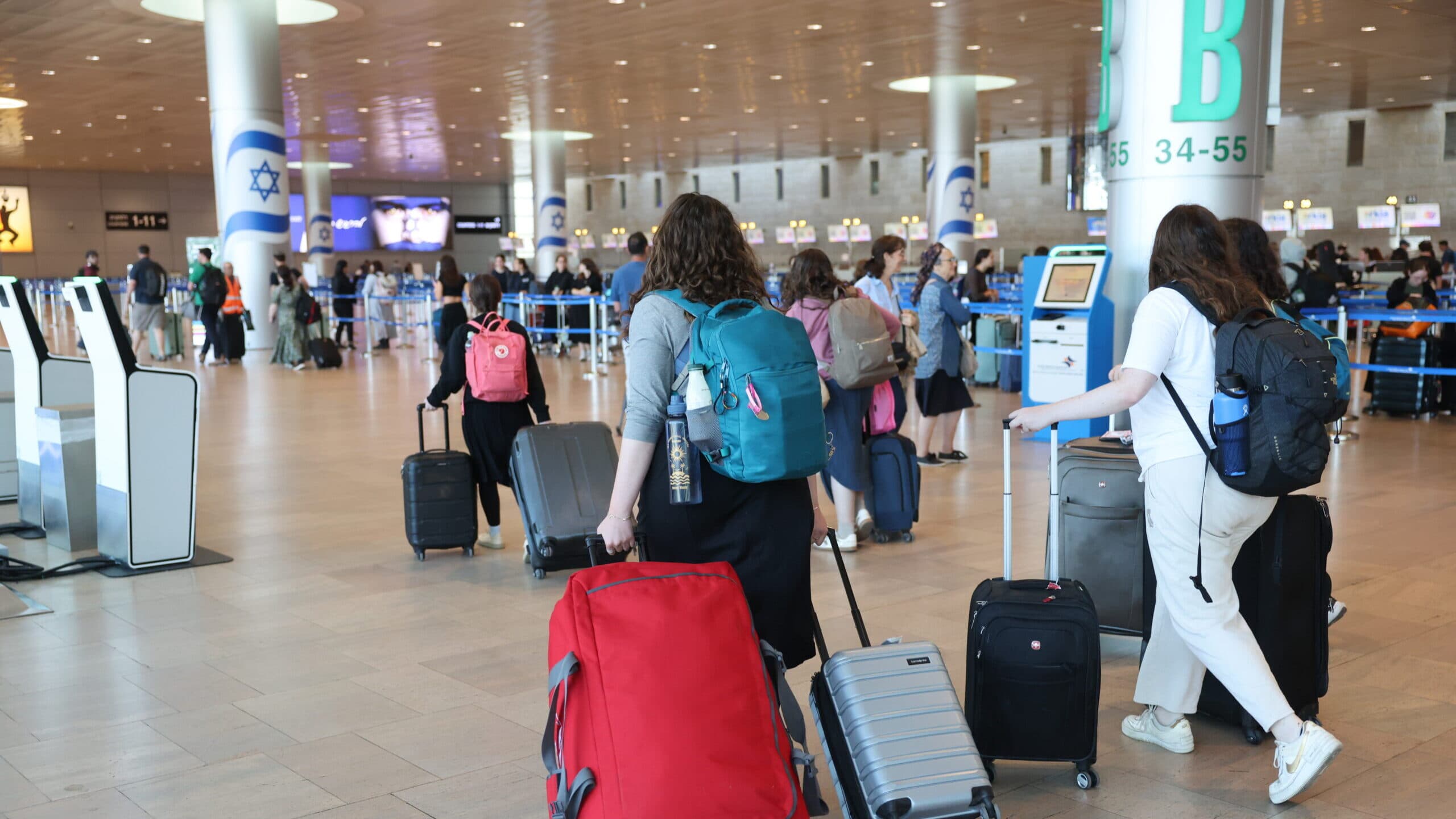
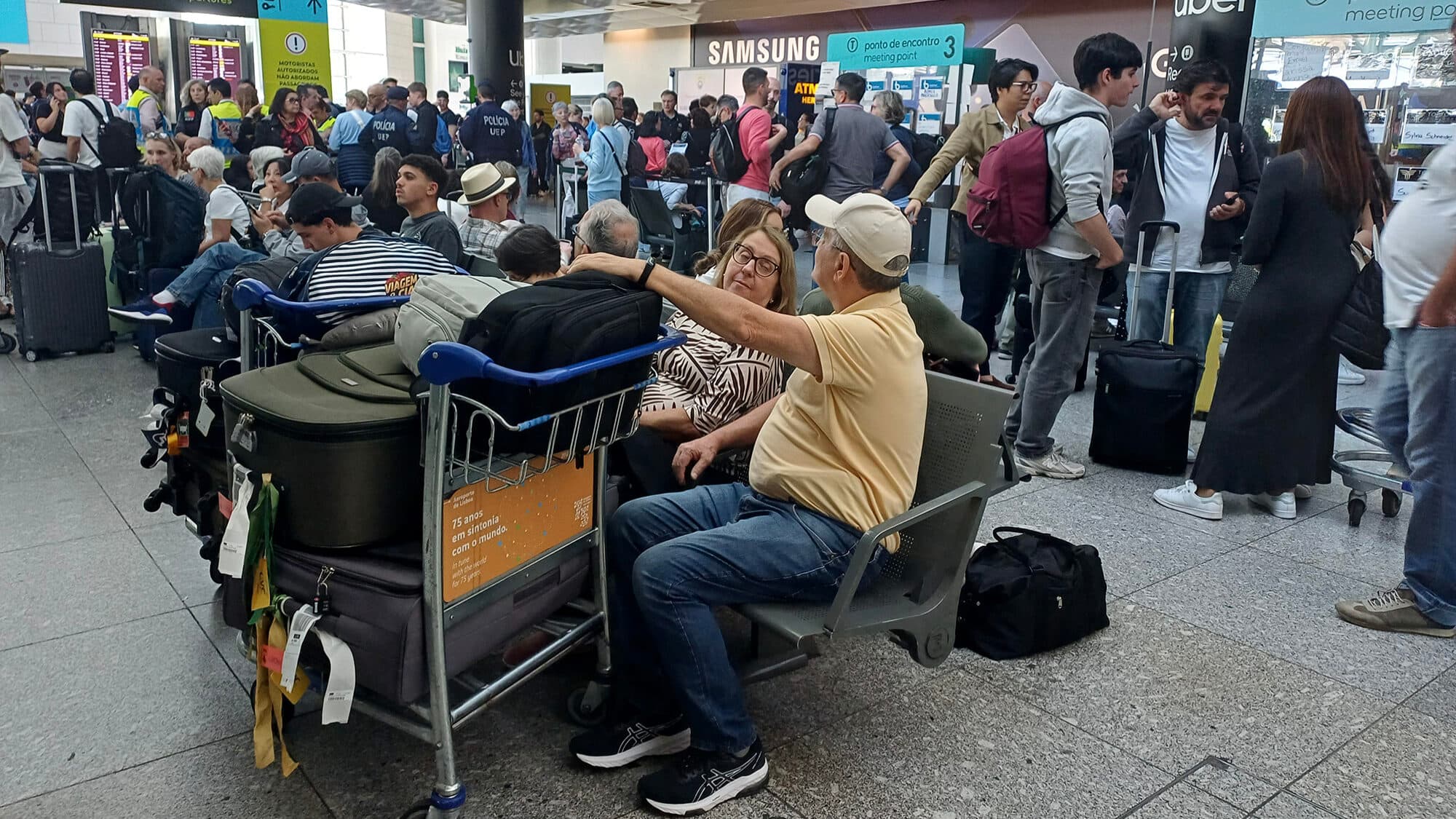
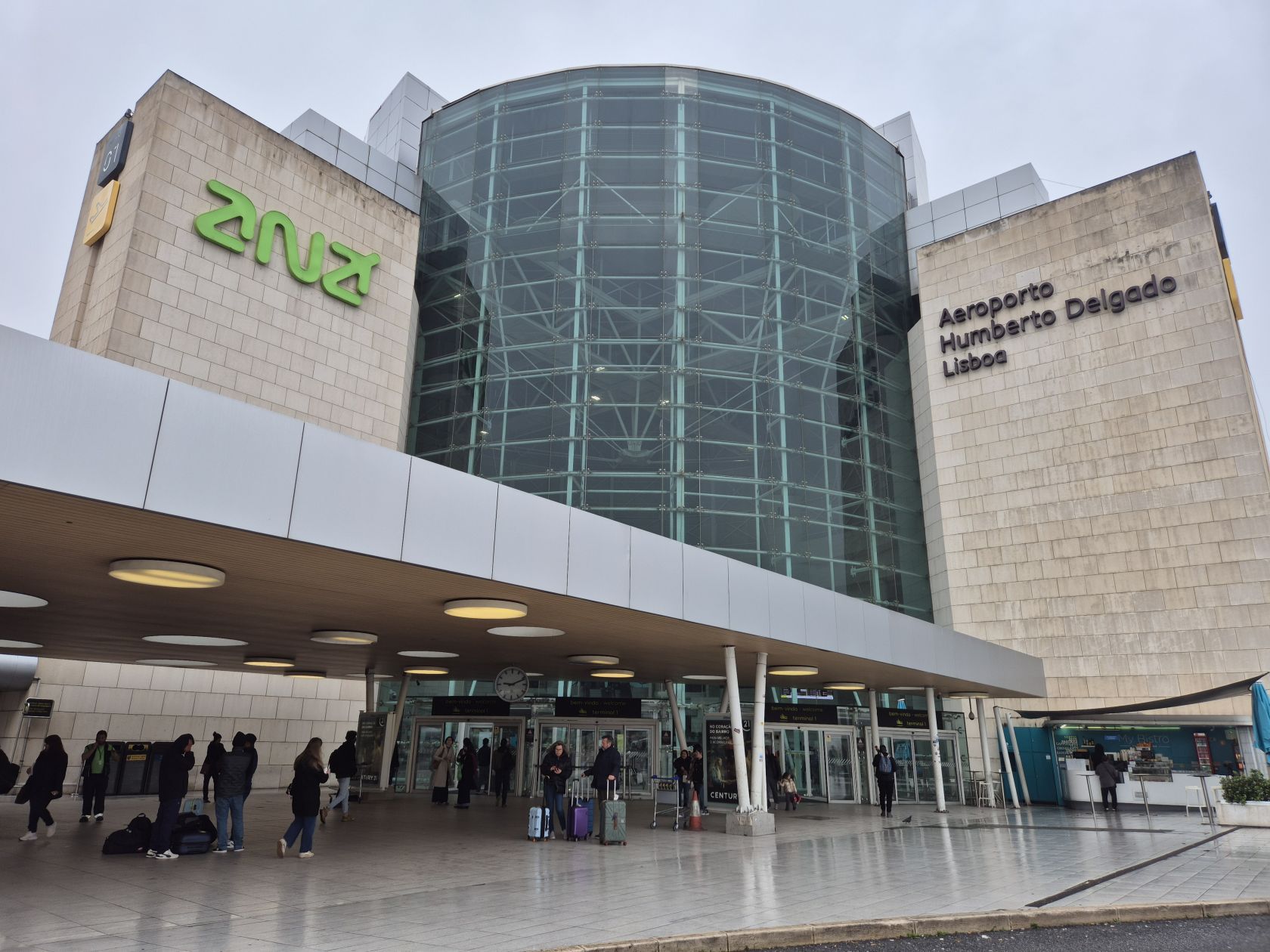
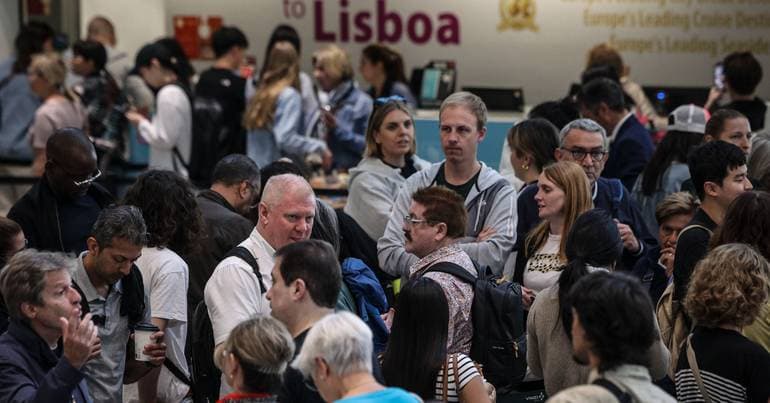
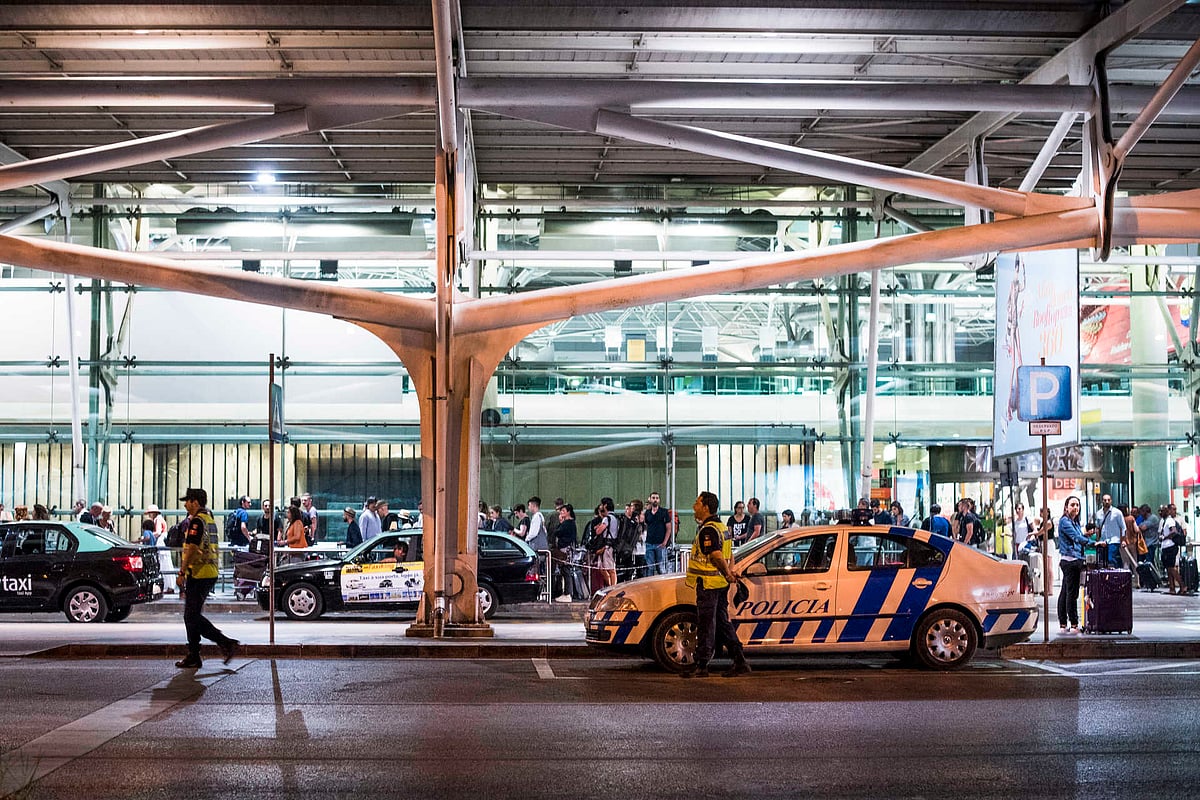
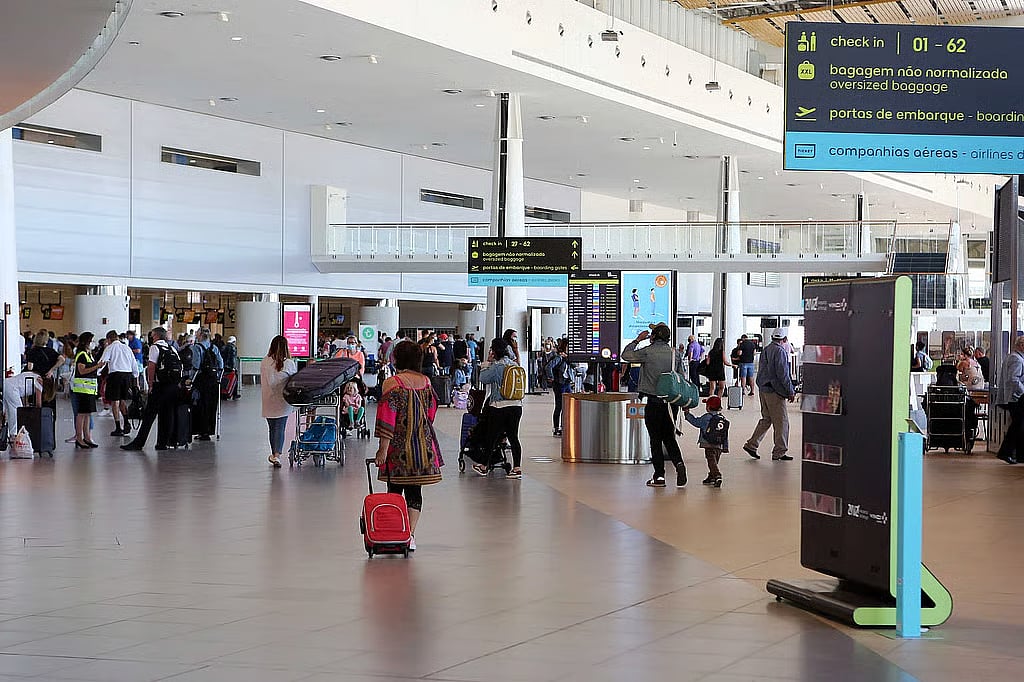
Portuguese outlets report the Public Security Police (PSP) screened more than 11 million passengers at Lisbon airport in 2025, refusing entry to 1,867 people and detaining 263; separate reporting says PSP identifies an average of about 70 suspicious international passengers a day. Coverage combines national totals with daily operational figures and highlights intensified checks on arrivals. Travelers should note increased security controls may mean longer queues and documentary checks at Lisbon airport — carry ID and travel papers and allow extra time for arrivals and departures.

The PSP (Polícia de Segurança Pública) is Portugal's national civilian police force, founded in 1867. Responsible for defending Republican democracy and safeguarding internal security and citizens' rights, the PSP polices major cities—Lisbon, Porto, Faro—and large urban areas, covering only 4% of Portugal's territory but roughly half the population. Led by a National Director under the Ministry of Internal Affairs, its approximately 21,500 officers handle preventive policing, crime investigation, public order, airport security, diplomatic protection, private security regulation, firearms licensing, and border control (since 2023).
PSP vs. GNR: The PSP is civilian with police-focused training and urban jurisdiction, while the GNR (Guarda Nacional Republicana) is military (gendarmerie) with military training, covering 96% of Portugal's rural and suburban territory. Both share core public safety missions but differ fundamentally in nature, training, and geographic responsibility.

One of those arrested is accused of serious sexual offences that took place between 2007 and 2008.

The government stressed the need to preserve its credibility after disruptions at Lisbon Airport.

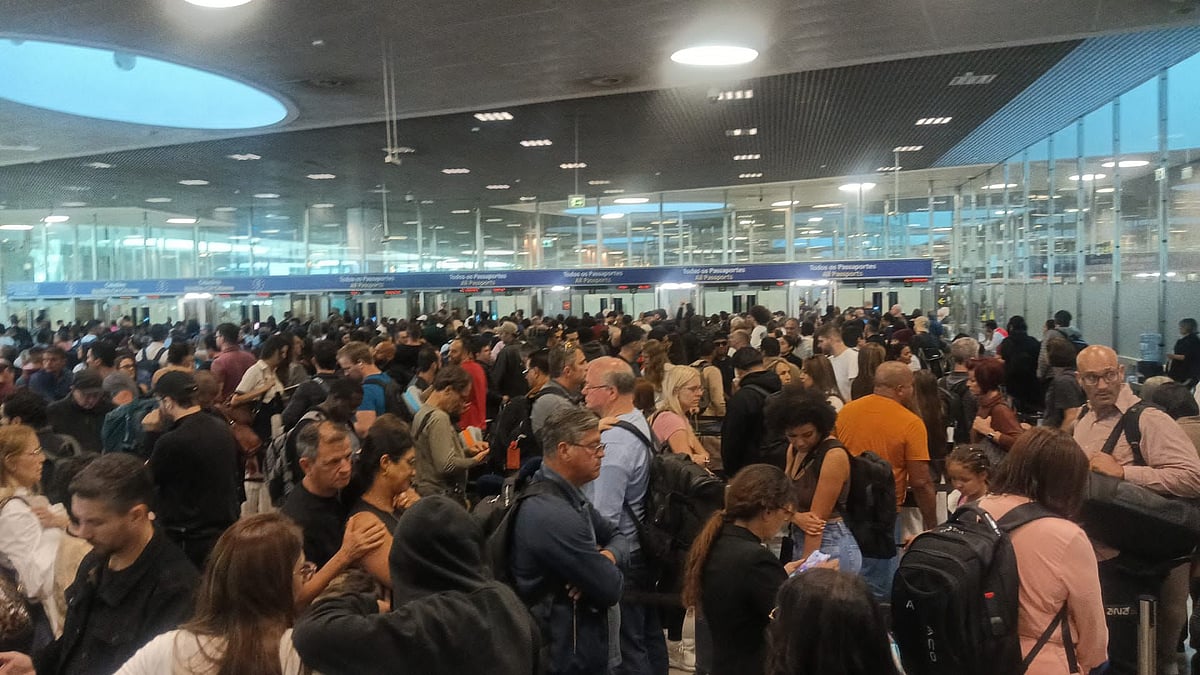
The Government said it “has not reduced border control by one millimetre” after suspending the new European model following problems at Lisbon Airport, and stressed that it is necessary to preserve its credibility. “We suspended it to rethink the model. The challenge is at a European level. The Government has not reduced border control by one millimetre,” ...


The Government said today it had “not reduced border control by a millimetre” when it suspended the new European model following disruptions at Lisbon Airport, and stressed the need to preserve credibility.

After all the affirmations that hideous queues at border control gates at Lisbon airport had ‘nothing to do with the new European Entry/ Exit System (EES), the system is to The post EU border control system to be ‘reactivated on Monday’ at Lisbon airport – and then suspended again appeared first on Portugal Resident.

For scheduling reasons, the meeting has been rescheduled again to 20 January. Also, the European border-control system for non-EU citizens at the airport is being reactivated today.

Portuguese outlets report the European border control system for non‑EU travellers (the Entry/Exit System, EES) has been reactivated for testing at Lisbon Airport (Aeroporto de Lisboa) after a temporary suspension; police sources told Lusa there will be an afternoon test to assess recent fixes. Separate reporting said the system could be re‑activated then suspended again while improvements are confirmed, and earlier problems were linked to long queues. For expats and travellers: expect possible delays at passport control for non‑EU nationals, check your flight and airline notices before travel, allow extra time at the airport and carry passport and supporting documents for faster processing.
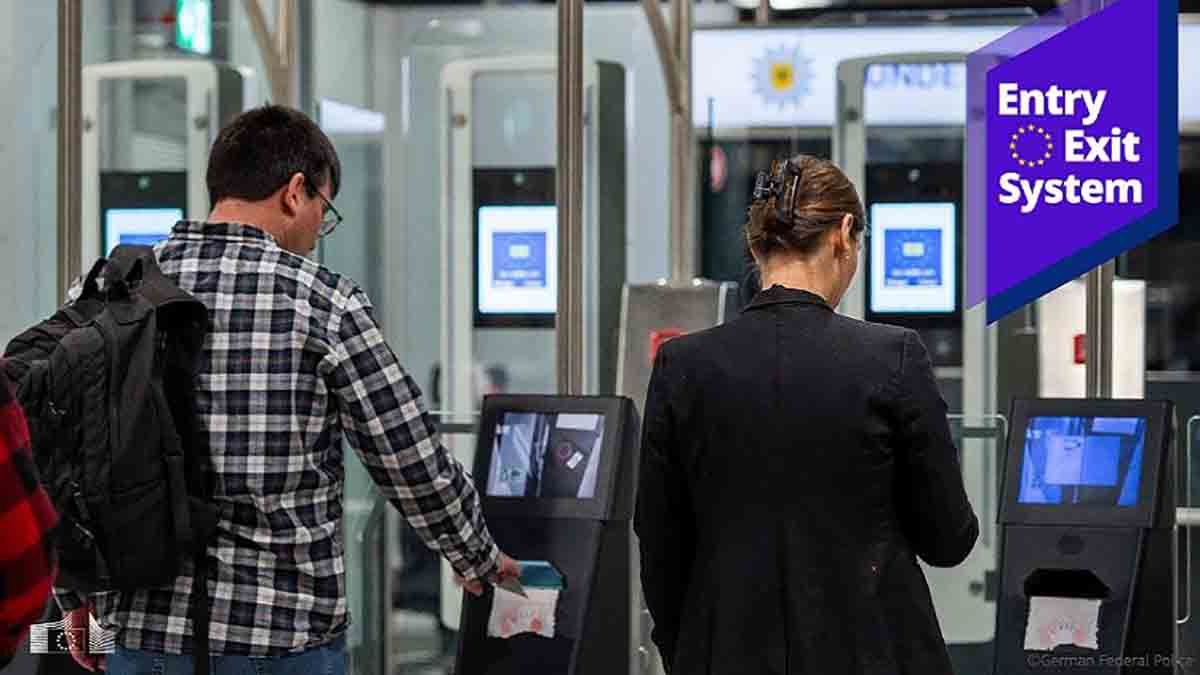
The Entry-Exit System (Sistema de Entrada e Saída) is an EU border-register that records biometric data (fingerprints and a facial image) and travel details for short-stay non‑EU travellers, replacing passport stamping and creating a searchable entry/exit record. According to recent reporting, the new rules now require over a third of non‑EU nationals entering Schengen to provide this extra data at the border; the aim is to improve security and migration tracking, but travellers should be prepared to submit biometrics at kiosks or border control and ensure their travel documents are valid. For expats and visitors this usually means slightly longer checks on arrival/departure and more robust digital records of your travel history.
The border-control system is the set of checks and databases used to process non-EU travellers at entry points — passport and visa checks, biometric data capture and automated database searches such as the Schengen Information System (SIS) and the Entry/Exit System (EES). A temporary suspension of automated checks at Lisbon Airport means those arrivals may be processed differently (more manual checks or national procedures), which can change wait times, administrative workload and how security checks are carried out for non‑EU citizens.

Next week the European Border Control System may return to Lisbon Airport. The aim is to test the system that was suspended at the end of last year for citizens from outside the Schengen Area.
A Resolution of the Council of Ministers authorises the PSP to spend more than seven million euros on machines for controlling external borders, and cites “imperative urgency” to justify a direct award.

Home News €7 million for electronic control machines at airports €7 million for electronic control machines at airports According to Observador, the Government has authorised the PSP to spend more than seven billion euros on electronic control machines for airports.
The Minister of Infrastructure says waiting time at Lisbon airport has been reduced to half an hour. He sought to convey a reassuring message, saying that border control remains in place. 'Portugal is a sovereign country that respects and applies rigour to the control of its borders,' he said.

The Deputy Secretary of State and for Internal Administration emphasised that 'essential checks and queries of international databases remain operational'.

The Minister of Infrastructure says the government is making every effort to reactivate the automatic passport control system.
The Minister of Infrastructure explained that only the deployment of the new European system was suspended because it did not ensure effective waiting times.

Reports indicate 24 National Republican Guard (GNR) personnel were assigned to reinforce border checks at Lisbon’s Humberto Delgado Airport to help reduce queues and bolster security. The GNR later clarified the 24 officers will be deployed as reinforcements from next Tuesday; the airport had previously been reinforced by 25 GNR personnel at 19:00 and around 80 PSP officers over the Christmas period.