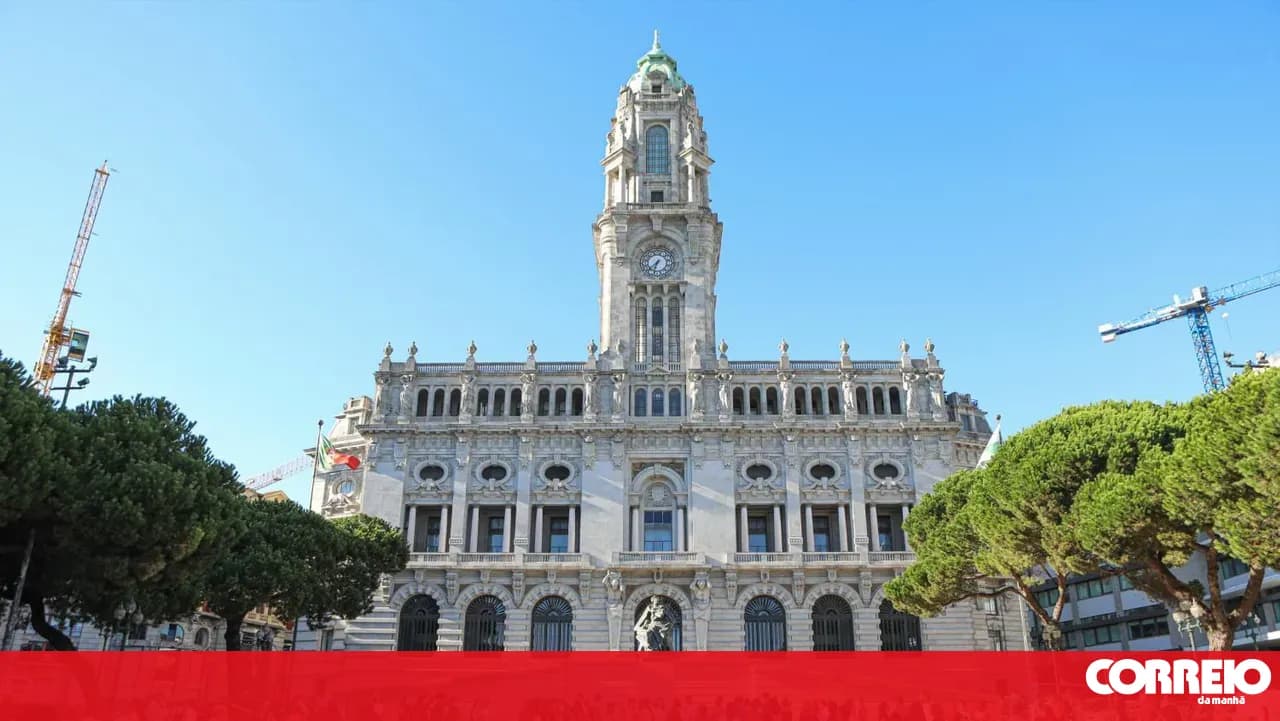
Greater Lisbon has no time for propaganda cycles
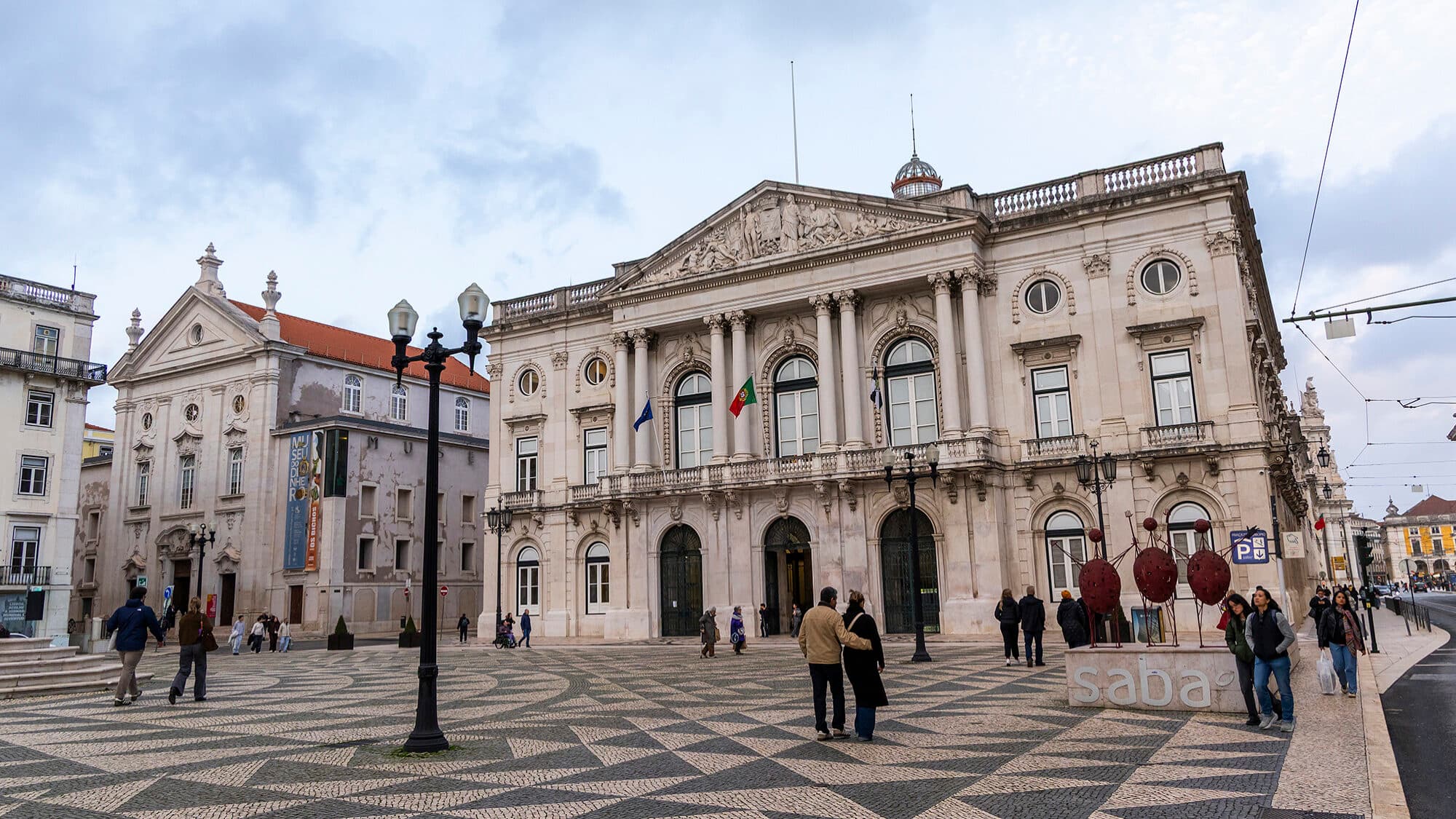
The difference between municipalities governed by the PSD and those administered by the PS is visible when comparing rhetoric and reality. Some move forward, others wait.

Latest news and stories about urban planning in Portugal for expats and residents.
This page has only 1 story and is not indexed by search engines.
The difference between municipalities governed by the PSD and those administered by the PS is visible when comparing rhetoric and reality. Some move forward, others wait.

Home News Humberto Delgado Airport with new rules Humberto Delgado Airport with new rules At Humberto Delgado Airport, planes will now take off more quickly to reduce noise in urban areas. By Bruno G.

The Socialist Party (PS) has expressed concern over the 'opacity' within the Lisbon City Council regarding the drainage plan initiated during Fernando Medina's tenure. With project costs reportedly exceeding the initial 140 million euro budget by 20%—an increase of approximately 30 million—the PS is seeking clarification on public spending. While acknowledging the need for stability in projects beneficial to the city, Alexandra Leitão criticized Carlos Moedas for the lack of a clear completion timeline, noting that the project was originally expected to be finished by May 2025. Leitão further accused the current administration of maintaining a 'veil of opacity' across all municipal matters. The drainage project, which includes the construction of two major tunnels to mitigate flooding, was originally awarded in 2020 under the previous PS-led administration.

According to the councillor for the party led by André Ventura at Porto City Council, the group will also serve to study the potential relocation of the Porto Supply Market.
The Port of Leixões is too important to be discussed only in technical circles or in political silence. It cannot grow with its back turned to the city, nor can the city pretend that the port does not exist.

Portimão is expanding its accessible pedestrian network by creating a new walking route between the city’s fire station and train station. The works are part of the municipality’s Sustainable Urban The post Portimão expands accessible walking route appeared first on Portugal Resident.

Simão Campos Dâmaso is the new industry partner at the law firm Rogério Alves & Associados. At the firm since 2020, the newly appointed partner coordinates the Public and Regulatory Law Department, representing and providing legal advice to public and private companies in areas such as Public Procurement, Environment and Energy, Urban Planning, and Land Management.

Only one household continues to receive 'regular social support', the Council reports. The operation is part of a series of inspection actions carried out between July 2025 and last Friday.

Making a city work means ensuring that complex systems such as mobility, housing, environment, local economy, and social cohesion operate in a coordinated, efficient, and people-centred manner. For years, we have confused modernisation with isolated digitalisation. Platforms were purchased, sensors installed, and applications created. However, a smart city is not merely the sum of technological gadgets; it is primarily a change in governance model. Today, technological infrastructure is indispensable. IoT sensors that monitor traffic, air quality, or noise levels enable quicker and more informed decisions. Integrated data platforms break down traditional silos between municipal departments. Digital Twins, digital replicas of the city, allow for simulating impacts before physically intervening in the territory. But the real challenge is not data collection; it is transforming that data into coherent political decisions. A city only works when data serves a strategy; otherwise, dashboards accumulate without changing reality. The technological 'brain' needs clear political leadership, defined priorities, and a long-term vision. A functioning city is one that respects people's time. Smart electrical grids, leak detection in water networks, and optimised waste management are no longer experimental innovations; they are demands for financial and environmental responsibility. Sustainability has ceased to be aspirational discourse; it is now a structural dimension of good municipal management. No city functions if it expels those who make it work. Teachers, doctors, police officers, municipal technicians, and essential workers need to be able to live in the city where they work. Without active affordable housing policies, the urban centre becomes a tourist scene or financial hub, but ceases to be a community. London, New York, and Amsterdam appear in international rankings of smart cities, but the biggest challenge is not in the rankings; it is in integration. Technology needs to engage with noise regulation, housing policy, climate strategy, and the financial capacity of municipalities. It is not enough to install sensors without a regulatory and operational framework that allows action on the collected data. And there is an essential question: technology must be feasible for residents. Ultimately, making a city work is an exercise in integrated governance. Because a city does not function when it is merely smart; it works when it is both smart and human, a sentient city.

On February 21, the Zero Association for Sustainable Land Systems called for the reoccupation of vacant buildings to create affordable housing under the National Building Renovation Plan (PNRE). They emphasized the need for clearer targets, social safeguards, and better coordination with existing national policies to ensure the plan meets its climate and social objectives. The association warned that without these measures, the plan could lead to negative outcomes such as rent increases and displacement of vulnerable tenants. They also highlighted the importance of transparency in financing and the need for mechanisms to support low-income households.

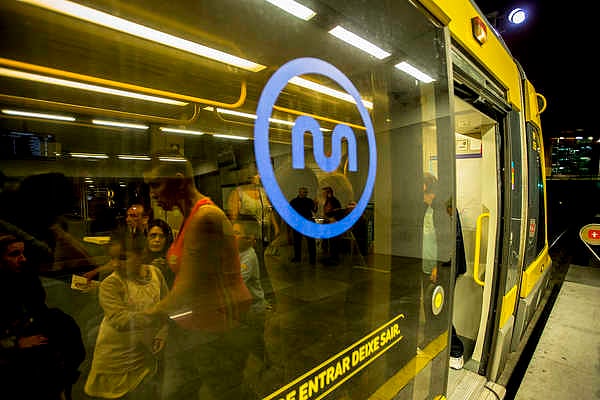
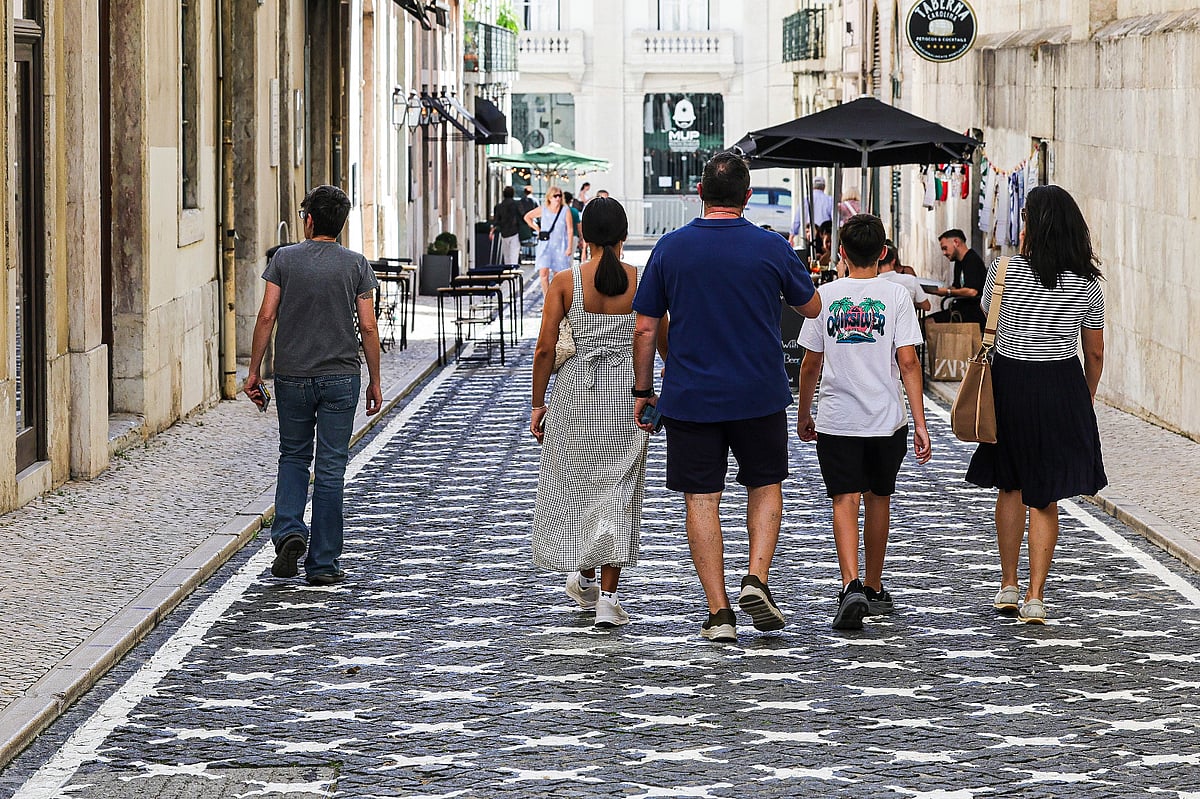
Porto City Council aims to test new Temporary Pedestrian Zones, but has not announced the duration of the trials or additional areas. <i>Metrobus</i> was threatened by bad weather, but is proceeding as scheduled.

Home News Portugal study concludes that compact cities are more sustainable Portugal study concludes that compact cities are more sustainable A study by the University of Aveiro (UA) concludes that compact cities are the most sustainable option and offer better air quality than the dispersed grow

It is necessary to remove or reduce impermeable surfaces in urban areas, such as tarmacked areas, and create more parks that function as natural retention basins, say Quercus and Greenpeace.

Bento Aires, national director of the Order of Engineers, says that constructions carried out today are placed within a regulatory and legal framework that is prepared for the demands of the future. Even so, “we cannot guarantee the structural integrity” of older buildings, he adds.

Organisations say that urban soil sealing and the destruction of wetlands amplify the effects of storms. Ecological restoration and the enhancement of green spaces are more effective.

A second public hearing, imposed by the opposition on Moedas, runs until 23 February. The area adjacent to the planned access points for Lisbon's third Tagus crossing will contain 1,360 housing units, compared with 1,427 originally planned.

The Matosinhos City Council said today it will issue an unfavourable opinion on the new North Container Terminal at the Port of Leixões, arguing it would set the city back to allow the port to expand, the mayor said.

The proposals are intended to make the city adapt and progressively contract in line with the expansion needs of the Port of Leixões.

Sintra City Council says it will begin an assessment of the need to create parking spaces in the municipality.

Miguel Correia's studio developed the plan for Equatorial Guinea's new capital more than a decade ago, but the architect says they are still building the city according to the plans he left.

The Aveiro Municipal Assembly tonight rejected a municipal proposal to revoke the Cais do Paraíso Detailed Plan (PP), which allows the construction of a 12-storey hotel at one of the city's entrances.

There is a new player in the Portuguese market: Terra Advocacia. The project was born from the experience and vision of four lawyers: Duarte de Lima Mayer, Isabel de Lima Mayer, Sebastião Salgado, and Sofia Plácido de Abreu. The boutique, specialized in Land Use Planning, Urban Planning, and Real Estate Law, aims to position itself as a team of ...

In an attempt to untangle the long-standing issues hindering the construction of new homes in Portugal, the Government presented a bill on Tuesday in the Assembly of the Republic aimed at combating urban bureaucracy. Approved by the Council of Ministers on November 28, the legislation seeks to shift the paradigm: to transfer ...