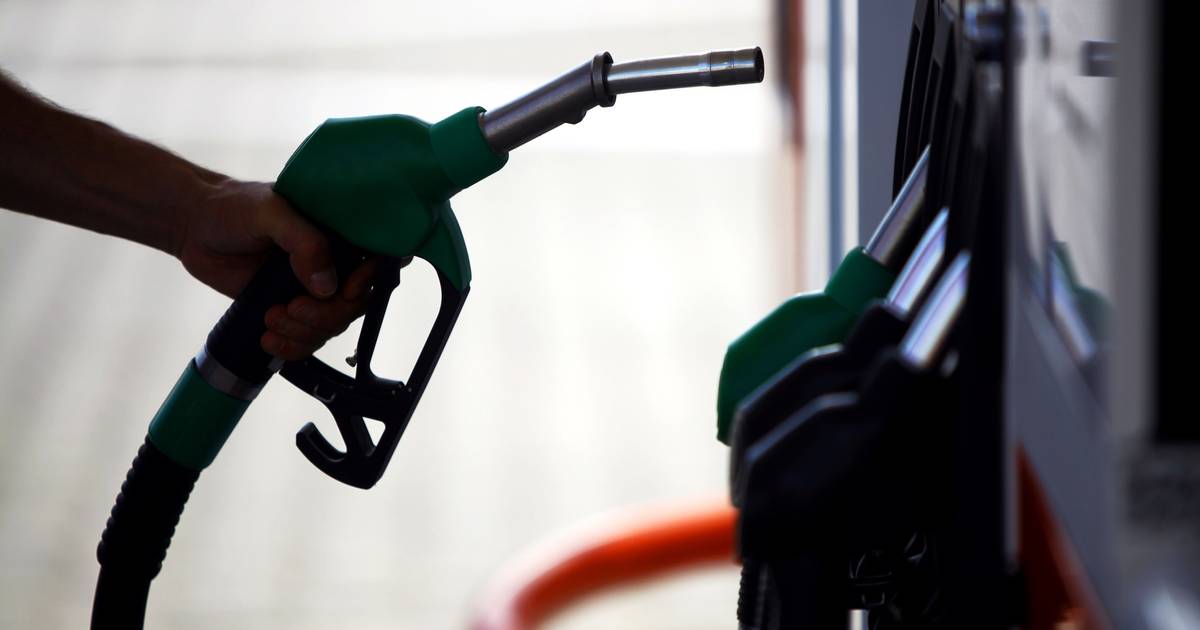
Fuel costs in Portugal have risen sharply since the start of the conflict in the Middle East, with diesel prices increasing by 30% and petrol by 14%. A 50-litre tank of diesel now costs approximately 104 euros, up from 80 euros just over a month ago. While the government has extended some tax relief measures, the Bank of Portugal (Banco de Portugal) warns that rising energy costs continue to contribute to economic instability.\n\nUpdate: Diesel prices exceed two euros as sector groups demand support\n\nDiesel prices have risen to 2.232 euros per litre, while petrol prices saw a slight decrease to 1.976 euros. The National Confederation of Agricultural Cooperatives (Confagri) and the National Association of Public Road Freight Carriers (ANTRAM) have both criticized recent government support measures as insufficient to offset rising production costs. Retailers also warned of a significant price increase for gas cylinders (garrafas de gás) starting this Wednesday.
Diesel prices surge 30 percent following Middle East conflict
Context & Explainers

- Governor of Banco de Portugal (2020–present)
- Former: Minister of Finance (2015–2020), President of the Eurogroup (2018–2020)
- Party: Independent (PS-affiliated)
- Background: Economist (PhD, Harvard)
Mário José Gomes de Freitas Centeno (born 1966) is Portugal's central bank governor and one of the country's most internationally recognized economic figures. As Finance Minister under António Costa's first PS government, he became known as "Cristiano Ronaldo of European finance" for turning Portugal's deficit into a surplus while reversing austerity.
He was elected president of the Eurogroup (the informal body of euro area finance ministers) in 2018 — the first Portuguese to hold the role. Since becoming Governor of Banco de Portugal in 2020, he sits on the ECB's Governing Council and oversees Portuguese banking supervision and financial stability.
Confagri is the national confederation that represents agricultural cooperatives in Portugal, acting as a trade association and lobby for producers in policy, investment and trade discussions. Its caution about the EU–Mercosur agreement matters because Confagri speaks for cooperatives that produce food and export goods—its calls for more investment or safeguards can influence government responses, funding priorities and market rules that affect prices and rural jobs.
6 sources
- Filling up a car with petrol now costs 14% more, while diesel has risen by 30% since the start of the warDinheiro Vivo ·
- Read this Monday's edition of DN, March 30thDiário de Notícias ·
- Fuel support measures do not serve 'to compensate farmers', warns ConfagriECO ·
- Confederation says fuel support measures do not serve "to compensate farmers"Correio da Manhã ·
- ANTRAM to meet on 1 April to evaluate Government's "insufficient response"Diário de Notícias ·
- Firefighters and agri-sector despair at government’s fuel supportPortugal Resident ·