Industrial producer prices fall 3.5% in February
The contraction in the industrial producer price index is mainly explained by the energy group, with a year-on-year reduction of 18.8% and a contribution of -3.3 percentage points.

Latest news and stories about inflation in finance in Portugal for expats and residents.
The contraction in the industrial producer price index is mainly explained by the energy group, with a year-on-year reduction of 18.8% and a contribution of -3.3 percentage points.

The year-on-year inflation rate in the Eurozone rose to 1.9% in February, up from the 1.7% recorded in January, Eurostat confirmed this Wednesday. This growth does not yet reflect the impact of the war in Iran, which is only expected to be mirrored in the March figures. In monthly terms, the variation was 0.6%, remaining slightly below...

The US Federal Reserve is set to decide on monetary policy this Wednesday, the 18th, in its first meeting since the conflict with Iran, which has driven up energy prices. Analysts expect interest rates to remain unchanged. The Fed and the European Central Bank are both meeting this week amidst heightened Middle East tensions, including the closure of the Strait of Hormuz, which has increased market volatility. While the Fed is expected to maintain its current stance, focus remains on updated economic projections and comments from Chair Jerome Powell regarding future rate paths.

At least five ships have left the strategic waterway.

The US Federal Reserve and the European Central Bank are set to decide on monetary policy this week against the backdrop of the war in the Middle East, which has raised inflation concerns. However, analysts expect interest rates to remain unchanged. While the Fed is expected to maintain its current stance, the ECB may adopt a more vigilant tone due to energy price volatility. Market attention will be focused on updated economic projections and press conferences from Jerome Powell and Christine Lagarde.

The president of REN warns that the rise in fuel prices, as a result of the conflict in the Middle East, is expected to affect energy bills paid by families and businesses. “Fuel prices are already undergoing changes, and these changes always have an impact on the final prices of natural gas and electricity,” he states.

The increase in fuel prices is exacerbating the difficulties faced by the fishing sector.
The executive director of CM says that all signs indicate that the situation will worsen.

The population is reducing spending due to economic uncertainty.

The increase in fuel costs is having a direct effect on the price of fish.

This is the warning issued by shipowners at the Figueira da Foz fishing port. The war in the Middle East has made refuelling ship engines for sea voyages about 30% more expensive. Consequently, consumers will feel the impact when they go to the fishmonger.
In an analysis on CNN Portugal, financial markets expert Filipe Garcia assesses the effects of the crisis in the Middle East. Although he considers it “too early” to feel the real impact on consumption, the analyst warns that the escalation in energy prices will inevitably end up being reflected in the final prices of goods and services.

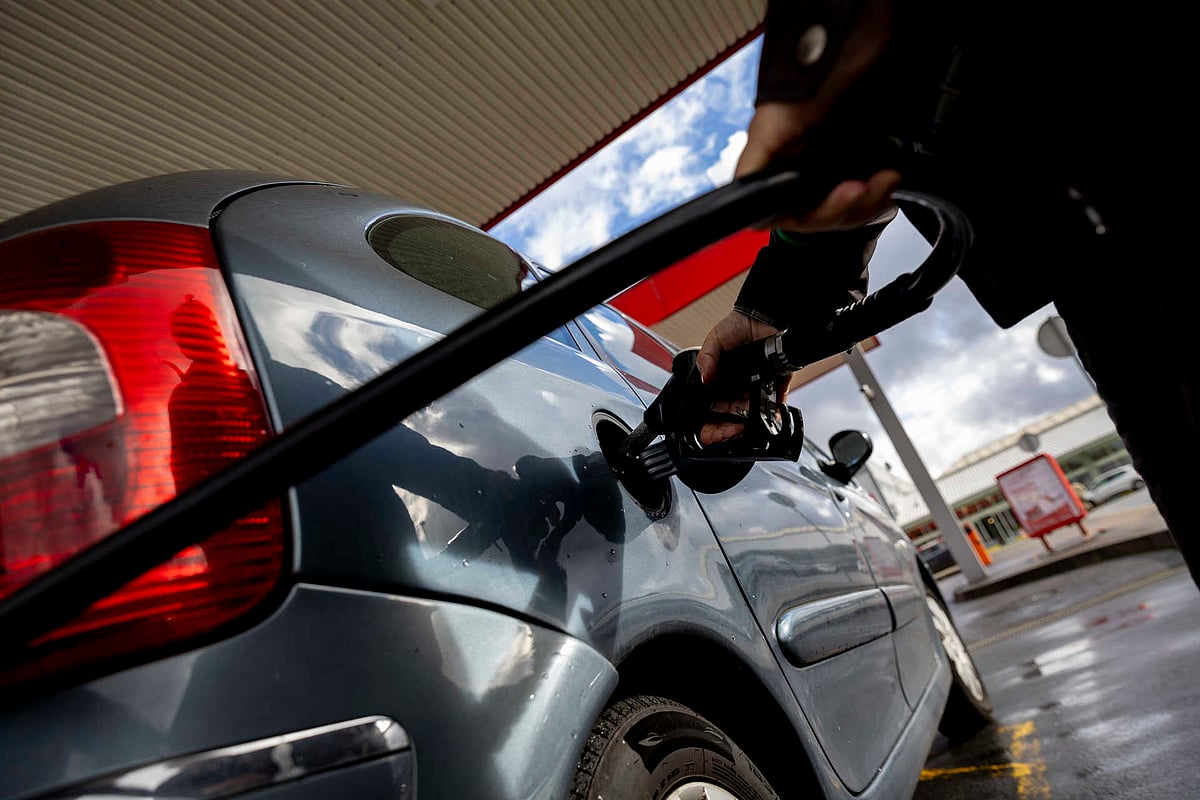
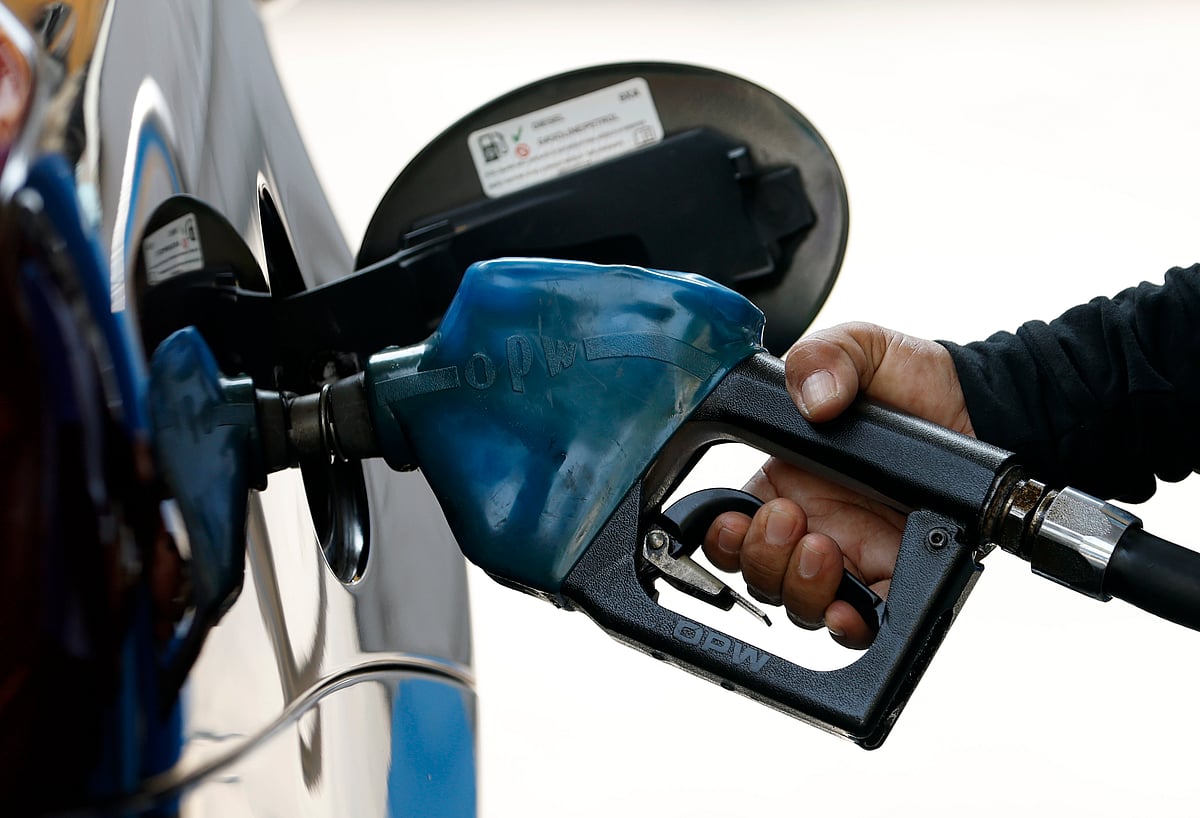
Diesel prices increase by eight cents per litre this Monday and petrol by seven cents, with government discounts applied. Last year, approximately four billion litres of road diesel were consumed.


War seems far away until the day you feel it at the fuel pump, in the supermarket, or in your mortgage payment. Ignoring the signs comes at a high price.

Economist Luís Aguiar-Conraria analyzes the potential economic fallout of the Middle East conflict, emphasizing that global recession risks depend heavily on policy responses and the stability of oil transport routes.
![If there is an impediment to oil transport [in the strait], it is almost as if 20% of global reserves disappeared](/_next/image?url=https%3A%2F%2Fimg.iol.pt%2Fimage%2Fid%2F69b73b3ed34edcee7c61e93d%2F200.jpg&w=3840&q=75)
Portugal is facing another sharp rise in fuel prices this Monday, March 16, due to the national market practice of weekly price updates by major oil companies. Since February 27, the eve of the war with Iran, the average price of diesel in Portugal has risen by nearly 20% and petrol by 10%, despite state subsidies. While global oil prices have surged by 40% due to the closure of the Strait of Hormuz and ongoing regional conflicts, other European countries are managing the volatility differently. Malta, for instance, maintains government-administered, fixed prices that have remained unchanged, shielding consumers from the current crisis. Meanwhile, countries like Germany and France update prices daily, and others like Croatia and Slovenia use fortnightly caps to mitigate fluctuations.

Brent crude oil prices have surged over 42% since the onset of the Middle East conflict, with an 11% increase recorded in the past week alone, reaching $103.14.

Conflict between Israel and Iran is impacting Portuguese households through rising energy and food costs. A 50-liter tank of fuel is now 11.75 euros more expensive than before the war, with further risks if the Strait of Hormuz (Estreito de Ormuz) closes. The International Energy Agency warns of a massive global supply drop this month. Residents should note that these pressures may also lead to interest rate hikes.

The ongoing conflict in Iran is triggering economic instability, leading to rising inflation and expectations of interest rate hikes by the ECB, which will directly increase mortgage costs for families in Portugal.

European Central Bank President Christine Lagarde has pledged to take all necessary measures to maintain inflation control amid concerns over rising energy prices, distinguishing the current economic climate from the volatility of 2022 and 2023.

Eurogroup President Kyriakos Pierrakakis has warned that the eurozone must brace for a prolonged period of economic instability driven by geopolitical conflicts, rising energy costs, and persistent inflationary pressures.

The association Zero has highlighted Portugal's excessive vulnerability to international oil market fluctuations, urging for enhanced electrification and strengthening of public transport to mitigate fossil fuel consumption and its economic impacts. They emphasize that this dependence contributes to inflation and economic competitiveness issues, particularly in light of rising fuel prices linked to geopolitical conflicts. Zero advocates for a structural reduction in oil reliance through improved public transport and vehicle electrification, rather than temporary tax relief measures. They also point out that the transport sector is a significant contributor to national greenhouse gas emissions, primarily relying on imported fossil fuels, and call for urgent action to address these challenges.

Inflation disproportionately affects low-income individuals, exacerbating poverty and social inequality.