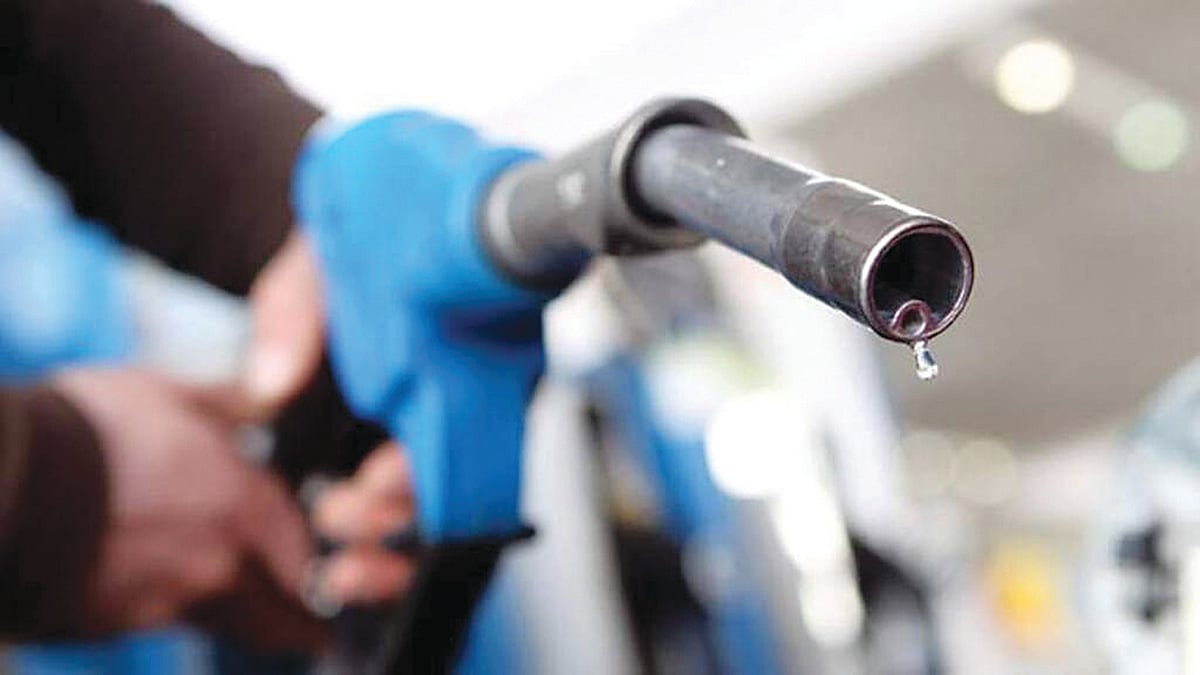
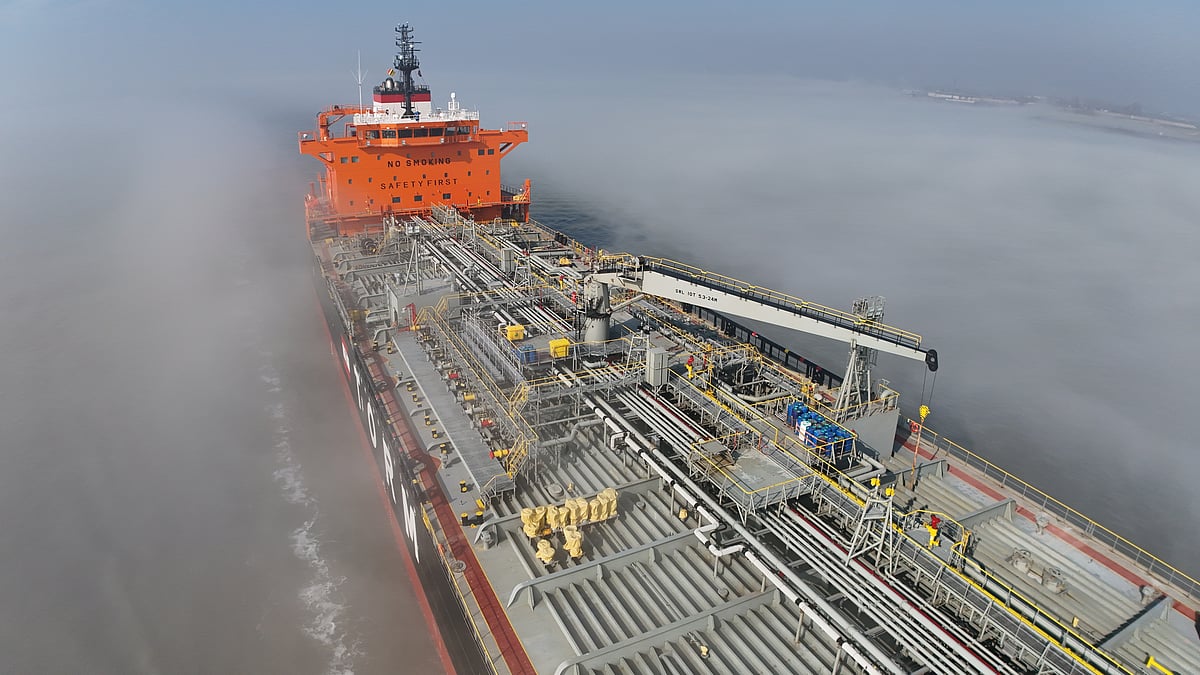
Portugal is facing another sharp rise in fuel prices this Monday, March 16, due to the national market practice of weekly price updates by major oil companies. Since February 27, the eve of the war with Iran, the average price of diesel in Portugal has risen by nearly 20% and petrol by 10%, despite state subsidies. While global oil prices have surged by 40% due to the closure of the Strait of Hormuz and ongoing regional conflicts, other European countries are managing the volatility differently. Malta, for instance, maintains government-administered, fixed prices that have remained unchanged, shielding consumers from the current crisis. Meanwhile, countries like Germany and France update prices daily, and others like Croatia and Slovenia use fortnightly caps to mitigate fluctuations.
Already-subsidised fuel prices in Portugal rise 10% to 20% since the start of the Iran war, while Malta sees 0% increase
Sunday, 15 March 2026RSS
Context & Explainers
Inflation measures how much general prices rise over time, usually reported year‑on‑year to compare a month with the same month a year earlier. Portugal’s National Institute of Statistics (INE) estimated January inflation at 1.9% year‑on‑year, down 0.3 percentage points from December, which affects rents, wages and everyday purchasing power for residents.