
Economic growth slows as food prices set to rise

Thursday, 26 March 2026AI summary
Economic growth slows as food prices set to rise
Photo: ECO

The Bank of Portugal (Banco de Portugal) has revised its 2026 economic growth forecast downward, citing geopolitical instability and recent extreme weather events. While the labor market remains stable, employment growth is expected to slow throughout 2025 due to tighter immigration rules and lower economic growth. Consumers should also prepare for higher costs in the food basket (cabaz alimentar) starting in April as Middle East tensions impact global supply chains.

Update: Portugal records 0.7% budget surplus for 2025

The National Statistics Institute (Instituto Nacional de Estatística or INE) confirmed that Portugal ended 2025 with a budget surplus (excedente orçamental) of 0.7% of GDP, significantly higher than the government's 0.3% forecast. Finance Minister Joaquim Miranda Sarmento stated the result provides important financial security, though opposition parties argue the surplus was achieved at the expense of public services. Taxpayers should be aware that this fiscal performance may influence future government spending on infrastructure and social support.
Context & Explainers

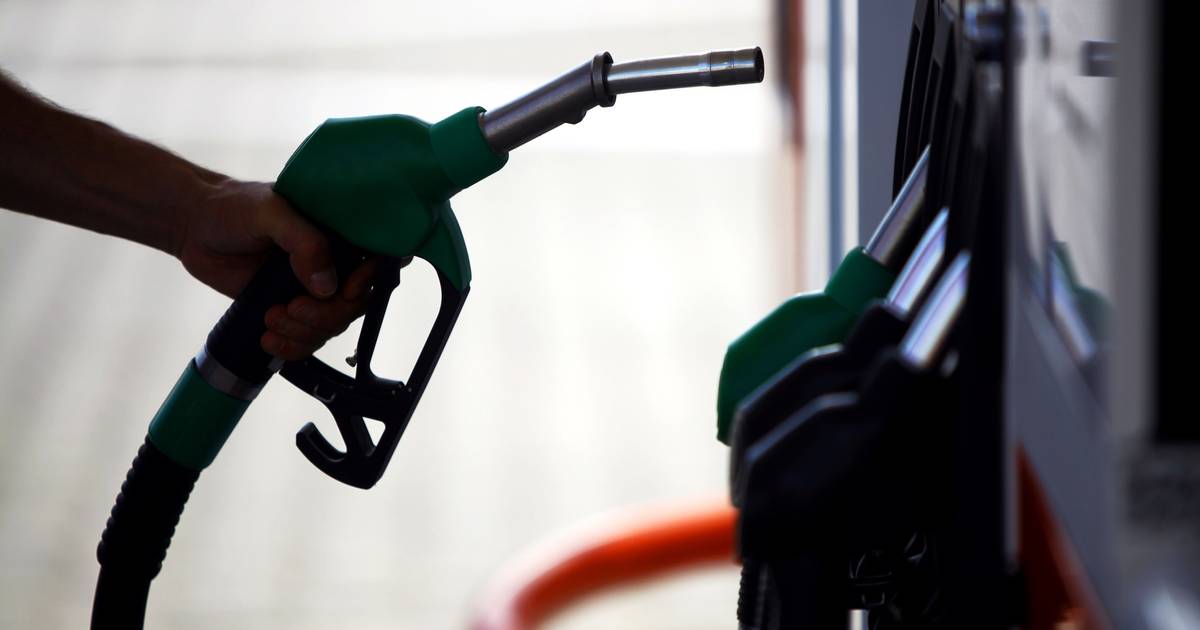
Portugal's annual inflation rate of 3.1% is slightly above the Eurozone average of 2.6% but lower than neighboring Spain at 3.8%. For comparison, inflation stands at 3.3% in the United States, 2.8% in Germany, and 2.0% in the United Kingdom. Consumers should note that while the headline rate is moderate, price volatility in food and fuel continues to impact the monthly cost of living for residents.

  • Minister of State and Finance (2024–present)
  • Party: Social Democratic Party (PSD), Partido Social Democrata
  • Background: Economist, university professor (ISEG)

Joaquim Miranda Sarmento is Portugal's Finance Minister in the AD government led by Luís Montenegro. An economist and professor at ISEG (Lisbon School of Economics & Management), he served as PSD parliamentary group leader before joining the government.

As Finance Minister, he oversees the state budget, tax policy, public debt management, and fiscal relations with the EU. His decisions on tax brackets, IRS withholding tables, housing incentives, and public spending directly affect residents' cost of living and investment climate.

The National Statistics Institute (Instituto Nacional de Estatística or INE) is the public body that produces official data on Portugal's economy and population. Portugal's 2023 budget surplus of 1.2% of GDP, reported by INE, contrasts with the EU average deficit of 3.5% and the UK's 6% deficit. Taxpayers should note that these figures influence government spending and tax policies.