Government cuts diesel ISP by 3.55 cents

Friday, 6 March 2026AI summary
Government cuts diesel ISP by 3.55 cents
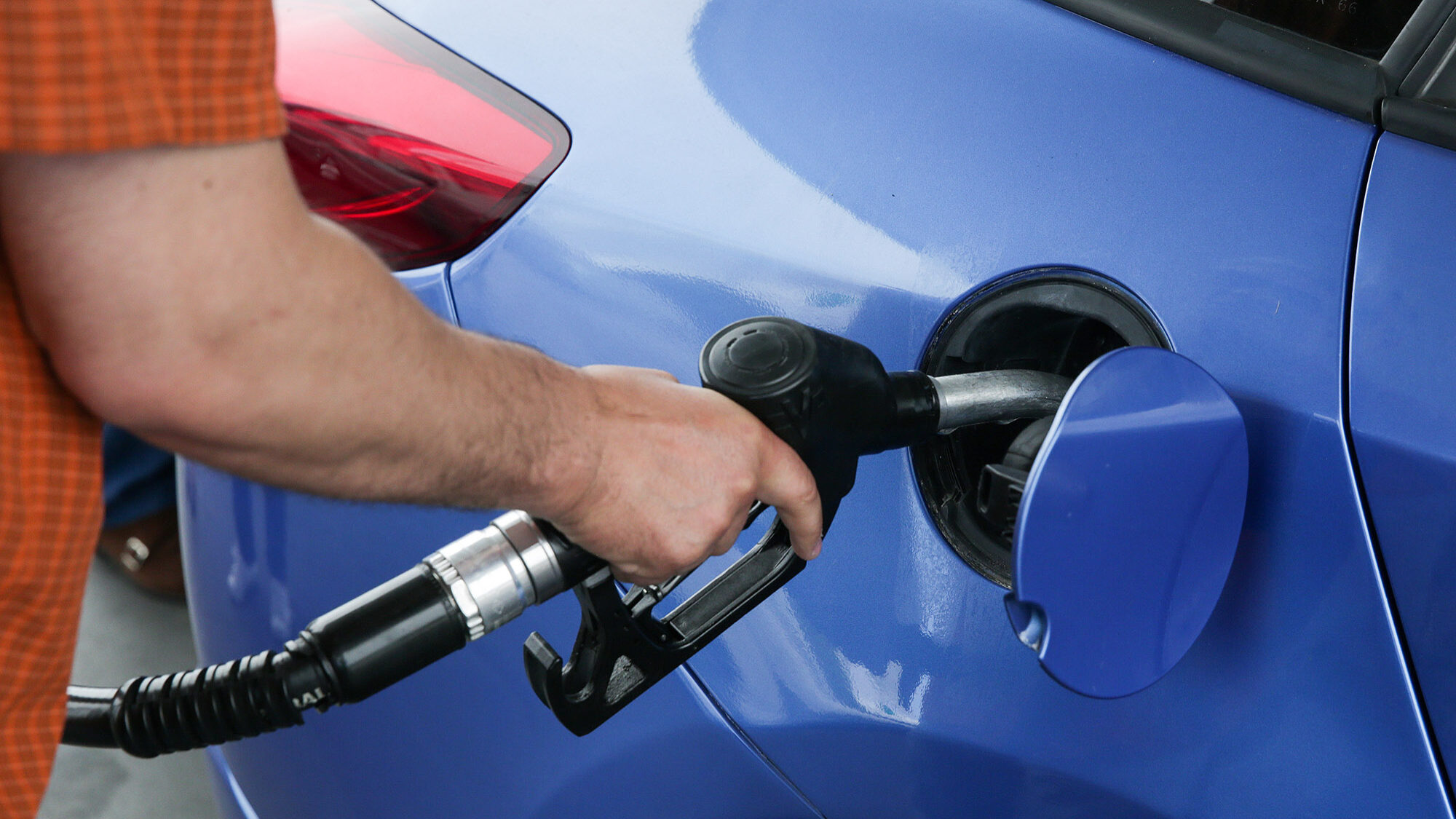
Photo: RTP Notícias

The Government approved a temporary, extraordinary reduction of 3.55 cents per litre to the Tax on Petroleum and Energy Products (Imposto sobre Produtos Petrolíferos e Energéticos or ISP) for road diesel on the mainland, effective from Monday, 9 March. Officials say the cut offsets only part of an expected wholesale price shock — reporting ranges show diesel would otherwise rise by roughly 19–23 cents per litre — and sector groups are asking for similar relief for bottled LPG. Drivers should watch pump prices this week; the measure reduces but does not cancel a major price rise.

Update: Diesel and petrol prices set to jump next week

Market moves linked to Middle East tensions have pushed Brent crude higher: current reports put diesel up about €0.19 per litre next week and petrol up about €0.07. Fuel stations are topping up stocks ahead of the increases, underlining that the 3.55‑cent ISP cut covers only a small fraction of the expected rise.

Context & Explainers

The ISP is Portugal's excise tax on fuels — the Tax on Petroleum and Energy Products (Imposto sobre Produtos Petrolíferos e Energéticos) — charged as a unit rate per litre on petrol, diesel and other fuels. The government sets and can temporarily cut those unit rates; a recent decision to reduce the rate for road diesel on the mainland aims to lower pump prices and reduce transport costs for drivers and businesses, though it also lowers tax revenue.

Higher crude oil prices raise wholesale fuel costs, and those increases typically reach Portuguese petrol and diesel pumps within days to weeks; the recent conflict has pushed oil to one‑year highs and European gas futures up roughly 40%, making fuel the first likely victim. Final pump prices also depend on taxes, VAT and distributor margins, so consumers should expect higher filling‑station bills but the exact change will reflect those tax and margin components as well as exchange rates.

Sources (10)

Continue reading