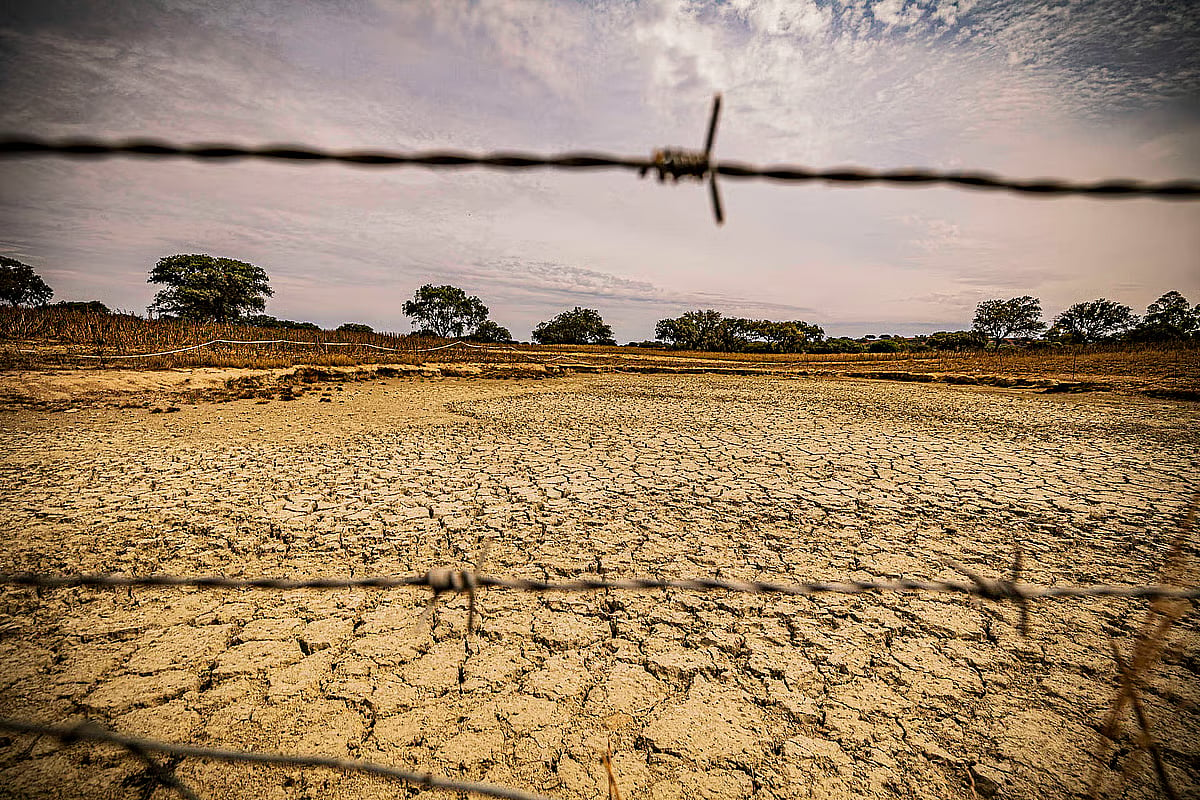
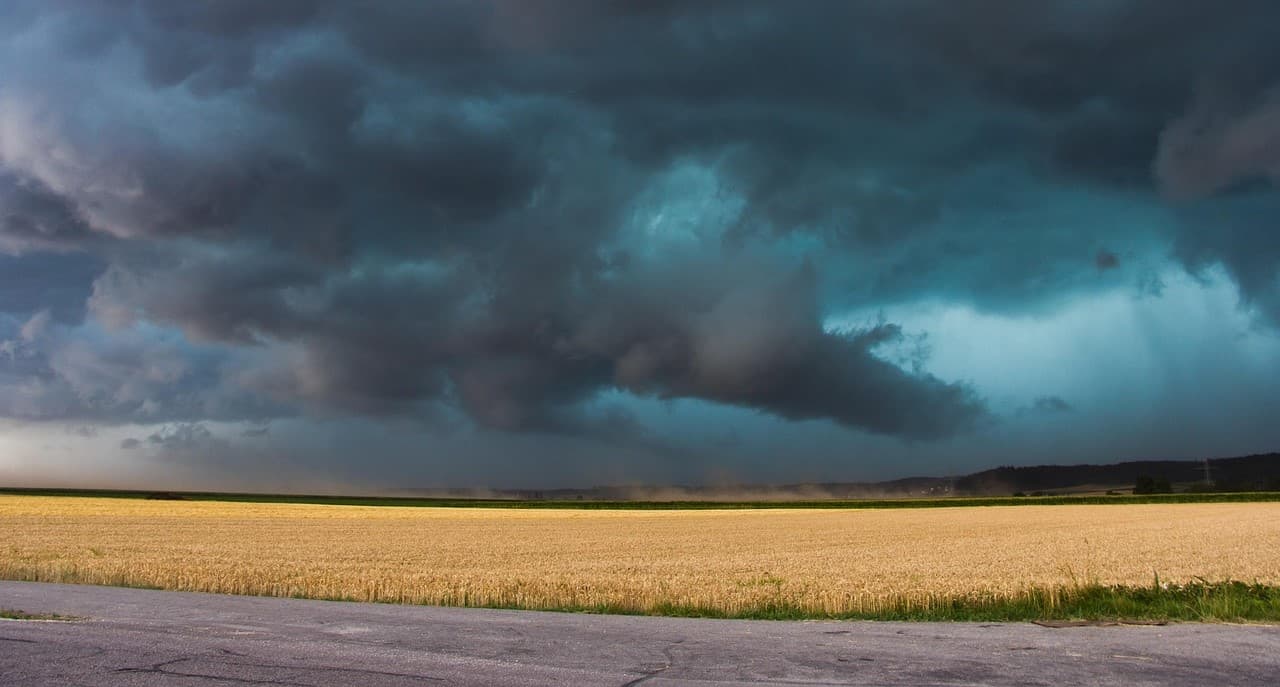
Not long ago, it was predicted that Portugal could run out of drinking water by 2025. It did not happen, and now it even seems like we have too much water. However, we cannot delude ourselves or stop planning for the long term.
This Regional Territorial Planning Programme (PTRR) is a plan tailored to the current government, not a transformative programme that brings society together. Populations must take ownership of the development choices for their territories. Opinion by Nuno Pinto.
Preparatory work for artificial beach nourishment on the Quarteira-Garrão stretch in Loulé, on the Algarve coast, began today as a measure to reinforce coastal protection following the effects of bad weather.
For the anthropologist, the climate crisis exposes the limits of capitalism. Without democratising production and limiting the power of economic elites, there will be no effective response to global warming, he says.
In an interview, engineer Elói Figueiredo discusses the role of engineering in modern society, the impact of climate change on infrastructure, and the need for better maintenance and political decision-making regarding flood-prone areas like the Mondego river basin.
Without municipal climate action plans, we continue to react instead of anticipating. We remain dependent on the exception, the declaration of calamity, and belated urgency.
The article highlights that February 2026 was the fifth warmest on record globally, with significant climate impacts in Europe, including Portugal. Western and southern Europe, including Portugal, experienced extreme rainfall and widespread flooding, driven by atmospheric rivers and intensified by human-driven climate change. These events caused fatalities and displaced thousands. The report emphasizes the urgent need for global action to address climate change, which is contributing to more severe weather events across Europe and worldwide.
Climáximo activists accuse the new President of remaining 'on the side of disaster by refusing to act on the root cause of these catastrophes' and of 'selling' the future of young people 'to the fossil fuel industry'.
Portugal and Spain are forging an alliance to address climate change and enhance economic cooperation. At a recent summit, they focused on eliminating barriers for cross-border businesses while prioritizing sustainability initiatives.
The climate has changed and Portuguese houses have lagged behind. With extreme heat, violent winds, and an aging housing stock, architects explain how to rehabilitate and build for a warmer future.
Restoring nature is a priority for WWF Portugal, which marks its first anniversary, and is essential for adapting to climate change. Governments must be consistent in their efforts.
The article discusses the impact of climate change on Europe's submerged civilizations, with a focus on the irreversible loss of cultural heritage, including sites in Portugal. Rising sea levels and increased erosion threaten archaeological sites and underwater ruins, which hold significant historical value. The piece highlights the urgency of addressing climate change to protect these submerged legacies, emphasizing that without action, many of these sites may be lost forever. The situation in Portugal serves as a poignant example of the broader challenges faced by European coastal regions in preserving their historical heritage amidst environmental changes.
The article “Desalentos” by Eduardo Oliveira e Silva discusses the challenges facing Portugal in the context of its development and infrastructure projects. The author expresses skepticism about the effectiveness of the PTRR (Recovery and Resilience Plan), citing failures of previous plans and a lack of capable institutions, skilled construction companies, and financial resources at the municipal level. He highlights the absence of strategic consensus among political parties, civil society, and business groups, which hampers progress. The piece emphasizes the need for a comprehensive reevaluation of the country's approach to development, particularly in light of climate change and evolving circumstances. Oliveira e Silva warns that without strong leadership and broad consensus, Portugal risks becoming irrelevant and burdensome to its partners due to ongoing incompetence.
The scientific consensus is clear: climate change has consequences, and these consequences are already upon us. Portugal is, within the European context, one of the countries most exposed to these risks. Opinion by Pedro Norton
The cost of Portugal's public debt (the interest rate in secondary markets) has remained stable and even slightly decreased since the onset of storms that have hit the country since January 28, despite significant economic and social destruction, particularly in the Central region. However, such events, along with wildfires, are expected to increase the long-term costs associated with debt, especially in more indebted countries like Portugal, complicating public finance management and necessary budget consolidation, warns a study from the European Central Bank (ECB) authored by five economists. The study highlights that climate-related disasters can raise debt costs and that climate change poses risks to public finances through various channels, including increased public spending for adaptation and mitigation measures. The authors also note that the cost of emergency assistance and post-disaster reconstruction can have a direct budgetary impact, while indirect effects may include reduced tax revenue due to production disruptions and additional spending on food and energy support programs due to changes in raw material prices. The study concludes that these mechanisms can interact with sovereign debt dynamics in complex ways, and even advanced economies are not immune to the effects of climate shocks. The report was published on the eve of the Portuguese government's approval of the general lines of the “PTRR - Portugal Transformation, Recovery and Resilience” plan in the Council of Ministers.
The storms that hit the country are yet another example of extreme climate phenomena that will become part of the new normal. We will increasingly have to deal with these realities, preparing better, reacting effectively, and adopting almost permanent reconstruction habits. This requires national management complemented by local authorities, public institution leadership with civil society involvement, emergency actions combined with medium-term interventions. In Lisbon, we first offered solidarity to severely affected regions, then alerted the population, limited risks, and protected critical areas. Immediate restoration interventions were launched, and we will recalibrate multi-year investments to adjust plans to new realities. The ongoing structural investments, such as the General Drainage Plan, have already shown containment effects during this crisis. However, this context should prompt the Portuguese to reflect on fundamental issues, including the effectiveness of our economic model and the quality of our institutions. We need robust infrastructures, installed capacities, and efficient response mechanisms, as well as ambitious, sustainable, and financeable investment plans. We must integrate the best contributions from academia, the private sector, and civil society to effectively address the structural challenges posed by new realities, ensuring that strategic planning is not merely an accessory but a necessity for good governance.
The article discusses the urgent need for regionalisation in Portugal, highlighting how recent severe weather events have exposed the country's vulnerabilities due to an excessively centralised governance model. It argues that the lack of administrative regions creates a governance void that hampers effective civil protection, resource management, and policy integration. The author advocates for an elected regional level to enhance accountability and transparency, emphasizing that decentralisation must be paired with robust information systems to ensure effective governance. The piece concludes that regionalisation is essential for adapting to climate change and improving democratic engagement.
The Government will move forward with a “technical, economic and regulatory” study to adapt the National Electric System to climate change, including an assessment of burying power lines in critical areas, it was announced today.
The article discusses the frequent attribution of floods to climate change, suggesting that this perspective arises from a collective forgetfulness about historical flood events. It highlights the existence of 'Flood Marks' that serve as reminders of past floods, yet these markers have not been reached this year, indicating a disconnect between current perceptions and historical realities.
A study by the Potsdam Institute for Climate Impact Research (PIK) indicates that by 2100, between one third and 50% of land currently suitable for grazing will lose its capacity due to rising temperatures, highlighting significant implications for agriculture and environmental sustainability.
A 2025 climate assessment found the year was the third warmest on record, driven chiefly by the accumulation of greenhouse gases in the atmosphere and by exceptionally high sea‑surface temperatures across the oceans, highlighting ongoing anthropogenic warming and implications for climate resilience and sustainability.