Latest news and stories about airport in Portugal for expats and residents.
This page has only 1 story and is not indexed by search engines.
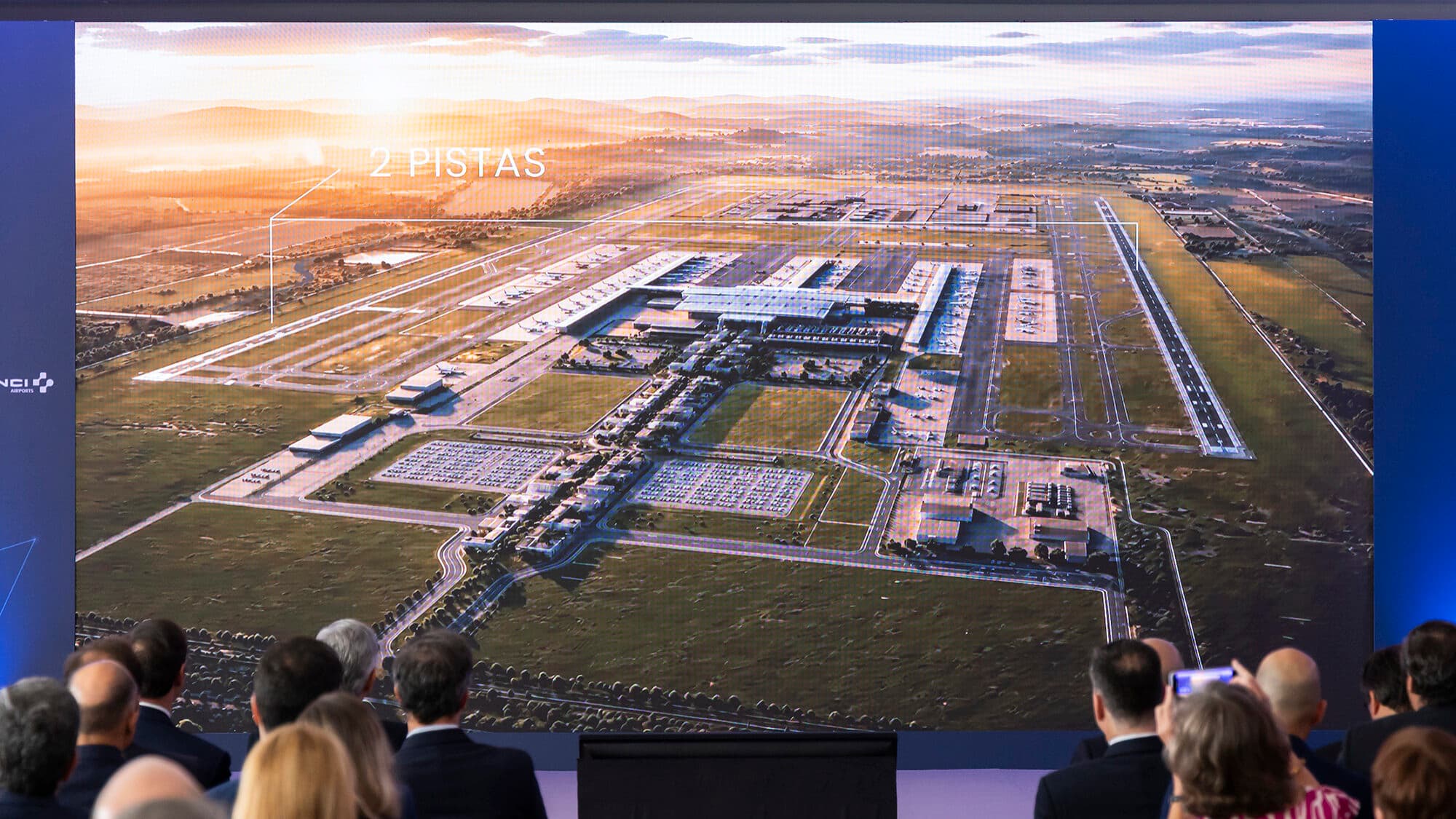
ANA | VINCI Airports has delivered the first environmental report for the planned Luís de Camões Airport to the Portuguese government, meeting the timetable set in the concession contract and moving the long permitting process forward. Multiple outlets say the submission is a formal milestone rather than final approval: further technical reviews and licences remain before construction can start. Those tracking transport projects or property near the proposed site should note the project is advancing but not yet authorised.
ANA is the company that operates and manages most of Portugal’s major airports; its formal name is ANA — Aeroportos de Portugal (Airports of Portugal), and it is run under a long-term concession by VINCI Airports. ANA handles planning, infrastructure and regulatory steps — for example, it delivered the first environmental report in the licensing process for the proposed Luís de Camões Airport, a key procedural milestone for that project.
Luís de Camões Airport is a proposed new airport project in Portugal, named after the national poet, currently going through environmental and licensing assessments. The operator (ANA) submitted the first environmental report as part of the concession timetable in early 2026, so the project is still in the planning and approval stage rather than in construction.

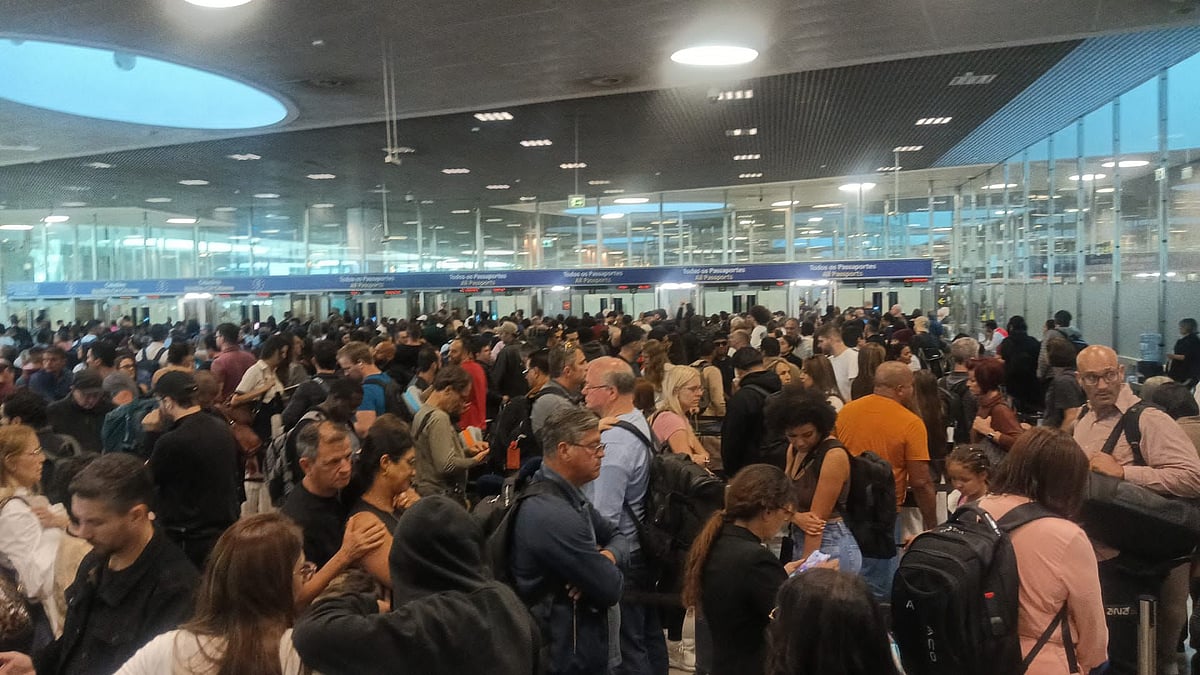
Portuguese outlets report the European border control system for non‑EU travellers (the Entry/Exit System, EES) has been reactivated for testing at Lisbon Airport (Aeroporto de Lisboa) after a temporary suspension; police sources told Lusa there will be an afternoon test to assess recent fixes. Separate reporting said the system could be re‑activated then suspended again while improvements are confirmed, and earlier problems were linked to long queues. For expats and travellers: expect possible delays at passport control for non‑EU nationals, check your flight and airline notices before travel, allow extra time at the airport and carry passport and supporting documents for faster processing.
The Entry-Exit System (Sistema de Entrada e Saída) is an EU border-register that records biometric data (fingerprints and a facial image) and travel details for short-stay non‑EU travellers, replacing passport stamping and creating a searchable entry/exit record. According to recent reporting, the new rules now require over a third of non‑EU nationals entering Schengen to provide this extra data at the border; the aim is to improve security and migration tracking, but travellers should be prepared to submit biometrics at kiosks or border control and ensure their travel documents are valid. For expats and visitors this usually means slightly longer checks on arrival/departure and more robust digital records of your travel history.
The border-control system is the set of checks and databases used to process non-EU travellers at entry points — passport and visa checks, biometric data capture and automated database searches such as the Schengen Information System (SIS) and the Entry/Exit System (EES). A temporary suspension of automated checks at Lisbon Airport means those arrivals may be processed differently (more manual checks or national procedures), which can change wait times, administrative workload and how security checks are carried out for non‑EU citizens.

At the debate requested by the Socialist Party (PS) on the 'chaos at Lisbon airport', the Secretary of State says this does not 'in any way compromise national security' and that essential controls remain 'operational'.

The suspension of the Entry/Exit System (EES) in the Schengen area and the reinforcement of human resources at border control in Humberto Delgado Airport have significantly reduced passengers' maximum waiting times, RENA — Association of Airlines in Portugal — president told ECO. “At the moment we are...”

Lisbon Airport is being bolstered today by 24 National Republican Guard personnel, a government measure to reduce waiting times in the arrivals area.
Brazilian airlines have issued guidance to passengers following issues at Lisbon Airport. Azul says the disruption had only an 'isolated' (limited) effect on its operations.

The Government decided to amend the minimum specifications for the new Lisbon airport, as these had not been changed since 2012, and to begin negotiations with the concessionaire.

Home News Plans to change new Lisbon Airport specifications Plans to change new Lisbon Airport specifications The government has decided to dispense with the formation of a negotiating committee to change the minimum specifications of the future Lisbon airport, opting instead for an agreement bet