The Lisboeta

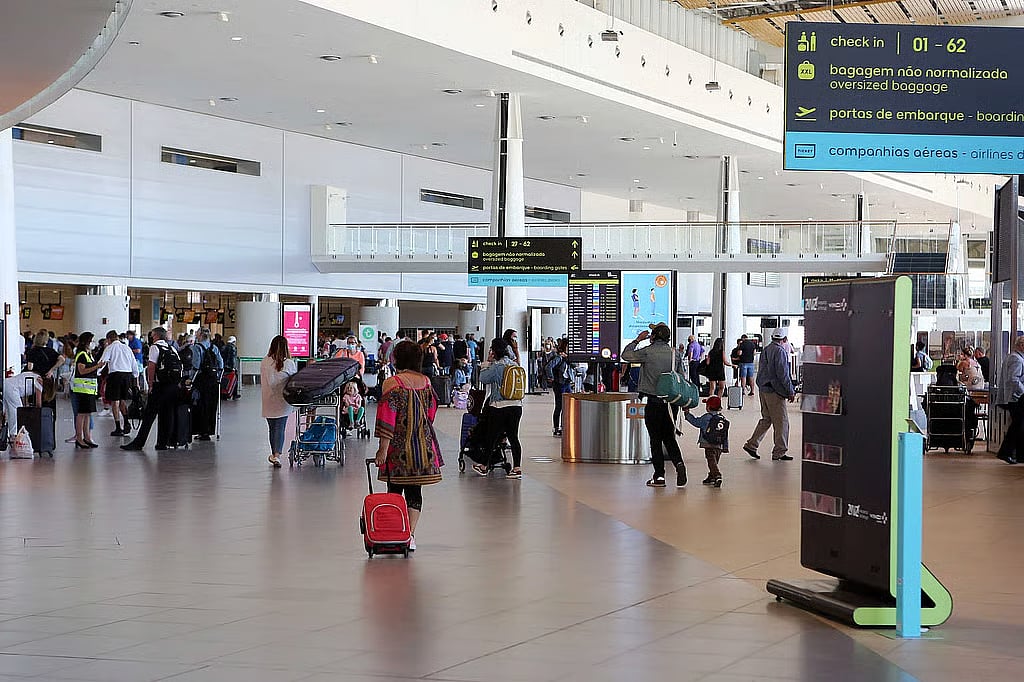
Queues decrease at Lisbon airport. Maximum waiting time falls to one hour

Wednesday, 7 January 2026RSS
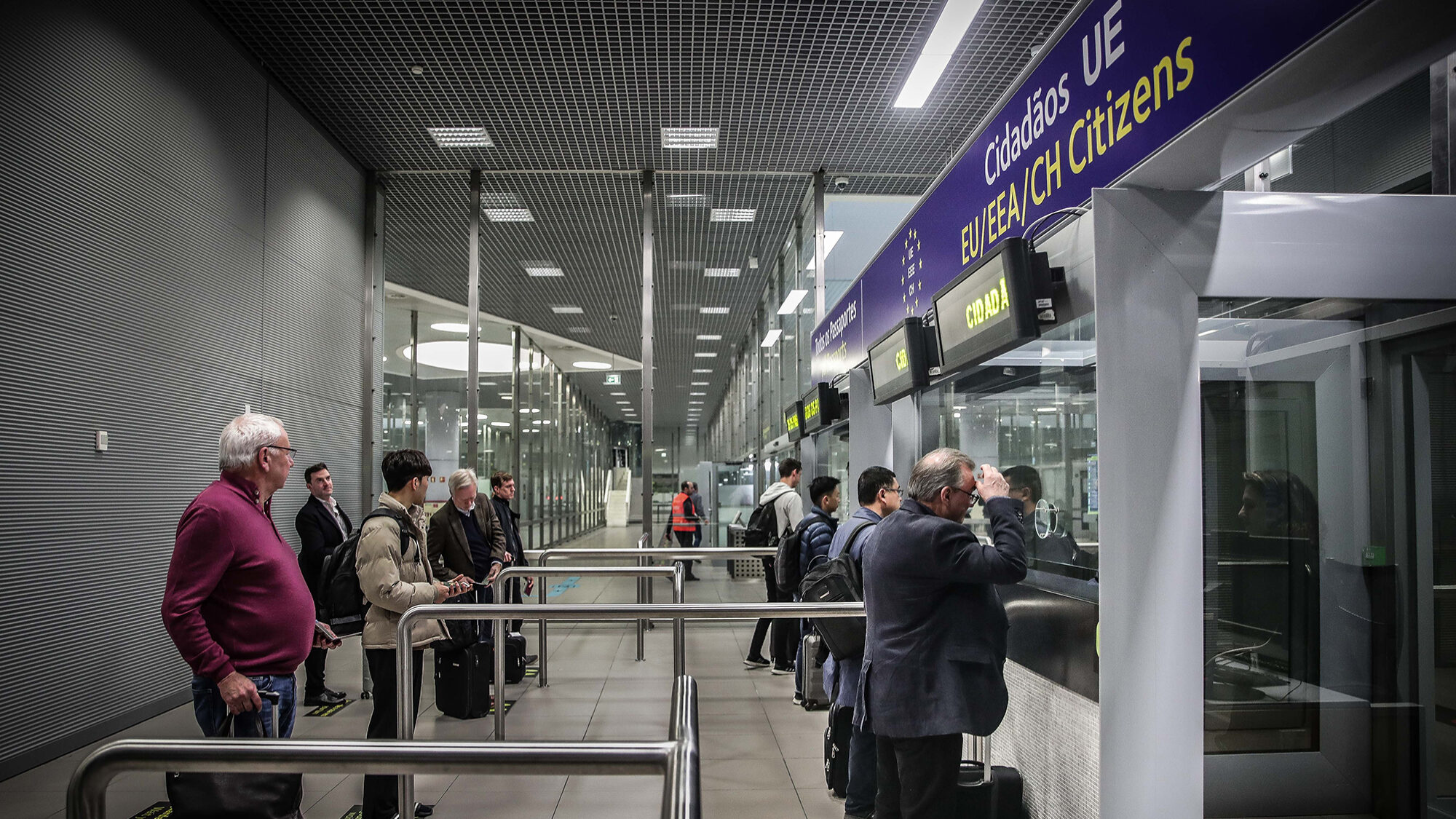
Queues decrease at Lisbon airport. Maximum waiting time falls to one hour

The suspension of the Entry/Exit System (EES) in the Schengen area and the reinforcement of human resources at border control in Humberto Delgado Airport have significantly reduced passengers' maximum waiting times, RENA — Association of Airlines in Portugal — president told ECO. “At the moment we are...”

View full article on ECO

RSS source

Context & Explainers

The border-control system is the set of checks and databases used to process non-EU travellers at entry points — passport and visa checks, biometric data capture and automated database searches such as the Schengen Information System (SIS) and the Entry/Exit System (EES). A temporary suspension of automated checks at Lisbon Airport means those arrivals may be processed differently (more manual checks or national procedures), which can change wait times, administrative workload and how security checks are carried out for non‑EU citizens.

Airport slots are time-limited permissions to take off or land at congested airports during specific time windows, managed under national and international rules so capacity is used efficiently. At busy airports where slots are scarce, releases or trades of slots (for example after an airline reduces operations) let other carriers expand routes, which is why easyJet would want slots freed at Lisbon.

Humberto Delgado Airport is Lisbon's main airport (the Aeroporto Humberto Delgado), serving as Portugal's busiest international gateway and handling roughly 30 million passengers in the pre-pandemic period. For travellers and residents it matters because capacity and operational issues there directly affect flight delays, connections and the availability of routes.

Luís de Camões Airport is a proposed new airport project in Portugal, named after the national poet, currently going through environmental and licensing assessments. The operator (ANA) submitted the first environmental report as part of the concession timetable in early 2026, so the project is still in the planning and approval stage rather than in construction.