The article critiques the Government's Labour Package, titled Work XXI, arguing it regresses rather than innovates in the realm of work. It emphasizes the need for the Labour Code to adapt to the increasing frequency of extreme weather phenomena, advocating for provisions that protect outdoor workers and clarify absence policies during public calamities. The author calls for a Labour Code that prioritizes safety and preparedness for the challenges of the 21st century, rather than the outdated framework proposed by the Government.
The Labour Package in a Century of Extreme Phenomena
Wednesday, 18 February 2026RSS

Context & Explainers
A banked hours scheme (banco de horas) is a flexible working time arrangement under Portuguese labor law that allows employees to accumulate overtime hours and use them later as time off, rather than receiving immediate overtime pay.
Under the Portuguese Labour Code, banked hours can be established through collective agreements or, in some cases, individual agreements. The scheme allows employers to vary working hours based on demand — requiring longer hours during peak periods and compensating with shorter hours or days off later.
Banked hours schemes are a frequent topic in labor reform negotiations, with unions (particularly CGTP) pushing for tighter limits and greater worker protections, while employers argue for more flexibility. Proposed reforms have included extending eligibility to parents of young children and adjusting the cap on banked hours.
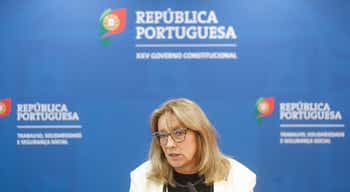
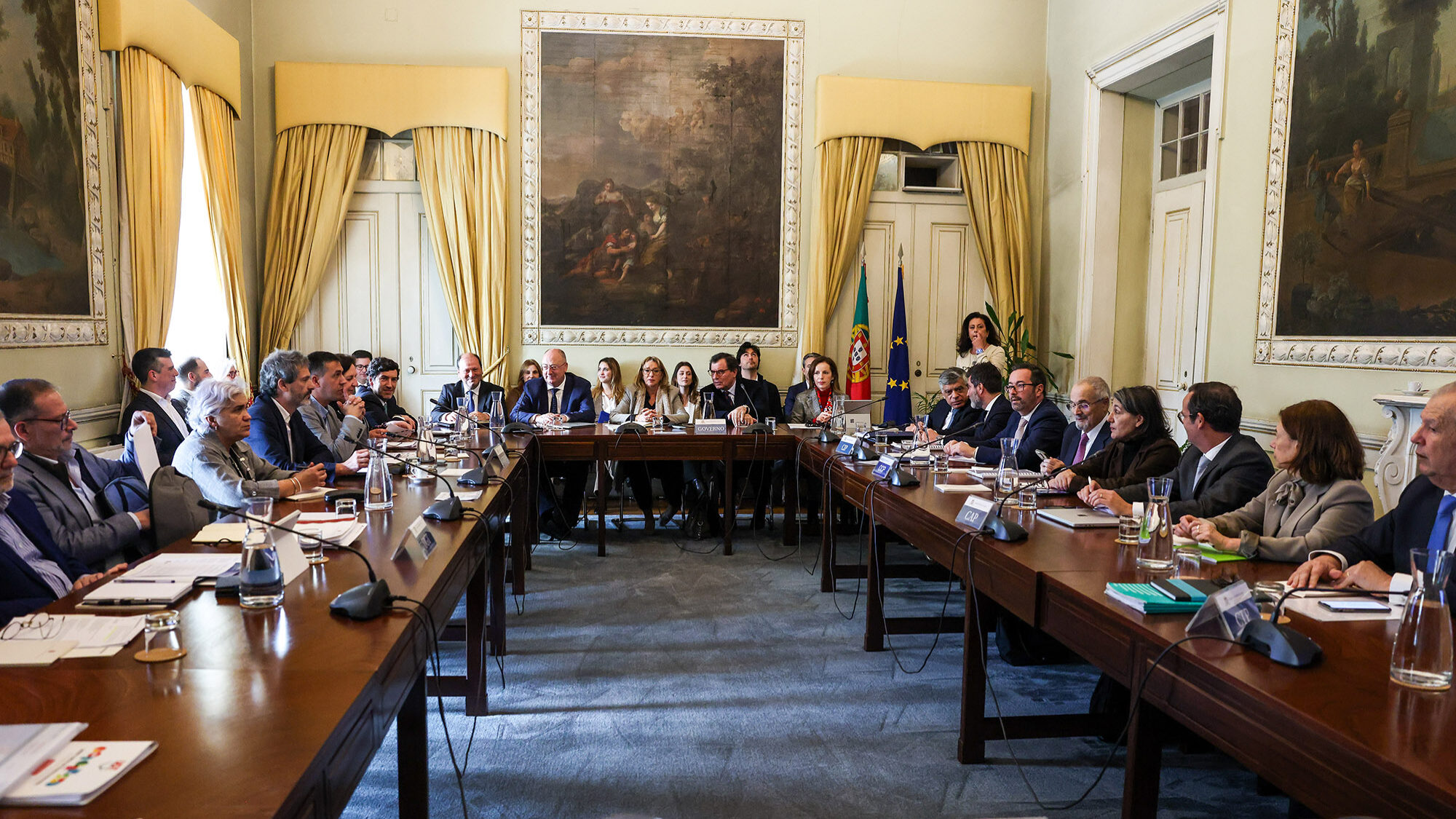
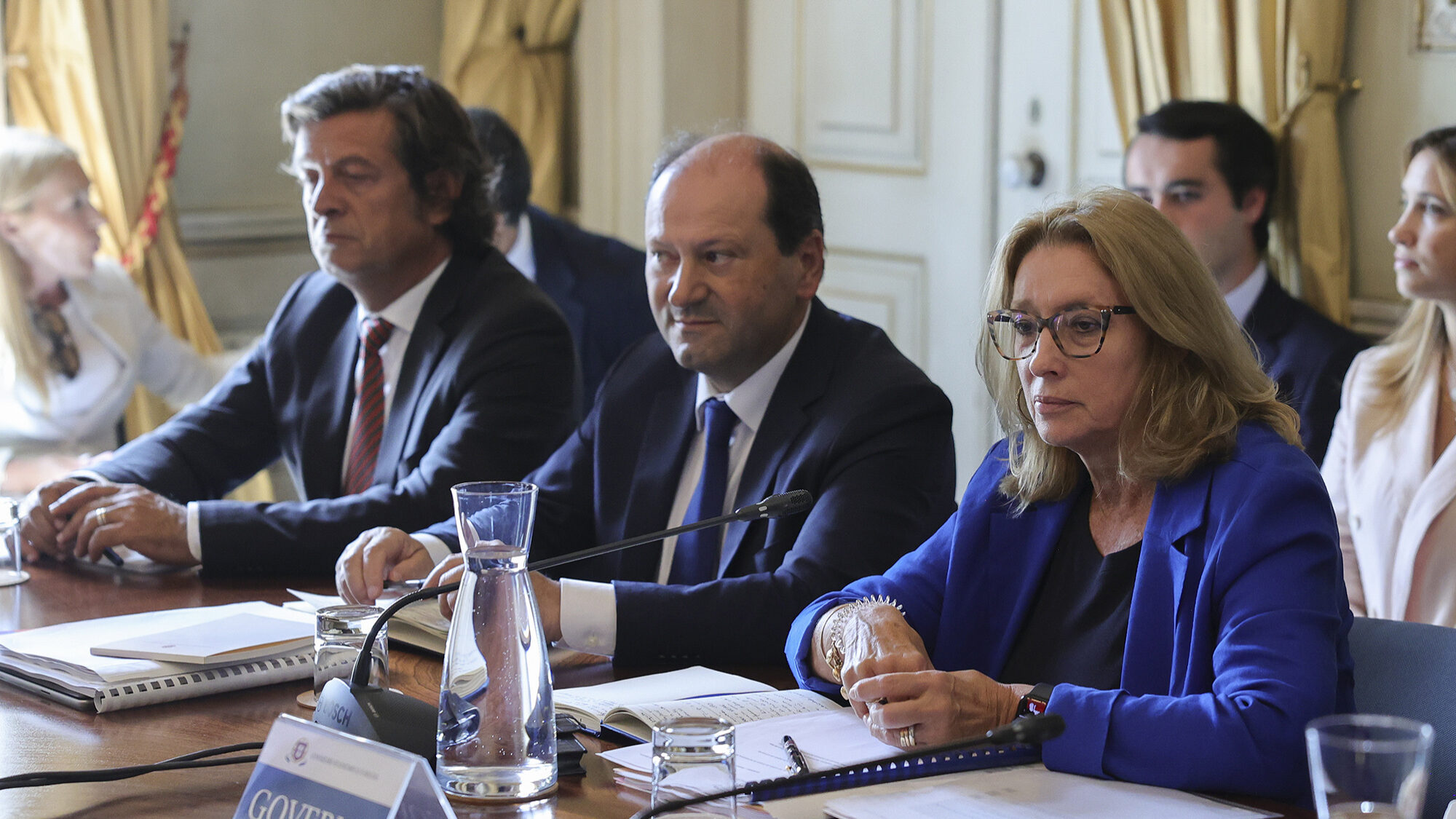
The Ministry of Labour (Ministério do Trabalho) is the government department responsible for employment policy, labour law, collective bargaining and workplace inspections. It organises talks between employers and unions and can convene negotiations or propose changes to labour rules, so its meetings affect workers and employers directly.

The General Union of Workers (UGT – União Geral de Trabalhadores) is one of Portugal’s two main national trade union confederations. Founded in Lisbon on 28 October 1978, it was created as a social‑democratic alternative to the more communist‑aligned CGTP after the 1974 Revolution, grouping unions close to the Socialist Party and moderate centre‑right currents.
UGT represents around 400,000 workers and is affiliated to the European Trade Union Confederation and International Trade Union Confederation, giving Portuguese labour a voice at EU and global level. Its principles stress union independence from the state, employers, churches and parties, internal democracy and active worker participation.
Historically, UGT’s hallmark has been “propositive” social dialogue: it is usually more willing than CGTP to sign tripartite agreements on wages, labour law and social policy with governments and employers, shaping minimum wage increases, working‑time rules and social protection reforms. This makes UGT a key centrist actor in Portugal’s industrial relations, often mediating between left and right while defending collective bargaining and incremental improvements to labour rights.

The General Confederation of the Portuguese Workers (CGTP – Confederação Geral dos Trabalhadores Portugueses) is Portugal’s largest trade-union confederation, grouping most unions in manufacturing, public services and many other sectors.
Founded clandestinely in 1970 as “Intersindical” under the dictatorship, it emerged publicly after the 1974 Carnation Revolution and was legalised in 1975. It has been central to virtually all major labour struggles since then, from defending collective bargaining and the 40‑hour week to leading general strikes against austerity and labour‑law rollbacks.
CGTP is historically close to the Portuguese Communist Party and has a class‑struggle, anti‑neoliberal profile, strongly critical of EU and government policies seen as undermining workers’ rights. It favours grassroots mobilisation and strikes over compromise, often refusing national social‑pact deals that the more centrist UGT is willing to sign.
In today’s Portugal, CGTP remains a key actor in wage bargaining, labour‑law debates and national protests; together with UGT it called the first joint general strike in years in December 2025, signalling its continuing capacity to organise mass action.
Social Concertation (Concertação Social) is Portugal's tripartite dialogue between the government, trade unions and employer associations to negotiate labour, social and economic policies. Its agreements often shape government proposals but are not binding, so if talks fail the government can still submit the labour-law revision to Parliament and will need to secure votes there, potentially relying on support from opposition parties such as Chega.
AI Summary AvailableLabour minister meets partners without CGTP unionRead the synthesized summary with context and explainers
View full article on dn.pt