Latest news and stories about presidential election in daily life in Portugal for expats and residents.
Público and CNN Portugal report analysts expect abstention to fall in this presidential election, citing two features of the race that typically increase participation — including stronger mobilisation among younger voters. The forecast suggests turnout could alter campaign calculations and the likelihood of a second round. Political observers and campaign teams should watch turnout patterns, particularly among young and first-time voters.
Abstention is when eligible voters choose not to vote; it is usually reported as the percentage of registered voters who do not cast a ballot. A falling abstention rate can change electoral outcomes and boost the perceived legitimacy of the result, so a predicted drop — including among younger voters — matters for how parties and candidates plan campaigning and turnout efforts.
Carlos Jalali is the coordinator of the Study Centre at the Francisco Manuel dos Santos Foundation (Fundação Francisco Manuel dos Santos), a Portuguese research organisation. He studies electoral behaviour and has commented on expectations for lower abstention in the current presidential vote.

A concise, analytical guide to voting in Sunday’s presidential election: who is eligible to vote, when polling stations are open, what you need to bring, whether you can use your own pen, what to do if you make a mistake on your ballot, and rules about bringing children or carers into the polling station. Also covers guidance for expat voters and common FAQs to help you vote confidently and correctly on election day.
Público summarises practical voting information for the presidential ballot: polling stations are open from 08:00 to 19:00 across Portugal and voters must bring a photo ID such as the national ID card (cartão de cidadão), citizen card/identity document (BI), passport or driving licence. Voters can confirm their polling location via the electoral register (recenseamento.pt), by sending SMS to 3838 or contacting the official helpline. Residents who are unsure where to vote should check recenseamento.pt before heading to the polls.
Update: Multiple outlets report that polls opened today with more than 11 million registered voters expected to take part and a record 11 candidates on the ballot; coverage notes stations opened at 08:00 in mainland Portugal and Madeira, while voting in the Azores starts one hour later.
The Cartão de Cidadão (Citizen Card) is Portugal’s national identity card, introduced in 2007, used for in‑person ID and many online public services; it contains your civil identity data and supports digital authentication and signatures. It is issued to Portuguese citizens—foreign residents use a residence permit for ID—so non‑citizen expats should keep their passport and residence card for official matters.
recenseamento.pt is the official Portuguese website for checking and updating voter registration and finding your assigned polling station ahead of elections; it lets voters confirm their registration status and address on the electoral roll. Voters planning to vote in Portugal (or Portuguese citizens abroad who register via consulates) should check the site before election deadlines to avoid problems like being turned away or casting a null vote.
The electoral register (Portuguese: recenseamento eleitoral) is the official list of people eligible to vote in Portugal; the final update showed 11,039,672 registered voters for the 18 January election, 174,662 more than in the 2021 presidential election. That number matters because it determines turnout percentages, seat calculations and whether campaigns target domestic versus overseas voters — expats need to check their registration status if they plan to vote from abroad.

Campaigners made their final appeals across the country as the presidential campaign wound down, with most candidates concentrating events in Lisbon ahead of voting on 18 January. Outlets report eleven candidates criss‑crossing the country and close polling in some matchups, increasing the chance of a second round (segunda volta) if no candidate wins an absolute majority. Voters and teams should check polling logistics and opening hours for Sunday, and watch for any late endorsements or tactical appeals that could influence tight races.
Update: Major outlets provided minute‑by‑minute live coverage and in‑depth wrap pieces on the campaign's last day — including Público predictions, ECO's 50‑image campaign gallery, Observador behind‑the‑scenes reporting and Correio da Manhã's review of five defining cases — while some outlets note 11 active campaigners on the road though 13 names appear on some ballot papers.

Background:
António José Martins Seguro (born March 11, 1962, in Penamacor) is a lawyer, political scientist, and Socialist Party politician running for president in Portugal's January 18, 2026 election. He led Socialist Youth (1990-1994), served as MEP (1999-2001), was Minister Adjunct to PM António Guterres (2001-2002), and led the PS parliamentary group (2004-2005). Elected PS Secretary-General in 2011 with 68%, he led the opposition during Portugal's bailout era. In 2014, António Costa defeated him in party primaries by a landslide, prompting Seguro's resignation and decade-long retreat from politics. He returned in 2025, launching the movement UPortugal and announcing his presidential candidacy in June. He received official PS backing in October 2025. Political Philosophy:
Seguro positions himself as representing a "modern and moderate" left, offering a progressive alternative to conservative candidates. He advocates for "financial responsibility but critical of austerity," attempting to reposition the PS at center-left. His campaign emphasizes institutional trust, efficient governance, and hope for a better future.

André Ventura, born January 15, 1983, is a lawyer, academic, and Portugal's most prominent far-right leader. He founded Chega ("Enough") in 2019 after his PSD mayoral campaign attacked the Romani community. Chega surged from 1.3% in 2019 to 22.8% in May 2025, becoming parliament's second-largest party and making Ventura Leader of the Opposition.
His platform emphasizes immigration restrictions, law-and-order policies, constitutional reform, and contains inflammatory anti-Romani rhetoric that has triggered multiple discrimination convictions and investigations. Politically classified as far-right by international media, Ventura cultivates alliances with European far-right figures including Marine Le Pen and Santiago Abascal.
He announced his 2026 presidential candidacy, polling at 18% alongside independent Admiral Gouveia e Melo. His rise ended Portugal's 50-year resistance to far-right parties.
The second round (segunda volta) is a runoff held if no candidate obtains more than 50% of votes in the first round; the top two candidates then compete head‑to‑head. For expats following elections, the second round is usually decisive because broader coalitions form and turnout and endorsements can change the outcome.
Analysts presented multiple plausible second‑round (segunda volta) scenarios that would shape alliances and the tone of the presidency after 18 January, with different matchups signalling varied policy directions and voter priorities. Coverage notes that each scenario would prompt distinct endorsement dynamics and tactical voting decisions in the days after the first round. Those tracking the election outcome should watch candidate statements and party endorsements closely for signals about post‑vote alignments.
The second round (segunda volta) is a runoff held if no candidate obtains more than 50% of votes in the first round; the top two candidates then compete head‑to‑head. For expats following elections, the second round is usually decisive because broader coalitions form and turnout and endorsements can change the outcome.
Tactical voting means choosing a less-preferred candidate to achieve a strategic outcome—for example concentrating support to ensure a preferred candidate reaches the second round (segunda volta) or to block a rival. Party leaders urge it when they want to avoid splitting votes among similar candidates and increase the chance of a favourable runoff result.

On the penultimate day of a Porto‑focused campaign, Mendes — the candidate backed by the PSD and CDS — intensified calls for voters to concentrate their ballots next Sunday, warning that the result must not be left to chance. He framed the vote as decisive for who will occupy Belém and criticised the broader presidential campaign as lacking substantive policy ideas, arguing it is time to end an empty contest and consolidate support behind a clear alternative. The intervention underlines a tactical push for vote consolidation and a critique of opponents’ absence of coherent presidential proposals.
The presidential campaign skirted constitutional debate, focusing on policy and partisan positioning more suited to a head-of-government race than a head-of-state contest. António José Seguro — the Socialist-backed candidate — presents himself as the moderate alternative and argues the Constitution need not be revised, only respected; meanwhile Luís Montenegro will run as his party’s candidate. The piece argues the Republic needs a president who acts as a moderator, respects institutional limits and upholds the separation of powers.

A DN/Aximage poll finds Socialist candidate Seguro leading Ventura by 20 percentage points in a hypothetical second-round (run-off) contest. Commentary in the piece highlights tactical voting for Seguro to block the right, the extreme or the current government, warns that a Ventura vs Cotrim run-off would be damaging for the right, and reports Ventura dismissing calls for Montenegro’s backing while claiming stronger polling levels.
Multiple outlets report that Seguro is campaigning to enter the presidential second round in first place as a strategy to block what he calls an “extremist” candidate, while also saying he refuses to “wade into the mud” of negative campaigning. The coverage frames his pitch as appealing to tactical voters who want to prevent an extremist candidate reaching the presidency. Voters and political observers should note tactical-vote messaging may intensify in coming days.

Background:
António José Martins Seguro (born March 11, 1962, in Penamacor) is a lawyer, political scientist, and Socialist Party politician running for president in Portugal's January 18, 2026 election. He led Socialist Youth (1990-1994), served as MEP (1999-2001), was Minister Adjunct to PM António Guterres (2001-2002), and led the PS parliamentary group (2004-2005). Elected PS Secretary-General in 2011 with 68%, he led the opposition during Portugal's bailout era. In 2014, António Costa defeated him in party primaries by a landslide, prompting Seguro's resignation and decade-long retreat from politics. He returned in 2025, launching the movement UPortugal and announcing his presidential candidacy in June. He received official PS backing in October 2025. Political Philosophy:
Seguro positions himself as representing a "modern and moderate" left, offering a progressive alternative to conservative candidates. He advocates for "financial responsibility but critical of austerity," attempting to reposition the PS at center-left. His campaign emphasizes institutional trust, efficient governance, and hope for a better future.
The second round (segunda volta) is a runoff held if no candidate obtains more than 50% of votes in the first round; the top two candidates then compete head‑to‑head. For expats following elections, the second round is usually decisive because broader coalitions form and turnout and endorsements can change the outcome.

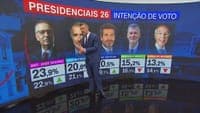
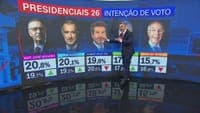
Day nine of the Tracking Poll, reported by Pedro Benevides, shows a growing three-way dynamic in the Portuguese presidential race: António José Seguro, André Ventura and João Cotrim de Figueiredo are pulling ahead of Henrique Gouveia e Melo and Luís Marques Mendes. The pattern suggests the contest may crystallise into a three-way fight in the final campaign days, and — with the exception of Chega's leader — most main contenders have yet to secure full backing from their own bases.

João Cotrim de Figueiredo’s campaign, which had been gaining momentum, suffered a serious setback after a strategic misstep on second-round strategy and the resurfacing of a harassment allegation on social media. By not ruling out support for Ventura, Cotrim exposed himself to attacks and fractured the narrative of steady progress; the harassment allegation — reportedly known within Iniciativa Liberal for two years — compounded the damage and prompted him to decry ‘low‑level’ and ‘dirty’ politics. The episode shifted the campaign’s focus onto Cotrim personally, energised opponents and risked undoing recent gains as rivals consolidated backing ahead of a possible second round.
Daily polling covered by CNN Portugal and Observador shows Admiral Henrique Gouveia e Melo falling out of the early statistical tie for the lead, leaving three candidates contesting top positions and a different candidate (listed as Seguro) taking the polling advantage. Gouveia e Melo continues campaigning with message of institutional loyalty and has said he could form a good team with Luís Montenegro; market events and local interactions show shifting voter preferences. Residents following the election should watch for rapid movement in the polls as campaigning intensifies and for any signals of tactical endorsements.

Henrique Eduardo Passaláqua de Gouveia e Melo (born November 21, 1960, in Quelimane, Mozambique) is a retired Portuguese Navy Admiral running for president in the January 18, 2026 election as an independent candidate. He entered the Naval School in 1979 and built a 45-year military career, commanding submarines NRP Delfim and NRP Barracuda, the frigate NRP Vasco da Gama, and serving as Naval Commander (2017-2020) and Chief of Naval Staff (2021-2024). His national prominence surged in 2021 when he was appointed coordinator of Portugal's COVID-19 vaccination task force, which achieved the world's highest vaccination rates, earning him a spot on Jornal de Negócios' list of 50 Most Powerful People. He announced his presidential campaign on May 29, 2025, backed by the People's Monarchist Party.
Political Philosophy:
Gouveia e Melo positions himself as a "centrist pragmatist" focused on institutional balance, effective governance, and consensus-building. He advocates for demanding presidential oversight of democratic institutions without institutional opposition to government, emphasizing "institutional loyalty" paired with rigorous accountability. His platform prioritizes growth, social cohesion, and equitable development, rejecting ideology for pragmatic results-oriented leadership

Campaign reporting shows André Ventura (Chega) saying João Cotrim de Figueiredo's support in a possible second round is “natural” while also downplaying its importance; commentators note Cotrim has significantly influenced the campaign narrative and media coverage. Outlets add that other figures such as Gouveia e Melo have commented they are not surprised by possible tactical alignments. For expats: watch second‑round dynamics — endorsements and tactical voting talk can shift campaign messaging quickly and affect turnout and debate tone.
Update: Multiple outlets report João Cotrim de Figueiredo wrote to PSD leader Luís Montenegro after a Católica University poll, asking the PSD to back him or recommend a PSD vote for his candidacy in order to prevent either the PS or Chega candidate reaching the presidency; the letter quotes Sá Carneiro and comes as other campaign figures try to counter poll momentum. This formal appeal intensifies tactical-vote manoeuvring in the final days of the campaign.

André Ventura, born January 15, 1983, is a lawyer, academic, and Portugal's most prominent far-right leader. He founded Chega ("Enough") in 2019 after his PSD mayoral campaign attacked the Romani community. Chega surged from 1.3% in 2019 to 22.8% in May 2025, becoming parliament's second-largest party and making Ventura Leader of the Opposition.
His platform emphasizes immigration restrictions, law-and-order policies, constitutional reform, and contains inflammatory anti-Romani rhetoric that has triggered multiple discrimination convictions and investigations. Politically classified as far-right by international media, Ventura cultivates alliances with European far-right figures including Marine Le Pen and Santiago Abascal.
He announced his 2026 presidential candidacy, polling at 18% alongside independent Admiral Gouveia e Melo. His rise ended Portugal's 50-year resistance to far-right parties.

João Fernando Cotrim de Figueiredo (born June 24, 1961, in Lisbon) is a businessman and liberal politician running for Portugal's presidency in the January 18, 2026 election. He grew up in Lisbon, studied Economics at the London School of Economics and earned an MBA from NOVA University Lisbon. He held executive positions at Compal, Nutricafés, Privado Holding, and TVI, and served as president of Turismo de Portugal (2013-2016), overseeing tourism industry growth during his tenure. He was elected as the Liberal Initiative's first parliamentary deputy in October 2019, led the party (2019-2023) while it grew from 1 to 8 seats with 5% of votes in 2022, and was elected European Parliament member in 2024. He announced his presidential candidacy in August 2025, backed by the Liberal Initiative.
Political Philosophy:
Cotrim de Figueiredo champions liberal economics—tax reduction, labour market liberalization, and welfare reform—alongside cultural and secular liberalism. His campaign emphasizes "Culture, Knowledge and Growth," positioning himself as representing younger voters alienated by traditional candidates, and explicitly states he expects a "second-round" runoff result. He advocates for a future-prepared Portugal distinct from current political offerings.

Chega ("Enough") is a Portuguese far-right populist party founded in 2019 by André Ventura. It positions itself as an anti-establishment movement against what it calls a "rotten and corrupt system" of PS-PSD dominance. The party surged from 1.3% in 2019 to 22.8% in May 2025, becoming parliament's second-largest force with 60 seats. Chega's core platform emphasizes strict immigration control—ending automatic CPLP residency, deporting non-independent immigrants, implementing job-market quotas, and requiring five-year social security contributions before benefit access. It advocates radical constitutional reform, including reducing parliament to 100 members, abolishing the prime minister position for a presidential system, and dismantling public healthcare. Law-and-order policies include life imprisonment and chemical castration proposals.
The party is defined by inflammatory anti-Romani rhetoric, with Ventura convicted multiple times for discrimination. Chega maintains international alignments with European far-right figures including Marine Le Pen, Santiago Abascal, and Matteo Salvini. Mainstream Portuguese parties, including Prime Minister Luís Montenegro's government, have imposed a cordon sanitaire, refusing coalition with Chega despite its parliamentary strength.
Tactical voting means choosing a less-preferred candidate to achieve a strategic outcome—for example concentrating support to ensure a preferred candidate reaches the second round (segunda volta) or to block a rival. Party leaders urge it when they want to avoid splitting votes among similar candidates and increase the chance of a favourable runoff result.
The second round (segunda volta) is a runoff held if no candidate obtains more than 50% of votes in the first round; the top two candidates then compete head‑to‑head. For expats following elections, the second round is usually decisive because broader coalitions form and turnout and endorsements can change the outcome.

Luís Filipe Montenegro Cardoso de Morais Esteves (born February 16, 1973, in Porto) is a Portuguese lawyer and center‑right politician who has served as Prime Minister of Portugal since April 2, 2024. A long‑time member of the Social Democratic Party (PSD), he is the leading figure of the post‑Troika generation of Portuguese conservatives. Montenegro was elected to the Assembly of the Republic in 2002 for the Aveiro district and remained an MP for 16 years, becoming PSD parliamentary leader from 2011 to 2017 during the bailout and austerity period under Prime Minister Pedro Passos Coelho. He was a prominent defender of strict austerity measures, arguing in 2014 that “the life of the people is no better, but the life of the country is a lot better,” a phrase that has followed his public image since. After an unsuccessful leadership bid against Rui Rio in 2020, Montenegro won the PSD leadership in 2022. He then forged the centre‑right Democratic Alliance (PSD–CDS‑PP and allies), which won a plurality of seats in the 2024 legislative election. Refusing to partner with the far‑right Chega, which he has called “often xenophobic, racist, populist and excessively demagogic,” he formed a minority government as head of the XXIV Constitutional Government on April 2, 2024. His first government fell in March 2025 after a no‑confidence vote linked to a conflict‑of‑interest affair, but fresh elections saw the Democratic Alliance increase its seat share, allowing Montenegro to return as prime minister leading the XXV Constitutional Government. His importance to Portugal lies in attempting to re‑center the traditional centre‑right after the crisis years, defending liberal‑conservative economics and EU alignment while drawing a sharp line against formal cooperation with the radical right, thus shaping how Portuguese democracy manages its new multi‑party era.

The Social Democratic Party ('Partido Social Democrata' or 'PSD') is a liberal-conservative political party in Portugal that is the leading partner of the The Democratic Alliance (AD) which is the country's ruling party, with Prime Minister Luís Montenegro.
The Social Democratic Party, despite its name, occupies the centre-right of Portugal's political spectrum. Luís Montenegro, who became Prime Minister in April 2024, leads Portugal's current minority government. The PSD has been one of Portugal's two dominant parties since 1974, having formed nine governments including four with absolute majorities. Montenegro, a former party leader from 1996-1999, was elected with the highest approval rating among party leaders at 10.7 points out of 20.
The Democratic Alliance is a centre-right coalition that includes the smaller CDS – People's Party, a Christian democratic party that has historically been the PSD's coalition partner. Together, they govern without a parliamentary majority, requiring case-by-case support from opposition parties to pass legislation.
The Socialist Party (Partido Socialista or PS) is Portugal's main centre‑left, social‑democratic party that has been one of the country’s largest parties and has led national governments since 2015 under António Costa. Its decisions shape taxation, housing, health and immigration policies that directly affect residents and expats living in Portugal.

Socialist Party (PS)
Portugal's other traditional major party suffered a historic collapse in the 2025 election, dropping from 78 to 58 seats and falling to third place for the first time in democratic history. The party was led by Pedro Nuno Santos from January 2024 until his resignation following the May 2025 defeat. José Luís Carneiro, a 53-year-old former Minister of Internal Administration known for his moderate positioning within the party, was elected unopposed as the new Secretary-General with 95% of votes in June 2025. The Socialist Party governed Portugal from 2015 to 2024, including an absolute majority from 2022 to 2024 under António Costa, who resigned in November 2023 amid a corruption investigation. The PS previously led the innovative "Geringonça" (contraption) coalition government from 2015-2019, a minority government supported by the Left Bloc and Portuguese Communist Party that reversed austerity measures and presided over economic recovery.

On the ninth day of the official presidential campaign most candidates focused their activities in Portugal’s interior, campaigning across almost the entire mainland. The concentration in rural and regional areas indicates a deliberate strategy to court voters outside major urban centres, raise visibility in less-served communities and address local issues that could prove decisive in a fragmented race. Political observers interpret the interior push as an effort to broaden appeal beyond traditional strongholds and capture swing support.
António José Seguro has launched an appeal to moderate and centrist voters, presenting himself as a calm but courageous alternative in the final week of the campaign. He is asking moderates to move behind him and stressing measured, responsible leadership. Expats following the race should watch whether his appeal shifts centrist support ahead of the first-round vote.

Background:
António José Martins Seguro (born March 11, 1962, in Penamacor) is a lawyer, political scientist, and Socialist Party politician running for president in Portugal's January 18, 2026 election. He led Socialist Youth (1990-1994), served as MEP (1999-2001), was Minister Adjunct to PM António Guterres (2001-2002), and led the PS parliamentary group (2004-2005). Elected PS Secretary-General in 2011 with 68%, he led the opposition during Portugal's bailout era. In 2014, António Costa defeated him in party primaries by a landslide, prompting Seguro's resignation and decade-long retreat from politics. He returned in 2025, launching the movement UPortugal and announcing his presidential candidacy in June. He received official PS backing in October 2025. Political Philosophy:
Seguro positions himself as representing a "modern and moderate" left, offering a progressive alternative to conservative candidates. He advocates for "financial responsibility but critical of austerity," attempting to reposition the PS at center-left. His campaign emphasizes institutional trust, efficient governance, and hope for a better future.

Socialist Party (PS)
Portugal's other traditional major party suffered a historic collapse in the 2025 election, dropping from 78 to 58 seats and falling to third place for the first time in democratic history. The party was led by Pedro Nuno Santos from January 2024 until his resignation following the May 2025 defeat. José Luís Carneiro, a 53-year-old former Minister of Internal Administration known for his moderate positioning within the party, was elected unopposed as the new Secretary-General with 95% of votes in June 2025. The Socialist Party governed Portugal from 2015 to 2024, including an absolute majority from 2022 to 2024 under António Costa, who resigned in November 2023 amid a corruption investigation. The PS previously led the innovative "Geringonça" (contraption) coalition government from 2015-2019, a minority government supported by the Left Bloc and Portuguese Communist Party that reversed austerity measures and presided over economic recovery.

Presidential candidate Luís Marques Mendes appealed to undecided voters ahead of the 18 January vote, presenting himself as the candidate of experience and stability and saying undecided voters will determine the outcome. He told supporters he is confident of finishing first and urged voters to choose the most prepared candidate. Expats following the campaign should note shifting appeals to undecided voters may change polling dynamics ahead of the likely second-round contest.
Update: Marques Mendes has directly challenged the Health Minister, demanding public explanations about failings in emergency departments and the state of the National Health Service (Serviço Nacional de Saúde or SNS). Several outlets report he travelled with ministers and local figures (including Rui Moreira) while criticising health-service performance — a clear attempt to make healthcare a campaign focal point. Expats should note healthcare is being used as a campaign issue and to check local guidance if policy proposals affect access or services.
Luís Marques Mendes is a veteran politician who led the Social Democratic Party (Partido Social Democrata or PSD) from 2005 to 2007 and has since worked as a lawyer and public commentator. His comments matter because, as a well-known public figure, he helps shape political debate—however, operational responsibility for emergency services lies with the Ministry of Health and the SNS (Serviço Nacional de Saúde), not with him personally.
The second round (segunda volta) is a runoff held if no candidate obtains more than 50% of votes in the first round; the top two candidates then compete head‑to‑head. For expats following elections, the second round is usually decisive because broader coalitions form and turnout and endorsements can change the outcome.

Gouveia e Melo said he will accept parties' support in a possible second round of the presidential election but insisted he will not be bound by conditions set by those parties. The statement frames a likely post-first-round negotiation dynamic and signals limits on formal deals. For expats watching the campaign, party endorsements may influence the second-round field but candidates often stress their independence from formal party control.

Henrique Eduardo Passaláqua de Gouveia e Melo (born November 21, 1960, in Quelimane, Mozambique) is a retired Portuguese Navy Admiral running for president in the January 18, 2026 election as an independent candidate. He entered the Naval School in 1979 and built a 45-year military career, commanding submarines NRP Delfim and NRP Barracuda, the frigate NRP Vasco da Gama, and serving as Naval Commander (2017-2020) and Chief of Naval Staff (2021-2024). His national prominence surged in 2021 when he was appointed coordinator of Portugal's COVID-19 vaccination task force, which achieved the world's highest vaccination rates, earning him a spot on Jornal de Negócios' list of 50 Most Powerful People. He announced his presidential campaign on May 29, 2025, backed by the People's Monarchist Party.
Political Philosophy:
Gouveia e Melo positions himself as a "centrist pragmatist" focused on institutional balance, effective governance, and consensus-building. He advocates for demanding presidential oversight of democratic institutions without institutional opposition to government, emphasizing "institutional loyalty" paired with rigorous accountability. His platform prioritizes growth, social cohesion, and equitable development, rejecting ideology for pragmatic results-oriented leadership
The second round (segunda volta) is a runoff held if no candidate obtains more than 50% of votes in the first round; the top two candidates then compete head‑to‑head. For expats following elections, the second round is usually decisive because broader coalitions form and turnout and endorsements can change the outcome.

National outlets report more than 218,000 voters registered to cast advance ballots today for the presidential election, with polling stations open from 08:00 to 19:00 for those who applied. President Marcelo was among those who voted and urged participation as the campaign enters its final week. Expats who are registered to vote should check their polling location and opening hours; if you applied for advance voting but cannot attend today, follow local guidance for options in the main polling day.
Update: Additional coverage highlights Marcelo Rebelo de Sousa personally voting at Cidade Universitária and calling early voting a “step forward for democracy,” while several candidates also cast early ballots. The campaign enters its final week and authorities remind advance voters to confirm times and locations; expats with voting rights should double-check their polling station and any ID requirements before attending.

Electoral Mandate and Democratic Consensus:
Marcelo Rebelo de Sousa was elected President of Portugal on January 24, 2016, winning 52.0% of the vote in the first round—a decisive victory in a fragmented field. He campaigned as an independent, positioning himself as a unifying figure after years of austerity from Portugal's 2011–14 bailout, promising to repair political divisions and restore national confidence. His campaign emphasized moderation and cross-party consensus, a departure from his decades-long association with the center-right Social Democratic Party (PSD). Upon taking office on March 9, 2016, he suspended his party membership for the duration of his presidency.
His 2021 re-election proved extraordinary: Rebelo de Sousa secured 60.7% of the vote—the third-highest margin in Portuguese presidential electoral history since the 1974 Carnation Revolution. Historically, he became the first candidate ever to win in all 308 municipalities and the vast majority of parishes, ranging from 51.3% in Beja District to 72.16% in Madeira. This unprecedented sweep reflected his broad appeal across social, geographic, and ideological divides.
Constitutional Role and Crisis Leadership:
Portugal operates as a semi-presidential system where the president, while largely ceremonial, exercises meaningful influence over national security, foreign policy, and military affairs as Supreme Commander of the Armed Forces. Rebelo de Sousa leveraged this authority during Portugal's response to the COVID-19 pandemic. In March 2020, he requested parliamentary authorization for a state of emergency—the first nationwide declaration in 46 years of democratic history—to contain the crisis. He voluntarily quarantined after potential COVID-19 exposure in March 2020, and later tested positive in January 2021 while remaining asymptomatic. His measured handling of the pandemic, balancing public health with institutional continuity, contributed to his landslide 2021 re-election.
Diplomatic Engagement and International Presence:
Rebelo de Sousa has conducted extensive state visits representing Portugal's interests across diverse regions: the Vatican, Spain, Mozambique, Morocco, Brazil, Switzerland, Cuba, the United Kingdom, Greece, the United States, and Angola. A notable diplomatic highlight occurred in 2019 when he joined President Emmanuel Macron at the Bastille Day military parade in Paris, representing European military cooperation and the European Intervention Initiative. These engagements positioned Portugal as an active participant in global affairs, particularly regarding colonial history and Atlantic security partnerships.
Colonial Legacy and Historical Accountability:
During his presidency, Rebelo de Sousa has publicly supported making restitution and acknowledging abuses committed during Portugal's colonial history and the country's role in the Atlantic slave trade. This position marked a significant policy shift, as Portugal historically avoided confronting its imperial past compared to other European powers. His stance reflected evolving attitudes within Portuguese society toward historical accountability.
Controversies and Public Criticism:
Rebelo de Sousa's presidency has not been without controversy. In 2023, allegations emerged that he had intervened to expedite treatment for Brazilian twins with Zolgensma, an expensive rare disease medication, raising questions about presidential influence and potential corruption. These claims implicated his son and generated criticism across Portuguese political and media sectors. Additionally, in April 2024, Rebelo de Sousa made controversial remarks comparing the speed of Prime Ministers António Costa and Luís Montenegro using orientalist language that drew public rebuke. In August 2025, he called U.S. President Donald Trump a "Russian asset" at a PSD event, demonstrating his willingness to make provocative foreign policy statements.
Constitutional Constraints and Legacy:
Under Portugal's constitution, Rebelo de Sousa is barred from running for a third consecutive term, meaning his presidency concludes with elections scheduled for January 18, 2026. His decade-long tenure has established him as one of Portugal's most popular recent heads of state, characterized by broad consensus-building and institutional stability. Whether future presidents can replicate his cross-party appeal remains an open question for Portuguese democracy as it enters a new era.

Day 6 of the tracking poll reshuffles the leading pack: António Seguro returns to first place, André Ventura is overtaken and drops to third, while João Cotrim de Figueiredo continues to climb and for the first time joins the leading pair in contention for a second-round spot. The instant poll records a five-way technical tie among top contenders, reflecting continued volatility. The aggregated three‑day sample (7–9 Jan 2026) comprises 608 telephone interviews (CATI), drawn via randomly generated mobile numbers with landlines used when necessary; sampling quotas covered gender, three age brackets and 20 geographic strata. At a 95.5% confidence level the maximum margin of error is ±4.06%; 1,201 contact attempts produced a 50.62% response rate and undecided voters were distributed proportionally. Campaigns responded briskly: Mendes’s team dismisses the polls, insisting he will finish first and advance to the second round, while Rangel predicted a surprise from Mendes; columnist Miguel Esteves Cardoso noted an unpredictable, anti‑poll restlessness among voters. Technical direction was by Rita Marques da Silva and the full technical sheet has been deposited with ERC for consultation.

Iniciativa Liberal’s presidential candidate, Cotrim de Figueiredo, is portrayed as a ‘catalyst’ — a figure who can accelerate political change without being consumed by it. PSD veteran José Miguel Júdice argues the candidate’s street‑level campaigning and outsider manner give him the potential to galvanise voters and disrupt the centre‑right landscape. The profile examines how that activist style and the backing from liberal and PSD circles could help him broaden appeal, while flagging the risks: limited governing experience, questions about coalition durability and whether street politics can translate into institutional influence.
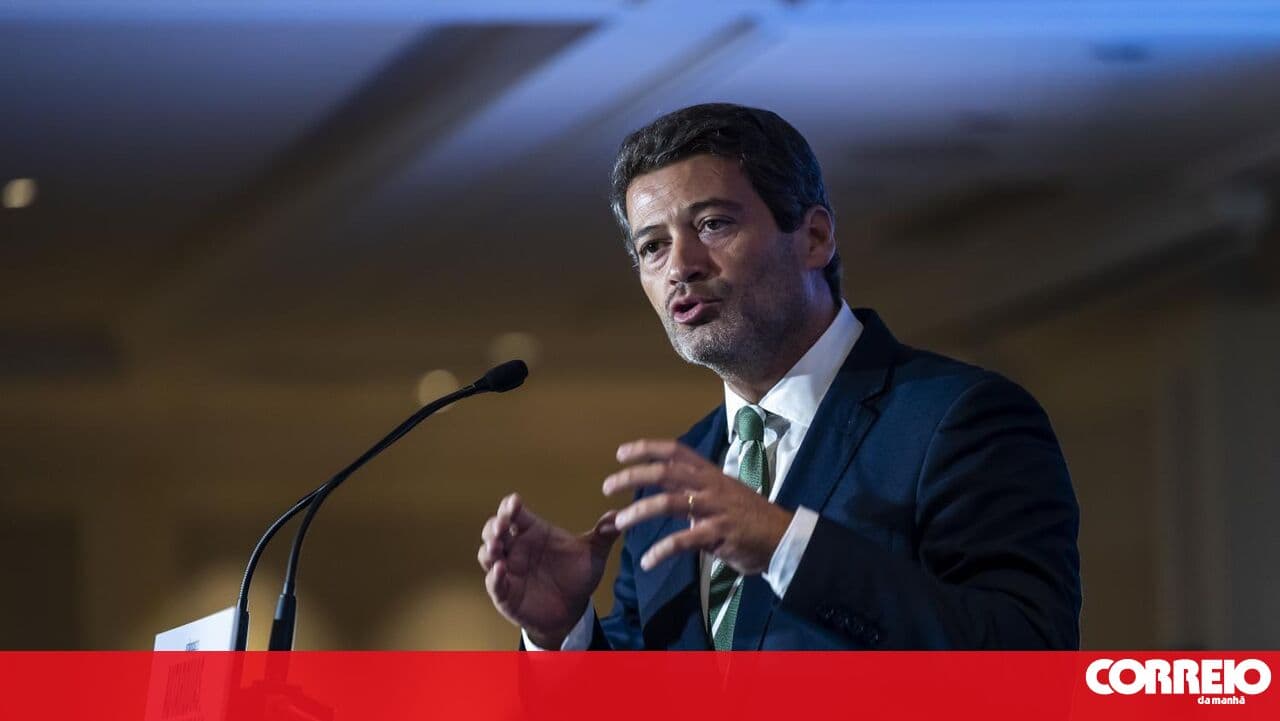
Chega leader André Ventura renewed his challenge to the PSD and its leader Luís Montenegro to declare whether they would back him or the Socialist candidate António José Seguro in a hypothetical presidential runoff. Ventura vowed that if he failed to reach the second round he would do “everything” to stop a Socialist from becoming President, framing the contest as a choice over what idea of the Republic should be represented in Belém and warning against a President who would, in his view, threaten the economy and individual freedoms. The statement increases pressure on the centre‑right to clarify alliances and highlights how the presidential race is being used to test party loyalties and shape broader political narratives ahead of national contests.

Presidential candidate André Pestana said Portugal should prioritise domestic social and environmental needs rather than increased defence spending, declaring he does not want “a single euro more for NATO”. He argues the fight should be against low wages and pensions, environmental degradation and the deterioration of public services, and proposes that funds currently transferred to private health providers be redirected into the National Health Service (SNS), claiming a large share of the state health budget is going to private companies.

At a campaign dinner in Lousã (Coimbra), presidential candidate Luís Marques Mendes presented a deliberate profile of a ‘firm but calm’ Presidency in Belém, arguing that steadiness and measured leadership are what the office requires. Positioning himself as a reassuring, experienced alternative, Mendes signalled an appeal to centrist and undecided voters and claimed he is in ‘pole position’ to reach the second round — an implicit campaign strategy to consolidate support ahead of a likely two‑stage contest. The remarks underscore a campaign focused on stability, competence and broadening appeal rather than polarising rhetoric.
Registrations for early voting in the presidential election on 18 January close this Thursday. Voters registered in the national territory who opt for early voting will cast their ballots on 11 January; registrations can be completed online at www.votoantecipado.pt or by sending a letter to the General Secretariat. The deadline is final, so eligible voters — including citizens abroad who qualify under the rules — should register now to ensure their participation. The short deadline raises potential administrative and turnout implications for campaign planning and electoral logistics.

An analytical examination of the makeshift coalition shaping the presidential race, focusing on the left’s manoeuvres around Miguel Santos Carrapatoso. The piece explores candidates who don’t fit the dominant blocs, withdrawals that remain tentative, and polling that currently favours Seguro, assessing the strategic, policy and electoral implications of these shifting alignments.

The 11-candidate presidential debate, held in two instalments across three topics, was overshadowed by a sustained personal clash between PSD’s Marques Mendes and independent candidate Henrique Gouveia e Melo. Mendes publicly rejected allegations of impropriety — insisting “I am not a facilitator of business deals” — and branded parts of the admiral’s conduct as “vulgarity,” a dispute that punctuated exchanges throughout the evening. Amid this confrontation, Jorge Pinto’s near withdrawal and his declaration that he would not stand in the way of a potential Seguro victory illustrated how interpersonal attacks and tactical moves risked eclipsing substantive policy debate.

Humberto Correia frames his presidential bid around his personal experience of poverty, presenting himself as a candidate who understands the everyday suffering of the Portuguese. He singles out the housing sector as a ‚disaster‘ and signals that addressing property, cost-of-living and related social stresses will be central to his campaign, positioning his lived experience as the basis for policy credibility.
Presidential candidate António Filipe says his left-wing bid has a legitimate ambition to contest the result and reach the second round, arguing voters should not choose candidates out of fear. He frames his campaign as a credible challenge with strategic implications for the race, appealing to supporters to vote on conviction rather than defensive calculations.
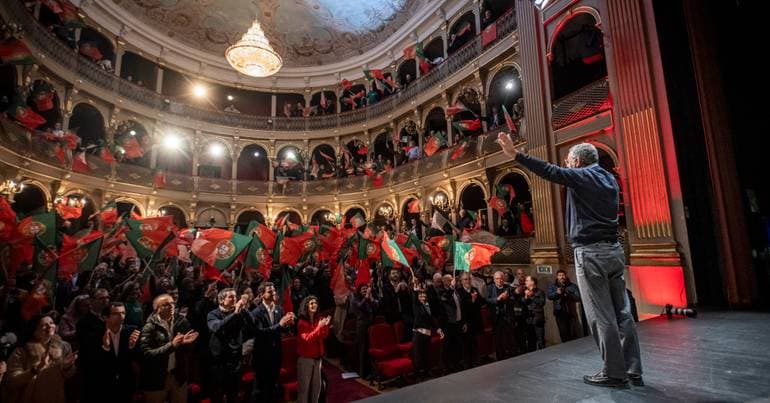
António José Seguro presented his honorary committee and national campaign team and will hold a rally in Leiria as he renewed an appeal for tactical voting. He warned that without strategic consolidation the left risks being excluded from the second round, portraying the moment as a 'point of no return', while PS figures such as José Luís Carneiro positioned Seguro as a potential swing vote. The report also explains the concept of tactical voting in the first round and notes Seguro's pledge to occupy the presidency with dignity and without political theatre.

Applications for advance (early) voting in the presidential election are now open. Allowing voters to request advance voting is likely to improve accessibility and convenience—potentially raising turnout among busy voters and expatriates—but also places new demands on election administration. Clear communications on eligibility, registration deadlines and verification procedures, plus monitoring of uptake and administrative capacity, will be important to assess the policy’s effectiveness and integrity.