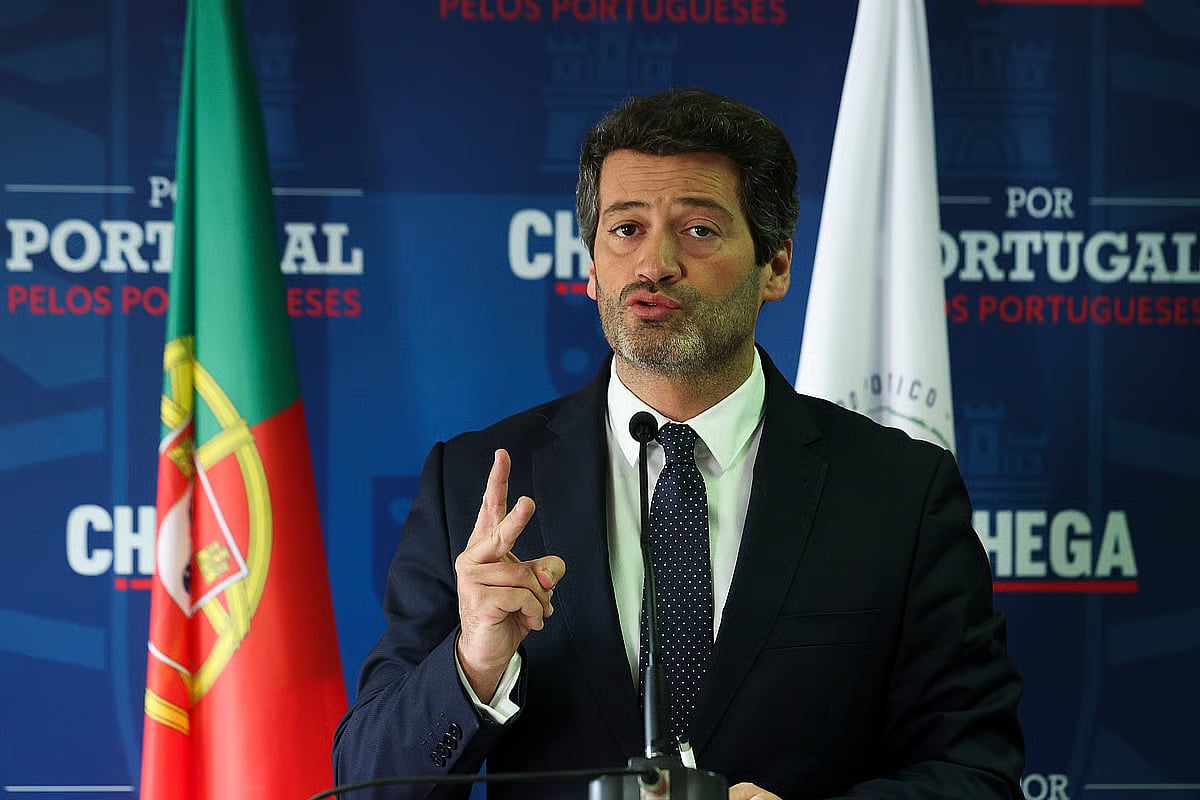
With 11 candidates on the ballot, Portugal’s presidential contest has narrowed to a rare second round on 8 February between António José Seguro and André Ventura. The shape of the runoff will be driven by two things: the distribution of votes from the first round and the endorsements — formal and informal — that shift centre, left and right voters. Parties and figures on the left will weigh tactical appeals to prevent a far‑right victory, while some centre‑right actors face taboos about endorsing Ventura and may prefer abstention or ambiguous signals. The analysis examines likely endorsement patterns, voter transferability, campaign messaging, and scenarios that could determine whether the contest consolidates around a moderate alternative or legitimises a hard‑right presidency with broader consequences for Portuguese politics.
Update: A new piece underscores the same binary focus but adds procedural context: the second ballot shortens electoral timelines up to 8 February, compressing campaigning and decision windows for endorsements and tactical voting. Crucially, the electoral rules preserve early voting despite the accelerated schedule, meaning mobilising early voters and communicating endorsement signals quickly will be decisive. The article reiterates that tracking first‑round vote transfers and the public and private signals from centre and centre‑right figures — including abstention or soft endorsements — will shape whether the runoff consolidates around Seguro or hands legitimacy to Ventura.