Latest news and stories about economic activity in government in Portugal for expats and residents.
The European Union's anti-coercion instrument, which French President Emmanuel Macron will ask to be activated today if Donald Trump's threats of additional customs tariffs are carried out, was adopted in June 2023 but has never been used.
The first tranche of Defence loans from the European Commission is expected to arrive in Portugal in March. The European Council still needs to give the green light, but overall the country could access €5.8 billion.
The agreement will eliminate billions of euros in customs duties, open up public procurement markets and give businesses the predictability to plan, expand and invest. Opinion piece by Ursula von der Leyen

The association says the protocol will reduce trade barriers and increase competitiveness. Also in this bulletin, the country will go to the polls this Sunday to choose the next President of the Republic.

She says she is “grateful and hopeful that diplomacy and alliances will prevail.” Meanwhile, the European Union has called an emergency meeting for this Sunday in response to US tariffs.

The Draghi Report's ambitions force Europe to confront uncomfortable realities: it is falling significantly behind global competitors. The analysis argues that the ‘race’ has been underway for years and that closing the gap requires urgent, active policy choices — including structural reforms, targeted investment and a renewed focus on competitiveness across the single market.

The Committee of Permanent Representatives of the European Union's member states has been convened for an extraordinary meeting this Sunday.
AIP views the agreement signed today as a way of reducing trade barriers and reinforcing European competitiveness. Meanwhile, hundreds of protesters are heading to the World Economic Forum in Davos.

EU lawmakers say a proposed EU–US trade pact—intended to shield European exporters from heavy duties—is effectively on hold after the US announced tariffs on eight European countries in response to their opposition to Washington’s actions regarding Greenland. EU ambassadors have been summoned to an extraordinary meeting to discuss the diplomatic fallout and next steps, underscoring how escalating US threats risk derailing broader trade cooperation and raising the prospect of a wider economic and political rift.
The Portuguese Industrial Association says the agreement signed this Saturday strengthens the European Union's external standing and could open a new cycle of growth and competitiveness for the national industry.

The agreement was finalised in Asunción, Paraguay, after 25 years of negotiations, in the presence of Ursula von der Leyen and António Costa.
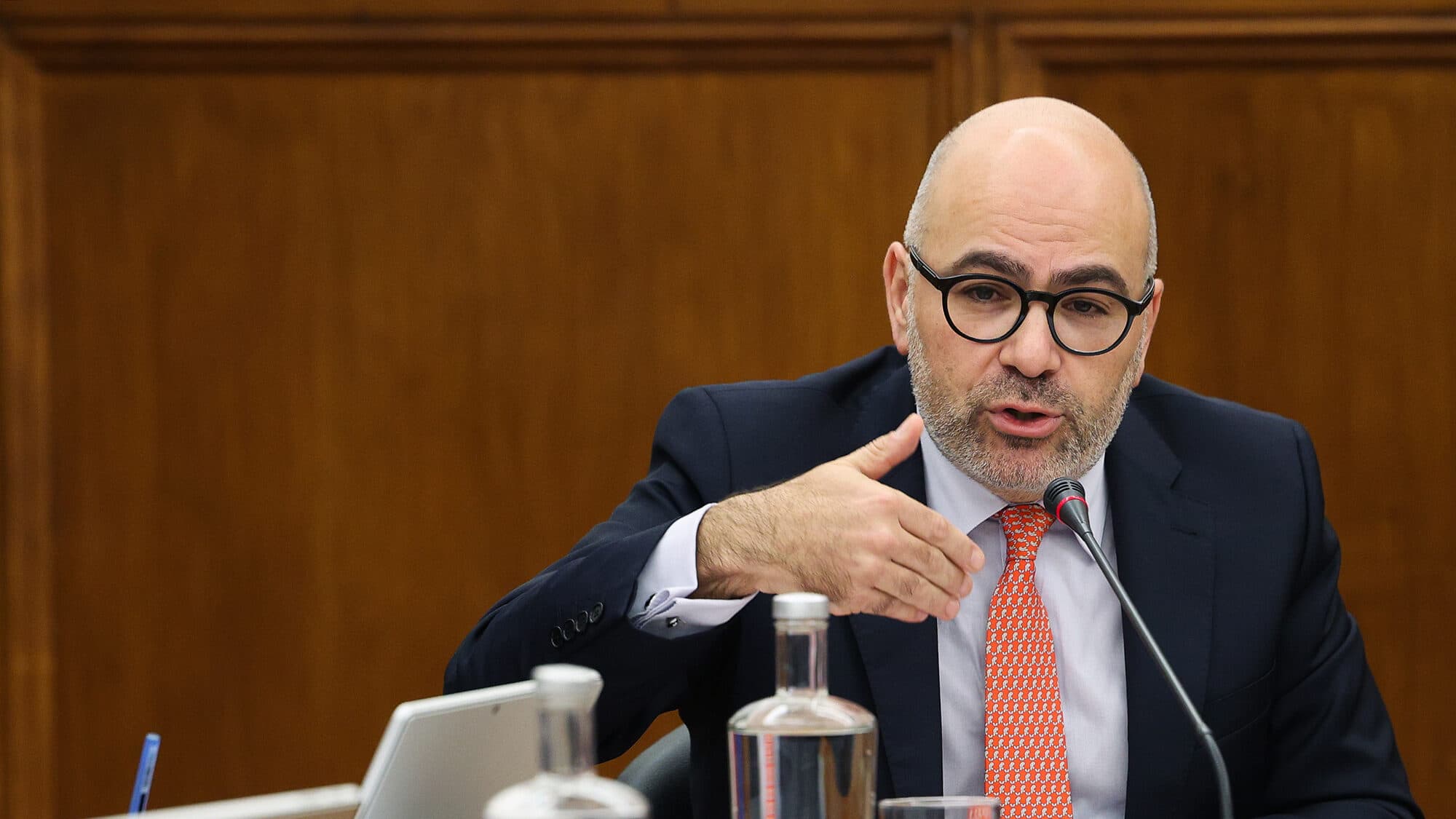
The Portuguese Business Confederation (CIP) says the deal with Mercosur will bring benefits for Portugal, in particular through access to and opportunities in the Brazilian market.
Economist Filipe Grilo explains that the EU–Mercosur agreement is expected to start producing economic effects only from October, after several stages of ratification. Portugal could benefit from exports of wine, olive oil and aeronautical components, although some European agricultural sectors will face increased competition.

Saudi businesspeople will visit the Lisbon and Porto regions next week for meetings with government officials, local authorities, associations and companies.

The signing of this agreement marks a turning point in the European Union's foreign policy. It is not merely a trade partnership concluded after more than 25 years of advances and setbacks; it is a strategic assertion by the Union in a rapidly changing world.
Economist António Nogueira Leite says the agreement with Mercosur means “a trade gain that will benefit both areas” and that the EU “gains access to a market with growth potential”.

CIP says the agreement opens “great prospects for economic growth.” Also, the Patriarch of Lisbon says that the increase in foreigners does not undermine the Christian character of Portuguese society.

The signing of the agreement opens the door to the world’s largest free-trade area, covering more than 700 million consumers. Negotiations began 25 years ago. There are still constraints in the health sector.

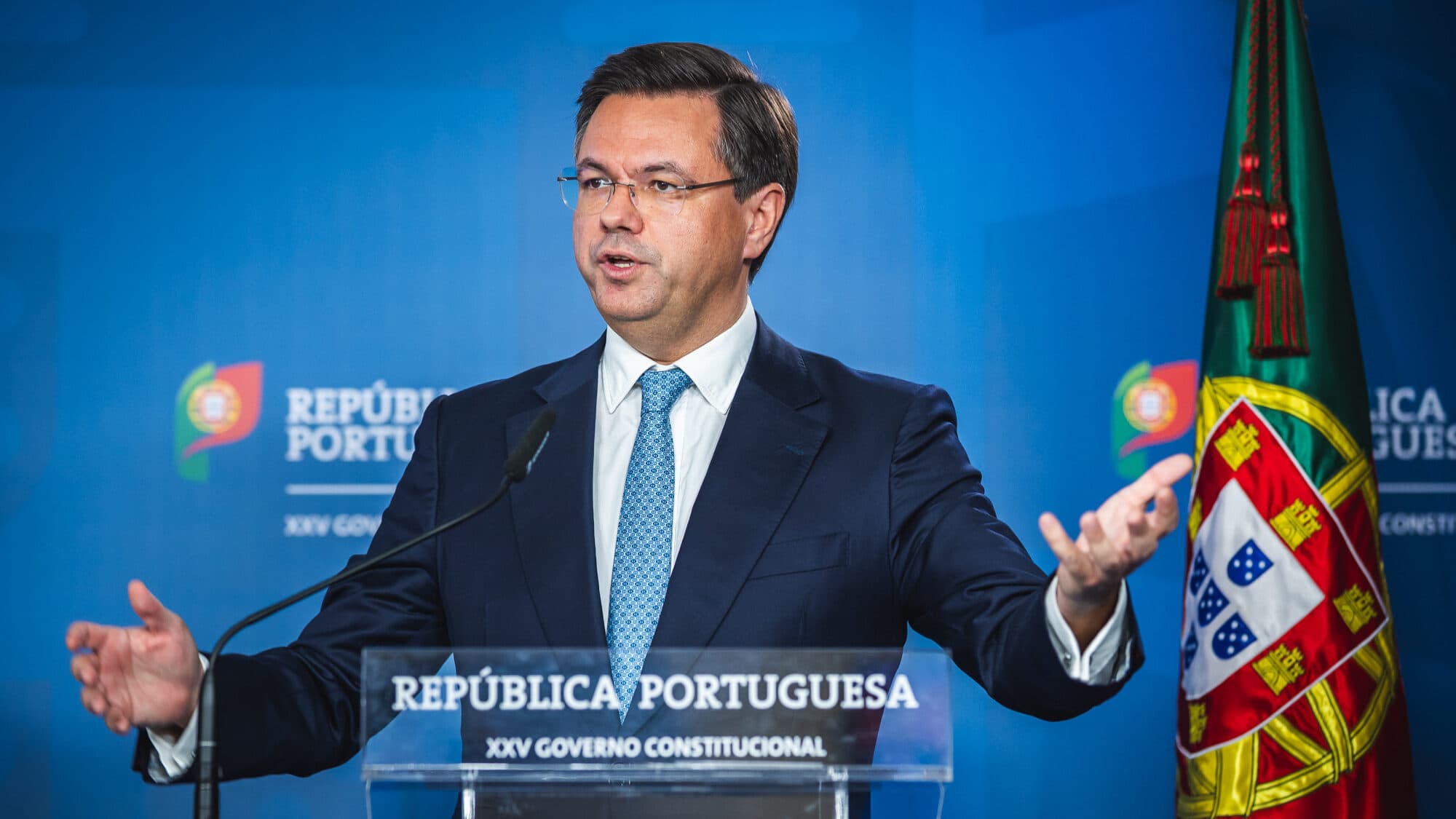
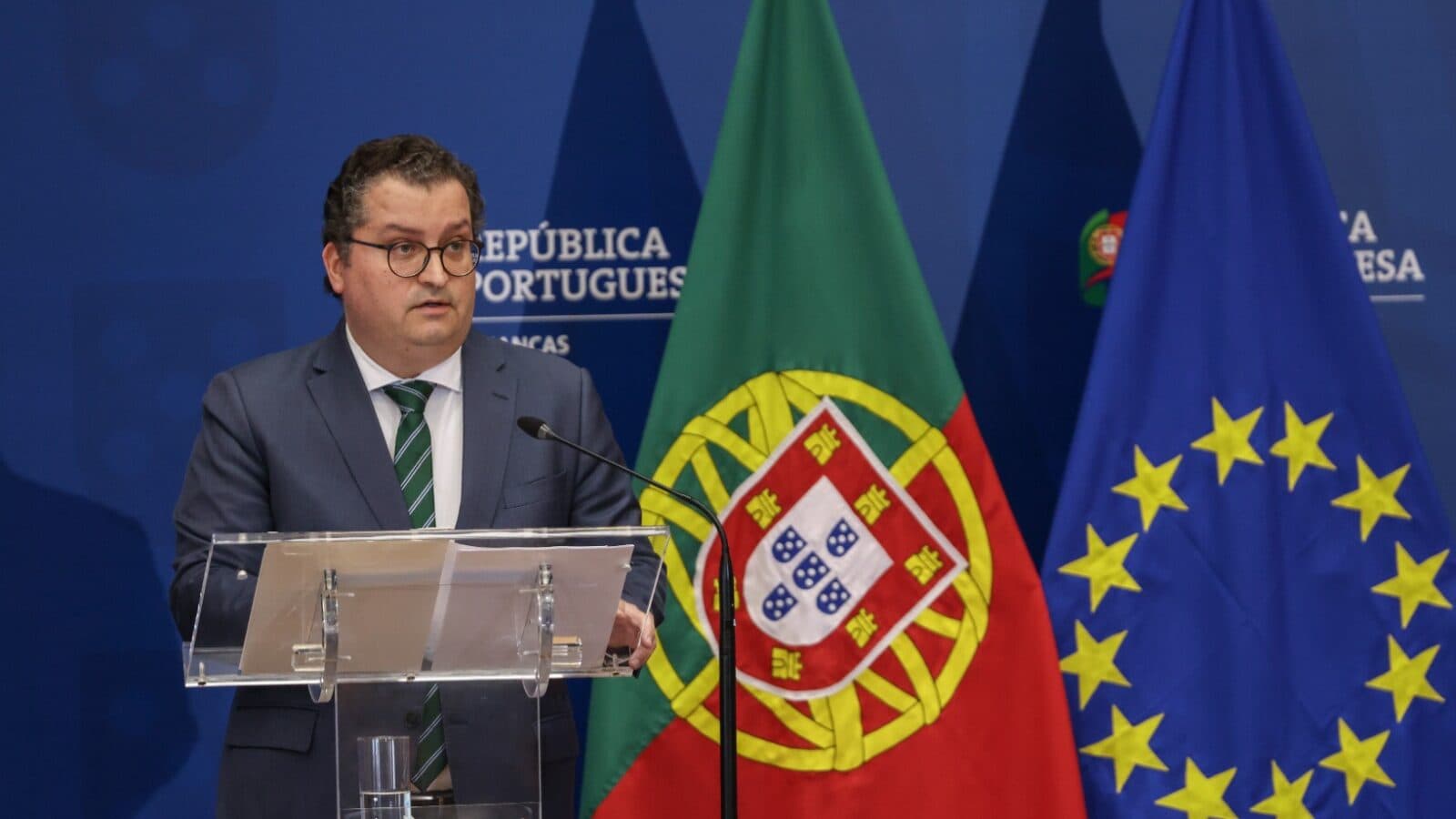
The Finance Minister will be at next week's annual meeting of the World Economic Forum in Davos, and will use the presence of policymakers and investors to 'sell' the progress the national economy has made in recent years. In remarks to ECO, Joaquim Miranda Sarmento highlights this year's event theme, ...

Portugal faces a mixed outcome from the EU–Mercosur trade agreement. Export-oriented sectors such as wine, olive oil and cheese see expanded market access to Argentina, Brazil, Paraguay and Uruguay as growth opportunities, while domestic meat and rice producers fear increased competition, downward price pressure and quota-driven market disruption. The deal thus creates winners and losers within Portugal’s agricultural and food industries, highlighting the need for safeguards, support measures and sectoral adaptation strategies.
Update: The trade agreement between the European Union and Mercosur is due to be signed this Saturday. The impending signature has intensified debate in Portugal: wine, olive oil and cheese sectors are positioning to capture growth in the four South American markets, while meat and rice producers renew warnings about heightened competition, downward price pressure and quota effects. Stakeholders are pressing for concrete safeguards, transitional support and clear implementation timetables to mitigate adjustment costs and protect sensitive domestic producers.

easyJet views the planned privatisation of TAP as a strategic opening to expand its presence in Lisbon and across Portugal. With the airline operating 96 routes to and from Portuguese airports in 2025, easyJet could deepen low-cost connectivity, increase frequencies on key city-pairs and compete more directly with a newly structured national carrier. The shift promises greater competition, potential downward pressure on fares and improved network connectivity, but also raises questions about airport slot availability, regulatory oversight and how market dynamics will affect legacy and low-cost carriers alike.

The Government said it is aware of contextual, geopolitical and structural risks to meeting the milestones and targets of the Recovery and Resilience Plan (Plano de Recuperação e Resiliência or PRR) but insisted it remains politically committed to mitigating those risks. Officials framed the challenges as linked to complexity rather than a lack of will, and said they will work to keep projects on track. Taxpayers and recipients of PRR-funded services should note the risk of delays or slower roll-out of projects tied to the plan.
The Recovery and Resilience Plan (Plano de Recuperação e Resiliência) is Portugal's national programme under the EU's NextGenerationEU to fund reforms and investments after COVID‑19; the plan includes roughly €16.6 billion in grants plus about €2.7 billion in loans approved in 2021. Payments are tied to specific milestones and targets — which the government said it is politically committed to meet — so missed milestones can delay projects and funding that affect public works, contractors and local services.

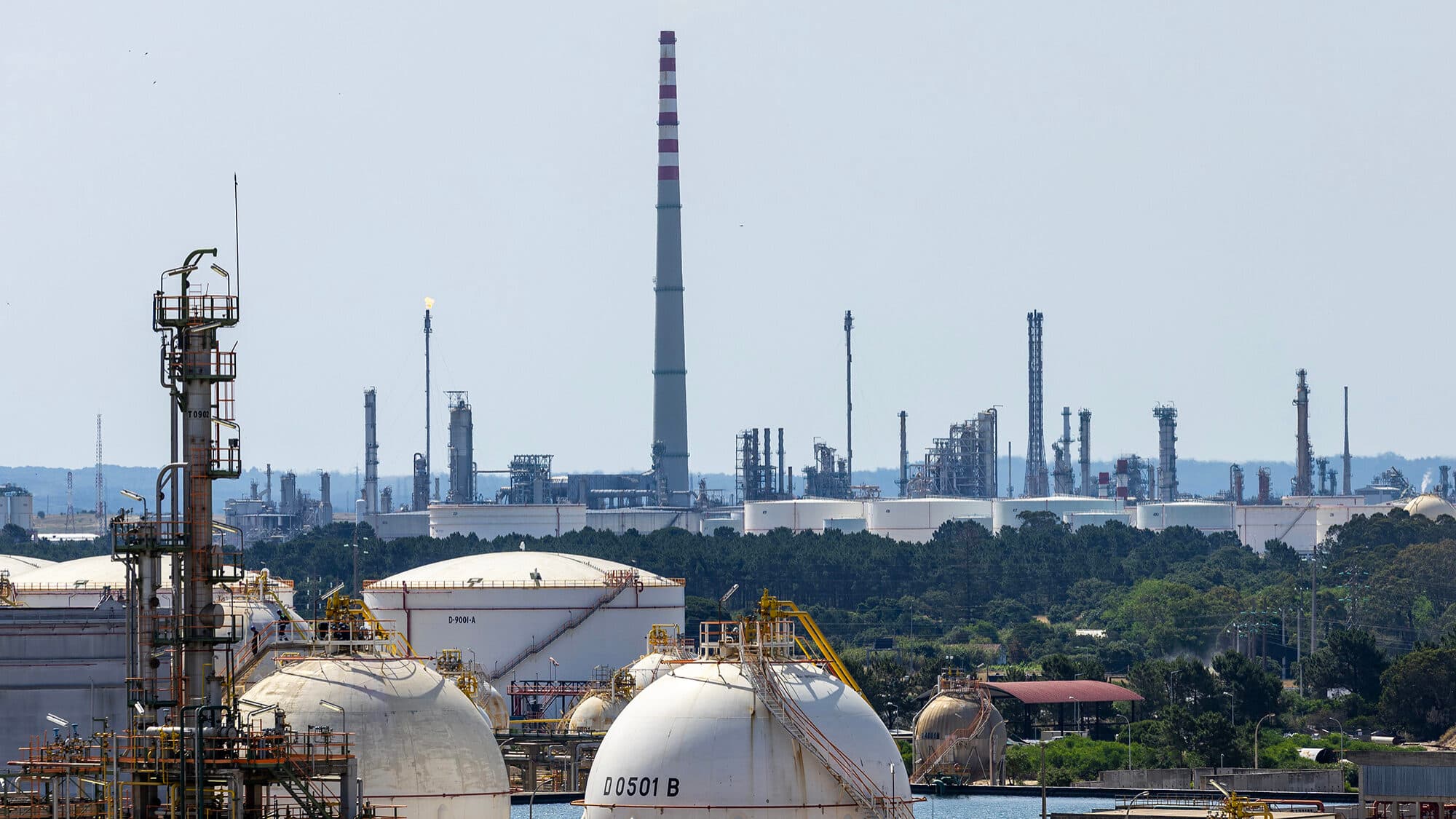
Reporting says the Government is monitoring negotiations between Galp and Spain’s Moeve on a deal that would combine parts of their assets and create two new platforms, with ministers stressing strategic energy assets and national energy sovereignty are at stake. Officials are watching to ensure any transaction protects critical infrastructure and interests. Entrepreneurs and energy-sector observers should be aware that a deal could affect local supply chains, jobs and investment decisions in the coming months.
Galp is Portugal’s integrated energy company operating in fuel, natural gas, electricity retail, refining and upstream activities, and it supplies households and businesses across the country. For expats, issues at Galp—such as recent billing disruptions—can mean unexpected large utility bills or service problems, so check your account, contact the supplier and keep billing records.
Moeve is a Spanish energy company that, as of January 2026, has been in talks with Portugal's Galp about combining parts of their assets and creating two new business platforms; the Portuguese government says it is monitoring the negotiations because the transaction could involve strategic assets tied to national energy sovereignty. People watching energy supply, regulation or prices should note that large cross‑border asset reorganisations can change ownership, investment decisions and regulatory oversight.

The European Commission confirmed that President Ursula von der Leyen will sign the EU–Mercosur free trade agreement on Saturday 17 January, after the EU approved advancement of the deal despite objections from France, Hungary and Poland. Supporters argue the pact will boost exports and deepen ties with South America, while farmers and some domestic political actors warn of negative impacts on agriculture and standards. The move has been framed by some commentators as a rare act of multilateral diplomacy amid broader geopolitical tensions.

European Commission President Ursula von der Leyen will travel to New Delhi at the end of January for the EU–India summit with the explicit aim of finalising a long‑sought EU–India trade agreement. Having concluded the Mercosur talks, von der Leyen says the Commission is working intensively to wrap up negotiations, a move with significant economic and geopolitical implications for EU trade policy and relations with India.

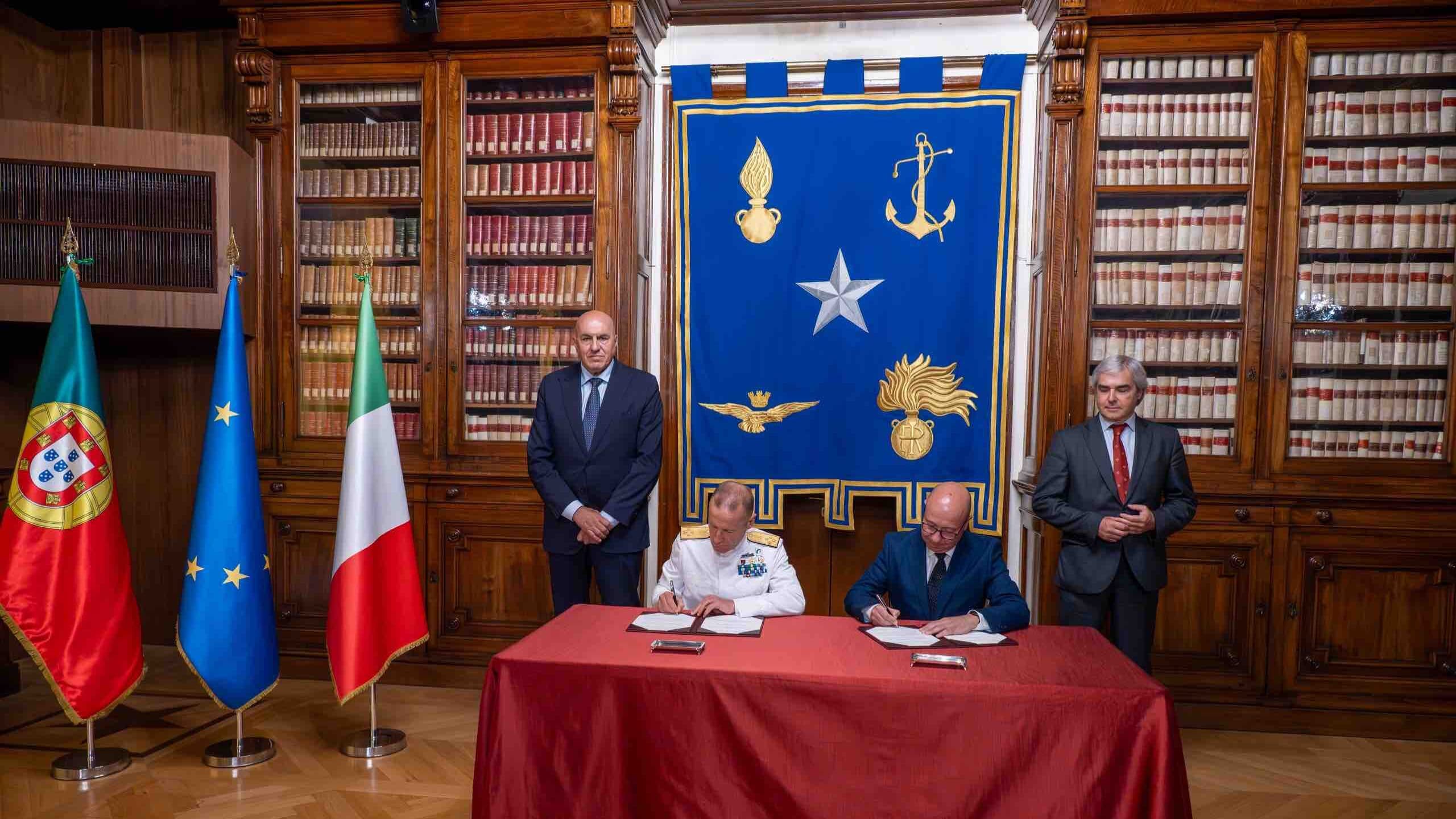
The article analyses a surge in national defence innovation driven by a €5.8 billion SAFE loan—the largest single investment in the Armed Forces—positioning defence as a strategic area for both European and national investors. Key growth areas include drones, satellites and aircraft, with emphasis on R&D, dual‑use technologies and strengthened aerospace supply chains that can create jobs and boost exports. The piece examines how procurement reform, public‑private partnerships and targeted skills development are needed to translate investment into sustained industrial capacity and economic impact. It concludes that coherent policy and sustained funding will be essential to maximise technological and economic returns.