The General Confederation of Portuguese Workers (CGTP) called for a national demonstration in Lisbon on April 17 this Wednesday. According to RTP, the announcement was made by the CGTP National Council, and the protest demands a 'general and significant increase in wages and pensions', in addition to opposing the 'increase in the cost of living'.
The war in the Middle East and the resulting energy crisis are topics that will be at the centre of the fortnightly debate. It is expected that changes to labour law will also be addressed by the opposition in the Assembly of the Republic.
On the day of the fortnightly debate with Luís Montenegro, the central theme is expected to be the consequences of the war on the Portuguese economy. On the same day, the head of state receives the PSD, PS, IL, and Livre parties at Belém.
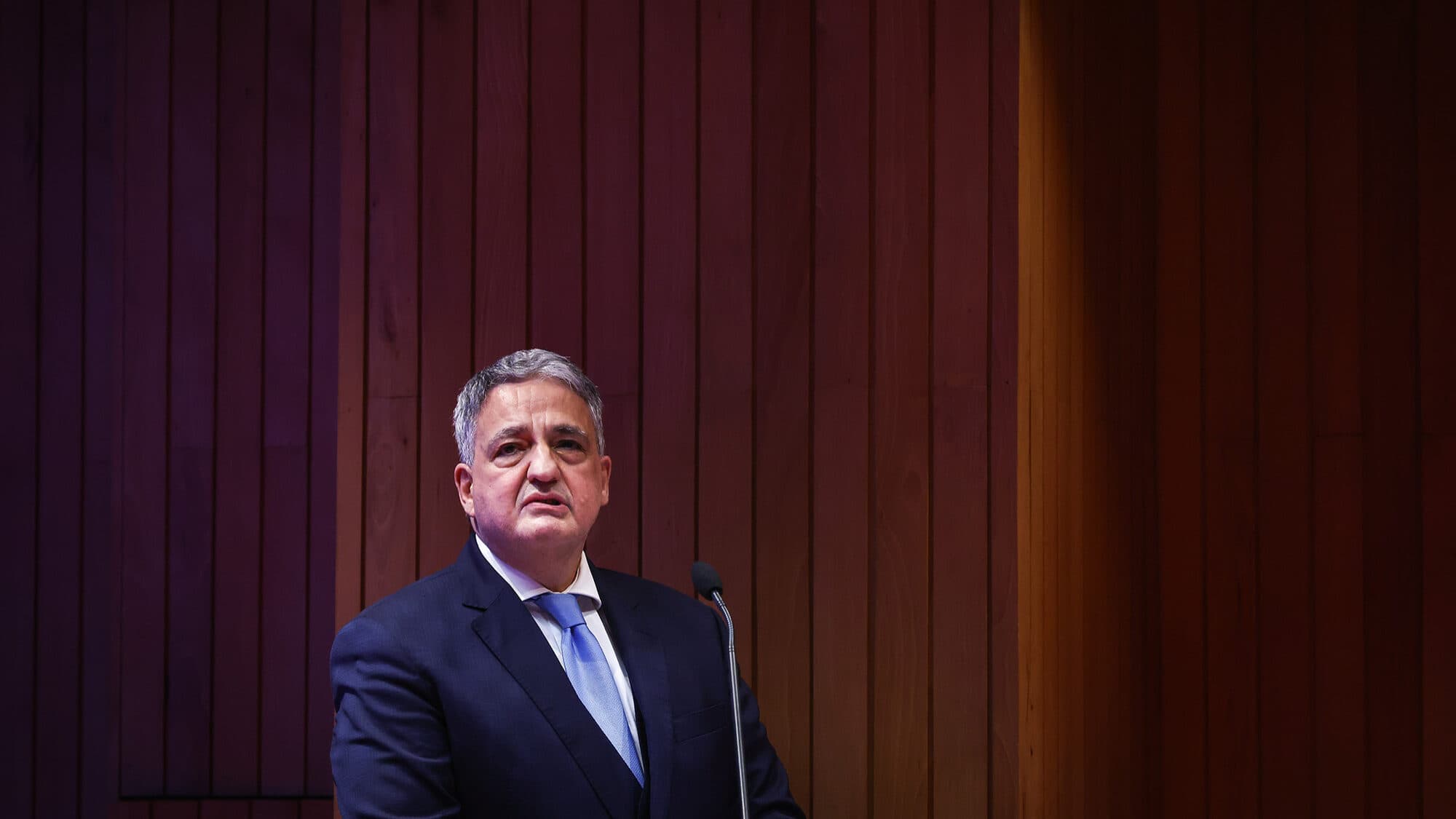
Mário Centeno was a few months away from meeting one of the criteria that would have allowed him to request a 'normal' retirement at the Banco de Portugal, but the process was accelerated by the institution itself after it presented him with a proposal with immediate effect, as first reported by ECO. This meant that, instead of...
The Minister of Finance stated that companies should take a leading role in the digital transition and highlighted that, despite adversities, they have managed to generate opportunities.
The implementation of Mário Draghi's recommendations remains slow, limiting investment, productivity, growth, and employment in Europe, according to the Reform Barometer by BusinessEurope, the largest European business confederation, of which the CIP–Confederation of Portuguese Business is a member. 'Only about 11% of the recommendations presented by Draghi in September 2024 have been implemented to date,' says Rafael Alves Rocha, Director-General of the CIP, in a statement. This situation leads the organization to assert that 'political messages in defence of competitiveness are not enough; urgent measures are needed to clearly and immediately alleviate the burden on companies.' The topic will be debated at the conference 'European Competitiveness 18 months after the Draghi Report,' taking place tomorrow (March 17) at the Bank of Portugal's Money Museum in Lisbon. The event, organized with the support of the CIP, will feature the participation of the Assistant Secretary of State and Budget, João Maria Brandão de Brito. The debate will focus on the most urgent challenges for European growth, with contributions from officials from the Bank of Portugal, BusinessEurope, academia, financial institutions, and the CIP. Economists and representatives from the business sector are also expected to attend. The 2026 edition of the Reform Barometer, one of the main European publications dedicated to analyzing economic reforms and EU competitiveness, will be on the table, the statement says. This study is published annually and analyzes the performance of European economies in areas such as public finance, business environment, innovation and skills, access to finance, taxation, financial stability, and the labor market. In this edition, the barometer reveals that nearly 60% of national confederations, members of BusinessEurope, have a more favorable opinion of the European Commission's competitiveness and growth agenda than a year ago. However, only 19% of respondents point to an improvement in the EU's investment environment, while more than half see no change. About a third state that conditions have worsened. The conference program includes debates on the state of EU competitiveness in a context of increasing global competition, the next Multiannual Financial Framework and the role of cohesion policy in supporting investment, and the development of the Savings and Investments Union. Navigator heads towards the future with bets on tissue paper and coffee capsules; footwear sector invests 50 million to position itself as a supplier to the European military sector.
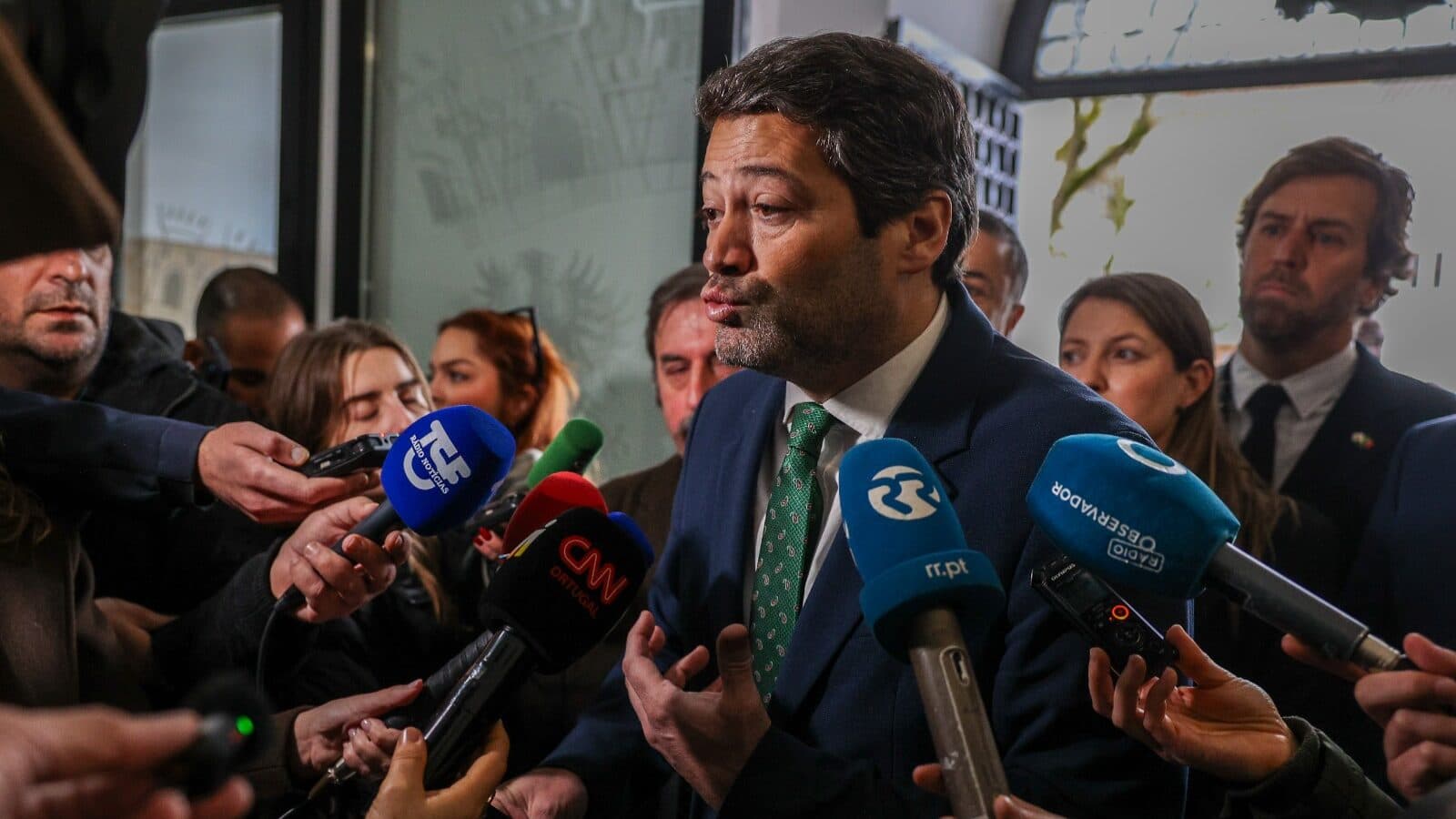
The Chega party is calling the Governor of the Bank of Portugal to Parliament to explain Mário Centeno's retirement, which party leader André Ventura described as having “scandalous benefits” and being the result of a “hidden agreement.” Ventura criticised the arrangement, which allows the former governor to retire at 59 with a pension nearly equal to his previous monthly salary of 17,000 to 20,000 euros, calling it an “absolute immorality” while the general public is expected to work until 67. Additionally, Ventura addressed recent criticism regarding the party's presence at the Futurália education fair, denouncing what he termed an “attempt at censorship” by academic institutions that opposed the party's participation.
Paulo Raimundo (PCP) and José Manuel Pureza (Bloco de Esquerda) called for the government to regulate and cap prices on essential goods, fuel, and banking fees during a demonstration in Lisbon. The protest, organized by the Portuguese Council for Peace and Cooperation, also condemned the actions of the US and Israel against Iran, with both political leaders criticizing the Portuguese government's alignment with these international policies and its failure to tax the 'obscene profits' of large corporations during the current inflationary crisis.
Mário Centeno signed an agreement with Banco de Portugal this week to retire. After a 35-year career at the institution, the former governor accepted a retirement proposal initiated by the bank, now led by Álvaro Santos Pereira. Centeno served as governor of Banco de Portugal from 2020 to 2025 and was currently working as a consultant for the institution with a gross monthly salary of nearly 17,000 euros. For now, the former governor will focus on teaching; according to the digital newspaper Eco, he will spend the next three weeks as a visiting professor at the University of Miami before returning to ISEG. Mário Centeno, who served as Minister of Finance from 2015 to 2020, was a candidate for the vice-presidency of the ECB but withdrew in January due to a lack of sufficient support. The position was ultimately filled by the Croatian Boris Vujčić. Meanwhile, direct elections for the Socialist Party (PS) conclude this Saturday with Carneiro's re-election guaranteed, and Deco advises families to adopt a more strategic approach to budget management.
The Common Front holds the Minister of Finance responsible for the demonstration, as they have been waiting for over a month for a response from the government regarding a request for interim negotiations.
Under the theme of adapting, innovating, and leading, the Banking on Change conference brought several discussion panels to the Belém Cultural Centre (CCB) regarding the challenges and opportunities for the banking sector. The initiative featured an opening speech by the Minister of Finance, Joaquim Miranda Sarmento. Among the guest speakers were also...
On the day that the Treasury and Public Debt Management Agency (IGCP) holds two Treasury Bond (OT) auctions, the CCB hosts the 'Banking on Change' conference, an initiative by the ECO newspaper and KPMG, which features an address by the Minister of Finance. Also locally, Mota-Engil...
The webpage provides a broad overview of current political, economic, and social news related to Portugal. Key highlights include President José António Seguro's recent inauguration, emphasizing national unity and inclusivity, with his activities beginning in Mourisia. The economic section covers statements from ECB President Christine Lagarde on inflation control and ongoing labor negotiations, where employers show willingness to resume talks, though unions remain cautious. Additionally, there are updates on Portugal's participation in international events, such as the Michelin Gala and the Euromillions lottery results. Other notable topics include Portugal's record rainfall in February, the ongoing Marquês trial, and Portugal's engagement in global issues like the Ukraine conflict and EU-Israel relations.
Executives from major Portuguese banks stated on Tuesday, the 10th, that the sector is prepared for shocks resulting from the war in Iran, citing recent experiences and increased institutional resilience. Leaders from Caixa Geral de Depósitos, Millennium BCP, Santander, BPI, Crédito Agrícola, and Montepio emphasized the importance of risk management, capital liquidity, and adaptability in the face of global volatility, energy price hikes, and potential disruptions to the Strait of Hormuz.
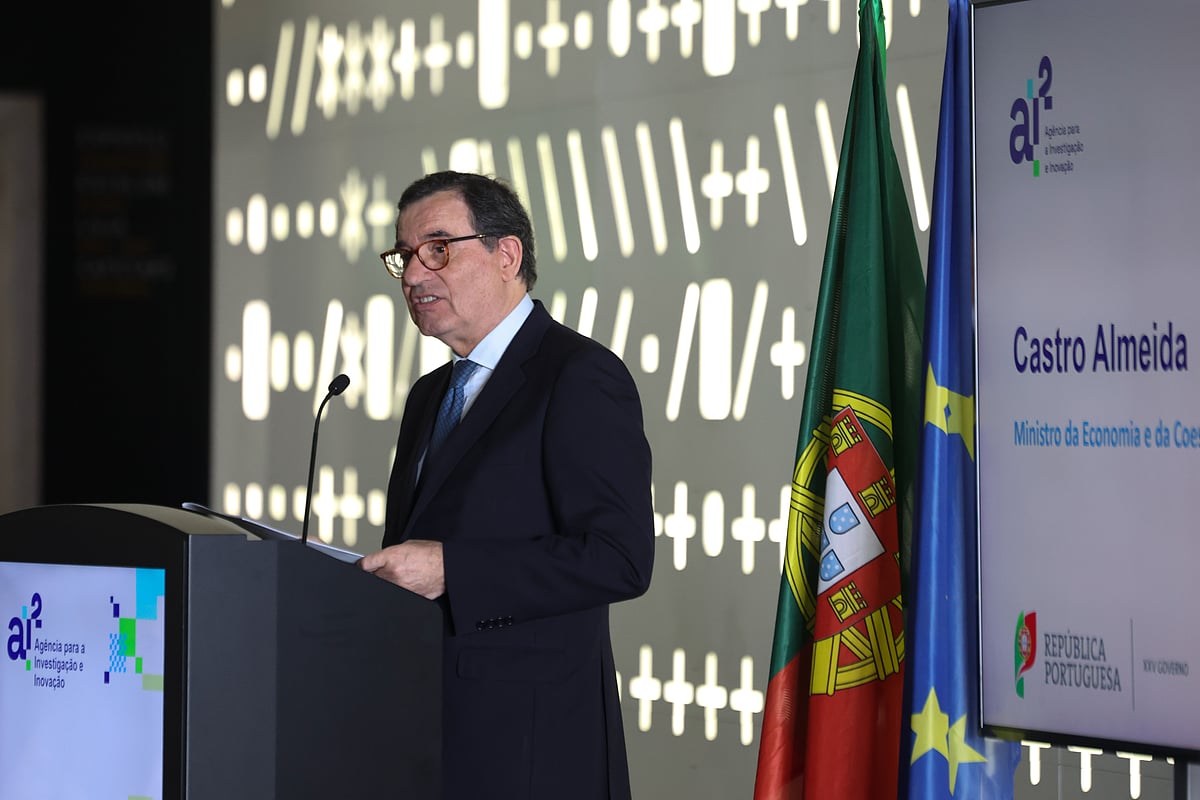
The Minister of Economy stated this Tuesday, March 10, that the lack of an agreement on labour legislation is not due to a lack of will from the Government, which “intensely wants” a consensus. Manuel Castro Almeida noted that the Government has been eager to reach an agreement, speaking on the sidelines of the Banca 2026 Forum in Lisbon. When asked if the law will proceed without a consensus in the Social Concertation, the minister replied, “We shall see.” Meanwhile, the CIP and CCP have confirmed that negotiations have ended without an agreement, leaving the next steps to the Government, which may now submit the “Trabalho XXI” reform proposal to the Assembly of the Republic.
The Mozambican President was in Lisbon for the inauguration of Seguro. He left with promises of visits and the ambition to expand the financing agreed upon in December.
The president of Chega deemed the extraordinary discount of 3.55 cents per litre on the ISP for road diesel insufficient and accused the Prime Minister of making misleading statements about an ISP discount in the last biweekly debate.
The Prime Minister admits that “the execution deadlines” of projects agreed upon in summit agreements “are not always desirable”, but states that, in the case of trains, the works are progressing.
An association led by Elisa Ferreira, Miguel Cadilhe, Carlos Tavares, and Fontaínhas Fernandes denounces the “concentration” of investment in Lisbon, which contradicts the principles of cohesion and decentralisation.
Portugal is seeking to enhance its appeal to Middle Eastern investors, particularly from Qatar, by shifting its marketing strategy beyond just its favorable climate. In Doha, representatives from Startup Portugal are engaging with local entrepreneurs to promote investment opportunities in the country.
Moedas has secured an absolute majority with former Chega members, raising questions about the implications for Lisbon's political landscape and whether this shift marks the end of certain political red lines.
easyJet views the planned privatisation of TAP as a strategic opening to expand its presence in Lisbon and across Portugal. With the airline operating 96 routes to and from Portuguese airports in 2025, easyJet could deepen low-cost connectivity, increase frequencies on key city-pairs and compete more directly with a newly structured national carrier. The shift promises greater competition, potential downward pressure on fares and improved network connectivity, but also raises questions about airport slot availability, regulatory oversight and how market dynamics will affect legacy and low-cost carriers alike.