This Wednesday will be a significant day in the political landscape of Portugal. The President of the Republic, António José Seguro, will receive the PSD, PS, IL, and Livre in Belém during the morning as part of the 'start of mandate consultations', with hearings for the remaining parties with parliamentary seats scheduled for Thursday. In the afternoon, the Prime Minister will be...
The war in the Middle East and the resulting energy crisis are topics that will be at the centre of the fortnightly debate. It is expected that changes to labour law will also be addressed by the opposition in the Assembly of the Republic.
On the day of the fortnightly debate with Luís Montenegro, the central theme is expected to be the consequences of the war on the Portuguese economy. On the same day, the head of state receives the PSD, PS, IL, and Livre parties at Belém.
With monthly losses, Vibe will close at the end of the month. The location, the menu, and the economic crisis are some of the factors pointed out by the Italian chef for the closure. His future lies in Lisbon.
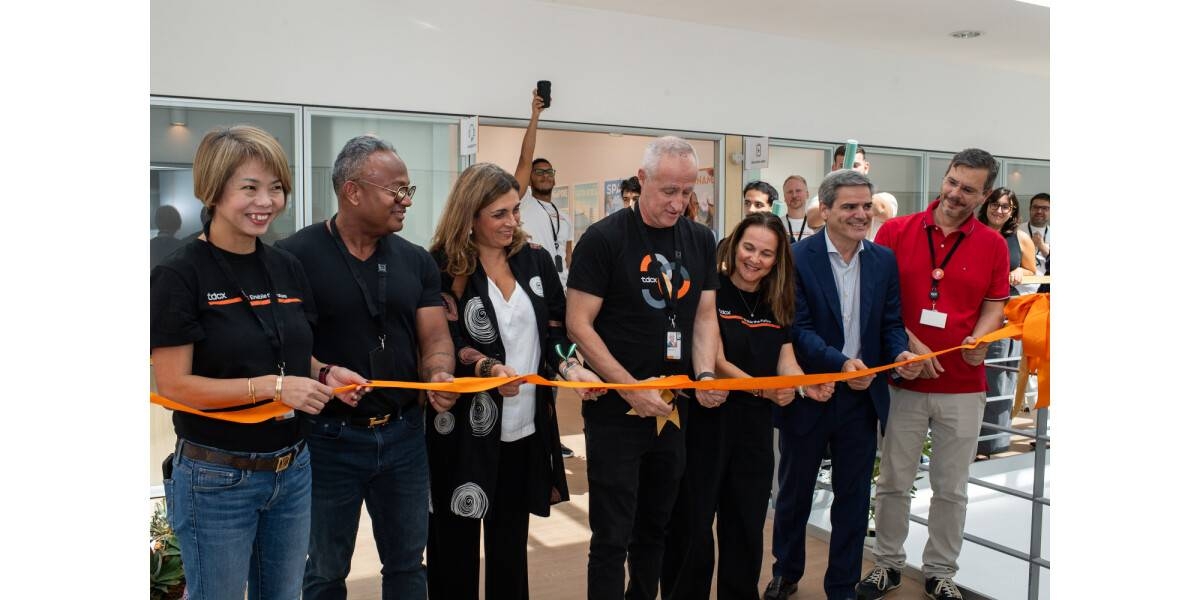
Conservatism and lower investment capacity are driving a slower adoption of artificial intelligence in Portugal. This was one of the conclusions of the first 'Future in Action: Learning from Top Performers' meeting, promoted by NTT Data with Expresso as media partner, which took place this morning in Lisbon.
Room00 Next Gen Hospitality plans to invest between 330 and 420 million euros in 20 new hotels across Portugal, Spain, Italy, and the UK by 2026. Portugal is a key growth market, with 60 to 80 million euros earmarked for three new properties in Lisbon and Porto, adding 217 rooms. The expansion is backed by a 400 million euro funding round led by King Street, focusing on acquiring and repositioning urban hotel assets to cater to Gen Y and Gen Z travellers.
Mário Centeno was a few months away from meeting one of the criteria that would have allowed him to request a 'normal' retirement at the Banco de Portugal, but the process was accelerated by the institution itself after it presented him with a proposal with immediate effect, as first reported by ECO. This meant that, instead of...
The Minister of Finance stated that companies should take a leading role in the digital transition and highlighted that, despite adversities, they have managed to generate opportunities.
The implementation of Mário Draghi's recommendations remains slow, limiting investment, productivity, growth, and employment in Europe, according to the Reform Barometer by BusinessEurope, the largest European business confederation, of which the CIP–Confederation of Portuguese Business is a member. 'Only about 11% of the recommendations presented by Draghi in September 2024 have been implemented to date,' says Rafael Alves Rocha, Director-General of the CIP, in a statement. This situation leads the organization to assert that 'political messages in defence of competitiveness are not enough; urgent measures are needed to clearly and immediately alleviate the burden on companies.' The topic will be debated at the conference 'European Competitiveness 18 months after the Draghi Report,' taking place tomorrow (March 17) at the Bank of Portugal's Money Museum in Lisbon. The event, organized with the support of the CIP, will feature the participation of the Assistant Secretary of State and Budget, João Maria Brandão de Brito. The debate will focus on the most urgent challenges for European growth, with contributions from officials from the Bank of Portugal, BusinessEurope, academia, financial institutions, and the CIP. Economists and representatives from the business sector are also expected to attend. The 2026 edition of the Reform Barometer, one of the main European publications dedicated to analyzing economic reforms and EU competitiveness, will be on the table, the statement says. This study is published annually and analyzes the performance of European economies in areas such as public finance, business environment, innovation and skills, access to finance, taxation, financial stability, and the labor market. In this edition, the barometer reveals that nearly 60% of national confederations, members of BusinessEurope, have a more favorable opinion of the European Commission's competitiveness and growth agenda than a year ago. However, only 19% of respondents point to an improvement in the EU's investment environment, while more than half see no change. About a third state that conditions have worsened. The conference program includes debates on the state of EU competitiveness in a context of increasing global competition, the next Multiannual Financial Framework and the role of cohesion policy in supporting investment, and the development of the Savings and Investments Union. Navigator heads towards the future with bets on tissue paper and coffee capsules; footwear sector invests 50 million to position itself as a supplier to the European military sector.
The Chega party is calling the Governor of the Bank of Portugal to Parliament to explain Mário Centeno's retirement, which party leader André Ventura described as having “scandalous benefits” and being the result of a “hidden agreement.” Ventura criticised the arrangement, which allows the former governor to retire at 59 with a pension nearly equal to his previous monthly salary of 17,000 to 20,000 euros, calling it an “absolute immorality” while the general public is expected to work until 67. Additionally, Ventura addressed recent criticism regarding the party's presence at the Futurália education fair, denouncing what he termed an “attempt at censorship” by academic institutions that opposed the party's participation.
The article highlights that Infraestruturas de Portugal has resolved over 90% of road closures across the country. Additionally, it reports the opening of the first regional emergency department at Loures Hospital on Monday. Other updates include economic concerns about rising fuel prices despite discounts, political developments such as José Luís Carneiro's re-election within the Socialist Party, and ongoing international tensions in the Middle East involving Israel's new offensive and attacks on US bases in Iran. Local news also covers a support initiative for psychological aid in Coimbra due to bad weather.
The webpage provides various news updates related to Portugal, including infrastructure developments, healthcare improvements, economic insights, and political events. Notably, the Infrastructure of Portugal has resolved over 90% of road closures, and a new regional emergency department is opening at Loures Hospital. Politically, José Luís Carneiro has been re-elected as the leader of the Socialist Party with strong support. The site also features other national topics such as economic concerns over fuel pricing, local incidents like a motorcycle fatality in Setúbal, and a humorous note about a fisherman who deceived the IPMA for financial gain. Overall, the content highlights ongoing developments and issues within Portugal across multiple sectors.
Paulo Raimundo (PCP) and José Manuel Pureza (Bloco de Esquerda) called for the government to regulate and cap prices on essential goods, fuel, and banking fees during a demonstration in Lisbon. The protest, organized by the Portuguese Council for Peace and Cooperation, also condemned the actions of the US and Israel against Iran, with both political leaders criticizing the Portuguese government's alignment with these international policies and its failure to tax the 'obscene profits' of large corporations during the current inflationary crisis.
During the Microsoft Building the Future 2026 event in Lisbon, Microsoft's Southern Europe General Manager, Kristina Tikhonova, highlighted Portugal's rapid adoption of AI. With an ecosystem generating 7.3 billion euros for the national economy—expected to rise to 9 billion with the Sines investment—Portugal is currently a 'fast follower,' with an AI adoption rate of 24.2%, well above the global average of 16%. Tikhonova discussed the importance of cultural shifts in leadership, the role of 'Frontier Firms' in achieving high ROI, and the necessity of data consistency and cybersecurity training to sustain this growth.
Mário Centeno signed an agreement with Banco de Portugal this week to retire. After a 35-year career at the institution, the former governor accepted a retirement proposal initiated by the bank, now led by Álvaro Santos Pereira. Centeno served as governor of Banco de Portugal from 2020 to 2025 and was currently working as a consultant for the institution with a gross monthly salary of nearly 17,000 euros. For now, the former governor will focus on teaching; according to the digital newspaper Eco, he will spend the next three weeks as a visiting professor at the University of Miami before returning to ISEG. Mário Centeno, who served as Minister of Finance from 2015 to 2020, was a candidate for the vice-presidency of the ECB but withdrew in January due to a lack of sufficient support. The position was ultimately filled by the Croatian Boris Vujčić. Meanwhile, direct elections for the Socialist Party (PS) conclude this Saturday with Carneiro's re-election guaranteed, and Deco advises families to adopt a more strategic approach to budget management.
The webpage features a variety of news updates, but there is no specific article about Portugal. Instead, it covers international topics such as U.S. sanctions on Venezuelan oil, U.S. military actions in Iran, and political developments in Brazil and the Middle East. In Portugal, notable mentions include the CGTP union's visit to the ministry despite not being summoned, the departure of Mário Centeno from the Bank of Portugal for retirement, and a controversy at a school in Cascais over different meal options for paying students. Overall, the content provides a broad overview of current global and national news, with some focus on political and economic issues in Portugal.
The webpage provides a broad overview of current news across various topics, including international politics, economy, and culture, with some focus on Portugal. Key points related to Portugal include:
- The CGTP labor union plans to visit the ministry on a scheduled day despite not being officially summoned.
- Mário Centeno has left his position at the Bank of Portugal to retire.
- The Salesianos school in Cascais has admitted to offering different meals for students based on whether they pay, highlighting ongoing discussions about social inequality.
- Politically, Paulo Rangel downplays the significance of the Lajes base issue, stating it is not a current priority.
- The country is also involved in broader international contexts, such as the Ukraine conflict and relations with the US and Iran.
Overall, the article touches on domestic political and social issues, economic developments, and Portugal's position within global affairs.
The webpage provides a broad overview of current news in Portugal, highlighting political, economic, and cultural events. Key points include the upcoming re-election of Carneiro in the PS party's direct elections, and the recent departure of Mário Centeno from the Bank of Portugal. Additionally, there are reports on the CGTP's unexpected visit to the ministry, and the controversy surrounding the Colégio de Cascais's different meal policies for paying students. The site also covers international topics relevant to Portugal, such as the ongoing Ukraine conflict and global political developments. Overall, the webpage offers a comprehensive snapshot of Portugal's political landscape, economic updates, and cultural happenings.
The webpage provides a broad overview of current international and national news, with limited specific focus on Portugal. Key highlights include Portugal's political and economic updates, such as the CGTP union's planned visit to the ministry despite not being officially summoned, and Mário Centeno's retirement from the Bank of Portugal. Additionally, there is mention of Portugal's educational policies at a school in Cascais, which offers different meals based on payment, reflecting ongoing social issues. Overall, the content emphasizes Portugal's political landscape, economic developments, and social matters within a global context.
The webpage provides a broad overview of current news across various topics, including international affairs, economy, politics, culture, and sports. Key highlights related to Portugal include the CGTP union's decision to visit the ministry on a day when a meeting was scheduled, despite not being officially invited, and the departure of Mário Centeno from the Bank of Portugal to retire. Additionally, there is a mention of a school in Cascais that admits to offering different meals for paying students, reflecting ongoing social issues. Overall, the content covers significant national and international events, with a focus on political and economic developments in Portugal.
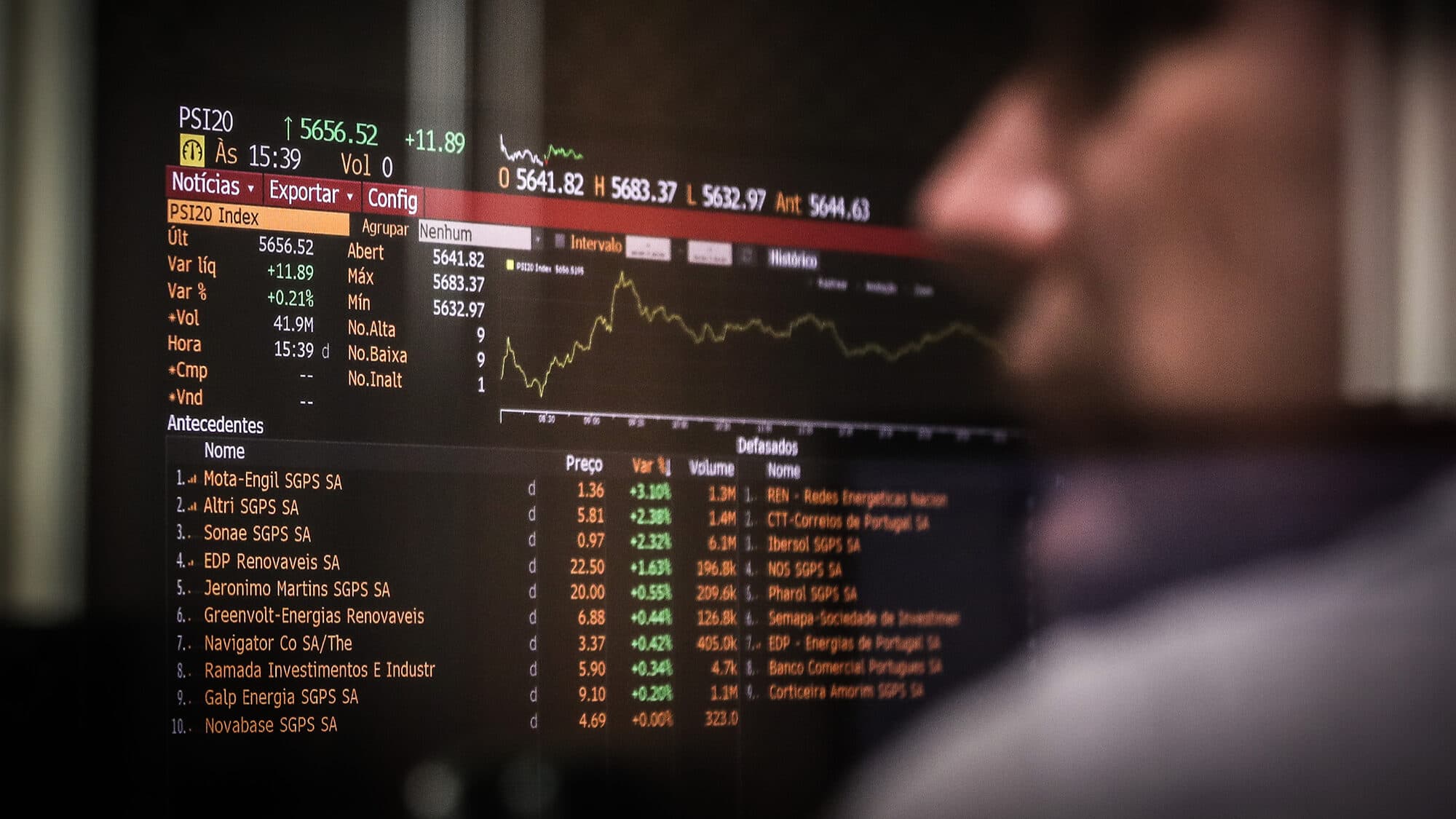
European stock markets and the euro are experiencing declines as oil prices surge due to escalating conflict in the Middle East, particularly in Iran. US oil prices rose by 8% to $72.40 per barrel, while Brent crude increased by 8.8% to $79.30 per barrel. Natural gas futures in Europe saw a significant rise of over 40% following a production halt by Qatar. Gold prices also increased by 1.2% as investors sought safer assets amid uncertainty. Wall Street opened lower, with the Dow Jones down 0.70%, the Nasdaq down 0.58%, and the S&P 500 down 1.09%. In Europe, while the Lisbon stock exchange remained relatively stable, major markets like Madrid, Frankfurt, Paris, and London faced notable declines. The euro fell to $1.1703, down from $1.1817, and also weakened against the pound and yen.
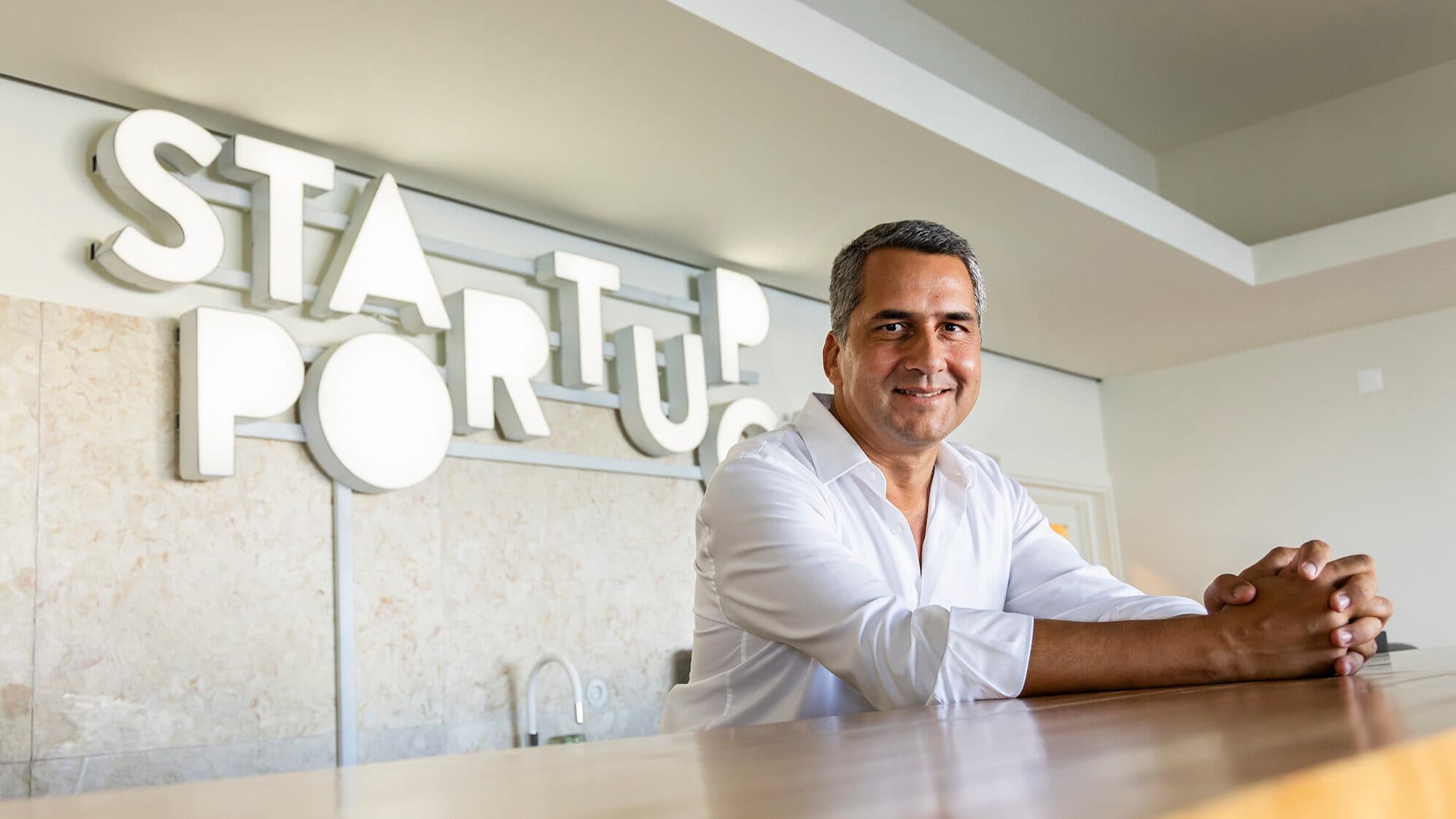
Portugal is seeking to enhance its appeal to Middle Eastern investors, particularly from Qatar, by shifting its marketing strategy beyond just its favorable climate. In Doha, representatives from Startup Portugal are engaging with local entrepreneurs to promote investment opportunities in the country.
Moedas has secured an absolute majority with former Chega members, raising questions about the implications for Lisbon's political landscape and whether this shift marks the end of certain political red lines.
easyJet views the planned privatisation of TAP as a strategic opening to expand its presence in Lisbon and across Portugal. With the airline operating 96 routes to and from Portuguese airports in 2025, easyJet could deepen low-cost connectivity, increase frequencies on key city-pairs and compete more directly with a newly structured national carrier. The shift promises greater competition, potential downward pressure on fares and improved network connectivity, but also raises questions about airport slot availability, regulatory oversight and how market dynamics will affect legacy and low-cost carriers alike.