
Labour reform must, in the final instance, be analysed and negotiated in Parliament
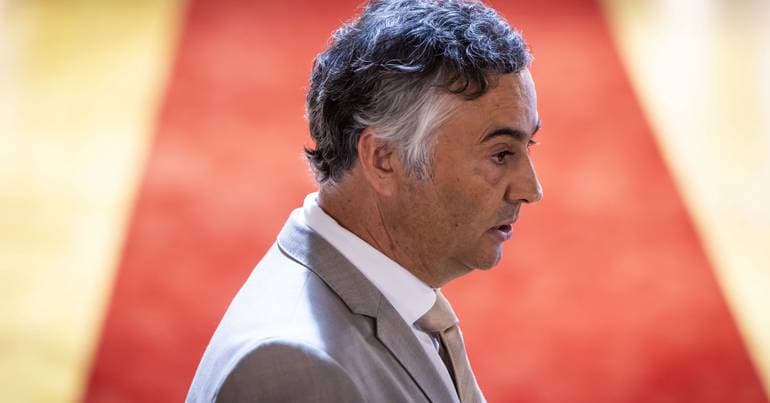
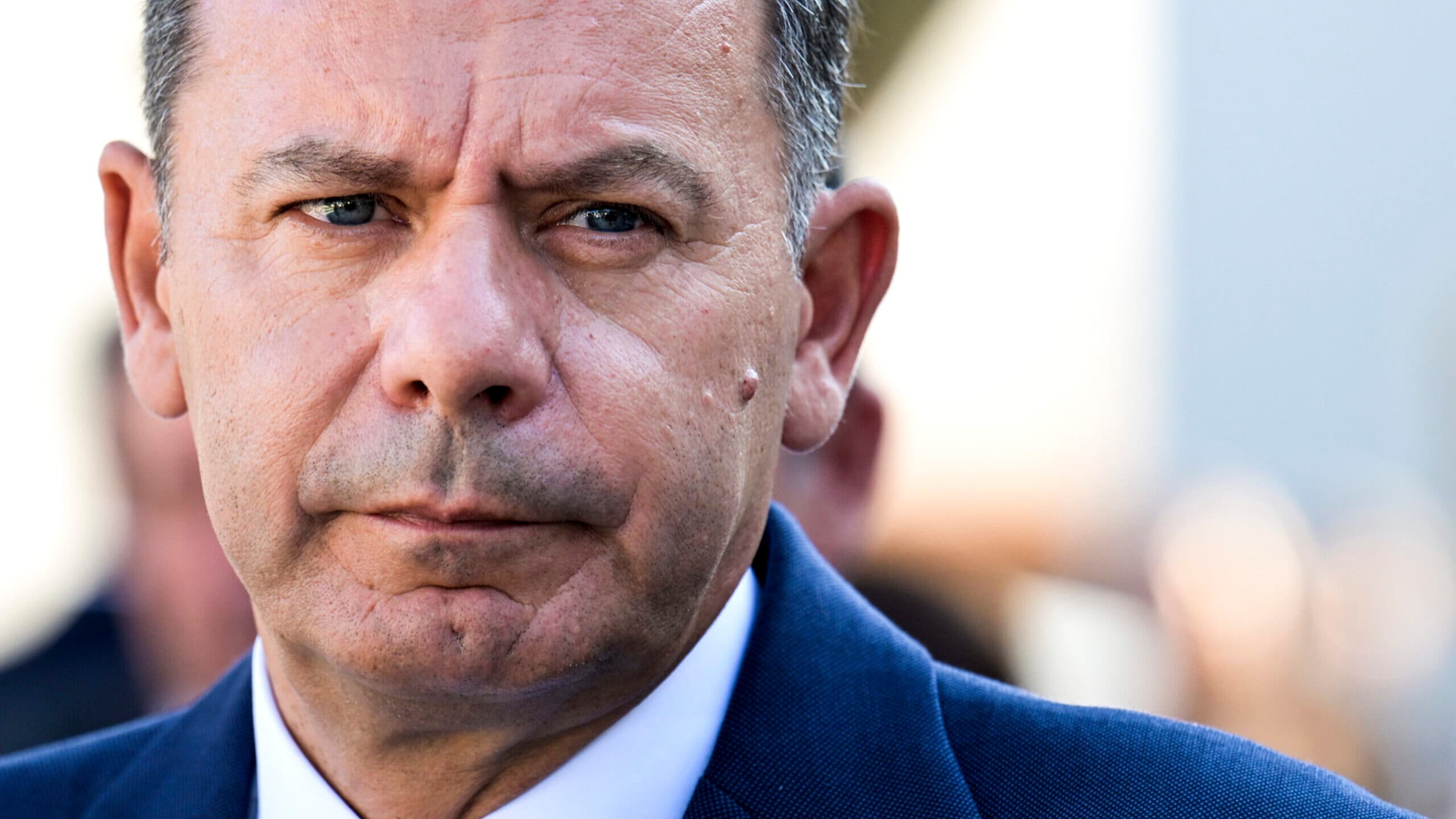
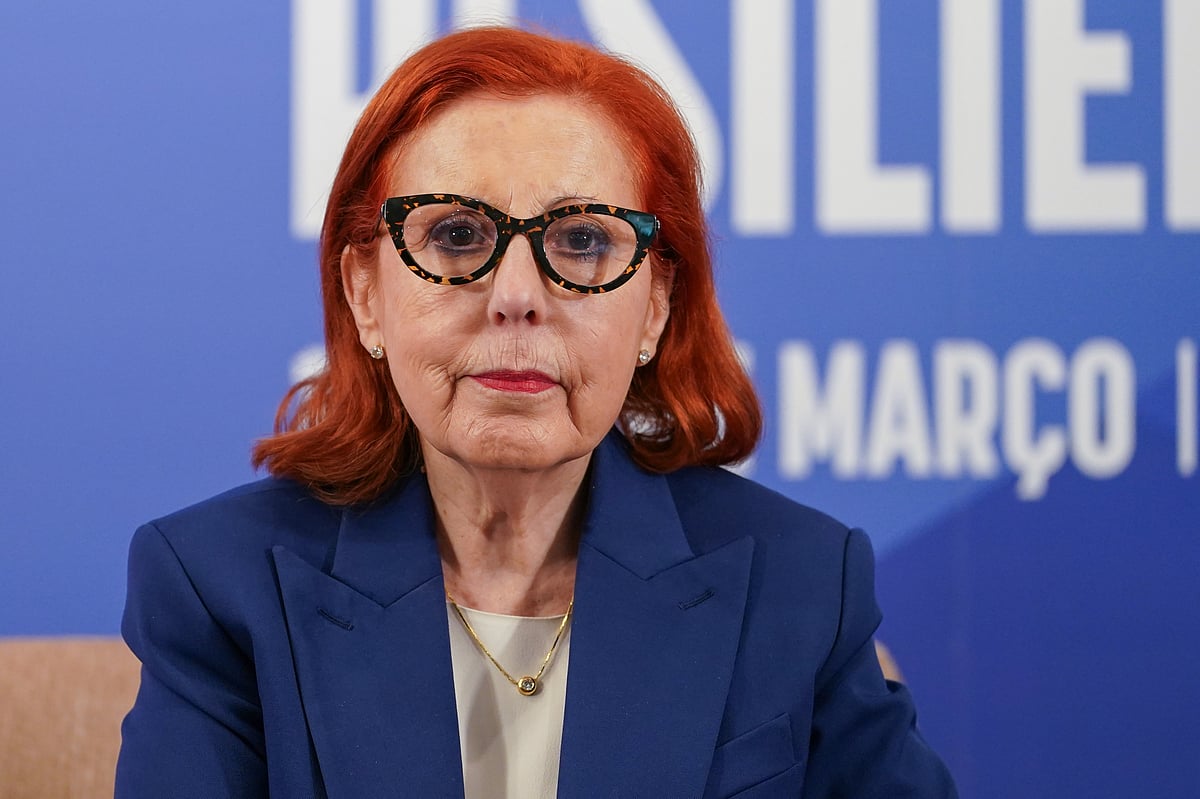
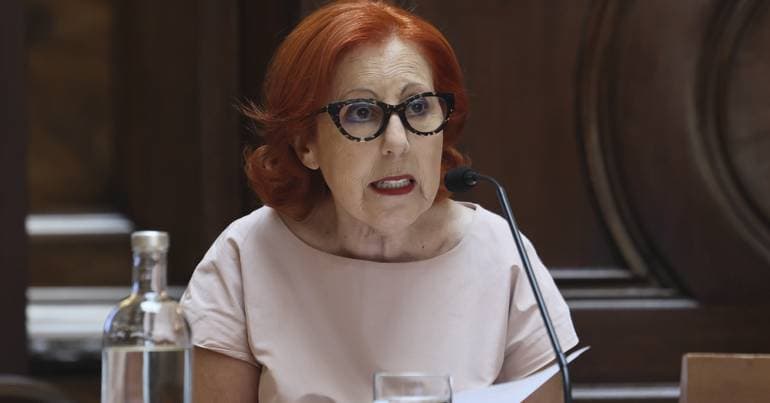
Hugo Carneiro, a PSD deputy, argues that it is important for the labour package to be brought before Parliament.

Latest news and stories about government policy in government in Portugal for expats and residents.
Hugo Carneiro, a PSD deputy, argues that it is important for the labour package to be brought before Parliament.

Prime Minister Luís Montenegro stated that the government will not abandon its convictions regarding the proposed labour reform package, asserting that it has already made significant concessions. While the government maintains that the reforms are necessary for economic competitiveness, the UGT and other opposition parties continue to demand the withdrawal of the legislation.

Luís Filipe Montenegro Cardoso de Morais Esteves (born February 16, 1973, in Porto) is a Portuguese lawyer and center‑right politician who has served as Prime Minister of Portugal since April 2, 2024. A long‑time member of the Social Democratic Party (PSD), he is the leading figure of the post‑Troika generation of Portuguese conservatives. Montenegro was elected to the Assembly of the Republic in 2002 for the Aveiro district and remained an MP for 16 years, becoming PSD parliamentary leader from 2011 to 2017 during the bailout and austerity period under Prime Minister Pedro Passos Coelho. He was a prominent defender of strict austerity measures, arguing in 2014 that “the life of the people is no better, but the life of the country is a lot better,” a phrase that has followed his public image since. After an unsuccessful leadership bid against Rui Rio in 2020, Montenegro won the PSD leadership in 2022. He then forged the centre‑right Democratic Alliance (PSD–CDS‑PP and allies), which won a plurality of seats in the 2024 legislative election. Refusing to partner with the far‑right Chega, which he has called “often xenophobic, racist, populist and excessively demagogic,” he formed a minority government as head of the XXIV Constitutional Government on April 2, 2024. His first government fell in March 2025 after a no‑confidence vote linked to a conflict‑of‑interest affair, but fresh elections saw the Democratic Alliance increase its seat share, allowing Montenegro to return as prime minister leading the XXV Constitutional Government. His importance to Portugal lies in attempting to re‑center the traditional centre‑right after the crisis years, defending liberal‑conservative economics and EU alignment while drawing a sharp line against formal cooperation with the radical right, thus shaping how Portuguese democracy manages its new multi‑party era.

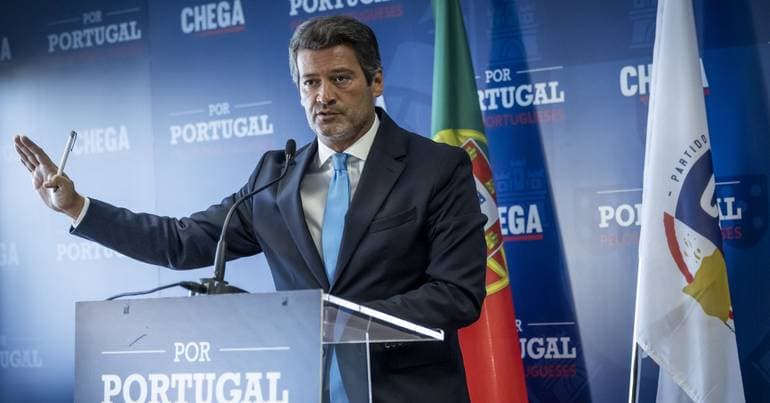
The Chega party has announced plans to propose a parliamentary commission of inquiry into the Operation Influencer investigation, which led to the resignation of the former Prime Minister António Costa. Party leader André Ventura stated the commission aims to scrutinize potential corruption and undue influence during the previous government's term. Ventura intends to summon António Costa to testify before Parliament.

André Ventura, born January 15, 1983, is a lawyer, academic, and Portugal's most prominent far-right leader. He founded Chega ("Enough") in 2019 after his PSD mayoral campaign attacked the Romani community. Chega surged from 1.3% in 2019 to 22.8% in May 2025, becoming parliament's second-largest party and making Ventura Leader of the Opposition.
His platform emphasizes immigration restrictions, law-and-order policies, constitutional reform, and contains inflammatory anti-Romani rhetoric that has triggered multiple discrimination convictions and investigations. Politically classified as far-right by international media, Ventura cultivates alliances with European far-right figures including Marine Le Pen and Santiago Abascal.

António Luís Santos da Costa (born July 17, 1961, in Lisbon) is a Portuguese lawyer and Socialist politician who served as Prime Minister of Portugal from 2015-2024 and currently serves as President of the European Council since December 1, 2024. After leading the Lisbon Municipal Assembly and practicing law, he was elected MEP (2004-2005) and entered parliament in 2002. He led the Socialist Party from 2014-2024, building unprecedented parliamentary coalitions with the Communist Party and Left Bloc (2015-2019) before winning an absolute majority in 2022. He resigned as PM in November 2023 following a corruption investigation, though subsequently cleared. The 27 EU member states elected him Council President in June 2024, making him the fourth full-time President and the first southern European socialist in that role.
Political Philosophy:
Costa represents moderate European social democracy, combining orthodox fiscal responsibility with progressive social investment. He prioritizes European integration, consensus-building, and pragmatic compromise over ideological confrontation. As Council President, he champions mediation between member states, improved EU inter-institutional relations, shorter decision-making processes, and regular visits to every EU capital to reconnect citizens with European institutions. His approach emphasizes "creative bridges" reconciling divergent interests while maintaining firmness on European values, particularly regarding Ukraine.

The General Confederation of the Portuguese Workers (CGTP) has announced a general strike for June 3rd to protest the government's proposed labour reform package. While the CGTP secretary-general Tiago Oliveira described the reform as a major attack on workers, the General Union of Workers (UGT) has also expressed strong opposition to the government's core pillars of the proposal, though it is not currently joining the CGTP-led strike.
Update: UGT considers joining CGTP general strike
The UGT has indicated it may join the strike, though a final decision depends on the outcome of the next social concertation (Concertação Social) meeting scheduled for next Thursday. Meanwhile, the Portuguese Communist Party (Partido Comunista Português or PCP) has officially called for all workers to mobilize for the June 3rd action.

The General Confederation of the Portuguese Workers (CGTP – Confederação Geral dos Trabalhadores Portugueses) is Portugal’s largest trade-union confederation, grouping most unions in manufacturing, public services and many other sectors.
Founded clandestinely in 1970 as “Intersindical” under the dictatorship, it emerged publicly after the 1974 Carnation Revolution and was legalised in 1975. It has been central to virtually all major labour struggles since then, from defending collective bargaining and the 40‑hour week to leading general strikes against austerity and labour‑law rollbacks.
CGTP is historically close to the Portuguese Communist Party and has a class‑struggle, anti‑neoliberal profile, strongly critical of EU and government policies seen as undermining workers’ rights. It favours grassroots mobilisation and strikes over compromise, often refusing national social‑pact deals that the more centrist UGT is willing to sign.
In today’s Portugal, CGTP remains a key actor in wage bargaining, labour‑law debates and national protests; together with UGT it called the first joint general strike in years in December 2025, signalling its continuing capacity to organise mass action.

The General Union of Workers (UGT – União Geral de Trabalhadores) is one of Portugal’s two main national trade union confederations. Founded in Lisbon on 28 October 1978, it was created as a social‑democratic alternative to the more communist‑aligned CGTP after the 1974 Revolution, grouping unions close to the Socialist Party and moderate centre‑right currents.
UGT represents around 400,000 workers and is affiliated to the European Trade Union Confederation and International Trade Union Confederation, giving Portuguese labour a voice at EU and global level. Its principles stress union independence from the state, employers, churches and parties, internal democracy and active worker participation.
Historically, UGT’s hallmark has been “propositive” social dialogue: it is usually more willing than CGTP to sign tripartite agreements on wages, labour law and social policy with governments and employers, shaping minimum wage increases, working‑time rules and social protection reforms. This makes UGT a key centrist actor in Portugal’s industrial relations, often mediating between left and right while defending collective bargaining and incremental improvements to labour rights.
Social Concertation (Concertação Social) is Portugal's tripartite dialogue between the government, trade unions and employer associations to negotiate labour, social and economic policies. Its agreements often shape government proposals but are not binding, so if talks fail the government can still submit the labour-law revision to Parliament and will need to secure votes there, potentially relying on support from opposition parties such as Chega.
António Filipe is a politician from the PCP (Partido Comunista Português) who, in this story, acknowledged that his election results fell short and said the party would join forces to oppose what it called a 'serious threat to democracy'. His remarks indicate the PCP intends to be active in post-election alliances rather than withdrawing from national debates. Voters and those following left-wing politics should pay attention to his and the PCP's next moves.

Socialist Party (PS) Secretary-General José Luís Carneiro has accused Prime Minister Luís Montenegro of being disconnected from the reality of rising living costs. Carneiro argued that recent budget execution data should serve as a warning sign for the government, despite the Prime Minister's claims that there is no cause for alarm.
José Luís Carneiro is a Portuguese politician and member of the Socialist Party (Partido Socialista or PS). He served as the Minister of Internal Administration (Ministro da Administração Interna) from 2022 to 2024 and currently holds a seat in the Assembly of the Republic (Assembleia da República).
Health cards are private membership or discount schemes sold by companies that offer access to consultations, tests or reduced fees at private clinics; they are not the public health service. The Socialist Party (Partido Socialista or PS) has proposed regulation to increase transparency and protect consumers from misleading marketing or unexpected charges.

Minister of State and Foreign Affairs Paulo Rangel confirmed that Portugal is not involved in the conflict involving Iran. Rangel emphasized that while the government views the Iranian regime as a threat, it does not support the ongoing military escalation.
Paulo Rangel is a Portuguese politician from the Social Democratic Party (Partido Social Democrata or PSD) who has been a prominent voice on defence and foreign‑policy issues and has served in the European Parliament. He appears in this story because he commented publicly on the controversy over Lajes Air Base being used to refuel US planes.
Prime Minister Luís Montenegro has reaffirmed his commitment to labour reform, stating that the country must move forward with the process. While the Socialist Party (Partido Socialista or PS) has urged the government to withdraw the bill, the Chega party has expressed willingness to negotiate, provided the government agrees to lower the retirement age.

Luís Filipe Montenegro Cardoso de Morais Esteves (born February 16, 1973, in Porto) is a Portuguese lawyer and center‑right politician who has served as Prime Minister of Portugal since April 2, 2024. A long‑time member of the Social Democratic Party (PSD), he is the leading figure of the post‑Troika generation of Portuguese conservatives. Montenegro was elected to the Assembly of the Republic in 2002 for the Aveiro district and remained an MP for 16 years, becoming PSD parliamentary leader from 2011 to 2017 during the bailout and austerity period under Prime Minister Pedro Passos Coelho. He was a prominent defender of strict austerity measures, arguing in 2014 that “the life of the people is no better, but the life of the country is a lot better,” a phrase that has followed his public image since. After an unsuccessful leadership bid against Rui Rio in 2020, Montenegro won the PSD leadership in 2022. He then forged the centre‑right Democratic Alliance (PSD–CDS‑PP and allies), which won a plurality of seats in the 2024 legislative election. Refusing to partner with the far‑right Chega, which he has called “often xenophobic, racist, populist and excessively demagogic,” he formed a minority government as head of the XXIV Constitutional Government on April 2, 2024. His first government fell in March 2025 after a no‑confidence vote linked to a conflict‑of‑interest affair, but fresh elections saw the Democratic Alliance increase its seat share, allowing Montenegro to return as prime minister leading the XXV Constitutional Government. His importance to Portugal lies in attempting to re‑center the traditional centre‑right after the crisis years, defending liberal‑conservative economics and EU alignment while drawing a sharp line against formal cooperation with the radical right, thus shaping how Portuguese democracy manages its new multi‑party era.

André Ventura, born January 15, 1983, is a lawyer, academic, and Portugal's most prominent far-right leader. He founded Chega ("Enough") in 2019 after his PSD mayoral campaign attacked the Romani community. Chega surged from 1.3% in 2019 to 22.8% in May 2025, becoming parliament's second-largest party and making Ventura Leader of the Opposition.
His platform emphasizes immigration restrictions, law-and-order policies, constitutional reform, and contains inflammatory anti-Romani rhetoric that has triggered multiple discrimination convictions and investigations. Politically classified as far-right by international media, Ventura cultivates alliances with European far-right figures including Marine Le Pen and Santiago Abascal.

President Marcelo Rebelo de Sousa advocated for a politically stronger European Union at the La Toja Forum. He called for ending the unanimity rule in certain decision-making areas and strengthening Europe's strategic autonomy to reduce dependence on the United States.

Electoral Mandate and Democratic Consensus:
Marcelo Rebelo de Sousa was elected President of Portugal on January 24, 2016, winning 52.0% of the vote in the first round—a decisive victory in a fragmented field. He campaigned as an independent, positioning himself as a unifying figure after years of austerity from Portugal's 2011–14 bailout, promising to repair political divisions and restore national confidence. His campaign emphasized moderation and cross-party consensus, a departure from his decades-long association with the center-right Social Democratic Party (PSD). Upon taking office on March 9, 2016, he suspended his party membership for the duration of his presidency.
His 2021 re-election proved extraordinary: Rebelo de Sousa secured 60.7% of the vote—the third-highest margin in Portuguese presidential electoral history since the 1974 Carnation Revolution. Historically, he became the first candidate ever to win in all 308 municipalities and the vast majority of parishes, ranging from 51.3% in Beja District to 72.16% in Madeira. This unprecedented sweep reflected his broad appeal across social, geographic, and ideological divides.
Constitutional Role and Crisis Leadership:
Portugal operates as a semi-presidential system where the president, while largely ceremonial, exercises meaningful influence over national security, foreign policy, and military affairs as Supreme Commander of the Armed Forces. Rebelo de Sousa leveraged this authority during Portugal's response to the COVID-19 pandemic. In March 2020, he requested parliamentary authorization for a state of emergency—the first nationwide declaration in 46 years of democratic history—to contain the crisis. He voluntarily quarantined after potential COVID-19 exposure in March 2020, and later tested positive in January 2021 while remaining asymptomatic. His measured handling of the pandemic, balancing public health with institutional continuity, contributed to his landslide 2021 re-election.
Diplomatic Engagement and International Presence:
Rebelo de Sousa has conducted extensive state visits representing Portugal's interests across diverse regions: the Vatican, Spain, Mozambique, Morocco, Brazil, Switzerland, Cuba, the United Kingdom, Greece, the United States, and Angola. A notable diplomatic highlight occurred in 2019 when he joined President Emmanuel Macron at the Bastille Day military parade in Paris, representing European military cooperation and the European Intervention Initiative. These engagements positioned Portugal as an active participant in global affairs, particularly regarding colonial history and Atlantic security partnerships.
Colonial Legacy and Historical Accountability:
During his presidency, Rebelo de Sousa has publicly supported making restitution and acknowledging abuses committed during Portugal's colonial history and the country's role in the Atlantic slave trade. This position marked a significant policy shift, as Portugal historically avoided confronting its imperial past compared to other European powers. His stance reflected evolving attitudes within Portuguese society toward historical accountability.
Controversies and Public Criticism:
Rebelo de Sousa's presidency has not been without controversy. In 2023, allegations emerged that he had intervened to expedite treatment for Brazilian twins with Zolgensma, an expensive rare disease medication, raising questions about presidential influence and potential corruption. These claims implicated his son and generated criticism across Portuguese political and media sectors. Additionally, in April 2024, Rebelo de Sousa made controversial remarks comparing the speed of Prime Ministers António Costa and Luís Montenegro using orientalist language that drew public rebuke. In August 2025, he called U.S. President Donald Trump a "Russian asset" at a PSD event, demonstrating his willingness to make provocative foreign policy statements.
Constitutional Constraints and Legacy:
Under Portugal's constitution, Rebelo de Sousa is barred from running for a third consecutive term, meaning his presidency concludes with elections scheduled for January 18, 2026. His decade-long tenure has established him as one of Portugal's most popular recent heads of state, characterized by broad consensus-building and institutional stability. Whether future presidents can replicate his cross-party appeal remains an open question for Portuguese democracy as it enters a new era.

The 'Portugal Transformation, Recovery and Resilience' (PTRR) programme will have a total financial envelope of 22.6 billion euros and a nine-year time horizon.
Update: Government to approve 12-month moratorium for storm-hit firms
Prime Minister Luís Montenegro announced that the Council of Ministers will approve a 12-month temporary moratorium on corporate loans this Thursday. The measure aims to support businesses affected by the severe storms that caused significant damage and casualties in January and February.
The PTRR is Portugal's Transformation, Recovery and Resilience plan, the national programme that channels EU recovery funding (NextGenerationEU) into investments and reforms after the COVID-19 shock. It totals about €16.6 billion in grants plus €2.7 billion in loans (≈€19.3 billion) and runs mainly from 2021–2026, financing projects in green transition, digitalisation and social infrastructure that affect public spending and investment decisions expats may notice in housing, transport and services.
Prime Minister Luís Montenegro has presented the Portugal Transformation, Recovery and Resilience (Portugal Transformação, Recuperação e Resiliência or PTRR), a 22.6 billion euro investment program running until 2034. The plan focuses on three pillars: recovery from recent storm damage, protection against extreme events through infrastructure and forest management, and a new response framework that includes a mandatory seismic insurance scheme.
Update: Government faces criticism over PTRR priorities
Opposition leader André Ventura of the Chega party has criticized the plan, labeling it as marketing and arguing that the government failed to define clear priorities. While the government maintains the plan prepares the country for future crises, reports indicate that funding sources for a significant portion of the private sector investments remain undefined.

Luís Filipe Montenegro Cardoso de Morais Esteves (born February 16, 1973, in Porto) is a Portuguese lawyer and center‑right politician who has served as Prime Minister of Portugal since April 2, 2024. A long‑time member of the Social Democratic Party (PSD), he is the leading figure of the post‑Troika generation of Portuguese conservatives. Montenegro was elected to the Assembly of the Republic in 2002 for the Aveiro district and remained an MP for 16 years, becoming PSD parliamentary leader from 2011 to 2017 during the bailout and austerity period under Prime Minister Pedro Passos Coelho. He was a prominent defender of strict austerity measures, arguing in 2014 that “the life of the people is no better, but the life of the country is a lot better,” a phrase that has followed his public image since. After an unsuccessful leadership bid against Rui Rio in 2020, Montenegro won the PSD leadership in 2022. He then forged the centre‑right Democratic Alliance (PSD–CDS‑PP and allies), which won a plurality of seats in the 2024 legislative election. Refusing to partner with the far‑right Chega, which he has called “often xenophobic, racist, populist and excessively demagogic,” he formed a minority government as head of the XXIV Constitutional Government on April 2, 2024. His first government fell in March 2025 after a no‑confidence vote linked to a conflict‑of‑interest affair, but fresh elections saw the Democratic Alliance increase its seat share, allowing Montenegro to return as prime minister leading the XXV Constitutional Government. His importance to Portugal lies in attempting to re‑center the traditional centre‑right after the crisis years, defending liberal‑conservative economics and EU alignment while drawing a sharp line against formal cooperation with the radical right, thus shaping how Portuguese democracy manages its new multi‑party era.
The PTRR is Portugal's Transformation, Recovery and Resilience plan, the national programme that channels EU recovery funding (NextGenerationEU) into investments and reforms after the COVID-19 shock. It totals about €16.6 billion in grants plus €2.7 billion in loans (≈€19.3 billion) and runs mainly from 2021–2026, financing projects in green transition, digitalisation and social infrastructure that affect public spending and investment decisions expats may notice in housing, transport and services.

André Ventura, born January 15, 1983, is a lawyer, academic, and Portugal's most prominent far-right leader. He founded Chega ("Enough") in 2019 after his PSD mayoral campaign attacked the Romani community. Chega surged from 1.3% in 2019 to 22.8% in May 2025, becoming parliament's second-largest party and making Ventura Leader of the Opposition.
His platform emphasizes immigration restrictions, law-and-order policies, constitutional reform, and contains inflammatory anti-Romani rhetoric that has triggered multiple discrimination convictions and investigations. Politically classified as far-right by international media, Ventura cultivates alliances with European far-right figures including Marine Le Pen and Santiago Abascal.

Ribau Esteves, president of the Centre's Regional Coordination and Development Commission (Comissão de Coordenação e Desenvolvimento Regional or CCDR), has identified an excessive level of fraud in applications for storm damage support. Applicants are reportedly falsifying declarations to claim funds for ineligible second homes or inflating repair costs, though officials maintain this is not the primary cause of payment delays.
A Regional Coordination and Development Commission (Comissão de Coordenação e Desenvolvimento Regional, or CCDR) is a regional body that coordinates central government policy locally, manages regional planning and environmental licensing, and oversees certain EU/cohesion funds; mainland Portugal has five CCDRs (North, Centre, Lisbon and Tagus Valley, Alentejo, Algarve). School directors fear politically driven appointments to CCDRs could steer regional priorities and resource decisions — including education projects and local appointments — in ways that reflect party politics rather than technical criteria.

The political party Chega announced plans to submit a bill to the Assembly of the Republic (Assembleia da República) aimed at balancing transparency and privacy in party funding. Party leader André Ventura stated the proposal seeks to ensure high-value donors are disclosed by name while protecting sensitive personal data like tax identification numbers and home addresses.

André Ventura, born January 15, 1983, is a lawyer, academic, and Portugal's most prominent far-right leader. He founded Chega ("Enough") in 2019 after his PSD mayoral campaign attacked the Romani community. Chega surged from 1.3% in 2019 to 22.8% in May 2025, becoming parliament's second-largest party and making Ventura Leader of the Opposition.
His platform emphasizes immigration restrictions, law-and-order policies, constitutional reform, and contains inflammatory anti-Romani rhetoric that has triggered multiple discrimination convictions and investigations. Politically classified as far-right by international media, Ventura cultivates alliances with European far-right figures including Marine Le Pen and Santiago Abascal.

Livre spokesperson Rui Tavares has accused Chega leader André Ventura of invoking Nazi-era rhetoric during his speech at the 25th of April solemn session. Tavares claims that Ventura's repeated use of the phrase “stabbed in the back” mirrors a specific myth used by Adolf Hitler to undermine democratic institutions. The accusation has sparked further debate regarding the tone of political discourse in Portugal.

André Ventura, born January 15, 1983, is a lawyer, academic, and Portugal's most prominent far-right leader. He founded Chega ("Enough") in 2019 after his PSD mayoral campaign attacked the Romani community. Chega surged from 1.3% in 2019 to 22.8% in May 2025, becoming parliament's second-largest party and making Ventura Leader of the Opposition.
His platform emphasizes immigration restrictions, law-and-order policies, constitutional reform, and contains inflammatory anti-Romani rhetoric that has triggered multiple discrimination convictions and investigations. Politically classified as far-right by international media, Ventura cultivates alliances with European far-right figures including Marine Le Pen and Santiago Abascal.

LIVRE (meaning "Free") is a green left-wing party founded in 2014 by historian and former MEP Rui Tavares. The party struggled for years before finally electing Tavares as its first MP in 2022, then grew to 4 seats in 2024 and 6 seats in 2025—making it the only progressive party to gain ground in recent elections. LIVRE focuses on environmental protection, human rights, and progressive social policies while maintaining a pro-European stance.

Chega ("Enough") is a Portuguese far-right populist party founded in 2019 by André Ventura. It positions itself as an anti-establishment movement against what it calls a "rotten and corrupt system" of PS-PSD dominance. The party surged from 1.3% in 2019 to 22.8% in May 2025, becoming parliament's second-largest force with 60 seats. Chega's core platform emphasizes strict immigration control—ending automatic CPLP residency, deporting non-independent immigrants, implementing job-market quotas, and requiring five-year social security contributions before benefit access. It advocates radical constitutional reform, including reducing parliament to 100 members, abolishing the prime minister position for a presidential system, and dismantling public healthcare. Law-and-order policies include life imprisonment and chemical castration proposals.
The party is defined by inflammatory anti-Romani rhetoric, with Ventura convicted multiple times for discrimination. Chega maintains international alignments with European far-right figures including Marine Le Pen, Santiago Abascal, and Matteo Salvini. Mainstream Portuguese parties, including Prime Minister Luís Montenegro's government, have imposed a cordon sanitaire, refusing coalition with Chega despite its parliamentary strength.
Rui Tavares is a historian, writer, and politician who serves as a spokesperson for the political party Livre. He has been a member of the Assembly of the Republic (Assembleia da República) since 2022 and previously served as a member of the European Parliament from 2009 to 2014.

Prime Minister Luís Montenegro has warned that Portugal will firmly oppose the next European Union budget if it fails to respect the principles of cohesion policy. Montenegro emphasized that Portugal is an active participant in the European project and will not accept any budget that interrupts the country's convergence path. He stressed that the government's stance is based on defending national interests within the bloc.

Luís Filipe Montenegro Cardoso de Morais Esteves (born February 16, 1973, in Porto) is a Portuguese lawyer and center‑right politician who has served as Prime Minister of Portugal since April 2, 2024. A long‑time member of the Social Democratic Party (PSD), he is the leading figure of the post‑Troika generation of Portuguese conservatives. Montenegro was elected to the Assembly of the Republic in 2002 for the Aveiro district and remained an MP for 16 years, becoming PSD parliamentary leader from 2011 to 2017 during the bailout and austerity period under Prime Minister Pedro Passos Coelho. He was a prominent defender of strict austerity measures, arguing in 2014 that “the life of the people is no better, but the life of the country is a lot better,” a phrase that has followed his public image since. After an unsuccessful leadership bid against Rui Rio in 2020, Montenegro won the PSD leadership in 2022. He then forged the centre‑right Democratic Alliance (PSD–CDS‑PP and allies), which won a plurality of seats in the 2024 legislative election. Refusing to partner with the far‑right Chega, which he has called “often xenophobic, racist, populist and excessively demagogic,” he formed a minority government as head of the XXIV Constitutional Government on April 2, 2024. His first government fell in March 2025 after a no‑confidence vote linked to a conflict‑of‑interest affair, but fresh elections saw the Democratic Alliance increase its seat share, allowing Montenegro to return as prime minister leading the XXV Constitutional Government. His importance to Portugal lies in attempting to re‑center the traditional centre‑right after the crisis years, defending liberal‑conservative economics and EU alignment while drawing a sharp line against formal cooperation with the radical right, thus shaping how Portuguese democracy manages its new multi‑party era.

President of the Assembly of the Republic José Pedro Aguiar-Branco stated he supports political transparency but warned against populism that turns democratic life into a reality show. During the 25th of April solemn session, he argued that current incompatibility rules may discourage talent from entering politics. His comments followed criticism from Socialist Party (Partido Socialista or PS) MP Pedro Delgado Alves, who turned his back on the speaker to protest what he called a disservice to institutional oversight.

José Pedro Aguiar‑Branco is the President of the Assembly of the Republic, who in this story requested that the Committee on Constitutional Affairs examine the constitutional conformity of government measures in a proposed bill. He is using his parliamentary role to trigger a formal review of changes affecting confession rules and the rights of the defence.

Socialist Party (PS)
Portugal's other traditional major party suffered a historic collapse in the 2025 election, dropping from 78 to 58 seats and falling to third place for the first time in democratic history. The party was led by Pedro Nuno Santos from January 2024 until his resignation following the May 2025 defeat. José Luís Carneiro, a 53-year-old former Minister of Internal Administration known for his moderate positioning within the party, was elected unopposed as the new Secretary-General with 95% of votes in June 2025. The Socialist Party governed Portugal from 2015 to 2024, including an absolute majority from 2022 to 2024 under António Costa, who resigned in November 2023 amid a corruption investigation. The PS previously led the innovative "Geringonça" (contraption) coalition government from 2015-2019, a minority government supported by the Left Bloc and Portuguese Communist Party that reversed austerity measures and presided over economic recovery.
Pedro Delgado Alves is a Portuguese politician and a member of the Socialist Party (Partido Socialista or PS). He serves as a deputy in the Assembly of the Republic (Assembleia da República) and is known for his work on constitutional and legal affairs.

Fuel prices will fluctuate starting Monday, April 27, with diesel expected to decrease by 3.2 cents per litre following a government tax discount adjustment. Petrol prices are forecast to rise by 2.5 cents per litre. These figures are estimates from the Automobile Club of Portugal (Automóvel Club de Portugal or ACP) and may vary by location and gas station.
Update: Government reduces diesel tax discount
The government has officially decided to reduce the planned tax discount on diesel. Consequently, the price per litre will drop by 3.2 cents instead of the originally anticipated four-cent decrease. The tax discount for petrol remains unchanged, confirming the expected 2.5-cent increase per litre.
ACP is the Automóvel Club de Portugal (Automobile Club of Portugal). It is a Portuguese motoring association that publishes fuel-price data and weekly forecasts used by motorists, media and retailers to anticipate petrol and diesel price changes when budgeting for trips or refuelling.

President of the Republic Marcelo Rebelo de Sousa stated that honoring the 25th of April revolution requires more than celebration, urging for daily commitment to social justice and the dignity of work. Speaking at an event hosted by the 25 de Abril Association, he emphasized that democratic values must be actively upheld to combat inequality.

Electoral Mandate and Democratic Consensus:
Marcelo Rebelo de Sousa was elected President of Portugal on January 24, 2016, winning 52.0% of the vote in the first round—a decisive victory in a fragmented field. He campaigned as an independent, positioning himself as a unifying figure after years of austerity from Portugal's 2011–14 bailout, promising to repair political divisions and restore national confidence. His campaign emphasized moderation and cross-party consensus, a departure from his decades-long association with the center-right Social Democratic Party (PSD). Upon taking office on March 9, 2016, he suspended his party membership for the duration of his presidency.
His 2021 re-election proved extraordinary: Rebelo de Sousa secured 60.7% of the vote—the third-highest margin in Portuguese presidential electoral history since the 1974 Carnation Revolution. Historically, he became the first candidate ever to win in all 308 municipalities and the vast majority of parishes, ranging from 51.3% in Beja District to 72.16% in Madeira. This unprecedented sweep reflected his broad appeal across social, geographic, and ideological divides.
Constitutional Role and Crisis Leadership:
Portugal operates as a semi-presidential system where the president, while largely ceremonial, exercises meaningful influence over national security, foreign policy, and military affairs as Supreme Commander of the Armed Forces. Rebelo de Sousa leveraged this authority during Portugal's response to the COVID-19 pandemic. In March 2020, he requested parliamentary authorization for a state of emergency—the first nationwide declaration in 46 years of democratic history—to contain the crisis. He voluntarily quarantined after potential COVID-19 exposure in March 2020, and later tested positive in January 2021 while remaining asymptomatic. His measured handling of the pandemic, balancing public health with institutional continuity, contributed to his landslide 2021 re-election.
Diplomatic Engagement and International Presence:
Rebelo de Sousa has conducted extensive state visits representing Portugal's interests across diverse regions: the Vatican, Spain, Mozambique, Morocco, Brazil, Switzerland, Cuba, the United Kingdom, Greece, the United States, and Angola. A notable diplomatic highlight occurred in 2019 when he joined President Emmanuel Macron at the Bastille Day military parade in Paris, representing European military cooperation and the European Intervention Initiative. These engagements positioned Portugal as an active participant in global affairs, particularly regarding colonial history and Atlantic security partnerships.
Colonial Legacy and Historical Accountability:
During his presidency, Rebelo de Sousa has publicly supported making restitution and acknowledging abuses committed during Portugal's colonial history and the country's role in the Atlantic slave trade. This position marked a significant policy shift, as Portugal historically avoided confronting its imperial past compared to other European powers. His stance reflected evolving attitudes within Portuguese society toward historical accountability.
Controversies and Public Criticism:
Rebelo de Sousa's presidency has not been without controversy. In 2023, allegations emerged that he had intervened to expedite treatment for Brazilian twins with Zolgensma, an expensive rare disease medication, raising questions about presidential influence and potential corruption. These claims implicated his son and generated criticism across Portuguese political and media sectors. Additionally, in April 2024, Rebelo de Sousa made controversial remarks comparing the speed of Prime Ministers António Costa and Luís Montenegro using orientalist language that drew public rebuke. In August 2025, he called U.S. President Donald Trump a "Russian asset" at a PSD event, demonstrating his willingness to make provocative foreign policy statements.
Constitutional Constraints and Legacy:
Under Portugal's constitution, Rebelo de Sousa is barred from running for a third consecutive term, meaning his presidency concludes with elections scheduled for January 18, 2026. His decade-long tenure has established him as one of Portugal's most popular recent heads of state, characterized by broad consensus-building and institutional stability. Whether future presidents can replicate his cross-party appeal remains an open question for Portuguese democracy as it enters a new era.

The President of the Republic and the president of the 25th of April Association made appeals for an end to wars. The controversy over the 25th of April Museum was left for the table conversation, which was also attended by Marcelo Rebelo de Sousa.
The Ministry of Internal Administration has expelled 20 members of the security forces since February, including 11 officers from the Public Security Police (Polícia de Segurança Pública or PSP) and nine soldiers from the National Republican Guard (Guarda Nacional Republicana or GNR). The minister stated that these measures are part of a firm stance against deviant behavior within the ranks.

The PSP (Polícia de Segurança Pública) is Portugal's national civilian police force, founded in 1867. Responsible for defending Republican democracy and safeguarding internal security and citizens' rights, the PSP polices major cities—Lisbon, Porto, Faro—and large urban areas, covering only 4% of Portugal's territory but roughly half the population. Led by a National Director under the Ministry of Internal Affairs, its approximately 21,500 officers handle preventive policing, crime investigation, public order, airport security, diplomatic protection, private security regulation, firearms licensing, and border control (since 2023).
PSP vs. GNR: The PSP is civilian with police-focused training and urban jurisdiction, while the GNR (Guarda Nacional Republicana) is military (gendarmerie) with military training, covering 96% of Portugal's rural and suburban territory. Both share core public safety missions but differ fundamentally in nature, training, and geographic responsibility.

The GNR (Guarda Nacional Republicana) is Portugal's national gendarmerie—a military police force founded in 1911, with origins dating to 1801. With over 22,600 personnel, GNR patrols 94-96% of Portuguese territory, covering rural areas, medium towns, and highways. Members are military personnel subject to military law, responsible for public order, customs, coastal control, environmental protection (SEPNA), firefighting/rescue (GIPS), border control, and ceremonial guards. GNR vs. PSP: The PSP (Polícia de Segurança Pública) is Portugal's civilian police force, covering major cities (Lisbon, Porto, Faro) and large urban areas—only 4% of territory but roughly half the population. PSP handles airport security, diplomatic protection, and private security regulation. Both share core missions (public order, crime prevention), but differ in nature: GNR is military with military training; PSP is civilian with police-focused training.
The government has increased funding for the Agency for Integration, Migration and Asylum (AIMA) to €28 million over the next three years. This investment aims to strengthen socio-cultural mediation and leverage synergies created by the mission structure tasked with recovering pending immigration processes.
Temporary residence is a limited residence permit that allows non‑EU nationals to live in Portugal for a set period (commonly one year, renewable) for study, work or other reasons. The Agência para a Integração, Migrações e Asilo (AIMA) launching an online form means eligible students who also work can apply or regularise their status more easily through AIMA’s process rather than only via consular services.

The Parliamentary Committee on Transparency has approved the candidacy of three Chega deputies to the RTP Opinion Council. The committee concluded there are no legal incompatibilities for the appointments, with the decision passing despite opposition from the Livre party.

Chega ("Enough") is a Portuguese far-right populist party founded in 2019 by André Ventura. It positions itself as an anti-establishment movement against what it calls a "rotten and corrupt system" of PS-PSD dominance. The party surged from 1.3% in 2019 to 22.8% in May 2025, becoming parliament's second-largest force with 60 seats. Chega's core platform emphasizes strict immigration control—ending automatic CPLP residency, deporting non-independent immigrants, implementing job-market quotas, and requiring five-year social security contributions before benefit access. It advocates radical constitutional reform, including reducing parliament to 100 members, abolishing the prime minister position for a presidential system, and dismantling public healthcare. Law-and-order policies include life imprisonment and chemical castration proposals.
The party is defined by inflammatory anti-Romani rhetoric, with Ventura convicted multiple times for discrimination. Chega maintains international alignments with European far-right figures including Marine Le Pen, Santiago Abascal, and Matteo Salvini. Mainstream Portuguese parties, including Prime Minister Luís Montenegro's government, have imposed a cordon sanitaire, refusing coalition with Chega despite its parliamentary strength.

RTP (Rádio e Televisão de Portugal) is Portugal's public service broadcaster, operating television channels (RTP1, RTP2, RTP3, RTP Memória, RTP Internacional, RTP África), radio stations (Antena 1, Antena 2, Antena 3, RDP Internacional, RDP África), and the RTP Play streaming platform.
Founded in 1955 (television) and 1935 (radio, as Emissora Nacional), RTP is funded through a monthly audiovisual contribution (Contribuição para o Audiovisual, CAV) included in electricity bills, plus limited advertising revenue. It operates under a public service concession that mandates news independence, cultural programming, and coverage for Portuguese-speaking communities worldwide.
RTP plays a central role in Portuguese public life — it hosts the main political debates during elections, produces news programming, and broadcasts major national events. Its editorial independence and funding model are recurring subjects of political debate, with some parties advocating for privatization or restructuring of the public broadcaster.

Minister of the Presidency António Leitão Amaro stated that the government intends to reduce state interference in the private sector. The minister argued that the state should focus on providing infrastructure and cutting regulatory burdens to allow companies to innovate and grow.
António Leitão Amaro is Portugal's Minister of the Presidency (Ministro da Presidência) in the government led by Luís Montenegro. He is a key figure in the Social Democratic Party (Partido Social Democrata or PSD) and often is the government's spokesperson. Those following housing and rental policy should note his role in announcing the June 2024 measures regarding evictions and inheritances.
President of the Republic António José Seguro has appointed former health minister Adalberto Campos Fernandes to coordinate a new Strategic Pact for Health. The initiative aims to build a long-term, cross-party consensus to improve the national healthcare system, with Campos Fernandes emphasizing that the sector requires stability and efficiency over radical changes.

António José Martins Seguro (born March 11, 1962, in Penamacor) is a lawyer, political scientist, and the current President of the Portuguese Republic, inaugurated on March 9, 2026 after winning the two-round presidential election in January–February 2026.
Career: He led Socialist Youth (1990–1994), served as MEP (1999–2001), was Minister Adjunct to PM António Guterres (2001–2002), and led the PS parliamentary group (2004–2005). Elected PS Secretary-General in 2011 with 68%, he led the opposition during Portugal's bailout era. In 2014, António Costa defeated him in party primaries by a landslide, prompting Seguro's resignation and a decade-long retreat from politics. He returned in 2025, launching the movement UPortugal and announcing his presidential candidacy in June. He received official PS backing in October 2025 and won the presidency in February 2026.
Political philosophy: Seguro positions himself as representing a "modern and moderate" left, advocating financial responsibility while opposing austerity. As President, he has emphasized institutional trust, efficient governance, and a collaborative relationship with the government while maintaining rigorous constitutional oversight.
Adalberto Campos Fernandes is a physician and academic who served as Portugal's Minister of Health from 2015 to 2018. He is currently tasked by President Marcelo Rebelo de Sousa with coordinating a new Strategic Pact for Health (Pacto Estratégico para a Saúde), aimed at building consensus for long-term improvements in the national health system.
The Ministry of Internal Administration has admitted to IT constraints affecting border control operations at Lisbon airport. While officials acknowledge that some passenger data is not being collected, they maintain that these technical issues do not pose a security risk to the country.

The General Union of Workers (União Geral de Trabalhadores or UGT) has unanimously rejected the government's latest labour reform proposal, leading to accusations of a 'sham negotiation' from the Socialist Party (Partido Socialista or PS). Prime Minister Luís Montenegro stated that six key issues, including outsourcing and the 'bank of hours' (banco de horas), remain unresolved and require further concessions. A meeting of the Social Concertation (Concertação Social) is scheduled for May 7th to attempt to finalize the agreement.
Update: Government maintains May 7th deadline for labour reform
The Minister of Labour has confirmed that the government will not present new proposals despite the UGT's rejection, insisting that the current negotiation process must conclude by the May 7th deadline.

Luís Filipe Montenegro Cardoso de Morais Esteves (born February 16, 1973, in Porto) is a Portuguese lawyer and center‑right politician who has served as Prime Minister of Portugal since April 2, 2024. A long‑time member of the Social Democratic Party (PSD), he is the leading figure of the post‑Troika generation of Portuguese conservatives. Montenegro was elected to the Assembly of the Republic in 2002 for the Aveiro district and remained an MP for 16 years, becoming PSD parliamentary leader from 2011 to 2017 during the bailout and austerity period under Prime Minister Pedro Passos Coelho. He was a prominent defender of strict austerity measures, arguing in 2014 that “the life of the people is no better, but the life of the country is a lot better,” a phrase that has followed his public image since. After an unsuccessful leadership bid against Rui Rio in 2020, Montenegro won the PSD leadership in 2022. He then forged the centre‑right Democratic Alliance (PSD–CDS‑PP and allies), which won a plurality of seats in the 2024 legislative election. Refusing to partner with the far‑right Chega, which he has called “often xenophobic, racist, populist and excessively demagogic,” he formed a minority government as head of the XXIV Constitutional Government on April 2, 2024. His first government fell in March 2025 after a no‑confidence vote linked to a conflict‑of‑interest affair, but fresh elections saw the Democratic Alliance increase its seat share, allowing Montenegro to return as prime minister leading the XXV Constitutional Government. His importance to Portugal lies in attempting to re‑center the traditional centre‑right after the crisis years, defending liberal‑conservative economics and EU alignment while drawing a sharp line against formal cooperation with the radical right, thus shaping how Portuguese democracy manages its new multi‑party era.

The General Union of Workers (UGT – União Geral de Trabalhadores) is one of Portugal’s two main national trade union confederations. Founded in Lisbon on 28 October 1978, it was created as a social‑democratic alternative to the more communist‑aligned CGTP after the 1974 Revolution, grouping unions close to the Socialist Party and moderate centre‑right currents.
UGT represents around 400,000 workers and is affiliated to the European Trade Union Confederation and International Trade Union Confederation, giving Portuguese labour a voice at EU and global level. Its principles stress union independence from the state, employers, churches and parties, internal democracy and active worker participation.
Historically, UGT’s hallmark has been “propositive” social dialogue: it is usually more willing than CGTP to sign tripartite agreements on wages, labour law and social policy with governments and employers, shaping minimum wage increases, working‑time rules and social protection reforms. This makes UGT a key centrist actor in Portugal’s industrial relations, often mediating between left and right while defending collective bargaining and incremental improvements to labour rights.
Social Concertation (Concertação Social) is Portugal's tripartite dialogue between the government, trade unions and employer associations to negotiate labour, social and economic policies. Its agreements often shape government proposals but are not binding, so if talks fail the government can still submit the labour-law revision to Parliament and will need to secure votes there, potentially relying on support from opposition parties such as Chega.

The Socialist Party (Partido Socialista or PS) and the Left Bloc (Bloco de Esquerda or BE) have introduced separate bills to ensure political party donors are publicly identified. This move follows a decision by the Entity for Political Accounts and Financing (Entidade das Contas e Financiamentos Políticos or ECFP) to restrict access to donor identities citing data protection laws. The proposed legislation seeks to classify this information as a matter of public interest.
The Entity for Political Accounts and Financing (Entidade das Contas e Financiamentos Políticos or ECFP) is the regulatory body responsible for overseeing the financial activities of political parties and election campaigns in Portugal. It ensures compliance with transparency laws and monitors the sources of funding for political entities.
The widow of a man who died in Pombal during a strike by the National Institute of Medical Emergency (Instituto Nacional de Emergência Médica or INEM) testified before a parliamentary inquiry committee. She criticized the lack of minimum services during the walkout and demanded accountability for the delayed emergency response. Meanwhile, the Social Democratic Party (Partido Social Democrata or PSD) is seeking legal opinions regarding the potential recall of INEM official Cristina Vaz Tomé.
Minimum services (serviços mínimos) are the legally required basic services that must be maintained during a strike to protect public safety—in healthcare this typically covers emergency care, critical ambulance coverage and intensive care. They matter because the INEM workers' committee admitted that late or unclear communication about which teams would be available during the end-of-2024 strike may have reduced operational capacity and confused patients; as an expat, expect limited non-urgent care during strikes and check official updates or call 112 for true emergencies.

The Democratic Alliance (Aliança Democrática, AD) is a center-right coalition primarily composed of the Social Democratic Party (PSD) with 89 seats and the CDS–People's Party (CDS-PP) with 2 seats. Together, they form the current minority government under Prime Minister Luís Montenegro.
The PSD, despite its name, occupies the center-right of Portugal's political spectrum and has been one of Portugal's two dominant parties since 1974, having formed nine governments including four with absolute majorities. The CDS-PP is a smaller Christian democratic party that has historically been the PSD's coalition partner.
The AD coalition governs without a parliamentary majority, requiring case-by-case support from opposition parties to pass legislation. The coalition has imposed a cordon sanitaire against Chega, refusing formal cooperation with the far-right despite its parliamentary strength, which means it must negotiate with the PS or smaller parties to advance its legislative agenda.
Prime Minister Luís Montenegro met with Venezuelan opposition leader and Nobel Peace Prize laureate María Corina Machado at the official residence in São Bento this Wednesday. Montenegro described the current political situation in Venezuela as a democratic transition and expressed hope for free elections in the near future. The meeting also followed the recent release of Portuguese-Venezuelan citizen Héctor Ferreira Domingues.

Luís Filipe Montenegro Cardoso de Morais Esteves (born February 16, 1973, in Porto) is a Portuguese lawyer and center‑right politician who has served as Prime Minister of Portugal since April 2, 2024. A long‑time member of the Social Democratic Party (PSD), he is the leading figure of the post‑Troika generation of Portuguese conservatives. Montenegro was elected to the Assembly of the Republic in 2002 for the Aveiro district and remained an MP for 16 years, becoming PSD parliamentary leader from 2011 to 2017 during the bailout and austerity period under Prime Minister Pedro Passos Coelho. He was a prominent defender of strict austerity measures, arguing in 2014 that “the life of the people is no better, but the life of the country is a lot better,” a phrase that has followed his public image since. After an unsuccessful leadership bid against Rui Rio in 2020, Montenegro won the PSD leadership in 2022. He then forged the centre‑right Democratic Alliance (PSD–CDS‑PP and allies), which won a plurality of seats in the 2024 legislative election. Refusing to partner with the far‑right Chega, which he has called “often xenophobic, racist, populist and excessively demagogic,” he formed a minority government as head of the XXIV Constitutional Government on April 2, 2024. His first government fell in March 2025 after a no‑confidence vote linked to a conflict‑of‑interest affair, but fresh elections saw the Democratic Alliance increase its seat share, allowing Montenegro to return as prime minister leading the XXV Constitutional Government. His importance to Portugal lies in attempting to re‑center the traditional centre‑right after the crisis years, defending liberal‑conservative economics and EU alignment while drawing a sharp line against formal cooperation with the radical right, thus shaping how Portuguese democracy manages its new multi‑party era.
María Corina Machado is a prominent Venezuelan opposition leader and former member of the National Assembly. She is a key figure in the movement challenging the government of Nicolás Maduro and has been a vocal advocate for democratic reforms in Venezuela.
Socialist Party (Partido Socialista or PS) Secretary-General José Luís Carneiro expressed skepticism that the General Workers' Union (União Geral de Trabalhadores or UGT) will approve the government's latest labour law proposal. While Prime Minister Luís Montenegro remains hopeful for a tripartite agreement, union officials and opposition leaders like José Manuel Pureza of the Left Bloc (Bloco de Esquerda or BE) have criticized the government's approach. The UGT is scheduled to finalize its position on the draft legislation this Thursday.
Update: Labour reform negotiations continue as UGT remains hesitant
President of the Republic Marcelo Rebelo de Sousa met with social partners this Wednesday to discuss the labour law amendments, reiterating his desire for constructive dialogue. Despite this, the UGT leadership remains uncomfortable with the current proposal, while employer confederations have expressed frustration with the slow pace of negotiations.
José Luís Carneiro is a Portuguese politician and member of the Socialist Party (Partido Socialista or PS). He served as the Minister of Internal Administration (Ministro da Administração Interna) from 2022 to 2024 and currently holds a seat in the Assembly of the Republic (Assembleia da República).

The General Union of Workers (UGT – União Geral de Trabalhadores) is one of Portugal’s two main national trade union confederations. Founded in Lisbon on 28 October 1978, it was created as a social‑democratic alternative to the more communist‑aligned CGTP after the 1974 Revolution, grouping unions close to the Socialist Party and moderate centre‑right currents.
UGT represents around 400,000 workers and is affiliated to the European Trade Union Confederation and International Trade Union Confederation, giving Portuguese labour a voice at EU and global level. Its principles stress union independence from the state, employers, churches and parties, internal democracy and active worker participation.
Historically, UGT’s hallmark has been “propositive” social dialogue: it is usually more willing than CGTP to sign tripartite agreements on wages, labour law and social policy with governments and employers, shaping minimum wage increases, working‑time rules and social protection reforms. This makes UGT a key centrist actor in Portugal’s industrial relations, often mediating between left and right while defending collective bargaining and incremental improvements to labour rights.

The Left Bloc (Bloco de Esquerda, BE) is a Portuguese left-wing party founded in 1999 as a coalition of far-left movements (UDP, PSR, and Política XXI). It positioned itself as a modern, progressive alternative to the traditional left, attracting younger urban voters with campaigns on social justice, LGBTQ+ rights, drug policy reform, housing, and labor protections.
The party's peak influence came during the 2015–2019 Geringonça ("contraption") government, when it supported António Costa's PS minority administration alongside the PCP. This arrangement reversed austerity measures and presided over economic recovery, giving BE significant policy leverage.
Since then, the party has suffered a sharp electoral decline — from 19 seats in 2015 to just 1 seat in the May 2025 election, its worst result in history. Leader Mariana Mortágua resigned in October 2025 after failing to reverse the slide. The party is currently undergoing a leadership contest and internal debate about its future direction, squeezed between the PS on one side and Livre on the other.

Electoral Mandate and Democratic Consensus:
Marcelo Rebelo de Sousa was elected President of Portugal on January 24, 2016, winning 52.0% of the vote in the first round—a decisive victory in a fragmented field. He campaigned as an independent, positioning himself as a unifying figure after years of austerity from Portugal's 2011–14 bailout, promising to repair political divisions and restore national confidence. His campaign emphasized moderation and cross-party consensus, a departure from his decades-long association with the center-right Social Democratic Party (PSD). Upon taking office on March 9, 2016, he suspended his party membership for the duration of his presidency.
His 2021 re-election proved extraordinary: Rebelo de Sousa secured 60.7% of the vote—the third-highest margin in Portuguese presidential electoral history since the 1974 Carnation Revolution. Historically, he became the first candidate ever to win in all 308 municipalities and the vast majority of parishes, ranging from 51.3% in Beja District to 72.16% in Madeira. This unprecedented sweep reflected his broad appeal across social, geographic, and ideological divides.
Constitutional Role and Crisis Leadership:
Portugal operates as a semi-presidential system where the president, while largely ceremonial, exercises meaningful influence over national security, foreign policy, and military affairs as Supreme Commander of the Armed Forces. Rebelo de Sousa leveraged this authority during Portugal's response to the COVID-19 pandemic. In March 2020, he requested parliamentary authorization for a state of emergency—the first nationwide declaration in 46 years of democratic history—to contain the crisis. He voluntarily quarantined after potential COVID-19 exposure in March 2020, and later tested positive in January 2021 while remaining asymptomatic. His measured handling of the pandemic, balancing public health with institutional continuity, contributed to his landslide 2021 re-election.
Diplomatic Engagement and International Presence:
Rebelo de Sousa has conducted extensive state visits representing Portugal's interests across diverse regions: the Vatican, Spain, Mozambique, Morocco, Brazil, Switzerland, Cuba, the United Kingdom, Greece, the United States, and Angola. A notable diplomatic highlight occurred in 2019 when he joined President Emmanuel Macron at the Bastille Day military parade in Paris, representing European military cooperation and the European Intervention Initiative. These engagements positioned Portugal as an active participant in global affairs, particularly regarding colonial history and Atlantic security partnerships.
Colonial Legacy and Historical Accountability:
During his presidency, Rebelo de Sousa has publicly supported making restitution and acknowledging abuses committed during Portugal's colonial history and the country's role in the Atlantic slave trade. This position marked a significant policy shift, as Portugal historically avoided confronting its imperial past compared to other European powers. His stance reflected evolving attitudes within Portuguese society toward historical accountability.
Controversies and Public Criticism:
Rebelo de Sousa's presidency has not been without controversy. In 2023, allegations emerged that he had intervened to expedite treatment for Brazilian twins with Zolgensma, an expensive rare disease medication, raising questions about presidential influence and potential corruption. These claims implicated his son and generated criticism across Portuguese political and media sectors. Additionally, in April 2024, Rebelo de Sousa made controversial remarks comparing the speed of Prime Ministers António Costa and Luís Montenegro using orientalist language that drew public rebuke. In August 2025, he called U.S. President Donald Trump a "Russian asset" at a PSD event, demonstrating his willingness to make provocative foreign policy statements.
Constitutional Constraints and Legacy:
Under Portugal's constitution, Rebelo de Sousa is barred from running for a third consecutive term, meaning his presidency concludes with elections scheduled for January 18, 2026. His decade-long tenure has established him as one of Portugal's most popular recent heads of state, characterized by broad consensus-building and institutional stability. Whether future presidents can replicate his cross-party appeal remains an open question for Portuguese democracy as it enters a new era.

The National Secretariat of the General Workers' Union (União Geral de Trabalhadores or UGT) is meeting in Lisbon to finalize its position on the government's latest labour code proposal. Several key union officials have already announced their intention to vote against the draft, arguing that negotiations have failed to produce significant progress. Meanwhile, President of the Republic António José Seguro has faced criticism for his attempts to facilitate dialogue between the government and social partners.

António José Martins Seguro (born March 11, 1962, in Penamacor) is a lawyer, political scientist, and the current President of the Portuguese Republic, inaugurated on March 9, 2026 after winning the two-round presidential election in January–February 2026.
Career: He led Socialist Youth (1990–1994), served as MEP (1999–2001), was Minister Adjunct to PM António Guterres (2001–2002), and led the PS parliamentary group (2004–2005). Elected PS Secretary-General in 2011 with 68%, he led the opposition during Portugal's bailout era. In 2014, António Costa defeated him in party primaries by a landslide, prompting Seguro's resignation and a decade-long retreat from politics. He returned in 2025, launching the movement UPortugal and announcing his presidential candidacy in June. He received official PS backing in October 2025 and won the presidency in February 2026.
Political philosophy: Seguro positions himself as representing a "modern and moderate" left, advocating financial responsibility while opposing austerity. As President, he has emphasized institutional trust, efficient governance, and a collaborative relationship with the government while maintaining rigorous constitutional oversight.

The General Union of Workers (UGT – União Geral de Trabalhadores) is one of Portugal’s two main national trade union confederations. Founded in Lisbon on 28 October 1978, it was created as a social‑democratic alternative to the more communist‑aligned CGTP after the 1974 Revolution, grouping unions close to the Socialist Party and moderate centre‑right currents.
UGT represents around 400,000 workers and is affiliated to the European Trade Union Confederation and International Trade Union Confederation, giving Portuguese labour a voice at EU and global level. Its principles stress union independence from the state, employers, churches and parties, internal democracy and active worker participation.
Historically, UGT’s hallmark has been “propositive” social dialogue: it is usually more willing than CGTP to sign tripartite agreements on wages, labour law and social policy with governments and employers, shaping minimum wage increases, working‑time rules and social protection reforms. This makes UGT a key centrist actor in Portugal’s industrial relations, often mediating between left and right while defending collective bargaining and incremental improvements to labour rights.

Prime Minister Luís Montenegro has called an extraordinary Council of Ministers meeting for this Wednesday to finalize the Portugal, Transformation, Recovery and Resilience (PTRR) program. This government plan was created to address the damage caused by severe storms that affected the country earlier this year. The meeting is dedicated exclusively to the final design of the program.
The PTRR is Portugal's Transformation, Recovery and Resilience plan, the national programme that channels EU recovery funding (NextGenerationEU) into investments and reforms after the COVID-19 shock. It totals about €16.6 billion in grants plus €2.7 billion in loans (≈€19.3 billion) and runs mainly from 2021–2026, financing projects in green transition, digitalisation and social infrastructure that affect public spending and investment decisions expats may notice in housing, transport and services.
President of the Republic António José Seguro completed his first official foreign visit in Spain, describing the trip as exceeding expectations. He emphasized bilateral convergence on essential international issues, including peace, while avoiding public focus on differences in approach between the two governments. The visit included meetings with Spanish monarchs and the head of the Spanish government.

António José Martins Seguro (born March 11, 1962, in Penamacor) is a lawyer, political scientist, and the current President of the Portuguese Republic, inaugurated on March 9, 2026 after winning the two-round presidential election in January–February 2026.
Career: He led Socialist Youth (1990–1994), served as MEP (1999–2001), was Minister Adjunct to PM António Guterres (2001–2002), and led the PS parliamentary group (2004–2005). Elected PS Secretary-General in 2011 with 68%, he led the opposition during Portugal's bailout era. In 2014, António Costa defeated him in party primaries by a landslide, prompting Seguro's resignation and a decade-long retreat from politics. He returned in 2025, launching the movement UPortugal and announcing his presidential candidacy in June. He received official PS backing in October 2025 and won the presidency in February 2026.
Political philosophy: Seguro positions himself as representing a "modern and moderate" left, advocating financial responsibility while opposing austerity. As President, he has emphasized institutional trust, efficient governance, and a collaborative relationship with the government while maintaining rigorous constitutional oversight.

Minister of Parliamentary Affairs Carlos Abreu Amorim stated that revising the Constitution is a natural process but should only occur at the end of the current legislative term. He emphasized that such a revision should not be used as a pretext to delay necessary government reforms. The Constitution has not undergone a formal revision since 2005.
The Entity for Political Accounts and Financing (Entidade das Contas e Financiamentos Políticos or ECFP) has decided to restrict public access to the identities of party and campaign donors. This move, supported by an opinion from the Commission for Access to Administrative Documents (Comissão de Acesso aos Documentos Administrativos or CADA), has drawn sharp criticism from opposition figures like Alexandra Leitão, who argue that transparency must take precedence over data protection. Meanwhile, PSD parliamentary leader Hugo Soares has also faced backlash for suggesting that declarations of interest should no longer be public.
The Entity for Political Accounts and Financing (Entidade das Contas e Financiamentos Políticos or ECFP) is the regulatory body responsible for overseeing the financial activities of political parties and election campaigns in Portugal. It ensures compliance with transparency laws and monitors the sources of funding for political entities.

Seguro discusses the necessary improvements for Portugal to become an exceptional place for employment during his visit to Madrid.
President of the Republic António José Seguro stated during his official visit to Madrid that Portugal must improve career progression and salary conditions to become an extraordinary country to work in. While acknowledging Portugal is an excellent place to live, he urged young expatriates to remain engaged with the country's economic development. He also signaled that the government needs to address these labour issues to retain young talent.

António José Martins Seguro (born March 11, 1962, in Penamacor) is a lawyer, political scientist, and the current President of the Portuguese Republic, inaugurated on March 9, 2026 after winning the two-round presidential election in January–February 2026.
Career: He led Socialist Youth (1990–1994), served as MEP (1999–2001), was Minister Adjunct to PM António Guterres (2001–2002), and led the PS parliamentary group (2004–2005). Elected PS Secretary-General in 2011 with 68%, he led the opposition during Portugal's bailout era. In 2014, António Costa defeated him in party primaries by a landslide, prompting Seguro's resignation and a decade-long retreat from politics. He returned in 2025, launching the movement UPortugal and announcing his presidential candidacy in June. He received official PS backing in October 2025 and won the presidency in February 2026.
Political philosophy: Seguro positions himself as representing a "modern and moderate" left, advocating financial responsibility while opposing austerity. As President, he has emphasized institutional trust, efficient governance, and a collaborative relationship with the government while maintaining rigorous constitutional oversight.

Miguel Albuquerque, president of the PSD/Madeira, warned that deputies elected by the autonomous region to the Assembly of the Republic may become independent if regional demands are not met. Albuquerque criticized the national PSD leadership and stated that the region's current relationship with the central government is unfavorable. He specifically cited changes to the social mobility subsidy (subsídio social de mobilidade) as a primary point of contention.
Miguel Albuquerque is the President of the Regional Government of Madeira and a member of the Social Democratic Party (Partido Social Democrata or PSD). He has led the regional government since 2015, overseeing the autonomous region's political and administrative affairs.

The Democratic Alliance (Aliança Democrática, AD) is a center-right coalition primarily composed of the Social Democratic Party (PSD) with 89 seats and the CDS–People's Party (CDS-PP) with 2 seats. Together, they form the current minority government under Prime Minister Luís Montenegro.
The PSD, despite its name, occupies the center-right of Portugal's political spectrum and has been one of Portugal's two dominant parties since 1974, having formed nine governments including four with absolute majorities. The CDS-PP is a smaller Christian democratic party that has historically been the PSD's coalition partner.
The AD coalition governs without a parliamentary majority, requiring case-by-case support from opposition parties to pass legislation. The coalition has imposed a cordon sanitaire against Chega, refusing formal cooperation with the far-right despite its parliamentary strength, which means it must negotiate with the PS or smaller parties to advance its legislative agenda.

Socialist Party (Partido Socialista or PS) Secretary-General José Luís Carneiro has publicly rejected the government's proposed labour law reforms. During the party's 53rd anniversary meeting, Carneiro described the package as an offence to the dignity of workers and reaffirmed that the PS will vote against the measures in the Assembly of the Republic (Assembleia da República).

Socialist Party (PS)
Portugal's other traditional major party suffered a historic collapse in the 2025 election, dropping from 78 to 58 seats and falling to third place for the first time in democratic history. The party was led by Pedro Nuno Santos from January 2024 until his resignation following the May 2025 defeat. José Luís Carneiro, a 53-year-old former Minister of Internal Administration known for his moderate positioning within the party, was elected unopposed as the new Secretary-General with 95% of votes in June 2025. The Socialist Party governed Portugal from 2015 to 2024, including an absolute majority from 2022 to 2024 under António Costa, who resigned in November 2023 amid a corruption investigation. The PS previously led the innovative "Geringonça" (contraption) coalition government from 2015-2019, a minority government supported by the Left Bloc and Portuguese Communist Party that reversed austerity measures and presided over economic recovery.
José Luís Carneiro is a Portuguese politician and member of the Socialist Party (Partido Socialista or PS). He served as the Minister of Internal Administration (Ministro da Administração Interna) from 2022 to 2024 and currently holds a seat in the Assembly of the Republic (Assembleia da República).

President of the Republic António José Seguro will hold individual meetings with social partners at the Belém Palace this Wednesday, April 22nd. The hearings follow the conclusion of negotiations regarding proposed changes to labour law. The President aims to facilitate dialogue between unions and employer confederations, including the General Confederation of the Portuguese Workers (Confederação Geral dos Trabalhadores Portugueses or CGTP) and the General Workers' Union (União Geral de Trabalhadores or UGT).

António José Martins Seguro (born March 11, 1962, in Penamacor) is a lawyer, political scientist, and the current President of the Portuguese Republic, inaugurated on March 9, 2026 after winning the two-round presidential election in January–February 2026.
Career: He led Socialist Youth (1990–1994), served as MEP (1999–2001), was Minister Adjunct to PM António Guterres (2001–2002), and led the PS parliamentary group (2004–2005). Elected PS Secretary-General in 2011 with 68%, he led the opposition during Portugal's bailout era. In 2014, António Costa defeated him in party primaries by a landslide, prompting Seguro's resignation and a decade-long retreat from politics. He returned in 2025, launching the movement UPortugal and announcing his presidential candidacy in June. He received official PS backing in October 2025 and won the presidency in February 2026.
Political philosophy: Seguro positions himself as representing a "modern and moderate" left, advocating financial responsibility while opposing austerity. As President, he has emphasized institutional trust, efficient governance, and a collaborative relationship with the government while maintaining rigorous constitutional oversight.

The General Confederation of the Portuguese Workers (CGTP – Confederação Geral dos Trabalhadores Portugueses) is Portugal’s largest trade-union confederation, grouping most unions in manufacturing, public services and many other sectors.
Founded clandestinely in 1970 as “Intersindical” under the dictatorship, it emerged publicly after the 1974 Carnation Revolution and was legalised in 1975. It has been central to virtually all major labour struggles since then, from defending collective bargaining and the 40‑hour week to leading general strikes against austerity and labour‑law rollbacks.
CGTP is historically close to the Portuguese Communist Party and has a class‑struggle, anti‑neoliberal profile, strongly critical of EU and government policies seen as undermining workers’ rights. It favours grassroots mobilisation and strikes over compromise, often refusing national social‑pact deals that the more centrist UGT is willing to sign.
In today’s Portugal, CGTP remains a key actor in wage bargaining, labour‑law debates and national protests; together with UGT it called the first joint general strike in years in December 2025, signalling its continuing capacity to organise mass action.

The General Union of Workers (UGT – União Geral de Trabalhadores) is one of Portugal’s two main national trade union confederations. Founded in Lisbon on 28 October 1978, it was created as a social‑democratic alternative to the more communist‑aligned CGTP after the 1974 Revolution, grouping unions close to the Socialist Party and moderate centre‑right currents.
UGT represents around 400,000 workers and is affiliated to the European Trade Union Confederation and International Trade Union Confederation, giving Portuguese labour a voice at EU and global level. Its principles stress union independence from the state, employers, churches and parties, internal democracy and active worker participation.
Historically, UGT’s hallmark has been “propositive” social dialogue: it is usually more willing than CGTP to sign tripartite agreements on wages, labour law and social policy with governments and employers, shaping minimum wage increases, working‑time rules and social protection reforms. This makes UGT a key centrist actor in Portugal’s industrial relations, often mediating between left and right while defending collective bargaining and incremental improvements to labour rights.
Minister of the Presidency António Leitão Amaro stated that the government intends to support the media sector without compromising its independence. Proposed measures include increased funding for newspaper distribution, mandatory public entity advertising in regional media, and new tax incentives. The minister also noted that the Lusa news agency has potential to expand its coverage across more national geographies.
António Leitão Amaro is Portugal's Minister of the Presidency (Ministro da Presidência) in the government led by Luís Montenegro. He is a key figure in the Social Democratic Party (Partido Social Democrata or PSD) and often is the government's spokesperson. Those following housing and rental policy should note his role in announcing the June 2024 measures regarding evictions and inheritances.
The government is amending the statutes of Lusa, Portugal's national news agency, to make the organization more professional and less influenced by political shifts. It is the primary source for breaking news and official reports, providing content to media outlets across the country. Those following local news should note that Lusa is often the first to report on government announcements and legislative changes.
The government is reducing the extraordinary tax discount on diesel by 1.5 cents per liter, while maintaining the current discount for unleaded petrol. This adjustment, published in the Diário da República, follows an expected significant decrease in diesel prices for the coming week. The move aims to balance fuel costs for consumers while managing the temporary tax relief measures.
The Official Journal (Diário da República) is Portugal's government gazette where laws, decrees and public contracts are formally published and take legal effect. Public‑private partnership approvals and other official notices — like the launch of the Central Algarve Hospital PPP — are published there so residents and businesses can find the authoritative text.
Palma Ramalho stated that it is now up to the Government and the other partners to wait calmly for the UGT's final position.

The Council of State (Conselho de Estado) held its first meeting under the presidency of António José Seguro, focusing on national security, defense, and the protection of critical infrastructure. The session, which lasted four hours, included discussions on the country's preparedness for extreme weather events and the importance of respecting international law. President Seguro also held private meetings with his predecessor, Marcelo Rebelo de Sousa, and international leaders during the week.

António José Martins Seguro (born March 11, 1962, in Penamacor) is a lawyer, political scientist, and the current President of the Portuguese Republic, inaugurated on March 9, 2026 after winning the two-round presidential election in January–February 2026.
Career: He led Socialist Youth (1990–1994), served as MEP (1999–2001), was Minister Adjunct to PM António Guterres (2001–2002), and led the PS parliamentary group (2004–2005). Elected PS Secretary-General in 2011 with 68%, he led the opposition during Portugal's bailout era. In 2014, António Costa defeated him in party primaries by a landslide, prompting Seguro's resignation and a decade-long retreat from politics. He returned in 2025, launching the movement UPortugal and announcing his presidential candidacy in June. He received official PS backing in October 2025 and won the presidency in February 2026.
Political philosophy: Seguro positions himself as representing a "modern and moderate" left, advocating financial responsibility while opposing austerity. As President, he has emphasized institutional trust, efficient governance, and a collaborative relationship with the government while maintaining rigorous constitutional oversight.
The Council of State (Conselho de Estado) is the President's primary advisory body, composed of senior political figures including the Prime Minister and former presidents. It provides non-binding opinions on major issues such as dissolving parliament or declaring a state of emergency. Residents should note that the council acts as a stabilizing force during periods of political deadlock or institutional tension.
Thousands of demonstrators marched in Lisbon on Friday to protest against the government's proposed labour package, with smaller actions also reported in Funchal. Organized by the General Confederation of Portuguese Workers (Confederação Geral dos Trabalhadores Portugueses or CGTP), the protest took place as the government seeks to conclude negotiations with social partners. Minister of Labour Maria do Rosário Palma Ramalho stated that only a few issues remain before a final agreement can be reached.

The General Confederation of the Portuguese Workers (CGTP – Confederação Geral dos Trabalhadores Portugueses) is Portugal’s largest trade-union confederation, grouping most unions in manufacturing, public services and many other sectors.
Founded clandestinely in 1970 as “Intersindical” under the dictatorship, it emerged publicly after the 1974 Carnation Revolution and was legalised in 1975. It has been central to virtually all major labour struggles since then, from defending collective bargaining and the 40‑hour week to leading general strikes against austerity and labour‑law rollbacks.
CGTP is historically close to the Portuguese Communist Party and has a class‑struggle, anti‑neoliberal profile, strongly critical of EU and government policies seen as undermining workers’ rights. It favours grassroots mobilisation and strikes over compromise, often refusing national social‑pact deals that the more centrist UGT is willing to sign.
In today’s Portugal, CGTP remains a key actor in wage bargaining, labour‑law debates and national protests; together with UGT it called the first joint general strike in years in December 2025, signalling its continuing capacity to organise mass action.

The PS, Livre, and the Left Bloc have announced plans to introduce legislation requiring the disclosure of political donors. This move follows a decision by the Entity for Accounts and Political Financing (Entidade das Contas e Financiamentos Políticos or ECFP) to block public access to donor lists, citing data protection concerns. The proposed bills aim to ensure that party and campaign financing remains subject to public and media scrutiny.

Socialist Party (PS)
Portugal's other traditional major party suffered a historic collapse in the 2025 election, dropping from 78 to 58 seats and falling to third place for the first time in democratic history. The party was led by Pedro Nuno Santos from January 2024 until his resignation following the May 2025 defeat. José Luís Carneiro, a 53-year-old former Minister of Internal Administration known for his moderate positioning within the party, was elected unopposed as the new Secretary-General with 95% of votes in June 2025. The Socialist Party governed Portugal from 2015 to 2024, including an absolute majority from 2022 to 2024 under António Costa, who resigned in November 2023 amid a corruption investigation. The PS previously led the innovative "Geringonça" (contraption) coalition government from 2015-2019, a minority government supported by the Left Bloc and Portuguese Communist Party that reversed austerity measures and presided over economic recovery.

The latest DN/Aximage Barometer shows the Socialist Party (Partido Socialista or PS) leading voting intentions at 30.6%, followed by the PSD-CDS coalition and Chega. The poll highlights growing public dissatisfaction with the government, which received a 54% negative rating. Meanwhile, the Left Bloc (Bloco de Esquerda or BE) has criticized the Social Democratic Party (Partido Social Democrata or PSD) for supporting Chega candidates for parliamentary oversight bodies.

Socialist Party (PS)
Portugal's other traditional major party suffered a historic collapse in the 2025 election, dropping from 78 to 58 seats and falling to third place for the first time in democratic history. The party was led by Pedro Nuno Santos from January 2024 until his resignation following the May 2025 defeat. José Luís Carneiro, a 53-year-old former Minister of Internal Administration known for his moderate positioning within the party, was elected unopposed as the new Secretary-General with 95% of votes in June 2025. The Socialist Party governed Portugal from 2015 to 2024, including an absolute majority from 2022 to 2024 under António Costa, who resigned in November 2023 amid a corruption investigation. The PS previously led the innovative "Geringonça" (contraption) coalition government from 2015-2019, a minority government supported by the Left Bloc and Portuguese Communist Party that reversed austerity measures and presided over economic recovery.

The Democratic Alliance (Aliança Democrática, AD) is a center-right coalition primarily composed of the Social Democratic Party (PSD) with 89 seats and the CDS–People's Party (CDS-PP) with 2 seats. Together, they form the current minority government under Prime Minister Luís Montenegro.
The PSD, despite its name, occupies the center-right of Portugal's political spectrum and has been one of Portugal's two dominant parties since 1974, having formed nine governments including four with absolute majorities. The CDS-PP is a smaller Christian democratic party that has historically been the PSD's coalition partner.
The AD coalition governs without a parliamentary majority, requiring case-by-case support from opposition parties to pass legislation. The coalition has imposed a cordon sanitaire against Chega, refusing formal cooperation with the far-right despite its parliamentary strength, which means it must negotiate with the PS or smaller parties to advance its legislative agenda.

Parliament has elected five new members to the Council of State, including Leonor Beleza, André Ventura, Carlos Moedas, Pedro Duarte, and Carlos César. The session also saw the rejection of Tiago Antunes, the Socialist Party nominee for Ombudsman, who failed to secure the required two-thirds majority. Additionally, the election for the RTP Opinion Council was postponed due to legal uncertainties regarding the candidacies of Chega deputies.
The Council of State (Conselho de Estado) is a constitutionally established advisory body that the President consults on major acts, such as dissolving parliament or declaring exceptional states. Five of its members are elected by the Assembly of the Republic, so a delay in those Assembly votes postpones the council’s full composition and can affect which voices formally advise the President.
The Ombudsman (Provedor de Justiça) is an independent public institution that investigates complaints from citizens about the actions or omissions of public bodies. It can review cases, issue non-binding recommendations and publish reports, so tenants or landlords who face delays or irregularities with state housing supports can take their complaints there.

Former Health Minister Manuel Pizarro has publicly stated that it is impossible for the Air Force to manage the national medical emergency helicopter service. Speaking before a parliamentary inquiry into the National Institute of Medical Emergency (Instituto Nacional de Emergência Médica or INEM), Pizarro argued that the operation would require a level of staffing that the military cannot currently provide. He also criticized the handling of recent INEM strikes, claiming he had previously warned the current administration about the urgent need for a new tender.

INEM (Instituto Nacional de Emergência Médica) is Portugal's national emergency medical service, responsible for coordinating and providing pre-hospital emergency care. It operates the country's emergency medical dispatch system, activated through the European emergency number 112.
INEM deploys ambulances (including basic and advanced life support units), medical helicopters (VMER), and motorcycle response units across Portugal. It also manages the CODU (Centro de Orientação de Doentes Urgentes) — the emergency call centers that triage incoming 112 calls and dispatch the appropriate medical response.
INEM has faced persistent challenges including ambulance shortages, staffing gaps (particularly among emergency medical technicians), and long response times in rural areas. These issues have made INEM a frequent subject of political debate, with calls for better funding, improved working conditions, and expanded coverage. Residents should know that calling 112 connects to INEM's triage system, and knowing your exact location speeds up emergency response.

The Minister of Internal Administration has announced the reactivation of the Traffic Brigade within the National Republican Guard (Guarda Nacional Republicana or GNR), nearly 20 years after its initial disbandment. The move is part of a broader government effort to address high road accident rates and will involve a new traffic model aimed at improving enforcement and road safety. While some associations welcome the return of the specialized unit, others have raised questions about its historical effectiveness.

The GNR (Guarda Nacional Republicana) is Portugal's national gendarmerie—a military police force founded in 1911, with origins dating to 1801. With over 22,600 personnel, GNR patrols 94-96% of Portuguese territory, covering rural areas, medium towns, and highways. Members are military personnel subject to military law, responsible for public order, customs, coastal control, environmental protection (SEPNA), firefighting/rescue (GIPS), border control, and ceremonial guards. GNR vs. PSP: The PSP (Polícia de Segurança Pública) is Portugal's civilian police force, covering major cities (Lisbon, Porto, Faro) and large urban areas—only 4% of territory but roughly half the population. PSP handles airport security, diplomatic protection, and private security regulation. Both share core missions (public order, crime prevention), but differ in nature: GNR is military with military training; PSP is civilian with police-focused training.

Nazaré Costa Cabral, president of the CFP, has publicly criticized Finance Minister Joaquim Miranda Sarmento for comments she described as offensive and unfair. The dispute follows the minister's questioning of the institution's technical independence and credibility regarding its budget forecasts.
Joaquim Miranda Sarmento is Portugal's Finance Minister in the AD government led by Luís Montenegro. An economist and professor at ISEG (Lisbon School of Economics & Management), he served as PSD parliamentary group leader before joining the government.
As Finance Minister, he oversees the state budget, tax policy, public debt management, and fiscal relations with the EU. His decisions on tax brackets, IRS withholding tables, housing incentives, and public spending directly affect residents' cost of living and investment climate.