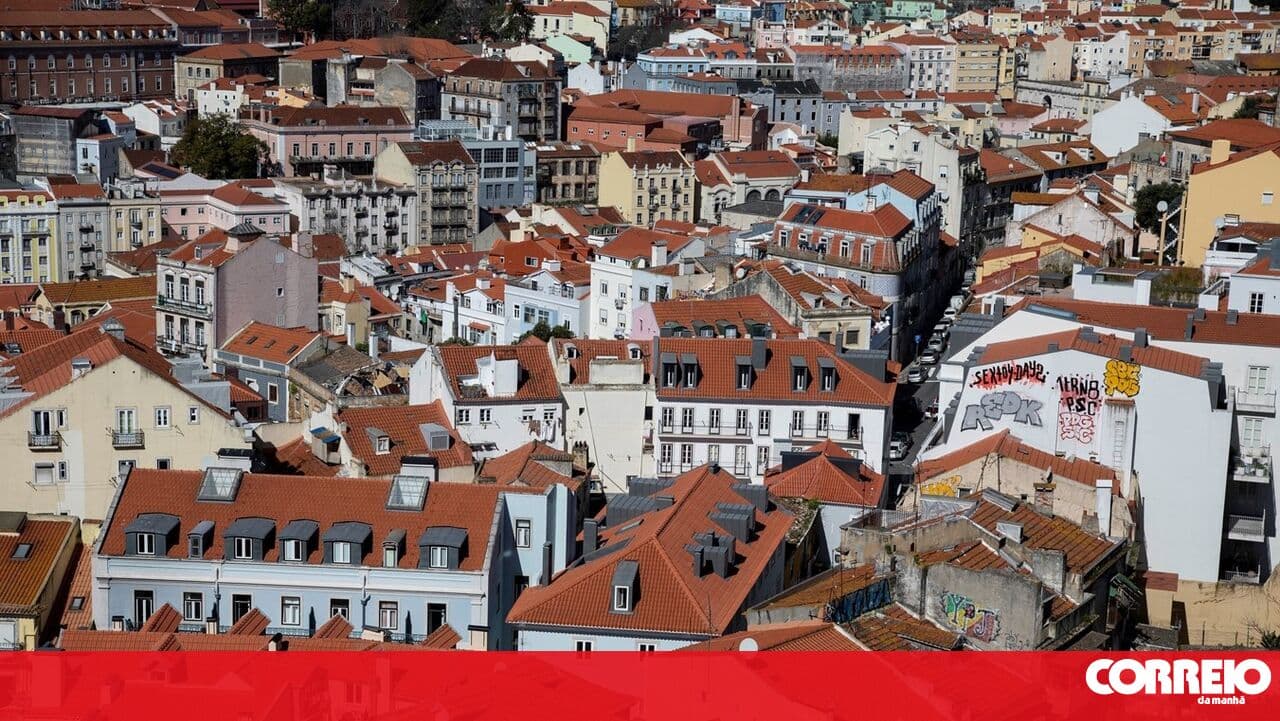
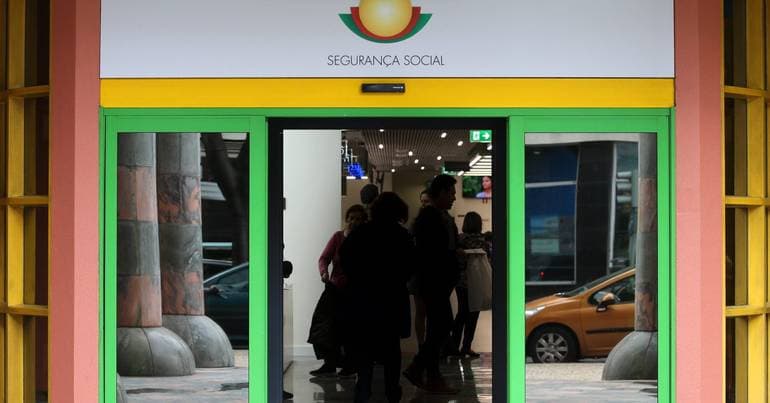
Observador reports that over the past decade foreign taxpayers in Portugal have become younger and increasingly receive family benefits, with concentrations now in the Lisbon, Faro and Setúbal districts. The shift affects benefit patterns and local public-service demand in those regions. Those advising immigrant households or working in local administrations should note the changing demographic and benefit profile.
President Marcelo Rebelo de Sousa and the 25th of April Association president emphasize the need to uphold the values of the Carnation Revolution, focusing on social justice, labor dignity, and truth while calling for an end to global conflicts.
The UGT National Secretariat is set to reject the government's latest labour code proposal, citing insufficient progress and constitutional concerns, despite ongoing mediation efforts by President António José Seguro.
President of the Republic António José Seguro is set to hold individual meetings with social partners in Belém this Wednesday to discuss the government's contentious labour legislation proposal.
Minister of Labour Rosário Palma Ramalho has concluded negotiations on the labour package, confirming that a final version will be sent to the CGTP while the government awaits the UGT's definitive position on the proposed reforms.
The Socialist Party in Lisbon has accused Mayor Carlos Moedas of illegally retaining Alberto Laplaine Guimarães as municipal secretary-general, arguing that his tenure has exceeded the legal ten-year limit and that a new public tender was required.
Mayors are seeking meetings with political parties to address the negative impact of obstetric emergency service closures on local populations, particularly those in remote areas.
The Minister of Labour reconvenes with the UGT and business confederations to resume labour law reform negotiations following an appeal from the President of the Republic to resolve the recent impasse.
António José Seguro has officially taken office as the 21st President of the Portuguese Republic, succeeding Marcelo Rebelo de Sousa, who was honored with the Grand Collar of the Order of Liberty on his final day.
The new President took office in Belém, emphasizing the need for national stability while highlighting critical challenges including an ageing population, healthcare and housing deficits, and a slow judicial system.
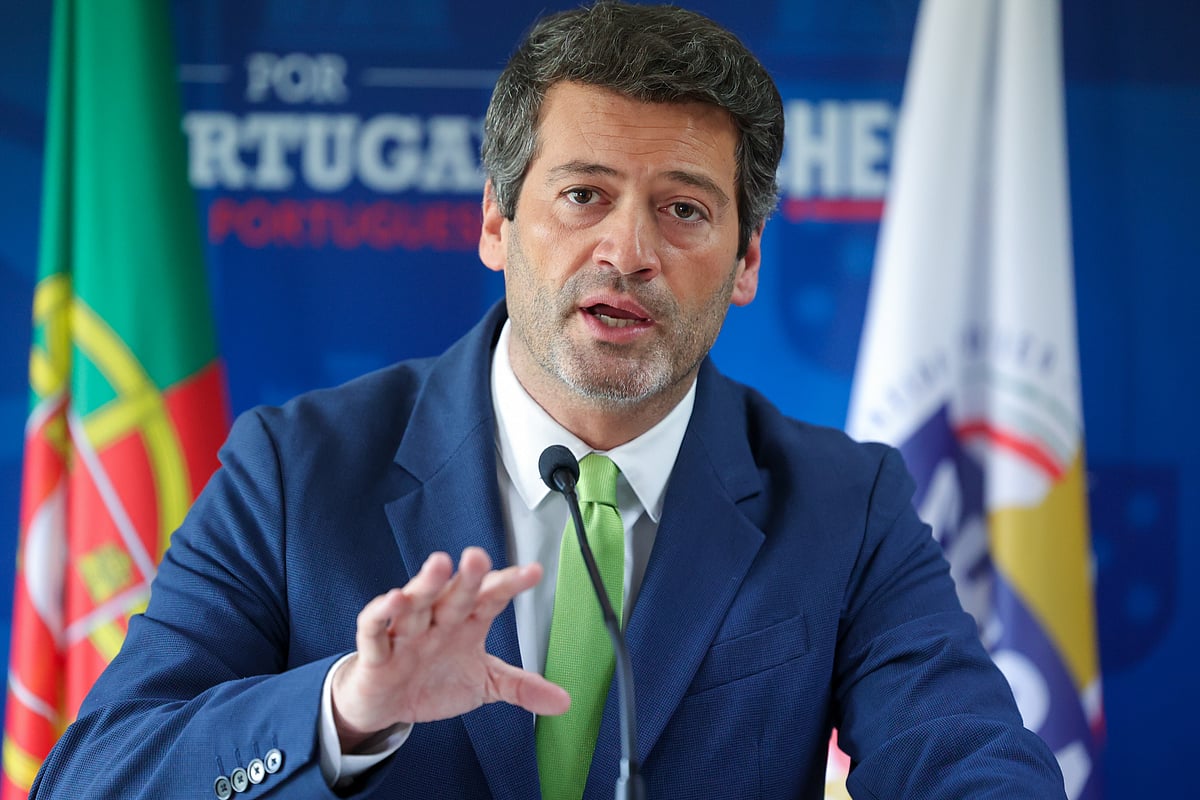
Leader of Chega, Ventura, has called on the Government to return the additional VAT revenue generated from the recent rise in fuel prices, emphasizing the need to differentiate between individuals and businesses. He criticized the Government's response to the fuel price crisis, particularly the insufficient discount on road diesel, and plans to push for an urgent debate in the Assembly of the Republic.
A military flight carrying 39 passengers, including 24 Portuguese nationals, has successfully arrived in Lisbon as part of efforts to evacuate citizens amid the ongoing conflict in Iran. In response to the situation, Portugal is contemplating a new repatriation flight from Saudi Arabia to ensure the safety of its citizens abroad.
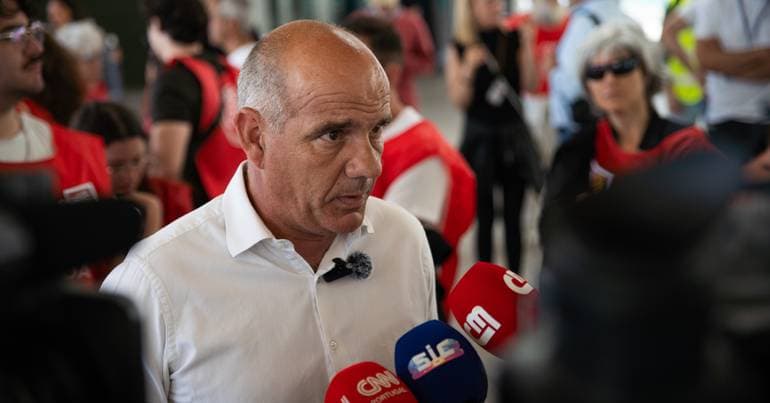
Thousands of demonstrators took to the streets in Lisbon and Porto to protest against the government's proposed changes to the labour law, known as the 'Work XXI' reform. Led by the CGTP union, the protests highlighted concerns that the reforms would negatively impact workers' rights. CGTP's Secretary-General, Tiago Oliveira, called for the government to withdraw the labour package, emphasizing its detrimental effects on the workforce.
The Cascais PSD has officially handed over municipal portfolios to Chega, following a governance agreement approved by Chega's national leadership. The party, led by Ventura, will now oversee the portfolios for transparency and sports. In response, the Socialist Party (PS) has decided to return their portfolios in protest, marking a significant shift in the local political landscape.
The president of the Cascais City Council, Nuno Piteira Lopes, has formed a new coalition with Chega after the previous agreement with the Socialist Party (PS) fell apart. This strategic move aims to secure a majority in the Municipal Chamber, marking a significant shift in local governance dynamics.
The article critiques Carlos Moedas for his political maneuvers, particularly his secretive agreement with the far-right party Chega, which contradicts his public image as a reformist. It highlights the lack of transparency in his dealings and the implications for his governance in Lisbon, emphasizing that he can no longer blame external factors for inaction. The piece calls for Moedas to focus on effective governance rather than personal political ambitions, as he now holds a majority that was not directly granted by the electorate.
Lisbon’s city-wide ban on the sale of alcoholic beverages for consumption outside commercial premises takes effect on Saturday 14 February, aiming to reduce noise and protect residents’ right to rest. The measure — approved by Lisbon City Council and implemented 30 days after its publication on 15 January — bars outdoor alcohol sales from 23:00 Sunday–Thursday (midnight on Fridays, Saturdays and eves of holidays) until 08:00 the following day, while allowing consumption inside premises, on licensed outdoor seating and via home delivery. Enforcement by the Lisbon Municipal Police and security forces includes fines of €150–€1,000 for individuals and €350–€3,000 for businesses.
Lisbon introduces a night-time ban on the sale of alcoholic beverages for street consumption effective tonight. Vendors face fines of €150–€1,000 for individuals and €350–€3,000 for businesses; the measure is presented as a regulatory step to curb night-time public disorder and enhance public safety.
Portugal is seeking to enhance its appeal to Middle Eastern investors, particularly from Qatar, by shifting its marketing strategy beyond just its favorable climate. In Doha, representatives from Startup Portugal are engaging with local entrepreneurs to promote investment opportunities in the country.
Moedas has secured an absolute majority with former Chega members, raising questions about the implications for Lisbon's political landscape and whether this shift marks the end of certain political red lines.
Cascais City Council has exercised its right of first refusal to buy 32 plots near Quinta da Marinha for €30 million, blocking a sale the owner had negotiated with two private firms. The council approved a loan to finance the acquisition, raising issues about use of public funds to secure strategic, high-value land in one of the municipality’s most expensive areas and the implications for local planning and market dynamics.
Infraestruturas de Portugal (IP) will deliver to the Government “in the coming days” a proposed management model for the three Tagus crossings. If approved, the proposal will move to a concession tender covering the two existing bridges and the planned Third Tagus Crossing (TTT), signalling a move towards outsourced management that could affect tolling, maintenance responsibilities and wider transport policy. Key details on timeline, contract structure and public‑private risk allocation remain to be confirmed.
André Ventura returned to the campaign trail in Sacavém after advancing to the second round, challenging António José Seguro to more debates and accusing him of preparing to avoid direct confrontations. Ventura said he was astonished that several right‑wing and establishment figures were endorsing Seguro — whom he claims is ‘running into the arms of the Socialist Party’ — but stressed that such endorsements do not matter to him and that only popular support counts.
Lisbon's municipal authority has proposed banning alcohol consumption in public streets from 11pm, with proposed fines of up to €3,000 that could also be applied to establishments. Framed as a measure to reduce nuisance and improve public safety, the proposal raises questions about enforceability, proportionality and the potential economic impact on nightlife and hospitality. Separately, Le Monde reports Emmanuel Macron accusing Donald Trump of 'breaking with international rules', underscoring a parallel debate about norms and accountability on the international stage.
The director of the American research centre Hudson Institute warned today in Lisbon that “Portuguese politicians should be measured in how they criticise” the war in Iran, which began on 28 February.
The Secretary of State for Portuguese Communities attributed the need for immigrants this Thursday to Portugal's “success”, as they perform jobs that nationals “do not want or cannot do”. Emídio Sousa was speaking during the Portugal Global Nation Forum, a strategic platform connecting Portugal, its diaspora, and international markets.
The 25th of April marks the beginning of democracy, freedom, and equality. It celebrates the military coup that transformed into a peaceful revolution through the spontaneous, total, and free support of the people, overthrowing the authoritarian, oppressive, and regressive regime that had governed the country for nearly half a century. In 2026, fifty-two years after that founding moment, detractors of the 25th of April—and the values it represents—have become vocal. These heralds of historical revisionism, based on anti-democratic ideological prejudices and often falsehoods, use the very freedom that April gave us to attack freedom itself, benefiting from the tolerance that is the core of Democracy's ethical superiority. These radical and anti-democratic populist politicians demand constant vigilance and proactivity from democrats in defending freedom and equality. However, they are not alone; self-proclaimed moderates who dilute the historical and political significance of the 25th of April also contribute to diminishing this seminal moment. Unfortunately, this was evident in the commemorations organised by the Government at the Prime Minister's official residence and by the Lisbon City Council. In São Bento, there was a celebration of theatre, including a fitting tribute to Ruy de Carvalho, but the 25th of April was absent—an unforgivable omission, especially when democratic values are under threat. In Lisbon, the City Council and EGEAC organised no institutional commemoration of the 25th of April, under the pretext of integrating it into the so-called 'Spring Festivals,' which celebrate 'the return of the sun, flowers, good spirits, and the desire to go out and do things with friends.' The complete erasure of the 25th of April in this context is symptomatic of the indifference with which the City government views the Revolution that restored our democracy and freedom, and which also created autonomous and democratic local government. Both celebrations (or their omission) contrast with the President of the Republic's actions in Belém, where he opened the Palace gardens with a programme alluding to the anniversary. However, the indifference of the Government and the Lisbon City Council was met with a response in the streets. The tens of thousands of people, including many young people, who marched for hours along Avenida da Liberdade, from Marquês de Pombal to Rossio, demonstrated that the 25th of April is alive where it matters most: in all of us, the people. The same people who, in 1974, joined the military to peacefully, with joy, altruism, and generosity, take the reins of a democratic, free, fair, and solidary future into their own hands. Note: The speeches at the 25th of April ceremony in the Assembly of the Republic brought the issue of transparency and political scrutiny into heated debate. In an era of populism, simplistic and caricatured approaches are dangerous and counterproductive. The President of the Republic's statement remains lapidary: 'Suspicion grows in opacity.'
Cláudia Ribeiro had been appointed secretary of the Council of State and was serving as Chief of the Civil House on an “interim” basis. Now, she moves to a permanent role. The Belém team is now practically complete.