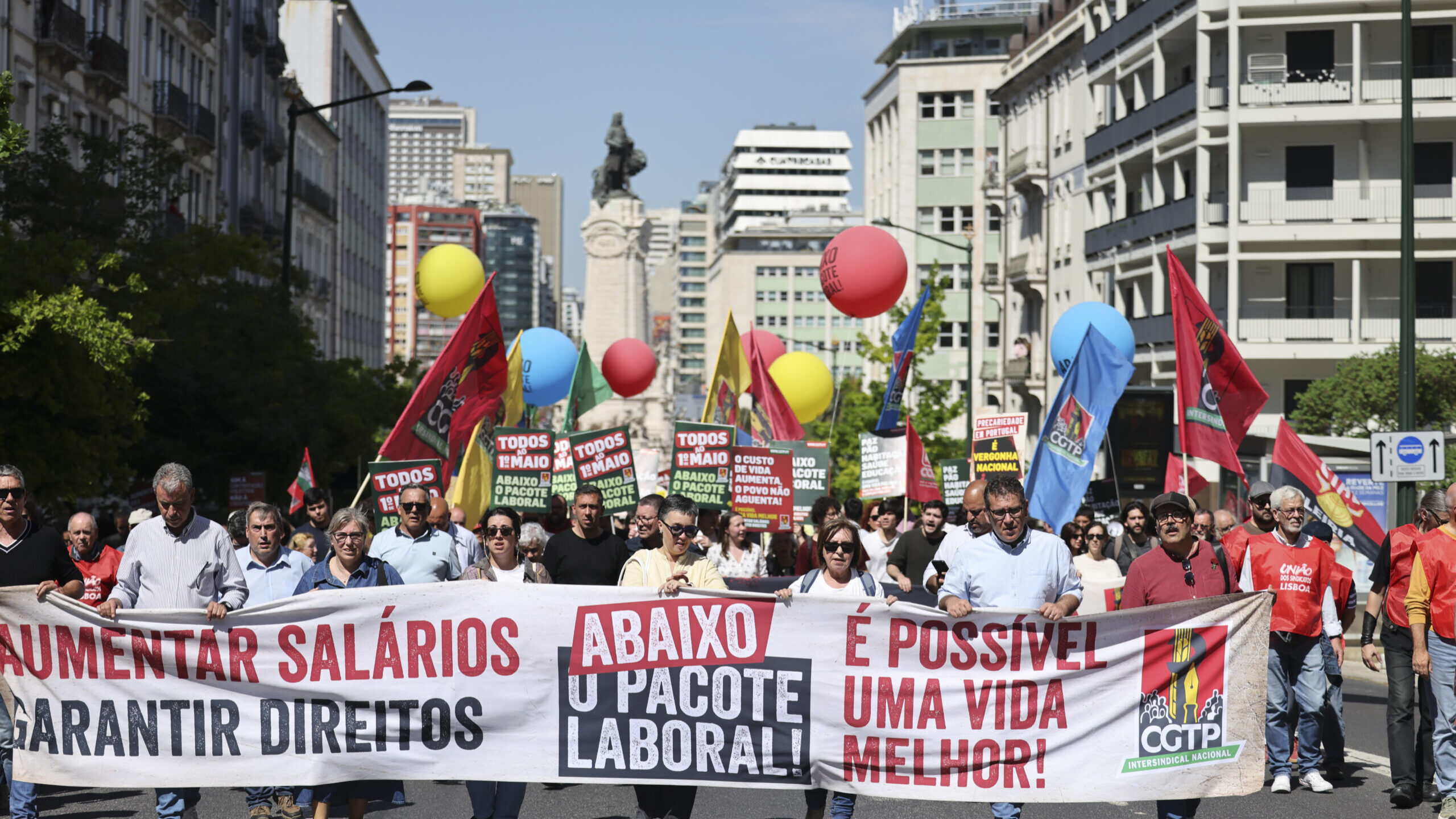
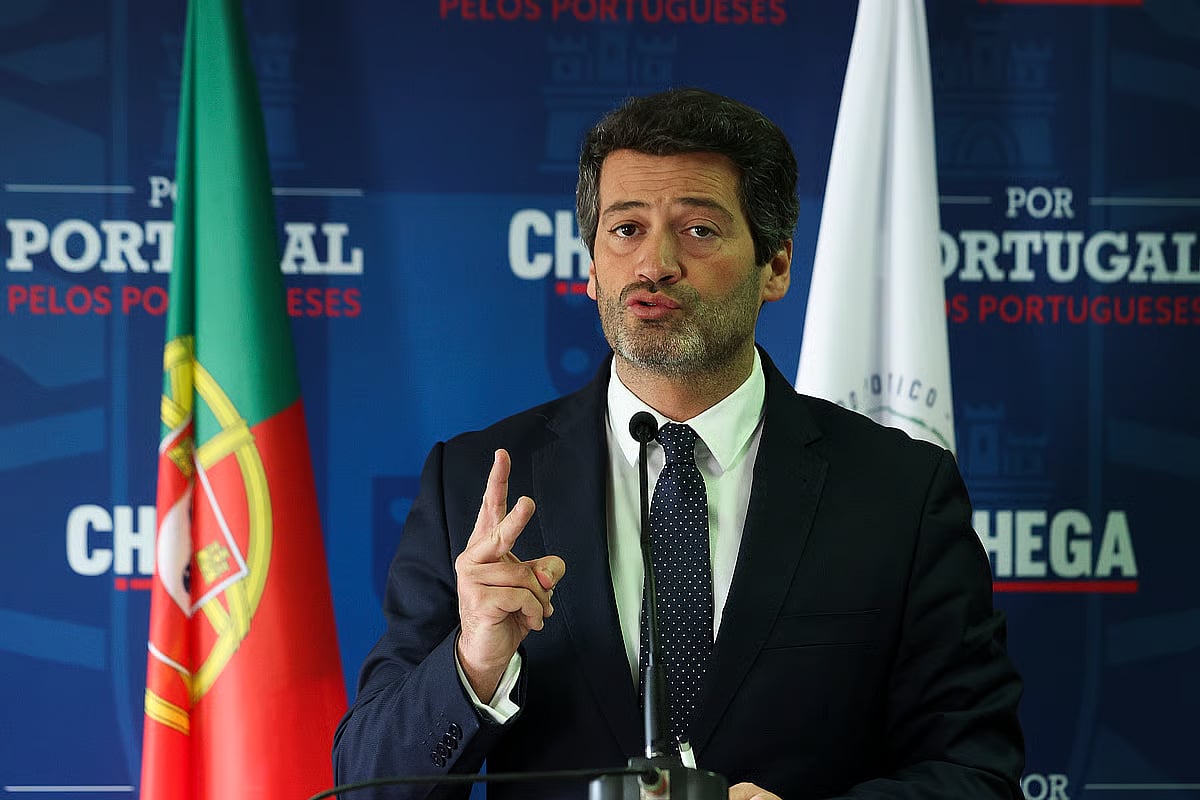
The UGT National Secretariat is set to reject the government's latest labour code proposal, citing insufficient progress and constitutional concerns, despite ongoing mediation efforts by President António José Seguro.
UGT prepares to reject labour package following meeting with Seguro
Tuesday, 21 April 2026RSS
Context & Explainers

- President of Portugal (since March 9, 2026)
- Party: Independent. Former leader of the Socialist Party (PS), Partido Socialista
- Center-left
António José Martins Seguro (born March 11, 1962, in Penamacor) is a lawyer, political scientist, and the current President of the Portuguese Republic, inaugurated on March 9, 2026 after winning the two-round presidential election in January–February 2026.
Career: He led Socialist Youth (1990–1994), served as MEP (1999–2001), was Minister Adjunct to PM António Guterres (2001–2002), and led the PS parliamentary group (2004–2005). Elected PS Secretary-General in 2011 with 68%, he led the opposition during Portugal's bailout era. In 2014, António Costa defeated him in party primaries by a landslide, prompting Seguro's resignation and a decade-long retreat from politics. He returned in 2025, launching the movement UPortugal and announcing his presidential candidacy in June. He received official PS backing in October 2025 and won the presidency in February 2026.
Political philosophy: Seguro positions himself as representing a "modern and moderate" left, advocating financial responsibility while opposing austerity. As President, he has emphasized institutional trust, efficient governance, and a collaborative relationship with the government while maintaining rigorous constitutional oversight.

The General Union of Workers (UGT – União Geral de Trabalhadores) is one of Portugal’s two main national trade union confederations. Founded in Lisbon on 28 October 1978, it was created as a social‑democratic alternative to the more communist‑aligned CGTP after the 1974 Revolution, grouping unions close to the Socialist Party and moderate centre‑right currents.
UGT represents around 400,000 workers and is affiliated to the European Trade Union Confederation and International Trade Union Confederation, giving Portuguese labour a voice at EU and global level. Its principles stress union independence from the state, employers, churches and parties, internal democracy and active worker participation.
Historically, UGT’s hallmark has been “propositive” social dialogue: it is usually more willing than CGTP to sign tripartite agreements on wages, labour law and social policy with governments and employers, shaping minimum wage increases, working‑time rules and social protection reforms. This makes UGT a key centrist actor in Portugal’s industrial relations, often mediating between left and right while defending collective bargaining and incremental improvements to labour rights.
AI Summary AvailableUGT union leaders prepare to reject government labour proposalRead the synthesized summary with context and explainers
View full article on dn.ptRSS source
Other news coverage of this topic
- Vote against agreement gains momentum within the UGT • Correio da Manhã
- Government created a "huge mess" regarding the labour reform issue • CNN Portugal
- António José Seguro "made the mistake of wanting to say he would veto" the labour reform • CNN Portugal
- What is this labour reform for and who is it for? • Público
- What has changed in 9 months in the labour reform proposal • Observador
- Labour law. Centeno points to qualifications as the biggest challenge • RTP Notícias
- Changes to labour law: Government believes in a favourable vote from the UGT • RTP Notícias