Latest news and stories about public safety in travel in Portugal for expats and residents.
An 86-year-old British national was taken off the ship on a rescue stretcher and hoisted into the helicopter.

Waves are reaching up to five metres in height.

RTP reports IPMA has issued an orange warning for the north coast of Madeira and Porto Santo, forecasting waves of 5 to 5.5 metres and rough sea conditions. The Portuguese Institute for Sea and Atmosphere (Instituto Português do Mar e da Atmosfera or IPMA) warns mariners, coastal visitors and port operators to avoid exposed areas until conditions ease. Those planning sea travel or coastal activities should monitor local updates and follow authorities' safety advice.

IPMA is the Portuguese Institute of the Sea and Atmosphere (Instituto Português do Mar e da Atmosfera), the national agency for weather, marine forecasts and climate monitoring. Residents should watch its forecasts and warnings during storms, heatwaves or cold snaps because IPMA issues official advisories used by services, transport operators and local authorities.
An orange warning from the Portuguese Institute for Sea and Atmosphere (Instituto Português do Mar e da Atmosfera) signals potentially dangerous weather or sea conditions that could cause significant damage or risk to life; it is one level below the highest red warning. For the coast, an orange alert (for example waves of 5–5.5 metres) means people should avoid sea activities, follow local authority advice and expect disruptions to maritime transport.

Passengers reported a robbery. The suspect was searched, but no illegal items were found.

The group was hiking the 'Conchos' trail and became disoriented due to snowfall and bad weather.

Eighteen emergency responders were at the scene, supported by seven vehicles.

The PSP were called to the interior of a TAP plane that landed in Lisbon. The person accused of the theft had nothing on them.

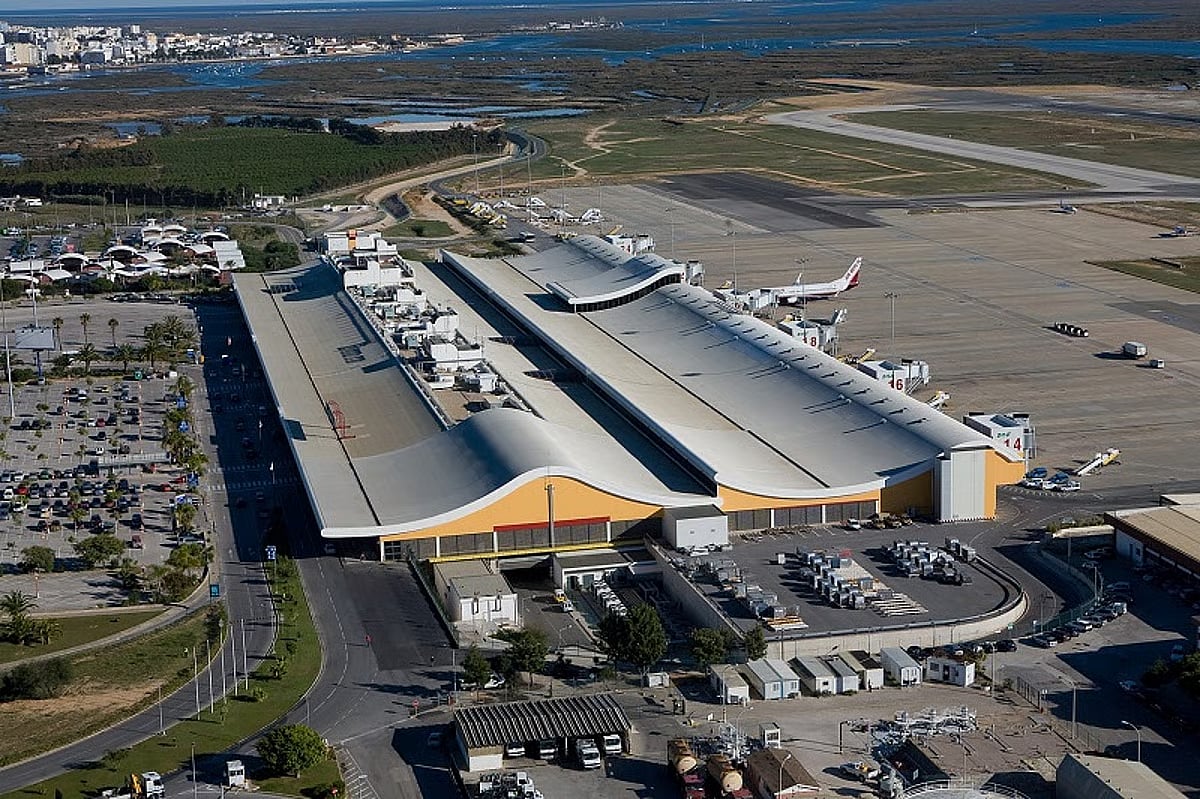
A woman was detained at Lisbon Airport for possession of cocaine sufficient for at least 8,500 individual doses. The suspect had arrived from a South American country.

IPMA has issued a yellow warning for rough seas in 10 districts. Eight districts remain under a yellow warning due to snowfall.

Access to the Torre at Serra da Estrela, which had been closed since Thursday afternoon due to snowfall, reopened at 10:30 today, a Civil Protection source told the Lusa news agency.
Part of the seized drug was being carried inside the detainee's body, the PJ (Polícia Judiciária) reported.

The districts of Guarda and Castelo Branco were under a yellow warning until 18:00 on Friday due to snowfall.

The Portuguese Institute for Sea and Atmosphere (IPMA) has issued an orange warning for rough seas across seven mainland districts—Porto, Viana do Castelo, Braga, Aveiro, Coimbra, Leiria and Lisbon—in force until 12:00 on Saturday. Swells are expected to be particularly severe in the north‑west, with waves potentially reaching up to 10 metres. The advisory signals a heightened marine hazard; residents, mariners and coastal visitors should heed official guidance and avoid exposed areas.
Update: CNN Portugal confirms IPMA's forecast of waves up to 10 metres and reiterates that the orange warning remains in force until 12:00 on Saturday; authorities advise avoiding exposed coastal and harbour areas until conditions ease.
Update 2: Público and other outlets list the affected districts explicitly and note that Coimbra and Braga have orange warnings in effect until 12:00 while other districts are under yellow warning levels — a staggered schedule responders say reflects local conditions.

IPMA is the Portuguese Institute of the Sea and Atmosphere (Instituto Português do Mar e da Atmosfera), the national agency for weather, marine forecasts and climate monitoring. Residents should watch its forecasts and warnings during storms, heatwaves or cold snaps because IPMA issues official advisories used by services, transport operators and local authorities.

Porto's Clérigos Tower (Torre dos Clérigos) was partially evacuated on Friday after a short circuit in a battery caused a small fire on an upper floor; emergency services say the alert was raised around 12:41 and the situation was resolved with no reported injuries. City sources told Lusa the incident was contained quickly and the monument has since reopened or been secured. Visitors and residents near the monument should follow local directions if emergency crews are present.
Clérigos Tower (Torre dos Clérigos) is an 18th‑century Baroque bell tower in Porto, designed by Nicolau Nasoni and completed in the 1760s; it stands at about 75 metres and is one of the city’s best‑known landmarks. Because it is a major tourist attraction, any safety incident—like the reported battery fire and partial evacuation—can temporarily close the site and affect visitors and nearby businesses, so tourists and Porto residents should check for local advisories before planning a visit.

National weather services placed fifteen mainland districts under a yellow warning for inland snowfall and increased coastal swell, with outlets warning of travel disruption and hazardous maritime conditions. Forecasters expect snow inland and rough seas along the coast that may affect ferries, coastal roads and port operations. Travellers and mariners should monitor local forecasts and services; note the yellow warning (aviso amarelo) indicates potential danger but not the highest alert level.
Aviso amarelo (yellow warning) is the second level in Portugal's weather-alert system issued by the Instituto Português do Mar e da Atmosfera (IPMA) to signal potentially dangerous conditions like heavy snow or rough seas. When districts are under aviso amarelo, expect travel disruption and take precautions—drivers, boaters and coastal residents in the affected areas should be especially alert.

A yellow warning (aviso amarelo) from IPMA signals potentially dangerous weather conditions (the lowest of three levels: yellow, orange, red) that may cause local disruption. For expats it means be alert—expect slower travel and take common‑sense precautions—but it is not usually an immediate emergency level.

Fifteen mainland Portugal districts are under a yellow warning for snow and sea swell until 18:00. Authorities and emergency services are monitoring conditions and advising the public to take precautions against disruption to transport and coastal hazards.

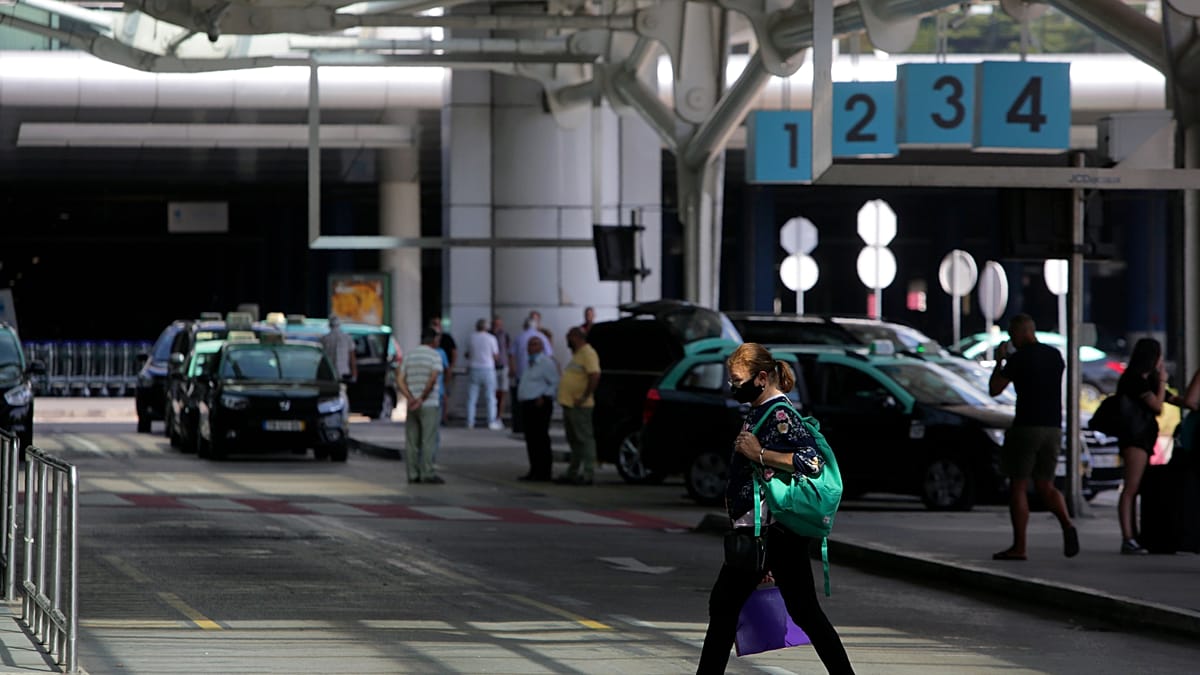
Portuguese outlets report the Public Security Police (PSP) screened more than 11 million passengers at Lisbon airport in 2025, refusing entry to 1,867 people and detaining 263; separate reporting says PSP identifies an average of about 70 suspicious international passengers a day. Coverage combines national totals with daily operational figures and highlights intensified checks on arrivals. Travelers should note increased security controls may mean longer queues and documentary checks at Lisbon airport — carry ID and travel papers and allow extra time for arrivals and departures.

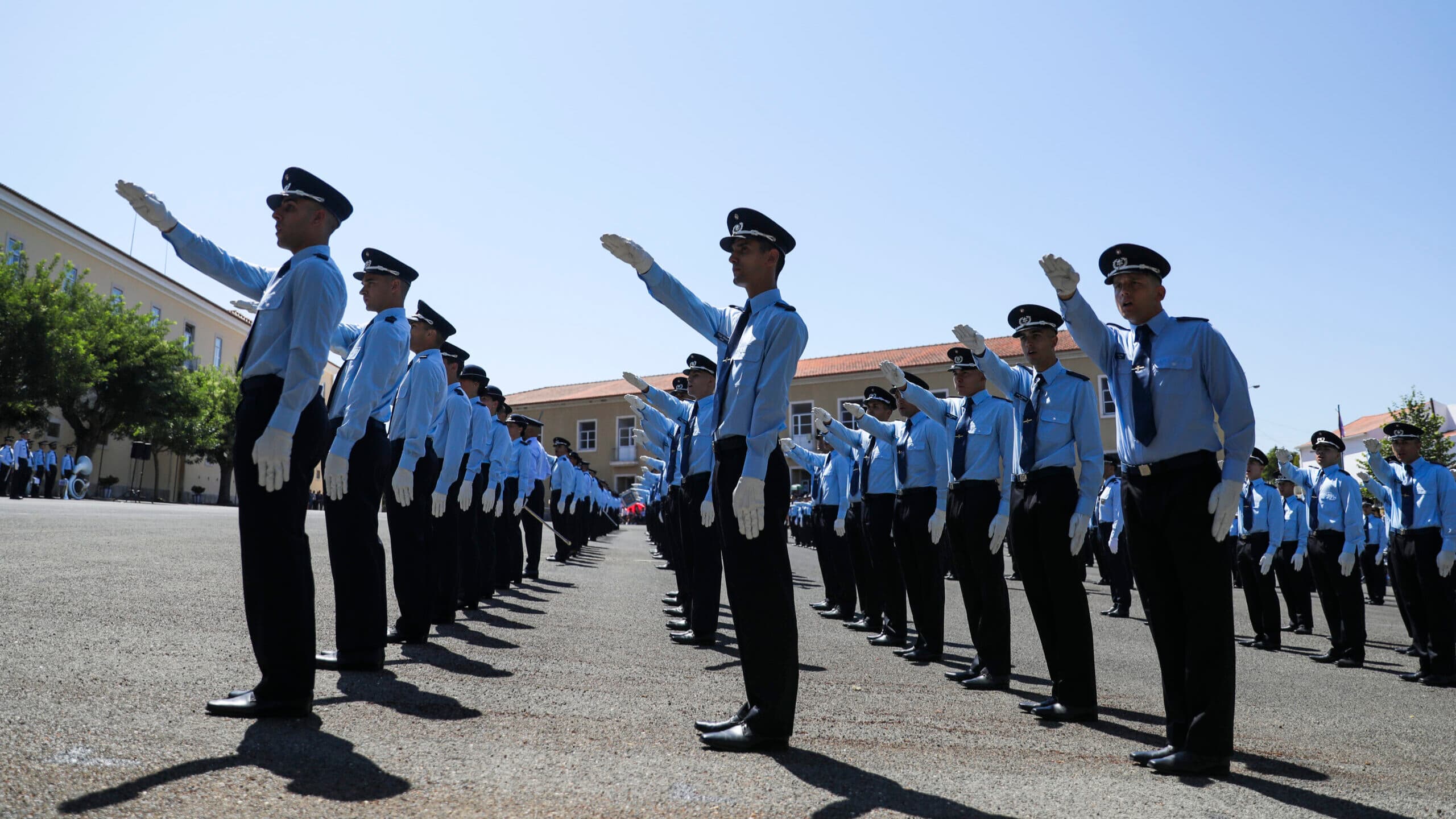
The PSP (Polícia de Segurança Pública) is Portugal's national civilian police force, founded in 1867. Responsible for defending Republican democracy and safeguarding internal security and citizens' rights, the PSP polices major cities—Lisbon, Porto, Faro—and large urban areas, covering only 4% of Portugal's territory but roughly half the population. Led by a National Director under the Ministry of Internal Affairs, its approximately 21,500 officers handle preventive policing, crime investigation, public order, airport security, diplomatic protection, private security regulation, firearms licensing, and border control (since 2023).
PSP vs. GNR: The PSP is civilian with police-focused training and urban jurisdiction, while the GNR (Guarda Nacional Republicana) is military (gendarmerie) with military training, covering 96% of Portugal's rural and suburban territory. Both share core public safety missions but differ fundamentally in nature, training, and geographic responsibility.

Snowfall forced the closure of a road that crosses the central massif of the Serra da Estrela, disrupting travel through Portugal’s highest mainland mountain area. Travellers planning routes through the region should expect detours and check road‑service updates before driving in or through the highlands.
Serra da Estrela (the Estrela mountain range) is Portugal’s highest mountain range in central Portugal, with its highest point, Torre, at 1,993 metres. It’s a protected natural area and popular for hiking and winter sports; winter storms and snow can close roads across the massif, so expats travelling there in winter should check conditions and expect possible closures or the need for winter equipment.

The Portuguese Institute for the Sea and Atmosphere (Instituto Português do Mar e da Atmosfera or IPMA) has placed eleven mainland districts under a yellow weather warning for occasionally heavy rain and strong winds until the early hours of Tuesday, with wind gusts reported up to 90 km/h and rough seas warned for Madeira and the Azores. Districts named include Viana do Castelo, Braga, Porto, Lisbon, Setúbal, Leiria, Aveiro and others; warnings run until about 09:00 in some reports. Expats should expect travel and local disruption, check public-transport updates and secure outdoor items; coastal and island travel may be more affected.

IPMA is the Portuguese Institute of the Sea and Atmosphere (Instituto Português do Mar e da Atmosfera), the national agency for weather, marine forecasts and climate monitoring. Residents should watch its forecasts and warnings during storms, heatwaves or cold snaps because IPMA issues official advisories used by services, transport operators and local authorities.

A yellow warning (aviso amarelo) from IPMA signals potentially dangerous weather conditions (the lowest of three levels: yellow, orange, red) that may cause local disruption. For expats it means be alert—expect slower travel and take common‑sense precautions—but it is not usually an immediate emergency level.

The GNR intervened to halt a recent spate of violent robberies affecting Albufeira and Monte Gordo. In Albufeira a youth gang targeted people in busy nightlife areas, while in Monte Gordo a young man carried out particularly aggressive attacks using an axe and a makeshift bludgeon. The incidents highlight growing concerns about public safety in tourist-oriented night-time districts and underline the need for targeted policing, prevention measures and community awareness to protect residents and visitors.

Portugal's meteorological institute (IPMA) has extended a yellow precipitation warning for the Algarve (Faro district) until midnight on Sunday, forecasting periods of heavy rain accompanied by thunderstorms. The Algarve is the only mainland area under the alert, which also applies to the Madeira archipelago; the public is advised to follow updates and take precautions against localized flooding and storm impacts.

An IPMA yellow warning is in force this Friday for eight districts — Guarda, Castelo Branco, Coimbra, Leiria, Lisbon, Setúbal, Beja and Faro — calling for increased public caution due to adverse conditions that could affect travel, outdoor activities and local services. At the same time eight presidential candidates will convene in Lisbon for a radio debate, an event whose logistics and audience turnout may be influenced by the weather alert; organisers and the public are advised to monitor forecasts and prioritise safety while ensuring the debate proceeds with contingency plans for any disruptions. The overlap of a national weather warning and a key campaign event underscores the practical intersection of public safety and electoral logistics.

A low-pressure system named Francis is forecast to affect Madeira at around 03:00, prompting an orange weather warning for the early hours. Emergency services have issued alerts advising the public to take precautions against heavy rain, strong winds and possible flooding, with authorities monitoring conditions and readiness for response.

Reports indicate 24 National Republican Guard (GNR) personnel were assigned to reinforce border checks at Lisbon’s Humberto Delgado Airport to help reduce queues and bolster security. The GNR later clarified the 24 officers will be deployed as reinforcements from next Tuesday; the airport had previously been reinforced by 25 GNR personnel at 19:00 and around 80 PSP officers over the Christmas period.

The Portuguese Institute of the Sea and Atmosphere (IPMA) warns that the low-pressure system 'Francis' will begin affecting the Portuguese mainland from Thursday. Stronger winds are expected from Thursday afternoon, with light rain forecast for New Year’s Day mainly on the west coast spreading inland; no rain is expected on New Year’s Eve.


Portugal Resident •